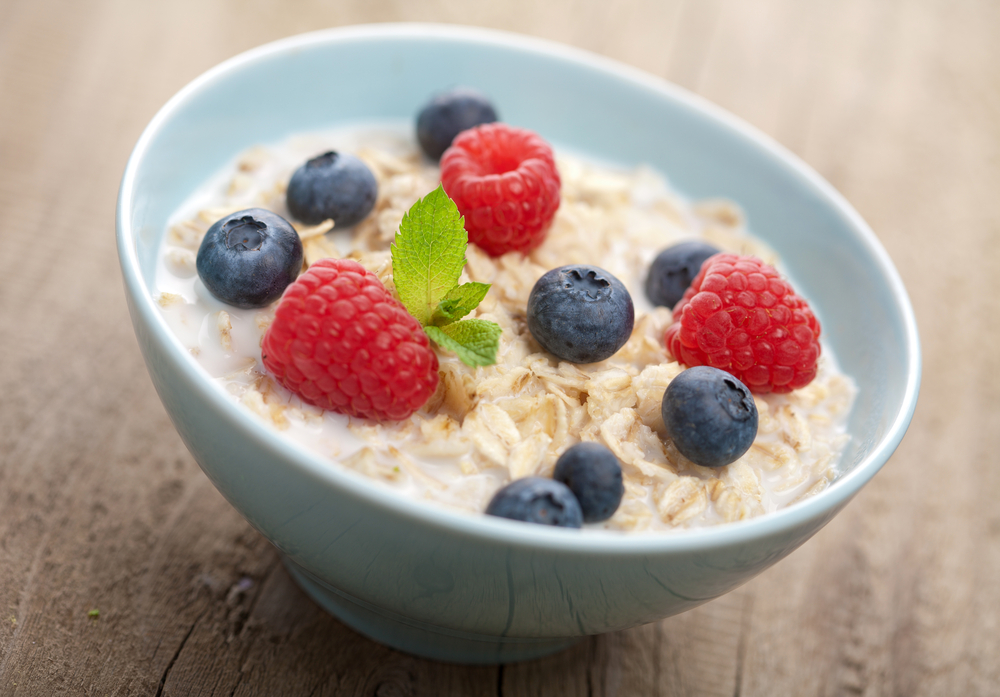
Healthy Snacks – eat more!

Research shows that people who eat healthy snacks between meals consume fewer calories overall. This may be because they prevent themselves becoming ravenously hungry, therefore are less likely to overeat. When you feel like you are starving, you are also more likely to go for the unhealthy stuff.

Choosing snacks wisely helps you to nourish your body, maintain concentration, mood & energy levels, keep your metabolic rate up, and eliminate sugar cravings. The key is to be prepared. Have the ingredients in your cupboard or fridge, and if you are out and about, whether at work, shopping or at the park, prepare before hand and bring with you! Don’t be caught out with nothing but chocolate bars, sweets and crisps to choose from at the corner shop.

Here are some top snacks. The ideal combination is some carbs, protein and healthy fats. These are also good for post workout recovery:

  • Apple & handful almond, not a whole bag2013-04-01-15-58-55
  • 2 Rice cakes with hummus
  • High protein fruit yoghurt eg. Danio (Danone), Total (Fage)

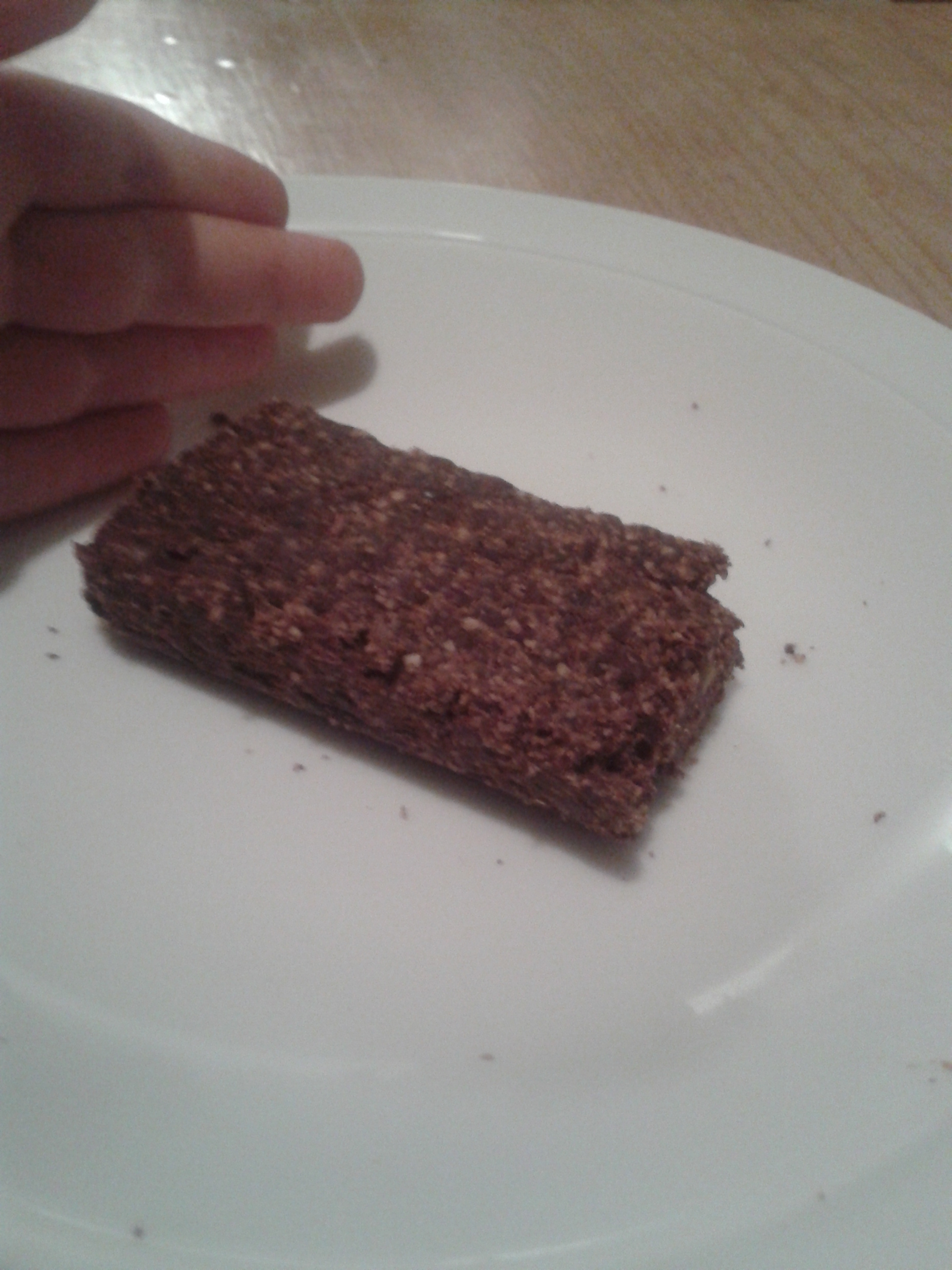
    Homemade Cocoa Bars

    Homemade Cocoa Bars

  • Hummus with carrot sticks
  • Skinny latte
  • ½ wholemeal pitta with ham and tomato
  • Homemade cocoa bar
  • small bar of chocolate e.g. Green & Black and cup of milky coffee
  • 4 apricots, spread with peanut butter, dunked in to toasted pumpkin seeds
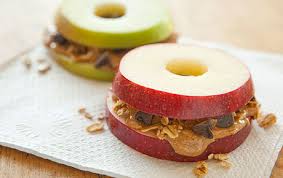
  • slices of apple spread with low fat cream cheese/peanut butter & raisinsimages-3
  • piece of fruit with cheese strings
  • Homemade Seriously Healthy Flapjack

Shepherd’s Pie – healthy make over

It has become popular for recipes, especially those online, to display the nutrition information. Hopefully this will empower the reader to make better health choices, as without this information, people generally underestimate the calories and fat in a dish.

BBC Good Food's Shepherd's Pie

BBC Good Food’s Shepherd’s Pie

Despite it being one of my jobs to estimate the nutritional value of food, I was a little shocked by the nutrition information that had been added to the Shepherd’s Pie recipe I’ve been using for years. One portion weighed in at over 660kcal and 39g of fat (and let’s face it, we usually have a little bit more than our allocated amount!) 660 calories is great for my 102kg rugby player husband who requires over 4000kcal per day, but for most of us, this is too high in saturated fat, calories, and too low on the veg and fibre. Most of us should aim for about 2000kcal, 45g of fat and 75g fibre per day.

So hoping to adopt the culinary equivalent of Laurence Lewellyn-Bowen’s Changing Rooms makeover genius (raised eyebrow), I set about reinventing my favourite shepherd’s pie recipe.

So how did I make the recipe healthier?

  • Reduced saturated fat: swapped lamb mince to lean beef mince, drained the excess fat, left out the butter from the mash.
  • Increase veg and fibre: added an extra carrot, replaced half the stock with a carton of tomatoes, added cooked red lentils (you really don’t even notice they’re in there), used half normal potatoes, half sweet potato for the mash

Result? 33% fewer calories, 70% less fat, 50% more fibre.

Here’s a comparison of the nutritional analyses of the original and made over recipe per portion:

  original healthier
Kcal 660 440
Fat 39 12
Protein 33 32
Fibre 6 9

And do you know what? It was actually rather good! The children and their friend from school finished a plate full each. Sounding a little perplexed, the friend said that she doesn’t usually finish her dinner. Ha! Healthier doesn’t mean less tasty!

True or false? – 3 Food Myths

Working with clients and patients over the years, I have heard many misconceptions about ‘good’ and ‘bad’ foods. It’s my job to set you straight!

Here are the top 3 that I hear most regularly:

  1. Carbohydrates are bad and make you put on weight – False! Carbs are not bad, what makes you put on weight is too many calories. However, not all carbs are created equal. We have ‘refined carbs’ that provide few nutrients e.g. white bread, white rice, cake,When training, carbs are your friend! biscuits etc. and wholesome carbs that are more nourishing e.g. vegetables, fruit, oats, wholewheat bread, brown rice. The wholesome carbs are much higher in fibre making you feel full up for longer, thus curbing hunger and cravings for the refined carbs. They also have more vitamins and minerals. For the average adult, a portion of carbs is about 1/4 of your plate. Yes, 1/4, not 1/2! So the wholesome carbs can actually help you to control your weight.
  2. Sugar makes kids hyper – not true! I have parents who swear that after a birthday partyimages with all the sugary snacks, their children turn in to raving loonies. Scientific studies have shown that as an ingredient, sugar does not cause a change in behaviour. Think about the party environment…….the excitement, the noise, the fun food & drinks! Enough to hype up any child. Any food involvement is likely to come from reactions to food additives or caffeine in fizzy drinks.
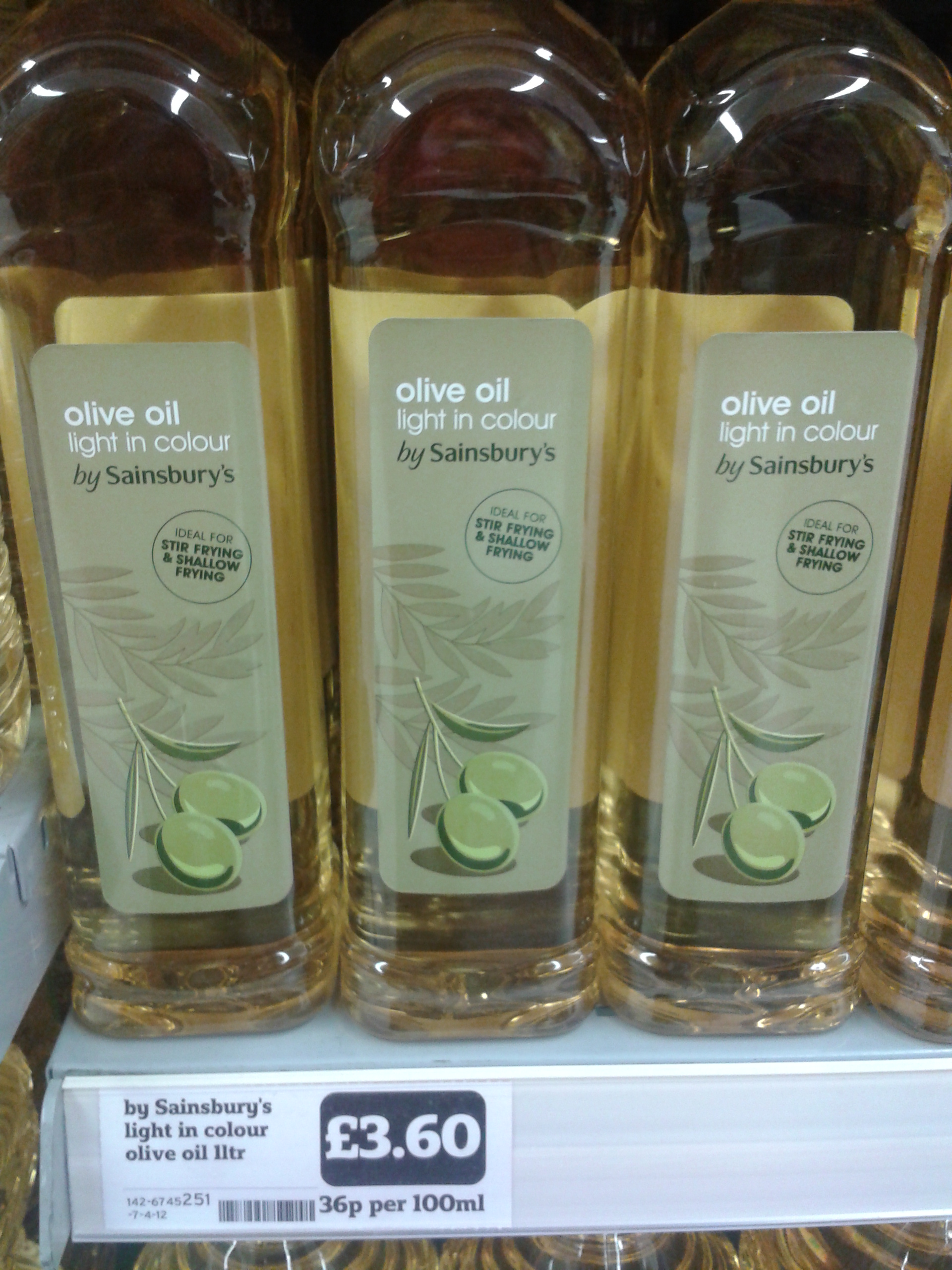
  3. Olive oil helps you to lose weight – not true! This applies to all oils, even the super 2013-09-11 11.50.38expensive extra virgin olive oil, avocado, flaxseed etc. Per tablespoon, all of these oils have 125kcal. They are a healthier type of oil to choose over butter or lard, as they contain essential fatty acids that are anti inflammatory and are good for cholesterol levels. However, if you are watching your weight, be aware that they are extremely high in calories, so don’t use liberally!

Butternut, Bacon & Herby Scones

Here is a recipe from my lovely friend, Robyn. We know each other through the rugby, as our husbands played together at London Irish, and later Neal coached Dec. They are now arch rivals as Neal is coaching the Bath Rugby team (boooooo!). As well as being long suffering rugby wives, Robyn and I also share entrepreneurial tendencies. Robyn’s baby is Mum’s the Business offering fabulous help for mums making their way with their own business.

With 315kcal and 8g protein per muffin, these are perfect for the kid’s lunch boxes as something a bit different to sandwiches. Also fab as a high energy snack.

The butternut squash is rich in vitamin A & C, the spinach has vitamin A, C, K & folate, the olive oil is heart healthy, and the milk and cheese provide calcium.

Here’s the recipe………

Makes: about 12 scones

Takes: 20 minutes to bake & 50 minutes to prepare (mostly the butternut!)

1 butternut squash (about 500g butternut squash cubes)        

1tbsp olive oil

200g unsmoked back bacon                                                        

450g self raising flour

1 tsp baking powder

80g unsalted butter (cut into small pieces)

1 large handful of chopped fresh herbs or spinach (optional)  

300ml semi skimmed milk

40g cheddar cheese, finely grated

Preheat oven to 190C/fan or 170C/Gas5.  Grease 2 baking trays.  Peel butternut squash, cube it, then place on baking tray with oil & roast for 40 minutes, or until cooked.  Cook the bacon on the other tray until cooked and golden.

Put the flour and baking powder into a large bowl, and rub in the butter.

Add the butternut, bacon (snipped into small pieces) and the herbs / spinach.  Mix.  Add almost all the milk & mix together well.

Dollop about 12 spoonfuls onto baking tray.  Brush the tops with milk and sprinkle cheese over.  Bake for about 15 – 20 minutes until cooked through & golden.

Pre season – even more food, and first game at Nottingham

Pre season training has always been pretty full on. In the Rugby Union calendar, June to August is a time for pushing fitness, strength and skills to prepare for the playing season ahead. With the first warm up game next week against Nottingham, there has been more emphasis on ‘contact’ sessions in preparation for actual games, rather than a focus on fitness eg. running hills. Dec likens it to getting beaten up on a daily basis.

securedownload-3

Day off lunch at GBK  800kcal – stopped the chips, fried onion rings and milkshake this year.

At 33, retirement is on the horizon, and the cross over to life beyond playing is taking root. Dec is is embarking on a coaching career, so after his own day of training, he’s passing on what he has learnt over the past fourteen years to the academy lads at London Irish.  It’s a long day, and hard work both physically and mentally. But like anything, if you do something you love it is a pleasure and a privilege rather than a chore.

Oddly, for an old guy (33), Dec is feeling pretty good. Apart from the usual longterm niggles originating from two ACL repairs in two consecutive years, he feels that he is in the shape of his life. It’s always tricky to put this down to any one reason. One of the main factors is that after 14 years of messing around with various diets and supplements, he is taking the sensible, and, sorry folks, ‘boring’ avenue of eating healthy balanced meals. Don’t get me wrong, diets or lifestyles such as low carbing or the Paleo diet have their merits, and can work for many, however, for most athletes in hard training they won’t enable optimal performance and can even impact on susceptibility to illness.. As well as the good food, and obviously the daily training, rest is another important aspect. So no late nights, and as much of a lie in as possible!

As he is still trying to gain weight, total daily intake now needs to be in excess of 4200kcal. That’s a lot of food! This is where sports supplements would come in very useful, but Dec is reluctant to rely on these, preferring to reap the benefits of real food, benefits that a powder mixed with water simply cannot replicate. Practically, this can be tough, requiring careful planning of what and when he is going to eat.

Here are the current dietary regimen principles:

  • regular meals – roughly every 3 hours, that’s 6 meals to spread the food throughout the day and timed around training sessions
  • at least 700kcal per meal
  • not excluding any food group eg. carbohydrateWhen training, carbs are your friend!
  • adding extra calories using nutrient dense foods eg. olive oil (100kcal per tablespoon), extra nuts & seeds added to recipes, lashings of peanut butter on bagels, avocados, grated cheese on top of meals
  • using supplements when necessary – a carb/protein recovery drink during weight training when eating is not possible, followed by a meal asap after the session

Here’s what he had yesterday (all meals, one serving with no seconds!):

7am: large bowl porridge, 1/2 bagel with butter, jam, peanut butter

10am: meal at work – pork, mashed potatoes, vegetables

image

Yoghurt, nus and apple

1pm – meal at work – beef fajitas

4pm: yoghurt, nuts, apple, supplement bar

7pm: meal at home – chicken, spinach, cherry tomatoes and puy lentils with brown basmati rice

image

Tuna mayo wrap

10pm: tuna mayo in a wrap with pepper and spring onions

So it’s just a few days until the first warm up game oop north (that’s anywhere past the M25 for Dec). For me, every game is a nerve racking experience. The phone call that comes about 30 minutes after the final whistle is always eagerly anticipated, so that I can breathe a sigh of relief that he has come through relatively unscathed (black eyes and wounds that can be sewn up pitch side don’t count as proper injuries!)

The F word

My gut reaction when my 3 year old used the F word was one of horror. I couldn’t believe my ears, but I guess this sort of thing is inevitable when they start going to nursery school.

“I was playing mummies and babies with x and y in the home corner, and x was making lunch, and we couldn’t have too much or it would make us FAT!”

My first response: my Mummy Poker Face. In my head I was tearing my hair out shouting “nooooooooo!”.  Second response: a light and breezy 1 minute chat about food making you strong.

My second reason for the horror was the thought that the teacher may assume that, as a dietitian, I was teaching my children this nonsense. Following 12 years as a dietitian, I have seen hundreds of people (children and adults) for advice on obesity. Issues around food commonly appear to come from childhood experiences, a parent’s relationship with food and how they relate this to their children. During my time as a paediatric dietitian in the NHS, one particular little girl sticks in my mind. She was about 5 years old and referred to me as she was overweight. The first thing she did when she came in to the clinic room, was to show me her Barbie. She asked if she would ever look like her. I told her nobody looks like Barbie.

Of course, every parent wants their child to eat well, have a diet of good nutritious foods, and be healthy in the long term. We come in all shapes and sizes, skinny does not necessarily mean healthy. Feeding yourself and your child wholesome food, not using food as an emotional crutch, and not feeling GUILTY about nourishing yourself are all crucial in achieving a balanced state of mind. But how do we convey this to our children, particularly our daughters? Is it appropriate to use the F word?  Here is what I have learnt from my time practising as a paediatric dietitian, and as a mum to 3 children:

  • Do not discuss your weight or ‘going on a diet’ within earshot of your children.  Do not discuss any body part that you dislike. Keep any food, body and weight insecurities to yourself.
  • Do not discuss their weight, shape or size in a negative way, even if you are trying to turn it in to a positive eg. “it’s ok if you’re chunky/have baby fat”.
  • Don’t ban any food. It’s ok to have crisps, chocolate, cake etc. as an occasional addition to a regular intake of the ‘healthier’ foods
  • Do not discuss calories, and burning off with exercise. This leads to negative associations between the two. Food should be enjoyed. And exercise should be enjoyed, not a chore or a punishment to ‘work off’ a ‘bad’ food choice.

What should you say?

  • Food provides nutrition to make our bodies strong, fit and healthy
  • Some foods have much more vitamins and minerals than others, it is important that we eat lots of these to give our bodies energy and to keep us well.
  • Bread, potatoes, rice, pasta give us lots of energy for running around, climbing, bouncing, having fun!
  • Veggies and fruit help us to stop getting sick, give us sparkly eyes, shiny hair, and help cuts and grazes to get better
  • Fat is not ‘bad’, some fat is important for our bodies to use the vitamins properly and to help our brains to work
  • Eating a mixture of food gives all the different things our body needs

Tell your children that our bodies are amazing………..talk about all the awesome things that they can do if they want to: climb a mountain, run a race, do a cartwheel, touch the sky with their feet on a swing.  Help them to love moving, because that is what we are designed for.  “We’ve got to go for a walk because we’ve eaten to much chocolate” is in no way healthy, helpful or positive.

Teach your child how to love fresh air

Teach your child to love movement and exploring new things

Teach your child how to bake a cake using butter, sugar and flour

Teach your child how to chop and cook veggies.

Tell them they are strong, tell them they look happy, tell them they are GLOWING!

Nutrition for Young Athletes

Why a nutritious diet is needed:

images

  • Normal growth and development
  • Healthy, strong body
  • Energy for everyday activities – school, gymnastics training
  • Repair of muscles following demands and stresses of training and competition

Main components of the diet:

Hydration:

bottled-water

  • as important as food
  • Overheating and dehydration can be dangerous (heat stroke)
  • Low levels of dehydration: reduced strength, stamina, concentration

Carbohydrate:

  • Supply energy for musclesSTARCHY
  • Immunity
  • Growth
  • Focus on wholegrain bread, pasta, rice, fruit, veg
  • Especially important before and after exercise for muscle energy

Protein:

100608182647-large

  • For muscular strength & power, muscle repair & maintenance
  • Focus on lean protein: chicken, fish, eggs,
  • dairy, beans, seeds, nuts

Healthy Fats:

  • Important for healthy heart, nervous system, hormones etc.
  • Focus on healthier fats from olive oil, oily fish eg. Salmon, avocado, peanut butter etc.

Vitamins & Minerals:

  • Calcium – strong bones
  • Iron – needed for blood cells to transport oxygen to muscles
  • Vitamin D – bone development, also implicated in long term health issues
  • B vitamins – energy production & protein metabolism
  • Omega 3 fats – oily fish, for brain development, heart health, vision etc.
  • Generally, supplements not needed if child has varied diet
  • Consider fish oil supplement (omega 3 fats) if intake of oily fish is less than once per week
  • Consider Vitamin D supplement if always wears sunscreen in summer

Pre – exercise fuelling:

  • Aim to have a meal or a substantial snack a few hours before:
    • Pitta/crumpets/toast with jam/honey/peanut butter + milk
    • Jacket potato + tuna/baked beansshutterstock_81803002
    • Baked beans on toast
    • Boiled egg and toast
    • Porridge, milk and raisins/berries
    • Breakfast cereal with milk
    • Bread roll with cheese/meat filling + banana
    • Pasta, rice or noodles with tomato sauce, lean meat eg. chicken, vegetables
  • Up to 1 hour before
    • Fluid for hydration: 200mls fruit juice/water/skimmed milk

 Early morning sessions: If training or competition is first thing in the morning, it is probably not possible to have a meal 3-4 hours before. In these circumstances, have a good meal the night before, then a snack and fluid 1-2 hours pre exercise eg. breakfast cereal and milk, fruit and yoghurt, smoothie or milkshake.

After exercise:

Ensure your child has a snack, or a meal following training. Carbohydrates replenish the muscles with glycogen for energy, while protein repairs and rebuilds muscle tissue. Sports protein shakes or supplements are unnecessary and not advised.

Post-exercise snack ideas (follow within a few hours with a meal):

  • Homemade shake – blend 200ml milk, tablespoon yoghurt, banana, tablespoon honey
  • Low fibre breakfast cereal  eg. Cornflakes/Rice Krispies and milk
  • banana and yoghurt/milk
  • Bread roll or sandwich with cheese/meat/fish filling

Rehydration

It is highly likely that your child will finish training with some degree of dehydration, therefore it is important to replace these fluids as soon as possible after the session. Aim for 200ml fluid with an hour of finishing.

Body image and Disordered Eating

In some sports there is pressure to ‘not get fat’/stay lean or to bulk up to enhance performance Eg. Gymnastics or rugby.

Any such pressure can have the opposite effect – unhealthy eating patterns, restrictive eating (anorexia), or bingeing (bulimia).

Poor nutrition, resulting in weight loss, can cause anaemia, reduction in muscle power and performance, weak bones, poor concentration and increased injury risk

Tips for parents:

  • Do not weigh your child (unless specifically asked to do so for medical reasons)
  • Do not discuss calories or fat, unless raised by your child.  Approach in a positive manner e.g. food gives us energy for exercising and being strong. Healthy fats are important for us to be healthy.
  • Talk about food being nutritious, for making us strong, repairing cuts in our skin, building our muscles, giving energy for running fast etc.

Written by Sarah Danaher, Registered Dietitian, Accredited Sports Dietitian

Registered Dietitians are the only qualified health professionals that assess, diagnose and treat diet and nutrition problems.

If you have any concerns regarding your child’s or family’s diet, then please don’t hesitate to contact me:

danahersarah@yahoo.co.uk

www.sarahnutrition.com

07758 100727