700kcal meal – Meatballs and Pasta

image

 700kcal, 35g protein, 100g carbohydrate.


Most men need about 2500kcal/day, and ladies 2000kcal/day. Less to lose weight, more to gain. My husband Dec’s target intake per day is 3600kcal as he needs to put on a few kilos for the start of the rugby season in September. He tries to divide this evenly throughout the day.

Here is what tonight’s 700kcal meal looks like (it doesn’t look like that much does it?!):

Pasta – 3 (lady) handfuls dried penne, approximately 100kcal each = 300kcal

Meatballs – lean mince, 6 x 50kcal each = 300kcalimage

Tomato sauce – 1/2 tin chopped tomatoes, tomato puree, 1/2 onion, carrot grated, garlic = 50 kcal

1/2 tablespoon olive oil

Recovery shake

Post workout: providing the perfect balance of protein, carbs, vitamins, minerals, antioxidants and electrolytes.Photo on 2013-07-02 at 14.02

Put the following ingredients in a blender and whizz up!

200ml milk

2 tablespoon natural yoghurt

handful frozen berries

1 banana

tablespoon honey

pinch of salt

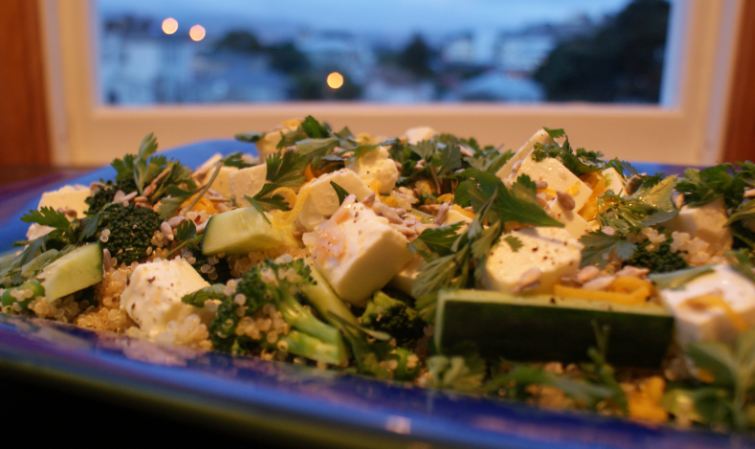
Super Food Salad

Super Food Salad

superfood salad

Photo doesn’t do it justice!

This recipe is adapted from the Leon restaurant recipe book. We have this every week, usually with salmon or sausages. I make a bit extra so there’s some in the fridge for lunch the next day.

images

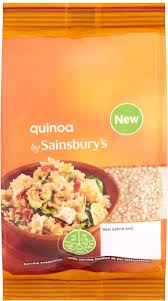
Dried Quinoa

Quinoa (pronounce keen-wah) is high in carbohydrate, and has a slightly nutty taste and makes a nice change to rice or cous cous. Unusually for a non-meat/dairy food it contains complete protein, which means it as all the amino acids, which are the building blocks of protein. It’s a myth that it’s high in protein. As a comparison, quinoa has about 8g/100g, while most meat has about 20-30g/100g.

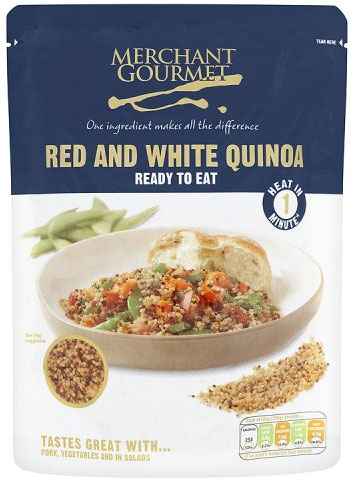
Ready to eat

Ready to eat

Quinoa can be bought in most supermarkets. ready to eat or dried. If you buy dried (much better value) then you need to cook it by putting in a saucepan with enough cold water to cover it, bring to boil, then simmer for about 20 minutes with the lid on, keeping on eye on it so it doesn’t dry out.

To reduce the calories:

Leave the feta out, and add extra veggies. It will lower the protein content of the recipe, but if you’re having it with a portion of fish/chicken/meat etc. this won’t matter. Oil has 100kcal per tablespoon, so you can either reduce the olive oil to 1-2 tbsp, or just use lemon juice on it’s own.

So here’s the recipe. Just toss the ingredients together and mix in the dressing!

100g cooked quinoa

100g cooked broccoli

100g frozen peas, thawed

100g feta cheese, crumbled

¼ cucumber, cut in to thin sticks

handful pumpkin and sunflower seeds (toasted in the grill)

handful chopped parsley

handful chopped mint

 Dressing:

2 tbsp lemon juice

4 tbsp olive oil

Food for Fuel

If you want to improve your athletic performance, increase strength, or perform well in competition/on game day, then it is vital to fuel your exercise sessions well. Timing is as important as type of fuel. (For some people, whose only aim is to lose weight, exercising on an empty stomach may be of benefit).

Here are just a few of the reasons why it is important to eat pre exercise:

  • carbohydrate to provide the muscles with energy
  • protein to repair muscle damage caused during exercise
  • protein & carbohydrate to build new muscle
  • carbohydrate and caffeine to improve concentration

It may sound obvious, but to be used as fuel, food and fluids need to be digested and absorbed in to the body. Ideally, a meal should be eaten 3-4 hours before exercise, with a top up of a smaller snack 1-2 hours before. This snack should be low fibre and low in fat as this allows faster digestion and less likely to cause gastrointestinal discomfort. Anything consumed within an hour of exercise starting should be very quickly absorbed.

For people wanting to improve fitness while losing weight, be careful of increasing overall daily calorie intake. Adding extra food and drinks for fueling purposes won’t help with weight loss, as you want to create an energy deficit (calories used up more than calories eaten/drunk). Instead, redistribute calorie intake through the day, and use lower calorie options eg, fruit, veg, low fat yoghurt, a cup of milky coffee during the 1-2 hours before exercise.

Ideas for pre exercise meals:

3-4 hours before exercise:

  • Pitta/crumpets/toast with jam or honey + flavoured milk
  • Jacket potato & cottage cheese/beans/tuna/chicken
  • Baked beans on toast
  • Breakfast cereal/porridge with milk
  • Bread roll/sandwich/bagel/wrap with cheese/meat/chicken & salad
    image

    3-4 hours before: Noodles, chicken stir fry and broccoli

  • Fruit + yoghurt
  • Pasta, rice or noodles with tomato sauce, lean meat eg. chicken, vegetables

1-2 hours before exercise (low fat, low fibre, high carbs and some protein) :

  • Milk shake or Fruit smoothie

    Chocolate milkshake

    1-2 hours before: Chocolate milkshake

  • Sports bars
  • Breakfast cereal with milk
  • Toast with honey/jam
  • Fruit-flavoured yoghurt
  • Fresh fruit
  • Dried fruit
  • Cup of milky coffee (caffeine enhances performance by reducing perception on fatigue, and increasing alertness and concentration)

Early morning sessions: If you train first thing in the morning, it is probably not possible to have a meal 3-4 hours before. In these circumstances, have a good meal the night before, then a snack and fluid 1-2 hours pre exercise eg. breakfast cereal and milk, fruit and cereal bar, smoothie or milkshake. Make sure that you then top up carbohydrate levels during the training session or event with a high carbohydrate drink.

Specific requirements: it is possible to calculate specific amounts of carbohydrate for optimal fuelling eg. 1-4 g/kg consumed 1-4 hr pre-exercise. A dietitian can help you calculate your individual requirements, and translate these in to actual amounts of food.

Everybody responds differently to eating and drinking before exercise. Experiment during training to find out what works best for you. Don’t leave it until the day of a big event to try something new!

8 essential tips for weight loss (and feeling fab!)

 The key to a healthy weight and feeling fabulous: 8 essential tips………

  1. Aim for small changes that you can sustain longterm, rather than a quick fix diet for a few days or weeks. Think “where do I want to be in a year”, rather than, “I want to lose a stone in 2 weeks”
  2. Listen to you body. Don’t starve…..low blood sugar levels will affect your concentration and make you grumpy. For most people, this would mean eating at 3 meals a day, with a snack in between. Eat until satisfied, not stuffed.
  3. Nutrition Basics – get the foundations of your meals right, and the rest shall follow! Always try to have protein at each meal, a fist full size of wholegrain carbs, and 1/2 a plate of veg or some fruit.
  4. Eat Breakfast– if you don’t feel like eating first thing in the morning, have something with in an hour or two of waking.
  5. Have Healthy Snacks to avoid becoming ravenous. Don’t skip meals to try to cut calories. It may make you feel virtuous at the time, but you are more likely to snack on high calorie foods or overeat unhealthy choices at your next meal.
  6. Be aware of what fluids you are drinking – frappacinos, non-diet fizzy drinks, fruit juice etc. can add 100s of calories to you daily intake. Replace with low calorie drinks eg. a cup of tea, americano, small skinny latte herbal, tea, water.
  7. Choose wholegrain carbohydrates ie. wholemeal bread, brown rice, oats. These make you feel fuller for longer. They also blunt rises in insulin (insulin promotes fat storage).
  8. Plan ahead, so that you know that you will have access to something healthy to eat. If you are not at home, always have a healthy snack with you in your bag or in your desk drawer at work.