
Tag: children
ADHD – management using Omega 3s
Attention Deficit Hyperactivity Disorder (ADHD) is a relatively common behavioural disorder estimated to affect up to 12% of children worldwide. ADHD can have a profound effect on a child’s life. British Medical Journal on effects of ADHD
Problems associated with ADHD: aggression, clumsiness, short attention span, hyperactivity, mood swings, non-compliance, sleep disturbances and temper tantrums.
- Omega 3 and omega 6 fats are essential for brain function
- Studies show that supplementing with these fatty acids can improve attention span and school performance (reading and spelling age)
- Up to 558mg of EPA taken daily from supplements is most effective
Typically, children with ADHD are offered psycho stimulants, which have a calming effect e.g. Ritalin. Understandably, parents worry about medicating their children and many are open to using a non-drug intervention. Supplementation with right dosage of omega 3 fats could provide this solution. Further research is needed on whether these are most effective alone, or with the conventional medication.
How much should be given?
These provide the dosages found to be of benefit for children with ADHD. To be taken for at least 3-4 months. These can be bought in Boots, Equazen products can also be found in supermarkets and pharmacies.

15ml per day (3 teaspoons) – 200ml £11.99

6 capsules per day – 180 capsules £22.69

10ml per day (2 teaspoons) – 200ml £4.33
The F word
My gut reaction when my 3 year old used the F word was one of horror. I couldn’t believe my ears, but I guess this sort of thing is inevitable when they start going to nursery school.
“I was playing mummies and babies with x and y in the home corner, and x was making lunch, and we couldn’t have too much or it would make us FAT!”
My first response: my Mummy Poker Face. In my head I was tearing my hair out shouting “nooooooooo!”. Second response: a light and breezy 1 minute chat about food making you strong.
My second reason for the horror was the thought that the teacher may assume that, as a dietitian, I was teaching my children this nonsense. Following 12 years as a dietitian, I have seen hundreds of people (children and adults) for advice on obesity. Issues around food commonly appear to come from childhood experiences, a parent’s relationship with food and how they relate this to their children. During my time as a paediatric dietitian in the NHS, one particular little girl sticks in my mind. She was about 5 years old and referred to me as she was overweight. The first thing she did when she came in to the clinic room, was to show me her Barbie. She asked if she would ever look like her. I told her nobody looks like Barbie.
Of course, every parent wants their child to eat well, have a diet of good nutritious foods, and be healthy in the long term. We come in all shapes and sizes, skinny does not necessarily mean healthy. Feeding yourself and your child wholesome food, not using food as an emotional crutch, and not feeling GUILTY about nourishing yourself are all crucial in achieving a balanced state of mind. But how do we convey this to our children, particularly our daughters? Is it appropriate to use the F word? Here is what I have learnt from my time practising as a paediatric dietitian, and as a mum to 3 children:
- Do not discuss your weight or ‘going on a diet’ within earshot of your children. Do not discuss any body part that you dislike. Keep any food, body and weight insecurities to yourself.
- Do not discuss their weight, shape or size in a negative way, even if you are trying to turn it in to a positive eg. “it’s ok if you’re chunky/have baby fat”.
- Don’t ban any food. It’s ok to have crisps, chocolate, cake etc. as an occasional addition to a regular intake of the ‘healthier’ foods
- Do not discuss calories, and burning off with exercise. This leads to negative associations between the two. Food should be enjoyed. And exercise should be enjoyed, not a chore or a punishment to ‘work off’ a ‘bad’ food choice.
What should you say?
- Food provides nutrition to make our bodies strong, fit and healthy
- Some foods have much more vitamins and minerals than others, it is important that we eat lots of these to give our bodies energy and to keep us well.
- Bread, potatoes, rice, pasta give us lots of energy for running around, climbing, bouncing, having fun!
- Veggies and fruit help us to stop getting sick, give us sparkly eyes, shiny hair, and help cuts and grazes to get better
- Fat is not ‘bad’, some fat is important for our bodies to use the vitamins properly and to help our brains to work
- Eating a mixture of food gives all the different things our body needs
Tell your children that our bodies are amazing………..talk about all the awesome things that they can do if they want to: climb a mountain, run a race, do a cartwheel, touch the sky with their feet on a swing. Help them to love moving, because that is what we are designed for. “We’ve got to go for a walk because we’ve eaten to much chocolate” is in no way healthy, helpful or positive.
Teach your child how to love fresh air
Teach your child to love movement and exploring new things
Teach your child how to bake a cake using butter, sugar and flour
Teach your child how to chop and cook veggies.
Tell them they are strong, tell them they look happy, tell them they are GLOWING!
Nutrition for Young Athletes
Why a nutritious diet is needed:

- Normal growth and development
- Healthy, strong body
- Energy for everyday activities – school, gymnastics training
- Repair of muscles following demands and stresses of training and competition
Main components of the diet:
Hydration:

- as important as food
- Overheating and dehydration can be dangerous (heat stroke)
- Low levels of dehydration: reduced strength, stamina, concentration
Carbohydrate:
- Supply energy for muscles

- Immunity
- Growth
- Focus on wholegrain bread, pasta, rice, fruit, veg
- Especially important before and after exercise for muscle energy
Protein:

- For muscular strength & power, muscle repair & maintenance
- Focus on lean protein: chicken, fish, eggs,
- dairy, beans, seeds, nuts
Healthy Fats:
- Important for healthy heart, nervous system, hormones etc.
- Focus on healthier fats from olive oil, oily fish eg. Salmon, avocado, peanut butter etc.
Vitamins & Minerals:
- Calcium – strong bones
- Iron – needed for blood cells to transport oxygen to muscles
- Vitamin D – bone development, also implicated in long term health issues
- B vitamins – energy production & protein metabolism
- Omega 3 fats – oily fish, for brain development, heart health, vision etc.
- Generally, supplements not needed if child has varied diet
- Consider fish oil supplement (omega 3 fats) if intake of oily fish is less than once per week
- Consider Vitamin D supplement if always wears sunscreen in summer
Pre – exercise fuelling:
- Aim to have a meal or a substantial snack a few hours before:
- Pitta/crumpets/toast with jam/honey/peanut butter + milk
- Jacket potato + tuna/baked beans

- Baked beans on toast
- Boiled egg and toast
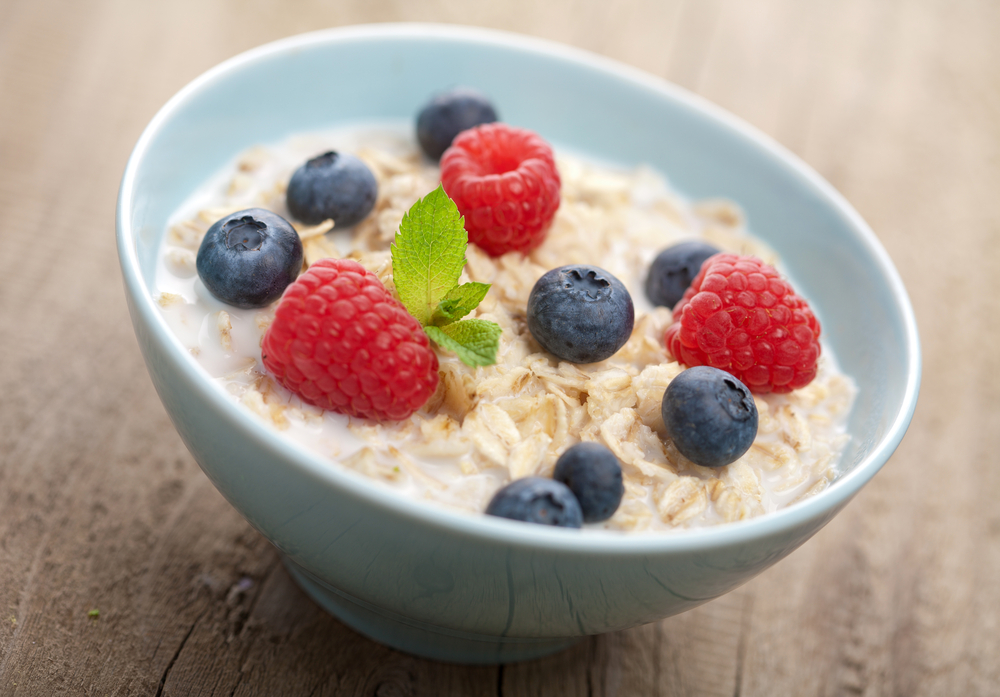
- Porridge, milk and raisins/berries
- Breakfast cereal with milk
- Bread roll with cheese/meat filling + banana
- Pasta, rice or noodles with tomato sauce, lean meat eg. chicken, vegetables
- Up to 1 hour before
- Fluid for hydration: 200mls fruit juice/water/skimmed milk
Early morning sessions: If training or competition is first thing in the morning, it is probably not possible to have a meal 3-4 hours before. In these circumstances, have a good meal the night before, then a snack and fluid 1-2 hours pre exercise eg. breakfast cereal and milk, fruit and yoghurt, smoothie or milkshake.
After exercise:
Ensure your child has a snack, or a meal following training. Carbohydrates replenish the muscles with glycogen for energy, while protein repairs and rebuilds muscle tissue. Sports protein shakes or supplements are unnecessary and not advised.
Post-exercise snack ideas (follow within a few hours with a meal):
- Homemade shake – blend 200ml milk, tablespoon yoghurt, banana, tablespoon honey
- Low fibre breakfast cereal eg. Cornflakes/Rice Krispies and milk
- banana and yoghurt/milk
- Bread roll or sandwich with cheese/meat/fish filling
Rehydration
It is highly likely that your child will finish training with some degree of dehydration, therefore it is important to replace these fluids as soon as possible after the session. Aim for 200ml fluid with an hour of finishing.
Body image and Disordered Eating
In some sports there is pressure to ‘not get fat’/stay lean or to bulk up to enhance performance Eg. Gymnastics or rugby.
Any such pressure can have the opposite effect – unhealthy eating patterns, restrictive eating (anorexia), or bingeing (bulimia).
Poor nutrition, resulting in weight loss, can cause anaemia, reduction in muscle power and performance, weak bones, poor concentration and increased injury risk
Tips for parents:
- Do not weigh your child (unless specifically asked to do so for medical reasons)
- Do not discuss calories or fat, unless raised by your child. Approach in a positive manner e.g. food gives us energy for exercising and being strong. Healthy fats are important for us to be healthy.
- Talk about food being nutritious, for making us strong, repairing cuts in our skin, building our muscles, giving energy for running fast etc.
Written by Sarah Danaher, Registered Dietitian, Accredited Sports Dietitian
Registered Dietitians are the only qualified health professionals that assess, diagnose and treat diet and nutrition problems.
If you have any concerns regarding your child’s or family’s diet, then please don’t hesitate to contact me:
danahersarah@yahoo.co.uk
07758 100727
 sarahdietitian.com