

Recent statistics show that 40% of women under the age of 34 have seriously low intakes of iron and are at risk of anaemia as a result. Up to 15% of children don’t get enough iron, and 1 in 8 children between 1 1/2 and 2 years are anaemic.
Anaemia can cause:
- tiredness and weakness
- decreased work and school performance
- slow cognitive and social development during childhood
- difficulty maintaining body temperature
- decreased immune function, which increases susceptibility to infection
- glossitis (an inflamed tongue)
- palpatations
- restless leg syndrome
Symptoms of iron deficiency anaemia could be caused by many different things. A blood test is needed to confirm the presence of iron deficiency anaemia.
People at risk of anaemia:
- Infants over 6 months
- Toddlers
- Adolescents
- Pregnant women
- Pre menopausal women
How much iron do I need?
| Gender | Age Group | Recommended intake (mg/day), number of ★ |
| Children | 1-3 years | 7 |
| Children | 4-6 years | 6 |
| Children | 7-10 years | 9 |
| Teenage boys | 11-18 years | 11 |
| Teenage girls | 11-18 years | 15 |
| Men | 19-50 years | 9 |
| Women | 19-50 years | 15 |
| Men | 50+ years | 9 |
| Women | 50+ years | 9 |
Food sources of iron
- Iron from animal sources is much better absorbed by the body than plant sources
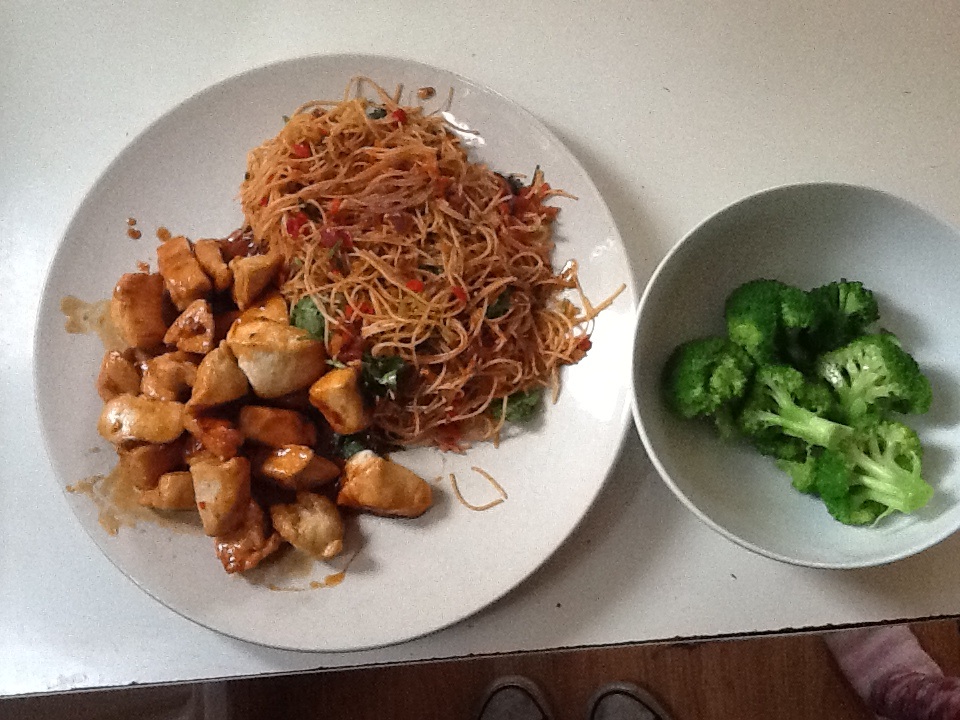
- Vitamin C helps with absorption. High vitamin C foods include: red peppers, broccoli, strawberries, kiwi fruit & oranges.
- Tea and coffee reduce the absorption of iron, so don’t drink a cup too close to a meal
Meat sources:
| Food | Average portion | Stars |
| Liver | 40g, thick slice | ★★★ |
| Liver pate | 1 tbsp | ★ |
| Beef steak | 150g, medium size | ★★★ |
| Sausage | 2 | ★ |
| Beef mince | 125g, 4 tbsp cooked | ★★★ |
| Chicken | 100g cooked | ★ |
| Pork chop | 120g, 1 average | ★ |
| Sardines/salmon/mackerel | 50g | ★ |
| Tuna | 100g (1/2 tin) | ★ |
Other sources (less well absorbed):
| Food | Average portion | Stars |
| Ready Brek | 20g dry (1 small ptn) | ★★★★★★ |
| Branflakes | 25g (4 tbsp) | ★★★★ |
| Weetabix | 2 biscuits | ★★★ |
| Rice Krispies | 30g (4 tbsp) | ★★ |
| Chickpeas | 100g (4 tbsp) | ★★ |
| Lentils green/brown | 75g (1/2 cup cooked) | ★★ |
| Lentils red | 75g (1/2 cup cooked) | ★★ |
| Baked beans | 120g (3 tbsp) | ★★ |
| Humus | 50g (1 tbsp) | ★ |
| Eggs | 1 | ★ |
| Sunflower seeds | 30g (1/4 cup) | ★★ |
| Sesame seeds | 12g (1 tbsp) | ★ |
| Dried Apricots | 8 | ★★ |
| Dried figs | 4 | ★★★ |
| Raisins | 35g (1 tbsp) | ★ |
| Spinach | 120g (3 tbsp) boiled | ★★ |
| Avocado | ½ | ★ |
| Peas | 75g (2.5 tbsp) | ★ |
| Broccoli | 4 spears (200g) | ★ |
| Ovaltine | 25g serving (4 tsp) | ★★★ |
| Milo (chocolate malt) | 20g serving (4 tsp) | ★★★★★★ |
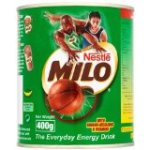
Sainsburys: £3.99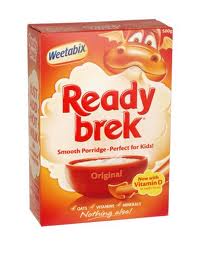 Tesco: £2.99
Iron Supplements
If you have iron deficiency anaemia, your doctor may prescribe you iron supplements, as even a diet rich in iron will not be enough to correct the deficiency.
If you experience a stomach upset with iron tablets, try taking a liquid form instead.
For further information on iron or for a dietary assessment to assess the amount of nutrients in your diet, use the contact form to get in touch.



 sarahdietitian.com