10 top foods for recovery

You may feel that you have worked out to the max during your sessions burning 100s of calories, so does it really matter if you have some crisps, chocolate, a danish pastry or chips? Time and time again, research shows that the answer is “yes”. Replacing calories isn’t the only objective of recovery.

Between each workout, game or race the body needs to adapt to the physiological stress that has just been applied, so that it can recover and become fitter, stronger and faster. Whether you are a triathlete, a gym addict, or your child is playing in a weekend rugby tournament, optimum recovery nutrition can help you to perform better in the short and long term.

There are many ‘recovery drinks’ and powders marketed for refuelling after exercise. While

Real Food

Real Food

these have their place, they are not necessarily the best option. It can be argued that real food is the best fuel for recovery, providing everything that a recovery drink can, as well as all the vitamins, minerals, antioxidants, phytochemicals etc that simply cannot be bottled or made in to a powder.

What’s happening during recovery?

  • refuelling of muscle and carbohydrate stores
  • replacing fluids and electrolytes lost in sweat
  • manufacturing new muscle protein and blood cells
  • allowing immune system to manage damage caused by exercise


What are the recovery ‘rules’?

  • multiple daily exercise sessions – if less than 24 hours until next session e.g. professional athletes, weekend rugby tournament, compulsive gym exercisers: recovery nutrition after your session ASAP, ideally within an hour. If next session starts within an hour, recovery drinks or anything low fibre and low fat to help with faster digestion (lasagne not a good option!)
  • more than 24 hours between exercise sessions – generally no need to eat soon after exercise, try to have your next usual meal. consisting of some protein and carbohydrate. If trying to gain muscle, then you can add a recovery snack to fuel this catabolic process. If trying to lose weight and hungry after training, be careful not to increase overall daily calorie intake. Have something light to eat e.g. yogurt.


Why carbs & protein are important

Immediately post exercise, good recovery nutrition will consist of protein & carbohydrate. Aim for 1g carbohydrate per kg of body weight, and approximately 25g protein (a chicken breast is about 25-30g, a mug full of rice is about 70g carbohydrate). Unfortunately, eating lots of extra protein does not make bigger muscles.

Carbs and protein work together: carbs help to shuttle protein in to the muscles, and protein helps to stimulate faster muscle glycogen replacement. Low fat helps the food to be absorbed more quickly, as does low fibre (so don’t be too concerned about choosing ‘healthy’ whole grain carbs like whole wheat bread). Fruit & veg can be included in the next meal to provide antioxidants.

If you don’t feel like eating food or don’t have the time or facilities, then recovery drinks or shop bought milkshakes can be useful. Here is a more in-depth look at some of the most popular commercial recovery drinks. If you are trying to lose weight, then watch the calories……..don’t increase overall calories through the day.


10 snack foods for fast recovery:

330ml Milkshake – e.g. Yazoo, Frijj, For Goodness Shakes

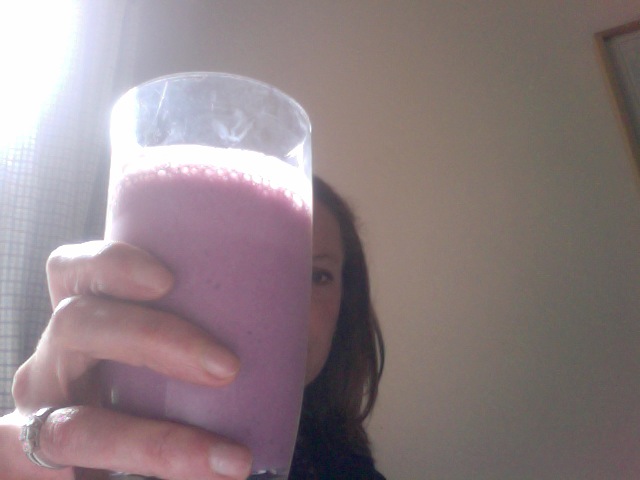
Homemade recovery smoothie

Post exercise shakes have their place, but watch the extra calories!Large skinny latte & handful of nuts

Unknown-12

Bagel with peanut butter

Milk: perfect recovery protein & carbs

Breakfast cereal with milk e.g Cornflakes, Rice Krispies, Cheerios

2 Eggs on 2 white toast

Sandwich/roll/wrap/pitta: filled with chicken, fish or eggs

Jacket potato with cottage cheese/tin of tuna/Baked Beans

Banana or yogurt

Yogurt & Banana

Homemade Seriously Healthy Flapjacks

Healthy Snacks – eat more!

Research shows that people who eat healthy snacks between meals consume fewer calories overall. This may be because they prevent themselves becoming ravenously hungry, therefore are less likely to overeat. When you feel like you are starving, you are also more likely to go for the unhealthy stuff.

Choosing snacks wisely helps you to nourish your body, maintain concentration, mood & energy levels, keep your metabolic rate up, and eliminate sugar cravings. The key is to be prepared. Have the ingredients in your cupboard or fridge, and if you are out and about, whether at work, shopping or at the park, prepare before hand and bring with you! Don’t be caught out with nothing but chocolate bars, sweets and crisps to choose from at the corner shop.

Here are some top snacks. The ideal combination is some carbs, protein and healthy fats. These are also good for post workout recovery:

  • Apple & handful almond, not a whole bag2013-04-01-15-58-55
  • 2 Rice cakes with hummus
  • High protein fruit yoghurt eg. Danio (Danone), Total (Fage)

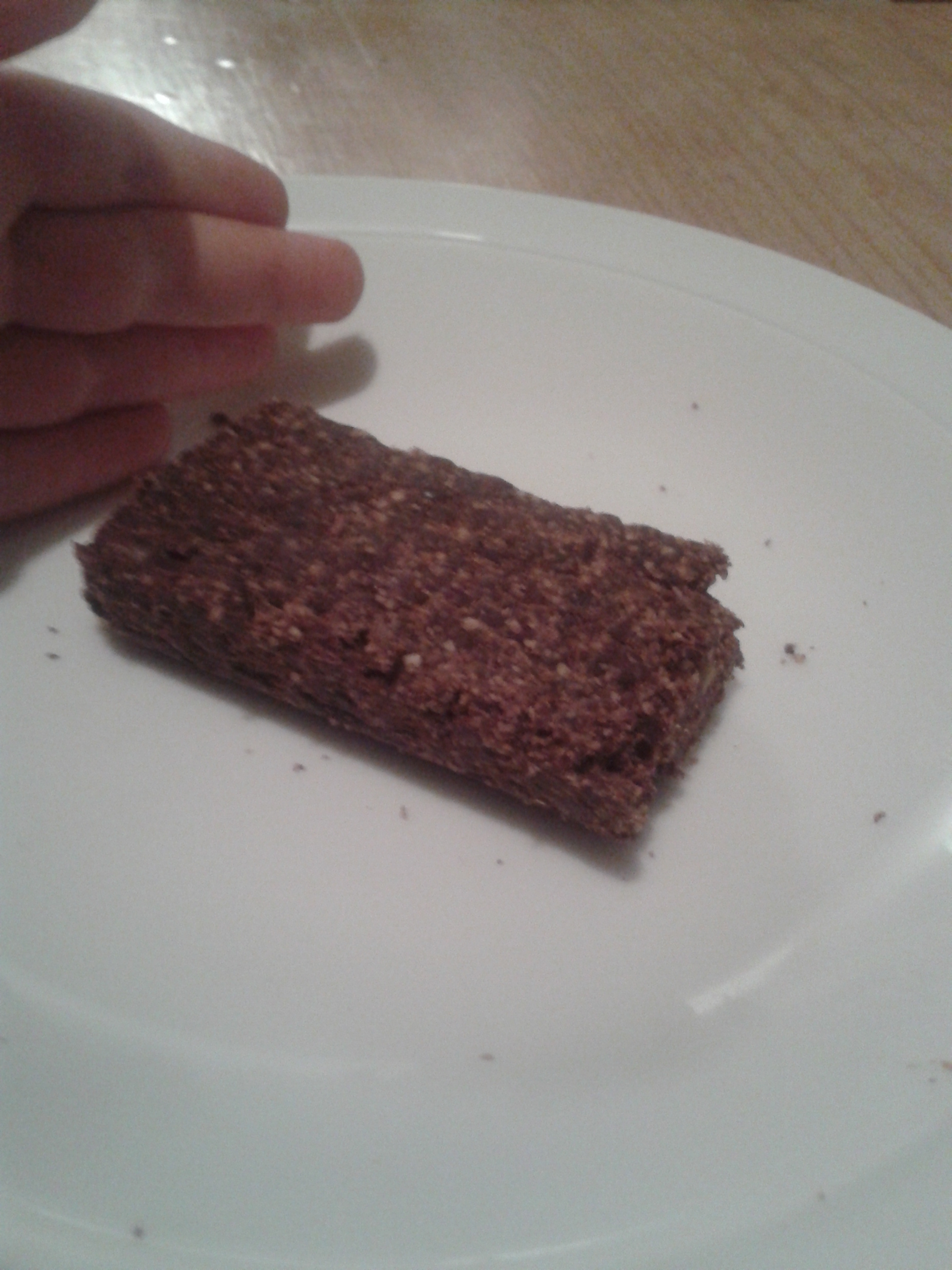
    Homemade Cocoa Bars

    Homemade Cocoa Bars

  • Hummus with carrot sticks
  • Skinny latte
  • ½ wholemeal pitta with ham and tomato
  • Homemade cocoa bar
  • small bar of chocolate e.g. Green & Black and cup of milky coffee
  • 4 apricots, spread with peanut butter, dunked in to toasted pumpkin seeds
  • slices of apple spread with low fat cream cheese/peanut butter & raisinsimages-3
  • piece of fruit with cheese strings
  • Homemade Seriously Healthy Flapjack

Recovery Nutrition – supplement drinks

Post-exercise nutrition can improve the quality and the rate of recovery after a bout of serious exercise, such as a one hour swimming, a weight training session, or a longer run. Post workout nutrition for recovery is also important if you will be exercising within 8 hours of your last session.

Recovery – the essentials

Research has shown that nutrition ingested right after training, and up to two hours later can drastically improve one’s recovery time. Ideally, this should be a meal consisting of protein, carbohydrate and fruit/veg, or for convenience a recovery drink followed by a meal as soon as possible.

Recovery drinks are convenient, easy, portable and good if you have a poor appetite after training. Not only can they replace carbohydrate and protein, but also fluid.

Ideally, a drink should contain at least 50g carbohydrate and 15-25g protein. More protein does not equate to more muscles or better recovery.

Most commercial supplements have additional amino acids such as glutamine, Branch Chained Amino Acids eg. leucine. The evidence for BCAAs and/or glutamine supplements for muscle formation and enhanced athletic performance is controversial with conflicting evidence from studies.

WARNING: if you are trying to lose weight or body fat, be careful with increasing your overall daily calorie intake with shakes. Adding extra calories to your daily intake, even if from protein, will not help.

Here is a comparison of some of the most popular recovery shakes and a homemade version:

  Calories (kcal) Carbohydrate (g) Protein (g) Cost
Aim   >50 15-25  
Homemade 350 57 22 50p
Maxifuel Recovermax 290 55 14.5 £3
MyProtein Recovery Evo 295 49 23 £1.50
Kinetica 100% Recovery 267 41 25 £3
For Goodness Shakes 275 52 17.5 £2

You can easily make your own recovery shake in seconds. Here’s

make your own

Make your own

the recipe. It won’t break the bank, has optimal amounts of protein and carbs, as well as fresh fruit for the antioxidants. And it tastes really, really good.

Recovery – nutrition essentials for better performance

Between each workout, game or race the body needs to adapt to the physiological stress that has just been applied, so that it can recover and become fitter, stronger and faster. This can be challenging when an athlete has two or more session each day, for prolonged training periods and for multiple event sports.

What’s happening during recovery?

  • refuelling of muscle and carbohydrate stores
  • replacing fluids and electrolytes lost in sweat
  • manufacturing new muscle protein and blood cells
  • allowing immune system to manage damage caused by exercise

Nutritional management of recovery:

  1. Replace muscle carbohydrate (glycogen) – with in 1 hour of exercise: 1-2g/kg – this is when carbs are most efficiently utilised by the muscles. This is especially important if the next training session is within 8 hours.
  2. Rehydrate – dehydration negatively impacts on performance during subsequent sessions. Aim to replace fluids lost with 120% fluids with electrolytes. Sodium reduces urine losses and induces thirst, therefore encouraging increased fluid intake.
  3. Build and repair muscle – High intensity exercise leads to breakdown of the muscle. The recovery phase is an opportunity for building muscle. 15-25g high quality protein within 1 hour increases muscle building. Adding carbohydrate enhances recovery of muscle by reducing muscle breakdown.
  4. Protect immunity – immunity is suppressed by intense training, making athletes more susceptible to infectious illnesses. Carbohydrate is an immune protector as it reduces the stress hormone response to exercise. Carbohydrate also fuels the activity of the immune system’s white cells.

Supplements for recovery

Many athletes rely on sports supplements during and immediately post exercise, then double up with a meal soon after. This is fine if there are very large calorie needs, however, for moderate to low energy needs this is excessive. Food provides the same plus additional benefits to supplements eg. iron, calcium, fibre, antioxidants etc.

Good foods for recovery – providing carbohydrate & protein:

Rice pudding, milkshake, breakfast cereal with milk, beans on toast, cheese roll, jacket potato with cottage cheese, tuna wrap. Any balanced meal with protein, carbs and veg.

shutterstock_81803002

Post exercise shakes have their place, but watch the extra calories!

image

Next blog post: Recovery shakes – when to take, a comparison of the most popular, and making your own in one minute.

Pre season – even more food, and first game at Nottingham

Pre season training has always been pretty full on. In the Rugby Union calendar, June to August is a time for pushing fitness, strength and skills to prepare for the playing season ahead. With the first warm up game next week against Nottingham, there has been more emphasis on ‘contact’ sessions in preparation for actual games, rather than a focus on fitness eg. running hills. Dec likens it to getting beaten up on a daily basis.

securedownload-3

Day off lunch at GBK  800kcal – stopped the chips, fried onion rings and milkshake this year.

At 33, retirement is on the horizon, and the cross over to life beyond playing is taking root. Dec is is embarking on a coaching career, so after his own day of training, he’s passing on what he has learnt over the past fourteen years to the academy lads at London Irish.  It’s a long day, and hard work both physically and mentally. But like anything, if you do something you love it is a pleasure and a privilege rather than a chore.

Oddly, for an old guy (33), Dec is feeling pretty good. Apart from the usual longterm niggles originating from two ACL repairs in two consecutive years, he feels that he is in the shape of his life. It’s always tricky to put this down to any one reason. One of the main factors is that after 14 years of messing around with various diets and supplements, he is taking the sensible, and, sorry folks, ‘boring’ avenue of eating healthy balanced meals. Don’t get me wrong, diets or lifestyles such as low carbing or the Paleo diet have their merits, and can work for many, however, for most athletes in hard training they won’t enable optimal performance and can even impact on susceptibility to illness.. As well as the good food, and obviously the daily training, rest is another important aspect. So no late nights, and as much of a lie in as possible!

As he is still trying to gain weight, total daily intake now needs to be in excess of 4200kcal. That’s a lot of food! This is where sports supplements would come in very useful, but Dec is reluctant to rely on these, preferring to reap the benefits of real food, benefits that a powder mixed with water simply cannot replicate. Practically, this can be tough, requiring careful planning of what and when he is going to eat.

Here are the current dietary regimen principles:

  • regular meals – roughly every 3 hours, that’s 6 meals to spread the food throughout the day and timed around training sessions
  • at least 700kcal per meal
  • not excluding any food group eg. carbohydrateWhen training, carbs are your friend!
  • adding extra calories using nutrient dense foods eg. olive oil (100kcal per tablespoon), extra nuts & seeds added to recipes, lashings of peanut butter on bagels, avocados, grated cheese on top of meals
  • using supplements when necessary – a carb/protein recovery drink during weight training when eating is not possible, followed by a meal asap after the session

Here’s what he had yesterday (all meals, one serving with no seconds!):

7am: large bowl porridge, 1/2 bagel with butter, jam, peanut butter

10am: meal at work – pork, mashed potatoes, vegetables

image

Yoghurt, nus and apple

1pm – meal at work – beef fajitas

4pm: yoghurt, nuts, apple, supplement bar

7pm: meal at home – chicken, spinach, cherry tomatoes and puy lentils with brown basmati rice

image

Tuna mayo wrap

10pm: tuna mayo in a wrap with pepper and spring onions

So it’s just a few days until the first warm up game oop north (that’s anywhere past the M25 for Dec). For me, every game is a nerve racking experience. The phone call that comes about 30 minutes after the final whistle is always eagerly anticipated, so that I can breathe a sigh of relief that he has come through relatively unscathed (black eyes and wounds that can be sewn up pitch side don’t count as proper injuries!)

Nutrition for Young Athletes

Why a nutritious diet is needed:

images

  • Normal growth and development
  • Healthy, strong body
  • Energy for everyday activities – school, gymnastics training
  • Repair of muscles following demands and stresses of training and competition

Main components of the diet:

Hydration:

bottled-water

  • as important as food
  • Overheating and dehydration can be dangerous (heat stroke)
  • Low levels of dehydration: reduced strength, stamina, concentration

Carbohydrate:

  • Supply energy for musclesSTARCHY
  • Immunity
  • Growth
  • Focus on wholegrain bread, pasta, rice, fruit, veg
  • Especially important before and after exercise for muscle energy

Protein:

100608182647-large

  • For muscular strength & power, muscle repair & maintenance
  • Focus on lean protein: chicken, fish, eggs,
  • dairy, beans, seeds, nuts

Healthy Fats:

  • Important for healthy heart, nervous system, hormones etc.
  • Focus on healthier fats from olive oil, oily fish eg. Salmon, avocado, peanut butter etc.

Vitamins & Minerals:

  • Calcium – strong bones
  • Iron – needed for blood cells to transport oxygen to muscles
  • Vitamin D – bone development, also implicated in long term health issues
  • B vitamins – energy production & protein metabolism
  • Omega 3 fats – oily fish, for brain development, heart health, vision etc.
  • Generally, supplements not needed if child has varied diet
  • Consider fish oil supplement (omega 3 fats) if intake of oily fish is less than once per week
  • Consider Vitamin D supplement if always wears sunscreen in summer

Pre – exercise fuelling:

  • Aim to have a meal or a substantial snack a few hours before:
    • Pitta/crumpets/toast with jam/honey/peanut butter + milk
    • Jacket potato + tuna/baked beansshutterstock_81803002
    • Baked beans on toast
    • Boiled egg and toast
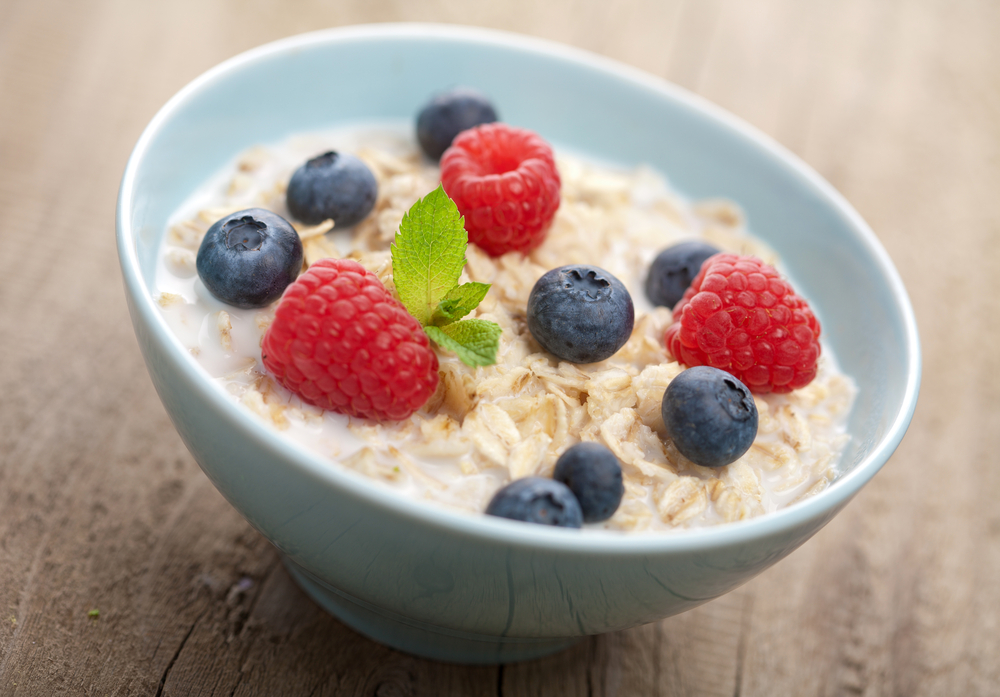
    • Porridge, milk and raisins/berries
    • Breakfast cereal with milk
    • Bread roll with cheese/meat filling + banana
    • Pasta, rice or noodles with tomato sauce, lean meat eg. chicken, vegetables
  • Up to 1 hour before
    • Fluid for hydration: 200mls fruit juice/water/skimmed milk

 Early morning sessions: If training or competition is first thing in the morning, it is probably not possible to have a meal 3-4 hours before. In these circumstances, have a good meal the night before, then a snack and fluid 1-2 hours pre exercise eg. breakfast cereal and milk, fruit and yoghurt, smoothie or milkshake.

After exercise:

Ensure your child has a snack, or a meal following training. Carbohydrates replenish the muscles with glycogen for energy, while protein repairs and rebuilds muscle tissue. Sports protein shakes or supplements are unnecessary and not advised.

Post-exercise snack ideas (follow within a few hours with a meal):

  • Homemade shake – blend 200ml milk, tablespoon yoghurt, banana, tablespoon honey
  • Low fibre breakfast cereal  eg. Cornflakes/Rice Krispies and milk
  • banana and yoghurt/milk
  • Bread roll or sandwich with cheese/meat/fish filling

Rehydration

It is highly likely that your child will finish training with some degree of dehydration, therefore it is important to replace these fluids as soon as possible after the session. Aim for 200ml fluid with an hour of finishing.

Body image and Disordered Eating

In some sports there is pressure to ‘not get fat’/stay lean or to bulk up to enhance performance Eg. Gymnastics or rugby.

Any such pressure can have the opposite effect – unhealthy eating patterns, restrictive eating (anorexia), or bingeing (bulimia).

Poor nutrition, resulting in weight loss, can cause anaemia, reduction in muscle power and performance, weak bones, poor concentration and increased injury risk

Tips for parents:

  • Do not weigh your child (unless specifically asked to do so for medical reasons)
  • Do not discuss calories or fat, unless raised by your child.  Approach in a positive manner e.g. food gives us energy for exercising and being strong. Healthy fats are important for us to be healthy.
  • Talk about food being nutritious, for making us strong, repairing cuts in our skin, building our muscles, giving energy for running fast etc.

Written by Sarah Danaher, Registered Dietitian, Accredited Sports Dietitian

Registered Dietitians are the only qualified health professionals that assess, diagnose and treat diet and nutrition problems.

If you have any concerns regarding your child’s or family’s diet, then please don’t hesitate to contact me:

danahersarah@yahoo.co.uk

www.sarahnutrition.com

07758 100727

Coconut Water – worth the hype?

Since the introduction of coconut water to the UK market, sales have sky rocketed, helped by its rapid take-up among celebrities and high-profile investments from beverage companies. The UK coconut water industry was be worth £100m in 2014.

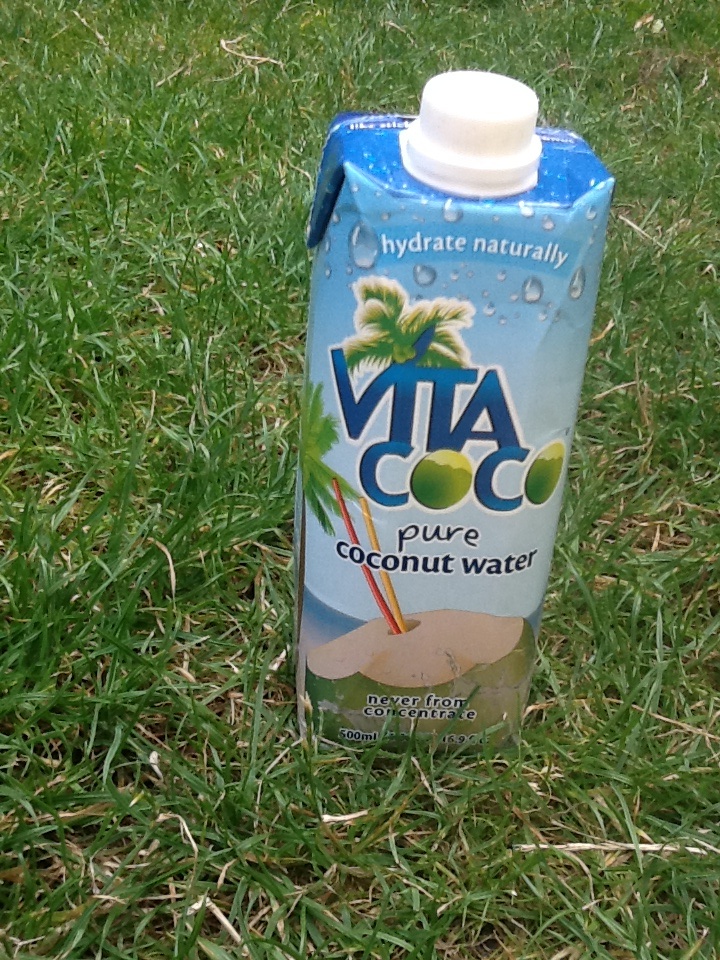
image

Vita Coco coconut water

Vita Coco accounts for 94% of UK coconut water sales in the UK, and is available everywhere from Selfridges to Tesco’s. So what do Vivia Coco say about their product, and does it live up to these claims?

  • all natural – true, taken from young coconuts, some added vitamin C
  • super hydrating – true, water and other sports drinks also super hydrating
  • fat free – true, water and sports drinks also fat free
  • cholesterol free – true, all fruit & vegetables are cholesterol free
  • potassium packed – true, same amount as 2-3 bananas
  • nutrient stacked – not really – has great amounts of vitamin C, very little of any other nutrients.

So as you can see, most of the claims are true. However, water and other sports drinks also carry the same benefits. The extra potassium could be of benefit for people who have a poor intake of fruit, vegetables and dairy.

Staying hydrated is one of the most important things for recreational and professional athletes. If you are exercising for under an hour, and if the taste of coconut water helps you drink plenty of fluids, it is a fine choice for most people, but water is just as good.

For those exercising strenuously and for longer than an hour, especially in hot conditions where perspiration is high, you need easily absorbed carbohydrate for quick energy and to replace lost electrolytes like sodium and potassium. Coconut water doesn’t have the ideal levels of carbs or sodium. For post exercise, it has neither the calories, carbohydrate or protein required for optimal recovery.

My advice?

It’s a healthy replacement for sugary fizzy drinks or fruit juice, as with 90kcal per 500ml carton, it has half the calories. However, it provides no extra hydration benefits over water for the average recreational exerciser. For strenuous and prolonged exercise it is fine, but would need to be taken with a snack for extra sodium and carbohydrate.