5 of the best pasta sauces

Tales of sinister goings on inside pasta sauce jars are rife. If you are to believe the Daily Mail, they are full of sugar and they may, basically, kill you. I say “Really???” In true dietitian style I’m going to challenge that. To be fair, most tomato based pasta sauces are a good choice, but if you are concerned about levels of sugar and salt, some are better than others.

So what should you look for when buying a pasta sauce?

  • tomato based, rather than creamy or with mascarpone
  • low sugar: less than 5g per 100g
  • low salt: less than 0.3g per 100g

The Sugar Issue: yes, most tomato pasta sauces have some sugar added to balance the acidity of the tomatoes. The tricky thing here is that even a whole tomato, straight from the plant, has naturally occurring sugars. So on the jar label if it says 5g of sugar, this does not mean that there is 5g (about a teaspoon) of white sugar added. About 3g of this will be natural sugar from the tomato. The remaining 2g may be from added sugar.

The Salt Issue: it is very hard to find a tomato pasta sauce than is low in salt (the ones marketed for kids usually are). Most of the jars that I have suggested below are ‘medium’ for salt.

You can of course make your own pasta sauce from scratch with tinned tomatoes, tomato puree, and some herbs, but sometimes that feels like a bit too much effort. One good tip to add more nutrition oomph and to reduce the concentration of salt is to open an extra tin of chopped tomatoes and add it to the jarred sauce.


Here are 5 great choices:

All figures are per 100g (roughly a portion)
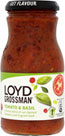
001665.jpgLoyd Grossman Pasta Sauce – Tomato & Basil. 61 calories, 4.8g sugar, 0.8g salt Sugar is pretty low, the salt is a bit high but not terrible. There are no strange sounding ingredients – it’s all proper food. Ingredients: Tomato (61%), Tomato Purée, Garlic, Basil (2.6%), Sugar, Sunflower Oil, Extra Virgin Olive Oil, Sea Salt, Concentrated Lemon Juice, Ground Black Pepper.
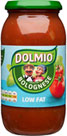
 

001640.jpgDolmio Low Fat. 33 calories, 4.2g sugar, 0.8g salt.                                                        Don’t let the name of this Dolmio sauce put you off. To be honest, I’m perplexed that it’s called ‘low fat’ as the Dolmio Original is also low in fat. The difference is that the ‘Dolmio Low Fat’ is a bit lower in sugar.

Ingredients: Tomatoes (81%), Tomato Paste (10%), Onion, Cornflour, Lemon Juice, Salt, Basil (0.3%), Sugar, Garlic, Parsley, Herb, Spices.


IDShot_110x110Tesco Goodness For Kids Pasta Sauce 51 calories, 3.6g sugar, 0.2g salt. Ohhh I’m loving this one. It has lots of different extra vegetables. It’s marketed for kids, but grown ups don’t let this put you off. Great ingredients, low in sugar and salt. 

Ingredients: Tomato Purée, Carrot (20%), Red Pepper (10%), Lemon Juice From Concentrate, Yellow Pepper (5%), Onion (4%), Cornflour, Apple Juice from Concentrate,    Garlic Purée, Sea Salt, Rapeseed Oil, Pepper


024019.jpgSainsbury’s Light Tomato & Herb Pasta Sauce 28 calories, 4g sugar, 0.6g salt                       This ‘light’ version of Sainsbury’s own brand sauce is much lower in sugar than the standard ones. 

Ingredients: Tomatoes (80%), Tomato Purée (13%), Water, Onions (1%), Onion Purée (1%), Maize Starch, Salt, Concentrated Lemon Juice, Sugar, Basil, Oregano, Garlic Purée, Olive Oil, Acidity Regulator: Citric Acid, Ground Black Pepper.
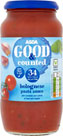


267339ASDA Good & Counted Bolognese Pasta Sauce 27 calories, 4.1g sugar, 0.6g salt   This ‘light’ version of Asda’s own brand sauce is much also much lower in sugar than the standard ones. 

Ingredients: Tomatoes (80%), Concentrated Tomato Purée (14%), Lemon Juice from Concentrate, Water, Concentrated Apple Juice, Salt, Dried Onions, Basil Leaf, Garlic Purée, Oregano Leaf, Rapeseed Oil, Ground Black Pepper


This isn’t an exclusive list and there are many many other good ones out there. My aim is to take the confusion and indecision away when trying to choose.
Trans Fats – what do I need to know?

I’m always being asked about fats…….”which fats are good” or “which fats are bad”. While it is clear that we all need to include some fat in our diets to remain healthy, not all fats are equal.

What are trans fats?

3128443786_37474facb8_b.jpg

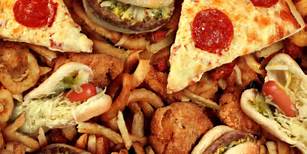
Trans fats are the baddies, the grizzly little gremlins of the food world. They are:

  • Artificially produced as an ingredient for biscuits, pies, cakes and fried food
  • Produced when vegetable fats are subjected to a very high temperature e.g. takeaway foods
  • Naturally occurring in small amounts in dairy e.g. cheese and cream

Health concerns about these fats has recently led to many UK manufacturers reducing the amounts of trans fats in foods. In 2006 United Biscuits, who produce McVities, KP and Jacobs ranges, removed trans fats from their products. Marks & Spencer, as well as many other supermarket chains, also banned the use of trans fats in own brand products.

Why are trans fats bad for me?

Trans fats raise levels of ‘bad’ LDL cholesterol and reduce the ‘good’ HDL cholesterol. Trans fats also increase levels of another form of blood fat called triglycerides. All of these effects of trans fats can raise your risk of coronary heart disease (CHD).

Trans fats appear to increase risk of CHD more than saturated fats, and so are potentially worse for our health.

How do I know if a food is high in trans fats?

ConfusedYou need to check ingredients lists for partially hydrogenated fats.

A ‘hydrogenated fat’ does not contain trans fat, only ‘partially hydrogenated fats’ contain trans fats. If a food product contains partially hydrogenated fats or oils, it will almost certainly contain trans fats too, and the higher up the list the fat or oil appears, the more trans fats the product is likely to contain.

Many manufacturers now avoid using hydrogenated fats or have reduced the amount of trans fats in their products to very low levels.

 Unfortunately for takeaway food in can be harder to tell as nutrition labelling may not exist. Big takeaway companies like McDonalds have removed artificial trans fats from their menus, however, small takeaway outlets may still use trans fats for cooking.

Take home message……

The good news is that in the UK intakes of trans fats are on average lower than the guidelines. In the last 20 years, levels of trans fat in food have reduced considerably.

However as part of a healthy diet, you should aim to keep the amount of trans fats to a minimum. In general trans fats may be found in takeaways, cakes, biscuits, hard margarines, pastry, pies and fried foods, all of which are the types of foods to limit when choosing a healthy, balanced diet.

Idiot Proof Poached Eggs

Eggs are one of the most nutritious foods that you can eat: high in protein, omega 3 fats, lutein, choline, all the B vitamins, as well as vitamins A, D, E, K, and iron.

Poached eggs should be one of the easiest, cheapest and healthiest meals. But it can be hard to not end up with a watery pile of mush. There is a lot of advice out there on how to achieve the perfectly poached egg: the freshest eggs possible, adding vinegar to the water (am I the only one to end up with vinegary eggs?!) or the ‘swirling the water’ method.

For the first time in my 39 years, I came across this genius method for the perfect poached egg. Or for 10 poached eggs if you need that many!! It’s idiot proof, which is a stroke of luck for me.

8678C49D-A30A-4535-8ED0-9D8596ED8EC0

Location: a big family brunch at my cousin Wendy’s house in Holywood – that’s Holywood in N. Ireland; rather than Hollywood, California :). There were 13 of us so that’s a lot of eggs to poach! I was a bit skeptical as this clingfilm escapade unfolded in the kitchen, but trust me…..


Here’s what you need:
egg(s)

cling film

any cooking oil4820A52D-F11E-49D0-B839-BDF5C02AA2B7

Ramekin, or small bowl

  1. Boil some water in a small sauce pan. Once boiling reduce to a simmer


  1. Tear some cling film, about double the width of the ramekin


  1. Oil the cling film by dribbling in a few drops of the oil. Spread around with your fingers or a pastry brush


  1. Break the egg in to the cling film


  1. Gather up the edges of the cling wrap and twist, making sure that you have the egg enclosed well. You can secure it with a little elastic band or something similar.F593DFC8-DBA5-40ED-ACE0-CAEF8944851B


  1. Place in the simmering water until the egg white has set. Put as many of these little parcels in the water as needed (use an appropriately sized saucepan to fit them in obvs)


  1. Lift the egg out of the water using a spoon and cut away the cling film

TA DA!!!!

Athlete’s Top 10 Shopping List

For professional, elite and serious amateur athletes, heavy training schedules can mean massive amounts of calories need to be eaten each day. 4500kcal for a rugby player is normal, for a tour cyclist this could be 7000kcal, while for a 45kg gymnast they may only need 1700kcal. Whatever the calorie needs, athletes need to pack in as much nutrition punch as possible. That means forgoing nutrient empty junk food, and swapping for food and drinks that will fuel the training and recovery. So what are the things that regularly appear on the pro’s daily shopping list?

For optimum nutrition, performance and health, there is nothing better than REAL food. The incredibly complex makeup of food simply cannot be artificially produced in a supplement powder or pill. Real food provides phytochemicals, antioxidants, vitamins, minerals, fibre, protein and possibly, many other beneficial constituents that science hasn’t identified yet.

Sports drinks, supplement shakes and bars can be useful as a stop gap, when good food is not readily available, or when calorie requirements are so high that it is difficult to achieve with food alone. I often use an analogy of the bricks of a house being food, and supplements being the chimney. If you don’t have the nutrition basics of food (walls and roof) in place, it is daft to think that there is any point to having a chimney (supplements).

Here are some top foods that should feature on your shopping list. These are all mostly ‘nutritionally dense’ meaning that they are choca-block full of good nutrition allowing your body to train, perform and recover to it’s maximum potential:

  1. Vegetables – often overlooked in favour of carbohydrates and protein, and served as an after thought with just a spoonful on the plate. Vegetables are absolutely essential to maintain health, providing vitamins, minerals, antioxidants, phyto chemicals, fibre etc. all of which simply cannot be bottled or put in a pill. Vegetables also ‘feed’ the healthy bacteria in the digestive system. Easy staples include broccoli, onions, spring onions, peppers, and carrots – not very adventurous, but that is fine! Fresh, frozen, boiled, steamed, microwaved, stir fried, raw…….just get. them. in!LN_012697_BP_9.jpg
  2. Oats – for breakfast, you can’t go far wrong with oats. They are high carbohydrate, so idea to have before or after training. Oats come in various textures, from the very fine in Ready Brek, to the chunky Flahavins. You can add all sorts of things to basic oats to add some oomph: milk, raisins, sliced banana, cocoa powder, cinnamon, desiccated coconut etc. You can also put them in a smoothie for breakfast or for post training recovery. 10 ways with oats
  3. Milk – protein, carbohydrate, low fat, calcium for bones and muscle function. Added to tea, coffee, porridge and breakfast cereals. Research shows that milk post-exercise is just as effective and recovery and rehydration, if not more so, than commercially-available sports drinks005045.jpg
  4. Coffee – because it’s one of life’s pleasures, but also when taken before/during exercise, caffeine has been proven to enhance athletic performance. A recent study showed that two cups of coffee improved endurance performance by 4%.
  5. Peanut butter – good for protein, energy and good fats. If you are trying to drop body fat/weight then go easy as it’s very high in calories – too much is often one of the biggest mistakes for my weight loss clients! Mix a tablespoon in to porridge or spread on oatcakes/rice cakes.
  6. Eggs – one of the most nutritious foods that you can eat: high in protein, omega 3 fats, lutein, choline, all the B vitamins, as well as vitamins A, D, E, K, and iron.  Omelettes, poached, scrambled, fried or to make egg fried rice. You can even mix one in to hot porridge (just don’t put in the microwave with the oats or you’ll get scrambled oat-eggs……yak!)
  7. Rice – carbohydrates are very important for fuelling exercise,
    for recovery, and for the immunity. White rice can be particularly useful when there is only an hour or two between training sessions and fast release carbs are needed. Whole grain rice is higher in fibre, digested more slowly, and is more filling.
  8. Chicken – high protein, low fat, and very versatile. There are endless ways to use chicken: plain grilled, a whole chicken roasted, stir fried, mixed with light mayo and veg in wraps, stuffed with pesto and cheddar cheese. One of the easiest ‘recipes’ is a whole chicken in a slow cooker for 6 hours.
  9. Yogurt – the high protein ones can be particularly beneficial for athletes eg. Total greek yogurt, Danio, Liberte etc These have double the protein of normal yogurts (greek ‘style’ is not usually higher in protein), so good for muscle repair and maintenance. Yogurt also contains ‘probiotics’ which are beneficial for the digestion and immunity.
  10. Salmon – or any oily fish (mackerel, sardines, fresh tuna). Oily fish is the best food source of anti inflammatory omega 3 fats which is essential in every athlete’s diet to reduce muscle inflammation and delayed onset muscle soreness. Aim to take at least 2-3 times a week. If you don’t like any of these fish, then I advise taking daily fish oil supplements.288543.jpg


For loads of recipes using all of the above ingredients click…….here!

Yogurt Hack: one simple way to half the sugar

We all know that flavoured yogurts can be laden with sugar. In an ideal world we’d choose natural or plain yogurt which will have none of the added sweetness. But flavoured yogurts taste goooood! So if you find being nutritionally holy with the unadulterated natural stuff tough, here’s a simple tip for taking things in the right direction……

You will need:

  1. pot of flavoured yogurt 
  2. pot of natural yogurt

Simply pour or scoop out half of the flavoured yogurt and replace with the natural yogurt. Give it a good stir.

You will still have plenty of flavour, but much less sweetness.


For more info, here’s another post on Choosing a Healthy Yogurt

Wee Bytes – Sausages & Ham

I’ve been astonished by the amount of bacon, sausages and ham that my Northern Irish Unknown-1.jpegclients eat everyday. One 19 year old, who has recently been diagnosed with a bowel condition called Ulcerative Colitis, seemed to be eating bacon or sausages at breakfast, lunch and dinner!

So what’s wrong with sausages and ham?

Research has shown that processed meats like these increase your risk of bowel, stomach and pancreatic cancer.

One of the reasons may be that chemicals called nitrites are often used to preserve processed meat. In the bowel nitrites can be converted into cancer-causing chemicals called N-nitroso compounds (NOCs). The presence of these chemicals may explain why many studies have found that processed meat increases the risk of cancer to a greater extent than red meat.


Can I buy sausages and ham that don’t contain nitrites? YES!

My children LOVE sausages and ham. For years, I have borne the ‘Mummy Guilt’ of giving them food that could potentially be carcinogenic, so I tried to limit the amount they were having. It has taken me this long to find my personal Holy Grail of reasonably priced nitrite free versions (I am still on the hunt for nitrite free bacon!)

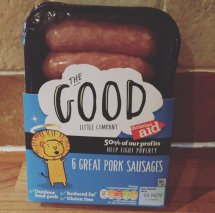
The Good Little Company – Good Little Sausages, Great Big Sausages and Teeny Weeny Sausages

GoodLittleCompany-860x400.jpg

Established in 2011, The Good Little Company is a Northern Ireland based sausage brand which gives 50% of its profits away to three charity partners in Africa- ChristianCv3wBhcWIAEMiw0.jpg Aid, Mulanje Mission and Samburu Trust.
Where To Buy: Waitrose, Ocado, Tesco (NI) and Dunnes Stores (NI)
So what’s the verdict of the family taste test? They were definitely a big hit with my 3 kids (and their friend Charlie who joined us for dinner after school on Tuesday night!)

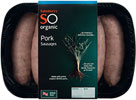
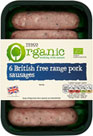
Other nitrite free sausage options: look out for organic sausages as these should be nitrite free

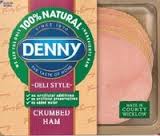
Denny 100% Natural Ham

Unknown.jpeg

Denny is the only ham available in supermarkets that has 100% natural ingredients. The Traditional Style Ham has just Pork with Sea Salt, Demerara Sugar and Natural Flavouring (celery and rosemary). Perfect for quick ham sandwiches in the packed lunches!

Where to Buy: As far as I am aware, unfortunately this ham isn’t available outside of Northern Ireland and the Republic of Ireland. Available in NI at Sainsbury’s, Tesco and Asda.


Although nitrite free, it is still important not to go crazy on these sausages and ham, as there is also an association between red meat and some cancers. I try to mix meal times up with fish, chicken, turkey and eggs for other good protein sources. And of course plenty of veggies, fruit and wholegrain foods.

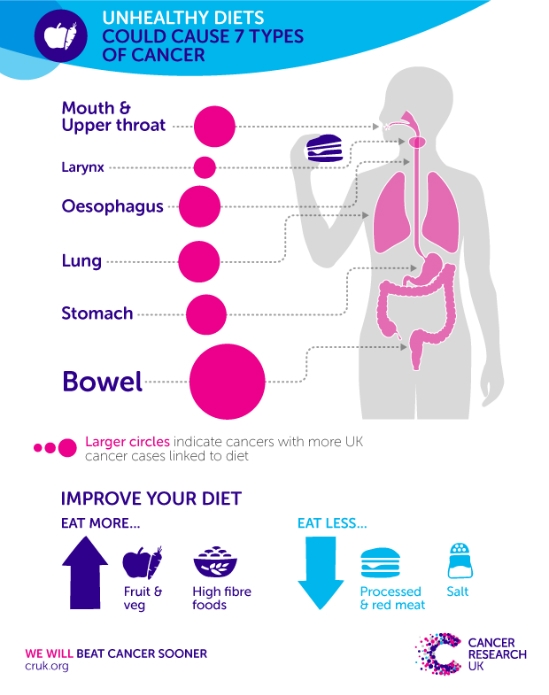
Sarah Williams, health information officer at Cancer Research UK, said: “We already know that not smoking, cutting down on alcohol, getting plenty of fruit and veg and staying active can reduce the risk of developing cancer. Keeping a healthy weight will help to reduce your risk of cancer, so try and be physically active and eat a healthy balanced diet with plenty of fruit and veg and fibre, and cut back on red or processed meat, saturated fat, and salt.”

 
Here’s a helpful and simple infographic from Cancer Research UK on how to reduce your risk of food related cancers:

diet-infographic.jpg


Easy Peasy Healthy Ice-cream


Like most of the recipes on this website, I use this one a lot, and it definitely lives up to the Fast Fit Food ethos. It uses 3 of the basic ingredients that I always have a stock of: natural yogurt, frozen berries and bananas. It is perfect as a pudding or as a snack, and it’s one of the recipes I give to my athletes for pre or post workout as it contains great amounts of protein and carbohydrates.

Benefits: yogurt provides good bacteria for the digestion as well as calcium and protein,   the berries and banana provides fibre; potassium and healthy carbohydrates from the bananas, antioxidants from the berries…..I could go on! 

I try to use nice ripe bananas – they are sweeter and easier to digest that greener ones. If you can buy yellow ones with brown specks, or allow them to ripen in the fruit bowl, then there is no need to add any extra sweetness e.g. from honey.

The type of natural yogurt you use is up to you: I usually use full fat for my kids as it gives a thicker creamier texture. If you are watching your weight, then use a low fat natural yogurt which usually Unknown-10276994has about half the calories. Contrary to popular belief, low fat natural (plain) yogurt does not have any added sugar or sweetness. If you are trying to increase protein in your diet, then go for Total which have twice the amount of protein as standard natural yogurts. Liberte has the advantage of having some fruit added, without too much sugar. All of them have the healthy bacteria!
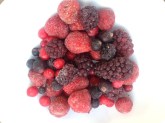
If you are lactose intolerant, simply swap the natural yogurt for lactose free yogurt. Vegan? then go for soya or coconut yogurt.

Healthy, easy ‘ice-cream’images-3

Ingredients:

  • 500g pot of natural yogurt
  • 2 frozen ripe bananas (peel before freezing)
  • handful of frozen IMG_0905berries/any frozen fruit


Method:

  1. images-3Chuck the ingredients in to a blender and whizz up until smooth.
  2. To make more ice-creamy, you can put the mixture back in to the freezer for a few hours, then give it a good stir before serving.