

New low FODMAP diet for IBS: 75% see significant improvement
If you were to tell me 15 years ago, when I was a newly qualified dietitian at St George’s Hospital in London, that I would specialise in treating IBS, I would have thought you were crazy. Back then we just didn’t have good answers for people suffering with Irritable Bowel Syndrome.
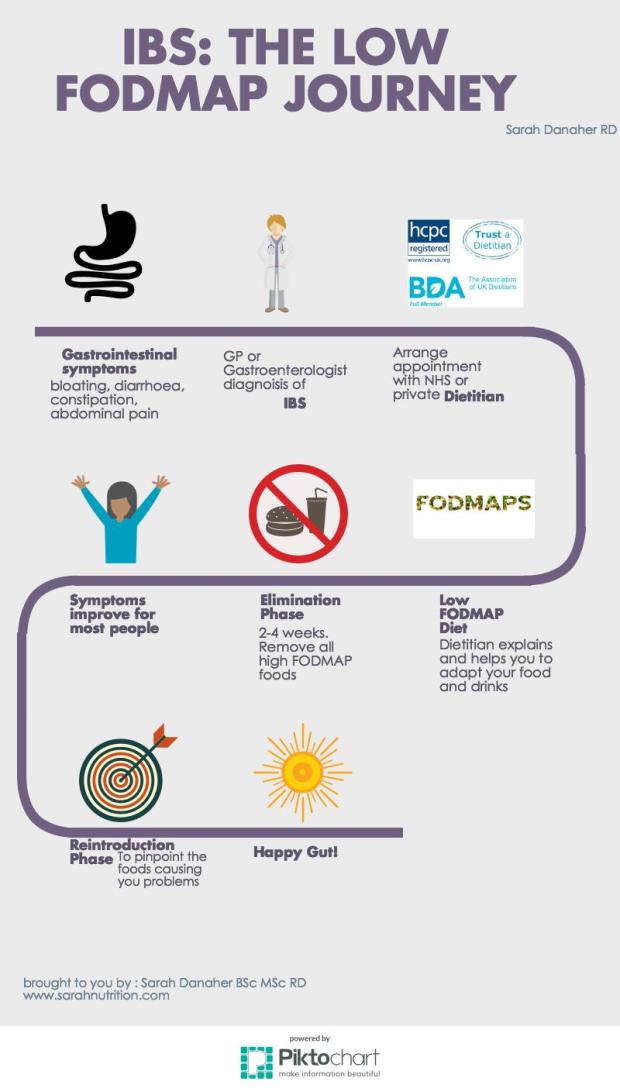
Irritable Bowel Syndrome is a disorder where the bowel looks normal, but it doesn’t function properly. It is incredibly common, affecting about 1 in 5 people in the UK. The diagnosis of IBS is usually made when other conditions such as coeliac disease, Crohn’s Disease, colitis, have been ruled out. Symptoms include bloating, wind, diarrhoea, constipation, acid reflux, nausea and abdominal pain.
 The Low FODMAP Diet has been published in international medical journals and is now accepted and recommended as one of the most effective dietary therapies for IBS and other digestive conditions. In February 2015 it was added to the National Institute of Clinical Excellence’s IBS treatment guidelines.
Elimination phase: high FODMAP foods eliminated for 2-4 weeks
Reintroduction phase: high FODMAP foods systematically reintroduced to identify your problem foods (not everyone reacts to the same FODMAPs)
It is important to have the advice of an experienced dietitian to help guide you along your low FODMAP journey
Here some great information all about the low FODMAP Diet: FODMAPs
And here is what some of my patients say:
Miss VG, IBS, marathon training (April 2016) The low FODMAPs is going very well, it has helped a lot with my symptoms. I was quite surprised how well it has worked!
Mr RD, IBS (March, 2016): Hi Sarah. Hope you’re well; I came to see you a year ago to help with IBS issues which have improved dramatically. I very rarely suffer any of the symptoms I used to – brain fog, stomach cramps etc and find I’ve been able to reintroduce a lot of foods that did give me problems previously, so thanks again!
Miss J, IBS (February, 2016): This week is my 4th week on the FODMAP diet and so far so good. I’m actually really enjoying it and have discovered some lovely new recipes. It’s made a very noticeable difference in terms of bloating, cramping and wind which is fantastic. My skin has also improved too.


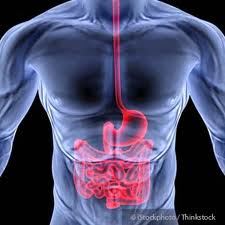
 constipation or diarrhoea, excessive wind, heartburn and nausea. Usually the diagnosis is irritable bowel syndrome (IBS).
 reduction in symptoms for 75-80% of people. The FODMAP Diet was originally developed at Monash University, Australia; and recently more research has been carried out at King’s College, London. The low FODMAP diet is increasingly being used by gastroenterologists and dieticians to successfully manage the tummy problems.



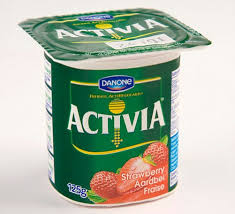


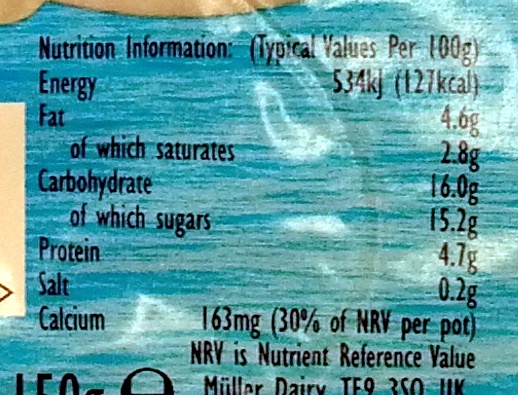

 added (high protein yogurts have been shown to make you feel full up for longer and reduce appetite). I must give St Helen’s Goat yogurt a try, nutritionally I would award it second
  place, but I’ve never tasted it! Onken Naturally Set also has a great nutritional profile, although lower in protein than Total.




 and dietitians to the bottom of the culinary and nutrition pile. Little boxes of mush, hidden from view in cardboard boxes, often providing your full daily requirement for unhealthy fats, salt, and sugar.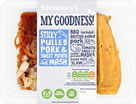
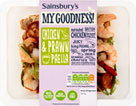
 es and vegetables.







 sarahdietitian.com