Butternut, Bacon & Herby Scones

Here is a recipe from my lovely friend, Robyn. We know each other through the rugby, as our husbands played together at London Irish, and later Neal coached Dec. They are now arch rivals as Neal is coaching the Bath Rugby team (boooooo!). As well as being long suffering rugby wives, Robyn and I also share entrepreneurial tendencies. Robyn’s baby is Mum’s the Business offering fabulous help for mums making their way with their own business.

With 315kcal and 8g protein per muffin, these are perfect for the kid’s lunch boxes as something a bit different to sandwiches. Also fab as a high energy snack.

The butternut squash is rich in vitamin A & C, the spinach has vitamin A, C, K & folate, the olive oil is heart healthy, and the milk and cheese provide calcium.

Here’s the recipe………

Makes: about 12 scones

Takes: 20 minutes to bake & 50 minutes to prepare (mostly the butternut!)

1 butternut squash (about 500g butternut squash cubes)        

1tbsp olive oil

200g unsmoked back bacon                                                        

450g self raising flour

1 tsp baking powder

80g unsalted butter (cut into small pieces)

1 large handful of chopped fresh herbs or spinach (optional)  

300ml semi skimmed milk

40g cheddar cheese, finely grated

Preheat oven to 190C/fan or 170C/Gas5.  Grease 2 baking trays.  Peel butternut squash, cube it, then place on baking tray with oil & roast for 40 minutes, or until cooked.  Cook the bacon on the other tray until cooked and golden.

Put the flour and baking powder into a large bowl, and rub in the butter.

Add the butternut, bacon (snipped into small pieces) and the herbs / spinach.  Mix.  Add almost all the milk & mix together well.

Dollop about 12 spoonfuls onto baking tray.  Brush the tops with milk and sprinkle cheese over.  Bake for about 15 – 20 minutes until cooked through & golden.

Cate’s Burgers – a London Irish supporter’s recipe

Following the 2013 London Double Header, Cate said, “My son, a LI season ticket holder and at Twickenham on Saturday, is still getting over the result. He started to perk up after home made burgers tonight though! I make a v good burger apparently – for a vegetarian!”

Each burger (no bun) provides: 350kcal, 25g protein, 20g fat.

Change beef mince for lean beef mince and reduce the fat to 12g and calories to 230kcal! Grill, don’t fry.

Serve with Happy Carrot Salad or Superfood Salad (not a lettuce leaf in sight!), to make an ultra nutritious meal.

Here’s the recipe:

Ingredients

  • 1 small onion, finely chopped
  • 2 garlic cloves, finely chopped
  • 6 small cornichons or 1 large pickled gherkin, finely chopped
  • 500g/1lb 2oz minced beef
  • large bunch flat leaf parsley, chopped
  • 1 large lemon, grated zest only
  • salt and freshly ground black pepper

Method

  1. Combine all the ingredients in a large bowl and mix until well blended.
  2. Shape the mixture into 4 burgers and chill until ready to cook.

Thank you Cate!

Oaty Biscuits – my Mum’s recipe

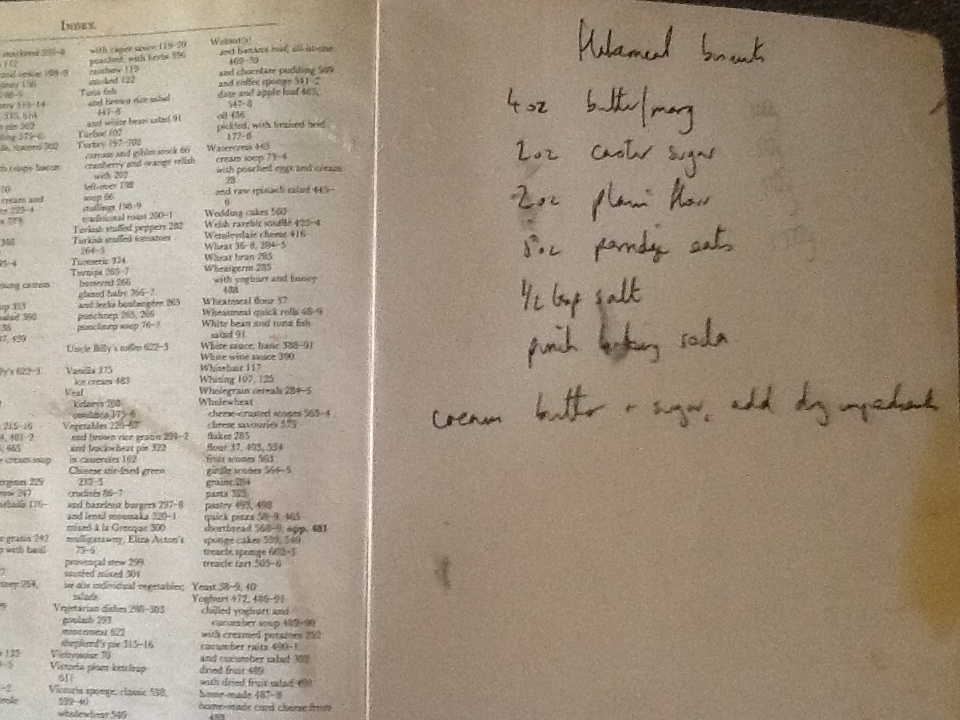
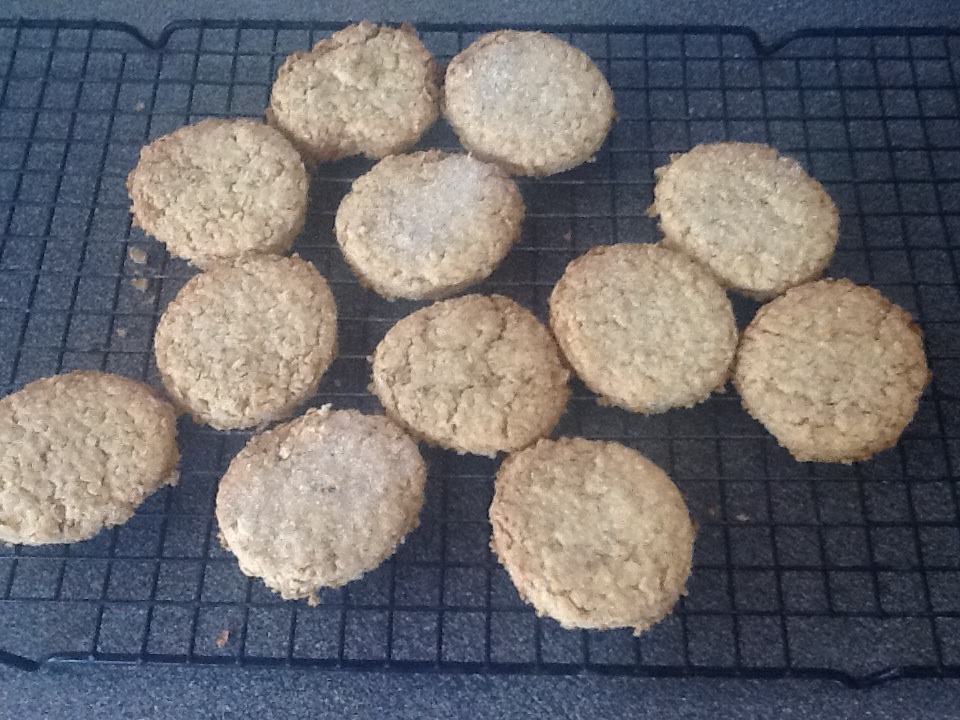
This recipe comes from my Mum’s very battered and very used ‘Belfast Cookery Book’. She’s been making these biscuits for as long as I can image image imageremember. I make them for my kids now. I’ve got the recipe written in the back of a Delia cookery book. If I’m feeling a bit woo, I might add some cinnamon or desiccated coconut.

4oz butter/margarine

2oz caster sugar

2oz plain flour

5oz porridge oats

Cream the butter and sugar, add the dry ingredients. Roll in to a ball, flour surface and hands. Roll out to biscuit thickness with rolling pin. Cut out biscuit shapes. Put on baking tray, put in oven (180 c) for approx 20 minutes or until starting to turn brown.

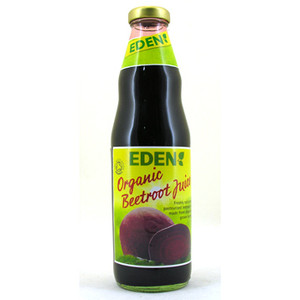
Beetroot Juice – worth the hype?

Beetroot juice has been one of the biggest stories in sports science in recent years, after researchers at the University of Exeter found it enables people to exercise for up to 16% longer.

The startling results have led to a host of athletes – from Premiership footballers to professional cyclists – looking into its potential uses.

images-2

Concentrated beetroot juice (shot)

When consumed, nitrate found in beetroot juice has two marked physiological effects.

  1. widens blood vessels, reducing blood pressure and allowing more blood flow.
  2. affects muscle tissue, reducing the amount of oxygen needed by muscles during activity.

The combined effects have a significant impact on performing physical tasks, whether it involves low-intensity or high-intensity effort.$T2eC16dHJGoFFvPOJJ3UBR0ZfTsjj!~~60_35

Professor Andrew Jones, from the University of Exeter, lead author on the research, said: “The findings show an improvement in performance that, at competition level, could make a real difference – particularly in an event like the Tour de France where winning margins can be tight.”

Beetroot juice is an easy way to quickly ingest a substantial amount of dietary nitrate. However, some may find the taste of beetroot juice unpleasant. Fortunately, beetroots are just one of many vegetables that are high in nitrate. Leafy green vegetables tend to be the top sources.

The dose of dietary nitrate used in the research to reduce the oxygen cost

of exercise, improve athletic performance, and lower blood pressure ranges from 300 to 500 mg. This is about 300-500ml of Beet It 100% Pressed drink.

This amount can also be obtained by eating the following foods:

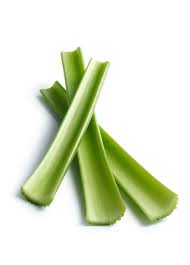
Very high nitrate levels: celery, cress, chervil, lettuce, red beetroot, spinach, and rocket (more than 250 mg/100 g)images-3

High nitrate levels: celeriac, Chinese cabbage, endive, fennel, leeks, and parsley (approximately 100 to 250 mg/100 g)

Ultimately, eating beetroot, drinking beetroot juice, or eating foods high in nitrate is unlikely to increase your exercise endurance unless you are already an athlete and at the peak of fitness. Even for athletes, it is fundamental to get the basics of diet right before putting your faith in nitrates to improve performance.

For most of us, the best way to increase endurance is to exercise regularly so aim to work towards achieving the recommended 30 minutes of moderate intensity exercise, five times a week.

Beetroot recipes


Beetroot Salad – high nitrates for athletic performance

High in dietary nitrates (a very good thing!), recent research has found beetroot improves performance in athletes by 16%. Here’s why.

This is a recipe my Mum has been making for as long as I can remember. I don’t know why it’s called Winter Salad, as we’d usually have it in the summer with quiche (how 80s!)

Ingredients:

  • one apple chopped
  • about 5 slices of beetroot from a jar
  • 2 sticks of celery

Chop each ingredient in to small cubes and mix together in a bowl. No dressing needed!

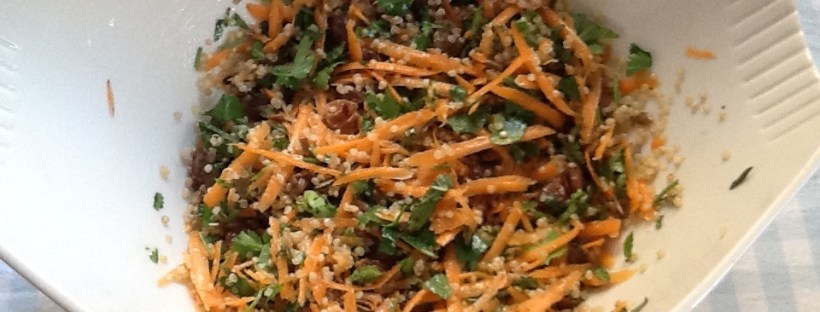
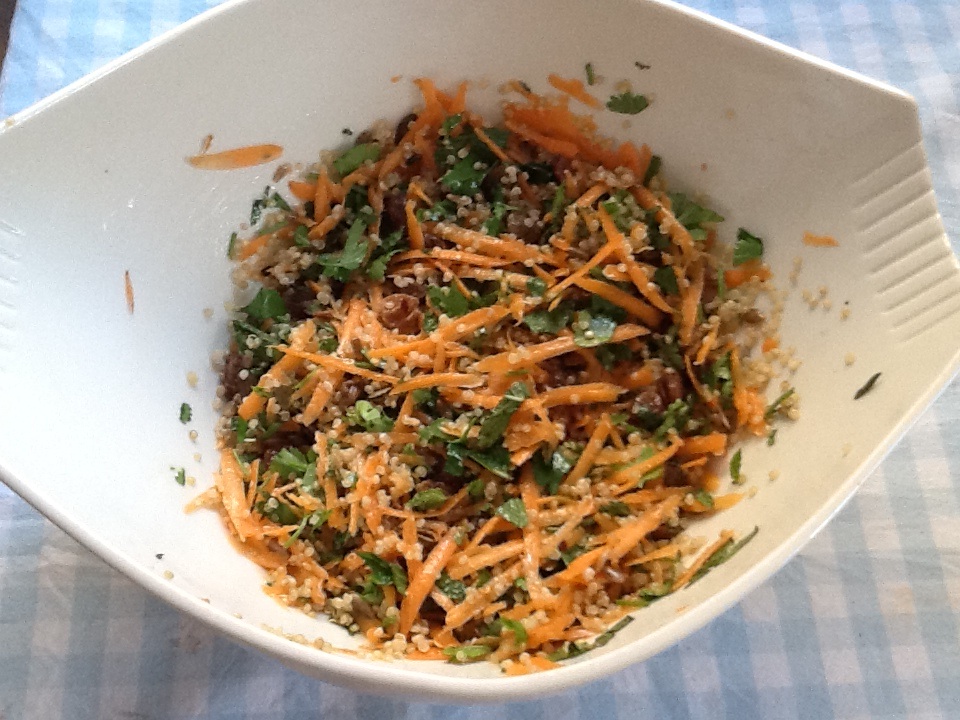
Happy Carrots

The name alone makes me love this. It’s also very easy to make which makes me happy.

Happy Carrots

Happy Carrots

Why it’s happy: protein from the quinoa and seeds; antioxidants from the carrots, mint and coriander; essential fatty acids from the pumpkin and sunflower seeds, and a little bit of sweetness from the sultanas.

Ingredients:

1 tablespoon sultanas (soak in hot water for 5 mins to plump up)

3 chopped spring onions

3 grated carrots

handful coriander leaves, chopped

small handful mint leaves, chopped

handful toasted pumpkin and sunflower seeds

a few tablespoons cooked quinoa/rice (optional)

dressing: 1 tablespoon lemon juice, 1 tablespoon olive oil, 1 chopped garlic cloves (or teaspoon of the garlic in a tube). Make more dressing, if you like it more dressingy.

Mix all the ingredients together in a bowl. Mix the dressing ingredients together and add when about to serve.