Nutrition for Young Athletes

Why a nutritious diet is needed:

images

  • Normal growth and development
  • Healthy, strong body
  • Energy for everyday activities – school, gymnastics training
  • Repair of muscles following demands and stresses of training and competition

Main components of the diet:

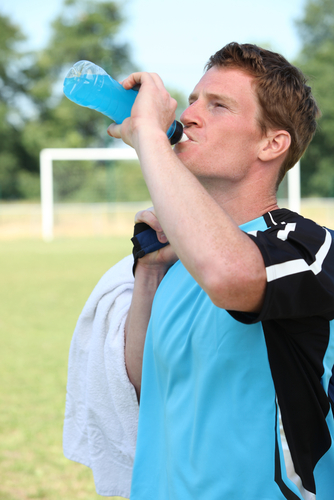
Hydration:

bottled-water

  • as important as food
  • Overheating and dehydration can be dangerous (heat stroke)
  • Low levels of dehydration: reduced strength, stamina, concentration

Carbohydrate:

  • Supply energy for musclesSTARCHY
  • Immunity
  • Growth
  • Focus on wholegrain bread, pasta, rice, fruit, veg
  • Especially important before and after exercise for muscle energy

Protein:

100608182647-large

  • For muscular strength & power, muscle repair & maintenance
  • Focus on lean protein: chicken, fish, eggs,
  • dairy, beans, seeds, nuts

Healthy Fats:

  • Important for healthy heart, nervous system, hormones etc.
  • Focus on healthier fats from olive oil, oily fish eg. Salmon, avocado, peanut butter etc.

Vitamins & Minerals:

  • Calcium – strong bones
  • Iron – needed for blood cells to transport oxygen to muscles
  • Vitamin D – bone development, also implicated in long term health issues
  • B vitamins – energy production & protein metabolism
  • Omega 3 fats – oily fish, for brain development, heart health, vision etc.
  • Generally, supplements not needed if child has varied diet
  • Consider fish oil supplement (omega 3 fats) if intake of oily fish is less than once per week
  • Consider Vitamin D supplement if always wears sunscreen in summer

Pre – exercise fuelling:

  • Aim to have a meal or a substantial snack a few hours before:
    • Pitta/crumpets/toast with jam/honey/peanut butter + milk
    • Jacket potato + tuna/baked beansshutterstock_81803002
    • Baked beans on toast
    • Boiled egg and toast
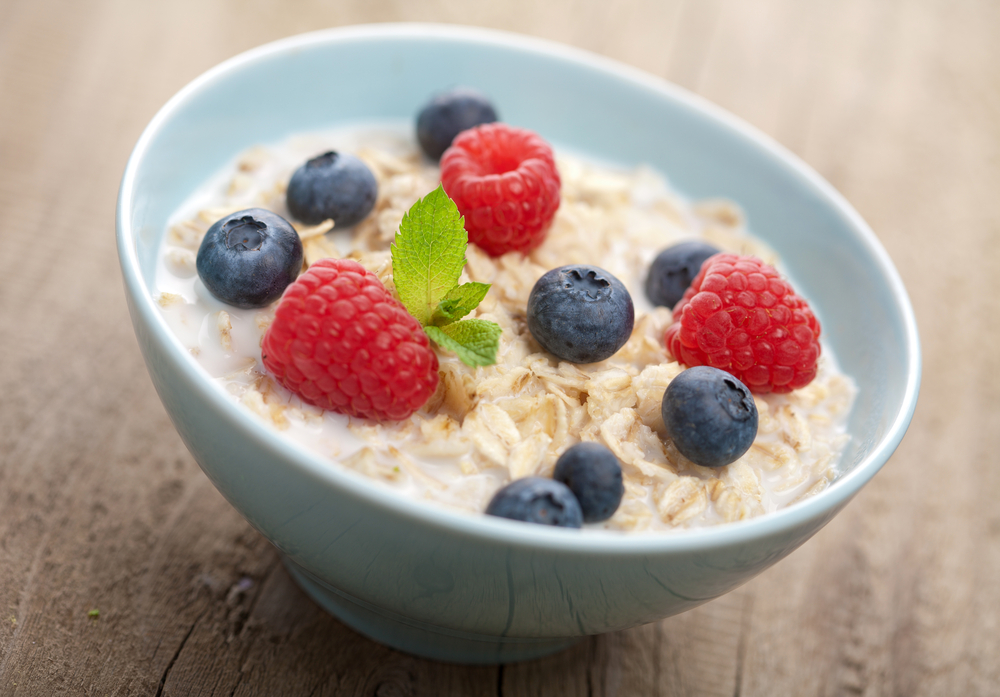
    • Porridge, milk and raisins/berries
    • Breakfast cereal with milk
    • Bread roll with cheese/meat filling + banana
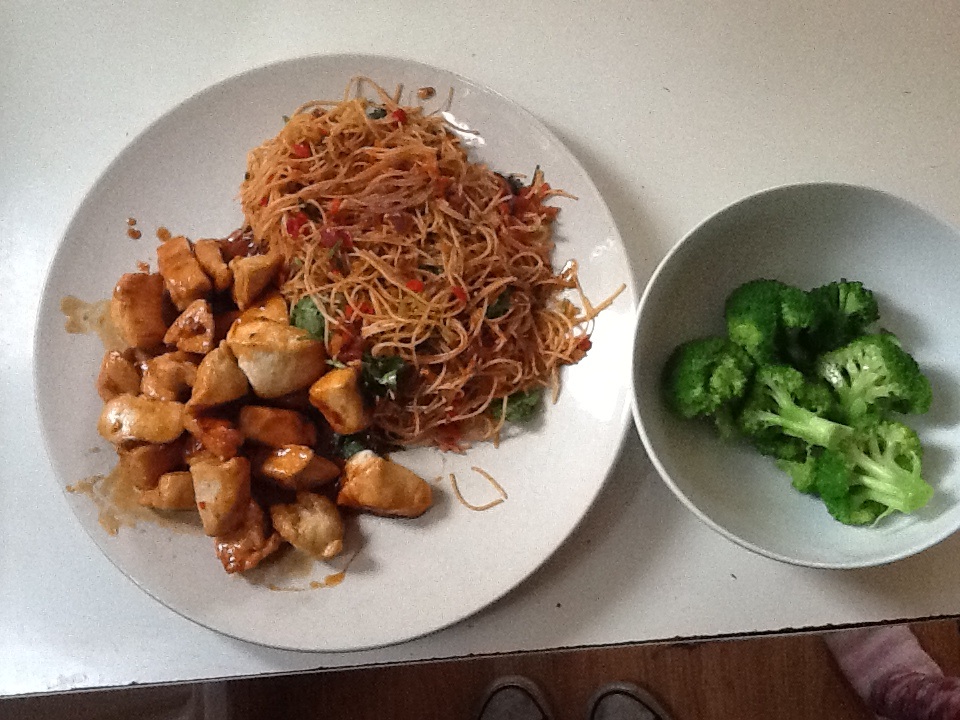
    • Pasta, rice or noodles with tomato sauce, lean meat eg. chicken, vegetables
  • Up to 1 hour before
    • Fluid for hydration: 200mls fruit juice/water/skimmed milk

 Early morning sessions: If training or competition is first thing in the morning, it is probably not possible to have a meal 3-4 hours before. In these circumstances, have a good meal the night before, then a snack and fluid 1-2 hours pre exercise eg. breakfast cereal and milk, fruit and yoghurt, smoothie or milkshake.

After exercise:

Ensure your child has a snack, or a meal following training. Carbohydrates replenish the muscles with glycogen for energy, while protein repairs and rebuilds muscle tissue. Sports protein shakes or supplements are unnecessary and not advised.

Post-exercise snack ideas (follow within a few hours with a meal):

  • Homemade shake – blend 200ml milk, tablespoon yoghurt, banana, tablespoon honey
  • Low fibre breakfast cereal  eg. Cornflakes/Rice Krispies and milk
  • banana and yoghurt/milk
  • Bread roll or sandwich with cheese/meat/fish filling

Rehydration

It is highly likely that your child will finish training with some degree of dehydration, therefore it is important to replace these fluids as soon as possible after the session. Aim for 200ml fluid with an hour of finishing.

Body image and Disordered Eating

In some sports there is pressure to ‘not get fat’/stay lean or to bulk up to enhance performance Eg. Gymnastics or rugby.

Any such pressure can have the opposite effect – unhealthy eating patterns, restrictive eating (anorexia), or bingeing (bulimia).

Poor nutrition, resulting in weight loss, can cause anaemia, reduction in muscle power and performance, weak bones, poor concentration and increased injury risk

Tips for parents:

  • Do not weigh your child (unless specifically asked to do so for medical reasons)
  • Do not discuss calories or fat, unless raised by your child.  Approach in a positive manner e.g. food gives us energy for exercising and being strong. Healthy fats are important for us to be healthy.
  • Talk about food being nutritious, for making us strong, repairing cuts in our skin, building our muscles, giving energy for running fast etc.

Written by Sarah Danaher, Registered Dietitian, Accredited Sports Dietitian

Registered Dietitians are the only qualified health professionals that assess, diagnose and treat diet and nutrition problems.

If you have any concerns regarding your child’s or family’s diet, then please don’t hesitate to contact me:

danahersarah@yahoo.co.uk

www.sarahnutrition.com

07758 100727

Boosting immunity to stop getting sick

It’s an unfortunate inevitability that at some time or another, illness will descend upon any work place.

Gastroenteritis can be difficult to avoid and in environments where there is close contact, it can spread like wild fire. Washing hands is vital to avoid infection, alcohol gel can also be used, but is not as effective as thorough hand washing. Here’s what the NHS says on medical treatment.

From a food point of view, it is especially vital for athletes to try to maintain nutritional intake to prevent muscle wastage and maintain energy levels. Easier said than done when you can’t keep anything down! If possible, and even if there is no appetite, small amounts of plain food and higher calorie fluids eg. toast, fruit juice, breakfast cereal, plain biscuits, or any food that you feel you can tolerate should be eaten.

It is possible that following recovery from gastroenteritis, the gut may have become intolerant to lactose (milk sugar), causing continued diarrhoea, and possibly abdominal pain and bloating. This is because the enzyme, lactase, which breaks down the lactose has been affected. Normal milk can be replaced with Lactofree Milk, tolerance to other dairy products varies. A dietitian can advise further on lactose avoidance.

In a previous post, I discussed the numerous reasons for lowered immunity during training for athletes:

  • repeated cycles of heavy exertion
  • exposure to germs and bugs
  • mental stress
  • lack of sleep
  • poor nutrition
  • weight loss

The first two points, repeated cycles of heavy exertion, and exposure to bugs certainly apply to the London Irish squad in pre season training, hopefully less so the mental stress, lack of sleep, poor nutrition and weight loss.

So what can be done to reduce the possibility of becoming ill?

Nutritional immunology is a rapidly growing area, and four key principles have emerged:

1. Almost all nutrients in the diet play a crucial role in immunity. A varied, healthy diet provides all these nutrients in most healthy adults, and mega doses of vitamin/mineral supplements do not “boost” immunity above normal levels.

2. Poor energy and nutrient intake can reduce the immunity and susceptibility to germs and bugs. Poor protein intake reduces immune function and strongly increases risk of various types of infections.

3. Some nutrients (glutamine, arginine, fatty acids, vitamin E) provide additional benefits to immunocompromised persons (e.g. the frail elderly) or patients who suffer from various infections. Currently there is a lack of evidence to support the use of these in preventing exercise-induced immune suppression and protection from infection.

4. Some supplements may prove useful in countering immune suppression for healthy adults during unusual mental and physical stress e.g. omega-3 fatty acids from fish oils reduce inflammatory responses.

CARBOHYDRATES

Of the various nutritional countermeasures that have been evaluated so far, carbohydrates before, during, and after prolonged or intense exertion has emerged as the most effective way to ensure less of a negative effect on the immune system. Athletes intent on reducing body fat by avoiding carbohydrates should be aware that this may impact on their immunity.

shutterstock_85815004Strategies to ensure good carbohydrate stores to optimise immunity:

  • Have a carbohydrate-based snack before you start high intensity training, particularly hard morning training.  If you are unable to tolerate something before you start exercise, have a source of carbohydrate during the session such as a sports drink (6-8% carbohydrate)
  • Have a carbohydrate-based snack shortly after training to start the recovery process.  This is of particular importance for athletes training more than once a day with limited time to recover for the next session.
  • Base meals around nutrient-rich carbohydrate-containing foods and fluids.  Rice, pasta, bread, cereals, fruit, starchy vegetables and low-fat milk and yoghurt are nutrient-packed carbohydrate-containing
    Balanced meals with carbs, protein & veg

    Balanced meals with carbs, protein & veg

    choices. The aim is to match daily carbohydrate needs with an appropriate amount of carbohydrate-containing foods and fluids throughout the day.

PROBIOTICS

images-2

Probiotics may benefit athletic performance indirectly by maintaining gut function and health, preventing the immunosuppressive effects of intense exercise, and reducing susceptibility to illness. Substantial evidence exists indicating that probiotics can reduce susceptibility to acute infectious diarrhoea (athletes may be particularly susceptible during foreign travel). Probiotics come in tablet or liquid form eg. Yakult. Tablets tend to be more potent, and are available from health food shops.

A balanced and nutrient rich diet is fundamental to avoiding illness for those undergoing intense physical exercise. Current opinion is that athletes should invest in nutrient-rich foods and fluids that provide sufficient energy and a wide range of vitamins, minerals and other important chemicals, such as phytochemicals, found naturally in foods. When this is not possible the use of supplements such as multi vitamins and omega-3 fish oils.

Pre season training – a day in the life……

7 weeks in to pre season training, and we’re starting to feel the physical strain. Pre season (June-August) is the time when fitness and strength training are pushed to the extreme in preparation for the playing season ahead. I say ‘we’re’ starting to feel the strain as having a husband in pre season training is like adding another child to the equation. His exhaustion at the end of the day renders him pretty much helpless!

This morning, Monday 22nd July, sees that start of ‘Over-load Week’, when the boys are pushed even more physically, with the reward of a week off from Sunday. As I sit here typing at 6am, Dec’s alarm is jolting him out of his comatose state. With the first training session at 7.15am, he needs to be up with enough time to fit in the first meal to allow it to digest. Here’s the schedule for today:

7.15am: 45 minutes weights (‘hypertrophy’ short, sharp and intense lifting, to increase muscle mass)

8am: breakfast

8.30am: stretching session

10am: 1 hour rugby training

11.30am: 1/2 hour conditioning (fitness/running)

12pm: lunch

2.30pm: Weights (legs)

4pm: afternoon meal

4.30pm: physio/massage

6ish +: return home

So it’s a long day of weights, rugby and fitness training. The forecast for today is 32 degrees C…………..so on top of food and snacks, fluid, fluid, fluid is as important to maintain hydration.

After the long day at the Sunbury training ground, Dec will return to (ahem) our tranquil home. Perhaps I will rephrase that. Dec will return home to the tears and tantrums lively and spirited debates between our two girls (6 and 3), and our 1 year old toddler, who is going through a clingy/moaning phase. All the poor man wants to do is just sit down and zone out (reminds me of that quote from Winnie the Pooh: “Sometimes I sits and thinks, sometimes I just sits).

With 3 kids entertain, shopping, cooking, cleaning etc. etc. an extra body sitting near comatose on the sofa can be, to be polite, frustrating. However, I have to remind myself that recovery and rest are a fundamental phase of training, as important as the physical sessions throughout the day.

The huge calorie intake needed to meet the requirements of the extra physical activity AND to promote weight gain, can be tricky to achieve. Even with a personal dietitian who also happens to be his wife at his disposal.

I always say that an athlete can meet their nutritional needs using real food, with supplements eg. protein/recovery drinks/bars, used to support the diet if necessary. Real food gives a multitude of vitamins, minerals, antioxidants, phytochemicals, fibre, fatty acids, as well as probably many other substances that science not discovered yet. A manufactured product simply cannot replace a meal for nutrition.

Dec, being Dec, has taken this on board, wanting most of his nutrition to come from food, with recovery/energy drinks used a few times during training. In theory, this is music to the ears of a dietitian. However, in practise this means 5 meals per day, which is tedious (shopping, cooking, cleaning up), not to mention expensive.

Rob, the Strength & Conditioning coach at London Irish, has the boys on strict diets to meet their various nutrition and training needs. Dec’s aim is to increase weight from 100kg to approximately 105kg, while maintaining body fat at 10%. He’s on target, having upped the weight to 102.5kg (that half kilo is VERY important!)

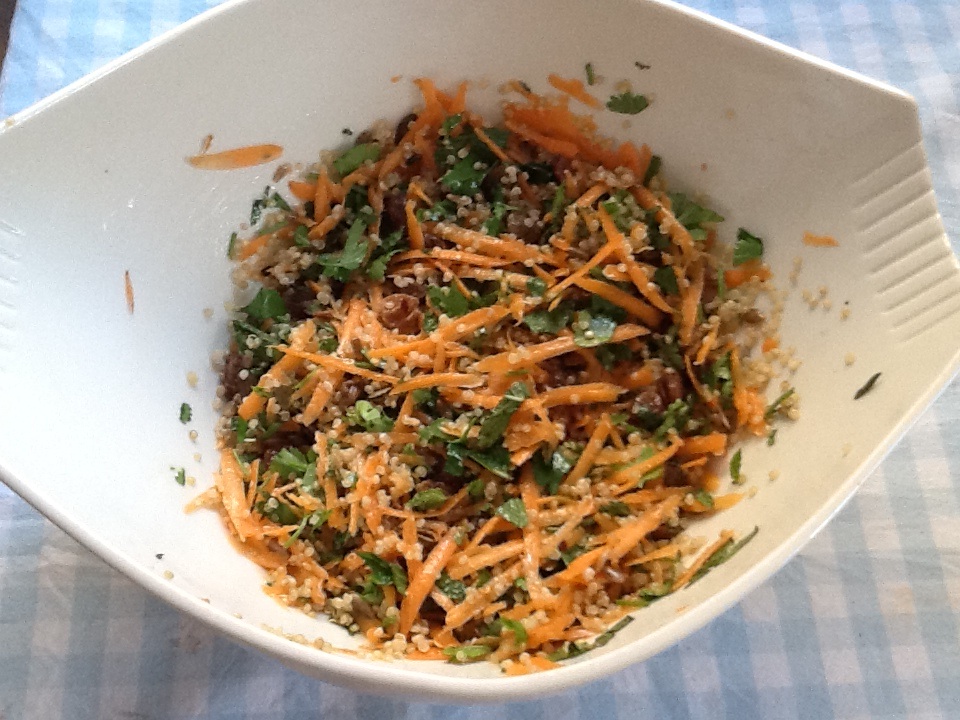
Meals yesterday: porridge; bagel & scrambled eggs; salt beef ciabatta; pasta with pesto, chicken, pepper & spring onion; salmon, rice, happy carrot salad; wrap with chicken & coleslaw.

happy carrots

happy carrots

Snacks/training: apples, yoghurts, almonds, recovery drinks, energy drinks.

image

almonds, yoghurt, apple

Healthy ice cream – high protein, low fat

Here’s a recipe for ice cream made with protein powder. I used Kinetica Whey Protein Strawberry flavour. It is a much healthier version of standard ice cream, as it is low in fat, and high in protein, and has healthier carbs. Perfect as a post workout recovery snack, or just for something delicious on a hot day.

image

Per serving:

  • 208kcal, 18g protein, 25g carbohydrate, 4g fat
  • Normal ice cream per 100g (3/4 cup): 200kcal, 3.3g protein, 23g carbohydrate, 11g fat

Why it’s better than standard ice cream:

  • cream replaced with whey protein powder, yoghurt and milk.
  • higher in protein – for muscle repair and muscle building, makes you feel full up for longer.
  • lower in fat – 17% calories from fat, compared to 50% in standard ice cream
  • healthier carbs – banana and milk replace sugar. Carbs used for muscle repair and building (helps to shuttle protein in to muscle), replaces glycogen used up during exercise.
  • banana provides vitamins, minerals, antioxidants and soluble fibre.
  • you can have a larger portion size than standard ice cream as it is lower in kcal.

You can use any flavour of protein powder that you like, I used strawberry. I don’t have an ice cream maker, but I’m sure the results would be even better using one!

And the recipe…..(makes 2 servings):

30g any whey protein powder 

250ml semi skimmed milk

1 banana

2 tablespoons natural yoghurt

Whizz the ingredients in a blender, and pour in to a bowl. Place bowl in the freezer.

After about an hour, take out of freezer and stir using a whisk or fork. This is to break up the ice crystals. Try to get a smooth consistency.

Repeat this every 30 minutes/1 hour until the ice cream has been in the freezer for approximately 4 hours. If it is left longer than this, it can become quite solid, and will need to be left out of the freezer for a while to defrost a little before serving.

Enjoy!


Breakfast Omelette (sweet!)

Most of us have become used to having something sweet in the mornings, rather than savoury. Think breakfast cereal, porridge with raisins, muesli, toast and jam, fruit and yoghurt etc. All perfectly great breakfasts.

image

Omelettes usually fall in to the savoury category, so I thought I’d change ingredients to make it sweet. It sounds a bit odd, but bear with me, and give it a go. All you need are eggs, oats and some honey. Cinnamon if you are feeling adventurous!

Why this omelette is great!

Eggs:

  • contrary to popular belief, cholesterol in eggs does not raise blood cholesterol
  • nutrient dense superfood, choca-block with vitamin and minerals
  • high in choline (neurological benefits) and leucine (for muscle building – found in many sports protein drinks)
  • High protein – help you to feel full up for longer and for muscle building
  • cheap!

Oats:

  • low GI, for slow energy release
  • high soluble fibre and B vitamins
  • lowers cholesterol, prevents heart disease
  • also cheap!

Honey:

  • balance of fructose and glucose sugars (similar to sports carbohydrate gels, but without the additives)
  • easily absorbed by the body, increasing energy levels quickly

Here’s what you do:

1) whisk 2 eggs, add to hot non-stick omelette/frying pan

2) sprinkle in a small handful of oats, with cinnamon if you are using

3) give the pan a shake every so often and just a few times give a stir (stir too often and you’ll have scrambled eggs, equally delicious I’m sure)

4) drizzle some honey over the omelette

5) plate up! Add some extra honey if you wish.

Nutrition info: 320kcal, 16g protein, 30g carbohydrate

700kcal meal – Meatballs and Pasta

image

 700kcal, 35g protein, 100g carbohydrate.


Most men need about 2500kcal/day, and ladies 2000kcal/day. Less to lose weight, more to gain. My husband Dec’s target intake per day is 3600kcal as he needs to put on a few kilos for the start of the rugby season in September. He tries to divide this evenly throughout the day.

Here is what tonight’s 700kcal meal looks like (it doesn’t look like that much does it?!):

Pasta – 3 (lady) handfuls dried penne, approximately 100kcal each = 300kcal

Meatballs – lean mince, 6 x 50kcal each = 300kcalimage

Tomato sauce – 1/2 tin chopped tomatoes, tomato puree, 1/2 onion, carrot grated, garlic = 50 kcal

1/2 tablespoon olive oil

Recovery shake

Post workout: providing the perfect balance of protein, carbs, vitamins, minerals, antioxidants and electrolytes.Photo on 2013-07-02 at 14.02

Put the following ingredients in a blender and whizz up!

200ml milk

2 tablespoon natural yoghurt

handful frozen berries

1 banana

tablespoon honey

pinch of salt