Food combos that work! New research.

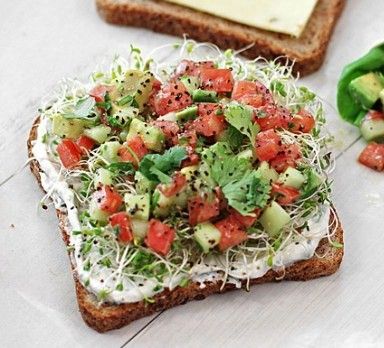
avocado for healthy fats & lettuce, herbs and tomatoes for vitamins

avocado for healthy fats & lettuce, herbs and tomatoes for vitamins

Researchers at King’s College London and the University of California have recently concluded that when olive oil and vegetables are eaten together, they form nitro fatty acids that help lower blood pressure – a risk factor for heart disease. Professor Philip Eaton, describes the chemical reaction of oil and vegetable as one of “nature’s protective mechanisms”.

This study helps us to understand why The Mediterranean Diet – a diet rich in vegetables, fruits, beans, whole grains, olive oil and fish – has long been associated with improved heart health.

3 more top food combinations:

Olive oil in a stir fry – Fat is necessary for the absorption of fat soluble vitamins A, D, E and K. The healthy fats from the olive oil, combined with the vitamins in veg provide is perfect for the absorption of these nutrients. If you’re confused about what oils and fats are healthy, look here. Other recipes that have these combos include granolaSuper Boost Salad and Cocoa Bars

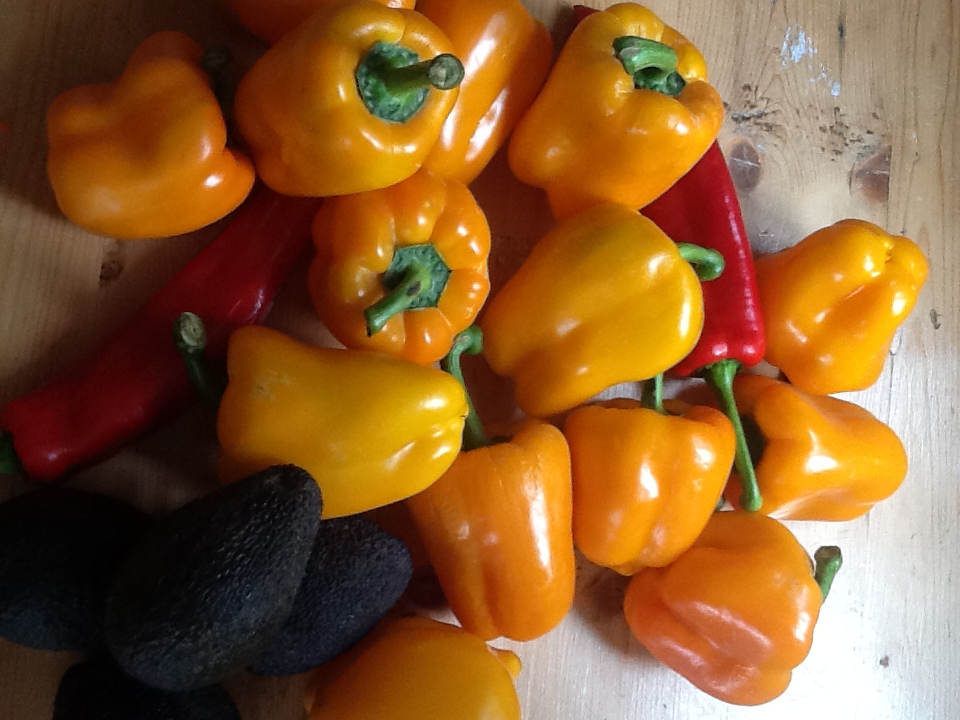
16 peppers for a £1!

1 pepper has 300% your daily vitamin C

Red peppers in bolognaise: red peppers are high in vitamin C (as are tomatoes) helping your body to absorb the iron from beef. One pepper gives you 300% of your daily vitamin C needs!


A smoothie in the sun: Vitamin D is essential for your body to use

Strawberry milk

Strawberry milk

calcium from food to build strong bones, teeth and for muscles to work properly. The best source of vitamin D is the sun……get your arms in the suns rays for half an hour a day (with no sunscreen!), and combine with a dose of calcium from a smoothie made with milk (cow’s or a rice/almond milk fortified with calcium).

7 thrifty tips for healthy eating on a budget

We’re not poor by any stretch of the imagination, but budgets are tight since my husband has changed his career and I continue to build a client base in my dietetic business. I’m very comfortable with thrifty living……it’s probably because I’m trying to relive my youthful cash strapped student days!

So here are some of my top tips for finding cheap healthy food. Fruit, veg, fish etc. can all be hideously expensive. If I didn’t know where to look for cheaper options, my daily shopping would be in excess of £30. So here are some ways to cut the costs of healthy eating:

  1. Use your local market, and get to know the stall holders…….some will be cheaper than
    securedownload-4

    My £2 haul – 16 peppers, 4 avocados

    2014-05-02 10.40.30

    Avo Man @ Kingston Market:Thursdays, Fridays & Saturdays

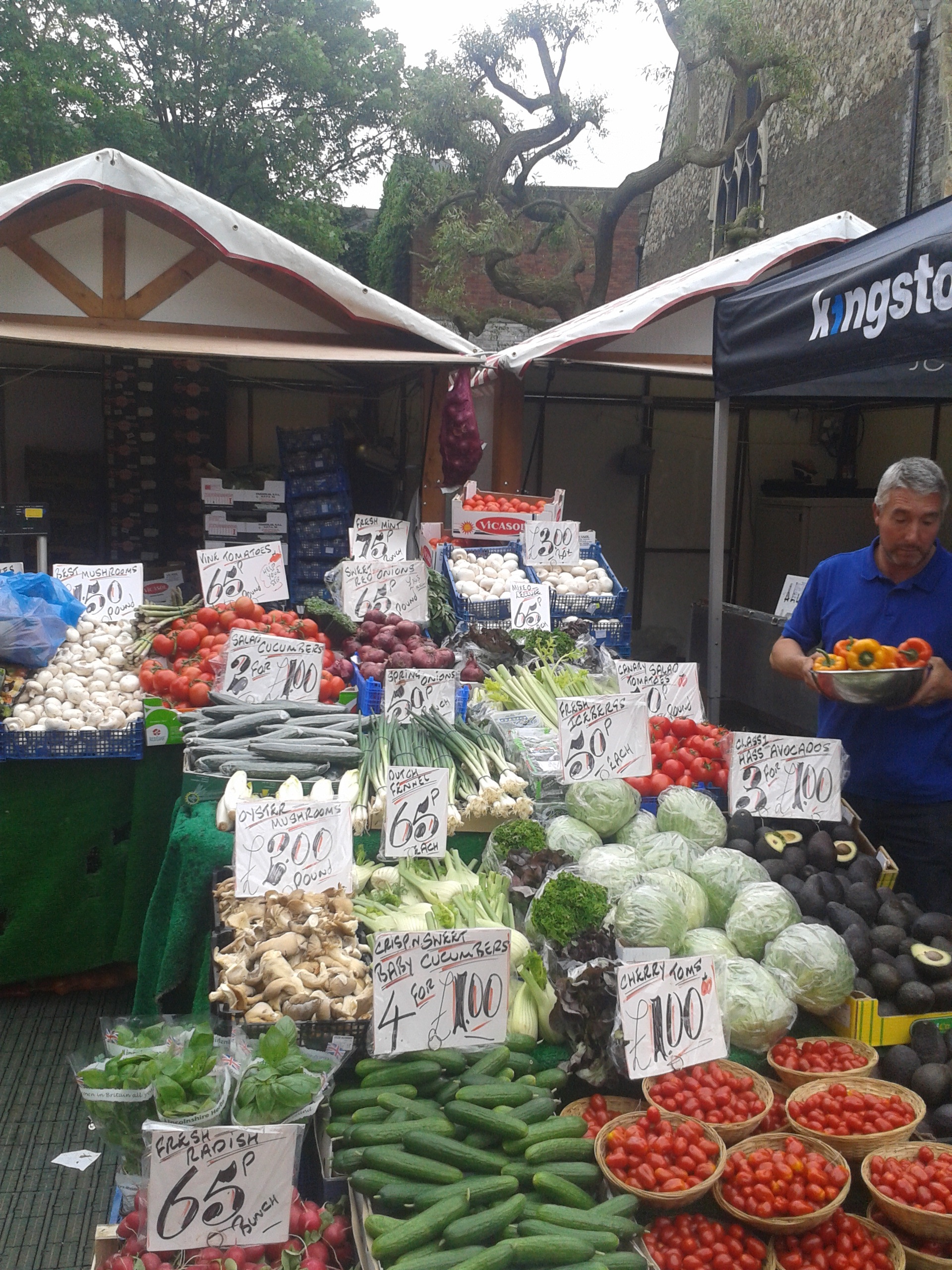
    others, and offer bargains on particular days. If you are a regular customer they may even throw in an extra something for free. My local market is in Kingston town centre, where on Thursdays, Fridays and Saturdays my Avocado Man is there with bargainous 4 avo’s for a pound and massive bowls of peppers, also £1. Officially, the sign says 3 avocados for £1, but he makes his customers feel special by throwing in an extra one. Great marketing (excuse the pun!) Today I got 16 peppers and 4 avocados for £2. I was so excited with my haul that I missed the large basket of cherry tomatoes for £1 (noticed this is the photo above!) What to do with avocados10 things to do with a pepper

  2. Berries are often extolled as a ‘superfood’ and included in many of my recipes. They are full Unknown-4of antioxidants and all sorts of other goodies that a completely wonderful for you. They are also relatively low in sugar and low calorie. Bought fresh, berries can be expensive (£2-3 for about 150g). Buy the frozen basics range for a much less eye watering £1.35 for 500g. These are fabulous for making smoothies (no need to defrost), in berry crumble, in flapjacks, with yogurt for breakfast/dessert.
  3. Oats: super nutritious with soluble fibre which is great for keeping the digestive system healthy, lowering cholesterol, filling, low in sugar, and very versatile. Oh yes, and cheap! Even if you buy the posh chunky variety, they are cheaper than most other breakfast cereal. Oats are extremely versatile. I use them everyday for porridge, to make Granola and biscuits. I think they are so awesome that I devoted a whole post to them.
  4. Basic range carrots, apples, bananas, carton chopped tomatoes: once again, do not be afraid of the supermarket ‘basics’ ranges. The basic apples are usually the ones that are in abundant supply at the time, therefore cheaper. As an example, my favourite Egremont Russets were £1.80 per kilo, but they were also being sold at the same time as the Basics apple at £0.80 per kg. Bonkers! The Basics carrots aren’t perfectly straight and you may get the odd half carrot in the bag, but otherwise great. As for the bananas, I really cannot tell the difference between Basics and any of the others!
  5. Lidl: here are my particular favourites from this frills free supermarket…….Pesto, 1 litre tubs of yoghurt, beetroot and eggs. All miles cheaper that the other supermarkets.
  6. Bulk out tomato dishes with red lentils: bolognaise, soup, chilli, Shepherd’s Pie. Not only
    tomato & lentil soup

    tomato & lentil soup

    are you making the cost of the recipe cheaper by needing to use less meat (or use the same amount of meat and have leftovers to use at another time), you are increasing the amount of great fibre making it very filling, reducing the overall percentage of saturated fat, and increasing the amount of plant protein. Red lentils actually look an orange/brown colour when cooked, so I add a great big squirt of lycopene rich tomato puree to ‘brighten up’ the colour of the recipe.

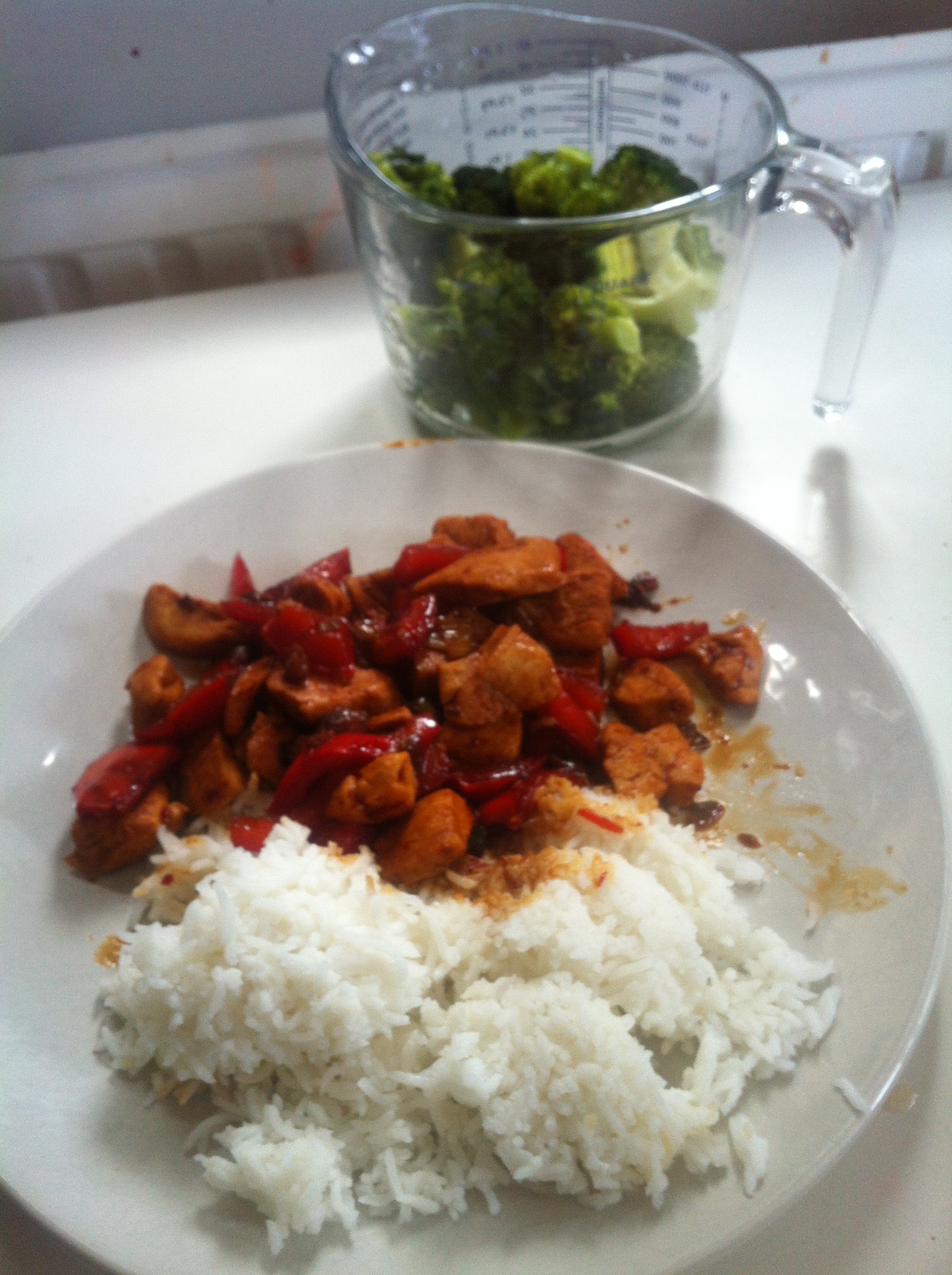
  7. Save any leftovers……take what you haven’t used and put in a tupperware container for the fridge. I always over estimate the amount of rice we need, so use it the next day for egg fried rice with peppers, spring onions and a dash of soy sauce, or throw in to an omelette with some grated carrot (great finger food for weaning babies and older children). My breakfast this morning after the school run was left over Chicken Jambalaya from the night before (not to everyone’s taste for breakfast!!).

I estimate that I can save about £10 a day using these tactics, which adds up to £300 a month!


10 Things to do with Peppers

Today I picked up a massive haul of lovely yellow and red peppers from my local market for £1.

16 peppers for a £1!

16 peppers for a £1!

16 of the lovely things! I love a bargain, but how can I use them all before they need relagated to the compost bin?!

Here’s 10 things to do with a pepper:

(for some of these I could easily use two peppers – use lots as they are highly nutritious and very low calorie!):

  1. Eaten as they are, as you would eat an apple (my 2 year old Conor does this in his buggy, we get some odd looks!)
  2. Sliced up and dunked in to humus or salsa
  3. Use large chunks to scoop up cottage cheese as a low fat, high protein snack
  4. Diced and added to bolognaise or chilli
  5. Strips in stir fry
  6. Roasted in the oven at 180c for about 20minutes
  7. Diced in an omlette
  8. Diced in mini pastry-less quiches: beat 3 eggs, add pepper, grated cheese and tuna/ham. Pour in to silicone muffin cases, bake in oven for about 10-15 minutes at 180c.
  9. Stuffed with other ingredients.
  10. Smoothie – red pepper in a smoothie??!! I haven’t tried this one yet, but it looks interesting!

KIDS – Health by Stealth!

Unknown-9In an ideal world, our children would sit politely at the table and eat what was put in front of them. Some children do, but there are many that don’t! 99% of the time, fussy eating is just stage, never the less, parents get immensely stressed out about it. Here are some ways to Health by Stealth!

Strawberry milk

Strawberry milk

Strawberry Milk Whizz up some milk (calcium and protein), natural yogurt (calcium, protein and probiotics), frozen berries (vitamins and antioxidants) and honey (sweetness).

Hide the veg

By making your own Tomato Sauce, it is possible to hide mountains of veg and even lentils in it. By blending it before serving, it’s nice and smooth. Grate onions, carrots, add tomato puree to bolster the veg count. You can even slip some lentils in without anyone noticing!

Meatballs with multi veg tomato sauce

Meatballs with multi veg tomato sauce

Another tip came from a mum of a very selective eating child with autism: add grated apple to mince to make burgers. I tried this and it’s fab!

Tell them it’s just for the big children/grown ups/they probably wouldn’t like it This works  brilliantly when preparing vegetables e.g chopping pepper/carrots/grated cheese. Say “no touching!” in a playful way. This can turn it in to a game where they try to ‘steal’ the food from the chopping board.

Distract with a book It’s not ideal, and in a perfect world our children would sit politely at a table. If you are desperate to shovel some good food in, distraction can work well. Look at a book together, while you spoon feed (I resort to doing this on occasions with my 2 year old). 

It’s all in the name for children (and adults!) what you call a dish can affect how they think about it. “Barbeque chickeny rice” will be eaten, but if I called it my it’s real name “Chicken Jambalaya” it would be met with great suspicion and clamped shut mouths.

  • Sausage Surprise – I cook the sausages, chop them up and put them in to pasta with
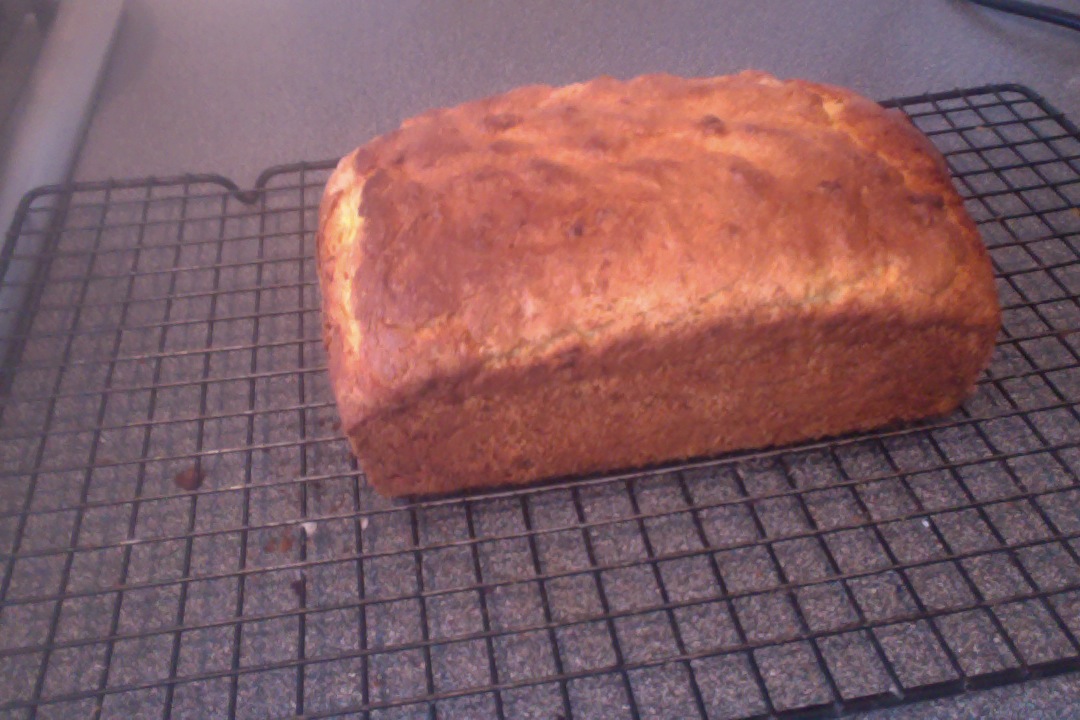
    Banana 'Cake' (definitely not Banana Bread!)

    Banana ‘Cake’ (definitely not Banana Bread!)

    tomato sauce (with hidden veg, see above). They have a treasure hunt to find the sausages.

  • Banana Cake – ever so much more appealing to have ‘cake’ than Banana ‘bread’
  • Chocolate – Cocoa Bars are made with ground up nuts, raisins, dates and cocoa powder. They are deliciously chocolatey!

Probiotics many children can suffer from ‘tummy trouble’ after taking antibiotics or after a tummy bug. Probiotics can help replace the good bacteria in the gut which are essential for the immunity and digestion. Many probiotics that are in capsule can be broken apart and added to food (not hot food, it destroys the good bacteria!)

Fish oil essential for health and brain function, many children dislike the taste of oily fish so it is advisable to take a supplement. Liquid omega 3s can be added to yogurt or even Ready Brek or porridge.

Omega 3 supplement

Omega 3 supplement

A final essentil tip for fussy eaters is for parents. Back off, chill out, and, even if it takes an Oscar winning performance, pretend you are not too bothered.

When to be concerned:
If your child has weight loss, is lethargic, irritable or weak, see your GP to rule out underlying problem e.g anaemia or coeliac disease

If issues continue consider seeing a dietitian with experience in children with eating and digestive issues.

Super Boost Salad

I love this recipe because it is a simple list of ingredients that you can get in your local supermarket. It is ready in minutes………. just chop everything up and toss in to a bowl. I tend to roast the pumpkin and sunflower seeds as I much prefer the flavour and texture to raw (just grill for a few minutes until they start to turn brown). The zingy ginger dressing is delicious. I cheat make a sensible short cut by using ginger in a tube.

The intense colour of the red cabbage gives away it’s superb antioxidants, the humble carrot contains a fascinating combination of phytonutrients, carotenoids, anthocyanins and are a very good source of biotin, vitamin K, potassium, vitamin B6, and vitamin C. Apples are full of polyphenols, fibre and vitamin C. Seeds, a fabulous combo of healthy fats, fibre and protein. Ginger has anti inflammatory properties. The amazing medley of nutrients in this recipe truly make it a super food.

If you feel sleepy and lethargic after your usual lunch of a bagel, sandwich or jacket potato, try a big bowl of this instead! Add some protein from fish or chicken, and this can help you to feel full up, bright and alert for the rest of the afternoon. If you are very active or are an athlete in training, add some wholegrain rice or quinoa to boost the healthy carbs.

Make a big batch, and you’ll have enough for the next day too!

  • 350g red cabbage grated/shredded
  • 3 carrots grated
  • 20g pack parsley, roughly chopped
  • 2 Cox’s apples (or any red apple), quartered, cored and sliced
  • handful of radishes or 2 celery sticks, sliced
  • 1 tbsp pumpkin seeds
  • 2 tbsp each sunflower seeds

For the dressing

  • 2 tsp grated root ginger
  • 1 tsp clear honey
  • 2 tbsp lemon juice
  • 4 tbsp light olive oil

6 tips for portion control

I have written a lot about the types of foods to include for improving health and well being, but if you are watching your weight, how much you eat can be just as important as what you eat. Even if you have eat the healthiest foods ever, over do portion sizes, and you may see this in an inability to lose weight, and even weight gain. Below is a diagram of ideal proportions, but this could be a tiny or a massive plate!

Ideal proportions, but how much is a 'portion'?

Ideal proportions, but how much is a ‘portion’?

So what does a portion actually look like?

Fish or meat: size of the palm of your hand, or about 5-6 meatballs

pasta, rice, potato: a clenched fist

bread: one slice

cheese: a small matchbox

vegetables: about a cup

nuts: a small handful, or about 8 almonds

Some foods come ready prepared in their portion size eg. 2 eggs, a banana, an apple, or 2 satsumas

6 tips for portion control:

  1. Don’t cook more than you need of carbohydrate and protein foods. Even if you have been controlled with your first portion, if there are leftovers, you will be tempted by seconds. By all means, cook extra vegetables. If you are still hungry, have more veg!

    image

    Cook lots of veg!

  2. Use whole grain carbohydrates eg. brown rice, oats, whole meal pasta – these are higher in fibre which should help you to feel full up for longer, so you will feel more satisfied with a smaller portion. They also keep your blood sugar levels steady, so a) preventing cravings for sugary snacks later on, and b) blunting insulin release (insulin promotes fat storage).
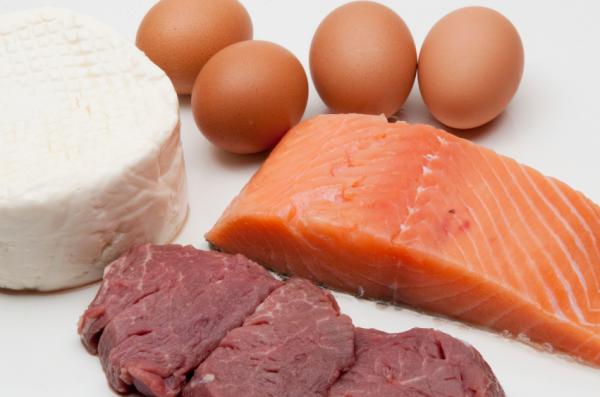
  3. Make sure that you have a portion of protein with each meal eg. tuna, chicken, salmon, beef, eggs, lentils – protein induces a feeling of fullness, so making you less likely to feel the need to snack later on. Your body also uses up more energy processing protein foods.

    Protein with each meal

    Protein with each meal

  4. Use a smaller plate – this will make the amount of food you are having appear to be more
  5. Don’t eat straight out of a carton or packet – this makes it almost impossible to keep to one portion. Take a handful of nuts from a bag and then put the bag out of sight.
  6. Focus on what you are eating – try not to eat in front of your computer or television. This can result in you unconsciously eating more than you intend to.

For those without weight worries, or with high calorie needs, you can stick to the same principles of proportions (1/4 carbs, 1/4 protein, 1/2 veg) but in larger portions sizes…..

For high calorie needs, bigger portions.

For high calorie needs, bigger portions.

10 Meals for Kids

You know how it goes, in the morning you think to yourself, “What will I give them for their tea tonight”, but ignore the situation because you’ve all day to come up with some inspiration. Before you know it, it’s 2 o’clock, the school run is in an hour, and you’ve got to get to the shops before you pick them up.

So I’m darting through Sainsbury’s mentally checking off the daily things we need……milk, fruit, veg, oats, bread etc. But what for dinner?? If I was a proper mother I would have a meal plan for the week, and order everything on line for a scheduled home delivery. It think that’s what a successful mum does? I KNOW that I should, but I just can. not. do. it.

What you feed your family doesn’t have to be exotic or exciting. I think that we convince ourselves that to be a good parent, we’ve got to produce amazing meals ‘designed’ by celebrity chefs.

You know what? I don’t have the time or the energy to play ‘hunt the ingredient’ from the imagelocal Thai supermarket, and certainly don’t have the funds to make Wholefoods my local. Chia seeds are all very well, but excruciatingly expensive (£20/kg), and wholegrain rice is almost as nutritious (£1/kg). The scientific evidence shows, that what you feed your children has a fundamental effect on their development and health. However, I can achieve this from my local supermarket, with a shopping list that I won’t have to remortgage the house for.

As long as you use the basic equation of carbohydrate, protein and veg for a meal, you can’t go far wrong. If you can tick the boxes for wholegrain carbs, calcium, iron and omega 3s you’re doing a stirling job.

Here’s my list of the meals that I give my children (9, 6 and 3). All three of them have their own quirks and ‘challenges’ when it comes to mealtimes and food preferences. I pretty much ignore them, the less drama the better (that’s a whole other post!)

Carbohydrates: Pasta, rice, potatoes, fajita wraps, breadimage

Protein: chicken, beef mince, cheese, eggs, fish fingers, sausages, lentils, baked beans, turkey

Veg: carrots, peppers, onions, peas, broccoli, baked beans. I also use my basic tomato sauce/soup recipe about 3 times a week for bolognaise, in shepherds pie and with meatballs.

  • meatballs & pasta
  • spaghetti bolognaise

    Meatballs

    Meatballs

  • shepherd’s pie
  • fish fingers, mash potato, carrots
  • sausages, jacket potato, baked beans
  • jacket potato, beans, cheese
  • jacket potato, tuna & sweetcorn mayo, red pepper slices
  • rice, broccoli, chicken (slow cooked), gravy
  • Pasta & sausage bake: pasta, tomato sauce, chopped up sausages
  • Chicken Fajitas – chicken breasts, onion, red peppers, fajita mix and wraps

Sometimes I will literally throw together anything from the basic equation of carbs, protein and veg, eg. left over rice from the fridge, a tin of baked beans and grated cheese (I was a little surprised that they ate this quite happily, they must have been VERY hungry!) If ‘incentives’ are required for making a good effort to eat the meal, stickers may be offered. If one of them claims to be full up when I know that they probably aren’t, I just say, “oh well, you’ll have no room for custard then.” That usually does the trick (that or a little dollop of tomato ketchup).

If I’m feeling like Top Mom, we’ll chat about how runner beans make you run fast, carrots help you to see in the dark, and cheese gives you strong bones and healthy teeth for tBVeKHQ8IIAA8KIg.jpg-thumbhe tooth fairy. And the Incredible Hulk just LOVES broccoli, don’t you know? I never make them clear their plate, I’m happy if they have made a decent effort, and aren’t messing about at the table.

Pudding is usually natural yogurt or custard with stewed apple/frozen berries, or frozen
banana whizzed up in the blender with yogurt.

I’m not saying this will work for every family and child. It is what works for me, and hopefully for them.