Healthy Fat guide

Fourteen years ago as a basic grade dietitian working with cardiac and overweight patients at St George’s Hospital in south London, the message was loud and clear. Low fat was the healthy way to eat and fat in the diet should be reduced.  Since then, studies have shown that certain fats actually have a multitude of health benefits. It’s perhaps frustrating that nutrition advice seems to be constantly changing, but, to think more positively, what we know about food and nutrition is constantly evolving.

Are you confused about which oils/fats to choose when you are shopping? Butter, Flora, sunflower oil, olive oil, extra virgin olive oil, flaxseed oil, walnut oil, sesame oil etc. etc. I will keep this brief:

Trans fats (hydrogenated oil)

Trans fats (hydrogenated oil)

STOP HAVING: Trans fats – these increase bad cholesterol, decrease good cholesterol. You can’t buy these in a bottle, they are found in some processed foods (often labelled as hydrogenated fat or oil).  This is a good reason to reduce processed foods, and to make your meals/snacks from scratch eg. bake these instead of buying biscuits.

Have LESS of:

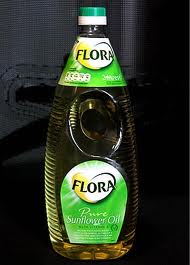
Swap sunflower oil for olive or vegetable (rapeseed oil)

Sunflower oil – use less

  1. Saturated fats: increase bad cholesterol – found in meat, butter and animal products (ok to eat these in moderation as these foods provide some health benefits)
  2. Omega 6 PUFAs: corn, soybean, sunflower, safflower oil – generally we have too much of these, stopping the fabulous omega 3s from doing their job (see below)

GOOD TO USE:

  1. Mono Unsaturated Fatty Acids: olive oil, rapeseed oil (usually labelled Vegetable Oil), avocados, nuts & seeds. These decrease bad cholesterol. If you’re watching your weight, don’t go overboard with the oils as these have 125 kcal per tablespoon.
    Vegetable oil good (rapeseed oil)

    Vegetable oil good (rapeseed oil)

    2013-09-11 11.50.38

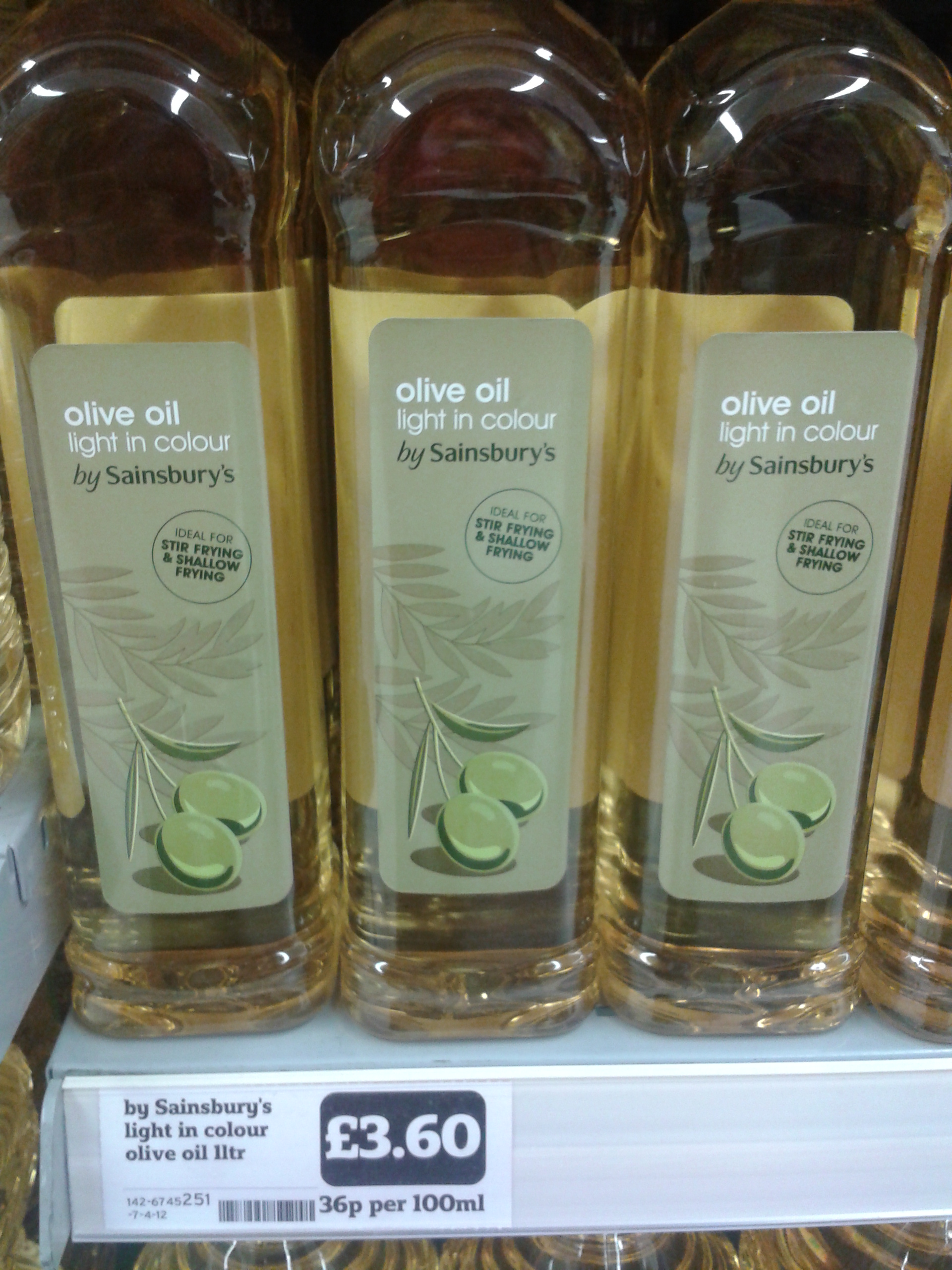
    Olive oil good

  2. Omega 3 Poly Unsaturated Fatty Acids: fish & fish oil supplements. Other sources: flaxseed/linseed, chia, hemp, walnut (the body cannot use these as well as the omega3 from the fish). Benefits for heart disease, diabetes, obesity, musculoskeletal pain, cholesterol (lowers bad cholesterol, raises good cholesterol), blood pressure, blood clotting, brain growth & development, inflammation conditions.

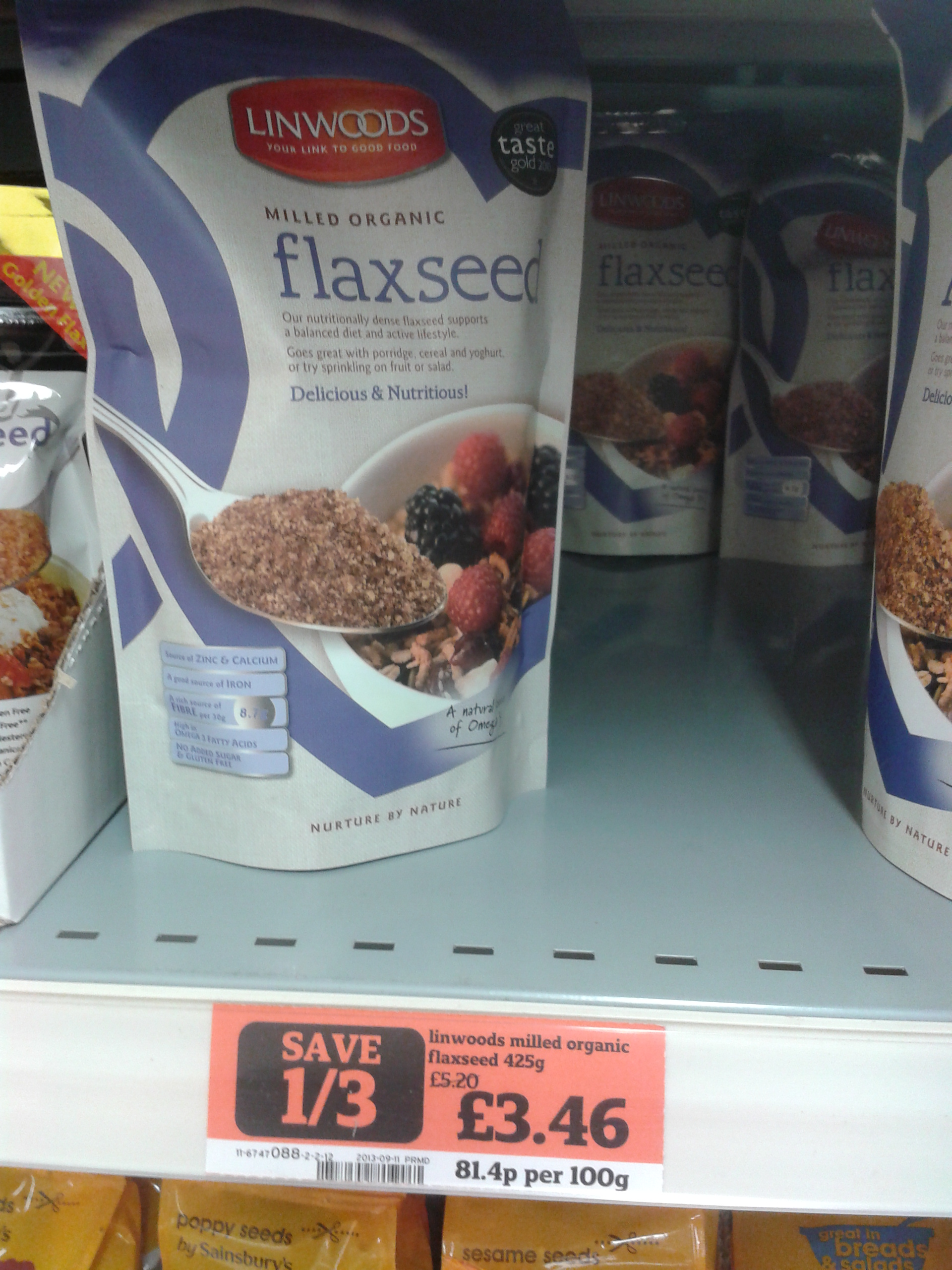
    Flaxseed

    Flaxseed

Salmon - omega 3 oils

Salmon – omega 3 oils

Beetroot Juice – worth the hype?

Beetroot juice has been one of the biggest stories in sports science in recent years, after researchers at the University of Exeter found it enables people to exercise for up to 16% longer.

The startling results have led to a host of athletes – from Premiership footballers to professional cyclists – looking into its potential uses.

images-2

Concentrated beetroot juice (shot)

When consumed, nitrate found in beetroot juice has two marked physiological effects.

  1. widens blood vessels, reducing blood pressure and allowing more blood flow.
  2. affects muscle tissue, reducing the amount of oxygen needed by muscles during activity.

The combined effects have a significant impact on performing physical tasks, whether it involves low-intensity or high-intensity effort.$T2eC16dHJGoFFvPOJJ3UBR0ZfTsjj!~~60_35

Professor Andrew Jones, from the University of Exeter, lead author on the research, said: “The findings show an improvement in performance that, at competition level, could make a real difference – particularly in an event like the Tour de France where winning margins can be tight.”

Beetroot juice is an easy way to quickly ingest a substantial amount of dietary nitrate. However, some may find the taste of beetroot juice unpleasant. Fortunately, beetroots are just one of many vegetables that are high in nitrate. Leafy green vegetables tend to be the top sources.

The dose of dietary nitrate used in the research to reduce the oxygen cost

of exercise, improve athletic performance, and lower blood pressure ranges from 300 to 500 mg. This is about 300-500ml of Beet It 100% Pressed drink.

This amount can also be obtained by eating the following foods:

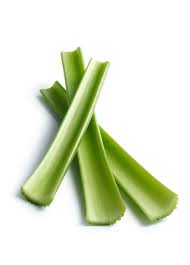
Very high nitrate levels: celery, cress, chervil, lettuce, red beetroot, spinach, and rocket (more than 250 mg/100 g)images-3

High nitrate levels: celeriac, Chinese cabbage, endive, fennel, leeks, and parsley (approximately 100 to 250 mg/100 g)

Ultimately, eating beetroot, drinking beetroot juice, or eating foods high in nitrate is unlikely to increase your exercise endurance unless you are already an athlete and at the peak of fitness. Even for athletes, it is fundamental to get the basics of diet right before putting your faith in nitrates to improve performance.

For most of us, the best way to increase endurance is to exercise regularly so aim to work towards achieving the recommended 30 minutes of moderate intensity exercise, five times a week.

Beetroot recipes


Coconut Water – worth the hype?

Since the introduction of coconut water to the UK market, sales have sky rocketed, helped by its rapid take-up among celebrities and high-profile investments from beverage companies. The UK coconut water industry was be worth £100m in 2014.

image

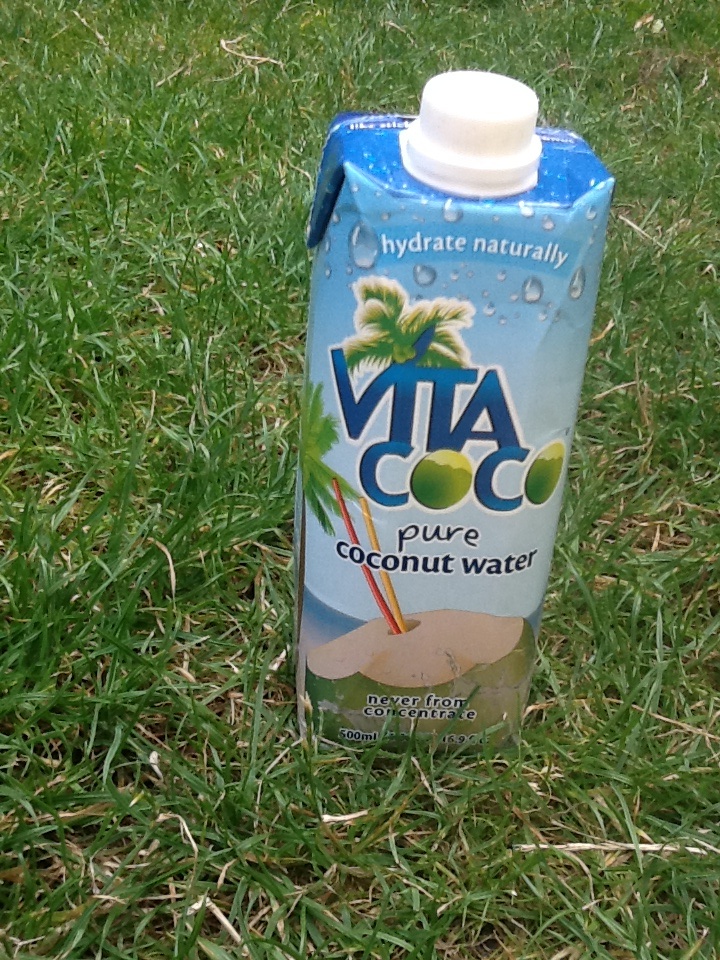
Vita Coco coconut water

Vita Coco accounts for 94% of UK coconut water sales in the UK, and is available everywhere from Selfridges to Tesco’s. So what do Vivia Coco say about their product, and does it live up to these claims?

  • all natural – true, taken from young coconuts, some added vitamin C
  • super hydrating – true, water and other sports drinks also super hydrating
  • fat free – true, water and sports drinks also fat free
  • cholesterol free – true, all fruit & vegetables are cholesterol free
  • potassium packed – true, same amount as 2-3 bananas
  • nutrient stacked – not really – has great amounts of vitamin C, very little of any other nutrients.

So as you can see, most of the claims are true. However, water and other sports drinks also carry the same benefits. The extra potassium could be of benefit for people who have a poor intake of fruit, vegetables and dairy.

Staying hydrated is one of the most important things for recreational and professional athletes. If you are exercising for under an hour, and if the taste of coconut water helps you drink plenty of fluids, it is a fine choice for most people, but water is just as good.

For those exercising strenuously and for longer than an hour, especially in hot conditions where perspiration is high, you need easily absorbed carbohydrate for quick energy and to replace lost electrolytes like sodium and potassium. Coconut water doesn’t have the ideal levels of carbs or sodium. For post exercise, it has neither the calories, carbohydrate or protein required for optimal recovery.

My advice?

It’s a healthy replacement for sugary fizzy drinks or fruit juice, as with 90kcal per 500ml carton, it has half the calories. However, it provides no extra hydration benefits over water for the average recreational exerciser. For strenuous and prolonged exercise it is fine, but would need to be taken with a snack for extra sodium and carbohydrate.

Happy Carrots

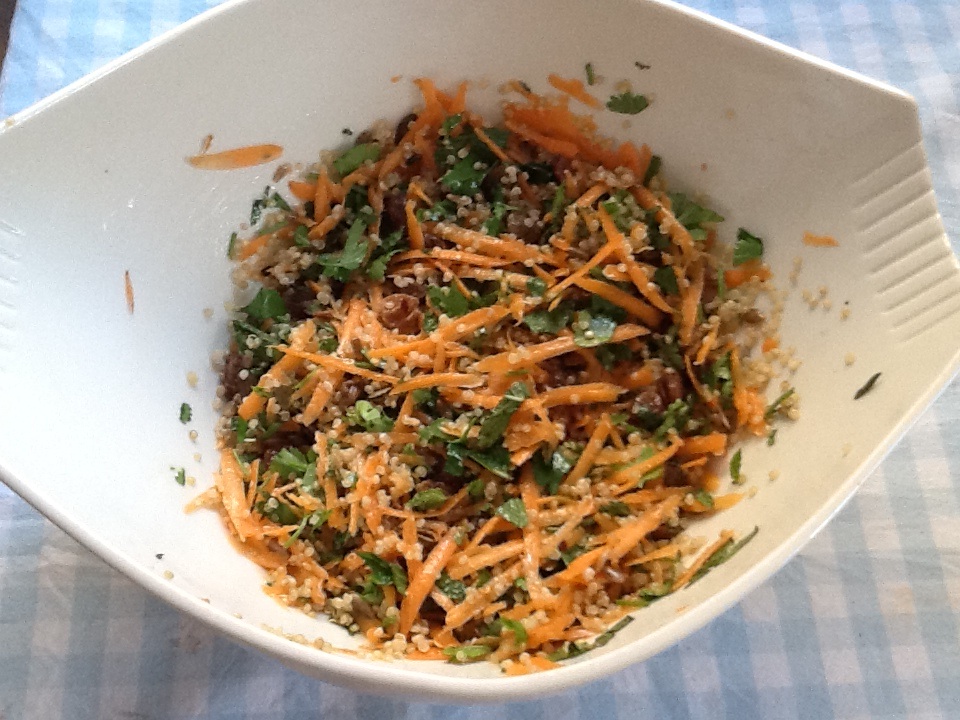
The name alone makes me love this. It’s also very easy to make which makes me happy.

Happy Carrots

Happy Carrots

Why it’s happy: protein from the quinoa and seeds; antioxidants from the carrots, mint and coriander; essential fatty acids from the pumpkin and sunflower seeds, and a little bit of sweetness from the sultanas.

Ingredients:

1 tablespoon sultanas (soak in hot water for 5 mins to plump up)

3 chopped spring onions

3 grated carrots

handful coriander leaves, chopped

small handful mint leaves, chopped

handful toasted pumpkin and sunflower seeds

a few tablespoons cooked quinoa/rice (optional)

dressing: 1 tablespoon lemon juice, 1 tablespoon olive oil, 1 chopped garlic cloves (or teaspoon of the garlic in a tube). Make more dressing, if you like it more dressingy.

Mix all the ingredients together in a bowl. Mix the dressing ingredients together and add when about to serve.

Paleo Diet – a bad fad?

A nice chap on Twitter challenged my thoughts and opinions on the Paleo Diet. Am I a lover or a hater?

It could be considered standard practice for a health professional to dismiss the Paleo Diet as nothing but a fad, a diet that is BAD, and just a bit mad. However, I am of the opinion that most ‘diets’ have their pros and cons, work for some people and not for others. As I always say, what works for you and what you are happy with is your business. If you feel the need to change and want to change, that’s terrific too.

Here is a bullet point overview of the paleo diet. I could witter on forever about it, but I’ll try to keep it brief!

What is the Paleo Diet?

  • short for paleolithic, also known as hunter-gatherer or caveman diet.
  • consists mainly of fish, grass-fed pasture raised meats, eggs, vegetables, fruit and nuts
  • excludes grains (including wheat & rice), legumes, dairy products, potatoes, refined salt, refined sugar, and processed oils
  • based on the premise that humans have not evolved to digest and metabolise the excluded foods
  • seen as a lifestyle, rather than a ‘diet’ one ‘goes on’

Pros

  • based on wholesome, unprocessed foods, high in vitamins and minerals (except calcium), antioxidants, and essential fatty acids
  • elimination of processed foods
  • no specialist ‘diet foods’
  • eat when you’re hungry, don’t eat if you’re not
  • when strictly followed, will probably result in weight loss due to a reduction in calories
  • no calorie counting required – a massive plate of veg with a portion of meat should fill you up
  • many people do have a gluten/lactose intolerance, the diet can help identify these

Cons

  • restrictive, can result in feeling deprived leading to rebellion and over eating
  • requires careful planning and a lot of will power
  • eating out and as a guest at other people’s houses can be very difficult
  • expensive to buy pasture raised meat, wild fish (£10 per salmon fillet anyone?) etc.
  • there is the opinion that the whole philosophy is based on speculation about what our ancestors ate
  • humans have not stopped evolving, an example being the evolution of lactose tolerance in Europeans

What about for athletes?

Having witnessed first hand the implementation of the Paleo Diet with professional athletes, I’m more skeptical about it’s application for sports people. The leading expert on all things Paleo, Loren Cordain, followed his original book with one on the diet for athletes. Just one of the aspects which I find tricky is the use of carbohydrate. He fully acknowledges the need for adapting the diet for very active individuals, advocating that 50% calories should come from carbohydrate, including the introduction of potato, sweet potato, dried fruits and fruit juice. In the book ‘The Paleo Diet for Athletes’ he writes:

“of course, this carbohydrate should primarily come from fruit and vegetables, so calories aren’t wasted by eating food lacking micro nutrients”.

He follows with an example diet for a 10 stone athlete training 15 hours/week requiring 3000kcal/day. I analysed the nutrients…… Dr Cordain only managed to get 30% calories carbohydrate (fruit/veg), and this seemed to be mainly from fruit juice. I therefore question how athletes requiring large calorie intakes can realistically follow his regimen.

Due to the impossible task of getting 50% of calories from fruit and veg, I have witnessed first hand the reduction in training performance (feeling weak and dizzy), constant hunger, poorer body compostition, and difficulty in socialising (as a dinner guest or in restaurants).

My opinion:

For people who have a high intake of processed food, are over weight or who want to try to improve their health, a relaxed version of the Paleo Diet may be worth a try! There is no doubt that wholesome, unprocessed

include wholesome grains and dairy

include wholesome grains and dairy

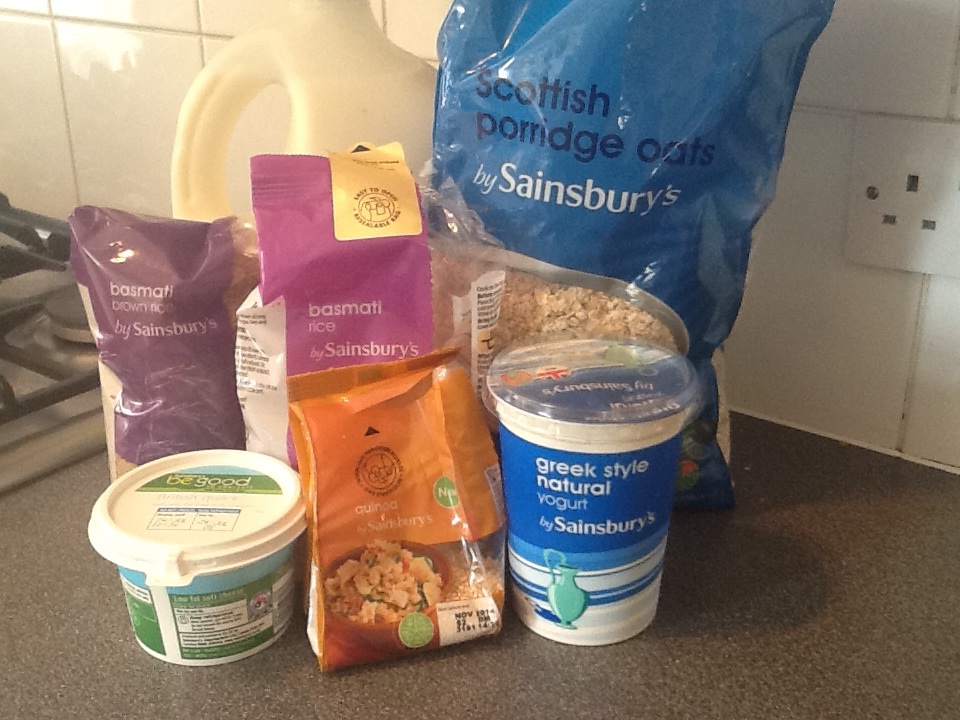
foods: fish, meats, eggs, vegetables, fruit and nuts are of benefit. Adopt a common sense approach to including grains and dairy eg. swap Frosties for oats, chips for basmati/brown rice.

Athletes, be careful not to sacrifice your performance in training and in competition for an ideological diet that is not meeting your nutritional needs. The basic principles can be adapted to meet your training goals and to achieve optimal performance.

Final thoughts:

  • “You can’t out run your fork” for optimal health, diet is paramount
  • Eat wholesome real foods, eat food that goes off before it goes off!
  • Load your plate up with vegetables, a handful of grains and a portion of protein
  • Make small changes over a period of time so that it becomes a lifestyle, not a fad diet that you follow for a few weeks

Your thoughts?

I’d love to hear your thoughts, opinions and experiences! Comments gratefully received…….

Fiery Noodles

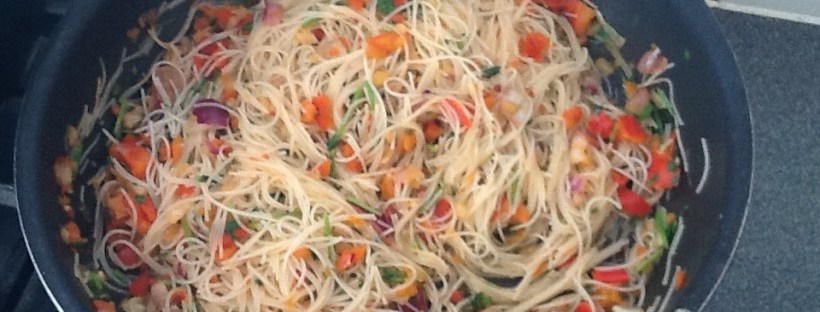
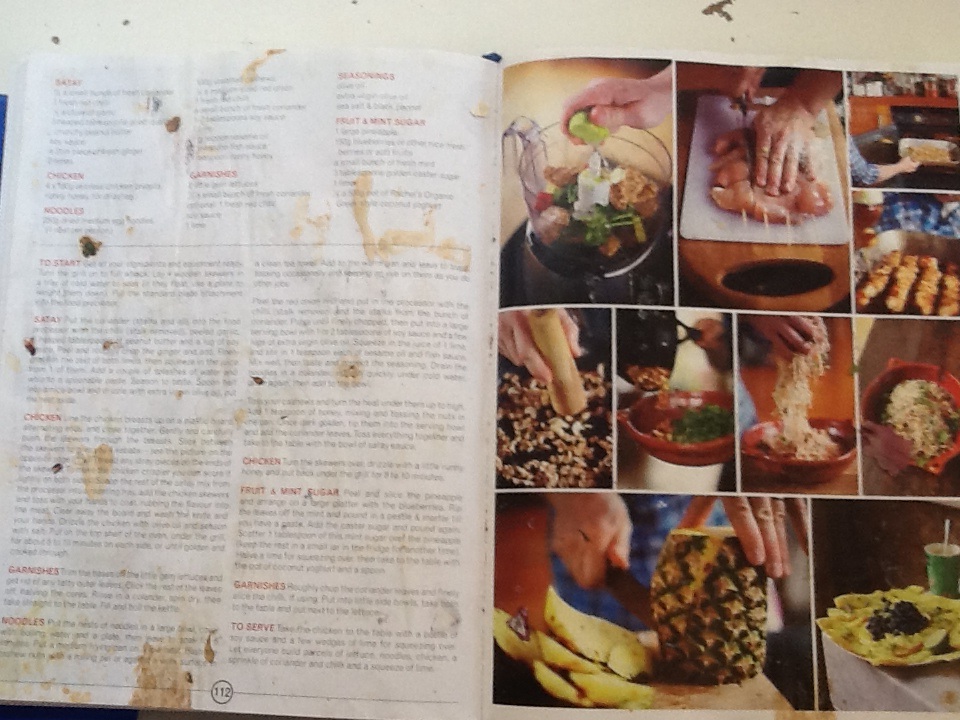
This recipe is adapted from Jaime Oliver’s 30 Minute Meals book. As you can see from the photo, this particular page is well used! This part of the recipe only takes about 10 minutes if you use the ready cooked noodles.image

 I use rice noodles instead of egg noodles (for a gluten free option), and leave out the faff of carmellising cashew nuts. If a recipe isn’t easy, or it has too many complicated ingredients or stages, then I don’t have the time or patience. Especially when our 1 year old is clutchingimage on to my leg while I’m trying to cook!

Ingredients: ready to use rice noodles, 1 red pepper, 1/2 red onion, chilli flakes, handful coriander, 2 tablespoons soy sauce, 1 lime, 1 teaspoon fish sauce, 1 teaspoon sesame oil.

  • Put the pepper, onion and coriander in a food processor and whizz up until chopped small. Or you can just chop everything up with a knife.
  • Make the dressing with the sesame oil, juice of the lime, soy sauce, fish sauce and chilli flakes (about 1/2 teaspoon, more or less depending on how fiery you like it!)
  • Mix dressing in to chopped pepper, onion and coriander.
  • Heat a frying pan, ideally non stick. If using a wok, add a little oil to imagestop noodles sticking.
  • Add the veg mixture to the pan.
  • Add the ready to use noodles.image
  • Heat through until noodles soft (about 3 minutes).
  • Eat immediately if you like it warm, or leave to cool for a cold salad.
  • Good served with chicken stir fried in a dash of soy sauce and honey. Or a salmon fillet flaked through it. Any other ideas welcomed!

8 essential tips for weight loss (and feeling fab!)

 The key to a healthy weight and feeling fabulous: 8 essential tips………

  1. Aim for small changes that you can sustain longterm, rather than a quick fix diet for a few days or weeks. Think “where do I want to be in a year”, rather than, “I want to lose a stone in 2 weeks”
  2. Listen to you body. Don’t starve…..low blood sugar levels will affect your concentration and make you grumpy. For most people, this would mean eating at 3 meals a day, with a snack in between. Eat until satisfied, not stuffed.
  3. Nutrition Basics – get the foundations of your meals right, and the rest shall follow! Always try to have protein at each meal, a fist full size of wholegrain carbs, and 1/2 a plate of veg or some fruit.
  4. Eat Breakfast– if you don’t feel like eating first thing in the morning, have something with in an hour or two of waking.
  5. Have Healthy Snacks to avoid becoming ravenous. Don’t skip meals to try to cut calories. It may make you feel virtuous at the time, but you are more likely to snack on high calorie foods or overeat unhealthy choices at your next meal.
  6. Be aware of what fluids you are drinking – frappacinos, non-diet fizzy drinks, fruit juice etc. can add 100s of calories to you daily intake. Replace with low calorie drinks eg. a cup of tea, americano, small skinny latte herbal, tea, water.
  7. Choose wholegrain carbohydrates ie. wholemeal bread, brown rice, oats. These make you feel fuller for longer. They also blunt rises in insulin (insulin promotes fat storage).
  8. Plan ahead, so that you know that you will have access to something healthy to eat. If you are not at home, always have a healthy snack with you in your bag or in your desk drawer at work.