Diabetes – taking control

Unknown

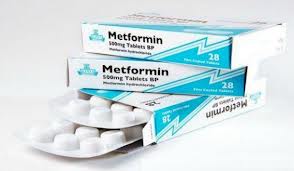
Diabetes medication

Once a month, I hold a Diabetes Clinic with a GP and Diabetes Nurse at one of the local surgeries in Kingston. There is a constant stream of patients looking for help with what they are eating to help to control their blood sugar levels or to lose weight. I hope I make a difference for them, using the most up to date scientific evidence combined with 13 years of practical experience.

Type 2 Diabetes does not have to be a disease that gets worse over time. It is possible to keep your blood sugar under control by eating the right things. It is possible to reduce diabetes medication.

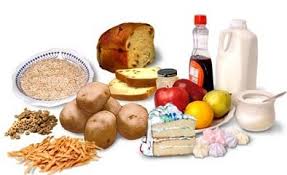
Contrary to the outdated advice that many UK health professionals are giving, a diabetes diet is not the same as a healthy eating or weight loss diet. The problem for diabetics is that the body has difficulty keeping blood sugar levels down. Sugar in the blood comes from the food that we eat. The foods that turn into different types of sugar as soon as they reach the stomach are called carbohydrates. This means sugar (as in sugary drinks, fruit juice, sweets) and starch (as in bread, pasta, rice and potatoes). The science shows that avoiding these foods can improve blood sugar levels and halt the progression of diabetes.
Unknown copy 14

All carbohydrate foods will increase blood sugar levels

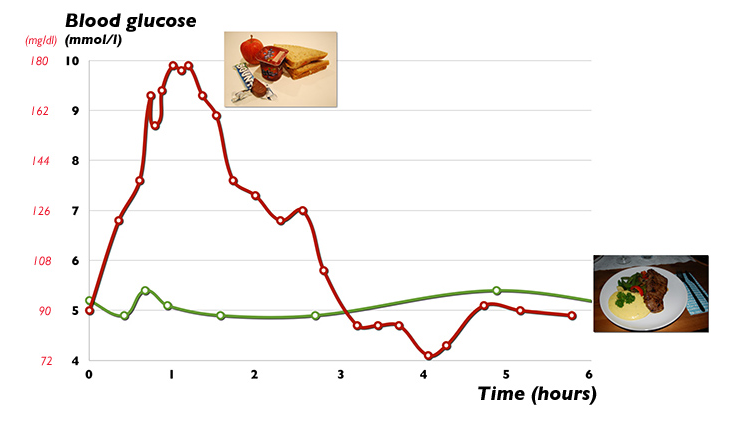
The more carbohydrates we eat in a meal, the more sugar is absorbed into the blood stream. The more sugar that’s absorbed into the blood stream, the higher the blood sugar will be. Here is an example of how a high carbohydrate meal (sandwich, fruit and flavoured yogurt) affects the blood sugar levels compared to a low carbohydrate meal (beef, vegetables and a creamy sauce):
Screen Shot 2014-07-16 at 18.18.36

High carbohydrate meal (red) Low carbohydrate meal (green)

Outside of the UK e.g. in Sweden and America, the medical community is recognising the benefits of reducing carbohydrates. The American Diabetic Association has approved lowering carbohydrates since 2008. Unfortunately, in the UK, official dietary advice has been slow to catch up! Advice from health professionals continues to be ‘a balanced healthy diet’ including plenty of carbohydrate foods. Unfortunately, for people with diabetes, carbohydrate foods are not healthy! There are however, lots of delicious foods that you can eat Are you confused and don’t know what to think?

Try it yourself for a few weeks and monitor the effect. Here are some examples of what you can expect:

  • Improved blood sugar levels from when you reduce the carbohydrate foods
  • Increased feelings of fullness and weight loss
  • Reduced sugar cravings
  • Many people with bloating experience considerable improvements

Note for diabetics

Avoiding the carbohydrates that raise your blood sugar decreases your need for medication to lower it. Taking the same pre-low-carb diet dose of insulin might result in hypoglycemia (low blood sugar). You need to test your blood sugar frequently when starting this diet and adapt (lower) your medication. This should ideally be done with the assistance of your doctor or diabetes nurse. If you’re healthy or a diabetic treated either by diet alone or just with Metformin there is no risk of hypoglycemia.

If you would like some help and guidance with controlling blood sugar levels with your diet, then contact me on 07758 100727, or use a contact form.


Food combos that work! New research.

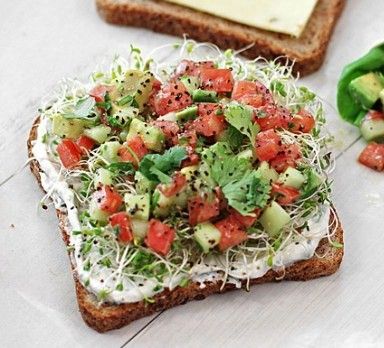
avocado for healthy fats & lettuce, herbs and tomatoes for vitamins

avocado for healthy fats & lettuce, herbs and tomatoes for vitamins

Researchers at King’s College London and the University of California have recently concluded that when olive oil and vegetables are eaten together, they form nitro fatty acids that help lower blood pressure – a risk factor for heart disease. Professor Philip Eaton, describes the chemical reaction of oil and vegetable as one of “nature’s protective mechanisms”.

This study helps us to understand why The Mediterranean Diet – a diet rich in vegetables, fruits, beans, whole grains, olive oil and fish – has long been associated with improved heart health.

3 more top food combinations:

Olive oil in a stir fry – Fat is necessary for the absorption of fat soluble vitamins A, D, E and K. The healthy fats from the olive oil, combined with the vitamins in veg provide is perfect for the absorption of these nutrients. If you’re confused about what oils and fats are healthy, look here. Other recipes that have these combos include granolaSuper Boost Salad and Cocoa Bars

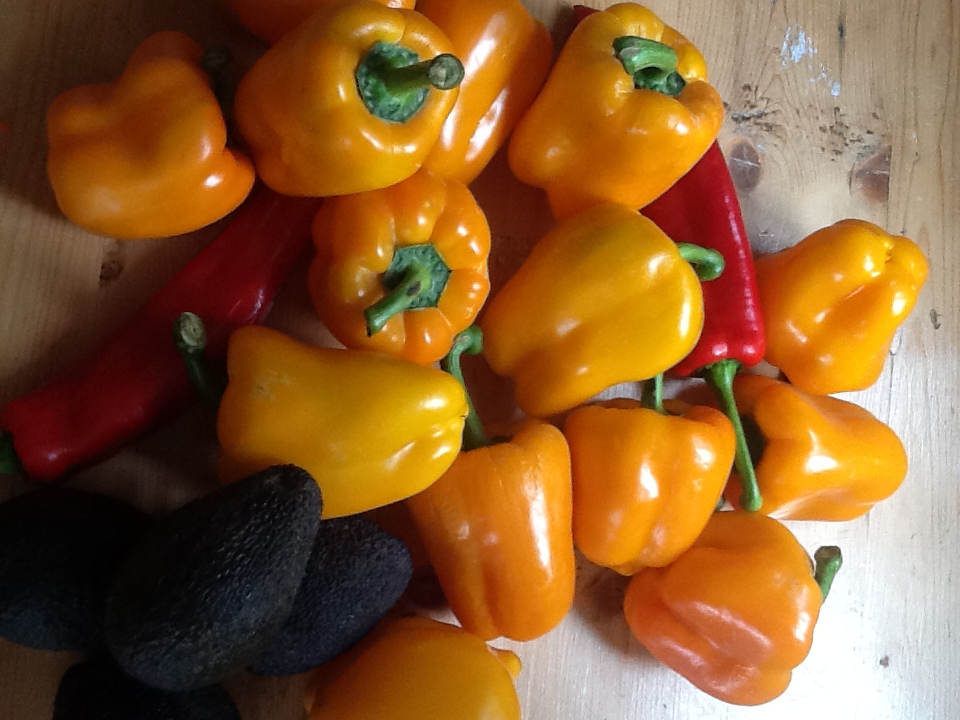
16 peppers for a £1!

1 pepper has 300% your daily vitamin C

Red peppers in bolognaise: red peppers are high in vitamin C (as are tomatoes) helping your body to absorb the iron from beef. One pepper gives you 300% of your daily vitamin C needs!


A smoothie in the sun: Vitamin D is essential for your body to use

Strawberry milk

Strawberry milk

calcium from food to build strong bones, teeth and for muscles to work properly. The best source of vitamin D is the sun……get your arms in the suns rays for half an hour a day (with no sunscreen!), and combine with a dose of calcium from a smoothie made with milk (cow’s or a rice/almond milk fortified with calcium).

Bloated? Tummy pain? – how low FODMAP can help you

Since starting my practice as a private dietitian, the most rewarding thing I have done is advising people with a new dietary treatment for IBS. For many of my patients seriously affected by IBS, it has been life changing. Have you heard of the low FODMAP diet?

What is IBS?

1463169_10201662220332053_1766275921_n

Irritable Bowel Syndrome is a disorder where the bowel looks normal, but it doesn’t function properly. It is incredibly common, affecting about 1 in 5 people in the UK. Symptoms include bloating, abdominal pain, constipation and diarrhoea. The diagnosis of IBS is usually made when other conditions such as coeliac disease, Crohn’s Disease, colitis, have been ruled out.

Causes of IBS:

The causes of IBS are not fully understood, however, it is believed to be due to a number of complex factors:

  • genetic – tummy problems run in the family
  • gastroenteritis – alters the gut bacteria
  • antibiotics – alter the gut bacteria
  • stress
  • a highly sensitive gut that is more sensitive to gas forming foods
  • food intolerances e.g. lactose intolerance

Until recently, dietary advice given by health professionals for IBS has been, at best, vague and unsatisfactory. For many people the NICE guidelines, used in the NHS by GPs for treatment of IBS, aren’t very successful. Current advice from your GP may include: reduce stress, adjust fibre intake, regular meals, restrict caffeine, fruit juice, fruit and sorbitol, exercise and probiotics. Medications such as laxatives, anti-diarrheals, anti-spasmodics and anti-depressants are often prescribed. Unfortunately, IBS patients can be left frustrated because these medications in conjunction with the dietary and lifestyle changes are unsatisfactory solutions.

New low FODMAP diet: 75% success

The low FODMAP diet has been published in international medical journals and is now accepted and recommended as one of the most effective dietary therapies for IBS. The low FODMAP diet significantly reduces symptoms in 75% of people. FODMAPs are indigestible sugars which ferment in the gut causing bloating, diarrhoea, constipation and gut pain. By reducing the amount of FODMAP foods in your diet, IBS symptoms can be dramatically reduced or resolved.shutterstock_52604065

Some common high FODMAP foods include wheat (so in bread, pasta, biscuits etc), apples, pears, garlic, onions, lentils, beans, some vegetables, milk, and some artificial sweeteners. The low FODMAP diet involves many dietary changes that are best described to you in consultation with a dietitian. Additionally, not everyone reacts to the same FODMAPs, which is why it is important to have the advice of an experienced dietitian to help you negotiate the various phases of the diet.

Where do I start?

The low FODMAP diet is carried out in two stages. The aim is to identify the FODMAP foods causing problems that are specific to YOU. Every person reacts differently to each food category, and can tolerate certain amounts.

Phase 1 –  all high FODMAP foods are eliminated for 2-4 weeks. Symptom relief can be experienced with in days.

Phase 2 – a sequential reintroduction of FODMAP food categories over a few weeks. This allows you to identify the foods causing you problems.

A dietitian with experience in the low FODMAP diet can guide you through the phases of the diet, providing practical advice, menu ideas that suit your lifestyle and food preferences, advice on reading food labels etc. Appointment information

KIDS – Health by Stealth!

Unknown-9In an ideal world, our children would sit politely at the table and eat what was put in front of them. Some children do, but there are many that don’t! 99% of the time, fussy eating is just stage, never the less, parents get immensely stressed out about it. Here are some ways to Health by Stealth!

Strawberry milk

Strawberry milk

Strawberry Milk Whizz up some milk (calcium and protein), natural yogurt (calcium, protein and probiotics), frozen berries (vitamins and antioxidants) and honey (sweetness).

Hide the veg

By making your own Tomato Sauce, it is possible to hide mountains of veg and even lentils in it. By blending it before serving, it’s nice and smooth. Grate onions, carrots, add tomato puree to bolster the veg count. You can even slip some lentils in without anyone noticing!

Meatballs with multi veg tomato sauce

Meatballs with multi veg tomato sauce

Another tip came from a mum of a very selective eating child with autism: add grated apple to mince to make burgers. I tried this and it’s fab!

Tell them it’s just for the big children/grown ups/they probably wouldn’t like it This works  brilliantly when preparing vegetables e.g chopping pepper/carrots/grated cheese. Say “no touching!” in a playful way. This can turn it in to a game where they try to ‘steal’ the food from the chopping board.

Distract with a book It’s not ideal, and in a perfect world our children would sit politely at a table. If you are desperate to shovel some good food in, distraction can work well. Look at a book together, while you spoon feed (I resort to doing this on occasions with my 2 year old). 

It’s all in the name for children (and adults!) what you call a dish can affect how they think about it. “Barbeque chickeny rice” will be eaten, but if I called it my it’s real name “Chicken Jambalaya” it would be met with great suspicion and clamped shut mouths.

  • Sausage Surprise – I cook the sausages, chop them up and put them in to pasta with
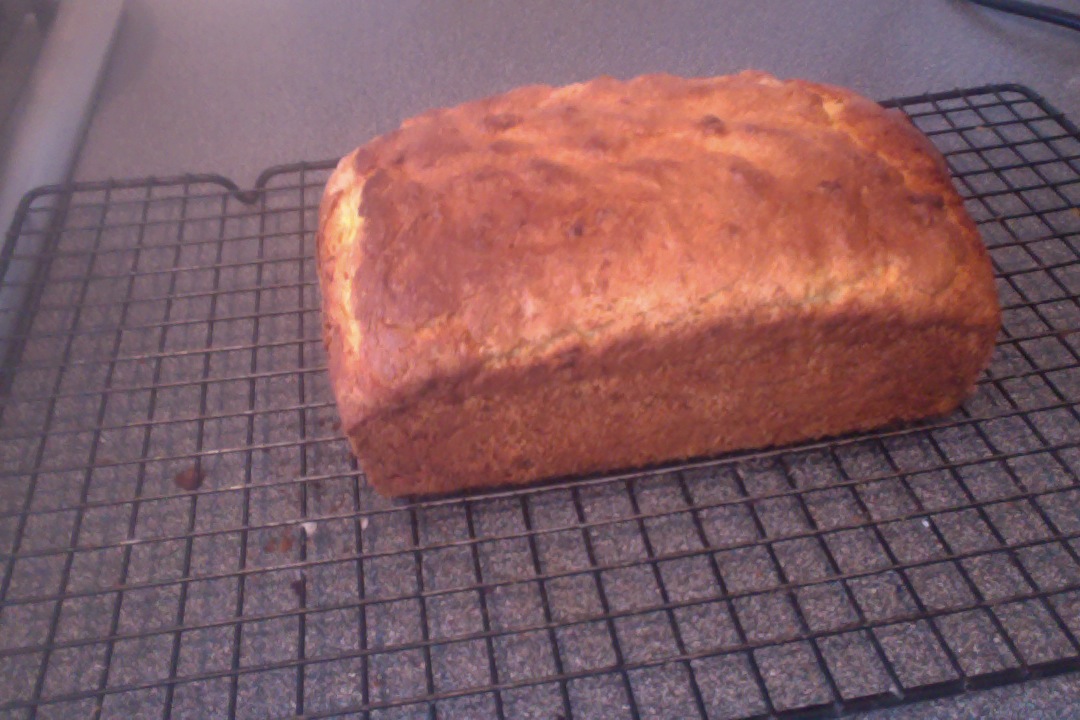
    Banana 'Cake' (definitely not Banana Bread!)

    Banana ‘Cake’ (definitely not Banana Bread!)

    tomato sauce (with hidden veg, see above). They have a treasure hunt to find the sausages.

  • Banana Cake – ever so much more appealing to have ‘cake’ than Banana ‘bread’
  • Chocolate – Cocoa Bars are made with ground up nuts, raisins, dates and cocoa powder. They are deliciously chocolatey!

Probiotics many children can suffer from ‘tummy trouble’ after taking antibiotics or after a tummy bug. Probiotics can help replace the good bacteria in the gut which are essential for the immunity and digestion. Many probiotics that are in capsule can be broken apart and added to food (not hot food, it destroys the good bacteria!)

Fish oil essential for health and brain function, many children dislike the taste of oily fish so it is advisable to take a supplement. Liquid omega 3s can be added to yogurt or even Ready Brek or porridge.

Omega 3 supplement

Omega 3 supplement

A final essentil tip for fussy eaters is for parents. Back off, chill out, and, even if it takes an Oscar winning performance, pretend you are not too bothered.

When to be concerned:
If your child has weight loss, is lethargic, irritable or weak, see your GP to rule out underlying problem e.g anaemia or coeliac disease

If issues continue consider seeing a dietitian with experience in children with eating and digestive issues.

Tummy trouble?

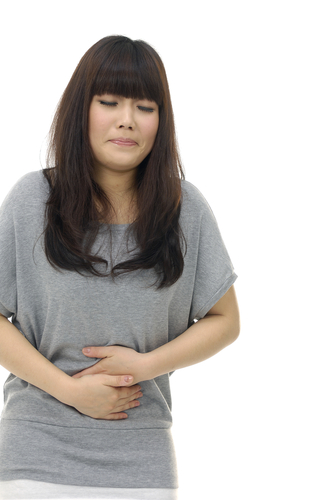
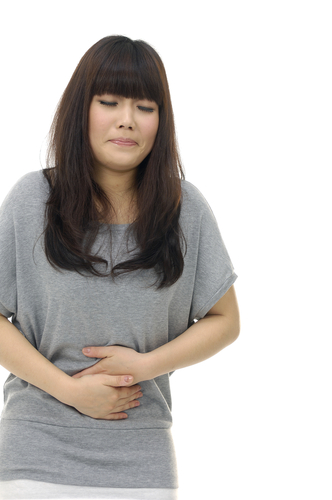
It’s known that about 1 in 6 people suffer from Irritable Bowel Syndrome, with symptoms of bloating, diarrhoea, constipation, pain and wind. These are things that you may just put up with, but can be distressing and have an effect on your quality of life. You may have some vague ideas to connections with some foods, and maybe stress, but it can be very hard to pinpoint particular causes.

shutterstock_52604065For those who have been diagnosed with IBS, until now, NHS treatment has been vague, with only a 30% success rate. Advice has been to increase fibre (often making things worse!), cut out alcohol, high fat foods, and to eat regular meals.

NEW IBS TREATMENT FROM MONASH UNIVERSITY, PERTH & GUY’S & ST THOMAS’ HOSPITAL, LONDON

There is now a new dietary treatment called the ‘low FODMAP diet’ which results in an impressive reduction in symptoms. FODMAP is an acronym for a group of carbohydrates that are rapidly fermented in the gut causing the symptoms. High FODMAP foods are varied and range from wheat & dairy, to apples, onions and garlic, some sweeteners, and lentils to name a few.

Not everyone with IBS has an intolerance to all of the high FODMAP foods, which is why it is very helpful to have the input of a dietitian to guide you through the elimination and reintroduction of FODMAP foods.

The success rate is impressive, with up to 86% of people having a significant improvement of their symptoms. For some, the improvement in quality of life is staggering.

Sasha Watkins, a spokeswoman for the British Dietetic Association, explains: ‘Treatment for IBS sufferers is often limited, which is why the emerging success of the low-FODMAP diet – an approach that helps patients discover the precise foods that trigger their symptoms – is excellent news.’

Peter Irving, consultant gastroenterologist at Guys and St Thomas’, says: ‘I can now refer IBS patients for dietetic advice with a greater degree of confidence that their quality of life will improve.’

As a dietitian experienced in the low FODMAP diet, I have seen wonderful improvements in my IBS patients. Most don’t have to restrict their diet of all FODMAP foods in the long term, as together, we have identified their particular problem FODMAP foods.

For more information or a low FODMAP diet consultation, contact me with the form below.

Go back

Your message has been sent

Warning
Warning
Warning

Warning.

Can what you eat cure your acne?

Something I see occasionally in my clinic is clients with spots. And it’s not usually teenagers, it’s more likely to be women in their 30s and 40s. I’ve even had one lady in her 60s who suffered from cystic acne on her chin, not bad enough for a dermatology referral, but none the less, unpleasant to put up with. My clients have usually been suffering for years, and while their GP or dermatologist may be sympathetic, the prescribed treatments offered have not provided a long term solution.

As an acne suffer myself from the age of 14, I spent 20 years wondering when I’d Roaccutane - a last resort‘grow out’ of it. Every medication in the BNF (the doctor’s prescribing bible) has been given to me, from benzyl peroxide cream to the liver toxic Roaccutane. Each would help for a while, but the spots always returned. It was evident that the root cause was not being treated. I was always told by GPs, dermatologists and even dietitian colleagues that there was no relationship between acne and diet.

What does the research show? The outdated opinion that acne is not related to diet comes from a 1969 study looking at the effect of chocolate on acne, in which the inappropriate conclusion was drawn that, as chocolate did not appear to affect acne, neither did any dietary factor. However, there is growing evidence from more recent studies supporting the relationship between diet and acne. In particular a high glycaemic index diet and dairy have been implicated. There is also emerging medical evidence and a growing number of clinicians acknowledging that up to 10% of the population may have a gluten intolerance, despite testing negative for coeliac disease. Gluten intolerance can manifest in skin conditions. There is also interesting new research looking at gut bacteria, and it’s role in inflammation and immunity.

What causes acne? Acne is caused by a combination of hormones and inflammation. Women with polycystic ovary syndrome are particularly susceptible. A diet high in refined carbohydrates (sugar, white bread, white rice, biscuits, sweets, pastries etc.), low in fruit and vegetables, and low in essential fatty acids may have a negative effect on hormones, and may also contribute to inflammation. This is where the role of good/bad bacteria in the gut becomes interesting. A poor diet affects the complex flora in the digestive tract resulting in an overgrowth of the bad, which may ultimately have many effects outside of the gut, including spotty skin.

For years, I have followed a very healthy diet including lots of veg, fruit, whole grains, healthy fats, low sugar etc. however, still suffered with acne. In desperation, 2 years ago I thought I would have nothing to lose by trying a gluten free diet. With in a few weeks the spots had cleared. The ‘gold standard’ way togenius46_460 challenge the intolerance is to reintroduce the food. I have done this twice, once on holiday in Morocco where breakfast was almost completely bread products, and in Ireland where I wasn’t going to offend my husband’s Granny by turning down her scones! The result? With in about 3 days I had horrible spots which took about a month each time to clear up.

Everyone is different and there is no magical ‘one diet fits all’. For me, gluten is my trigger, however, this will not be the case for all. For some of my clients, just cutting out the refined carbs and increasing the good fats is enough to see 100608182647-largeimprovements. A change in diet can take time to show in the skin. Some people see a difference in a few days, for some it may take a few months.

My recommendations:

  • avoid refined carbohydrates, change to wholegrains
  • have a good intake of vegetables and fruit (at least 5 portions a day)
  • take a daily fish oil supplement containing 500mg DHA & EPA
  • include healthy fats e.g. nuts and seeds, olive oil, avocados
  • consider a trial exclusion of dairy
  • consider a trial exclusion of gluten
  • consider a probiotic supplement

If you don’t feel confident with changing your diet or choosing a probiotic, seek the advice of a dietitian to guide you. Cutting out food groups such as dairy, can leave you lacking in important nutrients. A dietitian can also help you with the practical aspects of applying the recommendations to your current diet and lifestyle. For example, what to buy in Pret a Manger or Starbucks, how to incorporate more veg, how to go gluten free.

Mud, Muscles and vitamin D

The days are closing in as autumn and winter approach. For many athletes, this means moving workouts and training sessions indoors. Even when training outside during the colder months, the low sun, cloud cover, and wearing clothes prevent our bodies from converting sunlight to vitamin D.

Unknown-1

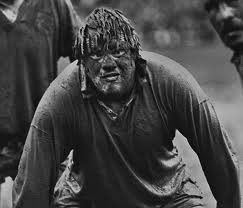
Fran was unlikely to get his vitamin D dose from the sunshine today

At the London Irish training ground in Sunbury, rain or shine, rugby and fitness training takes place out on the pitches. Muddy, wet, and cold may not be pleasant, but it prepares everyone for real game day conditions. I’m all for a bit of mess, until I get a muddy mountain of washing dumped in the laundry basket at the end of the day. In winter it’s not just shorts, T-shirts and socks, but tracksuit bottoms, tops, Skins and jackets. Would it be unreasonable for me to politely suggest a laundry room at the new training ground at Hazelwood?! So to my point…..when covered with clothes (and mud!) any small amount of vitamin D provided by the sun in winter, won’t reach the skin.

For those training near the equator, sunlight and vitaminD aren't such a problem

For those training near the equator, sunlight and vitamin D aren’t such a problem

The importance of sunlight and sports performance has been known for centuries, but it is only recently that the science behind the physical benefits have been investigated. We are still in the early days of discovering the tiny details of how vitamin D affects muscles. Other benefits of vitamin D have already been established e.g. for the prevention of diabetes, heart disease and some cancers.

Scientific studies are slowly piecing together how vitamin D affects muscle. This is what we know so far about vitamin D and involvement with muscle:

  • muscle contraction – calcium and phosphate are essential for the muscle fibres to move, and vitamin D may help this mechanism to work. Vitamin D may also be important for the actual parts of the muscle that make the contraction work (actin and myosin)
  • muscle repair – after exercise, there will be damage to the tiny muscle fibres. Vitamin D may help to repair this damage
  • muscle building – vitamin D stimulates new muscle, and the blood vessels feeding the muscles

In real life?

Although studied at a cellular level, there aren’t many studies yet on vitamin D and how levels in young, healthy athletes affects performance. However, in elderly people, low vitamin D has been shown to result in poorer muscle function and muscle loss.

Should I supplement?

Unknown-5

Vitamin D spray

There are very few good food sources of vitamin D, it comes mostly from the sun. Some foods, like breakfast cereals have vitamin D added, and if you take a multivitamin it may contain some vitamin D.

I advise to take a daily supplement of vitamin D during the winter months (October – May). Unless otherwise advised by your doctor, up to 1000IU per day is safe for adults. It comes in tablet, drops or spray form.

If you aren’t sure how much vitamin D you are getting, I can perform a nutritional analysis of your current diet and the supplements you are taking, and advise you on improving your diet. You can get in touch using the contact form.

Information from Nutri-facts