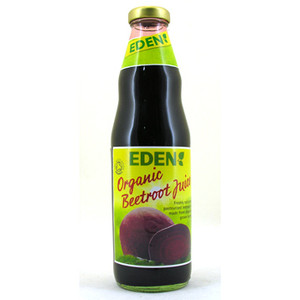
Beetroot Juice – worth the hype?

Beetroot juice has been one of the biggest stories in sports science in recent years, after researchers at the University of Exeter found it enables people to exercise for up to 16% longer.

The startling results have led to a host of athletes – from Premiership footballers to professional cyclists – looking into its potential uses.

images-2

Concentrated beetroot juice (shot)

When consumed, nitrate found in beetroot juice has two marked physiological effects.

  1. widens blood vessels, reducing blood pressure and allowing more blood flow.
  2. affects muscle tissue, reducing the amount of oxygen needed by muscles during activity.

The combined effects have a significant impact on performing physical tasks, whether it involves low-intensity or high-intensity effort.$T2eC16dHJGoFFvPOJJ3UBR0ZfTsjj!~~60_35

Professor Andrew Jones, from the University of Exeter, lead author on the research, said: “The findings show an improvement in performance that, at competition level, could make a real difference – particularly in an event like the Tour de France where winning margins can be tight.”

Beetroot juice is an easy way to quickly ingest a substantial amount of dietary nitrate. However, some may find the taste of beetroot juice unpleasant. Fortunately, beetroots are just one of many vegetables that are high in nitrate. Leafy green vegetables tend to be the top sources.

The dose of dietary nitrate used in the research to reduce the oxygen cost

of exercise, improve athletic performance, and lower blood pressure ranges from 300 to 500 mg. This is about 300-500ml of Beet It 100% Pressed drink.

This amount can also be obtained by eating the following foods:

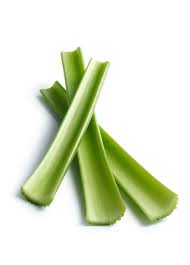
Very high nitrate levels: celery, cress, chervil, lettuce, red beetroot, spinach, and rocket (more than 250 mg/100 g)images-3

High nitrate levels: celeriac, Chinese cabbage, endive, fennel, leeks, and parsley (approximately 100 to 250 mg/100 g)

Ultimately, eating beetroot, drinking beetroot juice, or eating foods high in nitrate is unlikely to increase your exercise endurance unless you are already an athlete and at the peak of fitness. Even for athletes, it is fundamental to get the basics of diet right before putting your faith in nitrates to improve performance.

For most of us, the best way to increase endurance is to exercise regularly so aim to work towards achieving the recommended 30 minutes of moderate intensity exercise, five times a week.

Beetroot recipes


Gluten Free – emerging evidence of intolerance

Gluten is a protein found in wheat, rye and barley. A gluten free diet is the treatment for Coeliac Disease, however in recent years, gluten free diets have become popular with people who do not have Coeliac Disease. Celebrities such as Andy Murray, Bill Clinton and Gwyneth Paltrow give endorsement to the gluten free way of eating.

There is emerging medical evidence and a growing number of clinicians acknowledging that up to 10% of the population may have a gluten intolerance despite testing negative for coeliac disease. Allergy tests will also be negative (as it is an intolerance, not an allergy), negative in gut biopsies (where a sample of the gut is looked at under a microscope), and negative in endoscopies (tiny camera looks at your gut).

The medical term is Non-Coeliac Gluten Intolerance – here is an interesting article from the British Medical Journal, with the personal experience of a biochemist with gluten intolerance, followed by the opinion of a clinician.

Despite symptoms seriously affecting quality of life, a medical diagnosis of non-coeliac gluten intolerance can be difficult as although prevalent, it is under-recognised by doctors.

Gluten intolerance can manifest in many ways:

  • digestive system
  • skin
  • nervous system
  • muscles and joints
  • sleep
  • mood

During my practice, I have seen many patients with a variety of these gastrointestinal and non-gastrointestinal symptoms, in which coeliac disease has been tested for and excluded, but symptoms only respond to a gluten free diet.

Improvement in quality of life can be profound: the 7 year old autistic boy, who could stop wearing nappies as his ‘intractable’ diarrhoea resolved; the 74 year old almost housebound lady with chronic abdominal pain who can now happily get out and about; the 5 year old girl whose mother described her as being, not just emotional, but depressed, who within days emerged a ‘happy child’.

My story – why I have jumped on the gluten free bandwagon

I have suffered with spots since I was 15 years old. I’m now 36. Not just a few zits, but sometimes so many that I couldn’t even count them. Over the years, GPs and dermatologists have prescribed every pill and potion from the long list in their BNF (the medical profession’s prescribing manual, look for it on your GP’s desk). From the basic benzyl peroxide cream to Roaccutane. Side effects of Roaccutane include peeling lips, nose bleeds, liver damage (you have to have regular blood tests to monitor liver function), and deformed foetus if you become pregnant. The Roaccutane worked for about a year, but the spots returned.

Every medic told me diet and acne were not related. This outdated opinion comes from a 1969 study looking at the effect of chocolate on acne, in which the inappropriate conclusion was drawn that as chocolate did not appear to affect acne, neither did any dietary factor. However, there is a growing evidence of recent studies supporting the relationship between diet and acne, although there are none as yet specifically on gluten.

To cut a long story short, two years ago, aged 33, I jumped on the gluten free bandwagon. Why did it take me so long? Because there is no evidence of a relationship between gluten and acne, and I experience zero gastrointestinal symptoms, so I didn’t make the link.

The theory is that for intolerant individuals, gluten can affect hormone levels and provoke an inflammatory response, both triggers for acne. I was by no means confident that it would make any difference, in fact I was extremely skeptical, and it’s certainly not something I broadcasted to dietetic colleagues. However, after a few months, I was spot free. After about 8 months, I tested the gluten exclusion on holiday in Morocco, with the bread-tastic breakfasts. About 5 days later I had a major outbreak which took a couple of months to clear up. In June this year, on holiday in Ireland, each day I had the odd bit of scone and pastry (it would have been rude to turn down my husband’s Nan’s food!). Once again, I had a flair up a week later that took many weeks to clear. Surprisingly, a food challenge is the ‘gold standard’ for confirming diagnosis of food allergies and intolerances, rather than reliance on laboratory testing.

Thankfully, gluten free is much easier to do these days, than even five years ago. Most supermarkets have a great range of gluten free foods that are getting better and better when compared to standard products. That is why I am more at ease in suggesting clients trial a period of gluten free if more serious conditions eg. coeliac disease have been excluded by their GP. Some people see major improvements on eliminating the major sources of gluten eg. pasta, bread, cakes, biscuits, pastry. Some may need to be more vigilant about gluten containing foods by examining food labels.

If you are considering a gluten free diet because you may be suffering from any of the above symptoms, please get the all clear to do so by your GP. Serious health conditions should be eliminated first. A gluten free diet may not help you lose weight (especially when using gluten free products), and there is no need for those who do not have Coeliac Disease or Non-Coeliac Gluten Sensitivity to limit their diet unnecessarily.

The F word

My gut reaction when my 3 year old used the F word was one of horror. I couldn’t believe my ears, but I guess this sort of thing is inevitable when they start going to nursery school.

“I was playing mummies and babies with x and y in the home corner, and x was making lunch, and we couldn’t have too much or it would make us FAT!”

My first response: my Mummy Poker Face. In my head I was tearing my hair out shouting “nooooooooo!”.  Second response: a light and breezy 1 minute chat about food making you strong.

My second reason for the horror was the thought that the teacher may assume that, as a dietitian, I was teaching my children this nonsense. Following 12 years as a dietitian, I have seen hundreds of people (children and adults) for advice on obesity. Issues around food commonly appear to come from childhood experiences, a parent’s relationship with food and how they relate this to their children. During my time as a paediatric dietitian in the NHS, one particular little girl sticks in my mind. She was about 5 years old and referred to me as she was overweight. The first thing she did when she came in to the clinic room, was to show me her Barbie. She asked if she would ever look like her. I told her nobody looks like Barbie.

Of course, every parent wants their child to eat well, have a diet of good nutritious foods, and be healthy in the long term. We come in all shapes and sizes, skinny does not necessarily mean healthy. Feeding yourself and your child wholesome food, not using food as an emotional crutch, and not feeling GUILTY about nourishing yourself are all crucial in achieving a balanced state of mind. But how do we convey this to our children, particularly our daughters? Is it appropriate to use the F word?  Here is what I have learnt from my time practising as a paediatric dietitian, and as a mum to 3 children:

  • Do not discuss your weight or ‘going on a diet’ within earshot of your children.  Do not discuss any body part that you dislike. Keep any food, body and weight insecurities to yourself.
  • Do not discuss their weight, shape or size in a negative way, even if you are trying to turn it in to a positive eg. “it’s ok if you’re chunky/have baby fat”.
  • Don’t ban any food. It’s ok to have crisps, chocolate, cake etc. as an occasional addition to a regular intake of the ‘healthier’ foods
  • Do not discuss calories, and burning off with exercise. This leads to negative associations between the two. Food should be enjoyed. And exercise should be enjoyed, not a chore or a punishment to ‘work off’ a ‘bad’ food choice.

What should you say?

  • Food provides nutrition to make our bodies strong, fit and healthy
  • Some foods have much more vitamins and minerals than others, it is important that we eat lots of these to give our bodies energy and to keep us well.
  • Bread, potatoes, rice, pasta give us lots of energy for running around, climbing, bouncing, having fun!
  • Veggies and fruit help us to stop getting sick, give us sparkly eyes, shiny hair, and help cuts and grazes to get better
  • Fat is not ‘bad’, some fat is important for our bodies to use the vitamins properly and to help our brains to work
  • Eating a mixture of food gives all the different things our body needs

Tell your children that our bodies are amazing………..talk about all the awesome things that they can do if they want to: climb a mountain, run a race, do a cartwheel, touch the sky with their feet on a swing.  Help them to love moving, because that is what we are designed for.  “We’ve got to go for a walk because we’ve eaten to much chocolate” is in no way healthy, helpful or positive.

Teach your child how to love fresh air

Teach your child to love movement and exploring new things

Teach your child how to bake a cake using butter, sugar and flour

Teach your child how to chop and cook veggies.

Tell them they are strong, tell them they look happy, tell them they are GLOWING!

Boosting immunity to stop getting sick

It’s an unfortunate inevitability that at some time or another, illness will descend upon any work place.

Gastroenteritis can be difficult to avoid and in environments where there is close contact, it can spread like wild fire. Washing hands is vital to avoid infection, alcohol gel can also be used, but is not as effective as thorough hand washing. Here’s what the NHS says on medical treatment.

From a food point of view, it is especially vital for athletes to try to maintain nutritional intake to prevent muscle wastage and maintain energy levels. Easier said than done when you can’t keep anything down! If possible, and even if there is no appetite, small amounts of plain food and higher calorie fluids eg. toast, fruit juice, breakfast cereal, plain biscuits, or any food that you feel you can tolerate should be eaten.

It is possible that following recovery from gastroenteritis, the gut may have become intolerant to lactose (milk sugar), causing continued diarrhoea, and possibly abdominal pain and bloating. This is because the enzyme, lactase, which breaks down the lactose has been affected. Normal milk can be replaced with Lactofree Milk, tolerance to other dairy products varies. A dietitian can advise further on lactose avoidance.

In a previous post, I discussed the numerous reasons for lowered immunity during training for athletes:

  • repeated cycles of heavy exertion
  • exposure to germs and bugs
  • mental stress
  • lack of sleep
  • poor nutrition
  • weight loss

The first two points, repeated cycles of heavy exertion, and exposure to bugs certainly apply to the London Irish squad in pre season training, hopefully less so the mental stress, lack of sleep, poor nutrition and weight loss.

So what can be done to reduce the possibility of becoming ill?

Nutritional immunology is a rapidly growing area, and four key principles have emerged:

1. Almost all nutrients in the diet play a crucial role in immunity. A varied, healthy diet provides all these nutrients in most healthy adults, and mega doses of vitamin/mineral supplements do not “boost” immunity above normal levels.

2. Poor energy and nutrient intake can reduce the immunity and susceptibility to germs and bugs. Poor protein intake reduces immune function and strongly increases risk of various types of infections.

3. Some nutrients (glutamine, arginine, fatty acids, vitamin E) provide additional benefits to immunocompromised persons (e.g. the frail elderly) or patients who suffer from various infections. Currently there is a lack of evidence to support the use of these in preventing exercise-induced immune suppression and protection from infection.

4. Some supplements may prove useful in countering immune suppression for healthy adults during unusual mental and physical stress e.g. omega-3 fatty acids from fish oils reduce inflammatory responses.

CARBOHYDRATES

Of the various nutritional countermeasures that have been evaluated so far, carbohydrates before, during, and after prolonged or intense exertion has emerged as the most effective way to ensure less of a negative effect on the immune system. Athletes intent on reducing body fat by avoiding carbohydrates should be aware that this may impact on their immunity.

shutterstock_85815004Strategies to ensure good carbohydrate stores to optimise immunity:

  • Have a carbohydrate-based snack before you start high intensity training, particularly hard morning training.  If you are unable to tolerate something before you start exercise, have a source of carbohydrate during the session such as a sports drink (6-8% carbohydrate)
  • Have a carbohydrate-based snack shortly after training to start the recovery process.  This is of particular importance for athletes training more than once a day with limited time to recover for the next session.
  • Base meals around nutrient-rich carbohydrate-containing foods and fluids.  Rice, pasta, bread, cereals, fruit, starchy vegetables and low-fat milk and yoghurt are nutrient-packed carbohydrate-containing
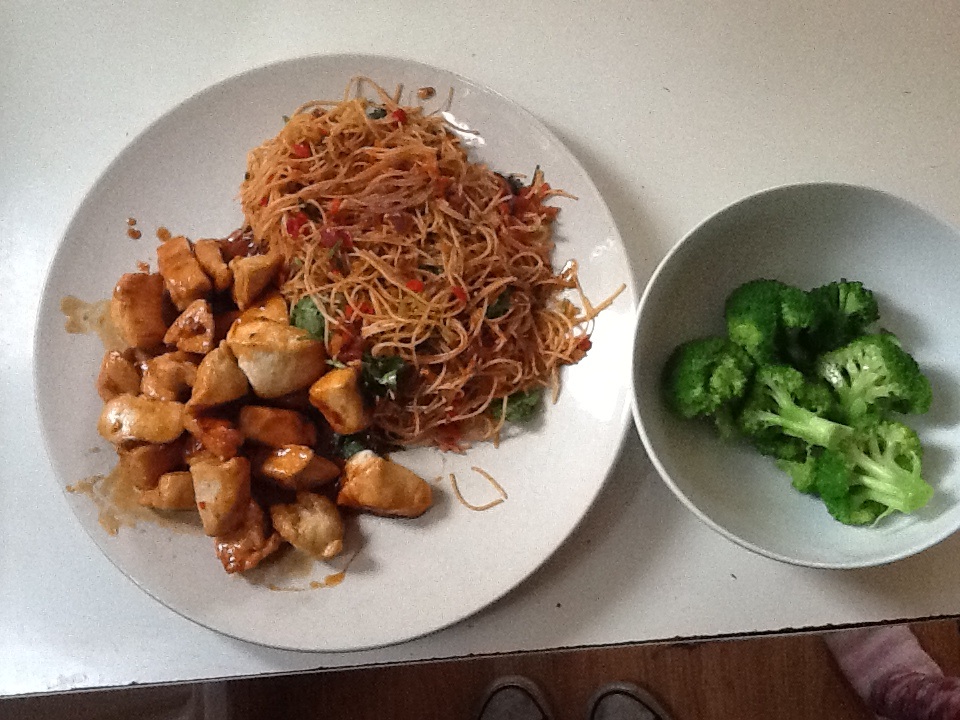
    Balanced meals with carbs, protein & veg

    Balanced meals with carbs, protein & veg

    choices. The aim is to match daily carbohydrate needs with an appropriate amount of carbohydrate-containing foods and fluids throughout the day.

PROBIOTICS

images-2

Probiotics may benefit athletic performance indirectly by maintaining gut function and health, preventing the immunosuppressive effects of intense exercise, and reducing susceptibility to illness. Substantial evidence exists indicating that probiotics can reduce susceptibility to acute infectious diarrhoea (athletes may be particularly susceptible during foreign travel). Probiotics come in tablet or liquid form eg. Yakult. Tablets tend to be more potent, and are available from health food shops.

A balanced and nutrient rich diet is fundamental to avoiding illness for those undergoing intense physical exercise. Current opinion is that athletes should invest in nutrient-rich foods and fluids that provide sufficient energy and a wide range of vitamins, minerals and other important chemicals, such as phytochemicals, found naturally in foods. When this is not possible the use of supplements such as multi vitamins and omega-3 fish oils.

Coffee is good for you, hurray!

Hands up all those who feel guilty about drinking coffee!
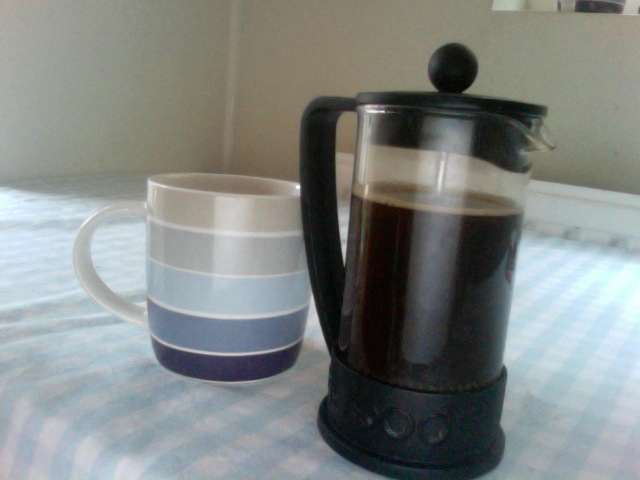
I have to confess, I love my coffee, and have usually had two cups by 6am. With 3 children to look after, 5-7am and 8-11pm are the only times I can get peace to work. Coffee wakens me up and sharpens my mind, so that I’m not sitting staring blankly at the laptop screen, and hopefully so that what I write isn’t incoherent drivel. Freshly brewed is my preference, however, instant will do. I’m not too fussy.

Photo on 2013-06-26 at 06.14 #3

So 4 cups a day. EEEK, should a dietitian admit to that?! According to a wealth of reliable studies I shouldn’t be feeling guilty, in fact I am being positively virtuous. Hurray!!

A 2012 study following 400,000 people over 14 years found a multitude of health benefits for coffee drinkers, which backed up findings from earlier studies. Here is a summary of the benefits of coffee drinking:

  • reduced risk of death from heart disease, stroke, diabetes and infections.
  • 10% chance of living longer than non-coffee drinkers (3 cups/day)
  • less likely to develop Alzheimer’s Disease and dementia
  • helps control symptoms of Parkinson’s Disease

Why?

Coffee is choc-a-bloc full of antioxidants. 1300 in total after roasting.

Caffeine in sport….

There is sound evidence that caffeine may enhance sports performance, specifically, endurance sports (more than 60 min), brief sustained high-intensity sports (1-60 min), and team/intermittent sports  (improved work rates, skills and concentration).

Any negatives?

The affects of caffeine in coffee is variable, depending on the sensitivity of each individual. Some people find they get jittery after a few sips, I on the other hand can guzzle a fair few cups before experiencing any side effects. Common side effects include:

  • restlessness, insomnia, irratibility, headache, gut disturbances.

What about dehydration?

A review of 10 scientific research studies, concluded that when you drink coffee, the body retains some of the fluid and that caffeine only causes mild fluid elimination from the body. There is no evidence that consumption of caffeinated beverages causes fluid abnormalities. A person who regularly consumes coffee/caffeine has a higher tolerance therefore would have to consume more coffee to have a diuretic effect compared to someone who does not drink coffee regularly.

So, it’s best to know your own body and how much caffeine you can tolerate before experiencing these side effects. Limit yourself to a maximum of 6 cups per day. Certain groups such as pregnant women and people with high blood pressure should limit this further. Pregnant women should have no more than 200mg of caffeine (approximately 2 cups of coffee).