Tummy trouble?

It’s known that about 1 in 6 people suffer from Irritable Bowel Syndrome, with symptoms of bloating, diarrhoea, constipation, pain and wind. These are things that you may just put up with, but can be distressing and have an effect on your quality of life. You may have some vague ideas to connections with some foods, and maybe stress, but it can be very hard to pinpoint particular causes.

shutterstock_52604065For those who have been diagnosed with IBS, until now, NHS treatment has been vague, with only a 30% success rate. Advice has been to increase fibre (often making things worse!), cut out alcohol, high fat foods, and to eat regular meals.

NEW IBS TREATMENT FROM MONASH UNIVERSITY, PERTH & GUY’S & ST THOMAS’ HOSPITAL, LONDON

There is now a new dietary treatment called the ‘low FODMAP diet’ which results in an impressive reduction in symptoms. FODMAP is an acronym for a group of carbohydrates that are rapidly fermented in the gut causing the symptoms. High FODMAP foods are varied and range from wheat & dairy, to apples, onions and garlic, some sweeteners, and lentils to name a few.

Not everyone with IBS has an intolerance to all of the high FODMAP foods, which is why it is very helpful to have the input of a dietitian to guide you through the elimination and reintroduction of FODMAP foods.

The success rate is impressive, with up to 86% of people having a significant improvement of their symptoms. For some, the improvement in quality of life is staggering.

Sasha Watkins, a spokeswoman for the British Dietetic Association, explains: ‘Treatment for IBS sufferers is often limited, which is why the emerging success of the low-FODMAP diet – an approach that helps patients discover the precise foods that trigger their symptoms – is excellent news.’

Peter Irving, consultant gastroenterologist at Guys and St Thomas’, says: ‘I can now refer IBS patients for dietetic advice with a greater degree of confidence that their quality of life will improve.’

As a dietitian experienced in the low FODMAP diet, I have seen wonderful improvements in my IBS patients. Most don’t have to restrict their diet of all FODMAP foods in the long term, as together, we have identified their particular problem FODMAP foods.

For more information or a low FODMAP diet consultation, contact me with the form below.

← Back

Thank you for your response. ✨

Game Day – food & family logistics

For an 80 minute game of rugby, there is an awful lot of palaver that goes on before and after (also during, with all that throwing a ball around and wot not)

Yesterday’s kick off was 2pm, but from 10am until we return home at 6.30pm we are rugby, rugby, rugby. We live in Kingston (London suburban heaven/hell), so Sunday traffic to the stadium in Reading along the M3 and M4 can be horrendous. Particularly if there are roadworks, especially enraging when there is nobody actually working on them. Thousands of cones on a perfectly good road, thousands of cars, and no PEOPLE WORKING!!images

Our aim is to get Dec to the game on time and in a calm state, so we always leave a lot of extra time to get there. Yesterday we left at 11am, and got to the Mad Stad at 12.15. The London Irish squad had a team meeting at 12.30, followed by their warm up on the pitch. Myself, Beth (6), Evie (4) and Conor (1), have to find entertainment for the 2 hours until kick off, so thank goodness for the Digger Club……..there is face painting (amazing!), bouncy castling, and hugs Unknownfrom Digger, the club mascot. Digger is an 8 foot hairy dog dressed in London Irish kit, who kids either love or are completely freaked out by. Conor is of the latter. There’s also live diddly dee music, and when I can avoid the moans children’s requests for food no longer, we head upstairs to the room reserved for players’ families. This is brilliant as the children are ‘confined’ and can tear about the place and eat their packed lunch with out bothering other supporters.

I’ve learnt that I should always go prepared with plenty of food and snacks for the afternoon. It’s a long day from leaving the house, to getting home at  6.30pm, so I seem to spend most of the morning on food preparation. Rather than depending on McDonalds on the way home, I made lentil & tomato sauce (the soup recipe with less stock) and added it to some pasta tubes with some cheese sprinkled on top. I’ll fire that in the microwave for two minutes for dinner when we get through the door after the game.

For Dec, match day food before a game should focus on easily digestible carbohydrate which will fuel the muscles. He starts the morning with a bowl of porridge with banana puree, milk and sugar, a few hours later it’s a bagel with peanut butter and jam, and just before we leave he has a bowl of pasta with a smidge of carbonara sauce. As the game gets closer, high fibre and high fat foods should be kept to a minimum as theses take longer to digest. White foods (pasta, bread, bagels etc.) are perfect for loading up the muscles with carbohydrate to fuel the warm up and game ahead. Here’s some more info on pre-match food

For me and the kids, food for during the game is typical packed lunch fodder.

  • sandwiches: wholemeal bread, tuna & sweetcorn or peanut butter & jam
  • bananas, apples, pears
  • homemade Seriously Healthy Flapjacks
  • yogurts (and spoons, remember the spoons!!)
  • mini packs of Smarties from the Trick or Treat sweetie stash

For the children, the actual rugby game is pretty dull, so they are more than happy to play with their friends and hide under the tables stuffing biscuits from the tea and coffee table in to their gobs (they think I don’t notice, but I do….Mummy sees EVERYTHING). I’m delighted if I can have a cup of coffee with Conor quietly sitting on my lap, but he’s usually intent on trying to fling himself over the seating boundary on to the concrete below. This is probably why I am not the person to ask for any sort of match analysis as I rarely get the chance to focus on the game (that’s my excuse for still being clueless).

securedownload

Conor: England, Ireland or Arsenal????

We have a fair bit of waiting around after the game. A major part of the recovery process is refuelling and repairing the muscles within an hour of finishing, so the boys sit down to a good balanced meal. Here’s more info on why and how nutrition is used for recovery of the body, ready for the next week of training.

Unfortunately, we lost the game against Northampton 14-19, but it is always fab to catch up with friends and family (2 engagements, 2 pregnancies, and 1 new baby). Bob and Shauna Casey’s little man Ollie came to his first game…….will he be declaring for England or Ireland in twenty years time I wonder? Dec is having this very dilemma with our wee Conor: England, Ireland or the Mighty Arsenal????

Healthy Snacks – eat more!

Research shows that people who eat healthy snacks between meals consume fewer calories overall. This may be because they prevent themselves becoming ravenously hungry, therefore are less likely to overeat. When you feel like you are starving, you are also more likely to go for the unhealthy stuff.

Choosing snacks wisely helps you to nourish your body, maintain concentration, mood & energy levels, keep your metabolic rate up, and eliminate sugar cravings. The key is to be prepared. Have the ingredients in your cupboard or fridge, and if you are out and about, whether at work, shopping or at the park, prepare before hand and bring with you! Don’t be caught out with nothing but chocolate bars, sweets and crisps to choose from at the corner shop.

Here are some top snacks. The ideal combination is some carbs, protein and healthy fats. These are also good for post workout recovery:

  • Apple & handful almond, not a whole bag2013-04-01-15-58-55
  • 2 Rice cakes with hummus
  • High protein fruit yoghurt eg. Danio (Danone), Total (Fage)

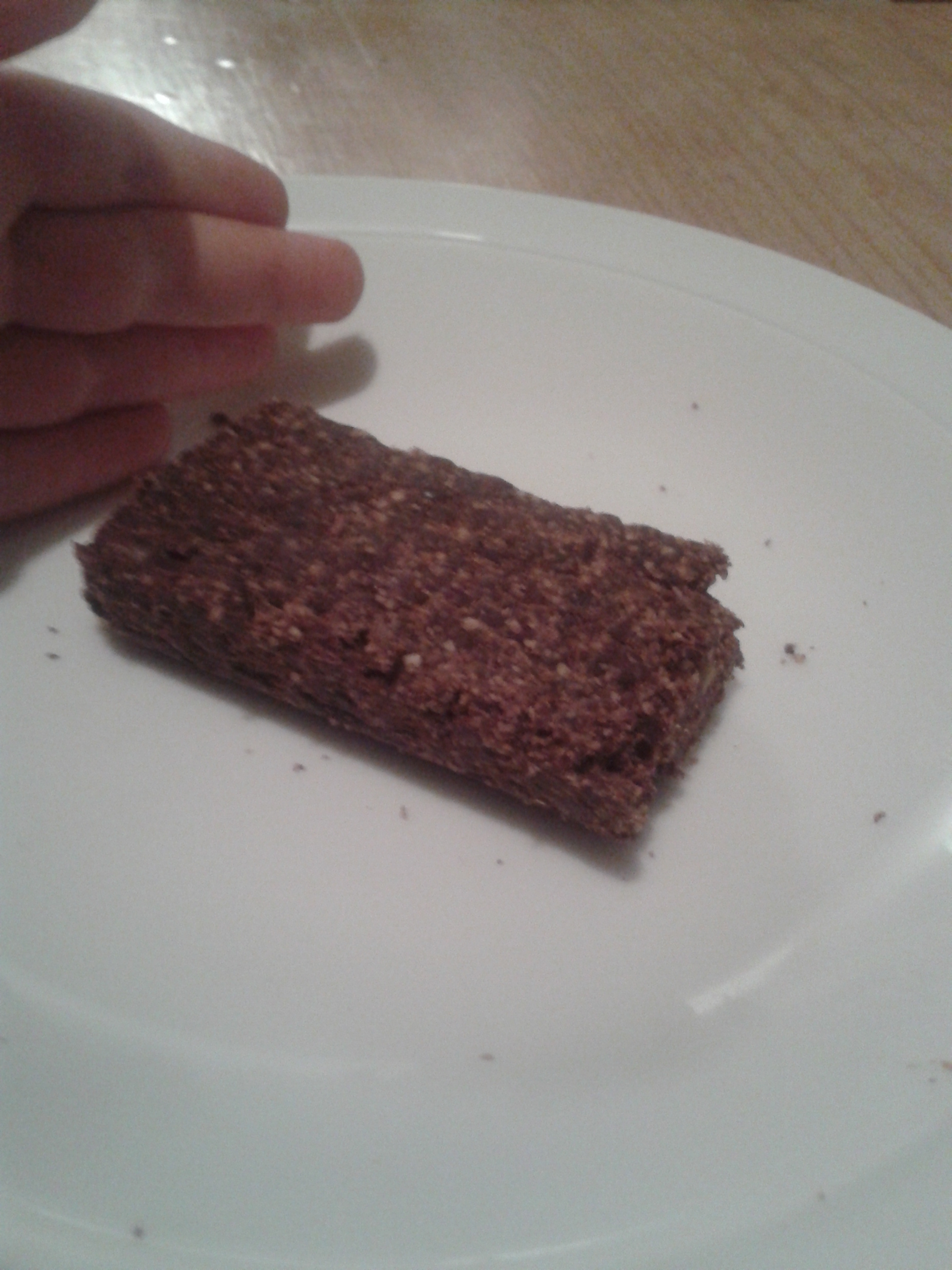
    Homemade Cocoa Bars

    Homemade Cocoa Bars

  • Hummus with carrot sticks
  • Skinny latte
  • ½ wholemeal pitta with ham and tomato
  • Homemade cocoa bar
  • small bar of chocolate e.g. Green & Black and cup of milky coffee
  • 4 apricots, spread with peanut butter, dunked in to toasted pumpkin seeds
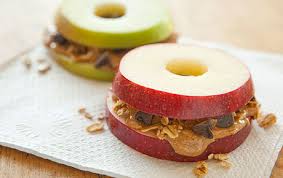
  • slices of apple spread with low fat cream cheese/peanut butter & raisinsimages-3
  • piece of fruit with cheese strings
  • Homemade Seriously Healthy Flapjack

Can what you eat cure your acne?

Something I see occasionally in my clinic is clients with spots. And it’s not usually teenagers, it’s more likely to be women in their 30s and 40s. I’ve even had one lady in her 60s who suffered from cystic acne on her chin, not bad enough for a dermatology referral, but none the less, unpleasant to put up with. My clients have usually been suffering for years, and while their GP or dermatologist may be sympathetic, the prescribed treatments offered have not provided a long term solution.

As an acne suffer myself from the age of 14, I spent 20 years wondering when I’d Roaccutane - a last resort‘grow out’ of it. Every medication in the BNF (the doctor’s prescribing bible) has been given to me, from benzyl peroxide cream to the liver toxic Roaccutane. Each would help for a while, but the spots always returned. It was evident that the root cause was not being treated. I was always told by GPs, dermatologists and even dietitian colleagues that there was no relationship between acne and diet.

What does the research show? The outdated opinion that acne is not related to diet comes from a 1969 study looking at the effect of chocolate on acne, in which the inappropriate conclusion was drawn that, as chocolate did not appear to affect acne, neither did any dietary factor. However, there is growing evidence from more recent studies supporting the relationship between diet and acne. In particular a high glycaemic index diet and dairy have been implicated. There is also emerging medical evidence and a growing number of clinicians acknowledging that up to 10% of the population may have a gluten intolerance, despite testing negative for coeliac disease. Gluten intolerance can manifest in skin conditions. There is also interesting new research looking at gut bacteria, and it’s role in inflammation and immunity.

What causes acne? Acne is caused by a combination of hormones and inflammation. Women with polycystic ovary syndrome are particularly susceptible. A diet high in refined carbohydrates (sugar, white bread, white rice, biscuits, sweets, pastries etc.), low in fruit and vegetables, and low in essential fatty acids may have a negative effect on hormones, and may also contribute to inflammation. This is where the role of good/bad bacteria in the gut becomes interesting. A poor diet affects the complex flora in the digestive tract resulting in an overgrowth of the bad, which may ultimately have many effects outside of the gut, including spotty skin.

For years, I have followed a very healthy diet including lots of veg, fruit, whole grains, healthy fats, low sugar etc. however, still suffered with acne. In desperation, 2 years ago I thought I would have nothing to lose by trying a gluten free diet. With in a few weeks the spots had cleared. The ‘gold standard’ way togenius46_460 challenge the intolerance is to reintroduce the food. I have done this twice, once on holiday in Morocco where breakfast was almost completely bread products, and in Ireland where I wasn’t going to offend my husband’s Granny by turning down her scones! The result? With in about 3 days I had horrible spots which took about a month each time to clear up.

Everyone is different and there is no magical ‘one diet fits all’. For me, gluten is my trigger, however, this will not be the case for all. For some of my clients, just cutting out the refined carbs and increasing the good fats is enough to see 100608182647-largeimprovements. A change in diet can take time to show in the skin. Some people see a difference in a few days, for some it may take a few months.

My recommendations:

  • avoid refined carbohydrates, change to wholegrains
  • have a good intake of vegetables and fruit (at least 5 portions a day)
  • take a daily fish oil supplement containing 500mg DHA & EPA
  • include healthy fats e.g. nuts and seeds, olive oil, avocados
  • consider a trial exclusion of dairy
  • consider a trial exclusion of gluten
  • consider a probiotic supplement

If you don’t feel confident with changing your diet or choosing a probiotic, seek the advice of a dietitian to guide you. Cutting out food groups such as dairy, can leave you lacking in important nutrients. A dietitian can also help you with the practical aspects of applying the recommendations to your current diet and lifestyle. For example, what to buy in Pret a Manger or Starbucks, how to incorporate more veg, how to go gluten free.

Mud, Muscles and vitamin D

The days are closing in as autumn and winter approach. For many athletes, this means moving workouts and training sessions indoors. Even when training outside during the colder months, the low sun, cloud cover, and wearing clothes prevent our bodies from converting sunlight to vitamin D.

Unknown-1

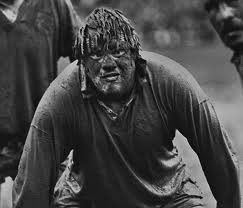
Fran was unlikely to get his vitamin D dose from the sunshine today

At the London Irish training ground in Sunbury, rain or shine, rugby and fitness training takes place out on the pitches. Muddy, wet, and cold may not be pleasant, but it prepares everyone for real game day conditions. I’m all for a bit of mess, until I get a muddy mountain of washing dumped in the laundry basket at the end of the day. In winter it’s not just shorts, T-shirts and socks, but tracksuit bottoms, tops, Skins and jackets. Would it be unreasonable for me to politely suggest a laundry room at the new training ground at Hazelwood?! So to my point…..when covered with clothes (and mud!) any small amount of vitamin D provided by the sun in winter, won’t reach the skin.

For those training near the equator, sunlight and vitaminD aren't such a problem

For those training near the equator, sunlight and vitamin D aren’t such a problem

The importance of sunlight and sports performance has been known for centuries, but it is only recently that the science behind the physical benefits have been investigated. We are still in the early days of discovering the tiny details of how vitamin D affects muscles. Other benefits of vitamin D have already been established e.g. for the prevention of diabetes, heart disease and some cancers.

Scientific studies are slowly piecing together how vitamin D affects muscle. This is what we know so far about vitamin D and involvement with muscle:

  • muscle contraction – calcium and phosphate are essential for the muscle fibres to move, and vitamin D may help this mechanism to work. Vitamin D may also be important for the actual parts of the muscle that make the contraction work (actin and myosin)
  • muscle repair – after exercise, there will be damage to the tiny muscle fibres. Vitamin D may help to repair this damage
  • muscle building – vitamin D stimulates new muscle, and the blood vessels feeding the muscles

In real life?

Although studied at a cellular level, there aren’t many studies yet on vitamin D and how levels in young, healthy athletes affects performance. However, in elderly people, low vitamin D has been shown to result in poorer muscle function and muscle loss.

Should I supplement?

Unknown-5

Vitamin D spray

There are very few good food sources of vitamin D, it comes mostly from the sun. Some foods, like breakfast cereals have vitamin D added, and if you take a multivitamin it may contain some vitamin D.

I advise to take a daily supplement of vitamin D during the winter months (October – May). Unless otherwise advised by your doctor, up to 1000IU per day is safe for adults. It comes in tablet, drops or spray form.

If you aren’t sure how much vitamin D you are getting, I can perform a nutritional analysis of your current diet and the supplements you are taking, and advise you on improving your diet. You can get in touch using the contact form.

Information from Nutri-facts

Top 5 foods for lowering cholesterol

The risks from high cholesterol aren’t immediate. The damage accumulates over years — even decades. High cholesterol in your 20s and 30s can take its toll in your 50s and 60s. Because the effects take time, you may not feel the urgency to treat it. You may think you can deal with it later – but you may wait too long before heart disease has taken it’s hold.

The World Health Organisation (WHO) estimates that 80% of heart disease may be preventable. The good news is that simple changes can really improve your heart health, like lowering cholesterol, eating a healthy diet, getting regular exercise, giving up smoking and avoiding stress.

Here are 5 cholesterol lowering foods:

  1. oily fish – salmon, mackerel, fresh tuna and sardines all contain very healthy omega 3 fats
    Salmon - omega 3 oils

    Salmon – omega 3 oils

    called DHA & EPA that lower cholesterol. Aim to eat oily fish twice a week, if you find that difficult, take a daily fish oil supplement that contains 500mg EPA & DHA.

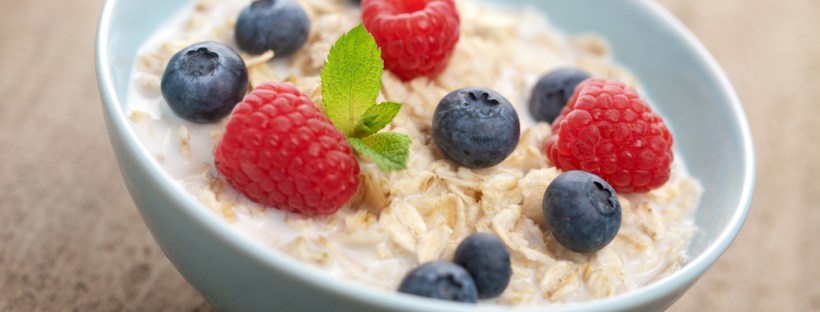
  2. oats – contain beta glucan, which is a soluble fibre that lowers cholesterol. It also has the added benefit of steadying blood sugar levels, helping in the treatment of diabetes and weight loss. Oat breakfast and Oaty Flapjacks2013-09-11 11.50.38
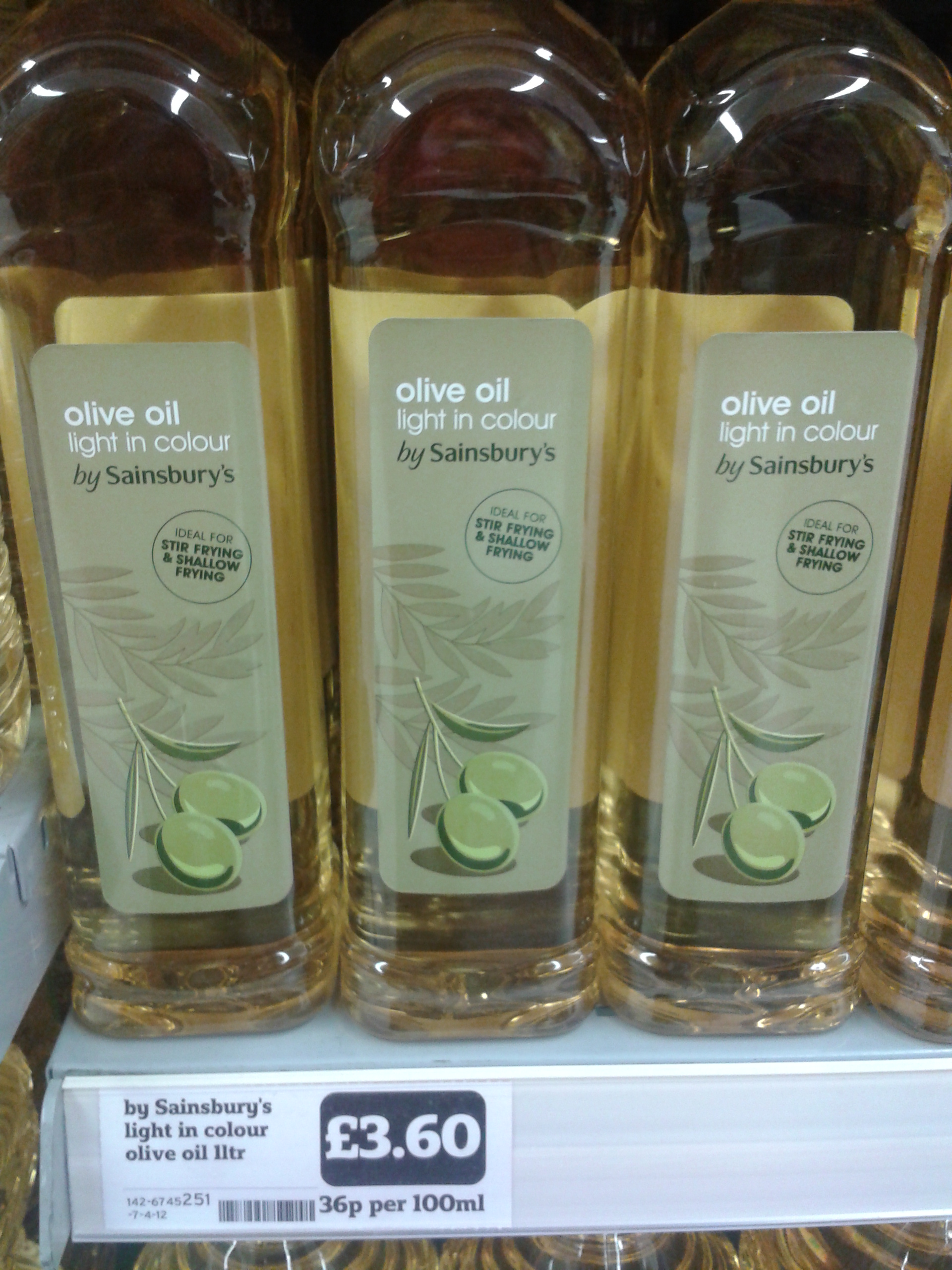
  3. Olive oil – high in monounsaturated fats, which lower cholesterol. Also in rapeseed oil (vegetable oil). Be careful with how much you use if you are watching your weight, one tablespoon has 125kcal.
  4. Nuts – high in vitamins, minerals, and good monounsaturated fat, which can lower cholesterol. Almonds, walnuts, peanuts, hazelnuts, pecans, some pine nuts, and pistachios. Basically, all nuts are good. Avoid salted or dry roasted, the plainer the better. As with olive oil, if you’re watching you weight, just have a handful, not the whole bag!
    Unknown
  5. Plant Stanols – these are probably not a term you have come across. Plant stanols are ingredients in products such as Flora Proactive and Benecol. Three servings of these can reduce cholesterol by up to 10%. Plant seterols are also found in fruit and veg, but in much smaller amounts.

Shepherd’s Pie – healthy make over

It has become popular for recipes, especially those online, to display the nutrition information. Hopefully this will empower the reader to make better health choices, as without this information, people generally underestimate the calories and fat in a dish.

BBC Good Food's Shepherd's Pie

BBC Good Food’s Shepherd’s Pie

Despite it being one of my jobs to estimate the nutritional value of food, I was a little shocked by the nutrition information that had been added to the Shepherd’s Pie recipe I’ve been using for years. One portion weighed in at over 660kcal and 39g of fat (and let’s face it, we usually have a little bit more than our allocated amount!) 660 calories is great for my 102kg rugby player husband who requires over 4000kcal per day, but for most of us, this is too high in saturated fat, calories, and too low on the veg and fibre. Most of us should aim for about 2000kcal, 45g of fat and 75g fibre per day.

So hoping to adopt the culinary equivalent of Laurence Lewellyn-Bowen’s Changing Rooms makeover genius (raised eyebrow), I set about reinventing my favourite shepherd’s pie recipe.

So how did I make the recipe healthier?

  • Reduced saturated fat: swapped lamb mince to lean beef mince, drained the excess fat, left out the butter from the mash.
  • Increase veg and fibre: added an extra carrot, replaced half the stock with a carton of tomatoes, added cooked red lentils (you really don’t even notice they’re in there), used half normal potatoes, half sweet potato for the mash

Result? 33% fewer calories, 70% less fat, 50% more fibre.

Here’s a comparison of the nutritional analyses of the original and made over recipe per portion:

  original healthier
Kcal 660 440
Fat 39 12
Protein 33 32
Fibre 6 9

And do you know what? It was actually rather good! The children and their friend from school finished a plate full each. Sounding a little perplexed, the friend said that she doesn’t usually finish her dinner. Ha! Healthier doesn’t mean less tasty!