Gluten Free – emerging evidence of intolerance

Gluten is a protein found in wheat, rye and barley. A gluten free diet is the treatment for Coeliac Disease, however in recent years, gluten free diets have become popular with people who do not have Coeliac Disease. Celebrities such as Andy Murray, Bill Clinton and Gwyneth Paltrow give endorsement to the gluten free way of eating.

There is emerging medical evidence and a growing number of clinicians acknowledging that up to 10% of the population may have a gluten intolerance despite testing negative for coeliac disease. Allergy tests will also be negative (as it is an intolerance, not an allergy), negative in gut biopsies (where a sample of the gut is looked at under a microscope), and negative in endoscopies (tiny camera looks at your gut).

The medical term is Non-Coeliac Gluten Intolerance – here is an interesting article from the British Medical Journal, with the personal experience of a biochemist with gluten intolerance, followed by the opinion of a clinician.

Despite symptoms seriously affecting quality of life, a medical diagnosis of non-coeliac gluten intolerance can be difficult as although prevalent, it is under-recognised by doctors.

Gluten intolerance can manifest in many ways:

  • digestive system
  • skin
  • nervous system
  • muscles and joints
  • sleep
  • mood

During my practice, I have seen many patients with a variety of these gastrointestinal and non-gastrointestinal symptoms, in which coeliac disease has been tested for and excluded, but symptoms only respond to a gluten free diet.

Improvement in quality of life can be profound: the 7 year old autistic boy, who could stop wearing nappies as his ‘intractable’ diarrhoea resolved; the 74 year old almost housebound lady with chronic abdominal pain who can now happily get out and about; the 5 year old girl whose mother described her as being, not just emotional, but depressed, who within days emerged a ‘happy child’.

My story – why I have jumped on the gluten free bandwagon

I have suffered with spots since I was 15 years old. I’m now 36. Not just a few zits, but sometimes so many that I couldn’t even count them. Over the years, GPs and dermatologists have prescribed every pill and potion from the long list in their BNF (the medical profession’s prescribing manual, look for it on your GP’s desk). From the basic benzyl peroxide cream to Roaccutane. Side effects of Roaccutane include peeling lips, nose bleeds, liver damage (you have to have regular blood tests to monitor liver function), and deformed foetus if you become pregnant. The Roaccutane worked for about a year, but the spots returned.

Every medic told me diet and acne were not related. This outdated opinion comes from a 1969 study looking at the effect of chocolate on acne, in which the inappropriate conclusion was drawn that as chocolate did not appear to affect acne, neither did any dietary factor. However, there is a growing evidence of recent studies supporting the relationship between diet and acne, although there are none as yet specifically on gluten.

To cut a long story short, two years ago, aged 33, I jumped on the gluten free bandwagon. Why did it take me so long? Because there is no evidence of a relationship between gluten and acne, and I experience zero gastrointestinal symptoms, so I didn’t make the link.

The theory is that for intolerant individuals, gluten can affect hormone levels and provoke an inflammatory response, both triggers for acne. I was by no means confident that it would make any difference, in fact I was extremely skeptical, and it’s certainly not something I broadcasted to dietetic colleagues. However, after a few months, I was spot free. After about 8 months, I tested the gluten exclusion on holiday in Morocco, with the bread-tastic breakfasts. About 5 days later I had a major outbreak which took a couple of months to clear up. In June this year, on holiday in Ireland, each day I had the odd bit of scone and pastry (it would have been rude to turn down my husband’s Nan’s food!). Once again, I had a flair up a week later that took many weeks to clear. Surprisingly, a food challenge is the ‘gold standard’ for confirming diagnosis of food allergies and intolerances, rather than reliance on laboratory testing.

Thankfully, gluten free is much easier to do these days, than even five years ago. Most supermarkets have a great range of gluten free foods that are getting better and better when compared to standard products. That is why I am more at ease in suggesting clients trial a period of gluten free if more serious conditions eg. coeliac disease have been excluded by their GP. Some people see major improvements on eliminating the major sources of gluten eg. pasta, bread, cakes, biscuits, pastry. Some may need to be more vigilant about gluten containing foods by examining food labels.

If you are considering a gluten free diet because you may be suffering from any of the above symptoms, please get the all clear to do so by your GP. Serious health conditions should be eliminated first. A gluten free diet may not help you lose weight (especially when using gluten free products), and there is no need for those who do not have Coeliac Disease or Non-Coeliac Gluten Sensitivity to limit their diet unnecessarily.

Pre season – even more food, and first game at Nottingham

Pre season training has always been pretty full on. In the Rugby Union calendar, June to August is a time for pushing fitness, strength and skills to prepare for the playing season ahead. With the first warm up game next week against Nottingham, there has been more emphasis on ‘contact’ sessions in preparation for actual games, rather than a focus on fitness eg. running hills. Dec likens it to getting beaten up on a daily basis.

securedownload-3

Day off lunch at GBK  800kcal – stopped the chips, fried onion rings and milkshake this year.

At 33, retirement is on the horizon, and the cross over to life beyond playing is taking root. Dec is is embarking on a coaching career, so after his own day of training, he’s passing on what he has learnt over the past fourteen years to the academy lads at London Irish.  It’s a long day, and hard work both physically and mentally. But like anything, if you do something you love it is a pleasure and a privilege rather than a chore.

Oddly, for an old guy (33), Dec is feeling pretty good. Apart from the usual longterm niggles originating from two ACL repairs in two consecutive years, he feels that he is in the shape of his life. It’s always tricky to put this down to any one reason. One of the main factors is that after 14 years of messing around with various diets and supplements, he is taking the sensible, and, sorry folks, ‘boring’ avenue of eating healthy balanced meals. Don’t get me wrong, diets or lifestyles such as low carbing or the Paleo diet have their merits, and can work for many, however, for most athletes in hard training they won’t enable optimal performance and can even impact on susceptibility to illness.. As well as the good food, and obviously the daily training, rest is another important aspect. So no late nights, and as much of a lie in as possible!

As he is still trying to gain weight, total daily intake now needs to be in excess of 4200kcal. That’s a lot of food! This is where sports supplements would come in very useful, but Dec is reluctant to rely on these, preferring to reap the benefits of real food, benefits that a powder mixed with water simply cannot replicate. Practically, this can be tough, requiring careful planning of what and when he is going to eat.

Here are the current dietary regimen principles:

  • regular meals – roughly every 3 hours, that’s 6 meals to spread the food throughout the day and timed around training sessions
  • at least 700kcal per meal
  • not excluding any food group eg. carbohydrateWhen training, carbs are your friend!
  • adding extra calories using nutrient dense foods eg. olive oil (100kcal per tablespoon), extra nuts & seeds added to recipes, lashings of peanut butter on bagels, avocados, grated cheese on top of meals
  • using supplements when necessary – a carb/protein recovery drink during weight training when eating is not possible, followed by a meal asap after the session

Here’s what he had yesterday (all meals, one serving with no seconds!):

7am: large bowl porridge, 1/2 bagel with butter, jam, peanut butter

10am: meal at work – pork, mashed potatoes, vegetables

image

Yoghurt, nus and apple

1pm – meal at work – beef fajitas

4pm: yoghurt, nuts, apple, supplement bar

7pm: meal at home – chicken, spinach, cherry tomatoes and puy lentils with brown basmati rice

image

Tuna mayo wrap

10pm: tuna mayo in a wrap with pepper and spring onions

So it’s just a few days until the first warm up game oop north (that’s anywhere past the M25 for Dec). For me, every game is a nerve racking experience. The phone call that comes about 30 minutes after the final whistle is always eagerly anticipated, so that I can breathe a sigh of relief that he has come through relatively unscathed (black eyes and wounds that can be sewn up pitch side don’t count as proper injuries!)

The F word

My gut reaction when my 3 year old used the F word was one of horror. I couldn’t believe my ears, but I guess this sort of thing is inevitable when they start going to nursery school.

“I was playing mummies and babies with x and y in the home corner, and x was making lunch, and we couldn’t have too much or it would make us FAT!”

My first response: my Mummy Poker Face. In my head I was tearing my hair out shouting “nooooooooo!”.  Second response: a light and breezy 1 minute chat about food making you strong.

My second reason for the horror was the thought that the teacher may assume that, as a dietitian, I was teaching my children this nonsense. Following 12 years as a dietitian, I have seen hundreds of people (children and adults) for advice on obesity. Issues around food commonly appear to come from childhood experiences, a parent’s relationship with food and how they relate this to their children. During my time as a paediatric dietitian in the NHS, one particular little girl sticks in my mind. She was about 5 years old and referred to me as she was overweight. The first thing she did when she came in to the clinic room, was to show me her Barbie. She asked if she would ever look like her. I told her nobody looks like Barbie.

Of course, every parent wants their child to eat well, have a diet of good nutritious foods, and be healthy in the long term. We come in all shapes and sizes, skinny does not necessarily mean healthy. Feeding yourself and your child wholesome food, not using food as an emotional crutch, and not feeling GUILTY about nourishing yourself are all crucial in achieving a balanced state of mind. But how do we convey this to our children, particularly our daughters? Is it appropriate to use the F word?  Here is what I have learnt from my time practising as a paediatric dietitian, and as a mum to 3 children:

  • Do not discuss your weight or ‘going on a diet’ within earshot of your children.  Do not discuss any body part that you dislike. Keep any food, body and weight insecurities to yourself.
  • Do not discuss their weight, shape or size in a negative way, even if you are trying to turn it in to a positive eg. “it’s ok if you’re chunky/have baby fat”.
  • Don’t ban any food. It’s ok to have crisps, chocolate, cake etc. as an occasional addition to a regular intake of the ‘healthier’ foods
  • Do not discuss calories, and burning off with exercise. This leads to negative associations between the two. Food should be enjoyed. And exercise should be enjoyed, not a chore or a punishment to ‘work off’ a ‘bad’ food choice.

What should you say?

  • Food provides nutrition to make our bodies strong, fit and healthy
  • Some foods have much more vitamins and minerals than others, it is important that we eat lots of these to give our bodies energy and to keep us well.
  • Bread, potatoes, rice, pasta give us lots of energy for running around, climbing, bouncing, having fun!
  • Veggies and fruit help us to stop getting sick, give us sparkly eyes, shiny hair, and help cuts and grazes to get better
  • Fat is not ‘bad’, some fat is important for our bodies to use the vitamins properly and to help our brains to work
  • Eating a mixture of food gives all the different things our body needs

Tell your children that our bodies are amazing………..talk about all the awesome things that they can do if they want to: climb a mountain, run a race, do a cartwheel, touch the sky with their feet on a swing.  Help them to love moving, because that is what we are designed for.  “We’ve got to go for a walk because we’ve eaten to much chocolate” is in no way healthy, helpful or positive.

Teach your child how to love fresh air

Teach your child to love movement and exploring new things

Teach your child how to bake a cake using butter, sugar and flour

Teach your child how to chop and cook veggies.

Tell them they are strong, tell them they look happy, tell them they are GLOWING!

Nutrition for Young Athletes

Why a nutritious diet is needed:

images

  • Normal growth and development
  • Healthy, strong body
  • Energy for everyday activities – school, gymnastics training
  • Repair of muscles following demands and stresses of training and competition

Main components of the diet:

Hydration:

bottled-water

  • as important as food
  • Overheating and dehydration can be dangerous (heat stroke)
  • Low levels of dehydration: reduced strength, stamina, concentration

Carbohydrate:

  • Supply energy for musclesSTARCHY
  • Immunity
  • Growth
  • Focus on wholegrain bread, pasta, rice, fruit, veg
  • Especially important before and after exercise for muscle energy

Protein:

100608182647-large

  • For muscular strength & power, muscle repair & maintenance
  • Focus on lean protein: chicken, fish, eggs,
  • dairy, beans, seeds, nuts

Healthy Fats:

  • Important for healthy heart, nervous system, hormones etc.
  • Focus on healthier fats from olive oil, oily fish eg. Salmon, avocado, peanut butter etc.

Vitamins & Minerals:

  • Calcium – strong bones
  • Iron – needed for blood cells to transport oxygen to muscles
  • Vitamin D – bone development, also implicated in long term health issues
  • B vitamins – energy production & protein metabolism
  • Omega 3 fats – oily fish, for brain development, heart health, vision etc.
  • Generally, supplements not needed if child has varied diet
  • Consider fish oil supplement (omega 3 fats) if intake of oily fish is less than once per week
  • Consider Vitamin D supplement if always wears sunscreen in summer

Pre – exercise fuelling:

  • Aim to have a meal or a substantial snack a few hours before:
    • Pitta/crumpets/toast with jam/honey/peanut butter + milk
    • Jacket potato + tuna/baked beansshutterstock_81803002
    • Baked beans on toast
    • Boiled egg and toast
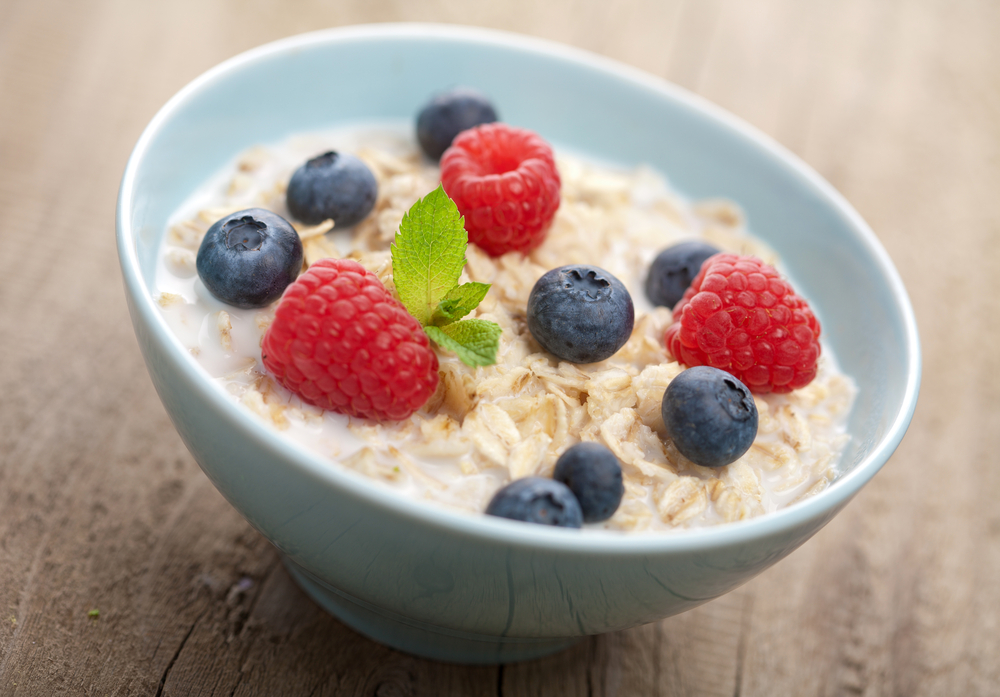
    • Porridge, milk and raisins/berries
    • Breakfast cereal with milk
    • Bread roll with cheese/meat filling + banana
    • Pasta, rice or noodles with tomato sauce, lean meat eg. chicken, vegetables
  • Up to 1 hour before
    • Fluid for hydration: 200mls fruit juice/water/skimmed milk

 Early morning sessions: If training or competition is first thing in the morning, it is probably not possible to have a meal 3-4 hours before. In these circumstances, have a good meal the night before, then a snack and fluid 1-2 hours pre exercise eg. breakfast cereal and milk, fruit and yoghurt, smoothie or milkshake.

After exercise:

Ensure your child has a snack, or a meal following training. Carbohydrates replenish the muscles with glycogen for energy, while protein repairs and rebuilds muscle tissue. Sports protein shakes or supplements are unnecessary and not advised.

Post-exercise snack ideas (follow within a few hours with a meal):

  • Homemade shake – blend 200ml milk, tablespoon yoghurt, banana, tablespoon honey
  • Low fibre breakfast cereal  eg. Cornflakes/Rice Krispies and milk
  • banana and yoghurt/milk
  • Bread roll or sandwich with cheese/meat/fish filling

Rehydration

It is highly likely that your child will finish training with some degree of dehydration, therefore it is important to replace these fluids as soon as possible after the session. Aim for 200ml fluid with an hour of finishing.

Body image and Disordered Eating

In some sports there is pressure to ‘not get fat’/stay lean or to bulk up to enhance performance Eg. Gymnastics or rugby.

Any such pressure can have the opposite effect – unhealthy eating patterns, restrictive eating (anorexia), or bingeing (bulimia).

Poor nutrition, resulting in weight loss, can cause anaemia, reduction in muscle power and performance, weak bones, poor concentration and increased injury risk

Tips for parents:

  • Do not weigh your child (unless specifically asked to do so for medical reasons)
  • Do not discuss calories or fat, unless raised by your child.  Approach in a positive manner e.g. food gives us energy for exercising and being strong. Healthy fats are important for us to be healthy.
  • Talk about food being nutritious, for making us strong, repairing cuts in our skin, building our muscles, giving energy for running fast etc.

Written by Sarah Danaher, Registered Dietitian, Accredited Sports Dietitian

Registered Dietitians are the only qualified health professionals that assess, diagnose and treat diet and nutrition problems.

If you have any concerns regarding your child’s or family’s diet, then please don’t hesitate to contact me:

danahersarah@yahoo.co.uk

www.sarahnutrition.com

07758 100727

Coconut Water – worth the hype?

Since the introduction of coconut water to the UK market, sales have sky rocketed, helped by its rapid take-up among celebrities and high-profile investments from beverage companies. The UK coconut water industry was be worth £100m in 2014.

image

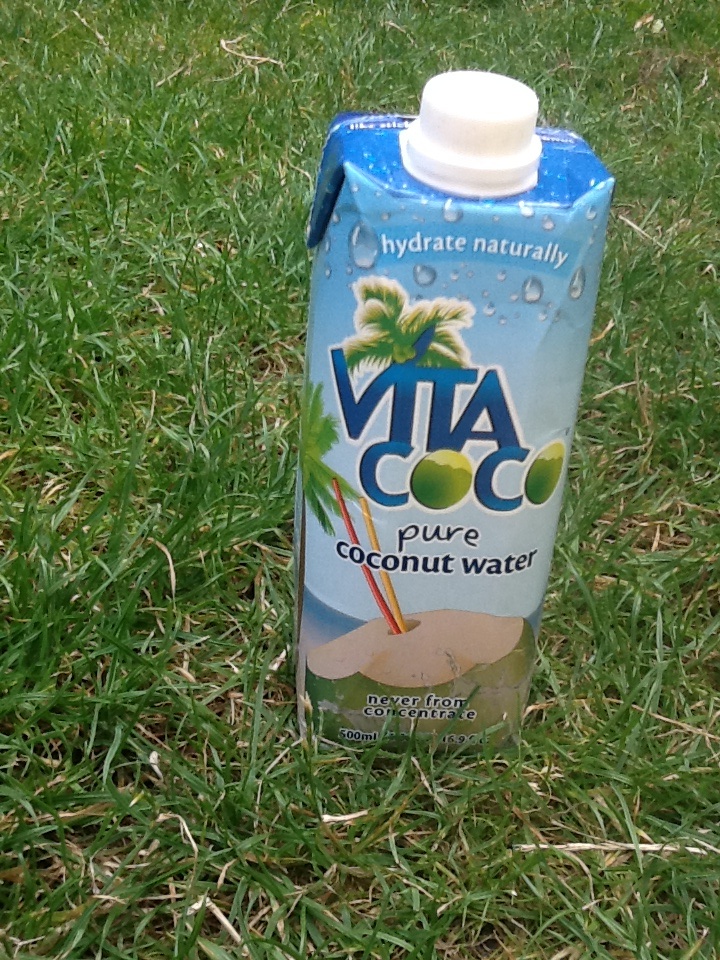
Vita Coco coconut water

Vita Coco accounts for 94% of UK coconut water sales in the UK, and is available everywhere from Selfridges to Tesco’s. So what do Vivia Coco say about their product, and does it live up to these claims?

  • all natural – true, taken from young coconuts, some added vitamin C
  • super hydrating – true, water and other sports drinks also super hydrating
  • fat free – true, water and sports drinks also fat free
  • cholesterol free – true, all fruit & vegetables are cholesterol free
  • potassium packed – true, same amount as 2-3 bananas
  • nutrient stacked – not really – has great amounts of vitamin C, very little of any other nutrients.

So as you can see, most of the claims are true. However, water and other sports drinks also carry the same benefits. The extra potassium could be of benefit for people who have a poor intake of fruit, vegetables and dairy.

Staying hydrated is one of the most important things for recreational and professional athletes. If you are exercising for under an hour, and if the taste of coconut water helps you drink plenty of fluids, it is a fine choice for most people, but water is just as good.

For those exercising strenuously and for longer than an hour, especially in hot conditions where perspiration is high, you need easily absorbed carbohydrate for quick energy and to replace lost electrolytes like sodium and potassium. Coconut water doesn’t have the ideal levels of carbs or sodium. For post exercise, it has neither the calories, carbohydrate or protein required for optimal recovery.

My advice?

It’s a healthy replacement for sugary fizzy drinks or fruit juice, as with 90kcal per 500ml carton, it has half the calories. However, it provides no extra hydration benefits over water for the average recreational exerciser. For strenuous and prolonged exercise it is fine, but would need to be taken with a snack for extra sodium and carbohydrate.

Boosting immunity to stop getting sick

It’s an unfortunate inevitability that at some time or another, illness will descend upon any work place.

Gastroenteritis can be difficult to avoid and in environments where there is close contact, it can spread like wild fire. Washing hands is vital to avoid infection, alcohol gel can also be used, but is not as effective as thorough hand washing. Here’s what the NHS says on medical treatment.

From a food point of view, it is especially vital for athletes to try to maintain nutritional intake to prevent muscle wastage and maintain energy levels. Easier said than done when you can’t keep anything down! If possible, and even if there is no appetite, small amounts of plain food and higher calorie fluids eg. toast, fruit juice, breakfast cereal, plain biscuits, or any food that you feel you can tolerate should be eaten.

It is possible that following recovery from gastroenteritis, the gut may have become intolerant to lactose (milk sugar), causing continued diarrhoea, and possibly abdominal pain and bloating. This is because the enzyme, lactase, which breaks down the lactose has been affected. Normal milk can be replaced with Lactofree Milk, tolerance to other dairy products varies. A dietitian can advise further on lactose avoidance.

In a previous post, I discussed the numerous reasons for lowered immunity during training for athletes:

  • repeated cycles of heavy exertion
  • exposure to germs and bugs
  • mental stress
  • lack of sleep
  • poor nutrition
  • weight loss

The first two points, repeated cycles of heavy exertion, and exposure to bugs certainly apply to the London Irish squad in pre season training, hopefully less so the mental stress, lack of sleep, poor nutrition and weight loss.

So what can be done to reduce the possibility of becoming ill?

Nutritional immunology is a rapidly growing area, and four key principles have emerged:

1. Almost all nutrients in the diet play a crucial role in immunity. A varied, healthy diet provides all these nutrients in most healthy adults, and mega doses of vitamin/mineral supplements do not “boost” immunity above normal levels.

2. Poor energy and nutrient intake can reduce the immunity and susceptibility to germs and bugs. Poor protein intake reduces immune function and strongly increases risk of various types of infections.

3. Some nutrients (glutamine, arginine, fatty acids, vitamin E) provide additional benefits to immunocompromised persons (e.g. the frail elderly) or patients who suffer from various infections. Currently there is a lack of evidence to support the use of these in preventing exercise-induced immune suppression and protection from infection.

4. Some supplements may prove useful in countering immune suppression for healthy adults during unusual mental and physical stress e.g. omega-3 fatty acids from fish oils reduce inflammatory responses.

CARBOHYDRATES

Of the various nutritional countermeasures that have been evaluated so far, carbohydrates before, during, and after prolonged or intense exertion has emerged as the most effective way to ensure less of a negative effect on the immune system. Athletes intent on reducing body fat by avoiding carbohydrates should be aware that this may impact on their immunity.

shutterstock_85815004Strategies to ensure good carbohydrate stores to optimise immunity:

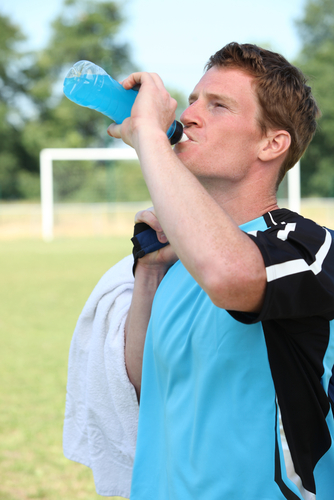
  • Have a carbohydrate-based snack before you start high intensity training, particularly hard morning training.  If you are unable to tolerate something before you start exercise, have a source of carbohydrate during the session such as a sports drink (6-8% carbohydrate)
  • Have a carbohydrate-based snack shortly after training to start the recovery process.  This is of particular importance for athletes training more than once a day with limited time to recover for the next session.
  • Base meals around nutrient-rich carbohydrate-containing foods and fluids.  Rice, pasta, bread, cereals, fruit, starchy vegetables and low-fat milk and yoghurt are nutrient-packed carbohydrate-containing
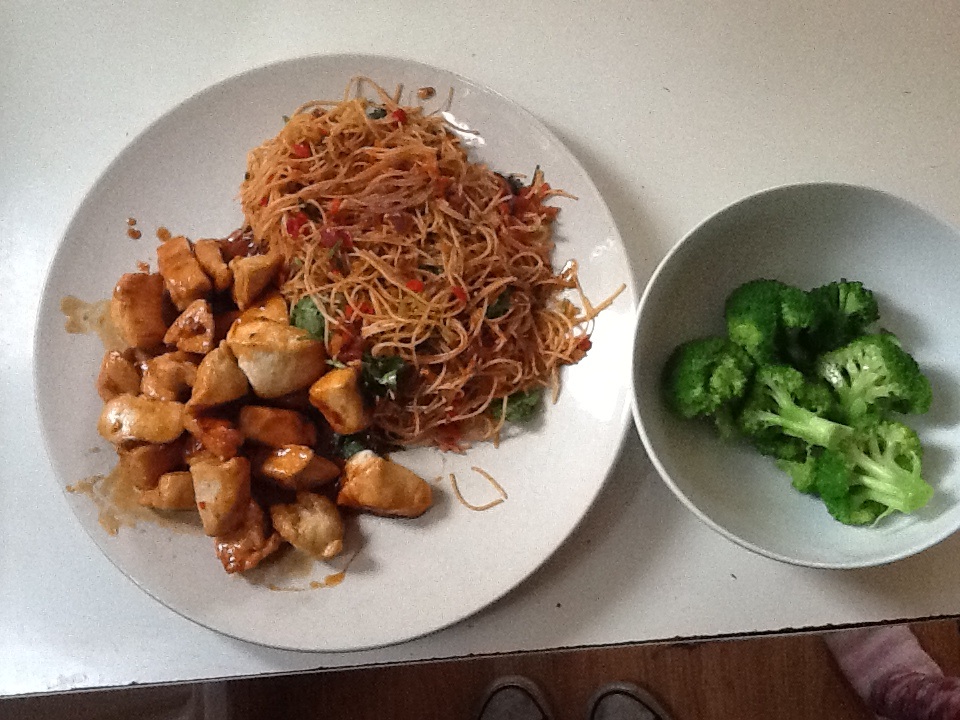
    Balanced meals with carbs, protein & veg

    Balanced meals with carbs, protein & veg

    choices. The aim is to match daily carbohydrate needs with an appropriate amount of carbohydrate-containing foods and fluids throughout the day.

PROBIOTICS

images-2

Probiotics may benefit athletic performance indirectly by maintaining gut function and health, preventing the immunosuppressive effects of intense exercise, and reducing susceptibility to illness. Substantial evidence exists indicating that probiotics can reduce susceptibility to acute infectious diarrhoea (athletes may be particularly susceptible during foreign travel). Probiotics come in tablet or liquid form eg. Yakult. Tablets tend to be more potent, and are available from health food shops.

A balanced and nutrient rich diet is fundamental to avoiding illness for those undergoing intense physical exercise. Current opinion is that athletes should invest in nutrient-rich foods and fluids that provide sufficient energy and a wide range of vitamins, minerals and other important chemicals, such as phytochemicals, found naturally in foods. When this is not possible the use of supplements such as multi vitamins and omega-3 fish oils.

Pre season training – a day in the life……

7 weeks in to pre season training, and we’re starting to feel the physical strain. Pre season (June-August) is the time when fitness and strength training are pushed to the extreme in preparation for the playing season ahead. I say ‘we’re’ starting to feel the strain as having a husband in pre season training is like adding another child to the equation. His exhaustion at the end of the day renders him pretty much helpless!

This morning, Monday 22nd July, sees that start of ‘Over-load Week’, when the boys are pushed even more physically, with the reward of a week off from Sunday. As I sit here typing at 6am, Dec’s alarm is jolting him out of his comatose state. With the first training session at 7.15am, he needs to be up with enough time to fit in the first meal to allow it to digest. Here’s the schedule for today:

7.15am: 45 minutes weights (‘hypertrophy’ short, sharp and intense lifting, to increase muscle mass)

8am: breakfast

8.30am: stretching session

10am: 1 hour rugby training

11.30am: 1/2 hour conditioning (fitness/running)

12pm: lunch

2.30pm: Weights (legs)

4pm: afternoon meal

4.30pm: physio/massage

6ish +: return home

So it’s a long day of weights, rugby and fitness training. The forecast for today is 32 degrees C…………..so on top of food and snacks, fluid, fluid, fluid is as important to maintain hydration.

After the long day at the Sunbury training ground, Dec will return to (ahem) our tranquil home. Perhaps I will rephrase that. Dec will return home to the tears and tantrums lively and spirited debates between our two girls (6 and 3), and our 1 year old toddler, who is going through a clingy/moaning phase. All the poor man wants to do is just sit down and zone out (reminds me of that quote from Winnie the Pooh: “Sometimes I sits and thinks, sometimes I just sits).

With 3 kids entertain, shopping, cooking, cleaning etc. etc. an extra body sitting near comatose on the sofa can be, to be polite, frustrating. However, I have to remind myself that recovery and rest are a fundamental phase of training, as important as the physical sessions throughout the day.

The huge calorie intake needed to meet the requirements of the extra physical activity AND to promote weight gain, can be tricky to achieve. Even with a personal dietitian who also happens to be his wife at his disposal.

I always say that an athlete can meet their nutritional needs using real food, with supplements eg. protein/recovery drinks/bars, used to support the diet if necessary. Real food gives a multitude of vitamins, minerals, antioxidants, phytochemicals, fibre, fatty acids, as well as probably many other substances that science not discovered yet. A manufactured product simply cannot replace a meal for nutrition.

Dec, being Dec, has taken this on board, wanting most of his nutrition to come from food, with recovery/energy drinks used a few times during training. In theory, this is music to the ears of a dietitian. However, in practise this means 5 meals per day, which is tedious (shopping, cooking, cleaning up), not to mention expensive.

Rob, the Strength & Conditioning coach at London Irish, has the boys on strict diets to meet their various nutrition and training needs. Dec’s aim is to increase weight from 100kg to approximately 105kg, while maintaining body fat at 10%. He’s on target, having upped the weight to 102.5kg (that half kilo is VERY important!)

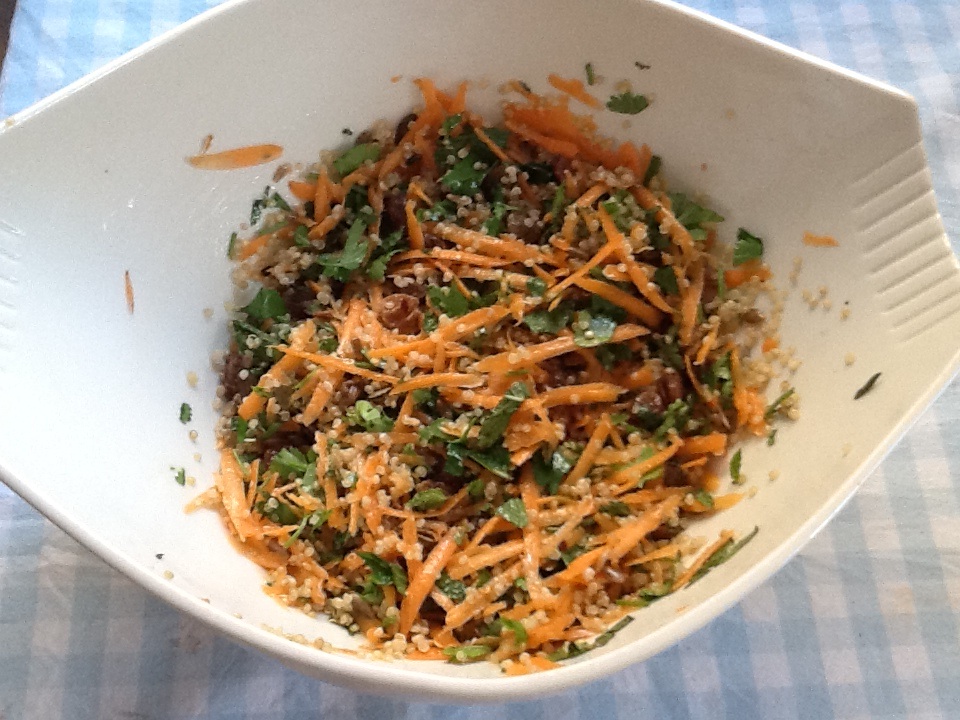
Meals yesterday: porridge; bagel & scrambled eggs; salt beef ciabatta; pasta with pesto, chicken, pepper & spring onion; salmon, rice, happy carrot salad; wrap with chicken & coleslaw.

happy carrots

happy carrots

Snacks/training: apples, yoghurts, almonds, recovery drinks, energy drinks.

image

almonds, yoghurt, apple