8 reasons you’re exercising more and not losing weight

So you’ve started eating better, walking more, going to the gym, or you’re training for a 5km race. Brilliant! You expected the weight to drop off, so why aren’t you seeing RESULTS?

Here are 8 top reasons:

  1. You are ‘good’ all day with your eating and are distracted enough to avoid eating too much. But by the evening you are hungry and attack the bread, cheese, breakfast cereal, biscuits, ice-cream etc. This is the most common mistake I see my clients making. You need to eat more during the day to stop the evening over eating.
  2. Exercising can result in an increase in your appetite, so you eat more. If you are genuinely more hungry, ensure you are eating protein at each meal (eggs, fish, chicken, cottage cheese are great choices), lots of fruit/veg, a high protein yoghurt, milky coffee or tea, water. Consider bringing a meal forward by an hour if you are ravenous.
  3. You eat more before and/or after your session to fuel the exercise. One of the most common mistakes I see is someone having a milkshake drink after 40 minutes in the gym to aid recovery, often followed with in a few hours of a normal meal. A typical bottle of milkshake will provide 300-400kcal, essentially replacing the calories you’ve just burned off. If you are exercising to lose weight, then you need a calorie deficit ie. burning more than you eat/drink.

    Post exercise shakes have their place, but watch the extra calories!

    Post exercise shakes have their place, but watch the extra calories!

    Although extra food/drinks may be necessary for long and strenuous workouts, for shorter workouts less than an hour, the need isn’t as significant. Normal meal and snacks around exercise should be enough eg. snack of an apple or banana 1-2 hours before a workout, yoghurt after.

  4. You are trying to be too healthy – yes really! You’re think you’re doing all the right things – snacking on nuts or rice cakes with peanut butter; lots of avocado in salads; extra pumpkin seeds and flaxseed in your porridge. Thing is, even healthy fats are high in calories: a tablespoon of most nutty things  have about 120 kcal. Half an avocado has about 150 kcal. They all add up.
  5. You think you can eat what you want because you exercise – if only! A 3 mile run will burn approximately 300 kcal. Not an excuse to have 6 biscuits or a whole pizza. Rewarding yourself with high fat/calorie ‘treat’ food can cancel out the good work done. Even professional athletes who have multiple training sessions each day have to be careful with their diets.
  6. You need to change your workout – you run for 40 minutes three times a week, or sit on a exercise bike and do some crunches. Your body adapts to what you do day in day out. You need to challenge your body. If you want to change, you need to change what you are doing!
  7. You sit down for the rest of the day – You have an intensive workout for an hour, so you don’t feel so bad about taking the car for journeys that you could walk. You need to stay as active as you can, humans are born to move. If you feel too exhausted to do anything but sit down for the rest of the day, you are probably over doing the exercise.
  8. Finally, if you feel that you really are exercising more and not over eating, you should visit your GP as you may have an underlying health condition e.g. Polycyctic Ovary Syndrome or under active thyroid. Signs of PCOS include irregular periods, acne, hairiness, anxiety/depression. Under active thyroid symptoms include feeling cold, tired, dry skin, constipation and depression. If you suspect

Rehab Nutrition – 5 ways to speed recovery

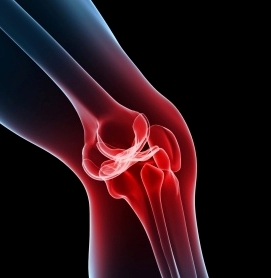
We’ve had our fair share of injury in this house, from the 5 year old’s fractured arm while twirling herself around the living room, to my husband’s two anterior cruciate ligament tears while playing rugby images-1(as well as the relentless string of other more minor injuries). A ligament tear may not sound as serious as a fracture, but in reality for him it meant knee operations, 9 months of rehabilitation and not being able to play. As anyone who loves their sport knows, recovery from an injury can be very hard both physically and psychologically.


Luckily, in the professional era of sport, the medical team supporting the imagesrehabilitation is second to none. Surgeons, physiotherapists, rehab specialists, strength and conditioners etc are all trained and experienced in getting players back to fitness ASAP.

But is there a role for nutrition in the rehab process? In my experience of working individually with professional and elite sports, specific nutrition advice for aiding the rehab process is nearly always over looked. For athletes immobilised or severely restricted in level of training by their injury, I have found that many can go in one of two directions. Both are detrimental to the recovery, healing and return to full fitness process:

  • Weight and fat gain: Overeating due to carrying on with the usual nutritional intake without adjusting quantities to compensate for a reduction in activity. Comfort eating is also very common due to feeling very down/depressed about the injury and the physical pain, lack of certainty about the recovery, exclusion from training etc.
  • Weight and muscle loss: under eating to compensate for the immobilisation and reduction in training, or as a method of controlling the situation (can result in disordered eating patterns)

Is there a better way? Can nutrition actually speed up the rehabilitation process? A review of research published last month in Sports Medicine (Tipton, 2015), as well as some other sport nutrition research has come to some important conclusions. As well as stimulating the muscles as early as possible post injury with pool work or electrical stimulation, these 5 nutrition points should be considered:

  1. Stay in ‘energy balance’. i.e. eating the right amount of calories to keep weight stable. Under eating has detrimental effects on wound healing and increases muscle loss.
  2. Protein intake needs to be high to prevent muscle loss and to stimulate muscle synthesis (0.3g/kg/meal or 2-2.5g/kg/day). Protein foods should be at EVERY meal
  3. Omega 3 fatty acids may be helpful to reduce long term inflammation and prevent muscle loss
  4. Creatine may encourage muscle growth – 10g/day for 3 weeks, then 2g/day after this
  5. Calcium and Vitamin D is needed for optimal healing of bone fractures

Food during the days, weeks and months of rehab should be the cornerstone of recovery nutrition and should be as wholesome as possible. There should be some consideration for specific supplementation if necessary and appropriate. For example, in the UK during the winter months it is not possible to get enough vitamin D from the sun, so supplementation is needed; if oily fish isn’t eaten an omega 3 supplement should be taken. Ensure Unknown-1supplements are certified by Informed Sport.


A Sports Dieititan specialises in assessing the athlete and in making specific adaptations and recommendations for the diet to ensure return to fitness ASAP. Psychological support by a dietitian can prevent or reduce binge eating/under eating/disordered eating behaviours.  We provide tailored advice on calorie requirements; and the amount, timing and best sources of protein, omega 3 fats, creatine, calcium and vitamin D.


Chicken Curry in a Hurry

IMG_0320

Unknown

A quick, easy, healthy and tasty recipe for chicken curry.


When time and energy are in short supply, but you want a super healthy dinner, this is perfect. I usually knock this up in about 20 minutes (in-between refereeing bickering children and negotiating their homework)
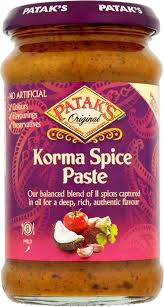
  • 4 ingredients: onion, tinned tomatoes, chicken breasts or roast a chicken and shred, Patak’s Korma Spice Paste
  • very quick and very easy
  • chocablock full of anti inflammatory nutrients (quecertin from onions, vitamin C and lycopene from tomatoes, and turmeric,  cumin, garlic in the spice paste)
  • High protein: from the chicken, excellent for your muscles and keeps you feeling full up
  • Not too spicy: my children will even eat it

What to do:

  1. chop up a large onion, fry on a medium heat in a tablespoon on vegetable or coconut oil for a few minutes until soft.Unknown
  2. add the 1 tablespoon of the spice paste (more if you like a stronger flavour)
  3. add the diced chicken breasts/chopped up roast chicken – coat in the spice paste, cook for a few minutes
  4. add the chopped tomatoes – allow about half a tin or carton per person
  5. simmer for about 20 minutes, longer if you prefer a drier sauce

Serve with rice or in a jacket or sweet potato……lovely to soak up the juices 🙂

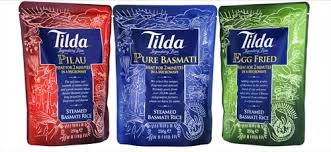
Short cuts for when you’re too knackered or just don’t have the time: use frozen chopped onions, ready cooked chicken and microwaveable pouches of riceUnknown-5

Unknown-4


To add some extra nutritional oomph:

  • coriander/spinach, stir in at the end. If you cook it for too long it wilts away to nothing. Lots of antioxidants and phytochemicals
  • tomato puree – for some concentrated lycopene
  • wholegrain rice – extra fibre, more filling and more slowly  than white rice so keeps the blood sugar levels steadier

The Surprising Protein Source we’ve forgotten about!

I know, I know, cottage cheese……… it’s not very cool and seems to have been relegated to the 80’s as a diet food, aerobics workouts, lycra leotards and Ryvita. For most of us it just doesn’t feature on theimages shopping list.

We could be missing out…..cottage cheese is, in fact, the perfect healthy protein source. Not only highly nutritious, it’s also relatively cheap (65p for a 300g pot in Lidl), and incredibly convenient. Stick a pot in your fridge and you can prepare a healthy snack or meal in minutes.

Nutrition Facts: low in carbs and loaded with proteins, cottage cheese is very filling and will keep your muscles in top condition. It is also high in micronutrients like calcium, vitamin B12, vitamin B2. 1 cup of cottage cheese has more protein than a scoop of protein powder, 4 eggs or chicken breast.images-2images-1

Whether you are a sitting at your desk all day and need to watch your weight, a 110kg rugby player needing to bulk up on muscle, or a 70 year old granny,  load it up on a piece of wholegrain toast, in jacket potato, or with some chopped tomato and avocado.

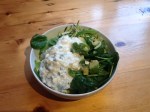
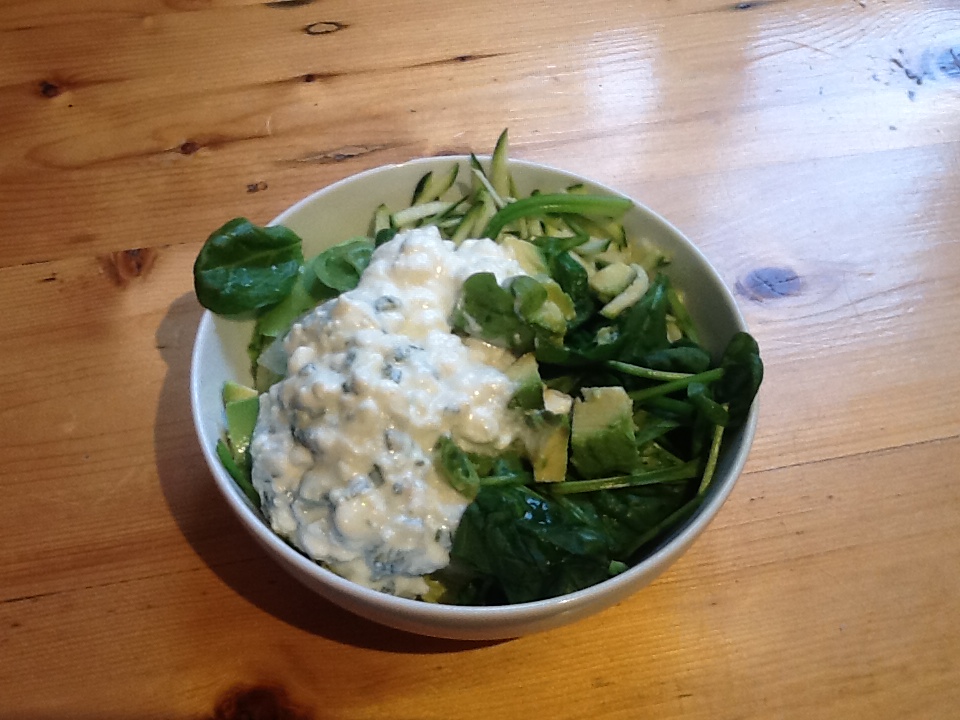
Easy lunch today: cottage cheese, avocado, spinach, lettuce and olive oil.

Easy lunch today: cottage cheese, avocado, spinach, lettuce and olive oil.


Here are some new ways to use it, especially good if you’re not keen on the texture.

High Protein Smoothie: (350kcal, 52g protein, 23g protein) a perfect quick breakfast, or as a snack if you are highly active or wanting to gain weight. Blend 200ml semi skimmed milk, 1/2 cup cottage cheese, 1 banana, 1 tablespoon honey

High Protein Pancakes (500kcal, 35g carbs, 40g protein):
1/2 cup cottage cheese
1/2 cup oats
3 eggs
Optional ingredients for extra oomph: cinnamon, cocoa powder, desiccated coconut, raisins
In a bowl or blender, whisk/mix all the ingredients together.
Fry in a non-stick pan with a little oil or butter on medium heat.

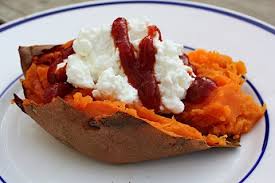
Sweet Potato with Curry Cottage Cheese (375kcal, 57g carbs, 22g protein, vitamin K, A and C)

Simply microwave a sweet potato for about 8 minutes. Open a small pot of cottage cheeseUnknown and mix in 1 teaspoon of Patak’s Korma Spice Paste (more if you like a stronger flavour). Load in to the potato and serve with something green, like spinach, broccoli or peas. The spice paste contains turmeric and cumin, both which have potent anti-inflammatory properties.

If you are lactose intolerant, too much cottage cheese can provoke all your tummy symptoms, so don’t have anymore than 2 tablespoons.


Bigger, Faster and Stronger – with 5 no nonsense tips

Athletes who are serious about achieving their full potential, need to provide their bodies with the best fuel. When I first meet with clients, for many, their aim is “just to get bigger, faster and stronger”.

Telling an athlete to “eat more” or “have an extra protein shake” is not good enough. The nutritional quality of the food (the ‘micronutrients’: vitamins, minerals, phytochemicals, antioxidants etc.), as well as the ‘macronutrients’ (protein, carbohydrate and fats) are Unknown-1pivotal to reaching these ‘bigger, faster, stronger’ goals.


Here are 5 essentials for getting bigger and stronger:

  1. Eat more: to increase weight and muscle, you need to eat more calories than are being used up in training. For elite athletes it is not unusual to need 4000kcal+. These need to be ‘good quality’ calories, not junk food. Whatever you are eating now, you need to add at least 500kcal per day, and be lifting weights in the gym. A more accurate assessment of calorie needs can be made by a nutritionist/dietitian.
  2. A good protein intake is needed for muscle growth: daily lean protein from chicken, turkey, pork, fish, eggs, yogurt, milk, nuts, seeds, peanut butter etc., rather than sausages, bacon and ham. How much is needed depends on the individual. Aim for approximately 2g/kg.
  3. Good quality carbohydrates are essential for adding calories for muscle growth and recovery: Wholegrain bread, pasta, rice, granola, muesli, oats at each meal and snack. Don’t be tempted to go low carb if you are training daily. This can result in poor muscle gain, recovery and performance.
  4. Eat vegetables at each meal. Frozen, fresh, raw, boiled, microwaved, stir fried, in a smoothie, vegetable soup, tomato pasta sauce; it doesn’t matter in what form. Just eat more.
  5. Eat salmon, sardines, mackerel or fresh tuna twice a week – these are potent anti inflammatories, so essential for muscle recovery and reducing soreness. Take an omega 3 supplements if you don’t like fish

Protein and Creatine monohydrate supplementation can also be considered once the above 5 points are in place.

More ways that eating well will benefit you:

  • Strengthening the immune system – 70% immunity is in the gut, treat it well with good nutrition and sickness from flu and stomach bugs are less likely. Individual players, and teams, cannot afford to be unnecessarily sick. The right food protects you from illness. It is the players with poor diets who are frequently sick.
  • Faster recovery – any training session, whether on the pitch or in the gym provokes muscle damage. What you eat before and after has a significant impact on how fast and how well recovery happens.
  • Feeling ‘better’ and more energetic – heavy training volumes will inevitably cause tiredness, but this will be made worse if the best fuel is not being made available. Carbohydrates are often overlooked in favour of protein, but are essential to prevent fatigue.
  • Promoting better sleep – a happy ‘side effect’ of improvements in diet
  • Improved brain function – for faster mental processing and split second decisions on the pitch – the brain is made up of healthy fats which come from the diet


More than Macros

4 no effort meals

Anti-inflammatory Shopping List

You would think that a wisdom tooth extraction on Thursday, followed by a painful knee injury during a 9 mile run on Sunday, would have left me reaching for the ibuprofen and  paracetamol. But there was no pain from the tooth after the anaesthetic wore off (I promise you, none!), and the knee was completely better with in days.

Can what you eat reduce inflammation and pain, allowing you to recover more quickly than expected? Food can have a surprising impact on injury recovery, as well as on the development of long term health conditions………..

Inflammation can be acute or chronic.

Acute inflammation is a normal and short-lived response (lasting minutes to days) to injury, irritation, or infection, and leads to redness, swelling, heat, and pain at the affected site.

Chronic inflammation is a long-term response (lasting weeks, months, or years) to factors such as poor nutrition, stress, and processes related to ageing. It is a contributing factor in heart disease, diabetes, high blood pressure, diabetes, skin conditions and nonalcoholic fatty liver disease, rheumatoid arthritis, as well as numerous cancers eg. colorectal, gastric, esophageal, pancreatic, breast, endometrial, ovarian.

Athletes & Inflammation Increased muscle stress and inflammatory responses among athletes have been reportedDeclan+Danaher consistently in research. Athletes are also more susceptible to longer term injuries often requiring surgery. In order to train and compete without pain, it is not unusual to take anti inflammatory medication daily. The problem with taking this medication long term is that it can cause harm to the digestive system e.g. stomach bleeding, kidney problems and potentially the development of allergies.

Is it possible that a high intake of anti inflammatory foods, coupled with a low intake of inflammation provoking foods, can reduce tissue inflammation? Before my wisdom tooth extraction and after the knee injury, I made sure that I increased my intake of anti inflammatory food (sardines, salmon, flaxseed, ginger, veg and omega 3 supplements). Is it possible that this food reduced the inflammation and pain?

Nutrition and Inflammation – the evidence

Nutrients play a key role in both promoting and reducing inflammatory processes. There is a wealth of scientific studies linking nutrients with inflammatory processes coming from laboratory, clinical, and epidemiologic studies.

In a 2006 study published in the Journal of the American College of Cardiology, scientists found that diets high in refined starches, sugars, saturated fats, and trans fats appear to turn on the inflammatory response. But a diet rich in fruits, vegetables, whole grains, and omega-3 fatty acids along with regular exercise and not smoking, seems to cool down inflammation.

Evidence links traditional dietary patterns such as the Japanese and Mediterranean diets with lower disease rates. Both diets have characteristics linked with lower inflammation levels. The traditional Japanese diet is low in fat, sugar, flour, and dairy and high in fish, vegetables, sea vegetables, rice, green tea, fruit, and soy foods, while the Mediterranean diet is low in meat and sugar and high in fish, whole grains, olive oil, fruits, and vegetables.

Causes of inflammation:

  1. Too many calories – eating too much and being over weight

    Trans fats (hydrogenated oil)

    High Glycaemic Index carbohydrates

  2. Excess high glycaemic index carbohydrates – sugar, white bread, white rice, white pasta, cakes, biscuits
  3. Trans and omega 6 fats – processed foods, soybean, corn, safflower, sunflower oil
  4. High ratio of omega-6 to omega-3 fats – too much omega-6 and too little omega-3 fats


So what can you eat to help to reduce inflammation? Here’s an excellent list!

Anti inflammatory shopping list 

Oily fish (omega 3): absolutely top of my list: salmon, mackerel, sardines, fresh tuna. If you don’t like oily fish, then take omega 3 supplements (1000mg EPA/DHA per day)

images-2Fruits – any!

Grains
 – Brown rice, 
Bulgur, Oats, 

Quinoa, Whole grain stone-ground breadsimages-6 copy

Spices – tumeric, ginger, garlic,

Legumes and Seeds 
- Chickpeas,
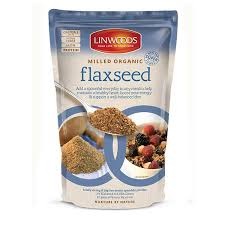
 Beans, Flaxseed,
 
Lentils, Pumpkin seeds, 
Sesame seeds,
 Soybeans/edamame,
 Sunflower seeds, 
Tofu, 
Walnuts

Oils – olive oil, 
Vegetable (rapeseed) oil, 
Flaxseed oil, Walnut oil

images-4

Vegetables – any!image

Miscellaneous Items
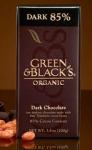
 Dark chocolate (at least 70% cocoa)
 Red wine (in moderation)
 Tea (green, white, or black)

Anti inflammatory Menu:

Breakfast: Seriously Healthy Pancakes or Summer Oatspancakes-with-berries-and-cream

Lunch: Tomato & Lentil Soup or Burgen Bread with smoked salmon & avocado

Dinner: SuperFood Salad or Jacket Potato with Beans & Coleslaw


Buyken A, Goletzke J, Joslowski G, Felbick A, Cheng G, Herder C, Brand-Miller J. (2014) Am J Clin Nutr 99(4):813-33 Association between carbohydrate quality and inflammatory markers: systematic review of observational and interventional studies.

Calder P.C. (2012) Proc Nutr Soc. 71 (2):284-9 Long-chain fatty acids and inflammation.

Giugliano D, Ceriello A, Esposito K. (2006) The Effects of Diet on Inflammation: Emphasis on the Metabolic Syndrome. J Am Coll Cardiology 48(4):677-685.

Kim W, Lee H. (2013) Nutrients (11):4305-15 Advances in nutritional research on regulatory T-cells.

Kim J, Lee J. (2014) J Exerc Rehabil 31;10 (6):349-56. A review of nutritional intervention on delayed onset muscle soreness.

Palaska I, Papathanasiou E, Theoharides TC. (2013) Eur J Pharmacol. 15;720 (1-3):77-83

Use of polyphenols in periodontal inflammation.

Salas-Salvadó J, Garcia-Arellano A, Estruch R, Marquez-Sandoval F, Corella D, Fiol M, Gómez-Gracia E, Viñoles E, Arós F, Herrera C, Lahoz C, Lapetra J, Perona JS, Muñoz-Aguado D, Martínez-González MA, Ros E (2008) Components of the Mediterranean-type food pattern and serum inflammatory markers among patients at high risk for cardiovascular disease.Eur J Clin Nutr ;62  (5):651-9.

Salas-Salvadó J, Casas-Agustench P, Murphy MM, López-Uriarte P, Bulló M. (2008) The effect of nuts on inflammation. Asia Pac J Clin Nutr;17 Suppl 1:333-6.

Simopoulos, A. P. (2008) Exp Biol Med 233(6):674-88. The importance of the omega-6/omega-3 fatty acid ratio in cardiovascular disease and other chronic diseases.

4 no effort meals

Most of my sports clients struggle to put the theory of macronutrients, calories, protein and carb grams in to practical day to day meals and snacks. Unless they have a special interest in nutrition, the last thing any player or athlete in training wants to do is to analyse food labels for carbs/protein/fat, or search for the hottest ‘superfood’ ingredient. Passing out on the sofa is mostly what is needed!

So here are four easy, no effort meals using food you can get from any supermarket. All are balanced for protein, carbohydrate and healthy fats, not forgetting important vitamins and minerals from veg. (Quantities depend on the individual, your S & C coach/nutritionist or I can help with that).

Meal 1

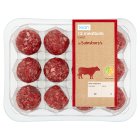
4002359642685_LMeatballs, tomato sauce, pasta, broccoli. Cook the meatballs in a frying pan with some olive oil until brown on the outside, add the Dolmio, simmer for 10 minutes. Cook pasta, broccoli: boil/steam in microwave. 600kcal meal: 6 meatballs in the sauce provides 30g protein, a mug of cooked pasta 50g carbohydrate.

0000001668452_L 0000001723526_L 0000001695977_L

Meal 2

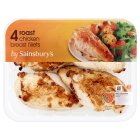
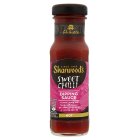
Ready cooked rice, roasted chicken/grilled or stir fried chicken breasts, mixed veg, humous/chilli sauce to dip. Frozen veg can be defrosted/heated in the microwave or boiled in water for a few minutes.

5011157888224_L 0000001093438_L 0000001368420_L 5000197577571_L

Meal 3

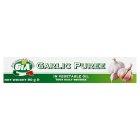
Rice noodles, baby veg stir fried (add olive oil, soy sauce, ginger puree, garlic puree), chop up 1-2 salmon fillets add to stir fried veg. Salmon can be tinned/fresh/ready cooked.

already cooked, just add to stir fried veg

rice noodles – already cooked, just add to stir fried veg

ready cooked salmon

ready cooked salmon

0000001741032_L


8001830533012_L

Meal 4

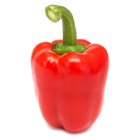
1 or 2 jacket potatoes or tortilla wraps, tin of tuna, tablespoon mayonnaise/natural yogurt, 1 whole chopped up red pepper and 2 chopped spring onions mixed in.

5010228000145_L

Microwave in 5 minutes

Tuna wrap

Tuna mayo wraps with pepper & spring onion

5000171052926_L5000184321606_L

0000000001601_L

Just mix the tuna, chopped pepper, spring onion, mayo and natural yogurt together, and fill the potatoes/wraps.