London Double Header – WAG (!) perspective

The annual London Double Header has come and gone. For those not familiar, this is the first game of the rugby season where the four London premiership teams come together to play at Twickenham Stadium. This year, my husband’s team, London Irish, played Saracens. Saracens won.
That’s my match analysis.
For as much as I am a fan of rugby and enjoy watching a game, if you want rules and tactics, I’m not your woman. It just doesn’t ‘click’. Rugby is in the

Family at a 1939 IRFU dinner

Grandfather at a 1939 IRFU dinner

genes, my grandfather and great uncles played for Ireland and were presidents of the IRFU. From this generation my cousin played for London Irish and Ireland. From an early age, in our family the 5 Nations was an annual event holding all the excitement and anticipation of Christmas (well, maybe just for the adults!) It was a fabulous year if Ireland beat England.

These days I’ve one eye on the pitch, and one eye and hands on the 3 children. They are a welcome distraction, as the nerves of watching London Irish and Dec can be hard to bare!
On Saturday, I could feel the tension really start to heighten after disembarking the train at Twickenham. The mass of bodies is quite spectacular, filling the streets and funnelled by police on horseback towards the stadium. The feeling of immense pride and excitement is one that I will never forget. The girls are bursting to shout to everyone that their Daddy is playing. When we see the match programme with his grinning face on the front they are giddy with excitement. As am I to see him smiling, and not the usual Grumpy Dec grimace!
The, ahem, WAGS (that was actually printed on our ticket!), were lucky enough to have a box with seating outside. This allows the children to entertain themselves inside playing together, colouring in etc. while the mums try to watch the game. I say ‘try’ as with Conor in an ‘adventurous’ phase, he needs to be watched like a hawk. There was a hairy moment when he was gleefully drawing a purple Crayola moustache on Martin Johnson (who leaves a pile of signed England framed pictures stacked in the corner?!) Embarrassing crisis avoided with baby wipes applied to the glass.
After the game, Dec came pitch side for our annual Danaher photo (mammy is imagea little camera shy so happily plays photographer). The stewards can get a bit twitchy about us handing children over the barrier, which is fair enough as they are just doing their job. But we have to be bold and just fire the children over before they can put a stop to our disobedience.
After his shower and change, we met Dec at the Powerday barbecue gathering in the car park (thanks Mr Crossan for the hospitality), then it was a charge down to Twickenham station for the Danaher Clan to catch the train before the hoards from the Wasps/ Harlequins game descended. An hour later, with 3 tired children we were home in Kingston. With the wee ones in bed, Dec and I had a bite to eat.
I was gobsmacked to witness the first ever vegetarian meal Dec has ever eaten. Don’t worry folks, it was the perfect balance of carbs and high value protein for recovery. A massive plate of egg fried rice with peppers and spring onions.
Game day nutrition:
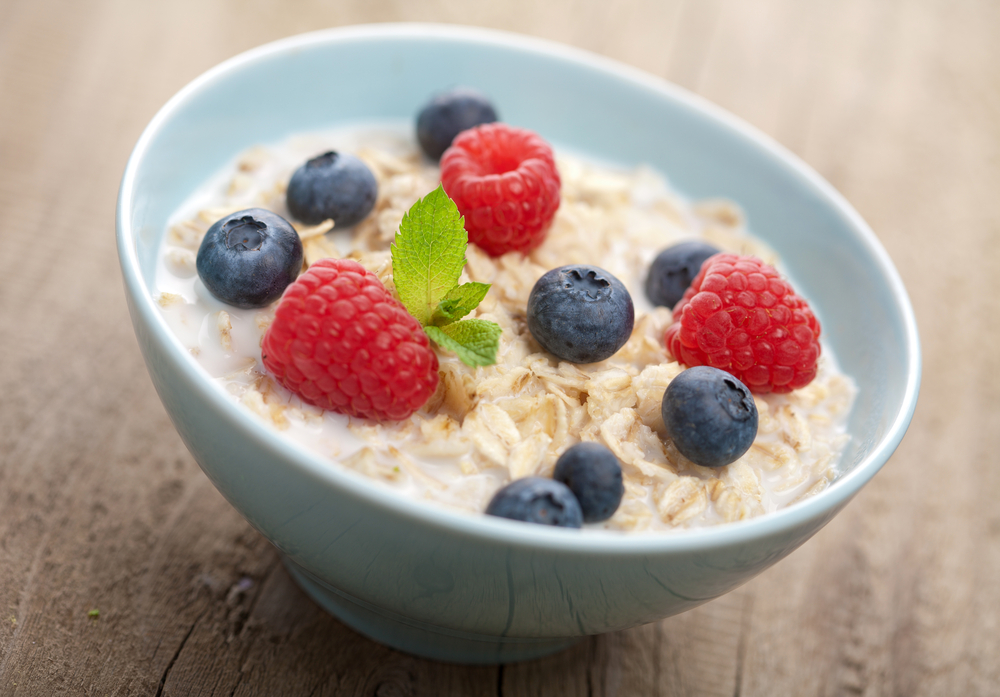
Breakfast 7am : porridge, half bagel with peanut butter and jam
11am: small portion of pasta, smaller portion of bolognaise –
Pre kick off 2pm: sipping on carbohydrate drinks
Post game: slice of pizza, recovery drink (carbs and protein)
Meal at home 7.30pm: egg fried rice
Ingredients: 3 eggs, big cup of cooked basmati rice, 3 spring onions, one pepper.
Ideally, the pre game meal should be something fairly light and easily digested. I would have veered away from the fatty red meat in the bolognaise, as fat and protein take longer to digest. Low fibre carbs, some lean meat and plenty of fluid are the priority. However, each player has his routine and should know how they react to eating pre event. Some eat large amounts, while some eat very lightly. When nerves are high, the last thing anyone wants is the re appearance of Spag Bol on the pitch!

Beetroot Juice – worth the hype?

Beetroot juice has been one of the biggest stories in sports science in recent years, after researchers at the University of Exeter found it enables people to exercise for up to 16% longer.

The startling results have led to a host of athletes – from Premiership footballers to professional cyclists – looking into its potential uses.

images-2

Concentrated beetroot juice (shot)

When consumed, nitrate found in beetroot juice has two marked physiological effects.

  1. widens blood vessels, reducing blood pressure and allowing more blood flow.
  2. affects muscle tissue, reducing the amount of oxygen needed by muscles during activity.

The combined effects have a significant impact on performing physical tasks, whether it involves low-intensity or high-intensity effort.$T2eC16dHJGoFFvPOJJ3UBR0ZfTsjj!~~60_35

Professor Andrew Jones, from the University of Exeter, lead author on the research, said: “The findings show an improvement in performance that, at competition level, could make a real difference – particularly in an event like the Tour de France where winning margins can be tight.”

Beetroot juice is an easy way to quickly ingest a substantial amount of dietary nitrate. However, some may find the taste of beetroot juice unpleasant. Fortunately, beetroots are just one of many vegetables that are high in nitrate. Leafy green vegetables tend to be the top sources.

The dose of dietary nitrate used in the research to reduce the oxygen cost

of exercise, improve athletic performance, and lower blood pressure ranges from 300 to 500 mg. This is about 300-500ml of Beet It 100% Pressed drink.

This amount can also be obtained by eating the following foods:

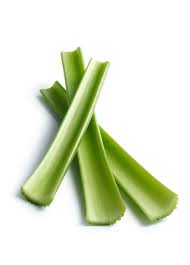
Very high nitrate levels: celery, cress, chervil, lettuce, red beetroot, spinach, and rocket (more than 250 mg/100 g)images-3

High nitrate levels: celeriac, Chinese cabbage, endive, fennel, leeks, and parsley (approximately 100 to 250 mg/100 g)

Ultimately, eating beetroot, drinking beetroot juice, or eating foods high in nitrate is unlikely to increase your exercise endurance unless you are already an athlete and at the peak of fitness. Even for athletes, it is fundamental to get the basics of diet right before putting your faith in nitrates to improve performance.

For most of us, the best way to increase endurance is to exercise regularly so aim to work towards achieving the recommended 30 minutes of moderate intensity exercise, five times a week.

Beetroot recipes


Beetroot Salad – high nitrates for athletic performance

High in dietary nitrates (a very good thing!), recent research has found beetroot improves performance in athletes by 16%. Here’s why.

This is a recipe my Mum has been making for as long as I can remember. I don’t know why it’s called Winter Salad, as we’d usually have it in the summer with quiche (how 80s!)

Ingredients:

  • one apple chopped
  • about 5 slices of beetroot from a jar
  • 2 sticks of celery

Chop each ingredient in to small cubes and mix together in a bowl. No dressing needed!

It’s all about the lucky pants – player superstitions

Professional sports people are notorious for routines and rituals before a big event.

images-1

2nd ACL injury

For Dec, he has same meal every evening before the game and will never wear the number seven jersey, even when playing that position. It was while wearing number 7 that he sustained two consecutive ACL injuries, requiring surgery and 9 months to recover. Rituals can change from year to year, I remember one season there was a particular pair of lucky pants that barely made it to the end of the season in one piece.

I asked some of the rugby wives and partners about pre match rituals………..Matt Parr will always put his left sock on first, and likes to last out of the changing rooms, while Setaimata Sa will never have his hair cut on the day of or day before a game. Tomas O’Leary, being the laid back Irishman, has no such superstitions!

Why do some players need rituals? Before a game, the atmosphere will be intense with anxieties running high. It’s not unusual to have boys throwing up before exiting the tunnel to the pitch. Rituals give a player something to control, a routine can be like a meditation mantra helping to fight back the nerves and keep the sanity. When much of the game is down to chance, such as the bounce of the ball, or an unlucky tackle that could result in injury, a ritual can give some locus of control.

So it is the morning of the second pre season warm up game against Wasps, and we are already in to the Danaher rituals. The day before a game Dec increases his carbohydrate intake to approximately 550g, thats about 100g more than normal. This is to ensure that the muscles are fully loaded with glycogen, the fuel for powering through 90 minutes. Dec divides the 550g between 6 meals and snacks. Here is a list of 50g carbohydrate portions

Yesterday at 5pm he had pasta with pesto and chopped up chicken breasts with spring onion and pepper, followed by a bowl of rice pudding (homemade!), at 8pm it was noodles with tuna, more spring onions and pepper. And more of rice pudding. If all goes well at the game today, this is likely to be the food of choice for at least a few months.

GrumpyOldWoman-300x225

Agnes thinks children should be seen and not heard

The meals weren’t terribly inspiring or gourmet, but it’s fuel. Meals need to be easy and tick the nutrient boxes. Ideally, we would have varied the vegetables in the second meal, as the more variety and colours the better. However, in real life I had three children with me at the supermarket, the 1 year old having just thrown up before we left and the middle daughter celebrating her 4th birthday, so was over excited and not displaying what I would call ‘calm’ behaviour. I was one of ‘those mums’ that people frown at.

So today is match day. Dec will leave for the Sunbury training ground at about 10.30. Until then he lies in for as long as possible, has his porridge, bagel and coffee, then gets his kit together and heads off. He needs to get his head in ‘the right place’, so that will mean that I take the 3 children out so that they aren’t raking around the place heightening the tension. We need to keep things as calm as possible.

Before leaving for the Wasps game in High Wycombe, there will be a meal at Sunbury. Pre match meals should be high carb, low fibre and low fat for easy digestion. I’m not going to the game with the children today, but will be keeping a close eye on the Twitter updates from London Irish, then nervously awaiting the phone call after the final whistle to tell us than he’s come through in one piece . Until then, I’ll be crossing my fingers, avoiding walking under ladders and looking for black cats crossing the road.

Recovery Nutrition – supplement drinks

Post-exercise nutrition can improve the quality and the rate of recovery after a bout of serious exercise, such as a one hour swimming, a weight training session, or a longer run. Post workout nutrition for recovery is also important if you will be exercising within 8 hours of your last session.

Recovery – the essentials

Research has shown that nutrition ingested right after training, and up to two hours later can drastically improve one’s recovery time. Ideally, this should be a meal consisting of protein, carbohydrate and fruit/veg, or for convenience a recovery drink followed by a meal as soon as possible.

Recovery drinks are convenient, easy, portable and good if you have a poor appetite after training. Not only can they replace carbohydrate and protein, but also fluid.

Ideally, a drink should contain at least 50g carbohydrate and 15-25g protein. More protein does not equate to more muscles or better recovery.

Most commercial supplements have additional amino acids such as glutamine, Branch Chained Amino Acids eg. leucine. The evidence for BCAAs and/or glutamine supplements for muscle formation and enhanced athletic performance is controversial with conflicting evidence from studies.

WARNING: if you are trying to lose weight or body fat, be careful with increasing your overall daily calorie intake with shakes. Adding extra calories to your daily intake, even if from protein, will not help.

Here is a comparison of some of the most popular recovery shakes and a homemade version:

  Calories (kcal) Carbohydrate (g) Protein (g) Cost
Aim   >50 15-25  
Homemade 350 57 22 50p
Maxifuel Recovermax 290 55 14.5 £3
MyProtein Recovery Evo 295 49 23 £1.50
Kinetica 100% Recovery 267 41 25 £3
For Goodness Shakes 275 52 17.5 £2

You can easily make your own recovery shake in seconds. Here’s

make your own

Make your own

the recipe. It won’t break the bank, has optimal amounts of protein and carbs, as well as fresh fruit for the antioxidants. And it tastes really, really good.

Recovery – nutrition essentials for better performance

Between each workout, game or race the body needs to adapt to the physiological stress that has just been applied, so that it can recover and become fitter, stronger and faster. This can be challenging when an athlete has two or more session each day, for prolonged training periods and for multiple event sports.

What’s happening during recovery?

  • refuelling of muscle and carbohydrate stores
  • replacing fluids and electrolytes lost in sweat
  • manufacturing new muscle protein and blood cells
  • allowing immune system to manage damage caused by exercise

Nutritional management of recovery:

  1. Replace muscle carbohydrate (glycogen) – with in 1 hour of exercise: 1-2g/kg – this is when carbs are most efficiently utilised by the muscles. This is especially important if the next training session is within 8 hours.
  2. Rehydrate – dehydration negatively impacts on performance during subsequent sessions. Aim to replace fluids lost with 120% fluids with electrolytes. Sodium reduces urine losses and induces thirst, therefore encouraging increased fluid intake.
  3. Build and repair muscle – High intensity exercise leads to breakdown of the muscle. The recovery phase is an opportunity for building muscle. 15-25g high quality protein within 1 hour increases muscle building. Adding carbohydrate enhances recovery of muscle by reducing muscle breakdown.
  4. Protect immunity – immunity is suppressed by intense training, making athletes more susceptible to infectious illnesses. Carbohydrate is an immune protector as it reduces the stress hormone response to exercise. Carbohydrate also fuels the activity of the immune system’s white cells.

Supplements for recovery

Many athletes rely on sports supplements during and immediately post exercise, then double up with a meal soon after. This is fine if there are very large calorie needs, however, for moderate to low energy needs this is excessive. Food provides the same plus additional benefits to supplements eg. iron, calcium, fibre, antioxidants etc.

Good foods for recovery – providing carbohydrate & protein:

Rice pudding, milkshake, breakfast cereal with milk, beans on toast, cheese roll, jacket potato with cottage cheese, tuna wrap. Any balanced meal with protein, carbs and veg.

shutterstock_81803002

Post exercise shakes have their place, but watch the extra calories!

image

Next blog post: Recovery shakes – when to take, a comparison of the most popular, and making your own in one minute.

Pre season – even more food, and first game at Nottingham

Pre season training has always been pretty full on. In the Rugby Union calendar, June to August is a time for pushing fitness, strength and skills to prepare for the playing season ahead. With the first warm up game next week against Nottingham, there has been more emphasis on ‘contact’ sessions in preparation for actual games, rather than a focus on fitness eg. running hills. Dec likens it to getting beaten up on a daily basis.

securedownload-3

Day off lunch at GBK  800kcal – stopped the chips, fried onion rings and milkshake this year.

At 33, retirement is on the horizon, and the cross over to life beyond playing is taking root. Dec is is embarking on a coaching career, so after his own day of training, he’s passing on what he has learnt over the past fourteen years to the academy lads at London Irish.  It’s a long day, and hard work both physically and mentally. But like anything, if you do something you love it is a pleasure and a privilege rather than a chore.

Oddly, for an old guy (33), Dec is feeling pretty good. Apart from the usual longterm niggles originating from two ACL repairs in two consecutive years, he feels that he is in the shape of his life. It’s always tricky to put this down to any one reason. One of the main factors is that after 14 years of messing around with various diets and supplements, he is taking the sensible, and, sorry folks, ‘boring’ avenue of eating healthy balanced meals. Don’t get me wrong, diets or lifestyles such as low carbing or the Paleo diet have their merits, and can work for many, however, for most athletes in hard training they won’t enable optimal performance and can even impact on susceptibility to illness.. As well as the good food, and obviously the daily training, rest is another important aspect. So no late nights, and as much of a lie in as possible!

As he is still trying to gain weight, total daily intake now needs to be in excess of 4200kcal. That’s a lot of food! This is where sports supplements would come in very useful, but Dec is reluctant to rely on these, preferring to reap the benefits of real food, benefits that a powder mixed with water simply cannot replicate. Practically, this can be tough, requiring careful planning of what and when he is going to eat.

Here are the current dietary regimen principles:

  • regular meals – roughly every 3 hours, that’s 6 meals to spread the food throughout the day and timed around training sessions
  • at least 700kcal per meal
  • not excluding any food group eg. carbohydrateWhen training, carbs are your friend!
  • adding extra calories using nutrient dense foods eg. olive oil (100kcal per tablespoon), extra nuts & seeds added to recipes, lashings of peanut butter on bagels, avocados, grated cheese on top of meals
  • using supplements when necessary – a carb/protein recovery drink during weight training when eating is not possible, followed by a meal asap after the session

Here’s what he had yesterday (all meals, one serving with no seconds!):

7am: large bowl porridge, 1/2 bagel with butter, jam, peanut butter

10am: meal at work – pork, mashed potatoes, vegetables

image

Yoghurt, nus and apple

1pm – meal at work – beef fajitas

4pm: yoghurt, nuts, apple, supplement bar

7pm: meal at home – chicken, spinach, cherry tomatoes and puy lentils with brown basmati rice

image

Tuna mayo wrap

10pm: tuna mayo in a wrap with pepper and spring onions

So it’s just a few days until the first warm up game oop north (that’s anywhere past the M25 for Dec). For me, every game is a nerve racking experience. The phone call that comes about 30 minutes after the final whistle is always eagerly anticipated, so that I can breathe a sigh of relief that he has come through relatively unscathed (black eyes and wounds that can be sewn up pitch side don’t count as proper injuries!)