Super Shake: Hemp-Banana-Berry

Hemp-Banana-Berry Shake

images

Whether you are allergic/intolerant to cow’s milk, or just fancy something different, hemp milk is a fabulous alternative. It has a nutty flavour, enriched with calcium and vitamin D, and has omega 3s. Although these omega 3s are not as well absorbed by the body as the fish source, they are still beneficial for health. It also contains GLA, another omega fat (also found in evening primrose oil).

If you don’t want to use hemp milk, you can use normal cow’s milk, oat, almond, soy or rice milks. For an extra protein punch, add a scoop of protein powder (extra approx 20g protein)

Benefits:

  • Oats: low glycaemic index (feel full up for longer), beta-glucan (cholesterol lowering)
  • Hemp milk: low calorie, dairy, lactose & gluten free, high in omega 3 (brain & heart health)
  • Berries: antioxidants
  • Banana: fibre, potassium, vitamin C, vitamin B6, manganese
  • Approx 350kcal, 8g protein, 45g carbohydrate

Recipe:

In a blender wizz up:

  • 200ml Good HempGOOD-HEMP-Pack-Shot-2-small-res
  • handful of frozen berries
  • 1 banana
  • small handful oats, approx 40g
  • 1 teaspoon honey

50g carbohydrate portions

Food Portions Providing 50 g of Carbohydrate

CEREAL
Wheat biscuit cereal (e.g. Weet Bix) 60g (5 biscuits)
‘Light’ breakfast cereal (e.g. Cornflakes) 60 g (2 cups)
‘Muesli’ flake breakfast cereal 65 g (1-1.5 cups)
Toasted muesli 90 g (1 cup)
Porridge – made with milk 350 g (1.3 cups)
Porridge – made with water 550 g (2.5 cups)
Rolled oats 90 g (1 cup)
Bread 100 g (4 slices white or 3 thick wholegrain)
Bread rolls 110 g (1 large or 2 medium)
Pita and lebanese bread 100 g (2 pita)
Chapati 150 g (2.5)
English muffin 120 g (2 full muffins)
Crumpet 2.5
Muesli bar 2.5
Rice cakes 6 thick or 10 thin
Crispbreads and dry biscuits 6 large or 15 small
Fruit filled biscuits 5
Plain sweet biscuits 8-10
Cream filled/chocolate biscuits 6
Cakestyle muffin 115 g (1 large or 2 medium)
Pancakes 150 g (2 medium)
Scones 125 g (3 medium)
Iced fruit bun 105 g (1.5)
Croissant 149 g (1.5 large or 2 medium)
Rice, boiled 180g (1 cup)
Pasta or noodles, boiled 200 g (1.3 cups)
Canned spaghetti 440 g (large can)
FRUIT
Fruit crumble 1 cup
Fruit packed in heavy syrup 280 g (1.3 cups)
Fruit stewed/canned in light syrup 520 g (2 cups)
Fresh fruit salad 500 g (2.5 cups)
Bananas 2 medium-large
Large fruit (mango, pear, grapefruit etc.) 2-3
Medium fruit (orange, apple etc.) 3-4
Small fruit (nectarine, apricot etc.) 12
Grapes 350 g (2 cups)
Melon 1,000 g (6 cups)
Strawberries 1,800 g (12 cups)
Sultanas and raisins 70 g (4 Tbsp)
Dried apricots 115 g (22 halves)
VEGETABLES
Potatoes 350 g (1 very large or 3 medium)
Sweet potato 350 g (2.5 cups)
Corn 300 g (1.2 cups creamed corn or 2 cobs)
Green Beans 1,800 g (14 cups)
Baked beans 440 g (1 large can)
Lentils 400 g (2 cups)
Soy beans and kidney beans 400 g (2 cups)
Tomato puree 1 litre (4 cups)
Pumpkin and peas 700 g (5 cups)
DAIRY PRODUCTS
Milk 1 litre
Flavoured milk 560 ml
Custard 300 g (1.3 cup or half 600 g carton)
‘Diet’ yoghurt and natural yoghurt 800 g (4 individual tubs)
Flavoured non-fat yoghurt 350 g (2 individual tubs)
Icecream 250 g (10 Tbsp)
Fromage frais 400 g (2 tubs)
Rice pudding/creamed rice 300 g (1.5 cups)
SUGARS and CONFECTIONERY
Sugar 50 g
Jam 3 Tbsp
Syrups 4 Tbsp
Honey 3 Tbsp
Chocolate 80 g
Mars Bar and other 50-60 g bars 1.5 bars
Jubes and jelly babies 60 g
MIXED DISHES
Pizza 200 g (medium -1/4 thick or 1/3 thin)
Hamburgers 1.3 Big Macs
Lasagne 400 g serve
Fried rice 200 g (1.3 cups)
DRINKS
Fruit juice – unsweetened 600 ml
Fruit juice – sweetened 500 ml
Cordial 800 ml
Soft drinks and flavored mineral water 500 ml
Fruit smoothie 250-300 ml
SPORTS FOODS
Sports drink 700 ml
Carbohydrate loader supplement 250 ml
Liquid meal supplement 250-300 ml
Sports bar 1-1.5 bars
Sports gels 2 sachets
Glucose polymer powder 60 g

(Source: Peak Performance: training and nutritional strategies for sport J. Hawley and L. Burke. Sydney: Allen & Unwin, 1998).

Pre-season Overload Week – we’re on a high. Why?!

Mid-way through the intense Overload week of pre season rugby training, and Dec’s exhaustion levels don’t seem too extreme.

He was even able to hold a conversation last night, and levels of irritability appear low (at dinner he soldiered on admirably when there was no pesto for the pasta – he rescued it with a dollop of hot pepper sauce).

Possible reasons for being cheerful: 

  1. the old body is feeling good: during previous pre seasons he was heavier, weighing in at up to 110kg, making training a bigger effort and therefore more tiring. The attention to diet may be making a difference to fatigue levels…..a balanced intake of real nutritious foods, rather than over emphasis on high protein, low carbohydrate and supplements.
  2. pre season training is going well, with the squad bonding
  3. today was a day off training, just a pilates session and physio
  4. he’s enjoying coaching the boys at Ealing Rugby two nights a week…..a new routine is as good as a holiday!
  5. our two eldest children are in N. Ireland with their Granny and Grandpa for a week. This means a bit of peace (we do like to spend time with our children, it’s just that these two nutters are the antithesis of the ‘children should be seen and not heard’ parenting philosophy)
  6. he’s beside himself with joy at the birth of the nation’s new Prince

So last night’s dinner was rescued with some hot pepper sauce. It had me thinking, what are the food items we always have in the fridge or cupboard? The “Desert Island” products (idea poached from Radio 4 Desert Island Discs, this is my Kirsty Young moment). Obviously we do eat other things, like the staples of meat, fish, vegetables and pasta/rice etc.

Our Desert Island List:

    1. Oats – for the porridge in the morning, essential slow release carbohydrate for the training day ahead. Made with milk for calcium and protein, raisins and some sugar for faster releasing carbs and to make it taste better. Also use oats to make biscuits, flapjacks and in smoothies.image
    2. Eggs – powerhouses of nutrition. One of the best sources of protein, containing all the essential amino acids, including leucine (big selling point of many protein supplements). Don’t worry about the cholesterol as it is poorly absorbed by the body. Scrambled, boiled, omelettes, egg fried rice.
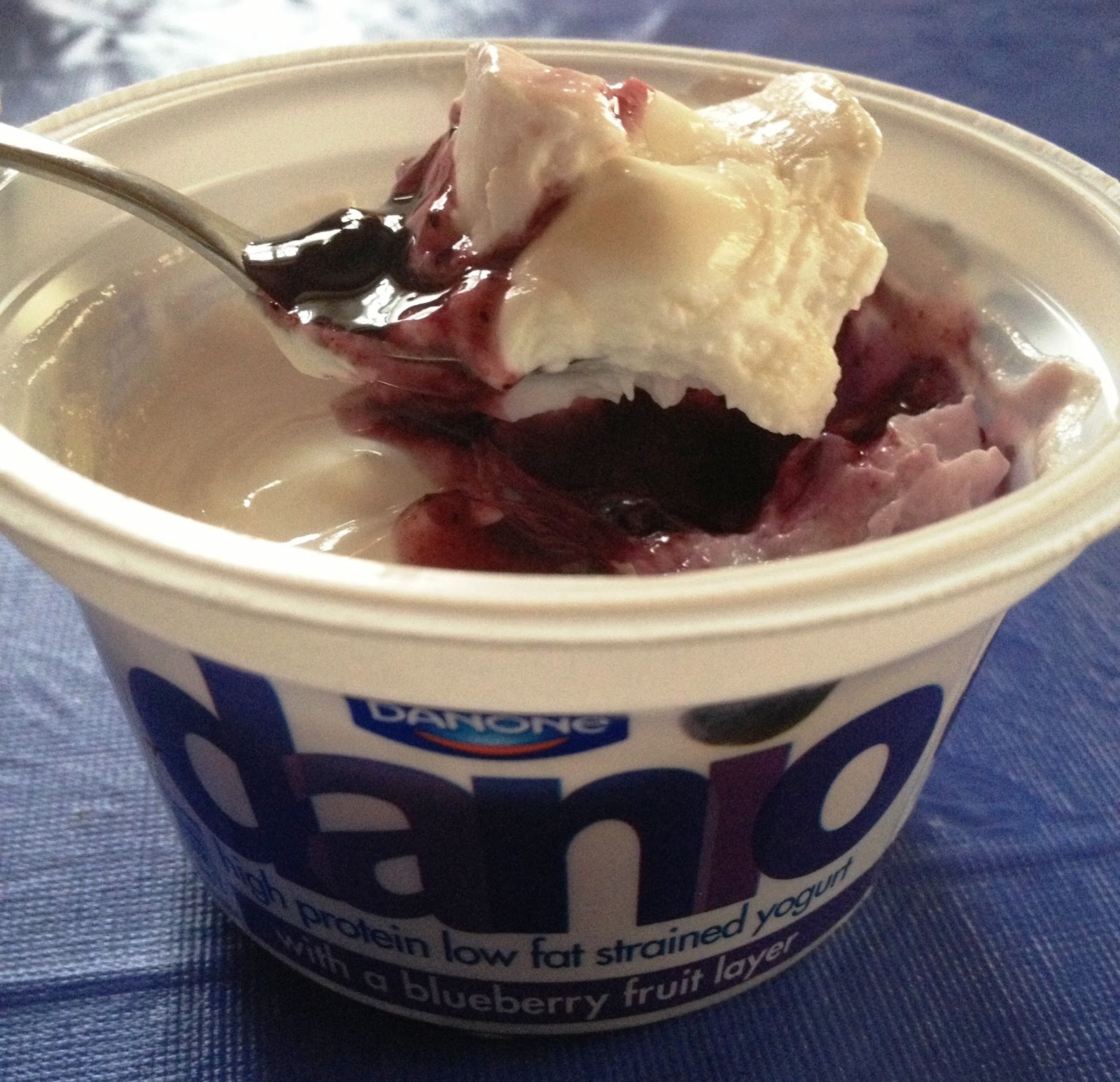
    3.  Yoghurt – I prefer to buy natural unflavoured yoghurt as it has no added sugar and usually has probiotics (good for gut health and immunity). Any brand will do, but I’m a fan of the massive tubs from Lidl (about £1.50 for 1kg). I can add berries/chopped fruit/put in smoothies etc. Dec likes the new Danone ‘Danio” higher protein yoghurts (13g protein/pot) which are sweetened with fruit and sugar.2013-04-01 15.58.55
    4. Fruit – for snacks, no explanation needed for the benefits of the vitamins, antioxidants, fibre, carbohydrate etc.
    5. Nuts – a handful of almonds as a snack, or peanut butter on toast. Healthy fats (cholesterol lowering), high protein so filling and good for muscle repair/building
    6. Coffee – for a wake up kick, afternoon kick, evening kick. Means we don’t have to physically kick each other to wake up! Contrary to imagepopular belief, it’s not dehydrating and has many health benefits. Also useful to have pre training as caffeine enhances performance (ergonomic)! At London Irish, some of the boys are in their Coffee Club, where they enjoy a swift Nespresso before hitting the training field/weights room.
    7. Hot Pepper Sauce – as previously discussed, this can rescue a meal
      Hot Pepper Sauce

      Hot Pepper Sauce

      that may be lacking in flavour. Used like tomato ketchup. Personally, I think it destroys any hope of actually tasting the food you put it on (mmmm, not saying a lot for my cooking skills, is it?!)

    8. Cherry Diet Coke – this is the Desert Island luxury item, Dec’s ‘treat’. I get a bit twitchy and Food Police when he reaches for the 3rd or 4th can of the day. There’s not much good to say about Diet Coke, it’s nutritionally sparse, and there are question marks over it’s long term health affects.

So here’s hoping the happy state remains with us until Saturday when a week off training starts, watch this space!

Recovery shake

Post workout: providing the perfect balance of protein, carbs, vitamins, minerals, antioxidants and electrolytes.Photo on 2013-07-02 at 14.02

Put the following ingredients in a blender and whizz up!

200ml milk

2 tablespoon natural yoghurt

handful frozen berries

1 banana

tablespoon honey

pinch of salt

The Exercist: Mind the (Thigh) Gap

The following question and response is from an interesting website The Exercist, which is a site focusing on health and body positivity, and strives to myth bust within the fitness community……….

Question from a teenage girl:

Why is a thigh gap attractive? Why is being sickly skinny hot? What is wrong with society, making every one of us teenage girls think that to be beautiful, we must starve ourselves. Some of us aren’t even built to have a god damn thigh gap or have our ribs poking out.

What happened to hot women with curves, not angles?

Please remember that a woman can have a thigh gap without starving herself or being “sickly.” Everyone is built differently – Some people are healthy at a lower weight with wide set hips, while others are healthy at a higher weight with narrow set hips. There is no reason to insult or demean one body type in order to praise another.

There are certainly a lot of problems with the way that society currently promotes one “ideal” body type for women, forcing many people to hurt themselves in an effort to attain that form of beauty. But when preaching for body acceptance and body positive thinking, it’s important to remember that the “ideal” isn’t just a mystical concept – Some people look like that and that’s cool too.

Women can have curves, angles and everything in between.

I fully understand that people can be perfectly healthy and have a thigh gap… Or “sickly skinny”.

But my point is to be happy with WHO YOU ARE.
Not to feel pressured into being skinny or unhealthy. Or a thigh gap.

That’s an awesome mentality to take on – Being happy with who you are is a huge step forward in self-love.

Just be careful with the sort of language that you use – When discussing different body types, it’s important not to associate negative terms and descriptions with certain characteristics. Inherently linking “sickly” with “skinny” is a problem, for example, as is making unfavorable implications about “angles” and “ribs poking out.” Keep in mind that these are not necessarily bad things.

It’s the idealization of thinness that presents a problem, not the body types and physical characteristics themselves.