7 thrifty tips for healthy eating on a budget

We’re not poor by any stretch of the imagination, but budgets are tight since my husband has changed his career and I continue to build a client base in my dietetic business. I’m very comfortable with thrifty living……it’s probably because I’m trying to relive my youthful cash strapped student days!

So here are some of my top tips for finding cheap healthy food. Fruit, veg, fish etc. can all be hideously expensive. If I didn’t know where to look for cheaper options, my daily shopping would be in excess of £30. So here are some ways to cut the costs of healthy eating:

  1. Use your local market, and get to know the stall holders…….some will be cheaper than
    securedownload-4

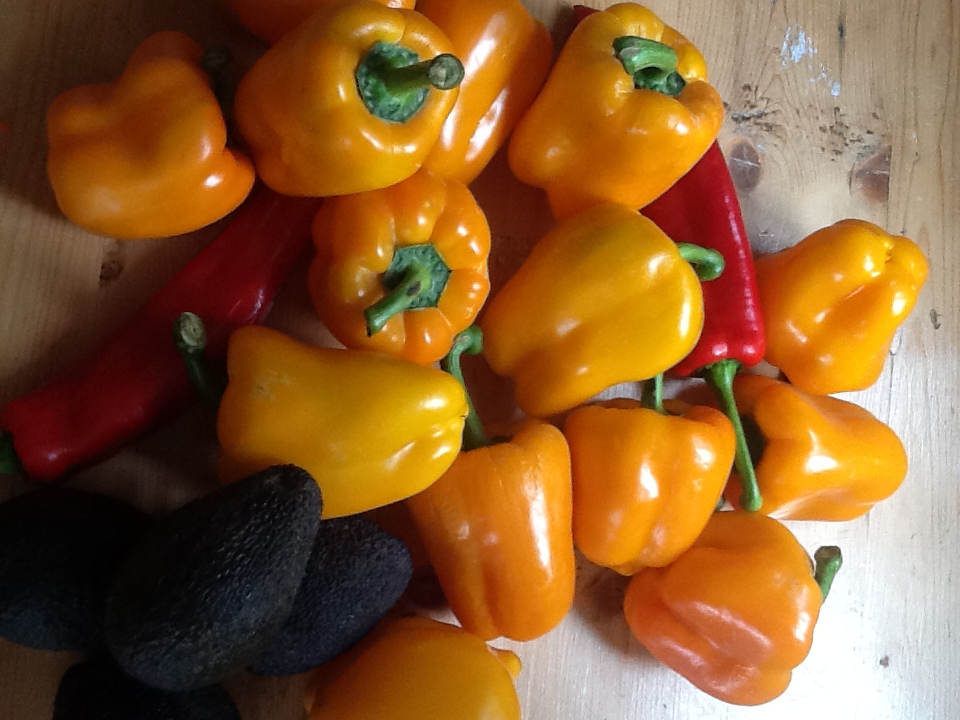
    My £2 haul – 16 peppers, 4 avocados

    2014-05-02 10.40.30

    Avo Man @ Kingston Market:Thursdays, Fridays & Saturdays

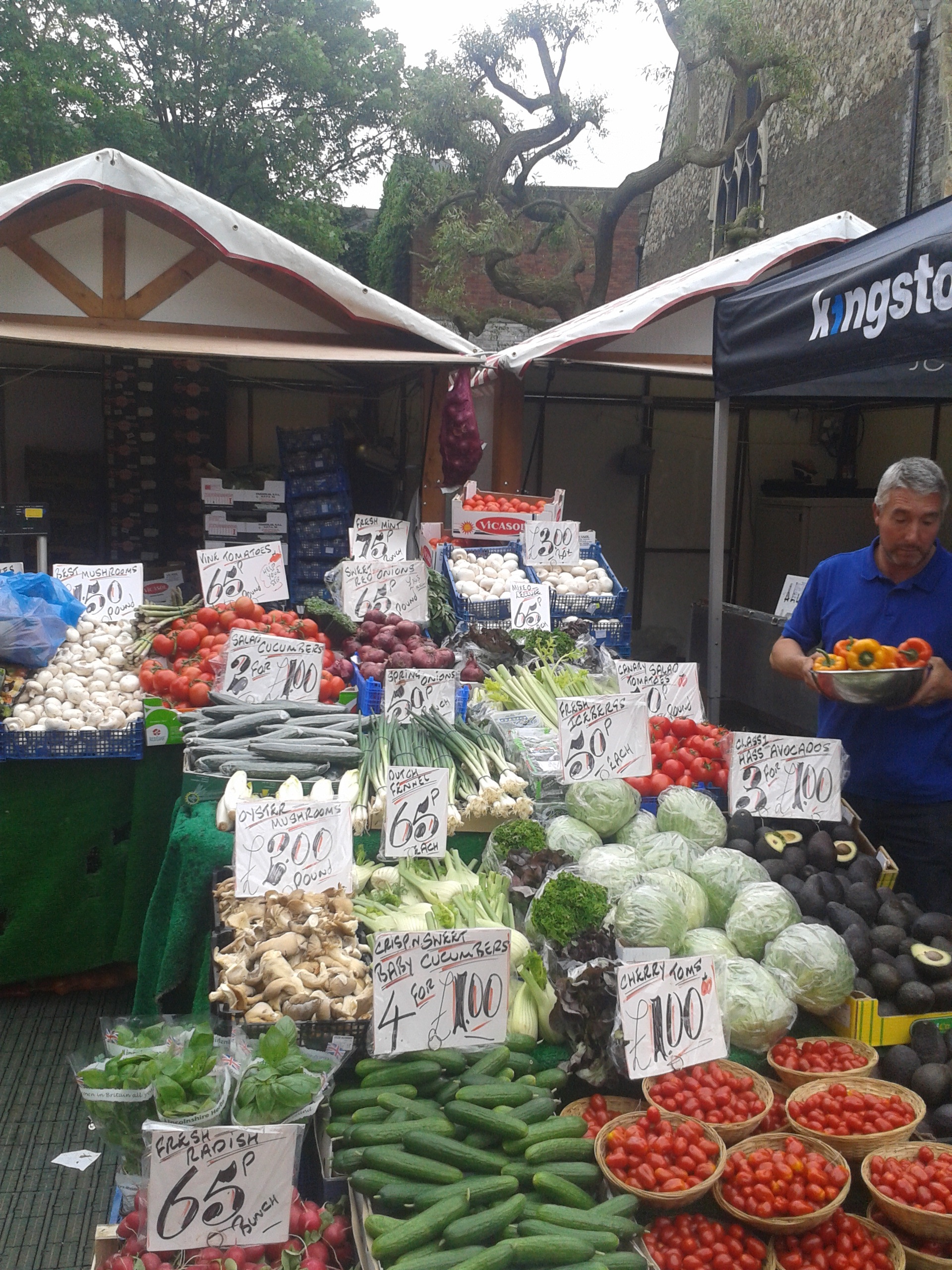
    others, and offer bargains on particular days. If you are a regular customer they may even throw in an extra something for free. My local market is in Kingston town centre, where on Thursdays, Fridays and Saturdays my Avocado Man is there with bargainous 4 avo’s for a pound and massive bowls of peppers, also £1. Officially, the sign says 3 avocados for £1, but he makes his customers feel special by throwing in an extra one. Great marketing (excuse the pun!) Today I got 16 peppers and 4 avocados for £2. I was so excited with my haul that I missed the large basket of cherry tomatoes for £1 (noticed this is the photo above!) What to do with avocados10 things to do with a pepper

  2. Berries are often extolled as a ‘superfood’ and included in many of my recipes. They are full Unknown-4of antioxidants and all sorts of other goodies that a completely wonderful for you. They are also relatively low in sugar and low calorie. Bought fresh, berries can be expensive (£2-3 for about 150g). Buy the frozen basics range for a much less eye watering £1.35 for 500g. These are fabulous for making smoothies (no need to defrost), in berry crumble, in flapjacks, with yogurt for breakfast/dessert.
  3. Oats: super nutritious with soluble fibre which is great for keeping the digestive system healthy, lowering cholesterol, filling, low in sugar, and very versatile. Oh yes, and cheap! Even if you buy the posh chunky variety, they are cheaper than most other breakfast cereal. Oats are extremely versatile. I use them everyday for porridge, to make Granola and biscuits. I think they are so awesome that I devoted a whole post to them.
  4. Basic range carrots, apples, bananas, carton chopped tomatoes: once again, do not be afraid of the supermarket ‘basics’ ranges. The basic apples are usually the ones that are in abundant supply at the time, therefore cheaper. As an example, my favourite Egremont Russets were £1.80 per kilo, but they were also being sold at the same time as the Basics apple at £0.80 per kg. Bonkers! The Basics carrots aren’t perfectly straight and you may get the odd half carrot in the bag, but otherwise great. As for the bananas, I really cannot tell the difference between Basics and any of the others!
  5. Lidl: here are my particular favourites from this frills free supermarket…….Pesto, 1 litre tubs of yoghurt, beetroot and eggs. All miles cheaper that the other supermarkets.
  6. Bulk out tomato dishes with red lentils: bolognaise, soup, chilli, Shepherd’s Pie. Not only

    tomato & lentil soup

    tomato & lentil soup

    are you making the cost of the recipe cheaper by needing to use less meat (or use the same amount of meat and have leftovers to use at another time), you are increasing the amount of great fibre making it very filling, reducing the overall percentage of saturated fat, and increasing the amount of plant protein. Red lentils actually look an orange/brown colour when cooked, so I add a great big squirt of lycopene rich tomato puree to ‘brighten up’ the colour of the recipe.

  7. Save any leftovers……take what you haven’t used and put in a tupperware container for the fridge. I always over estimate the amount of rice we need, so use it the next day for egg fried rice with peppers, spring onions and a dash of soy sauce, or throw in to an omelette with some grated carrot (great finger food for weaning babies and older children). My breakfast this morning after the school run was left over Chicken Jambalaya from the night before (not to everyone’s taste for breakfast!!).
I estimate that I can save about £10 a day using these tactics, which adds up to £300 a month!


10 Things to do with Peppers

Today I picked up a massive haul of lovely yellow and red peppers from my local market for £1.

16 peppers for a £1!

16 peppers for a £1!

16 of the lovely things! I love a bargain, but how can I use them all before they need relagated to the compost bin?!

Here’s 10 things to do with a pepper:

(for some of these I could easily use two peppers – use lots as they are highly nutritious and very low calorie!):

  1. Eaten as they are, as you would eat an apple (my 2 year old Conor does this in his buggy, we get some odd looks!)
  2. Sliced up and dunked in to humus or salsa
  3. Use large chunks to scoop up cottage cheese as a low fat, high protein snack
  4. Diced and added to bolognaise or chilli
  5. Strips in stir fry
  6. Roasted in the oven at 180c for about 20minutes
  7. Diced in an omlette
  8. Diced in mini pastry-less quiches: beat 3 eggs, add pepper, grated cheese and tuna/ham. Pour in to silicone muffin cases, bake in oven for about 10-15 minutes at 180c.
  9. Stuffed with other ingredients.
  10. Smoothie – red pepper in a smoothie??!! I haven’t tried this one yet, but it looks interesting!

10 top foods for recovery

You may feel that you have worked out to the max during your sessions burning 100s of calories, so does it really matter if you have some crisps, chocolate, a danish pastry or chips? Time and time again, research shows that the answer is “yes”. Replacing calories isn’t the only objective of recovery.

Between each workout, game or race the body needs to adapt to the physiological stress that has just been applied, so that it can recover and become fitter, stronger and faster. Whether you are a triathlete, a gym addict, or your child is playing in a weekend rugby tournament, optimum recovery nutrition can help you to perform better in the short and long term.

There are many ‘recovery drinks’ and powders marketed for refuelling after exercise. While

Real Food

Real Food

these have their place, they are not necessarily the best option. It can be argued that real food is the best fuel for recovery, providing everything that a recovery drink can, as well as all the vitamins, minerals, antioxidants, phytochemicals etc that simply cannot be bottled or made in to a powder.

What’s happening during recovery?

  • refuelling of muscle and carbohydrate stores
  • replacing fluids and electrolytes lost in sweat
  • manufacturing new muscle protein and blood cells
  • allowing immune system to manage damage caused by exercise


What are the recovery ‘rules’?

  • multiple daily exercise sessions – if less than 24 hours until next session e.g. professional athletes, weekend rugby tournament, compulsive gym exercisers: recovery nutrition after your session ASAP, ideally within an hour. If next session starts within an hour, recovery drinks or anything low fibre and low fat to help with faster digestion (lasagne not a good option!)
  • more than 24 hours between exercise sessions – generally no need to eat soon after exercise, try to have your next usual meal. consisting of some protein and carbohydrate. If trying to gain muscle, then you can add a recovery snack to fuel this catabolic process. If trying to lose weight and hungry after training, be careful not to increase overall daily calorie intake. Have something light to eat e.g. yogurt.


Why carbs & protein are important

Immediately post exercise, good recovery nutrition will consist of protein & carbohydrate. Aim for 1g carbohydrate per kg of body weight, and approximately 25g protein (a chicken breast is about 25-30g, a mug full of rice is about 70g carbohydrate). Unfortunately, eating lots of extra protein does not make bigger muscles.

Carbs and protein work together: carbs help to shuttle protein in to the muscles, and protein helps to stimulate faster muscle glycogen replacement. Low fat helps the food to be absorbed more quickly, as does low fibre (so don’t be too concerned about choosing ‘healthy’ whole grain carbs like whole wheat bread). Fruit & veg can be included in the next meal to provide antioxidants.

If you don’t feel like eating food or don’t have the time or facilities, then recovery drinks or shop bought milkshakes can be useful. Here is a more in-depth look at some of the most popular commercial recovery drinks. If you are trying to lose weight, then watch the calories……..don’t increase overall calories through the day.


10 snack foods for fast recovery:

330ml Milkshake – e.g. Yazoo, Frijj, For Goodness Shakes

Homemade recovery smoothie

Post exercise shakes have their place, but watch the extra calories!Large skinny latte & handful of nuts

Unknown-12

Bagel with peanut butter

Milk: perfect recovery protein & carbs

Breakfast cereal with milk e.g Cornflakes, Rice Krispies, Cheerios

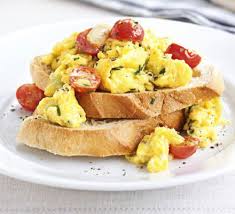
2 Eggs on 2 white toast

Sandwich/roll/wrap/pitta: filled with chicken, fish or eggs

Jacket potato with cottage cheese/tin of tuna/Baked Beans

Banana or yogurt

Yogurt & Banana

Homemade Seriously Healthy Flapjacks

Bloated? Tummy pain? – how low FODMAP can help you

Since starting my practice as a private dietitian, the most rewarding thing I have done is advising people with a new dietary treatment for IBS. For many of my patients seriously affected by IBS, it has been life changing. Have you heard of the low FODMAP diet?

What is IBS?

1463169_10201662220332053_1766275921_n

Irritable Bowel Syndrome is a disorder where the bowel looks normal, but it doesn’t function properly. It is incredibly common, affecting about 1 in 5 people in the UK. Symptoms include bloating, abdominal pain, constipation and diarrhoea. The diagnosis of IBS is usually made when other conditions such as coeliac disease, Crohn’s Disease, colitis, have been ruled out.

Causes of IBS:

The causes of IBS are not fully understood, however, it is believed to be due to a number of complex factors:

  • genetic – tummy problems run in the family
  • gastroenteritis – alters the gut bacteria
  • antibiotics – alter the gut bacteria
  • stress
  • a highly sensitive gut that is more sensitive to gas forming foods
  • food intolerances e.g. lactose intolerance

Until recently, dietary advice given by health professionals for IBS has been, at best, vague and unsatisfactory. For many people the NICE guidelines, used in the NHS by GPs for treatment of IBS, aren’t very successful. Current advice from your GP may include: reduce stress, adjust fibre intake, regular meals, restrict caffeine, fruit juice, fruit and sorbitol, exercise and probiotics. Medications such as laxatives, anti-diarrheals, anti-spasmodics and anti-depressants are often prescribed. Unfortunately, IBS patients can be left frustrated because these medications in conjunction with the dietary and lifestyle changes are unsatisfactory solutions.

New low FODMAP diet: 75% success

The low FODMAP diet has been published in international medical journals and is now accepted and recommended as one of the most effective dietary therapies for IBS. The low FODMAP diet significantly reduces symptoms in 75% of people. FODMAPs are indigestible sugars which ferment in the gut causing bloating, diarrhoea, constipation and gut pain. By reducing the amount of FODMAP foods in your diet, IBS symptoms can be dramatically reduced or resolved.shutterstock_52604065

Some common high FODMAP foods include wheat (so in bread, pasta, biscuits etc), apples, pears, garlic, onions, lentils, beans, some vegetables, milk, and some artificial sweeteners. The low FODMAP diet involves many dietary changes that are best described to you in consultation with a dietitian. Additionally, not everyone reacts to the same FODMAPs, which is why it is important to have the advice of an experienced dietitian to help you negotiate the various phases of the diet.

Where do I start?

The low FODMAP diet is carried out in two stages. The aim is to identify the FODMAP foods causing problems that are specific to YOU. Every person reacts differently to each food category, and can tolerate certain amounts.

Phase 1 –  all high FODMAP foods are eliminated for 2-4 weeks. Symptom relief can be experienced with in days.

Phase 2 – a sequential reintroduction of FODMAP food categories over a few weeks. This allows you to identify the foods causing you problems.

A dietitian with experience in the low FODMAP diet can guide you through the phases of the diet, providing practical advice, menu ideas that suit your lifestyle and food preferences, advice on reading food labels etc. Appointment information

KIDS – Health by Stealth!

Unknown-9In an ideal world, our children would sit politely at the table and eat what was put in front of them. Some children do, but there are many that don’t! 99% of the time, fussy eating is just stage, never the less, parents get immensely stressed out about it. Here are some ways to Health by Stealth!

Strawberry milk

Strawberry milk

Strawberry Milk Whizz up some milk (calcium and protein), natural yogurt (calcium, protein and probiotics), frozen berries (vitamins and antioxidants) and honey (sweetness).

Hide the veg

By making your own Tomato Sauce, it is possible to hide mountains of veg and even lentils in it. By blending it before serving, it’s nice and smooth. Grate onions, carrots, add tomato puree to bolster the veg count. You can even slip some lentils in without anyone noticing!

Meatballs with multi veg tomato sauce

Meatballs with multi veg tomato sauce

Another tip came from a mum of a very selective eating child with autism: add grated apple to mince to make burgers. I tried this and it’s fab!

Tell them it’s just for the big children/grown ups/they probably wouldn’t like it This works  brilliantly when preparing vegetables e.g chopping pepper/carrots/grated cheese. Say “no touching!” in a playful way. This can turn it in to a game where they try to ‘steal’ the food from the chopping board.

Distract with a book It’s not ideal, and in a perfect world our children would sit politely at a table. If you are desperate to shovel some good food in, distraction can work well. Look at a book together, while you spoon feed (I resort to doing this on occasions with my 2 year old). 

It’s all in the name for children (and adults!) what you call a dish can affect how they think about it. “Barbeque chickeny rice” will be eaten, but if I called it my it’s real name “Chicken Jambalaya” it would be met with great suspicion and clamped shut mouths.

  • Sausage Surprise – I cook the sausages, chop them up and put them in to pasta with
    Banana 'Cake' (definitely not Banana Bread!)

    Banana ‘Cake’ (definitely not Banana Bread!)

    tomato sauce (with hidden veg, see above). They have a treasure hunt to find the sausages.

  • Banana Cake – ever so much more appealing to have ‘cake’ than Banana ‘bread’
  • Chocolate – Cocoa Bars are made with ground up nuts, raisins, dates and cocoa powder. They are deliciously chocolatey!

Probiotics many children can suffer from ‘tummy trouble’ after taking antibiotics or after a tummy bug. Probiotics can help replace the good bacteria in the gut which are essential for the immunity and digestion. Many probiotics that are in capsule can be broken apart and added to food (not hot food, it destroys the good bacteria!)

Fish oil essential for health and brain function, many children dislike the taste of oily fish so it is advisable to take a supplement. Liquid omega 3s can be added to yogurt or even Ready Brek or porridge.

Omega 3 supplement

Omega 3 supplement

A final essentil tip for fussy eaters is for parents. Back off, chill out, and, even if it takes an Oscar winning performance, pretend you are not too bothered.

When to be concerned:
If your child has weight loss, is lethargic, irritable or weak, see your GP to rule out underlying problem e.g anaemia or coeliac disease

If issues continue consider seeing a dietitian with experience in children with eating and digestive issues.

Banana Bread Recipe

“What have you got for me to eat, Mum?” or “I’m starrrrrrrrving!”

That is how I am greeted by Evie, 4, when she comes out of school. The wee girl is always ravenous (no matter how much I provide in the packed lunch). I sometimes struggle to come up with healthy things for after school. It needs to be something filling, but not too filling because then Evie and her little brother, Conor, will struggle to eat their dinner at 5pm. Beth, 7, has a fabulous appetite, and a penchant for pleasing her mum, so will eat most of her dinner without any nonsense. The other two are a different matter! Here’s an article in a local magazine called Families Upon Thames on strategies to get your kids to eat their meals Table wars!

I digress. Snacks for after school: fruit (not popular), homemade flapjacksoaty biscuitscocoa Unknown-1bars. Anything that comes out of a packet is met with glee and great excitement. Yoyo Fruit Bars are popular, or anything remotely sweetie or chocolate.

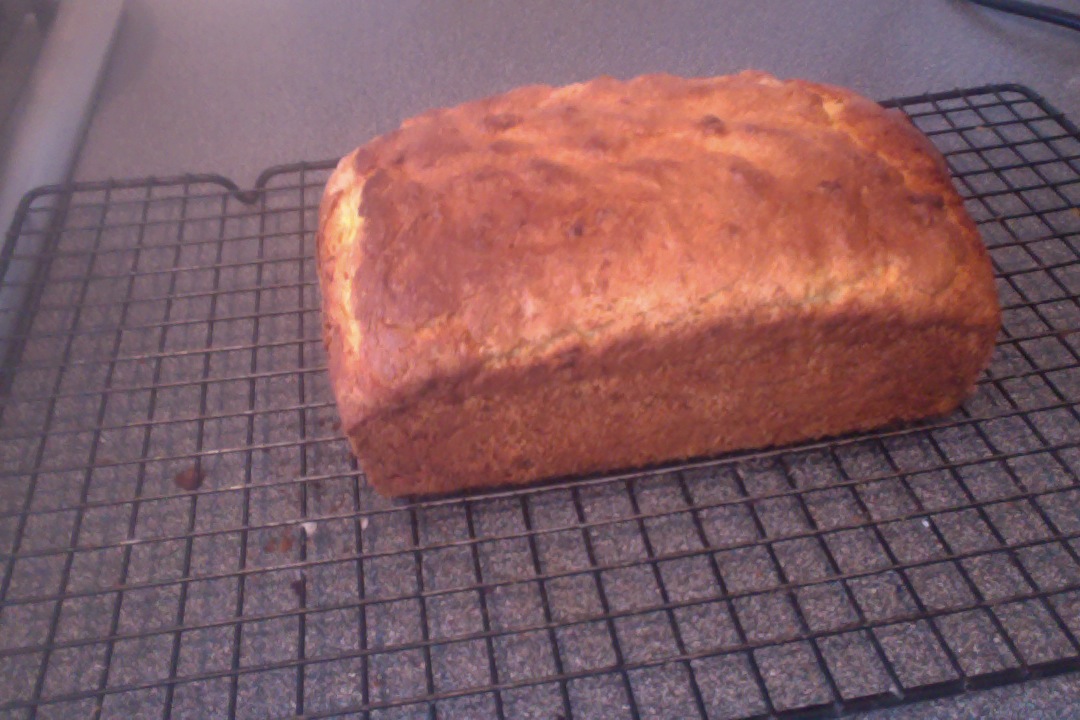
Today I am trying a something new, here’s the recipe. Make with gluten free self raising mix for a  FODMAP friendly version!

Banana Bread

2oz butter/margarine

5oz caster sugar

2 eggs lightly beaten

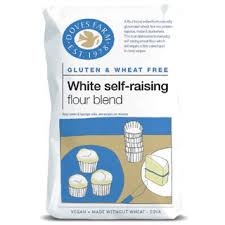
Unknown-27oz self raising flour (or I use gluten free Dove’s Farm self raising flour blend)

2 ripe bananas mashed

Optional extras: 1 teaspoon cinnamon, handful of raisins.

Mix the butter and sugar together until light and fluffy. Slowly mix in the beaten eggs. Add the sifted flour, gently mix in. Add the mashed bananas and mix. Pour into a greased loaf tin. Bake at 170c for about 40 minutes, you can check to see if it ready with a knife – it should come out clean if you stick it in to the middle.

Photo on 17-03-2014 at 12.36