Cocoa Bar recipe


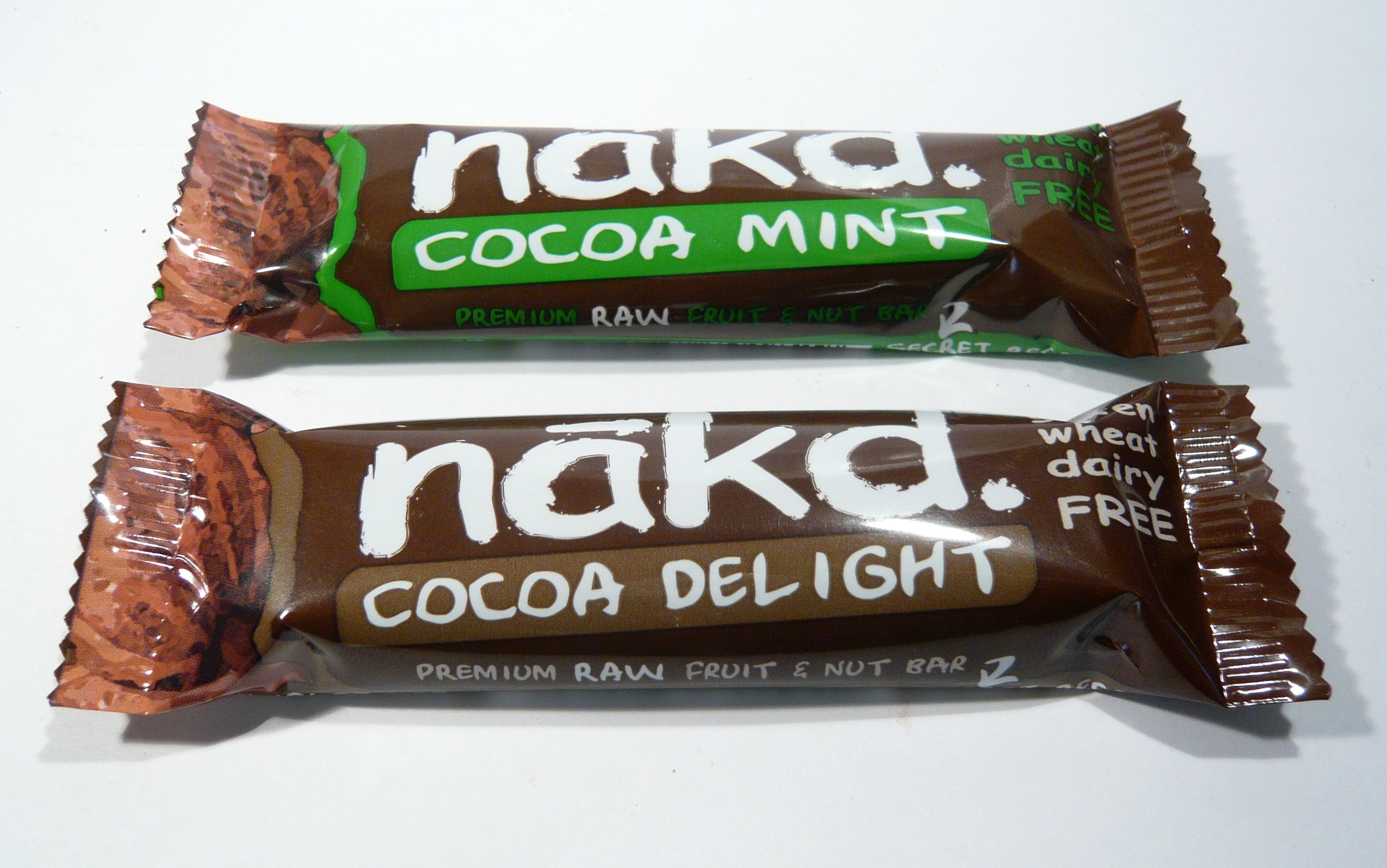
nakd-raw-chocolate-1Being a dietitian, I can’t help myself but to study food labels.

The popular Nakd bars are pleasantly short on the list of ingredients. Cocoa Delight is  made from 48% dates, 29% cashew nuts, 17% raisins and 6% cocoa powder.

On the face of it an ideal healthy snack, especially for hungry kids after school, with no added sugar, oils, butter, additives, preservatives etc. (more after school snack inspiration). So I’d limit to one a day, mainly because the dates and raisins make it very sweet, albeit with natural sugar. There is the equivalent to a tablespoon per bar (that’s almost 50% sugar). A ‘high sugar’ food has more than about 20g/100g sugar. These bars have 43g/100g. On a positive note, the almonds make it low GI (digested slowly), high in vitamin E and the cocoa powder, dates and raisins are high in antioxidants.

Homemade Cocoa Bars

Homemade Cocoa Bars

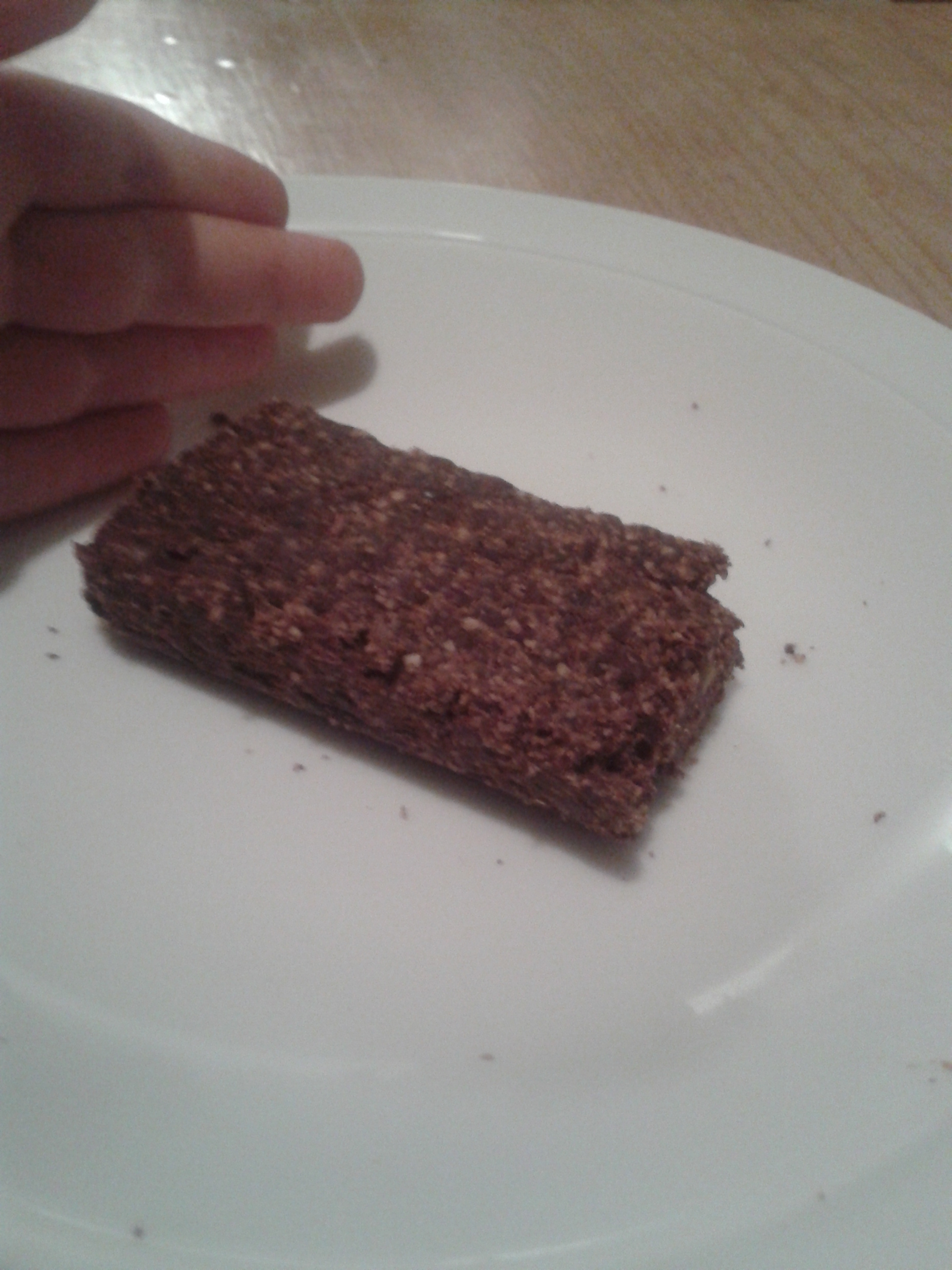
So, as a ‘treat’ food, I thought I’d experiment with my own version…..I just took the %s from the ingredients list and equated that to the weight (and doubled to make more). I also substituted the cashews for ground almonds. These can be bought already ground up, making it a bit easier.

Here are the ingredients and quantities (makes 6 bars):

ground almonds

ground almonds

100g dates, blended or very finely chopped

Unknown

Dates

60g ground almonds/cashews

30g raisins, blended (or finely chopped)

Cocoa Powder

Cocoa Powder

10g cocoa powder

Mix all the ingredients together either in a small blender/food processor or by rubbing in with your fingers, it takes a few minutes, and it will be quite dry and crumbly.

Press in to a tin, taking time to pack the mixture in so it is well compressed. Put in to the freezer to cool. The will be ready to chop in to bars after about an hour.

Nutrition info for each bar: 123kcal, 3g protein, 14g (natural) sugar

Lots more healthy snacks

5 reasons Mums can’t lose weight


Butternut, Bacon & Herby Scones

Here is a recipe from my lovely friend, Robyn. We know each other through the rugby, as our husbands played together at London Irish, and later Neal coached Dec. They are now arch rivals as Neal is coaching the Bath Rugby team (boooooo!). As well as being long suffering rugby wives, Robyn and I also share entrepreneurial tendencies. Robyn’s baby is Mum’s the Business offering fabulous help for mums making their way with their own business.

With 315kcal and 8g protein per muffin, these are perfect for the kid’s lunch boxes as something a bit different to sandwiches. Also fab as a high energy snack.

The butternut squash is rich in vitamin A & C, the spinach has vitamin A, C, K & folate, the olive oil is heart healthy, and the milk and cheese provide calcium.

Here’s the recipe………

Makes: about 12 scones

Takes: 20 minutes to bake & 50 minutes to prepare (mostly the butternut!)

1 butternut squash (about 500g butternut squash cubes)        

1tbsp olive oil

200g unsmoked back bacon                                                        

450g self raising flour

1 tsp baking powder

80g unsalted butter (cut into small pieces)

1 large handful of chopped fresh herbs or spinach (optional)  

300ml semi skimmed milk

40g cheddar cheese, finely grated

Preheat oven to 190C/fan or 170C/Gas5.  Grease 2 baking trays.  Peel butternut squash, cube it, then place on baking tray with oil & roast for 40 minutes, or until cooked.  Cook the bacon on the other tray until cooked and golden.

Put the flour and baking powder into a large bowl, and rub in the butter.

Add the butternut, bacon (snipped into small pieces) and the herbs / spinach.  Mix.  Add almost all the milk & mix together well.

Dollop about 12 spoonfuls onto baking tray.  Brush the tops with milk and sprinkle cheese over.  Bake for about 15 – 20 minutes until cooked through & golden.

Iron: are you getting enough?


Recent statistics show that 40% of women under the age of 34 have seriously low intakes of iron and are at risk of anaemia as a result. Up to 15% of children don’t get enough iron, and 1 in 8 children between 1 1/2 and 2 years are anaemic.


Anaemia can cause:

  • tiredness and weakness
  • decreased work and school performance
  • slow cognitive and social development during childhood
  • difficulty maintaining body temperature
  • decreased immune function, which increases susceptibility to infection
  • glossitis (an inflamed tongue)
  • palpatations
  • restless leg syndrome

Symptoms of iron deficiency anaemia could be caused by many different things. A blood test is needed to confirm the presence of iron deficiency anaemia.

People at risk of anaemia:

  • Infants over 6 months
  • Toddlers
  • Adolescents
  • Pregnant women
  • Pre menopausal women


How much iron do I need?

Gender Age Group Recommended intake (mg/day), number of
Children 1-3 years 7
Children 4-6 years 6
Children 7-10 years 9
Teenage boys 11-18 years 11
Teenage girls 11-18 years 15
Men 19-50 years 9
Women 19-50 years 15
Men 50+ years 9
Women 50+ years 9


Food sources of iron

  • Iron from animal sources is much better absorbed by the body than plant sources
  • Vitamin C helps with absorption. High vitamin C foods include: red peppers, broccoli, strawberries, kiwi fruit & oranges.
  • Tea and coffee reduce the absorption of iron, so don’t drink a cup too close to a meal

 Meat sources:

Food Average portion Stars
Liver 40g, thick slice ★★★
Liver pate 1 tbsp
Beef steak 150g, medium size ★★★
Sausage 2
Beef mince 125g, 4 tbsp cooked ★★★
Chicken 100g cooked
Pork chop 120g, 1 average
Sardines/salmon/mackerel 50g
Tuna 100g (1/2 tin)

 Other sources (less well absorbed):

Food Average portion Stars
Ready Brek 20g dry (1 small ptn) ★★★★★★
Branflakes 25g (4 tbsp) ★★★★
Weetabix 2 biscuits ★★★
Rice Krispies 30g (4 tbsp) ★★
Chickpeas 100g (4 tbsp) ★★
Lentils green/brown 75g (1/2 cup cooked) ★★
Lentils red 75g (1/2 cup cooked) ★★
Baked beans 120g (3 tbsp) ★★
Humus 50g (1 tbsp)
Eggs 1
Sunflower seeds 30g (1/4 cup) ★★
Sesame seeds 12g (1 tbsp)
Dried Apricots 8 ★★
Dried figs 4 ★★★
Raisins 35g (1 tbsp)
Spinach 120g (3 tbsp) boiled ★★
Avocado ½
Peas 75g (2.5 tbsp)
Broccoli 4 spears (200g)
Ovaltine 25g serving (4 tsp) ★★★
Milo (chocolate malt) 20g serving (4 tsp) ★★★★★★
Sainsburys: £3.99

Sainsburys: £3.99Tesco: £2.99  Tesco: £2.99

Iron Supplements

If you have iron deficiency anaemia, your doctor may prescribe you iron supplements, as even a diet rich in iron will not be enough to correct the deficiency.

If you experience a stomach upset with iron tablets, try taking a liquid form instead.

For further information on iron or for a dietary assessment to assess the amount of nutrients in your diet, use the contact form to get in touch.

← Back

Thank you for your response. ✨

Coconut Oil – is it really that AMAZING!?

You may have noticed that over the last few years coconut oil has made an appearance on supermarket shelves, in health food shops and is sold by sports nutrition companies. It first arrived in our house 2 years ago, when my husband returned from rugby training with a tub of this magical stuff, with the instructions that we should use it to cook with.

UnknownAt the time, I recall having a toddler and a new baby to look after, so it didn’t get much more than a raised eyebrow from me. Over the years London Irish rugby nutritionists have promoted a range of dubious products. I have learnt that, if it is not going to do any actual harm, then the route to a happy marriage is to just say “yes dear, that’s nice”, and wait for the next fad to come along.

But Coconut Oil doesn’t seem to be a passing fad. Is there any truth behind the health claims of weight loss, reduced heart disease, and improved athletic performance?

In a (coco) nut shell, maybe.

How is coconut oil different to other fats?

Coconut oil is very high in saturated fat, which is traditionally vilified for it’s artery clogging effects. However, 60% of the saturated fats in coconut oil are MCTs (medium chain triglycerides)

Why are MCTs different?:

  • May have a neutral (or positive) effect on blood cholesterol
  • Can be used by the body as a quick fuel source – MCTs are transported directly to the liver, where they are more likely to be burned as fuel, as opposed to other types of oils, which typically get stored as fat in the body.
  • May raise metabolism slightly and make you feel more full up
  • High concentration of lauric acid, which may have antiviral and antifungal properties.

What the studies show:


Weight loss

An overall consensus has not yet been reached regarding MCTs and weight loss.

There are studies showing that pharmaceutical grade 100% MCT oil may reduce body fat by increasing metabolic rate. Coconut oil is only about 60% MCT, so it’s not good science to say that coconut oil will have the same results. To get any small weight loss benefit, large amounts of the oil were used. Unfortunately, large amounts of coconut oil can cause stomach upsets and nausea, so in real life, it is unlikely that people could comply with this.


Heart Disease

The research on MCT saturated fats is constantly evolving, years ago all saturated fats were thought to be bad for our hearts. However, we now know that there are different types of saturated fats that affect our bodies in different ways. Some studies suggest that MCT saturated fat might lower risk factors for heart disease by increasing levels of good cholesterol.

There is a study looking at Polynesians, which found that this population of islanders have a very high consumption of coconuts and a low incidence of cardiovascular disease. Hence, the claims that coconut oil is very beneficial for the heart. However, Polynesians have many other lifestyle factors which improve heart health (low intake of sugar and salt, good intake of fiber, plant sterols, and omega-3 fatty acids from fish). They also had an active lifestyle and used little tobacco.


Athletes

The evidence for using MCTs as an ‘ergogenic’ supplement, to prolong endurance or improve performance, is pretty much non-existent. Because MCTs in coconut oil are metabolised by the liver to produce energy, it seems reasonable to assume that this is good for providing energy for exercise. However, in real-life research on athletes, there does not seem to be this positive effect. In fact, in a study of cyclists, after taking coconut oil their performance was actually reduced, probably due to the stomach cramps they experienced.


Alzheimer’s Disease

According to the Alzheimer’s Association, “a few people have reported that coconut oil helped with Alzheimer’s, but there’s never been any clinical testing of coconut oil for Alzheimer’s, and there’s no scientific evidence that it helps.”  The same is true of 100% MCT oil.


My advice:

On balance, coconut oil can be included as part of your healthy diet. If you like the flavour that coconut oil provides in cooking, go ahead and use it—but in moderation. Use Virgin Coconut Oil, as it has not been chemically bleached and retains nutrients that are lost during the refining process.

There may be some truth in the weight loss claims, however, it’s worth stressing that coconut oil is very high in calories, so substitute it in your diet for other things. Unless you are aiming to gain weight, don’t simply add large amounts to your current intake.

As ever, ensure that you have a balanced, healthy diet with vegetables, whole grains, protein foods, essential fats etc. before depending on coconut oil to provide you with an answer for your health issues.

Here are a selection available in the UK and online:

Sainsbury’s – £6.00/300ml

Tesco – £6.00/260ml

Holland & Barrett – £16.55/500ml

MyProtein – £9.99/460g


Super Shake: Hemp-Banana-Berry

Hemp-Banana-Berry Shake

images

Whether you are allergic/intolerant to cow’s milk, or just fancy something different, hemp milk is a fabulous alternative. It has a nutty flavour, enriched with calcium and vitamin D, and has omega 3s. Although these omega 3s are not as well absorbed by the body as the fish source, they are still beneficial for health. It also contains GLA, another omega fat (also found in evening primrose oil).

If you don’t want to use hemp milk, you can use normal cow’s milk, oat, almond, soy or rice milks. For an extra protein punch, add a scoop of protein powder (extra approx 20g protein)

Benefits:

  • Oats: low glycaemic index (feel full up for longer), beta-glucan (cholesterol lowering)
  • Hemp milk: low calorie, dairy, lactose & gluten free, high in omega 3 (brain & heart health)
  • Berries: antioxidants
  • Banana: fibre, potassium, vitamin C, vitamin B6, manganese
  • Approx 350kcal, 8g protein, 45g carbohydrate

Recipe:

In a blender wizz up:

  • 200ml Good HempGOOD-HEMP-Pack-Shot-2-small-res
  • handful of frozen berries
  • 1 banana
  • small handful oats, approx 40g
  • 1 teaspoon honey

Healthy Fat guide

Fourteen years ago as a basic grade dietitian working with cardiac and overweight patients at St George’s Hospital in south London, the message was loud and clear. Low fat was the healthy way to eat and fat in the diet should be reduced.  Since then, studies have shown that certain fats actually have a multitude of health benefits. It’s perhaps frustrating that nutrition advice seems to be constantly changing, but, to think more positively, what we know about food and nutrition is constantly evolving.

Are you confused about which oils/fats to choose when you are shopping? Butter, Flora, sunflower oil, olive oil, extra virgin olive oil, flaxseed oil, walnut oil, sesame oil etc. etc. I will keep this brief:

Trans fats (hydrogenated oil)

Trans fats (hydrogenated oil)

STOP HAVING: Trans fats – these increase bad cholesterol, decrease good cholesterol. You can’t buy these in a bottle, they are found in some processed foods (often labelled as hydrogenated fat or oil).  This is a good reason to reduce processed foods, and to make your meals/snacks from scratch eg. bake these instead of buying biscuits.

Have LESS of:

Swap sunflower oil for olive or vegetable (rapeseed oil)

Sunflower oil – use less

  1. Saturated fats: increase bad cholesterol – found in meat, butter and animal products (ok to eat these in moderation as these foods provide some health benefits)
  2. Omega 6 PUFAs: corn, soybean, sunflower, safflower oil – generally we have too much of these, stopping the fabulous omega 3s from doing their job (see below)

GOOD TO USE:

  1. Mono Unsaturated Fatty Acids: olive oil, rapeseed oil (usually labelled Vegetable Oil), avocados, nuts & seeds. These decrease bad cholesterol. If you’re watching your weight, don’t go overboard with the oils as these have 125 kcal per tablespoon.
    Vegetable oil good (rapeseed oil)

    Vegetable oil good (rapeseed oil)

    2013-09-11 11.50.38

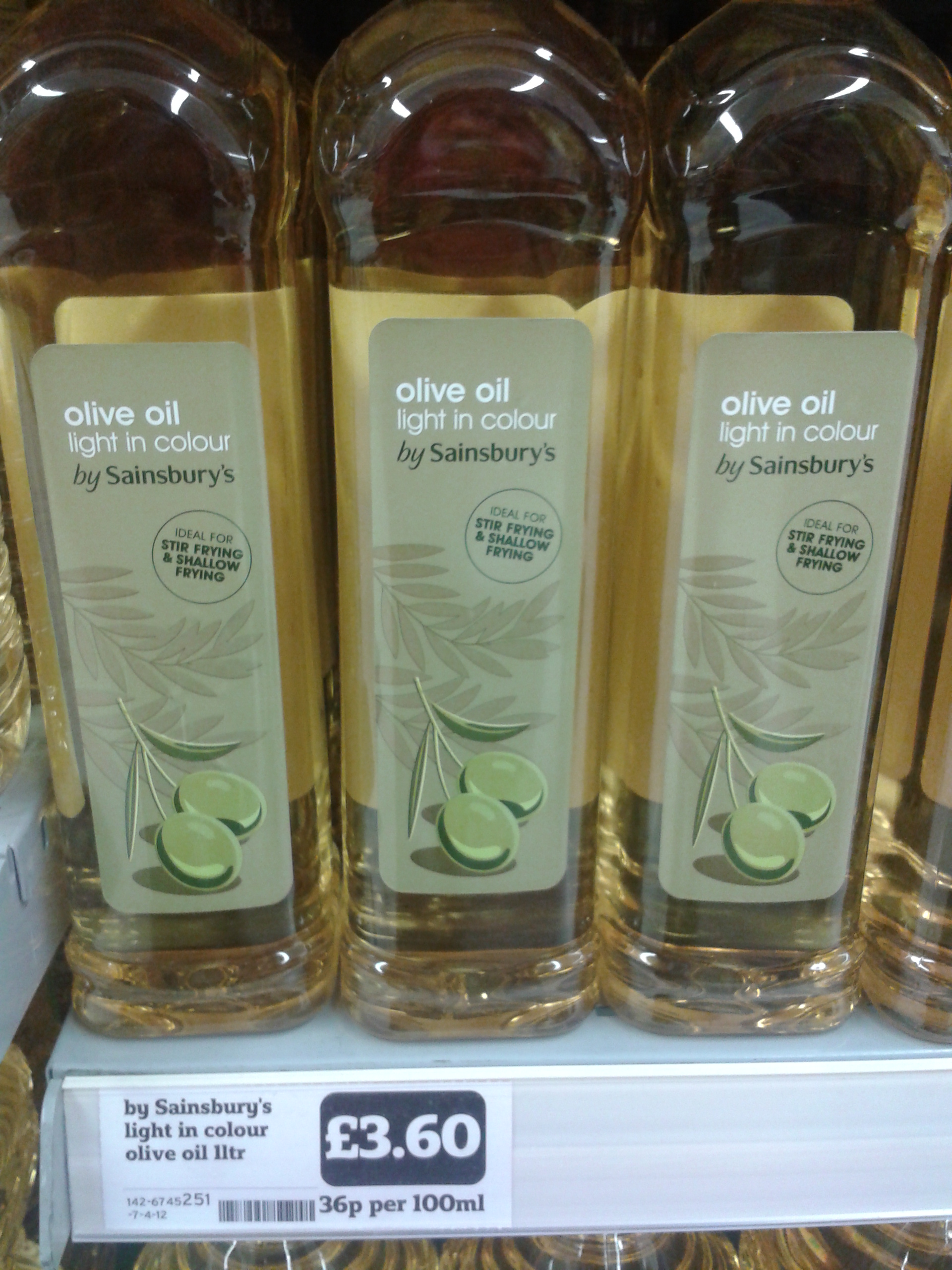
    Olive oil good

  2. Omega 3 Poly Unsaturated Fatty Acids: fish & fish oil supplements. Other sources: flaxseed/linseed, chia, hemp, walnut (the body cannot use these as well as the omega3 from the fish). Benefits for heart disease, diabetes, obesity, musculoskeletal pain, cholesterol (lowers bad cholesterol, raises good cholesterol), blood pressure, blood clotting, brain growth & development, inflammation conditions.

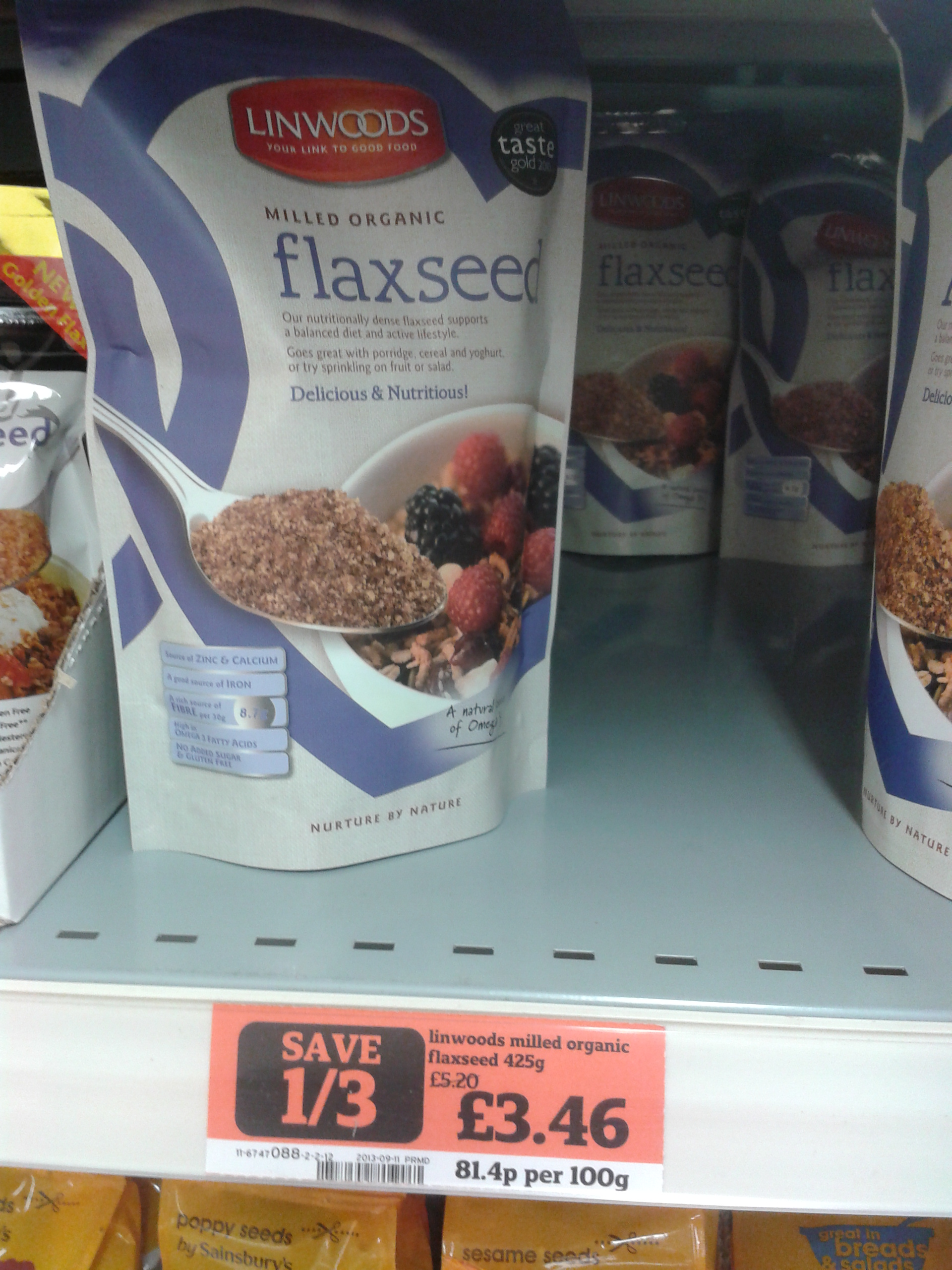
    Flaxseed

    Flaxseed

Salmon - omega 3 oils

Salmon – omega 3 oils

Frightening Calcium Facts

Osteoporosis_Awareness_Long-1-1-791x1024

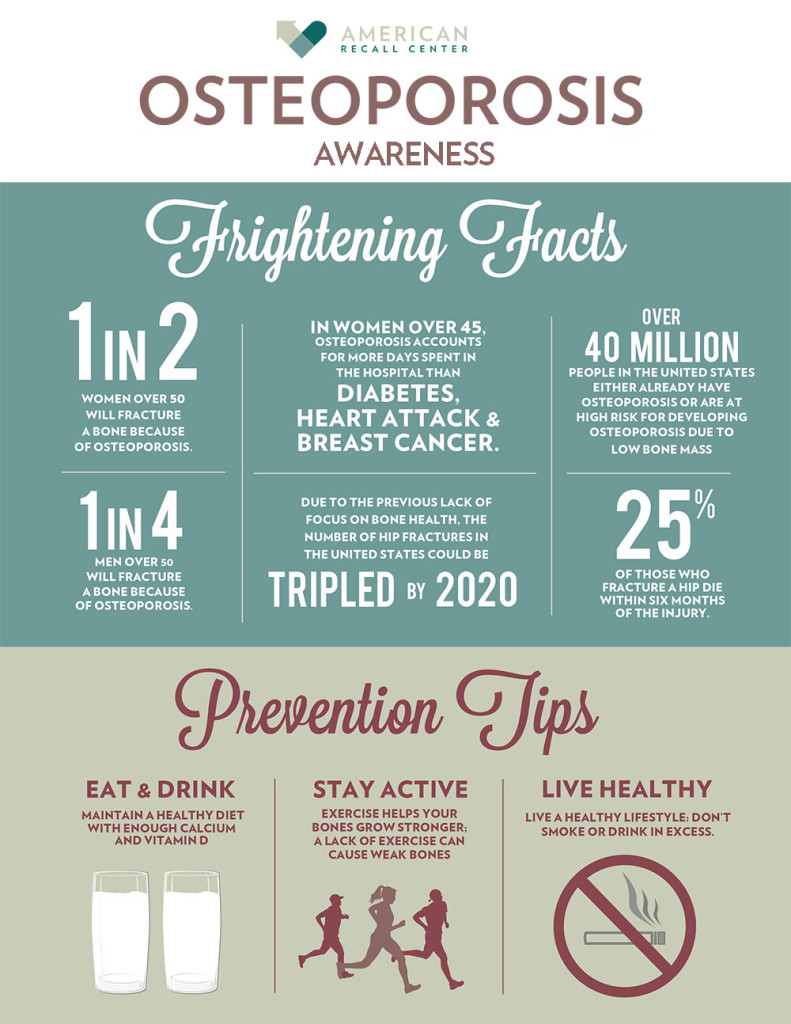
Wow!……..50% of women, and 25% of men over 50 will experience a bone fracture due to osteoporosis!

Until recently, doctors and dietitians have recommended calcium supplements for those not getting enough from their diet. Recent research is emerging to show that calcium from supplements may not be effective at improving bone health, and may even increase risk of heart disease. The research is suggesting that dietary sources trump the supplements.

Rickets (child)

Rickets (child)

Hip fracture

Hip fracture (adult)

Why is calcium important?

  • bone health – 99% of calcium is in the bones , it is needed to prevent osteoporosis (softening of bones), resulting in fractures and to prevent rickets in children.
  • 1% of calcium found outside the bones is essential for: muscle contraction, blood clotting, stabilising blood pressure, normal brain function, communicating essential information among cells.

How much calcium do I need?

Age Calcium/day Stars (1 star = 60mg)
Babies <1 525mg 9
1-3 350mg 6
4-6 450mg 7.5
7-10 550mg 9
11-18 Girls 800mg/Boys 1000mg 13/16
19+ 700mg 11
Breastfeeding mums 1250mg 25
Post menopausal women 1200mg 20
Coeliac disease Adults 1500mgChildren 750mg 2512

Sources of calcium:

Food Amount Calcium stars
Milk 200ml ★★★★
Cheese Matchbox size (30g) ★★★★
Cheese triangle 15g ★★
Yoghurt 1 pot (150g) ★★★★
Rice pudding ½ tin (200g) ★★★
Custard 120ml ★★
Ovaltine original 25g (with milk) ★★★★★★★
Calcium enriched soya/rice/oat/almond milk 200ml ★★★★
Sardines ½ tin ★★★★
Prawns 3 tablespoons ★★
Salmon, tinned ½ tin ★★
Baked beans Small tin (220g) ★★
Hummus 150g
Sesame seeds 1 tablespoon
Brazil nuts 9
Almonds 12
Broccoli 1 cup ★★★
Spring greens 75g
Kale 1 cup
Soya beans (edamame) 1 cup ★★★
Orange 1
Figs, dried 4 ★★★
Apricots 8
Bread 2 slices
Pitta/chapatti 1
ReadyBrek 1 serving ★★★★

Vitamin D – It essential for bone health to have good levels of vitamin D, as it is needed for the gut to absorb calcium, and for bone formation. It is difficult to get enough vitamin D from diet alone, and during winter months from sunlight, which is why I recommend a vitamin D supplement. Here’s more info on vitamin D

Anything else?

Other dietary factors are important for bone health include:

  • protein – meat, fish, eggs, dairy

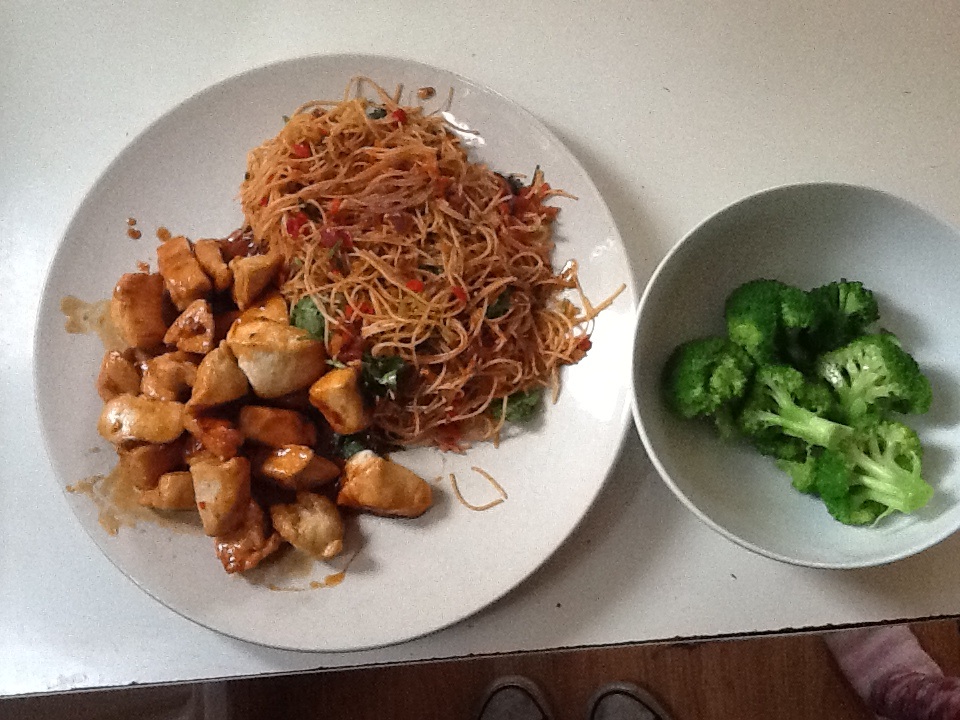
    Balanced meals with protein, vegetables and whole grains

    Balanced meals with protein, vegetables and whole grains

  • magnesium – dairy, fruit, veg, whole grains
  • phosphorous – excessive intake harmful (fizzy drinks)
  • potassium – fruit and veg
  • vitamin K, vitamin C, vitamin A – fruit and vegetables, fish, meat, eggs
So as you can see, a balanced diet including calcium rich foods, fruit, vegetables, with some meat, fish and eggs are all important for the health of your bones.
If you are not getting enough calcium from your diet, then it is worth consulting with a dietitian who can help you redesign your diet and give easy and practical suggestions for upping your intake.