Game Day – food & family logistics

For an 80 minute game of rugby, there is an awful lot of palaver that goes on before and after (also during, with all that throwing a ball around and wot not)

Yesterday’s kick off was 2pm, but from 10am until we return home at 6.30pm we are rugby, rugby, rugby. We live in Kingston (London suburban heaven/hell), so Sunday traffic to the stadium in Reading along the M3 and M4 can be horrendous. Particularly if there are roadworks, especially enraging when there is nobody actually working on them. Thousands of cones on a perfectly good road, thousands of cars, and no PEOPLE WORKING!!images

Our aim is to get Dec to the game on time and in a calm state, so we always leave a lot of extra time to get there. Yesterday we left at 11am, and got to the Mad Stad at 12.15. The London Irish squad had a team meeting at 12.30, followed by their warm up on the pitch. Myself, Beth (6), Evie (4) and Conor (1), have to find entertainment for the 2 hours until kick off, so thank goodness for the Digger Club……..there is face painting (amazing!), bouncy castling, and hugs Unknownfrom Digger, the club mascot. Digger is an 8 foot hairy dog dressed in London Irish kit, who kids either love or are completely freaked out by. Conor is of the latter. There’s also live diddly dee music, and when I can avoid the moans children’s requests for food no longer, we head upstairs to the room reserved for players’ families. This is brilliant as the children are ‘confined’ and can tear about the place and eat their packed lunch with out bothering other supporters.

I’ve learnt that I should always go prepared with plenty of food and snacks for the afternoon. It’s a long day from leaving the house, to getting home at  6.30pm, so I seem to spend most of the morning on food preparation. Rather than depending on McDonalds on the way home, I made lentil & tomato sauce (the soup recipe with less stock) and added it to some pasta tubes with some cheese sprinkled on top. I’ll fire that in the microwave for two minutes for dinner when we get through the door after the game.

For Dec, match day food before a game should focus on easily digestible carbohydrate which will fuel the muscles. He starts the morning with a bowl of porridge with banana puree, milk and sugar, a few hours later it’s a bagel with peanut butter and jam, and just before we leave he has a bowl of pasta with a smidge of carbonara sauce. As the game gets closer, high fibre and high fat foods should be kept to a minimum as theses take longer to digest. White foods (pasta, bread, bagels etc.) are perfect for loading up the muscles with carbohydrate to fuel the warm up and game ahead. Here’s some more info on pre-match food

For me and the kids, food for during the game is typical packed lunch fodder.

  • sandwiches: wholemeal bread, tuna & sweetcorn or peanut butter & jam
  • bananas, apples, pears
  • homemade Seriously Healthy Flapjacks
  • yogurts (and spoons, remember the spoons!!)
  • mini packs of Smarties from the Trick or Treat sweetie stash

For the children, the actual rugby game is pretty dull, so they are more than happy to play with their friends and hide under the tables stuffing biscuits from the tea and coffee table in to their gobs (they think I don’t notice, but I do….Mummy sees EVERYTHING). I’m delighted if I can have a cup of coffee with Conor quietly sitting on my lap, but he’s usually intent on trying to fling himself over the seating boundary on to the concrete below. This is probably why I am not the person to ask for any sort of match analysis as I rarely get the chance to focus on the game (that’s my excuse for still being clueless).

securedownload

Conor: England, Ireland or Arsenal????

We have a fair bit of waiting around after the game. A major part of the recovery process is refuelling and repairing the muscles within an hour of finishing, so the boys sit down to a good balanced meal. Here’s more info on why and how nutrition is used for recovery of the body, ready for the next week of training.

Unfortunately, we lost the game against Northampton 14-19, but it is always fab to catch up with friends and family (2 engagements, 2 pregnancies, and 1 new baby). Bob and Shauna Casey’s little man Ollie came to his first game…….will he be declaring for England or Ireland in twenty years time I wonder? Dec is having this very dilemma with our wee Conor: England, Ireland or the Mighty Arsenal????

Shepherd’s Pie – healthy make over

It has become popular for recipes, especially those online, to display the nutrition information. Hopefully this will empower the reader to make better health choices, as without this information, people generally underestimate the calories and fat in a dish.

BBC Good Food's Shepherd's Pie

BBC Good Food’s Shepherd’s Pie

Despite it being one of my jobs to estimate the nutritional value of food, I was a little shocked by the nutrition information that had been added to the Shepherd’s Pie recipe I’ve been using for years. One portion weighed in at over 660kcal and 39g of fat (and let’s face it, we usually have a little bit more than our allocated amount!) 660 calories is great for my 102kg rugby player husband who requires over 4000kcal per day, but for most of us, this is too high in saturated fat, calories, and too low on the veg and fibre. Most of us should aim for about 2000kcal, 45g of fat and 75g fibre per day.

So hoping to adopt the culinary equivalent of Laurence Lewellyn-Bowen’s Changing Rooms makeover genius (raised eyebrow), I set about reinventing my favourite shepherd’s pie recipe.

So how did I make the recipe healthier?

  • Reduced saturated fat: swapped lamb mince to lean beef mince, drained the excess fat, left out the butter from the mash.
  • Increase veg and fibre: added an extra carrot, replaced half the stock with a carton of tomatoes, added cooked red lentils (you really don’t even notice they’re in there), used half normal potatoes, half sweet potato for the mash

Result? 33% fewer calories, 70% less fat, 50% more fibre.

Here’s a comparison of the nutritional analyses of the original and made over recipe per portion:

  original healthier
Kcal 660 440
Fat 39 12
Protein 33 32
Fibre 6 9

And do you know what? It was actually rather good! The children and their friend from school finished a plate full each. Sounding a little perplexed, the friend said that she doesn’t usually finish her dinner. Ha! Healthier doesn’t mean less tasty!

Chocolate Spread

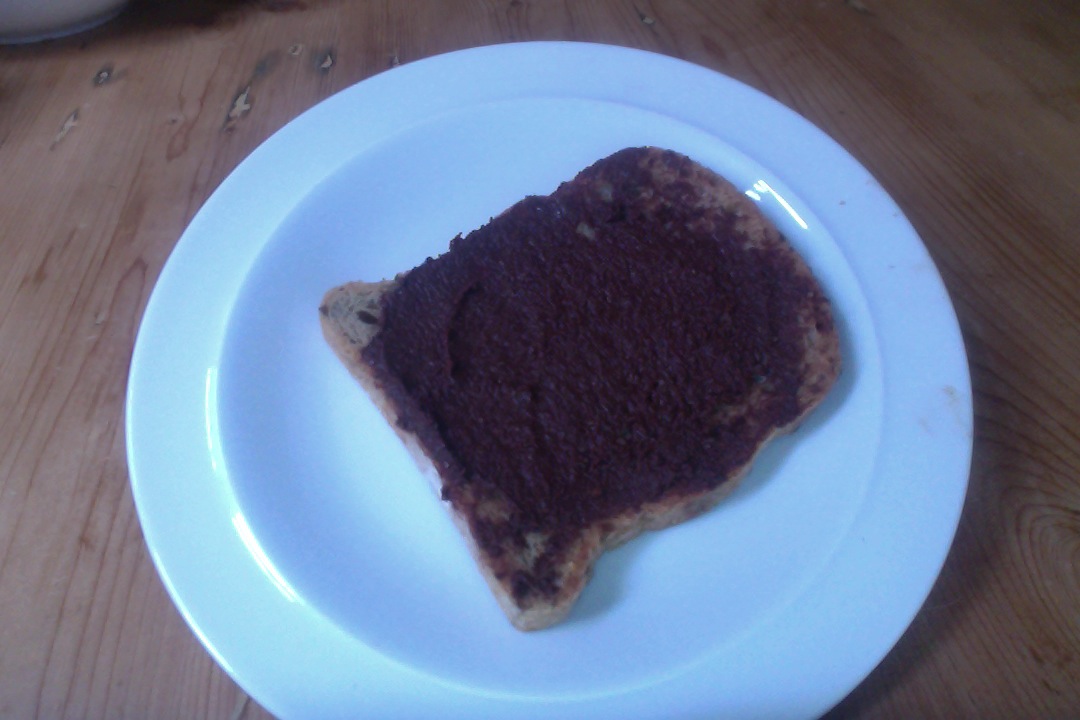
Here’s a recipe for a healthy chocolate spread which has evolved from my Cocoa Bar recipe. Nutella is the most well known chocolate spread, but did you know that as well as hazelnuts and milk, the main ingredients are sugar and palm oil? One tablespoon has 100kcal and 11g sugar (that’s more than 2 teaspoons of sugar per tablespoon i.e. it’s 75%  sugar).

In this recipe I use cocoa powder, ground almonds, almond milk (or any milk!) and honey for sweetness.

Nutella 1 tablespoon: 100kcal, 11g sugar

Homemade Chocolate Spread: 30kcal, 2g sugarPhoto on 02-10-2013 at 09.58

Ingredients:

1/2 cup ground almonds

1/4 cup cocoa powder sieved

1/4 cup milk

Cocoa Powder

Cocoa Powder

2 teaspoons honey

Ground Almonds

Ground Almonds

Just mix all of the ingredients together. Have a taste, if you want it a bit sweeter, add a little extra honey!

Delicious spread on toast, or try mixed in some plain yogurt with a sliced banana!

This should keep for up to 5 days in the fridge. It depends really on the milk you have used eg. cow’s milk should be used within 3 days of opening the bottle, while Alpro Almond Milk should be used within 5 days of opening.

Cocoa Bar recipe


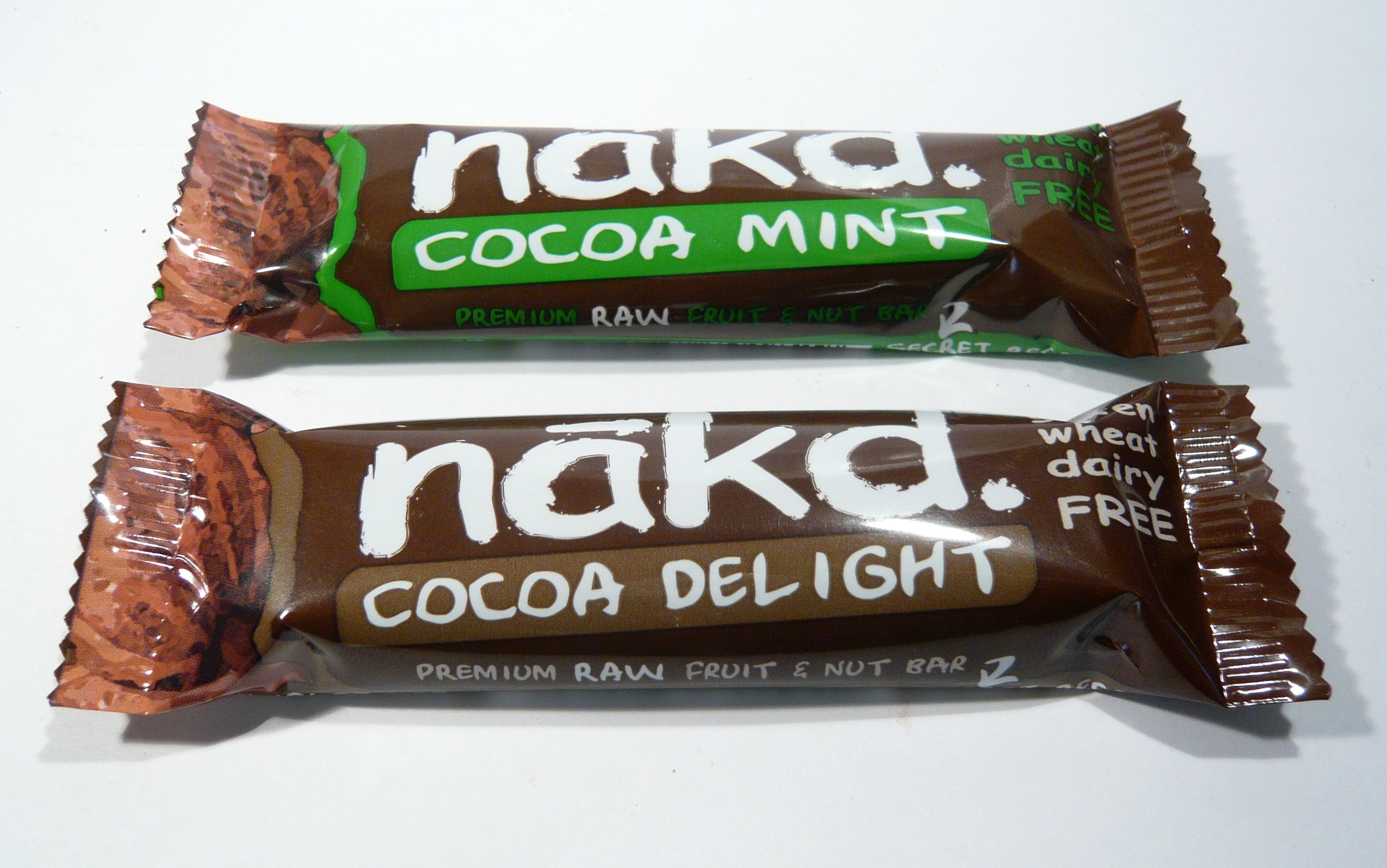
nakd-raw-chocolate-1Being a dietitian, I can’t help myself but to study food labels.

The popular Nakd bars are pleasantly short on the list of ingredients. Cocoa Delight is  made from 48% dates, 29% cashew nuts, 17% raisins and 6% cocoa powder.

On the face of it an ideal healthy snack, especially for hungry kids after school, with no added sugar, oils, butter, additives, preservatives etc. (more after school snack inspiration). So I’d limit to one a day, mainly because the dates and raisins make it very sweet, albeit with natural sugar. There is the equivalent to a tablespoon per bar (that’s almost 50% sugar). A ‘high sugar’ food has more than about 20g/100g sugar. These bars have 43g/100g. On a positive note, the almonds make it low GI (digested slowly), high in vitamin E and the cocoa powder, dates and raisins are high in antioxidants.

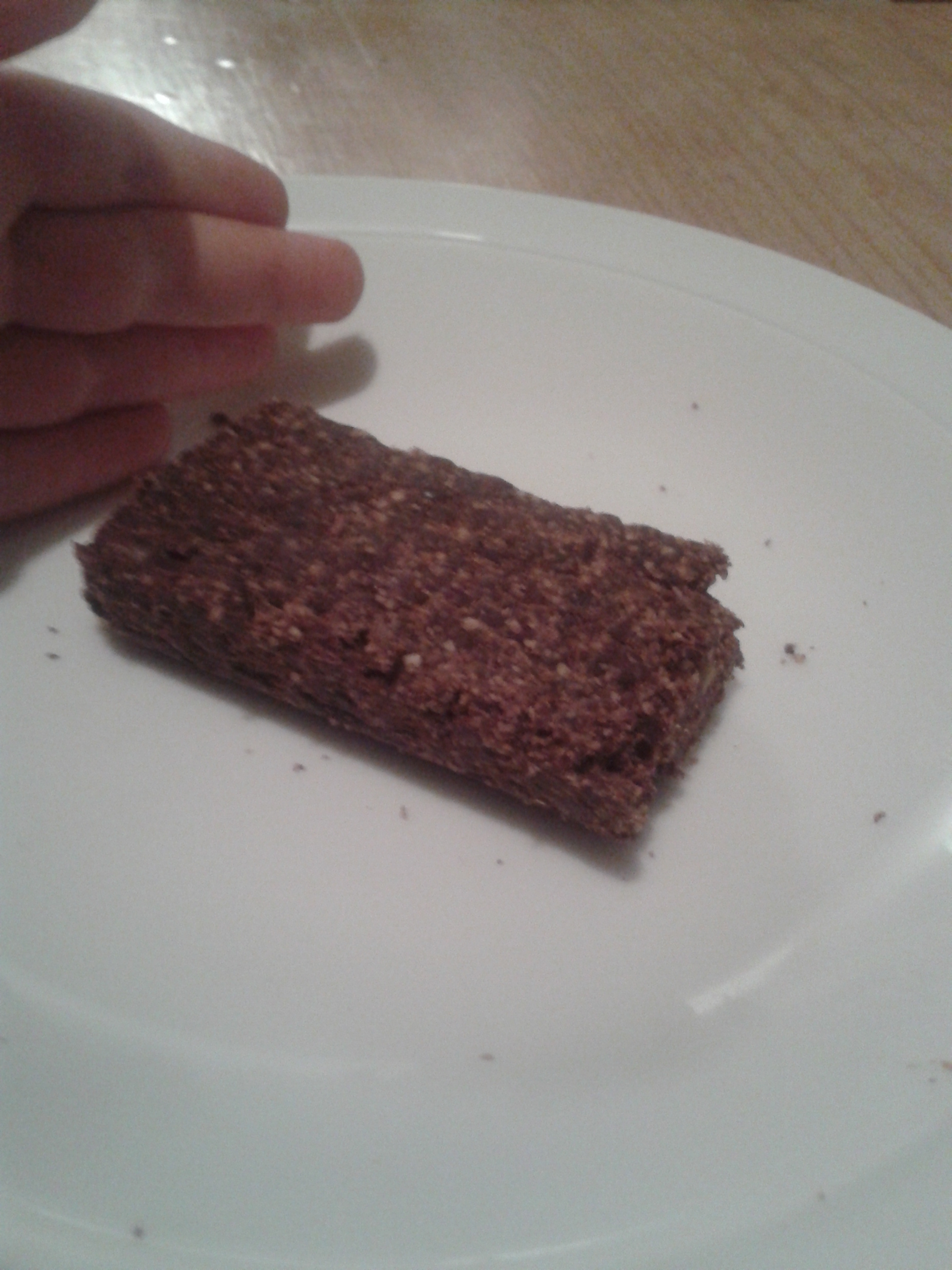
Homemade Cocoa Bars

Homemade Cocoa Bars

So, as a ‘treat’ food, I thought I’d experiment with my own version…..I just took the %s from the ingredients list and equated that to the weight (and doubled to make more). I also substituted the cashews for ground almonds. These can be bought already ground up, making it a bit easier.

Here are the ingredients and quantities (makes 6 bars):

ground almonds

ground almonds

100g dates, blended or very finely chopped

Unknown

Dates

60g ground almonds/cashews

30g raisins, blended (or finely chopped)

Cocoa Powder

Cocoa Powder

10g cocoa powder

Mix all the ingredients together either in a small blender/food processor or by rubbing in with your fingers, it takes a few minutes, and it will be quite dry and crumbly.

Press in to a tin, taking time to pack the mixture in so it is well compressed. Put in to the freezer to cool. The will be ready to chop in to bars after about an hour.

Nutrition info for each bar: 123kcal, 3g protein, 14g (natural) sugar

Lots more healthy snacks

5 reasons Mums can’t lose weight


Butternut, Bacon & Herby Scones

Here is a recipe from my lovely friend, Robyn. We know each other through the rugby, as our husbands played together at London Irish, and later Neal coached Dec. They are now arch rivals as Neal is coaching the Bath Rugby team (boooooo!). As well as being long suffering rugby wives, Robyn and I also share entrepreneurial tendencies. Robyn’s baby is Mum’s the Business offering fabulous help for mums making their way with their own business.

With 315kcal and 8g protein per muffin, these are perfect for the kid’s lunch boxes as something a bit different to sandwiches. Also fab as a high energy snack.

The butternut squash is rich in vitamin A & C, the spinach has vitamin A, C, K & folate, the olive oil is heart healthy, and the milk and cheese provide calcium.

Here’s the recipe………

Makes: about 12 scones

Takes: 20 minutes to bake & 50 minutes to prepare (mostly the butternut!)

1 butternut squash (about 500g butternut squash cubes)        

1tbsp olive oil

200g unsmoked back bacon                                                        

450g self raising flour

1 tsp baking powder

80g unsalted butter (cut into small pieces)

1 large handful of chopped fresh herbs or spinach (optional)  

300ml semi skimmed milk

40g cheddar cheese, finely grated

Preheat oven to 190C/fan or 170C/Gas5.  Grease 2 baking trays.  Peel butternut squash, cube it, then place on baking tray with oil & roast for 40 minutes, or until cooked.  Cook the bacon on the other tray until cooked and golden.

Put the flour and baking powder into a large bowl, and rub in the butter.

Add the butternut, bacon (snipped into small pieces) and the herbs / spinach.  Mix.  Add almost all the milk & mix together well.

Dollop about 12 spoonfuls onto baking tray.  Brush the tops with milk and sprinkle cheese over.  Bake for about 15 – 20 minutes until cooked through & golden.

Iron: are you getting enough?


Recent statistics show that 40% of women under the age of 34 have seriously low intakes of iron and are at risk of anaemia as a result. Up to 15% of children don’t get enough iron, and 1 in 8 children between 1 1/2 and 2 years are anaemic.


Anaemia can cause:

  • tiredness and weakness
  • decreased work and school performance
  • slow cognitive and social development during childhood
  • difficulty maintaining body temperature
  • decreased immune function, which increases susceptibility to infection
  • glossitis (an inflamed tongue)
  • palpatations
  • restless leg syndrome

Symptoms of iron deficiency anaemia could be caused by many different things. A blood test is needed to confirm the presence of iron deficiency anaemia.

People at risk of anaemia:

  • Infants over 6 months
  • Toddlers
  • Adolescents
  • Pregnant women
  • Pre menopausal women


How much iron do I need?

Gender Age Group Recommended intake (mg/day), number of
Children 1-3 years 7
Children 4-6 years 6
Children 7-10 years 9
Teenage boys 11-18 years 11
Teenage girls 11-18 years 15
Men 19-50 years 9
Women 19-50 years 15
Men 50+ years 9
Women 50+ years 9


Food sources of iron

  • Iron from animal sources is much better absorbed by the body than plant sources
  • Vitamin C helps with absorption. High vitamin C foods include: red peppers, broccoli, strawberries, kiwi fruit & oranges.
  • Tea and coffee reduce the absorption of iron, so don’t drink a cup too close to a meal

 Meat sources:

Food Average portion Stars
Liver 40g, thick slice ★★★
Liver pate 1 tbsp
Beef steak 150g, medium size ★★★
Sausage 2
Beef mince 125g, 4 tbsp cooked ★★★
Chicken 100g cooked
Pork chop 120g, 1 average
Sardines/salmon/mackerel 50g
Tuna 100g (1/2 tin)

 Other sources (less well absorbed):

Food Average portion Stars
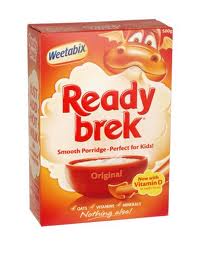
Ready Brek 20g dry (1 small ptn) ★★★★★★
Branflakes 25g (4 tbsp) ★★★★
Weetabix 2 biscuits ★★★
Rice Krispies 30g (4 tbsp) ★★
Chickpeas 100g (4 tbsp) ★★
Lentils green/brown 75g (1/2 cup cooked) ★★
Lentils red 75g (1/2 cup cooked) ★★
Baked beans 120g (3 tbsp) ★★
Humus 50g (1 tbsp)
Eggs 1
Sunflower seeds 30g (1/4 cup) ★★
Sesame seeds 12g (1 tbsp)
Dried Apricots 8 ★★
Dried figs 4 ★★★
Raisins 35g (1 tbsp)
Spinach 120g (3 tbsp) boiled ★★
Avocado ½
Peas 75g (2.5 tbsp)
Broccoli 4 spears (200g)
Ovaltine 25g serving (4 tsp) ★★★
Milo (chocolate malt) 20g serving (4 tsp) ★★★★★★
Sainsburys: £3.99

Sainsburys: £3.99Tesco: £2.99  Tesco: £2.99

Iron Supplements

If you have iron deficiency anaemia, your doctor may prescribe you iron supplements, as even a diet rich in iron will not be enough to correct the deficiency.

If you experience a stomach upset with iron tablets, try taking a liquid form instead.

For further information on iron or for a dietary assessment to assess the amount of nutrients in your diet, use the contact form to get in touch.

Go back

Your message has been sent

Warning
Warning
Warning

Warning.

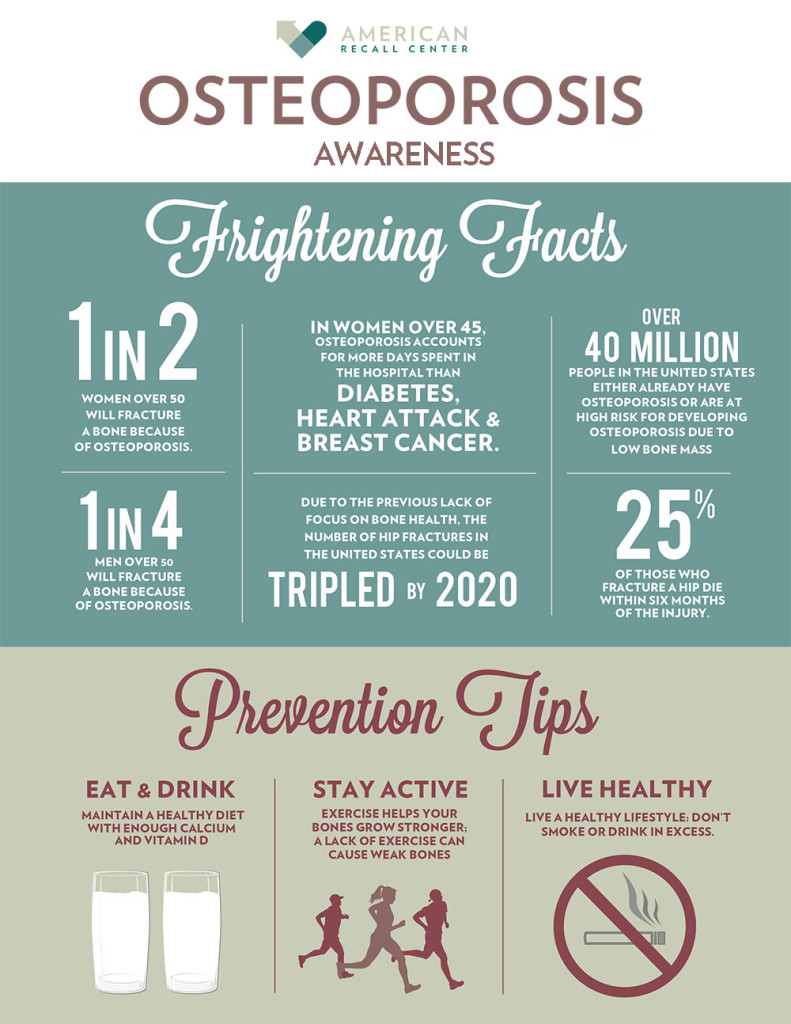
Frightening Calcium Facts

Osteoporosis_Awareness_Long-1-1-791x1024

Wow!……..50% of women, and 25% of men over 50 will experience a bone fracture due to osteoporosis!

Until recently, doctors and dietitians have recommended calcium supplements for those not getting enough from their diet. Recent research is emerging to show that calcium from supplements may not be effective at improving bone health, and may even increase risk of heart disease. The research is suggesting that dietary sources trump the supplements.

Rickets (child)

Rickets (child)

Hip fracture

Hip fracture (adult)

Why is calcium important?

  • bone health – 99% of calcium is in the bones , it is needed to prevent osteoporosis (softening of bones), resulting in fractures and to prevent rickets in children.
  • 1% of calcium found outside the bones is essential for: muscle contraction, blood clotting, stabilising blood pressure, normal brain function, communicating essential information among cells.

How much calcium do I need?

Age Calcium/day Stars (1 star = 60mg)
Babies <1 525mg 9
1-3 350mg 6
4-6 450mg 7.5
7-10 550mg 9
11-18 Girls 800mg/Boys 1000mg 13/16
19+ 700mg 11
Breastfeeding mums 1250mg 25
Post menopausal women 1200mg 20
Coeliac disease Adults 1500mgChildren 750mg 2512

Sources of calcium:

Food Amount Calcium stars
Milk 200ml ★★★★
Cheese Matchbox size (30g) ★★★★
Cheese triangle 15g ★★
Yoghurt 1 pot (150g) ★★★★
Rice pudding ½ tin (200g) ★★★
Custard 120ml ★★
Ovaltine original 25g (with milk) ★★★★★★★
Calcium enriched soya/rice/oat/almond milk 200ml ★★★★
Sardines ½ tin ★★★★
Prawns 3 tablespoons ★★
Salmon, tinned ½ tin ★★
Baked beans Small tin (220g) ★★
Hummus 150g
Sesame seeds 1 tablespoon
Brazil nuts 9
Almonds 12
Broccoli 1 cup ★★★
Spring greens 75g
Kale 1 cup
Soya beans (edamame) 1 cup ★★★
Orange 1
Figs, dried 4 ★★★
Apricots 8
Bread 2 slices
Pitta/chapatti 1
ReadyBrek 1 serving ★★★★

Vitamin D – It essential for bone health to have good levels of vitamin D, as it is needed for the gut to absorb calcium, and for bone formation. It is difficult to get enough vitamin D from diet alone, and during winter months from sunlight, which is why I recommend a vitamin D supplement. Here’s more info on vitamin D

Anything else?

Other dietary factors are important for bone health include:

  • protein – meat, fish, eggs, dairy

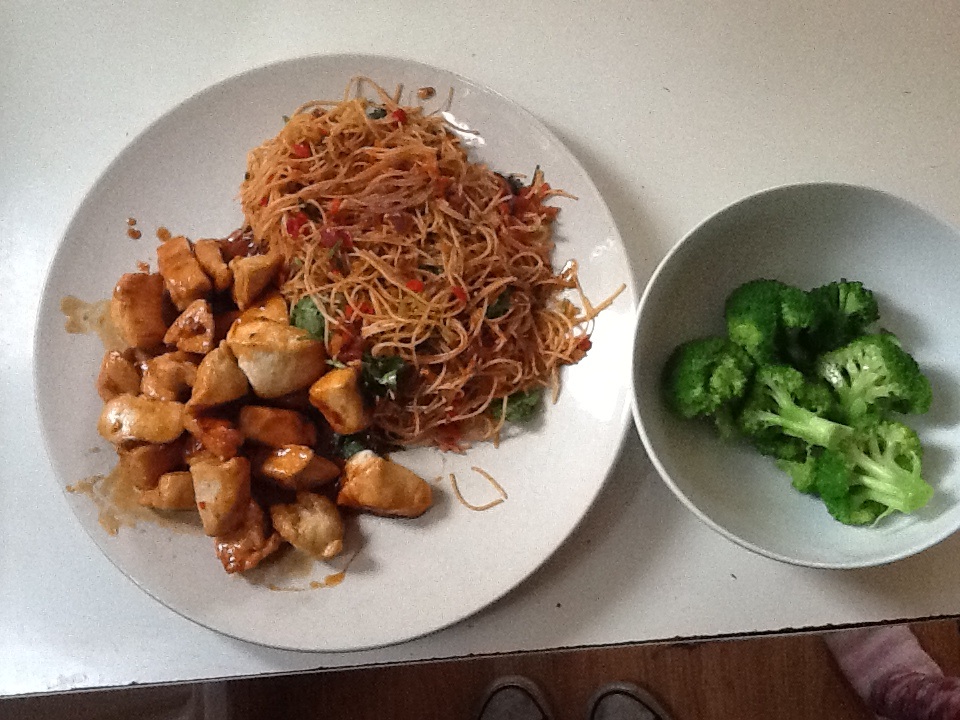
    Balanced meals with protein, vegetables and whole grains

    Balanced meals with protein, vegetables and whole grains

  • magnesium – dairy, fruit, veg, whole grains
  • phosphorous – excessive intake harmful (fizzy drinks)
  • potassium – fruit and veg
  • vitamin K, vitamin C, vitamin A – fruit and vegetables, fish, meat, eggs
So as you can see, a balanced diet including calcium rich foods, fruit, vegetables, with some meat, fish and eggs are all important for the health of your bones.
If you are not getting enough calcium from your diet, then it is worth consulting with a dietitian who can help you redesign your diet and give easy and practical suggestions for upping your intake.