Banana Bread Recipe

“What have you got for me to eat, Mum?” or “I’m starrrrrrrrving!”

That is how I am greeted by Evie, 4, when she comes out of school. The wee girl is always ravenous (no matter how much I provide in the packed lunch). I sometimes struggle to come up with healthy things for after school. It needs to be something filling, but not too filling because then Evie and her little brother, Conor, will struggle to eat their dinner at 5pm. Beth, 7, has a fabulous appetite, and a penchant for pleasing her mum, so will eat most of her dinner without any nonsense. The other two are a different matter! Here’s an article in a local magazine called Families Upon Thames on strategies to get your kids to eat their meals Table wars!

I digress. Snacks for after school: fruit (not popular), homemade flapjacksoaty biscuitscocoa Unknown-1bars. Anything that comes out of a packet is met with glee and great excitement. Yoyo Fruit Bars are popular, or anything remotely sweetie or chocolate.

Today I am trying a something new, here’s the recipe. Make with gluten free self raising mix for a  FODMAP friendly version!

Banana Bread

2oz butter/margarine

5oz caster sugar

2 eggs lightly beaten

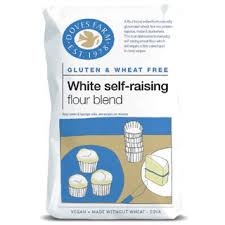
Unknown-27oz self raising flour (or I use gluten free Dove’s Farm self raising flour blend)

2 ripe bananas mashed

Optional extras: 1 teaspoon cinnamon, handful of raisins.

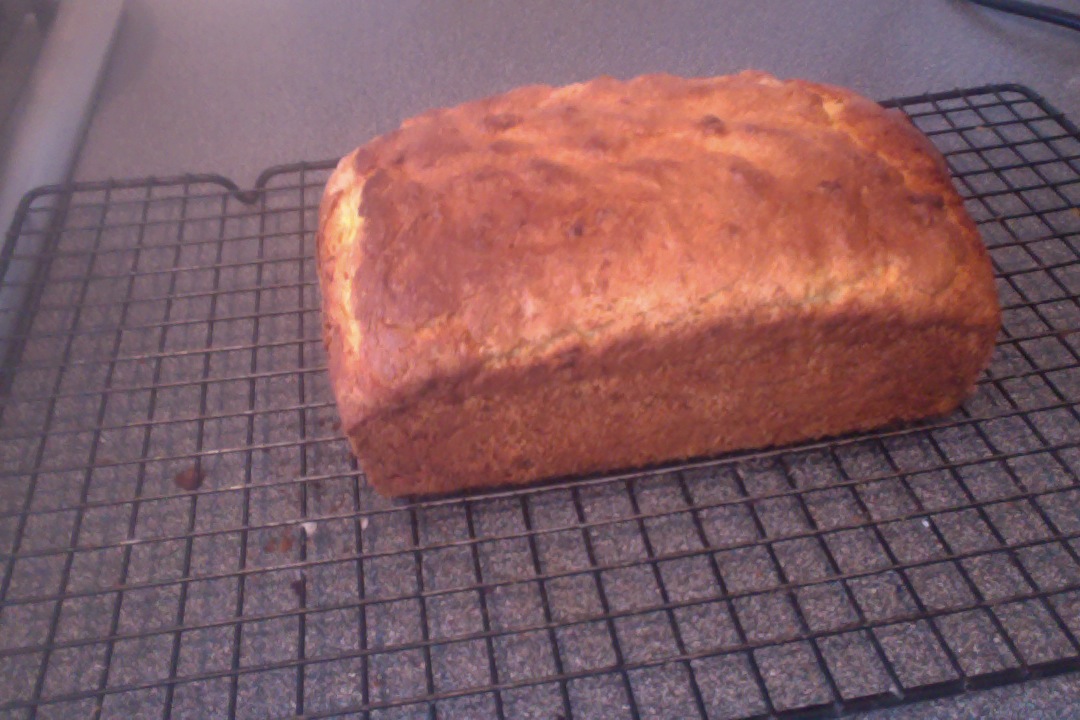
Mix the butter and sugar together until light and fluffy. Slowly mix in the beaten eggs. Add the sifted flour, gently mix in. Add the mashed bananas and mix. Pour into a greased loaf tin. Bake at 170c for about 40 minutes, you can check to see if it ready with a knife – it should come out clean if you stick it in to the middle.

Photo on 17-03-2014 at 12.36

Awesome Granola

I’ve been making this everyday for about 6 months now, and it is still a massive hit with me, my husband, and our two year old boy (the girls, 4 and 7, are stuck on Rice Krispies). I’ve passed the recipe on to countless friends and relatives who are equally smitten.

It’s so easy to make……..5 minutes to mix the ingredients together, and 30 minutes in the oven. It smells AMAZING when it starts to brown in the oven (a sign that it is ready if you forget to time it, like I always do)

Dietitian bit – why it’s good for you:

  • high fibre carbohydrate from oats – chunky oats are filling and full of soluble fibre, energy
  • protein – from the milk, seeds and and a little bit from the oats, muscle maintenance & building
  • fruit – raisins, chocca block with antioxidants and fibre
  • healthy fats – vegetable oil and seeds, help to keep you full up, good fats are essential, but in moderation. If you are watching your weight, then please keep the portions of granola small (about 1/3 to 1/2 a mugful).

And here’s something I’ll tell you for free, from my MSc research on antioxidants in oats: toasting oats produces something called the Maillard Reaction which increases the ‘antioxidant capacity’ (antioxidants are good for you). During the summer of 2001 I spent unhealthy lengths of time in a lab at the University of Ulster with a lot of oats, an oven, a blender and a large expensive machine to come up with that gem!

Granola Recipe:

300g oats (or about 6 handfuls) – I mix 200g chunky with 100g finer oats

2 tablespoons vegetable oil (you can use melted coconut oil, but it doesn’t produce the same ‘crunch’)

securedownload

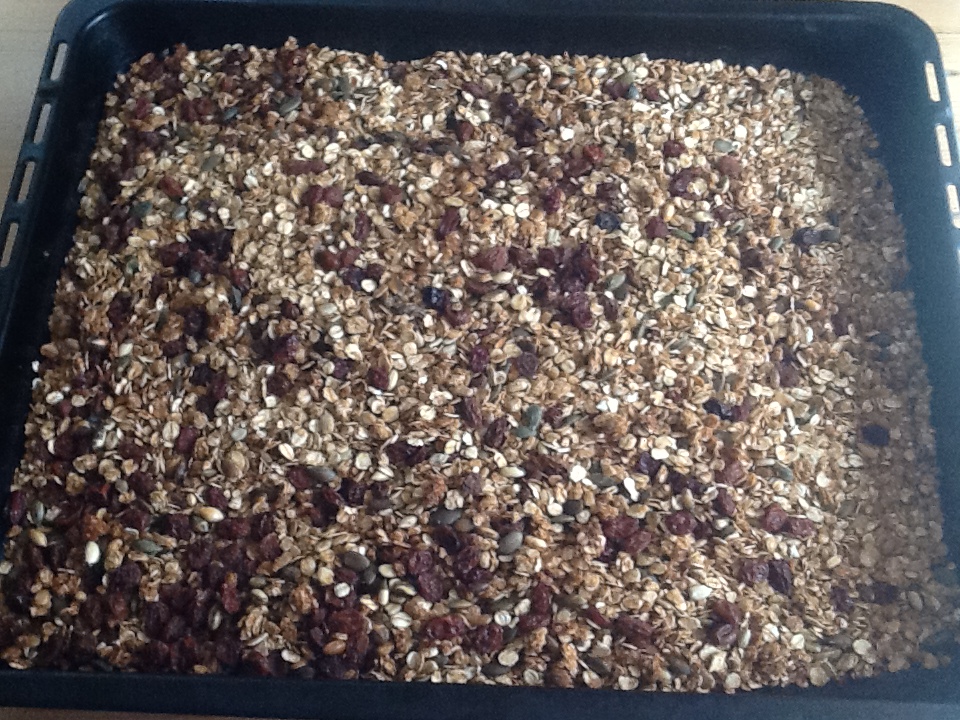
Just out of the oven

3 tablespoons honey

1-2 handfuls pumpkin/sunflower seeds

handful raisins or sultanas

generous sprinkle of cinnamon (about a 2 teaspoons)

IDShot_90x90-1

chunky oats

IDShot_90x90-2

finer oats

Method: mix the oil and honey together in a bowl. Add the oats, cinnamon and seeds, stir throughly ensuring the oats are coated. Spread on to baking sheet and put in the oven at 150c for 30 minutes. Half way through cooking time (after 15 minutes), add the raisins/sultanas. Remove from oven and allow to cool.


Super Boost Salad

I love this recipe because it is a simple list of ingredients that you can get in your local supermarket. It is ready in minutes………. just chop everything up and toss in to a bowl. I tend to roast the pumpkin and sunflower seeds as I much prefer the flavour and texture to raw (just grill for a few minutes until they start to turn brown). The zingy ginger dressing is delicious. I cheat make a sensible short cut by using ginger in a tube.

The intense colour of the red cabbage gives away it’s superb antioxidants, the humble carrot contains a fascinating combination of phytonutrients, carotenoids, anthocyanins and are a very good source of biotin, vitamin K, potassium, vitamin B6, and vitamin C. Apples are full of polyphenols, fibre and vitamin C. Seeds, a fabulous combo of healthy fats, fibre and protein. Ginger has anti inflammatory properties. The amazing medley of nutrients in this recipe truly make it a super food.

If you feel sleepy and lethargic after your usual lunch of a bagel, sandwich or jacket potato, try a big bowl of this instead! Add some protein from fish or chicken, and this can help you to feel full up, bright and alert for the rest of the afternoon. If you are very active or are an athlete in training, add some wholegrain rice or quinoa to boost the healthy carbs.

Make a big batch, and you’ll have enough for the next day too!

  • 350g red cabbage grated/shredded
  • 3 carrots grated
  • 20g pack parsley, roughly chopped
  • 2 Cox’s apples (or any red apple), quartered, cored and sliced
  • handful of radishes or 2 celery sticks, sliced
  • 1 tbsp pumpkin seeds
  • 2 tbsp each sunflower seeds

For the dressing

  • 2 tsp grated root ginger
  • 1 tsp clear honey
  • 2 tbsp lemon juice
  • 4 tbsp light olive oil

Healthy Snacks – eat more!

Research shows that people who eat healthy snacks between meals consume fewer calories overall. This may be because they prevent themselves becoming ravenously hungry, therefore are less likely to overeat. When you feel like you are starving, you are also more likely to go for the unhealthy stuff.

Choosing snacks wisely helps you to nourish your body, maintain concentration, mood & energy levels, keep your metabolic rate up, and eliminate sugar cravings. The key is to be prepared. Have the ingredients in your cupboard or fridge, and if you are out and about, whether at work, shopping or at the park, prepare before hand and bring with you! Don’t be caught out with nothing but chocolate bars, sweets and crisps to choose from at the corner shop.

Here are some top snacks. The ideal combination is some carbs, protein and healthy fats. These are also good for post workout recovery:

  • Apple & handful almond, not a whole bag2013-04-01-15-58-55
  • 2 Rice cakes with hummus
  • High protein fruit yoghurt eg. Danio (Danone), Total (Fage)

    Homemade Cocoa Bars

    Homemade Cocoa Bars

  • Hummus with carrot sticks
  • Skinny latte
  • ½ wholemeal pitta with ham and tomato
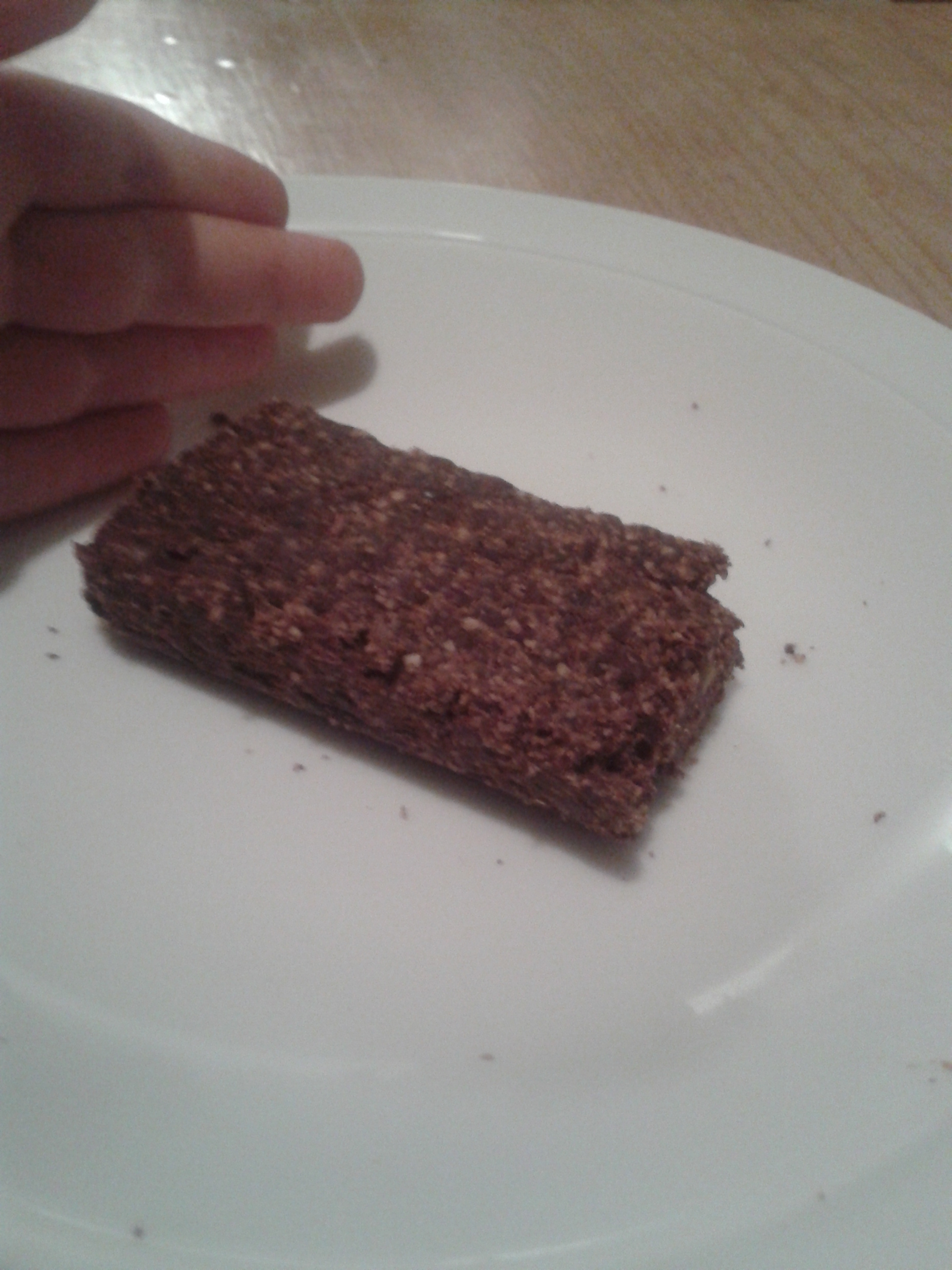
  • Homemade cocoa bar
  • small bar of chocolate e.g. Green & Black and cup of milky coffee
  • 4 apricots, spread with peanut butter, dunked in to toasted pumpkin seeds
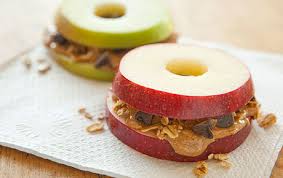
  • slices of apple spread with low fat cream cheese/peanut butter & raisinsimages-3
  • piece of fruit with cheese strings
  • Homemade Seriously Healthy Flapjack

Can what you eat cure your acne?

Something I see occasionally in my clinic is clients with spots. And it’s not usually teenagers, it’s more likely to be women in their 30s and 40s. I’ve even had one lady in her 60s who suffered from cystic acne on her chin, not bad enough for a dermatology referral, but none the less, unpleasant to put up with. My clients have usually been suffering for years, and while their GP or dermatologist may be sympathetic, the prescribed treatments offered have not provided a long term solution.

As an acne suffer myself from the age of 14, I spent 20 years wondering when I’d Roaccutane - a last resort‘grow out’ of it. Every medication in the BNF (the doctor’s prescribing bible) has been given to me, from benzyl peroxide cream to the liver toxic Roaccutane. Each would help for a while, but the spots always returned. It was evident that the root cause was not being treated. I was always told by GPs, dermatologists and even dietitian colleagues that there was no relationship between acne and diet.
What does the research show? The outdated opinion that acne is not related to diet comes from a 1969 study looking at the effect of chocolate on acne, in which the inappropriate conclusion was drawn that, as chocolate did not appear to affect acne, neither did any dietary factor. However, there is growing evidence from more recent studies supporting the relationship between diet and acne. In particular a high glycaemic index diet and dairy have been implicated. There is also emerging medical evidence and a growing number of clinicians acknowledging that up to 10% of the population may have a gluten intolerance, despite testing negative for coeliac disease. Gluten intolerance can manifest in skin conditions. There is also interesting new research looking at gut bacteria, and it’s role in inflammation and immunity.

What causes acne? Acne is caused by a combination of hormones and inflammation. Women with polycystic ovary syndrome are particularly susceptible. A diet high in refined carbohydrates (sugar, white bread, white rice, biscuits, sweets, pastries etc.), low in fruit and vegetables, and low in essential fatty acids may have a negative effect on hormones, and may also contribute to inflammation. This is where the role of good/bad bacteria in the gut becomes interesting. A poor diet affects the complex flora in the digestive tract resulting in an overgrowth of the bad, which may ultimately have many effects outside of the gut, including spotty skin.

For years, I have followed a very healthy diet including lots of veg, fruit, whole grains, healthy fats, low sugar etc. however, still suffered with acne. In desperation, 2 years ago I thought I would have nothing to lose by trying a gluten free diet. With in a few weeks the spots had cleared. The ‘gold standard’ way togenius46_460 challenge the intolerance is to reintroduce the food. I have done this twice, once on holiday in Morocco where breakfast was almost completely bread products, and in Ireland where I wasn’t going to offend my husband’s Granny by turning down her scones! The result? With in about 3 days I had horrible spots which took about a month each time to clear up.
Everyone is different and there is no magical ‘one diet fits all’. For me, gluten is my trigger, however, this will not be the case for all. For some of my clients, just cutting out the refined carbs and increasing the good fats is enough to see 100608182647-largeimprovements. A change in diet can take time to show in the skin. Some people see a difference in a few days, for some it may take a few months.

My recommendations:

  • avoid refined carbohydrates, change to wholegrains
  • have a good intake of vegetables and fruit (at least 5 portions a day)
  • take a daily fish oil supplement containing 500mg DHA & EPA
  • include healthy fats e.g. nuts and seeds, olive oil, avocados
  • consider a trial exclusion of dairy
  • consider a trial exclusion of gluten
  • consider a probiotic supplement

If you don’t feel confident with changing your diet or choosing a probiotic, seek the advice of a dietitian to guide you. Cutting out food groups such as dairy, can leave you lacking in important nutrients. A dietitian can also help you with the practical aspects of applying the recommendations to your current diet and lifestyle. For example, what to buy in Pret a Manger or Starbucks, how to incorporate more veg, how to go gluten free.

Shepherd’s Pie – healthy make over

It has become popular for recipes, especially those online, to display the nutrition information. Hopefully this will empower the reader to make better health choices, as without this information, people generally underestimate the calories and fat in a dish.

BBC Good Food's Shepherd's Pie

BBC Good Food’s Shepherd’s Pie

Despite it being one of my jobs to estimate the nutritional value of food, I was a little shocked by the nutrition information that had been added to the Shepherd’s Pie recipe I’ve been using for years. One portion weighed in at over 660kcal and 39g of fat (and let’s face it, we usually have a little bit more than our allocated amount!) 660 calories is great for my 102kg rugby player husband who requires over 4000kcal per day, but for most of us, this is too high in saturated fat, calories, and too low on the veg and fibre. Most of us should aim for about 2000kcal, 45g of fat and 75g fibre per day.

So hoping to adopt the culinary equivalent of Laurence Lewellyn-Bowen’s Changing Rooms makeover genius (raised eyebrow), I set about reinventing my favourite shepherd’s pie recipe.

So how did I make the recipe healthier?

  • Reduced saturated fat: swapped lamb mince to lean beef mince, drained the excess fat, left out the butter from the mash.
  • Increase veg and fibre: added an extra carrot, replaced half the stock with a carton of tomatoes, added cooked red lentils (you really don’t even notice they’re in there), used half normal potatoes, half sweet potato for the mash

Result? 33% fewer calories, 70% less fat, 50% more fibre.

Here’s a comparison of the nutritional analyses of the original and made over recipe per portion:

  original healthier
Kcal 660 440
Fat 39 12
Protein 33 32
Fibre 6 9

And do you know what? It was actually rather good! The children and their friend from school finished a plate full each. Sounding a little perplexed, the friend said that she doesn’t usually finish her dinner. Ha! Healthier doesn’t mean less tasty!

Cocoa Bar recipe


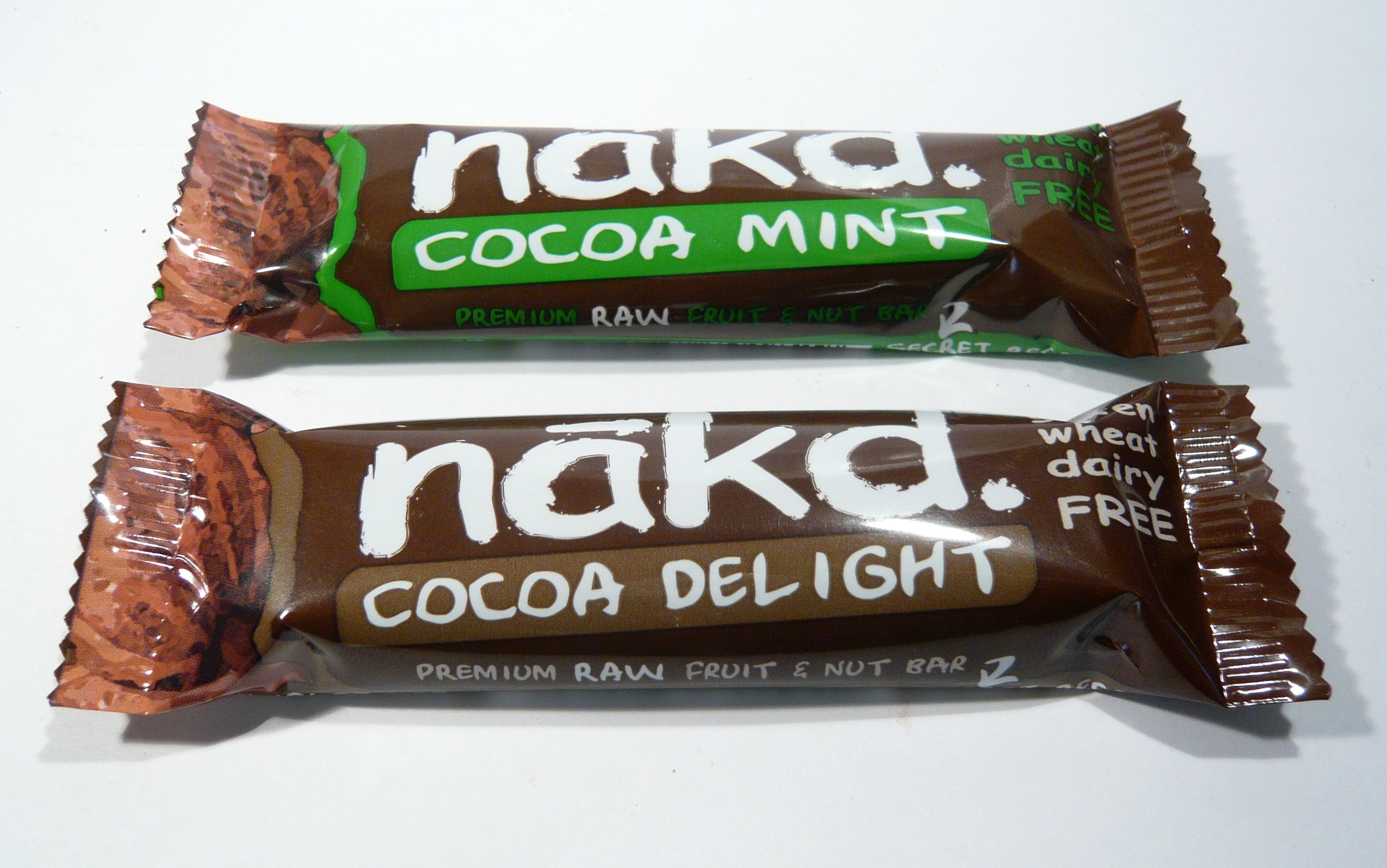
nakd-raw-chocolate-1Being a dietitian, I can’t help myself but to study food labels.

The popular Nakd bars are pleasantly short on the list of ingredients. Cocoa Delight is  made from 48% dates, 29% cashew nuts, 17% raisins and 6% cocoa powder.

On the face of it an ideal healthy snack, especially for hungry kids after school, with no added sugar, oils, butter, additives, preservatives etc. (more after school snack inspiration). So I’d limit to one a day, mainly because the dates and raisins make it very sweet, albeit with natural sugar. There is the equivalent to a tablespoon per bar (that’s almost 50% sugar). A ‘high sugar’ food has more than about 20g/100g sugar. These bars have 43g/100g. On a positive note, the almonds make it low GI (digested slowly), high in vitamin E and the cocoa powder, dates and raisins are high in antioxidants.

Homemade Cocoa Bars

Homemade Cocoa Bars

So, as a ‘treat’ food, I thought I’d experiment with my own version…..I just took the %s from the ingredients list and equated that to the weight (and doubled to make more). I also substituted the cashews for ground almonds. These can be bought already ground up, making it a bit easier.

Here are the ingredients and quantities (makes 6 bars):

ground almonds

ground almonds

100g dates, blended or very finely chopped

Unknown

Dates

60g ground almonds/cashews

30g raisins, blended (or finely chopped)

Cocoa Powder

Cocoa Powder

10g cocoa powder

Mix all the ingredients together either in a small blender/food processor or by rubbing in with your fingers, it takes a few minutes, and it will be quite dry and crumbly.

Press in to a tin, taking time to pack the mixture in so it is well compressed. Put in to the freezer to cool. The will be ready to chop in to bars after about an hour.

Nutrition info for each bar: 123kcal, 3g protein, 14g (natural) sugar

Lots more healthy snacks

5 reasons Mums can’t lose weight