Can what you eat cure your acne?

Something I see occasionally in my clinic is clients with spots. And it’s not usually teenagers, it’s more likely to be women in their 30s and 40s. I’ve even had one lady in her 60s who suffered from cystic acne on her chin, not bad enough for a dermatology referral, but none the less, unpleasant to put up with. My clients have usually been suffering for years, and while their GP or dermatologist may be sympathetic, the prescribed treatments offered have not provided a long term solution.

As an acne suffer myself from the age of 14, I spent 20 years wondering when I’d Roaccutane - a last resort‘grow out’ of it. Every medication in the BNF (the doctor’s prescribing bible) has been given to me, from benzyl peroxide cream to the liver toxic Roaccutane. Each would help for a while, but the spots always returned. It was evident that the root cause was not being treated. I was always told by GPs, dermatologists and even dietitian colleagues that there was no relationship between acne and diet.

What does the research show? The outdated opinion that acne is not related to diet comes from a 1969 study looking at the effect of chocolate on acne, in which the inappropriate conclusion was drawn that, as chocolate did not appear to affect acne, neither did any dietary factor. However, there is growing evidence from more recent studies supporting the relationship between diet and acne. In particular a high glycaemic index diet and dairy have been implicated. There is also emerging medical evidence and a growing number of clinicians acknowledging that up to 10% of the population may have a gluten intolerance, despite testing negative for coeliac disease. Gluten intolerance can manifest in skin conditions. There is also interesting new research looking at gut bacteria, and it’s role in inflammation and immunity.

What causes acne? Acne is caused by a combination of hormones and inflammation. Women with polycystic ovary syndrome are particularly susceptible. A diet high in refined carbohydrates (sugar, white bread, white rice, biscuits, sweets, pastries etc.), low in fruit and vegetables, and low in essential fatty acids may have a negative effect on hormones, and may also contribute to inflammation. This is where the role of good/bad bacteria in the gut becomes interesting. A poor diet affects the complex flora in the digestive tract resulting in an overgrowth of the bad, which may ultimately have many effects outside of the gut, including spotty skin.

For years, I have followed a very healthy diet including lots of veg, fruit, whole grains, healthy fats, low sugar etc. however, still suffered with acne. In desperation, 2 years ago I thought I would have nothing to lose by trying a gluten free diet. With in a few weeks the spots had cleared. The ‘gold standard’ way togenius46_460 challenge the intolerance is to reintroduce the food. I have done this twice, once on holiday in Morocco where breakfast was almost completely bread products, and in Ireland where I wasn’t going to offend my husband’s Granny by turning down her scones! The result? With in about 3 days I had horrible spots which took about a month each time to clear up.

Everyone is different and there is no magical ‘one diet fits all’. For me, gluten is my trigger, however, this will not be the case for all. For some of my clients, just cutting out the refined carbs and increasing the good fats is enough to see 100608182647-largeimprovements. A change in diet can take time to show in the skin. Some people see a difference in a few days, for some it may take a few months.

My recommendations:

  • avoid refined carbohydrates, change to wholegrains
  • have a good intake of vegetables and fruit (at least 5 portions a day)
  • take a daily fish oil supplement containing 500mg DHA & EPA
  • include healthy fats e.g. nuts and seeds, olive oil, avocados
  • consider a trial exclusion of dairy
  • consider a trial exclusion of gluten
  • consider a probiotic supplement

If you don’t feel confident with changing your diet or choosing a probiotic, seek the advice of a dietitian to guide you. Cutting out food groups such as dairy, can leave you lacking in important nutrients. A dietitian can also help you with the practical aspects of applying the recommendations to your current diet and lifestyle. For example, what to buy in Pret a Manger or Starbucks, how to incorporate more veg, how to go gluten free.
Top 5 foods for lowering cholesterol

The risks from high cholesterol aren’t immediate. The damage accumulates over years — even decades. High cholesterol in your 20s and 30s can take its toll in your 50s and 60s. Because the effects take time, you may not feel the urgency to treat it. You may think you can deal with it later – but you may wait too long before heart disease has taken it’s hold.

The World Health Organisation (WHO) estimates that 80% of heart disease may be preventable. The good news is that simple changes can really improve your heart health, like lowering cholesterol, eating a healthy diet, getting regular exercise, giving up smoking and avoiding stress.

Here are 5 cholesterol lowering foods:

  1. oily fish – salmon, mackerel, fresh tuna and sardines all contain very healthy omega 3 fats
    Salmon - omega 3 oils

    Salmon – omega 3 oils

    called DHA & EPA that lower cholesterol. Aim to eat oily fish twice a week, if you find that difficult, take a daily fish oil supplement that contains 500mg EPA & DHA.

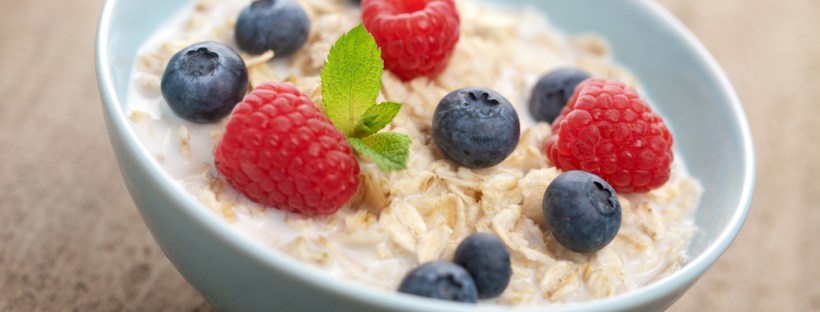
  2. oats – contain beta glucan, which is a soluble fibre that lowers cholesterol. It also has the added benefit of steadying blood sugar levels, helping in the treatment of diabetes and weight loss. Oat breakfast and Oaty Flapjacks2013-09-11 11.50.38
  3. Olive oil – high in monounsaturated fats, which lower cholesterol. Also in rapeseed oil (vegetable oil). Be careful with how much you use if you are watching your weight, one tablespoon has 125kcal.
  4. Nuts – high in vitamins, minerals, and good monounsaturated fat, which can lower cholesterol. Almonds, walnuts, peanuts, hazelnuts, pecans, some pine nuts, and pistachios. Basically, all nuts are good. Avoid salted or dry roasted, the plainer the better. As with olive oil, if you’re watching you weight, just have a handful, not the whole bag!
    Unknown
  5. Plant Stanols – these are probably not a term you have come across. Plant stanols are ingredients in products such as Flora Proactive and Benecol. Three servings of these can reduce cholesterol by up to 10%. Plant seterols are also found in fruit and veg, but in much smaller amounts.

Shepherd’s Pie – healthy make over

It has become popular for recipes, especially those online, to display the nutrition information. Hopefully this will empower the reader to make better health choices, as without this information, people generally underestimate the calories and fat in a dish.

BBC Good Food's Shepherd's Pie

BBC Good Food’s Shepherd’s Pie

Despite it being one of my jobs to estimate the nutritional value of food, I was a little shocked by the nutrition information that had been added to the Shepherd’s Pie recipe I’ve been using for years. One portion weighed in at over 660kcal and 39g of fat (and let’s face it, we usually have a little bit more than our allocated amount!) 660 calories is great for my 102kg rugby player husband who requires over 4000kcal per day, but for most of us, this is too high in saturated fat, calories, and too low on the veg and fibre. Most of us should aim for about 2000kcal, 45g of fat and 75g fibre per day.

So hoping to adopt the culinary equivalent of Laurence Lewellyn-Bowen’s Changing Rooms makeover genius (raised eyebrow), I set about reinventing my favourite shepherd’s pie recipe.

So how did I make the recipe healthier?

  • Reduced saturated fat: swapped lamb mince to lean beef mince, drained the excess fat, left out the butter from the mash.
  • Increase veg and fibre: added an extra carrot, replaced half the stock with a carton of tomatoes, added cooked red lentils (you really don’t even notice they’re in there), used half normal potatoes, half sweet potato for the mash

Result? 33% fewer calories, 70% less fat, 50% more fibre.

Here’s a comparison of the nutritional analyses of the original and made over recipe per portion:

  original healthier
Kcal 660 440
Fat 39 12
Protein 33 32
Fibre 6 9

And do you know what? It was actually rather good! The children and their friend from school finished a plate full each. Sounding a little perplexed, the friend said that she doesn’t usually finish her dinner. Ha! Healthier doesn’t mean less tasty!

True or false? – 3 Food Myths

Working with clients and patients over the years, I have heard many misconceptions about ‘good’ and ‘bad’ foods. It’s my job to set you straight!

Here are the top 3 that I hear most regularly:

  1. Carbohydrates are bad and make you put on weight – False! Carbs are not bad, what makes you put on weight is too many calories. However, not all carbs are created equal. We have ‘refined carbs’ that provide few nutrients e.g. white bread, white rice, cake,When training, carbs are your friend! biscuits etc. and wholesome carbs that are more nourishing e.g. vegetables, fruit, oats, wholewheat bread, brown rice. The wholesome carbs are much higher in fibre making you feel full up for longer, thus curbing hunger and cravings for the refined carbs. They also have more vitamins and minerals. For the average adult, a portion of carbs is about 1/4 of your plate. Yes, 1/4, not 1/2! So the wholesome carbs can actually help you to control your weight.
  2. Sugar makes kids hyper – not true! I have parents who swear that after a birthday partyimages with all the sugary snacks, their children turn in to raving loonies. Scientific studies have shown that as an ingredient, sugar does not cause a change in behaviour. Think about the party environment…….the excitement, the noise, the fun food & drinks! Enough to hype up any child. Any food involvement is likely to come from reactions to food additives or caffeine in fizzy drinks.
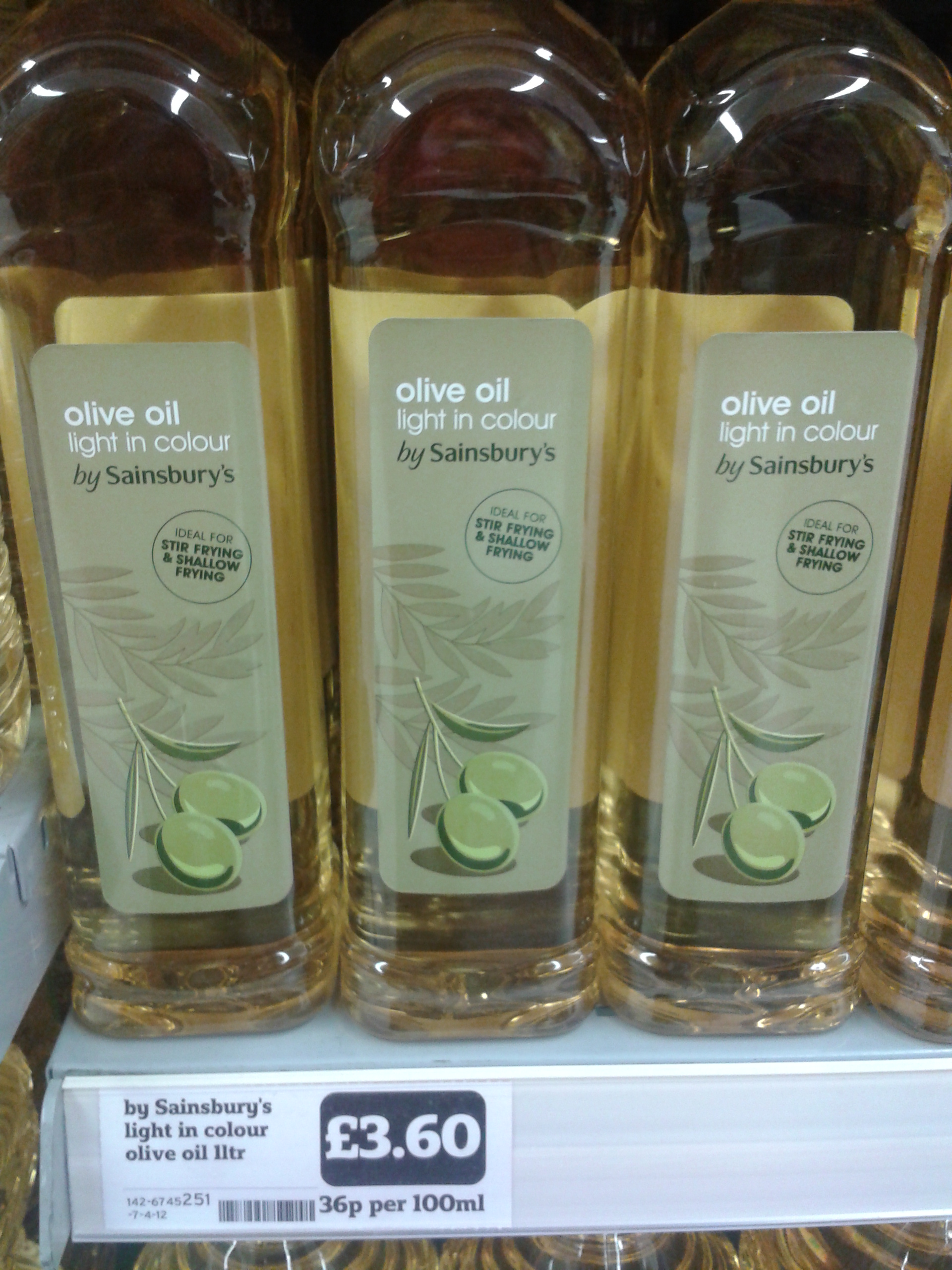
  3. Olive oil helps you to lose weight – not true! This applies to all oils, even the super 2013-09-11 11.50.38expensive extra virgin olive oil, avocado, flaxseed etc. Per tablespoon, all of these oils have 125kcal. They are a healthier type of oil to choose over butter or lard, as they contain essential fatty acids that are anti inflammatory and are good for cholesterol levels. However, if you are watching your weight, be aware that they are extremely high in calories, so don’t use liberally!

Chocolate Spread

Here’s a recipe for a healthy chocolate spread which has evolved from my Cocoa Bar recipe. Nutella is the most well known chocolate spread, but did you know that as well as hazelnuts and milk, the main ingredients are sugar and palm oil? One tablespoon has 100kcal and 11g sugar (that’s more than 2 teaspoons of sugar per tablespoon i.e. it’s 75%  sugar).

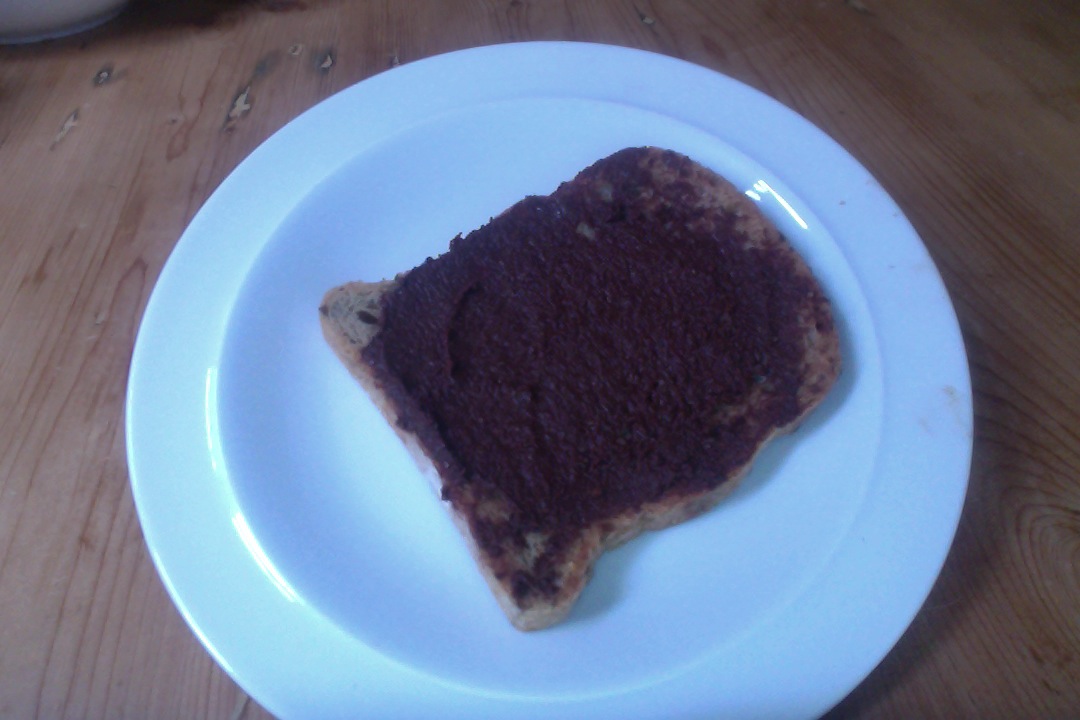
In this recipe I use cocoa powder, ground almonds, almond milk (or any milk!) and honey for sweetness.

Nutella 1 tablespoon: 100kcal, 11g sugar

Homemade Chocolate Spread: 30kcal, 2g sugarPhoto on 02-10-2013 at 09.58

Ingredients:

1/2 cup ground almonds

1/4 cup cocoa powder sieved

1/4 cup milk

Cocoa Powder

Cocoa Powder

2 teaspoons honey

Ground Almonds

Ground Almonds

Just mix all of the ingredients together. Have a taste, if you want it a bit sweeter, add a little extra honey!

Delicious spread on toast, or try mixed in some plain yogurt with a sliced banana!

This should keep for up to 5 days in the fridge. It depends really on the milk you have used eg. cow’s milk should be used within 3 days of opening the bottle, while Alpro Almond Milk should be used within 5 days of opening.

Cocoa Bar recipe


nakd-raw-chocolate-1Being a dietitian, I can’t help myself but to study food labels.

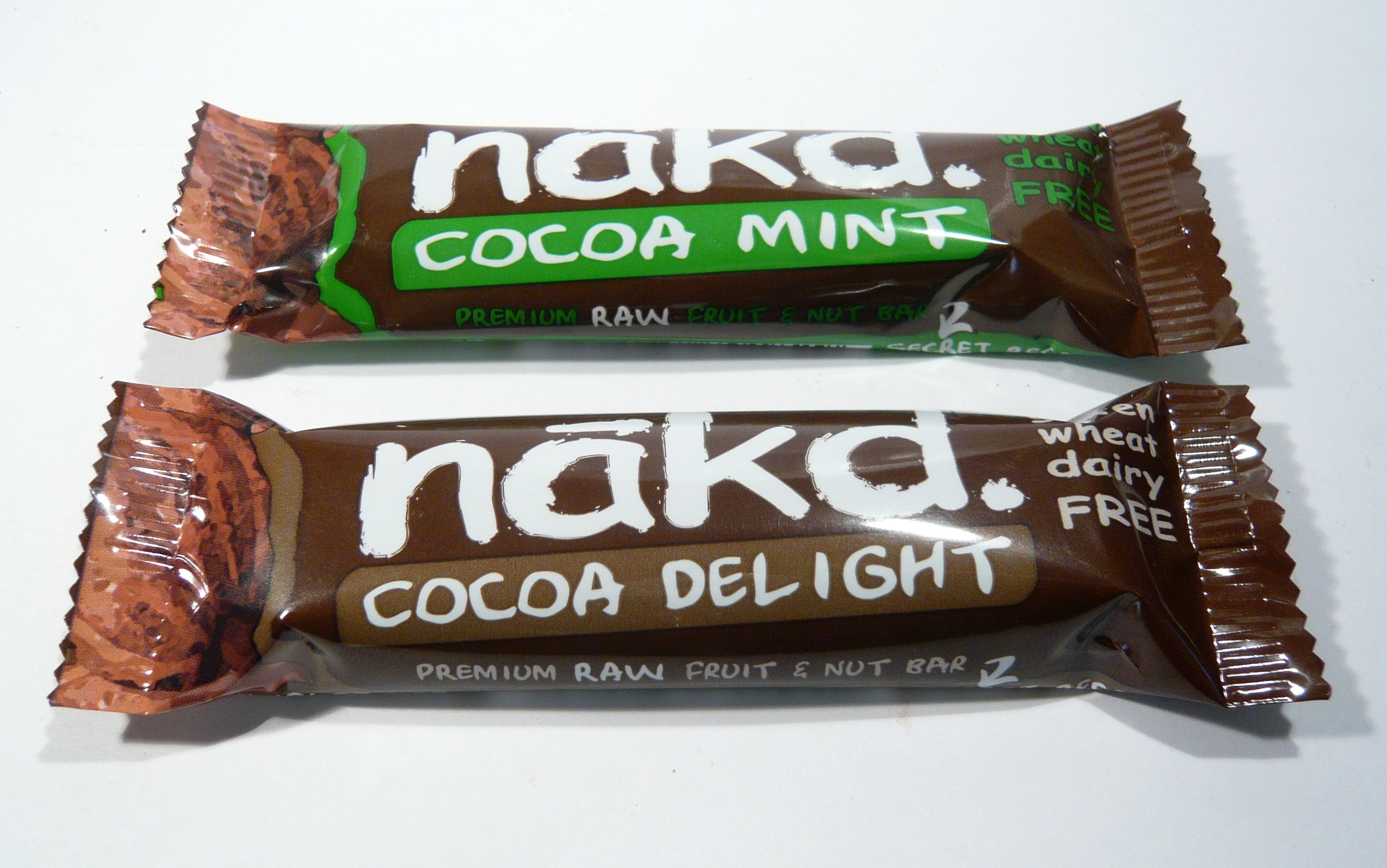
The popular Nakd bars are pleasantly short on the list of ingredients. Cocoa Delight is  made from 48% dates, 29% cashew nuts, 17% raisins and 6% cocoa powder.

On the face of it an ideal healthy snack, especially for hungry kids after school, with no added sugar, oils, butter, additives, preservatives etc. (more after school snack inspiration). So I’d limit to one a day, mainly because the dates and raisins make it very sweet, albeit with natural sugar. There is the equivalent to a tablespoon per bar (that’s almost 50% sugar). A ‘high sugar’ food has more than about 20g/100g sugar. These bars have 43g/100g. On a positive note, the almonds make it low GI (digested slowly), high in vitamin E and the cocoa powder, dates and raisins are high in antioxidants.

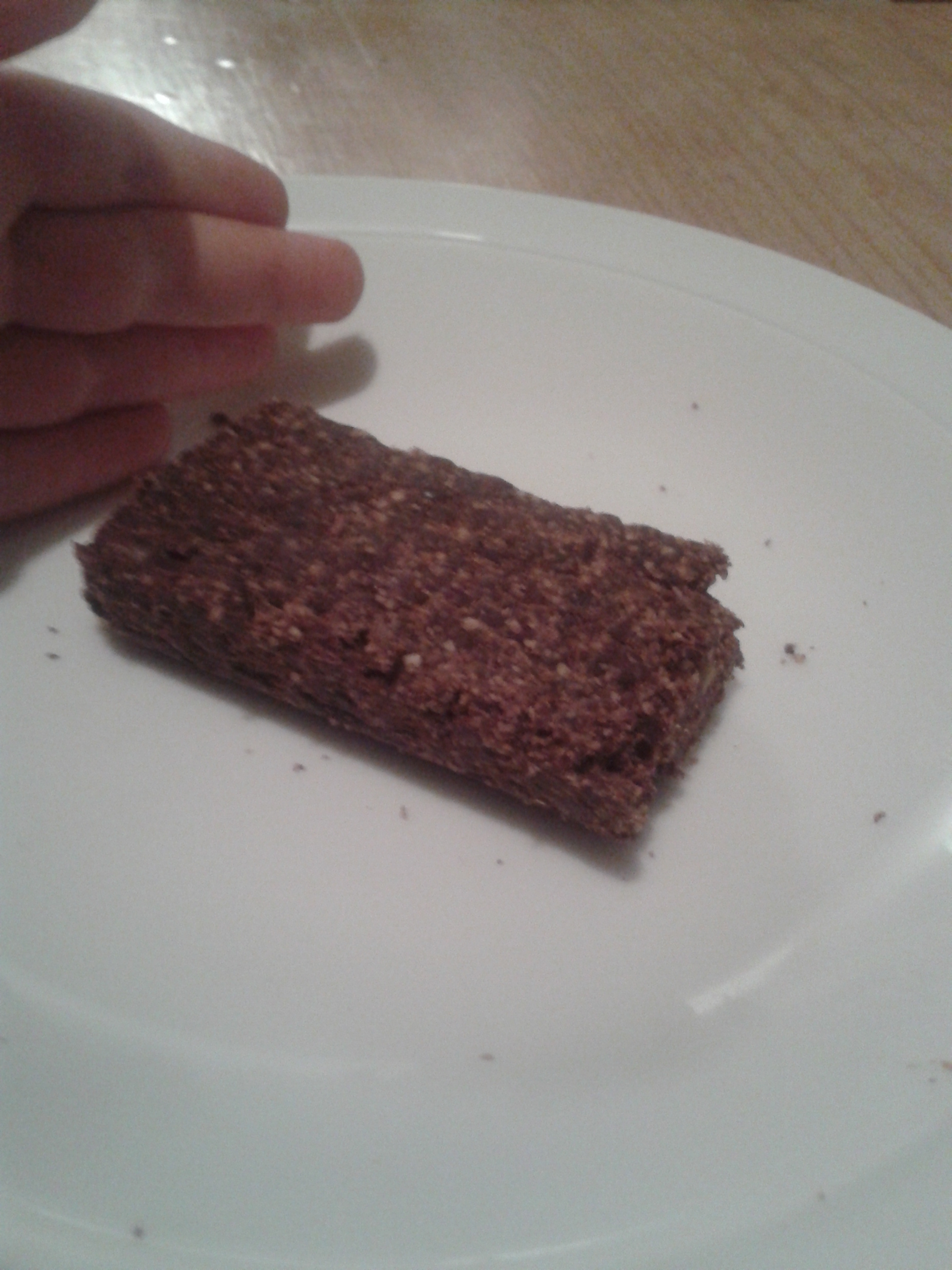
Homemade Cocoa Bars

Homemade Cocoa Bars

So, as a ‘treat’ food, I thought I’d experiment with my own version…..I just took the %s from the ingredients list and equated that to the weight (and doubled to make more). I also substituted the cashews for ground almonds. These can be bought already ground up, making it a bit easier.

Here are the ingredients and quantities (makes 6 bars):

ground almonds

ground almonds

100g dates, blended or very finely chopped

Unknown

Dates

60g ground almonds/cashews

30g raisins, blended (or finely chopped)

Cocoa Powder

Cocoa Powder

10g cocoa powder

Mix all the ingredients together either in a small blender/food processor or by rubbing in with your fingers, it takes a few minutes, and it will be quite dry and crumbly.

Press in to a tin, taking time to pack the mixture in so it is well compressed. Put in to the freezer to cool. The will be ready to chop in to bars after about an hour.

Nutrition info for each bar: 123kcal, 3g protein, 14g (natural) sugar

Lots more healthy snacks

5 reasons Mums can’t lose weight


Iron: are you getting enough?


Recent statistics show that 40% of women under the age of 34 have seriously low intakes of iron and are at risk of anaemia as a result. Up to 15% of children don’t get enough iron, and 1 in 8 children between 1 1/2 and 2 years are anaemic.


Anaemia can cause:

  • tiredness and weakness
  • decreased work and school performance
  • slow cognitive and social development during childhood
  • difficulty maintaining body temperature
  • decreased immune function, which increases susceptibility to infection
  • glossitis (an inflamed tongue)
  • palpatations
  • restless leg syndrome

Symptoms of iron deficiency anaemia could be caused by many different things. A blood test is needed to confirm the presence of iron deficiency anaemia.

People at risk of anaemia:

  • Infants over 6 months
  • Toddlers
  • Adolescents
  • Pregnant women
  • Pre menopausal women


How much iron do I need?

Gender Age Group Recommended intake (mg/day), number of
Children 1-3 years 7
Children 4-6 years 6
Children 7-10 years 9
Teenage boys 11-18 years 11
Teenage girls 11-18 years 15
Men 19-50 years 9
Women 19-50 years 15
Men 50+ years 9
Women 50+ years 9


Food sources of iron

  • Iron from animal sources is much better absorbed by the body than plant sources
  • Vitamin C helps with absorption. High vitamin C foods include: red peppers, broccoli, strawberries, kiwi fruit & oranges.
  • Tea and coffee reduce the absorption of iron, so don’t drink a cup too close to a meal

 Meat sources:

Food Average portion Stars
Liver 40g, thick slice ★★★
Liver pate 1 tbsp
Beef steak 150g, medium size ★★★
Sausage 2
Beef mince 125g, 4 tbsp cooked ★★★
Chicken 100g cooked
Pork chop 120g, 1 average
Sardines/salmon/mackerel 50g
Tuna 100g (1/2 tin)

 Other sources (less well absorbed):

Food Average portion Stars
Ready Brek 20g dry (1 small ptn) ★★★★★★
Branflakes 25g (4 tbsp) ★★★★
Weetabix 2 biscuits ★★★
Rice Krispies 30g (4 tbsp) ★★
Chickpeas 100g (4 tbsp) ★★
Lentils green/brown 75g (1/2 cup cooked) ★★
Lentils red 75g (1/2 cup cooked) ★★
Baked beans 120g (3 tbsp) ★★
Humus 50g (1 tbsp)
Eggs 1
Sunflower seeds 30g (1/4 cup) ★★
Sesame seeds 12g (1 tbsp)
Dried Apricots 8 ★★
Dried figs 4 ★★★
Raisins 35g (1 tbsp)
Spinach 120g (3 tbsp) boiled ★★
Avocado ½
Peas 75g (2.5 tbsp)
Broccoli 4 spears (200g)
Ovaltine 25g serving (4 tsp) ★★★
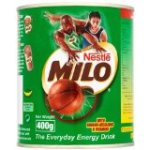
Milo (chocolate malt) 20g serving (4 tsp) ★★★★★★
Sainsburys: £3.99

Sainsburys: £3.99Tesco: £2.99  Tesco: £2.99

Iron Supplements

If you have iron deficiency anaemia, your doctor may prescribe you iron supplements, as even a diet rich in iron will not be enough to correct the deficiency.

If you experience a stomach upset with iron tablets, try taking a liquid form instead.

For further information on iron or for a dietary assessment to assess the amount of nutrients in your diet, use the contact form to get in touch.

← Back

Thank you for your response. ✨