
What is insulin resistance?
Many of my patients, particularly those with hormonal issues such as PCOS, diabetes and menopause have to deal with insulin resistance. Managing it can be challenging.
Insulin resistance occurs when the body’s cells don’t respond properly to insulin, leading to higher glucose levels in the blood. Normally, insulin helps glucose enter cells for energy, but with insulin resistance, this process doesn’t work effectively.

Signs you may be insulin resistant:
- Increased Hunger: Despite eating regular meals, you might still feel hungry because your body’s cells aren’t getting the glucose they need for energy.
- Fatigue: Since glucose isn’t efficiently getting into your cells, you may feel tired or lethargic.
- Difficulty Concentrating: Lack of glucose for your brain can cause difficulties with memory or concentration.
- Weight Gain and Difficulty Losing Weight: High levels of insulin in the blood promotes fat storage and can make it hard to lose weight.
- High Blood Pressure
- Abnormal Cholesterol Levels: Insulin resistance often increases in “bad” LDL cholesterol and triglycerides, and decreases in “good” HDL cholesterol.
- Dark Skin Patches: Known as acanthosis nigricans, this is a condition characterised by dark patches of skin, typically in the armpits, back of the neck, or groin.
Insulin resistance increases the risk of being overweight, type 2 diabetes, heart disease, and fatty liver disease, so it is important to address it with lifestyle changes.
What you can do to improve insulin resistance:
- Regular Movement: Using your muscles during exercise helps the muscle cells to take in the glucose. A combination of aerobic exercises (like walking, cycling, swimming) and resistance training (like weightlifting or body weight exercises) is most effective. Aim for daily aerobic activity, along with strength training exercises at least two days a week.
- Foods and drinks: While there’s no one-size-fits-all “best” diet for insulin resistance, some eating patterns have been shown to be beneficial. An anti-inflammatory, Mediterranean type diet rich in whole grains, lean proteins, fruits, vegetables, and healthy fats can improve insulin sensitivity. Limit processed foods, sugary drinks, and high-fat foods.
- Weight Management: Maintaining a healthy weight is crucial for managing insulin resistance. If you are overweight, a small reduction in weight, can help improve insulin sensitivity. However, this can be hard when you are insulin resistant.
- Better Sleep: poor sleep increases stress hormones like cortisol, alters appetite-regulating hormones, leading to unhealthy lifestyle choices, and impairing glucose metabolism, making the body less efficient in using insulin effectively.
- Reducing Stress: High stress levels can affect insulin resistance. Stress management such as understanding the sources of stress, and using techniques such as exercise, meditation, yoga, and mindfulness can be beneficial. Sleep is also essential for reducing stress levels.
- In some cases, your doctor may recommend medications to improve insulin sensitivity, such as Metformin
- Supplements: see below
What to eat for insulin resistance:
The ideal way of eating is the Anti-Inflammatory, Mediterranean Type Diet, also known as a wholefood diet: It is rich in fruits, vegetables, whole grains, lean proteins like fish and chicken, lentils, beans, nuts, and healthy fats like olive oil. It is low in highly processed foods and artificial ingredients.
Eating this way will:
• Stop your blood sugar and insulin levels from getting too high
• Reduce body inflammation
• Encourage the healthy bacteria in the gut (the gut microbiome)
• Help you to feel full up for longer
• Give your body all of the vitamins and minerals that it needs
Limiting carbohydrates from cake, biscuits, scones, breakfast cereals, bread, potatoes, rice, past etc is fundamental for reducing the amount of sugar (glucose) entering the blood, therefore helping to lower blood sugar and insulin levels.
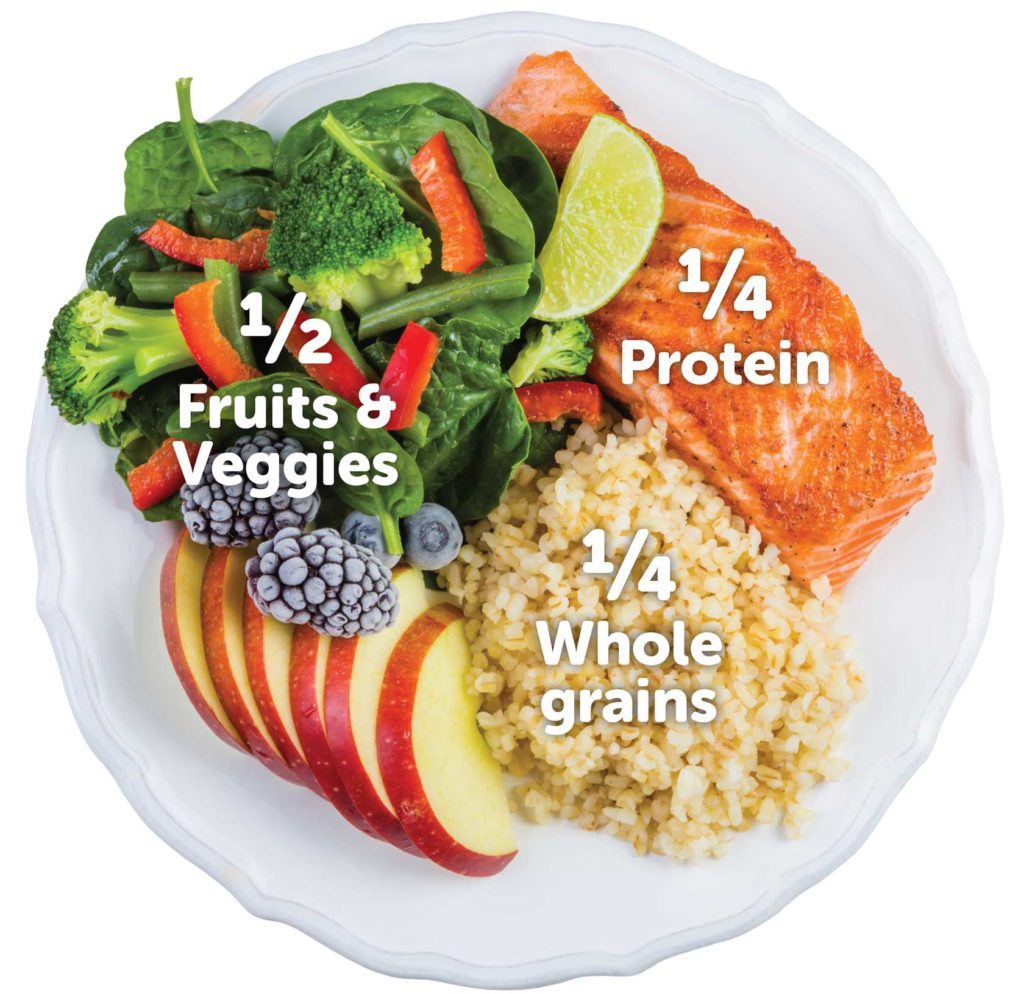
The ‘plate model’ is a helpful way to get the balance right.
Protein
• Fish like salmon, mackerel, sardines.
• Chicken and turkey are included but less frequently than fish.
• Eggs
• Lentils, chickpeas, and beans
Vegetables
• Leafy Greens: Spinach, kale, and any lettuce
• Other Vegetables: artichoke, asparagus, beetroot, broccoli, Brussel sprouts, carrots, celery, cabbage, courgette, cucumber, garlic, leeks, lettuce, mange tout, mushrooms, onion, peas, peppers, tomatoes
Fruits: ideally in their ‘whole’ form, rather than blended in a smoothie or drink
• Berries: Strawberries, raspberries, and blackberries are lower in carbohydrate than many other fruits.
• Other Fruits: any fruit is great, but just have one piece at a time
Carbohydrates: ideally wholegrain/wholemeal versions:
• Sourdough bread, potatoes, rice, pasta, noodles, jumbo oats
• Cooking and cooling potatoes, rice and pasta changes the structure of the carbohydrate to resistant starch, slowing how quickly the carbohydrate is absorbed
Healthy Fats
• Oily fish: sardines, mackerel, salmon. These are also high in protein
• Extra Virgin Olive Oil and Cold Pressed Rapeseed Oil: used for cooking and in dressings
• Avocado
• Nuts and Seeds: Almonds, walnuts, flaxseeds, and chia seeds
Dairy
• Cheese: Feta, halloumi, and other cheeses
• Yogurt: Greek yogurt, or any natural/plain yogurt
• Milk
Flavour
• Herbs
• Spices
• Vinegar – slows down how quickly carbohydrates are absorbed
• Mustard
• Soy sauce
• Pesto
Drinks
• Tea – black, green, herbal
• Coffee – freshly filtered rather than instant
• Water – still or carbonated
• Water with lemon juice or a dash of cordial
Extra tips:
- Avoid ‘white’ carbohydrates: These are ‘simple’ carbohydrates found in sweet foods and drinks, and refined grains such as white flour or white rice. They are quickly digested and absorbed into the bloodstream. This leads to a rapid increase in blood glucose levels.
- Have complex carbohydrates in moderation. Examples include wholegrain rice/pasta, beans, lentils, and starchy vegetables such as carrots and parsnips. These have longer chains of glucose molecules and take longer to digest. As a result, they cause a slower and more gradual increase in blood glucose levels compared to simple carbohydrates. This results in a more gradual release of glucose into the bloodstream, which helps to stabilise blood sugar levels.
- Reduce the amount of carbohydrates: reducing the amount of carbohydrate food you eat will reduce the amount of glucose in the blood stream e.g. have 1 slice of bread instead of 2, or ¼ plate of wholegrain rice instead of ½ a plate, a small handful of grapes. For a significant lowering of blood glucose levels, leave out high carbohydrate foods and replace with more vegetables, protein and healthy fats.
- Have a portion of protein and healthy fat with each meal: Consuming carbohydrates together with fats or proteins can slow down their digestion and absorption. Including a source of healthy fats, such as avocados, nuts, or olive oil, or a source of lean protein, such as chicken, fish, or tofu, in a meal can help to slow down the rate at which carbohydrates are broken down and released into the bloodstream.
- Food Form and Texture: Foods that are in their whole or minimally processed forms, such as whole fruits, vegetables, wholegrain rice generally have a slower absorption rate compared to foods that are in more processed forms, like juices or purees and white rice.
- Have just have one piece of fruit at a time – eat whole rather than blended.
- Smoothies or ready to drink ‘meals’: When you drink blended ingredients (no matter how wholesome or healthy), they are absorbed in to your blood stream relatively quickly. This causes high blood sugar and, if you are insulin resistant, fat storage. Have the same food but unblended e.g. a large handful of jumbo oats, a scoop of protein powder or peanut butter, and milk.
- Cook and Cool: Certain cooking and cooling methods can impact certain foods. For example, allowing cooked pasta, potatoes or rice to cool and eating cold or reheating later can reduce its effect on blood glucose levels. This process changes the structure of the carbohydrate turning it in to ‘resistant starch’, making them slower to digest.
- Vinegar: Studies have shown that having vinegar with carbohydrate foods can lower post-meal blood sugar levels. Add a splash of vinegar to salads or use in dressings.
- Aim to have high omega 3 foods three times a week e.g. mackerel, sardines, salmon. These are potently anti-inflammatory. Tinned fish is convenient and cheap. If you don’t like these fish, then take an omega 3 supplement. See below for more detail on dose.
Example meals for insulin resistance:
Breakfasts
Overnight oats made with jumbo oats, berries and milk
2 eggs with cheese and tomatoes
100g 5% or full fat Greek yogurt with an under ripe banana, nuts and honey
Slice of flaxseed bread with ½ avocado, tuna/sardines/an egg
Lunches
Baked beans, grated cheese on a slice of wholemeal toast
Wholemeal pitta with humous, grated carrot and lettuce
Tomato, Lentil and wholegrain rice soup
Superfood salad: a base of lettuce leaves, topped with grated carrot, peas, pumpkin seeds, extra virgin olive oil, and a tin of sardines or mackerel
Dinners
Grilled salmon with stir fried vegetables in olive oil
Vegetable and bean chilli and rice
Wholemeal pasta with half a jar of tomato sauce e.g. Dolmio and grated cheese
Wholegrain rice with chicken and roasted vegetables
Snacks/desserts
A piece of fruit
A large piece of 70% Cocoa Dark chocolate
2 oat biscuits
tea or coffee
handful of nuts
yogurt with berries
Supplements for insulin resistance:
Here are a few supplements that in research, have shown some promise. These can be used in combination with lifestyle changes (not instead of!):
- Magnesium: Magnesium is involved in the process of insulin secretion and function. Some research suggests that magnesium supplementation can improve insulin sensitivity, especially in people who have a magnesium deficiency. Specifically, magnesium citrate and magnesium glycinate are well absorbed by the body. Magnesium glycinate is better for people with loose stools, while magnesium citrate can have the opposite effect and help with constipation. Magnesium can also help with muscle cramps or restless leg syndrome.
- Omega-3 Fatty Acids: Omega-3 fatty acids, found in fish oil and algae, have anti-inflammatory properties and have been linked to improved insulin sensitivity in some studies. If you don’t like oily fish which is wonderfully high in omega 3s, take 1000mg of EPA/DHA per day.
- Vitamin D: Some studies have suggested that Vitamin D deficiency might worsen insulin resistance, and correcting the deficiency could improve insulin sensitivity. Vitamin D deficiency is very common. The main source is sunlight. Take 1000iu per day, especially during the months from September to May.
- Probiotics: to encourage your healthy microbiome, it is primarily important to eat foods which act as fertiliser for the healthy bacteria that already exist in your gut. Many of the foods listed above act in this way, they are called ‘prebiotics’. Probiotics are supplements that provide additional healthy bacteria, however, there is no clear research on which specific strains of probiotics are beneficial. Viomixx (previously called VSL #3) or Bio-kult, are good ‘broad spectrum’ probiotic supplements which contain a range of bacteria that may be helpful for insulin resistance.
- Inositol: There is evidence that inositol helps with insulin resistance, particularly for those with PCOS and type 2 diabetes. The exact mechanisms by which inositol may help with insulin resistance aren’t entirely understood.
Please note that this is just a general guide and may need to be adjusted based on your personal medical, dietary needs and preferences. It’s always a good idea to consult with a healthcare provider or a registered dietitian before starting any new diet plan. They can provide personalised advice based on your individual health needs.


 This is something I make in seconds for my kids as a very healthy pudding. They love it. It’s somewhere between ice-cream and a smoothie. For me, I sometimes have it as a breakfast. I add a handful of oats, and if I’ve just had a bike or run, a scoop of protein powder.


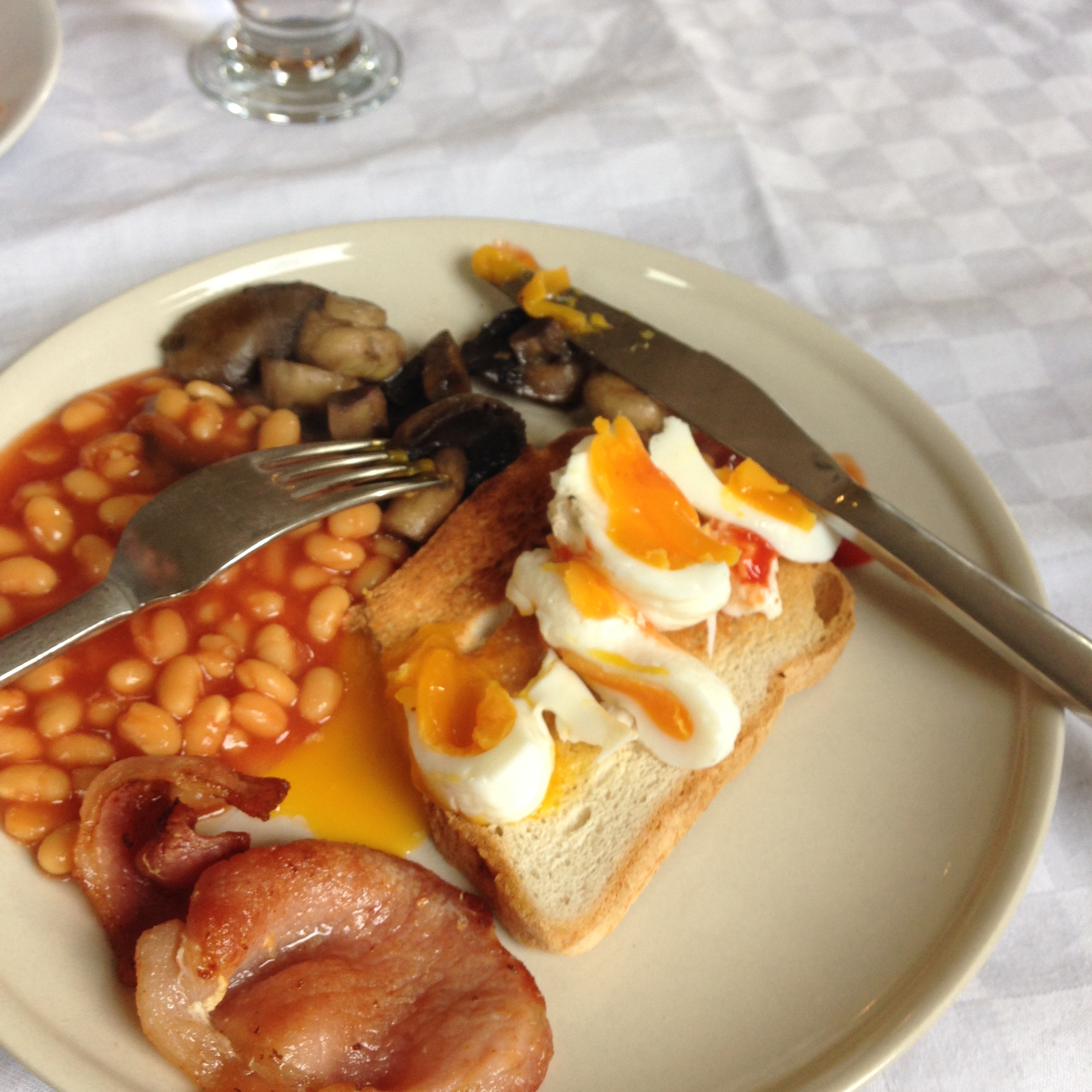

 y middle daughter, Evie (7), has serious issues with gluten (and oats!). She’s tested negative for coeliac disease, but if she has even a small amount food of bread, cake or pasta she will be doubled up in pain a few hours later. As for many people with gut issues, stress and worry are also a major factor in making the problem worse. She desperately misses London since we had to move to N. Ireland 8 months ago: our


 retains the chilli flavour with cumin and paprika but without the heat form the chilli powder. When they’ve been served up, I’ll add the chilli for the adults. It’s perfect with a variety of optional extras: rice, jacket potato, tacos,
  serve with coleslaw, salad or any other veg you fancy. Filling a few big iceberg lettuce leaves with the chilli and coleslaw is quite delicious. Aim to fill at least half your plate with veg/salad, and about 1/4-1/3 of the plate with the chilli.
 sarahdietitian.com