Healthy Fat guide

Fourteen years ago as a basic grade dietitian working with cardiac and overweight patients at St George’s Hospital in south London, the message was loud and clear. Low fat was the healthy way to eat and fat in the diet should be reduced.  Since then, studies have shown that certain fats actually have a multitude of health benefits. It’s perhaps frustrating that nutrition advice seems to be constantly changing, but, to think more positively, what we know about food and nutrition is constantly evolving.

Are you confused about which oils/fats to choose when you are shopping? Butter, Flora, sunflower oil, olive oil, extra virgin olive oil, flaxseed oil, walnut oil, sesame oil etc. etc. I will keep this brief:

Trans fats (hydrogenated oil)

Trans fats (hydrogenated oil)

STOP HAVING: Trans fats – these increase bad cholesterol, decrease good cholesterol. You can’t buy these in a bottle, they are found in some processed foods (often labelled as hydrogenated fat or oil).  This is a good reason to reduce processed foods, and to make your meals/snacks from scratch eg. bake these instead of buying biscuits.

Have LESS of:
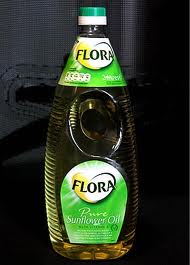
Swap sunflower oil for olive or vegetable (rapeseed oil)

Sunflower oil – use less

  1. Saturated fats: increase bad cholesterol – found in meat, butter and animal products (ok to eat these in moderation as these foods provide some health benefits)
  2. Omega 6 PUFAs: corn, soybean, sunflower, safflower oil – generally we have too much of these, stopping the fabulous omega 3s from doing their job (see below)

GOOD TO USE:

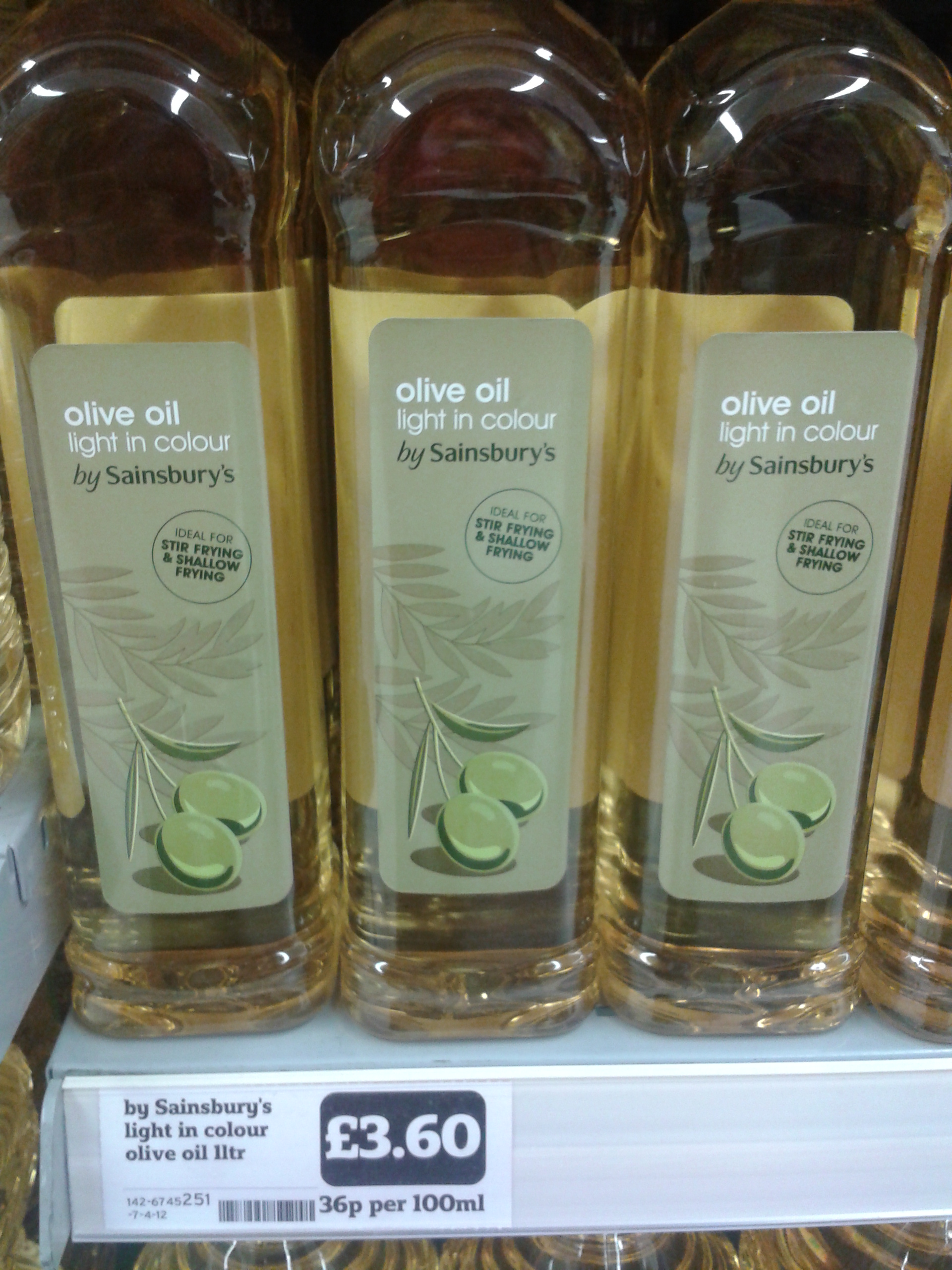
  1. Mono Unsaturated Fatty Acids: olive oil, rapeseed oil (usually labelled Vegetable Oil), avocados, nuts & seeds. These decrease bad cholesterol. If you’re watching your weight, don’t go overboard with the oils as these have 125 kcal per tablespoon.
    Vegetable oil good (rapeseed oil)

    Vegetable oil good (rapeseed oil)

    2013-09-11 11.50.38

    Olive oil good

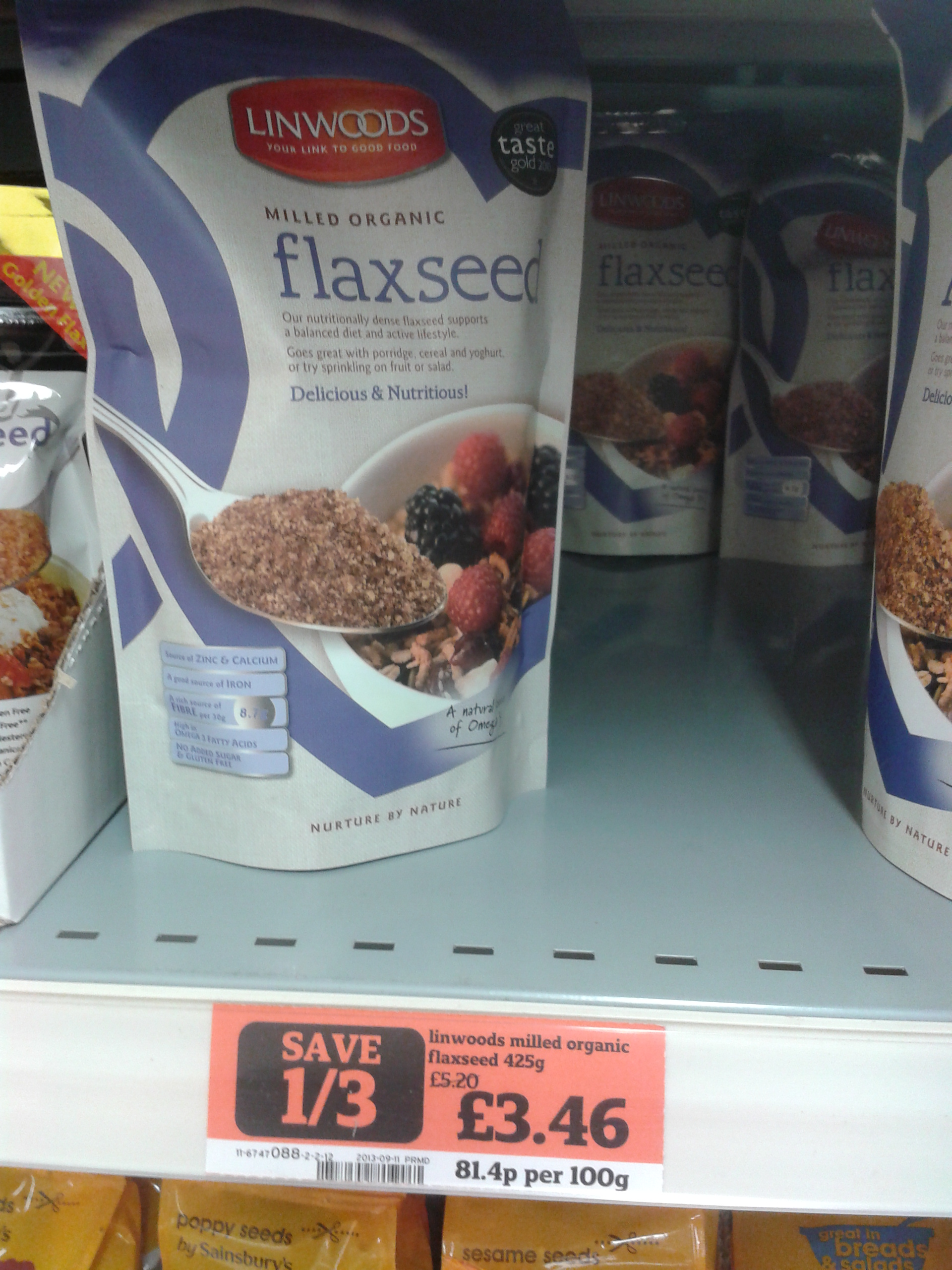
  2. Omega 3 Poly Unsaturated Fatty Acids: fish & fish oil supplements. Other sources: flaxseed/linseed, chia, hemp, walnut (the body cannot use these as well as the omega3 from the fish). Benefits for heart disease, diabetes, obesity, musculoskeletal pain, cholesterol (lowers bad cholesterol, raises good cholesterol), blood pressure, blood clotting, brain growth & development, inflammation conditions.

    Flaxseed

    Flaxseed

Salmon - omega 3 oils

Salmon – omega 3 oils

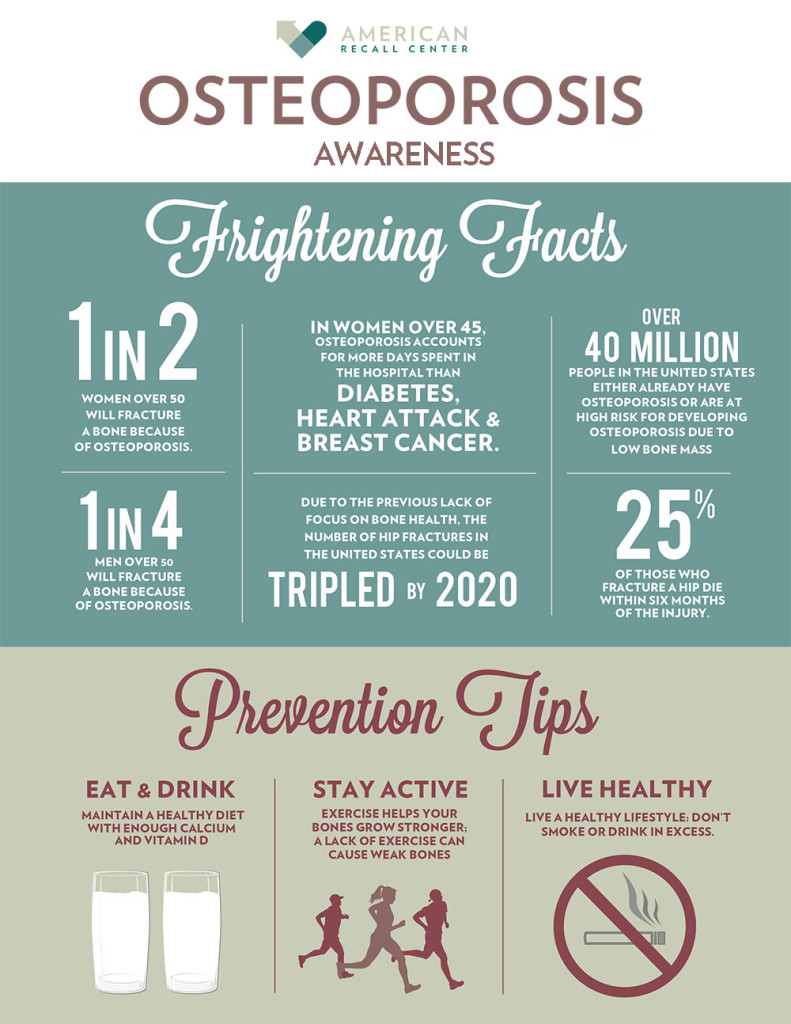
Frightening Calcium Facts

Osteoporosis_Awareness_Long-1-1-791x1024

Wow!……..50% of women, and 25% of men over 50 will experience a bone fracture due to osteoporosis!

Until recently, doctors and dietitians have recommended calcium supplements for those not getting enough from their diet. Recent research is emerging to show that calcium from supplements may not be effective at improving bone health, and may even increase risk of heart disease. The research is suggesting that dietary sources trump the supplements.

Rickets (child)

Rickets (child)

Hip fracture

Hip fracture (adult)

Why is calcium important?

  • bone health – 99% of calcium is in the bones , it is needed to prevent osteoporosis (softening of bones), resulting in fractures and to prevent rickets in children.
  • 1% of calcium found outside the bones is essential for: muscle contraction, blood clotting, stabilising blood pressure, normal brain function, communicating essential information among cells.

How much calcium do I need?

Age Calcium/day Stars (1 star = 60mg)
Babies <1 525mg 9
1-3 350mg 6
4-6 450mg 7.5
7-10 550mg 9
11-18 Girls 800mg/Boys 1000mg 13/16
19+ 700mg 11
Breastfeeding mums 1250mg 25
Post menopausal women 1200mg 20
Coeliac disease Adults 1500mgChildren 750mg 2512

Sources of calcium:

Food Amount Calcium stars
Milk 200ml ★★★★
Cheese Matchbox size (30g) ★★★★
Cheese triangle 15g ★★
Yoghurt 1 pot (150g) ★★★★
Rice pudding ½ tin (200g) ★★★
Custard 120ml ★★
Ovaltine original 25g (with milk) ★★★★★★★
Calcium enriched soya/rice/oat/almond milk 200ml ★★★★
Sardines ½ tin ★★★★
Prawns 3 tablespoons ★★
Salmon, tinned ½ tin ★★
Baked beans Small tin (220g) ★★
Hummus 150g
Sesame seeds 1 tablespoon
Brazil nuts 9
Almonds 12
Broccoli 1 cup ★★★
Spring greens 75g
Kale 1 cup
Soya beans (edamame) 1 cup ★★★
Orange 1
Figs, dried 4 ★★★
Apricots 8
Bread 2 slices
Pitta/chapatti 1
ReadyBrek 1 serving ★★★★

Vitamin D – It essential for bone health to have good levels of vitamin D, as it is needed for the gut to absorb calcium, and for bone formation. It is difficult to get enough vitamin D from diet alone, and during winter months from sunlight, which is why I recommend a vitamin D supplement. Here’s more info on vitamin D

Anything else?

Other dietary factors are important for bone health include:

  • protein – meat, fish, eggs, dairy

    Balanced meals with protein, vegetables and whole grains

    Balanced meals with protein, vegetables and whole grains

  • magnesium – dairy, fruit, veg, whole grains
  • phosphorous – excessive intake harmful (fizzy drinks)
  • potassium – fruit and veg
  • vitamin K, vitamin C, vitamin A – fruit and vegetables, fish, meat, eggs
So as you can see, a balanced diet including calcium rich foods, fruit, vegetables, with some meat, fish and eggs are all important for the health of your bones.
If you are not getting enough calcium from your diet, then it is worth consulting with a dietitian who can help you redesign your diet and give easy and practical suggestions for upping your intake.

ADHD – management using Omega 3s

Attention Deficit Hyperactivity Disorder (ADHD) is a relatively common behavioural disorder estimated to affect up to 12% of children worldwide. ADHD can have a profound effect on a child’s life. British Medical Journal on effects of ADHD

Problems associated with ADHD: aggression, clumsiness, short attention span, hyperactivity, mood swings, non-compliance, sleep disturbances and temper tantrums.

  • Omega 3 and omega 6 fats are essential for brain function
  • Studies show that supplementing with these fatty acids can improve attention span and school performance (reading and spelling age)
  • Up to 558mg of EPA taken daily from supplements is most effective

Typically, children with ADHD are offered psycho stimulants, which have a calming effect e.g. Ritalin. Understandably, parents worry about medicating their children and many are open to using a non-drug intervention. Supplementation with right dosage of omega 3 fats could provide this solution. Further research is needed on whether these are most effective alone, or with the conventional medication.

How much should be given?

These provide the dosages found to be of benefit for children with ADHD. To be taken for at least 3-4 months. These can be bought in Boots, Equazen products can also be found in supermarkets and pharmacies.

15ml per day (3 teaspoons)

15ml per day (3 teaspoons) – 200ml £11.99

eyeq_chews_2

6 capsules per day – 180 capsules £22.69

10149717

10ml per day (2 teaspoons) – 200ml £4.33

Cate’s Burgers – a London Irish supporter’s recipe

Following the 2013 London Double Header, Cate said, “My son, a LI season ticket holder and at Twickenham on Saturday, is still getting over the result. He started to perk up after home made burgers tonight though! I make a v good burger apparently – for a vegetarian!”

Each burger (no bun) provides: 350kcal, 25g protein, 20g fat.

Change beef mince for lean beef mince and reduce the fat to 12g and calories to 230kcal! Grill, don’t fry.

Serve with Happy Carrot Salad or Superfood Salad (not a lettuce leaf in sight!), to make an ultra nutritious meal.

Here’s the recipe:

Ingredients

  • 1 small onion, finely chopped
  • 2 garlic cloves, finely chopped
  • 6 small cornichons or 1 large pickled gherkin, finely chopped
  • 500g/1lb 2oz minced beef
  • large bunch flat leaf parsley, chopped
  • 1 large lemon, grated zest only
  • salt and freshly ground black pepper

Method

  1. Combine all the ingredients in a large bowl and mix until well blended.
  2. Shape the mixture into 4 burgers and chill until ready to cook.

Thank you Cate!

Oaty Biscuits – my Mum’s recipe

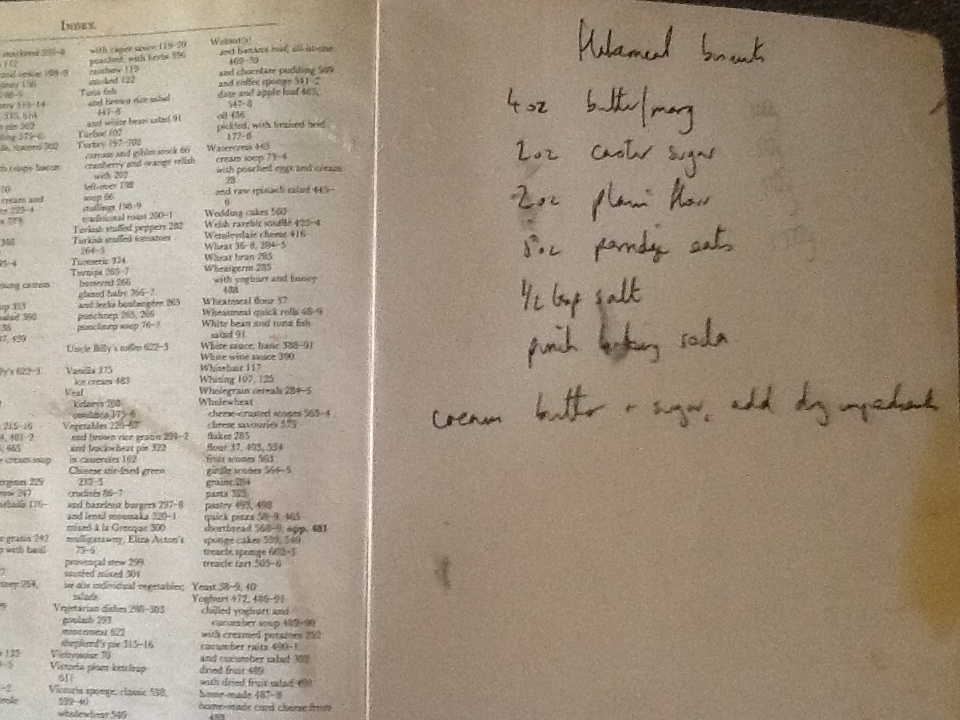
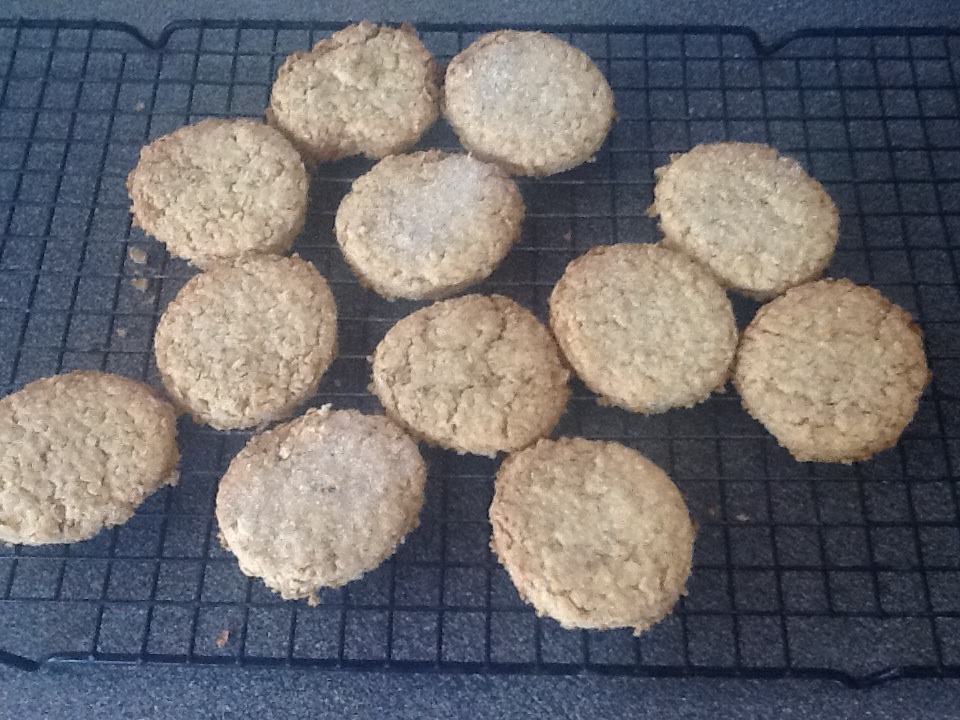
This recipe comes from my Mum’s very battered and very used ‘Belfast Cookery Book’. She’s been making these biscuits for as long as I can image image imageremember. I make them for my kids now. I’ve got the recipe written in the back of a Delia cookery book. If I’m feeling a bit woo, I might add some cinnamon or desiccated coconut.

4oz butter/margarine

2oz caster sugar

2oz plain flour

5oz porridge oats

Cream the butter and sugar, add the dry ingredients. Roll in to a ball, flour surface and hands. Roll out to biscuit thickness with rolling pin. Cut out biscuit shapes. Put on baking tray, put in oven (180 c) for approx 20 minutes or until starting to turn brown.

London Double Header – WAG (!) perspective

The annual London Double Header has come and gone. For those not familiar, this is the first game of the rugby season where the four London premiership teams come together to play at Twickenham Stadium. This year, my husband’s team, London Irish, played Saracens. Saracens won.
That’s my match analysis.
For as much as I am a fan of rugby and enjoy watching a game, if you want rules and tactics, I’m not your woman. It just doesn’t ‘click’. Rugby is in the

Family at a 1939 IRFU dinner

Grandfather at a 1939 IRFU dinner

genes, my grandfather and great uncles played for Ireland and were presidents of the IRFU. From this generation my cousin played for London Irish and Ireland. From an early age, in our family the 5 Nations was an annual event holding all the excitement and anticipation of Christmas (well, maybe just for the adults!) It was a fabulous year if Ireland beat England.

These days I’ve one eye on the pitch, and one eye and hands on the 3 children. They are a welcome distraction, as the nerves of watching London Irish and Dec can be hard to bare!
On Saturday, I could feel the tension really start to heighten after disembarking the train at Twickenham. The mass of bodies is quite spectacular, filling the streets and funnelled by police on horseback towards the stadium. The feeling of immense pride and excitement is one that I will never forget. The girls are bursting to shout to everyone that their Daddy is playing. When we see the match programme with his grinning face on the front they are giddy with excitement. As am I to see him smiling, and not the usual Grumpy Dec grimace!
The, ahem, WAGS (that was actually printed on our ticket!), were lucky enough to have a box with seating outside. This allows the children to entertain themselves inside playing together, colouring in etc. while the mums try to watch the game. I say ‘try’ as with Conor in an ‘adventurous’ phase, he needs to be watched like a hawk. There was a hairy moment when he was gleefully drawing a purple Crayola moustache on Martin Johnson (who leaves a pile of signed England framed pictures stacked in the corner?!) Embarrassing crisis avoided with baby wipes applied to the glass.
After the game, Dec came pitch side for our annual Danaher photo (mammy is imagea little camera shy so happily plays photographer). The stewards can get a bit twitchy about us handing children over the barrier, which is fair enough as they are just doing their job. But we have to be bold and just fire the children over before they can put a stop to our disobedience.
After his shower and change, we met Dec at the Powerday barbecue gathering in the car park (thanks Mr Crossan for the hospitality), then it was a charge down to Twickenham station for the Danaher Clan to catch the train before the hoards from the Wasps/ Harlequins game descended. An hour later, with 3 tired children we were home in Kingston. With the wee ones in bed, Dec and I had a bite to eat.
I was gobsmacked to witness the first ever vegetarian meal Dec has ever eaten. Don’t worry folks, it was the perfect balance of carbs and high value protein for recovery. A massive plate of egg fried rice with peppers and spring onions.
Game day nutrition:
Breakfast 7am : porridge, half bagel with peanut butter and jam
11am: small portion of pasta, smaller portion of bolognaise –
Pre kick off 2pm: sipping on carbohydrate drinks
Post game: slice of pizza, recovery drink (carbs and protein)
Meal at home 7.30pm: egg fried rice
Ingredients: 3 eggs, big cup of cooked basmati rice, 3 spring onions, one pepper.
Ideally, the pre game meal should be something fairly light and easily digested. I would have veered away from the fatty red meat in the bolognaise, as fat and protein take longer to digest. Low fibre carbs, some lean meat and plenty of fluid are the priority. However, each player has his routine and should know how they react to eating pre event. Some eat large amounts, while some eat very lightly. When nerves are high, the last thing anyone wants is the re appearance of Spag Bol on the pitch!