Veggie Spaghetti – with £3.29 gadget!

Julieene Peeler, £3.99 Lakeland

Julieene Peeler, £3.29 Lakeland

Do you struggle to eat more vegetables?

Need fresh and inspiring ideas?

Are you watching your weight, or need to lose a few pounds?

Unknown-3

Spiraliser (£30 Amazon)

I very rarely recommend a gadget, but yesterday I was inspired by an article and recipe in this month’s Red Magazine, which used a gadget called a ‘spiraliser’ (£30 from Amazon).  It allows you to transform a healthy, low-calorie, low-carb vegetable into a giant bowl of pasta! Nutritious, filling and very, very easy. After a bit of online research, I was able to come up with a cheaper alternative to the Amazon Spiriliser…….a julienne peeler (£3.29 from Lakeland). We are lucky enough to have a Lakeland store here in Kingston, so after dropping the eldest two children at school this morning, the Little Man and I high tailed it to purchase the peeler.
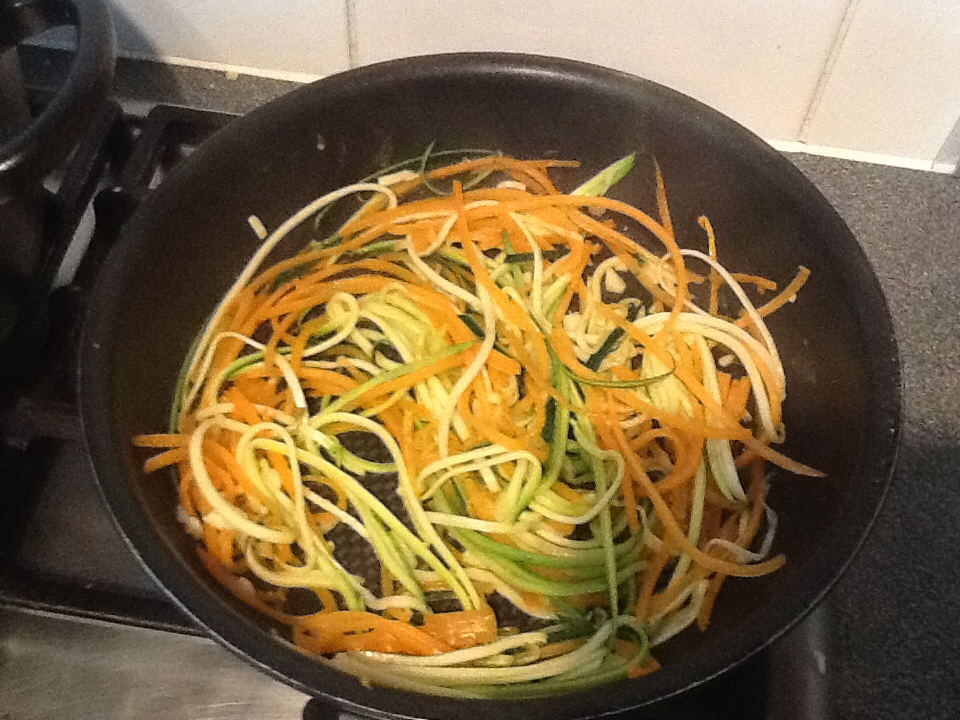
Courgette, carrot and garlic

Courgette, carrot and garlic

Lunchtime saw a quick experiment with the new gadget. To be honest, I was a bit skeptical that the veggies would taste any different to simply chopping or grating. Just a few minutes of ‘julienning’ a carrot and a courgette, tossed in a pan with olive oil, some garlic and a tin of tuna produced a most awesomely delicious lunch for the two of us (I added some left over rice to Little Man’s to bump up the carbs and cals for him). The carrot and courgette had the most fabulous texture, a little al dente and juicy!
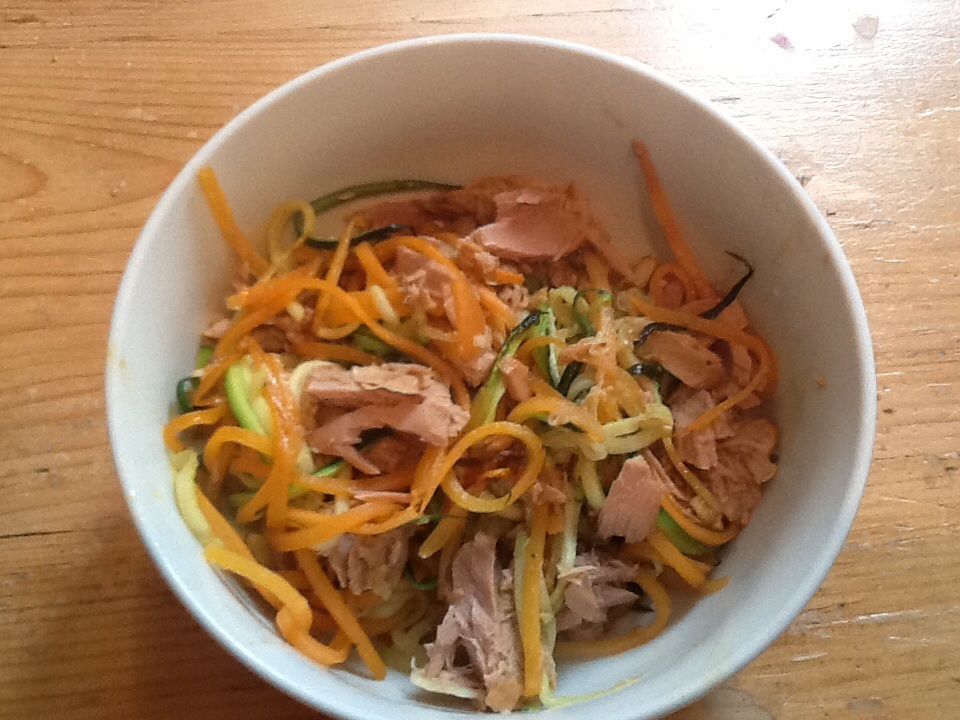
Result! in just 5 minutes

Result! in just 5 minutes

For anyone in to calorie counting, here is a comparison. One courgette julienned producing a big bowl of courgette noodles: 30 kcal. One bowl of spaghetti: 220kcal! And I can honestly say that, to me, it tastes miles better than standard pasta or noodles.

I’ll be testing the new spaghetti veg on the girls this evening. I predict it will be a big hit with them too!

A big hit with Little Man

Slurping up the courgette spaghetti!


After School Snacks for Kids

Untitled

Our posh tent – with real beds & sofa

It’s the first day back to school after the half term holidays, so I can breathe a sigh of relief that the teachers can entertain my children for a few hours each day! Over the holidays we spent 4 days camping on the Isle of Wight (not ‘real’ camping, we were Glamping/posh camping).

Four. Long. Rainy. Muddy. Days. I grew up spending summer holidays camping in France, Spain and Portugal, and being Irish, I’m used to wet weather. However, the combination of camping and terrible weather, with 3 small children and a husband thrown in, proved somewhat ‘tricky’. ‘Nuff said.

So back to school today! Yay! I’ve had a few Mums at school asking about healthy things they can feed their kids after school. I think the issue these days is that there is so much ‘children’s food’ available from the supermarkets, and often it’s high in sugar and refined carbohydrates. So what can you bring to fill up the tummies, reinstate emotional calmness, and provide them with something tasty and nutritious?

Here’s a list of healthy kid friendly snacks that can be eaten on the go:

  • fruit: keeping it simple……apple, banana, grapes etc. If necessary, tell them to eat the really good stuff first, then they can have a biscuit.
  • smoothie: before you leave for the school pick up, blend 150ml milk, a handful of frozen berries and a ripe banana. Add a dollop of honey for extra sweetness. Put in a children’s drinking bottle. The blended frozen berries will keep it cool until you get to school.

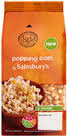
    popcorn

    DIY popcorn

  • Homemade popcorn: buy the corn kernels, they take about 5 minutes to make in to popcorn (just heat some butter or oil in a saucepan, add the corn kernels, allow to pop, sprinkle with cinnamon/some teaspoon of caster sugar). Put in to bags for the kids (and yourself!)
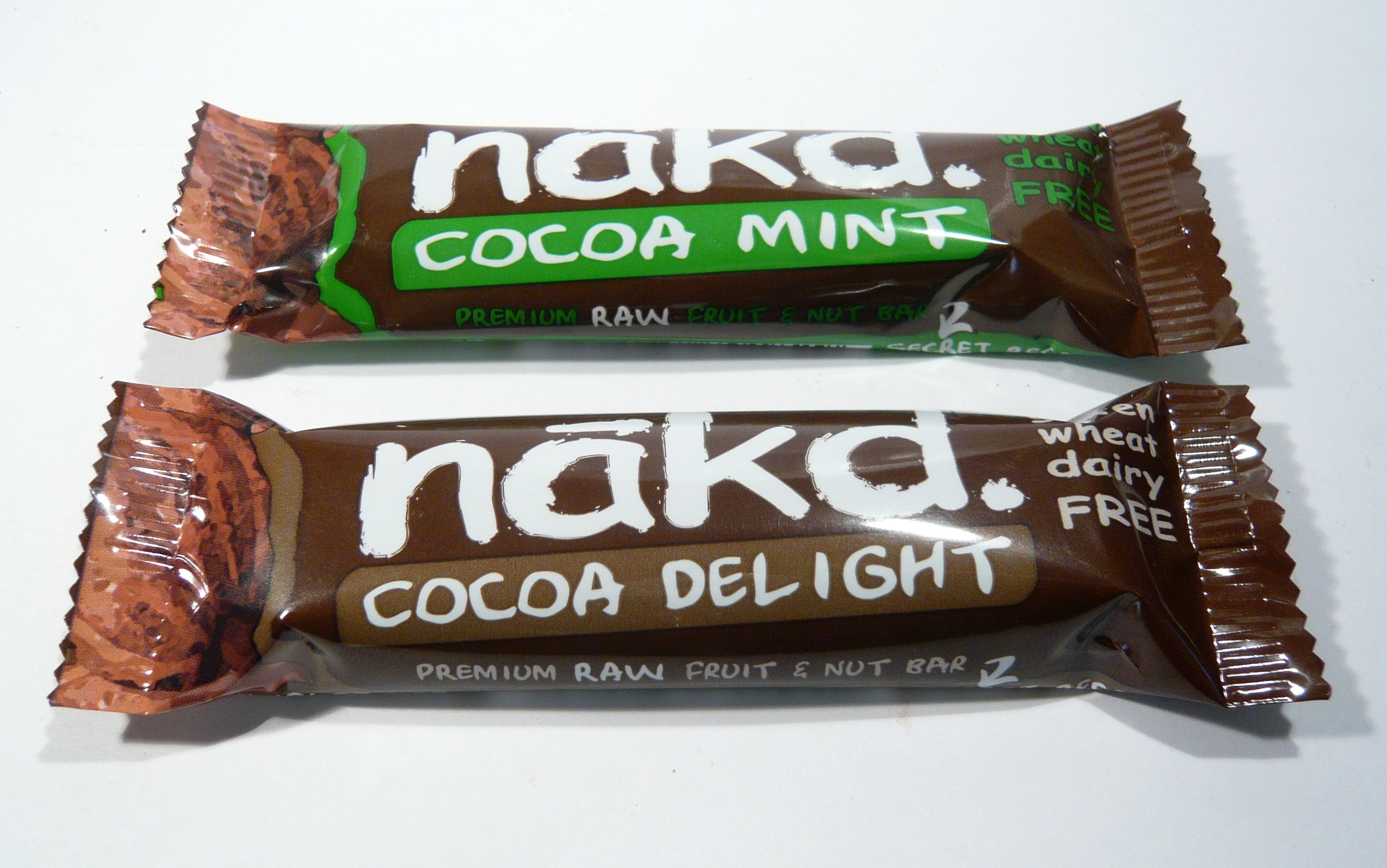
  • Cocoa Bars: these homemade ones are really chocolately, and my kids feel like they are getting a special nakd-raw-chocolate-1chocolate treat. They don’t know that they are made with ground almonds, chopped dates, chopped raisins and cocoa powder. If they new this they wouldn’t touch them! The recipe is based on the Nakd Bars, so these are an alternative if you don’t have the time or inclination to make your own.
  • Banana Bread – call it ‘cake’ and they will be delighted.
  • Rice cakes sandwiched with peanut butter & jam
  • Yo Yo – these are basically fruit. Expensive for what they are (cheapest I have found is 50p Unknown-1Unknownfor a packet), but convenient and healthy.
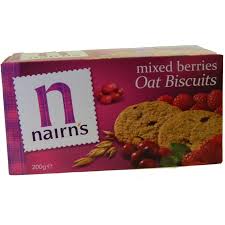
  • Nairn’s Oat Biscuits – I discovered these recently discovery in Waitrose. They are oatcakes that come in a variety of flavours e.g. fruit & spice, berry. Some sugar has been added, so they are sweet enough to be a biscuit rather than a blander oatcake (1.9g sugar per biscuit, which is less than half a teaspoon, limit to a couple of biscuits).
  • A sandwich: wholemeal bread/pitta/wrap filled with tuna mayo/ham/cheese & carrot

If you are concerned about filling their tummies up too much before dinner, try choosing less filling options e.g. rice or corn cakes, apples, pears, popcorn and water. Today I’m bringing some grapes and the Nairn’s Oat Biscuits…….I’ve been sitting here typing for too long so haven’t had time to make the banana bread that I had planned!

Food combos that work! New research.

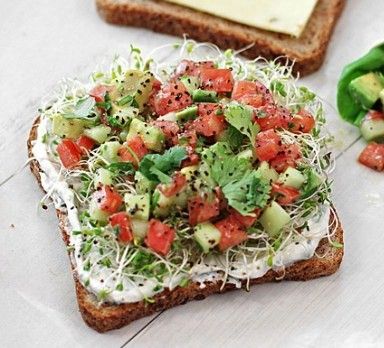
avocado for healthy fats & lettuce, herbs and tomatoes for vitamins

avocado for healthy fats & lettuce, herbs and tomatoes for vitamins

Researchers at King’s College London and the University of California have recently concluded that when olive oil and vegetables are eaten together, they form nitro fatty acids that help lower blood pressure – a risk factor for heart disease. Professor Philip Eaton, describes the chemical reaction of oil and vegetable as one of “nature’s protective mechanisms”.

This study helps us to understand why The Mediterranean Diet – a diet rich in vegetables, fruits, beans, whole grains, olive oil and fish – has long been associated with improved heart health.

3 more top food combinations:

Olive oil in a stir fry – Fat is necessary for the absorption of fat soluble vitamins A, D, E and K. The healthy fats from the olive oil, combined with the vitamins in veg provide is perfect for the absorption of these nutrients. If you’re confused about what oils and fats are healthy, look here. Other recipes that have these combos include granolaSuper Boost Salad and Cocoa Bars

16 peppers for a £1!

1 pepper has 300% your daily vitamin C

Red peppers in bolognaise: red peppers are high in vitamin C (as are tomatoes) helping your body to absorb the iron from beef. One pepper gives you 300% of your daily vitamin C needs!


A smoothie in the sun: Vitamin D is essential for your body to use

Strawberry milk

Strawberry milk

calcium from food to build strong bones, teeth and for muscles to work properly. The best source of vitamin D is the sun……get your arms in the suns rays for half an hour a day (with no sunscreen!), and combine with a dose of calcium from a smoothie made with milk (cow’s or a rice/almond milk fortified with calcium).

4 brilliant reasons to meal plan

I spotted this nifty little tear off meal planner pad in John Lewis today. It has space for writing2014-05-08 10.15.34 copy your meals from each day of the week, with separate spaces for breakfast, lunch and snacks. Another fabulous idea from JL. For those not in the UK, John Lewis is the most delightful department store imaginable. One day when I am rich, I will decorate my entire home from there, and fill my cupboards with the clothes and crockery. I will also go there for coffee and cake for a rest from my shopping sprees.  (Dear John Lewis, I swoon at 99% of your products, and will graciously accept a sponsorship deal should you offer one).

So back to the meal planner………4 reasons why planning your meals is a winner!

  1. You will eat more healthily – if you plan what you are going to eat when you are in a sensible frame of mind, you will choose more logically, plan better more balanced meals and snacks, and have the ingredients in the fridge/freezer/cupboard. No dashes through McDonald’s Drive Thru’ or a desperate online order to Domino’s (and no stuffing half a loaf of bread and butter in your gob because your blood sugar levels are so low you might pass out). By having healthy snacks for the week sorted, you are less likely to resort to crisps/chocolate/cake/biscuits etc. which will just make you feel bleurghhhh, lethargic and guilty. 
  2. You will save money – if you have your list of meals and snacks and know the ingredients, you can make a shopping list. There will be no need to fling ‘just in case’ purchases in to your shopping trolley, and there is less likely to be waste. When you know what ingredients you need (and you have the time) you can even use a website such as Mysupermarket to compare prices across the supermarkets to get the cheapest deal.
  3. You will eat more variety – find yourself trying to think of something imaginative to do with pasta three nights on the trot? By planning your meals, you will be more conscious of how often you are having things and make more effort to change things up. e.g. Monday chilli & rice, Tuesday potatoes & salmon, Wednesday tuna pasta, Thursday quinoa Superfood Salad, Friday pizza, Saturday chicken fajita wraps, Sunday eggs & toast. All with a great big serving of veggies or salad of course!!
  4. You will be less stressed – trying to decide what to make for a meal at the last minute can be stressful when you are rushing frantically home from work and hungry. To add to the pressure, you may have children squabbling because they’re famished too (mine are irritable little monsters when they are hungry, as am I). If you have a plan in place, an immense amount of pressure is removed. For the extra busy days, you could even prepare a meal in advance e.g. chilli and rice, that just needs to be reheated in the microwave.

So I am going to put my money where my mouth is, and get planning. As well as the John Lewis paper version, there are lots of menu planners online. This is a good from Tesco if you need meal inspiration……it even gives you the shopping list!


7 thrifty tips for healthy eating on a budget

We’re not poor by any stretch of the imagination, but budgets are tight since my husband has changed his career and I continue to build a client base in my dietetic business. I’m very comfortable with thrifty living……it’s probably because I’m trying to relive my youthful cash strapped student days!

So here are some of my top tips for finding cheap healthy food. Fruit, veg, fish etc. can all be hideously expensive. If I didn’t know where to look for cheaper options, my daily shopping would be in excess of £30. So here are some ways to cut the costs of healthy eating:

  1. Use your local market, and get to know the stall holders…….some will be cheaper than
    securedownload-4

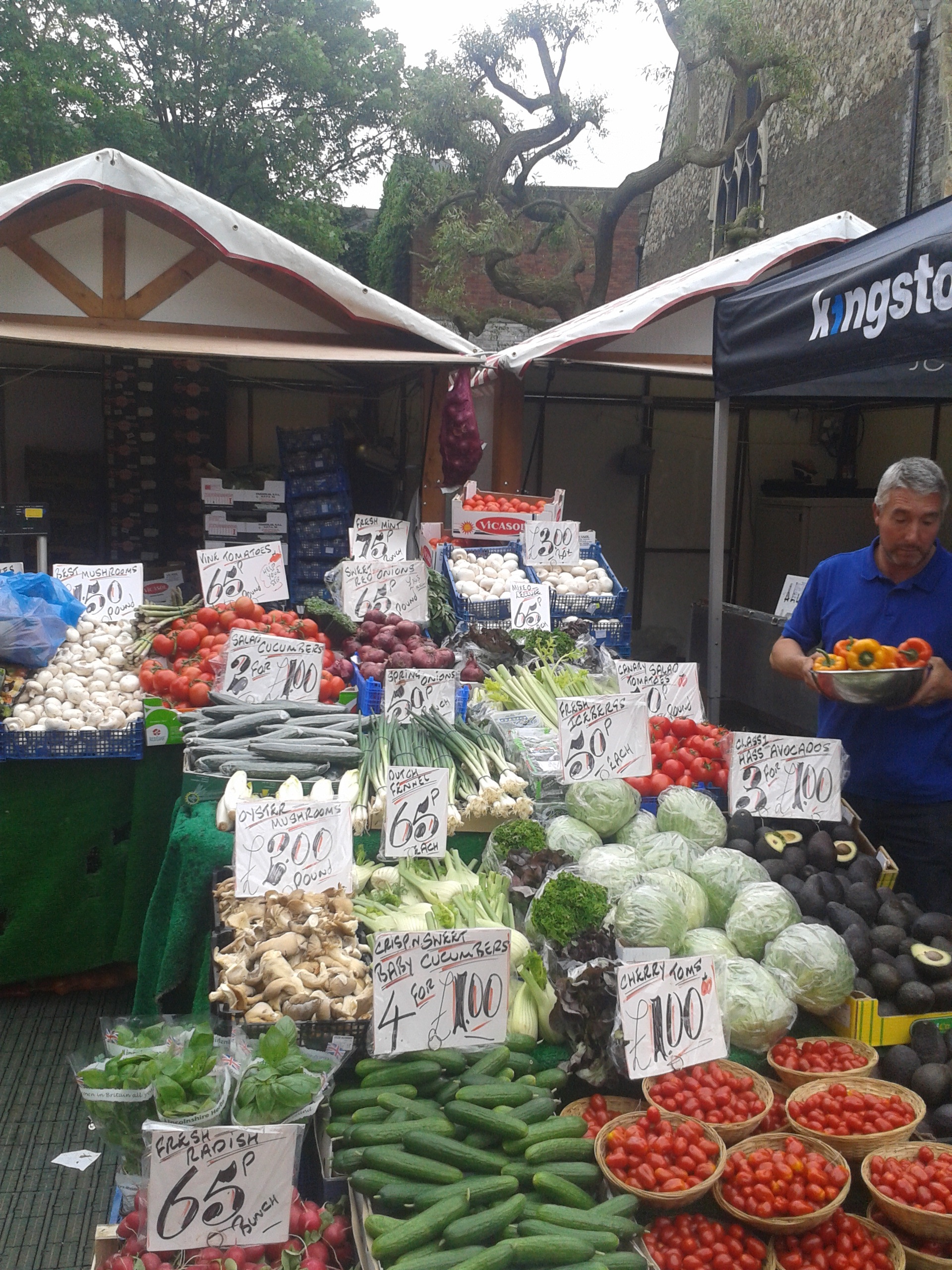
    My £2 haul – 16 peppers, 4 avocados

    2014-05-02 10.40.30

    Avo Man @ Kingston Market:Thursdays, Fridays & Saturdays

    others, and offer bargains on particular days. If you are a regular customer they may even throw in an extra something for free. My local market is in Kingston town centre, where on Thursdays, Fridays and Saturdays my Avocado Man is there with bargainous 4 avo’s for a pound and massive bowls of peppers, also £1. Officially, the sign says 3 avocados for £1, but he makes his customers feel special by throwing in an extra one. Great marketing (excuse the pun!) Today I got 16 peppers and 4 avocados for £2. I was so excited with my haul that I missed the large basket of cherry tomatoes for £1 (noticed this is the photo above!) What to do with avocados10 things to do with a pepper

  2. Berries are often extolled as a ‘superfood’ and included in many of my recipes. They are full Unknown-4of antioxidants and all sorts of other goodies that a completely wonderful for you. They are also relatively low in sugar and low calorie. Bought fresh, berries can be expensive (£2-3 for about 150g). Buy the frozen basics range for a much less eye watering £1.35 for 500g. These are fabulous for making smoothies (no need to defrost), in berry crumble, in flapjacks, with yogurt for breakfast/dessert.
  3. Oats: super nutritious with soluble fibre which is great for keeping the digestive system healthy, lowering cholesterol, filling, low in sugar, and very versatile. Oh yes, and cheap! Even if you buy the posh chunky variety, they are cheaper than most other breakfast cereal. Oats are extremely versatile. I use them everyday for porridge, to make Granola and biscuits. I think they are so awesome that I devoted a whole post to them.
  4. Basic range carrots, apples, bananas, carton chopped tomatoes: once again, do not be afraid of the supermarket ‘basics’ ranges. The basic apples are usually the ones that are in abundant supply at the time, therefore cheaper. As an example, my favourite Egremont Russets were £1.80 per kilo, but they were also being sold at the same time as the Basics apple at £0.80 per kg. Bonkers! The Basics carrots aren’t perfectly straight and you may get the odd half carrot in the bag, but otherwise great. As for the bananas, I really cannot tell the difference between Basics and any of the others!
  5. Lidl: here are my particular favourites from this frills free supermarket…….Pesto, 1 litre tubs of yoghurt, beetroot and eggs. All miles cheaper that the other supermarkets.
  6. Bulk out tomato dishes with red lentils: bolognaise, soup, chilli, Shepherd’s Pie. Not only
    tomato & lentil soup

    tomato & lentil soup

    are you making the cost of the recipe cheaper by needing to use less meat (or use the same amount of meat and have leftovers to use at another time), you are increasing the amount of great fibre making it very filling, reducing the overall percentage of saturated fat, and increasing the amount of plant protein. Red lentils actually look an orange/brown colour when cooked, so I add a great big squirt of lycopene rich tomato puree to ‘brighten up’ the colour of the recipe.

  7. Save any leftovers……take what you haven’t used and put in a tupperware container for the fridge. I always over estimate the amount of rice we need, so use it the next day for egg fried rice with peppers, spring onions and a dash of soy sauce, or throw in to an omelette with some grated carrot (great finger food for weaning babies and older children). My breakfast this morning after the school run was left over Chicken Jambalaya from the night before (not to everyone’s taste for breakfast!!).

I estimate that I can save about £10 a day using these tactics, which adds up to £300 a month!


10 Things to do with Peppers

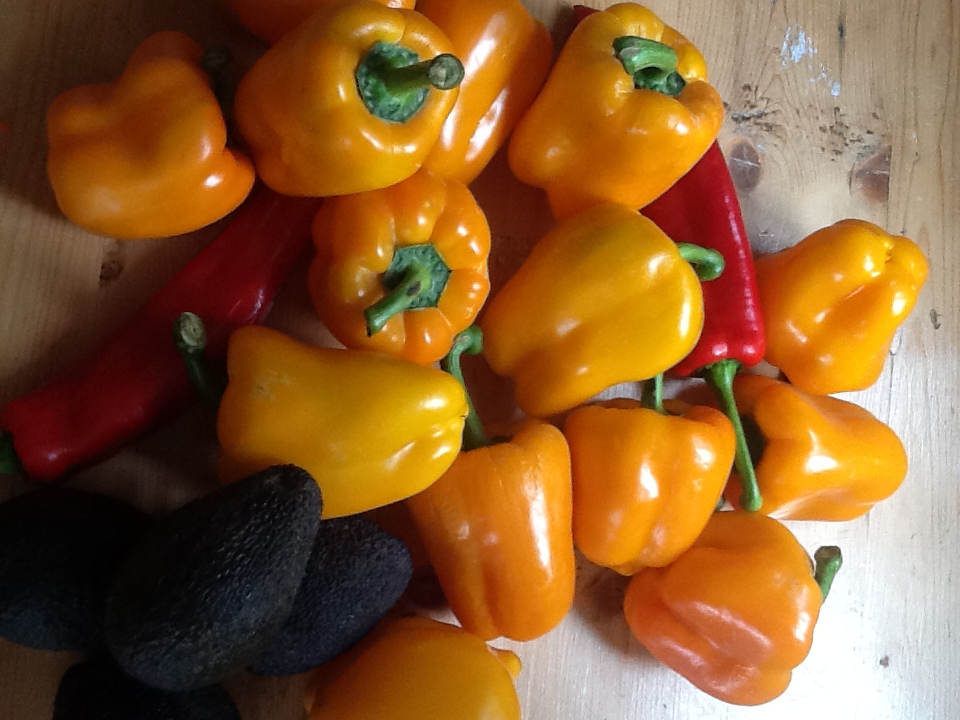
Today I picked up a massive haul of lovely yellow and red peppers from my local market for £1.

16 peppers for a £1!

16 peppers for a £1!

16 of the lovely things! I love a bargain, but how can I use them all before they need relagated to the compost bin?!

Here’s 10 things to do with a pepper:

(for some of these I could easily use two peppers – use lots as they are highly nutritious and very low calorie!):

  1. Eaten as they are, as you would eat an apple (my 2 year old Conor does this in his buggy, we get some odd looks!)
  2. Sliced up and dunked in to humus or salsa
  3. Use large chunks to scoop up cottage cheese as a low fat, high protein snack
  4. Diced and added to bolognaise or chilli
  5. Strips in stir fry
  6. Roasted in the oven at 180c for about 20minutes
  7. Diced in an omlette
  8. Diced in mini pastry-less quiches: beat 3 eggs, add pepper, grated cheese and tuna/ham. Pour in to silicone muffin cases, bake in oven for about 10-15 minutes at 180c.
  9. Stuffed with other ingredients.
  10. Smoothie – red pepper in a smoothie??!! I haven’t tried this one yet, but it looks interesting!

Bloated? Tummy pain? – how low FODMAP can help you

Since starting my practice as a private dietitian, the most rewarding thing I have done is advising people with a new dietary treatment for IBS. For many of my patients seriously affected by IBS, it has been life changing. Have you heard of the low FODMAP diet?

What is IBS?

1463169_10201662220332053_1766275921_n

Irritable Bowel Syndrome is a disorder where the bowel looks normal, but it doesn’t function properly. It is incredibly common, affecting about 1 in 5 people in the UK. Symptoms include bloating, abdominal pain, constipation and diarrhoea. The diagnosis of IBS is usually made when other conditions such as coeliac disease, Crohn’s Disease, colitis, have been ruled out.

Causes of IBS:

The causes of IBS are not fully understood, however, it is believed to be due to a number of complex factors:

  • genetic – tummy problems run in the family
  • gastroenteritis – alters the gut bacteria
  • antibiotics – alter the gut bacteria
  • stress
  • a highly sensitive gut that is more sensitive to gas forming foods
  • food intolerances e.g. lactose intolerance

Until recently, dietary advice given by health professionals for IBS has been, at best, vague and unsatisfactory. For many people the NICE guidelines, used in the NHS by GPs for treatment of IBS, aren’t very successful. Current advice from your GP may include: reduce stress, adjust fibre intake, regular meals, restrict caffeine, fruit juice, fruit and sorbitol, exercise and probiotics. Medications such as laxatives, anti-diarrheals, anti-spasmodics and anti-depressants are often prescribed. Unfortunately, IBS patients can be left frustrated because these medications in conjunction with the dietary and lifestyle changes are unsatisfactory solutions.

New low FODMAP diet: 75% success

The low FODMAP diet has been published in international medical journals and is now accepted and recommended as one of the most effective dietary therapies for IBS. The low FODMAP diet significantly reduces symptoms in 75% of people. FODMAPs are indigestible sugars which ferment in the gut causing bloating, diarrhoea, constipation and gut pain. By reducing the amount of FODMAP foods in your diet, IBS symptoms can be dramatically reduced or resolved.shutterstock_52604065

Some common high FODMAP foods include wheat (so in bread, pasta, biscuits etc), apples, pears, garlic, onions, lentils, beans, some vegetables, milk, and some artificial sweeteners. The low FODMAP diet involves many dietary changes that are best described to you in consultation with a dietitian. Additionally, not everyone reacts to the same FODMAPs, which is why it is important to have the advice of an experienced dietitian to help you negotiate the various phases of the diet.

Where do I start?

The low FODMAP diet is carried out in two stages. The aim is to identify the FODMAP foods causing problems that are specific to YOU. Every person reacts differently to each food category, and can tolerate certain amounts.

Phase 1 –  all high FODMAP foods are eliminated for 2-4 weeks. Symptom relief can be experienced with in days.

Phase 2 – a sequential reintroduction of FODMAP food categories over a few weeks. This allows you to identify the foods causing you problems.

A dietitian with experience in the low FODMAP diet can guide you through the phases of the diet, providing practical advice, menu ideas that suit your lifestyle and food preferences, advice on reading food labels etc. Appointment information