Top 5 foods for lowering cholesterol

The risks from high cholesterol aren’t immediate. The damage accumulates over years — even decades. High cholesterol in your 20s and 30s can take its toll in your 50s and 60s. Because the effects take time, you may not feel the urgency to treat it. You may think you can deal with it later – but you may wait too long before heart disease has taken it’s hold.

The World Health Organisation (WHO) estimates that 80% of heart disease may be preventable. The good news is that simple changes can really improve your heart health, like lowering cholesterol, eating a healthy diet, getting regular exercise, giving up smoking and avoiding stress.

Here are 5 cholesterol lowering foods:

  1. oily fish – salmon, mackerel, fresh tuna and sardines all contain very healthy omega 3 fats
    Salmon - omega 3 oils

    Salmon – omega 3 oils

    called DHA & EPA that lower cholesterol. Aim to eat oily fish twice a week, if you find that difficult, take a daily fish oil supplement that contains 500mg EPA & DHA.

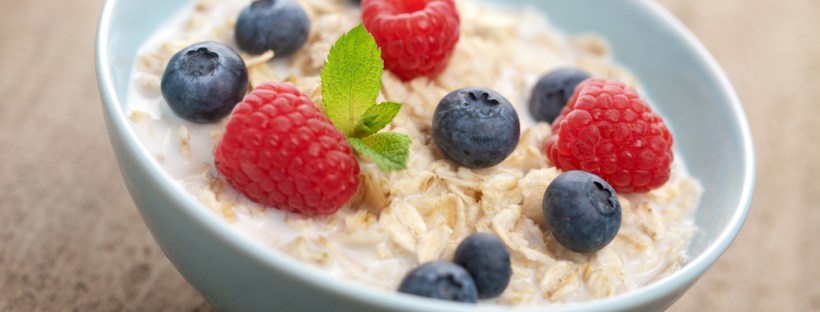
  2. oats – contain beta glucan, which is a soluble fibre that lowers cholesterol. It also has the added benefit of steadying blood sugar levels, helping in the treatment of diabetes and weight loss. Oat breakfast and Oaty Flapjacks2013-09-11 11.50.38
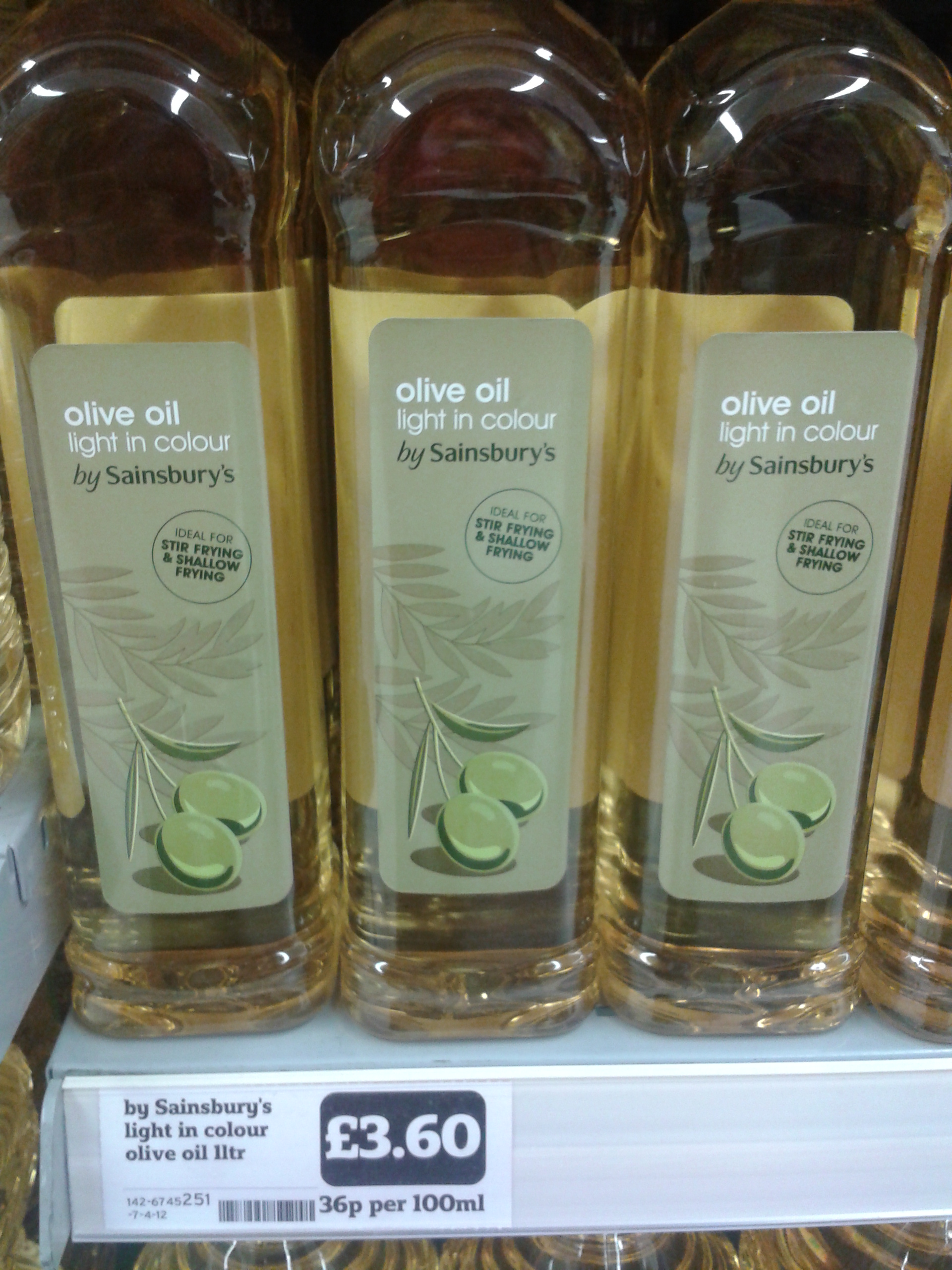
  3. Olive oil – high in monounsaturated fats, which lower cholesterol. Also in rapeseed oil (vegetable oil). Be careful with how much you use if you are watching your weight, one tablespoon has 125kcal.
  4. Nuts – high in vitamins, minerals, and good monounsaturated fat, which can lower cholesterol. Almonds, walnuts, peanuts, hazelnuts, pecans, some pine nuts, and pistachios. Basically, all nuts are good. Avoid salted or dry roasted, the plainer the better. As with olive oil, if you’re watching you weight, just have a handful, not the whole bag!
    Unknown
  5. Plant Stanols – these are probably not a term you have come across. Plant stanols are ingredients in products such as Flora Proactive and Benecol. Three servings of these can reduce cholesterol by up to 10%. Plant seterols are also found in fruit and veg, but in much smaller amounts.

World Mental Health Day – Omega 3s can make a difference

Today is World Mental Health Day, as Conor and I discovered walking through Kingston town

Conor with his balloon from mental health charity MIND

Conor with his balloon from mental health charity MIND

centre this morning. He was delighted to be handed a balloon by MIND volunteers promoting the day, while I was delighted that the balloon entertained him for over an hour in his pushchair. Happy child, happy mummy.

It is well established that omega 3 fats help in heart disease and brain development. However, new research is emerging that these oils found in fish can also be effective in improving mood disorders, such as depression and schizophrenia.

At any one time, 1 in 10 people in the UK suffer from depression, while post natal depression is  estimated to affect 15% of new mums. Experts think that for those without a family history of depression, taking omega 3s can reduce depression rates.

Omega-3 researcher David Mischoulon, MD, PhD, director of research in the Depression Clinical and Research Program at Boston’s Massachusetts General Hospital and an associate professor of psychiatry at Harvard Medical School, says omega 3s oils (EPA and DHA) “are thought to be active as antidepressants” in the brain.

Salmon - omega 3 oils

Salmon – omega 3 oils

So when can omega 3s be helpful?

  • depression
  • pre and post natal depression
  • menopausal depression
  • people at risk of schizophrenia
  • self harm

Safety: Omega 3 fats may help some people with mood disorders, and are safe for most people to take. However, fish oils, as supplements or in the natural form of fish, shouldn’t be used as a home remedy for mood disorders. Always see your doctor first. Do not stop your current medication without seeking your doctors advice.

10016284

Omega 3 supplement

How much: for the general population without mood disorders, about two servings per week of oily fish is recommended, this equates to about 500mg/day (DHA & EPA).  For people with mood disorders benefits may be seen with up to 1000mg/day.

Iron: are you getting enough?


Recent statistics show that 40% of women under the age of 34 have seriously low intakes of iron and are at risk of anaemia as a result. Up to 15% of children don’t get enough iron, and 1 in 8 children between 1 1/2 and 2 years are anaemic.


Anaemia can cause:

  • tiredness and weakness
  • decreased work and school performance
  • slow cognitive and social development during childhood
  • difficulty maintaining body temperature
  • decreased immune function, which increases susceptibility to infection
  • glossitis (an inflamed tongue)
  • palpatations
  • restless leg syndrome

Symptoms of iron deficiency anaemia could be caused by many different things. A blood test is needed to confirm the presence of iron deficiency anaemia.

People at risk of anaemia:

  • Infants over 6 months
  • Toddlers
  • Adolescents
  • Pregnant women
  • Pre menopausal women


How much iron do I need?

Gender Age Group Recommended intake (mg/day), number of
Children 1-3 years 7
Children 4-6 years 6
Children 7-10 years 9
Teenage boys 11-18 years 11
Teenage girls 11-18 years 15
Men 19-50 years 9
Women 19-50 years 15
Men 50+ years 9
Women 50+ years 9


Food sources of iron

  • Iron from animal sources is much better absorbed by the body than plant sources
  • Vitamin C helps with absorption. High vitamin C foods include: red peppers, broccoli, strawberries, kiwi fruit & oranges.
  • Tea and coffee reduce the absorption of iron, so don’t drink a cup too close to a meal

 Meat sources:

Food Average portion Stars
Liver 40g, thick slice ★★★
Liver pate 1 tbsp
Beef steak 150g, medium size ★★★
Sausage 2
Beef mince 125g, 4 tbsp cooked ★★★
Chicken 100g cooked
Pork chop 120g, 1 average
Sardines/salmon/mackerel 50g
Tuna 100g (1/2 tin)

 Other sources (less well absorbed):

Food Average portion Stars
Ready Brek 20g dry (1 small ptn) ★★★★★★
Branflakes 25g (4 tbsp) ★★★★
Weetabix 2 biscuits ★★★
Rice Krispies 30g (4 tbsp) ★★
Chickpeas 100g (4 tbsp) ★★
Lentils green/brown 75g (1/2 cup cooked) ★★
Lentils red 75g (1/2 cup cooked) ★★
Baked beans 120g (3 tbsp) ★★
Humus 50g (1 tbsp)
Eggs 1
Sunflower seeds 30g (1/4 cup) ★★
Sesame seeds 12g (1 tbsp)
Dried Apricots 8 ★★
Dried figs 4 ★★★
Raisins 35g (1 tbsp)
Spinach 120g (3 tbsp) boiled ★★
Avocado ½
Peas 75g (2.5 tbsp)
Broccoli 4 spears (200g)
Ovaltine 25g serving (4 tsp) ★★★
Milo (chocolate malt) 20g serving (4 tsp) ★★★★★★
Sainsburys: £3.99

Sainsburys: £3.99Tesco: £2.99  Tesco: £2.99

Iron Supplements

If you have iron deficiency anaemia, your doctor may prescribe you iron supplements, as even a diet rich in iron will not be enough to correct the deficiency.

If you experience a stomach upset with iron tablets, try taking a liquid form instead.

For further information on iron or for a dietary assessment to assess the amount of nutrients in your diet, use the contact form to get in touch.

Go back

Your message has been sent

Warning
Warning
Warning

Warning.

Coconut Oil – is it really that AMAZING!?

You may have noticed that over the last few years coconut oil has made an appearance on supermarket shelves, in health food shops and is sold by sports nutrition companies. It first arrived in our house 2 years ago, when my husband returned from rugby training with a tub of this magical stuff, with the instructions that we should use it to cook with.

UnknownAt the time, I recall having a toddler and a new baby to look after, so it didn’t get much more than a raised eyebrow from me. Over the years London Irish rugby nutritionists have promoted a range of dubious products. I have learnt that, if it is not going to do any actual harm, then the route to a happy marriage is to just say “yes dear, that’s nice”, and wait for the next fad to come along.

But Coconut Oil doesn’t seem to be a passing fad. Is there any truth behind the health claims of weight loss, reduced heart disease, and improved athletic performance?

In a (coco) nut shell, maybe.

How is coconut oil different to other fats?

Coconut oil is very high in saturated fat, which is traditionally vilified for it’s artery clogging effects. However, 60% of the saturated fats in coconut oil are MCTs (medium chain triglycerides)

Why are MCTs different?:

  • May have a neutral (or positive) effect on blood cholesterol
  • Can be used by the body as a quick fuel source – MCTs are transported directly to the liver, where they are more likely to be burned as fuel, as opposed to other types of oils, which typically get stored as fat in the body.
  • May raise metabolism slightly and make you feel more full up
  • High concentration of lauric acid, which may have antiviral and antifungal properties.

What the studies show:


Weight loss

An overall consensus has not yet been reached regarding MCTs and weight loss.

There are studies showing that pharmaceutical grade 100% MCT oil may reduce body fat by increasing metabolic rate. Coconut oil is only about 60% MCT, so it’s not good science to say that coconut oil will have the same results. To get any small weight loss benefit, large amounts of the oil were used. Unfortunately, large amounts of coconut oil can cause stomach upsets and nausea, so in real life, it is unlikely that people could comply with this.


Heart Disease

The research on MCT saturated fats is constantly evolving, years ago all saturated fats were thought to be bad for our hearts. However, we now know that there are different types of saturated fats that affect our bodies in different ways. Some studies suggest that MCT saturated fat might lower risk factors for heart disease by increasing levels of good cholesterol.

There is a study looking at Polynesians, which found that this population of islanders have a very high consumption of coconuts and a low incidence of cardiovascular disease. Hence, the claims that coconut oil is very beneficial for the heart. However, Polynesians have many other lifestyle factors which improve heart health (low intake of sugar and salt, good intake of fiber, plant sterols, and omega-3 fatty acids from fish). They also had an active lifestyle and used little tobacco.


Athletes

The evidence for using MCTs as an ‘ergogenic’ supplement, to prolong endurance or improve performance, is pretty much non-existent. Because MCTs in coconut oil are metabolised by the liver to produce energy, it seems reasonable to assume that this is good for providing energy for exercise. However, in real-life research on athletes, there does not seem to be this positive effect. In fact, in a study of cyclists, after taking coconut oil their performance was actually reduced, probably due to the stomach cramps they experienced.


Alzheimer’s Disease

According to the Alzheimer’s Association, “a few people have reported that coconut oil helped with Alzheimer’s, but there’s never been any clinical testing of coconut oil for Alzheimer’s, and there’s no scientific evidence that it helps.”  The same is true of 100% MCT oil.


My advice:

On balance, coconut oil can be included as part of your healthy diet. If you like the flavour that coconut oil provides in cooking, go ahead and use it—but in moderation. Use Virgin Coconut Oil, as it has not been chemically bleached and retains nutrients that are lost during the refining process.

There may be some truth in the weight loss claims, however, it’s worth stressing that coconut oil is very high in calories, so substitute it in your diet for other things. Unless you are aiming to gain weight, don’t simply add large amounts to your current intake.

As ever, ensure that you have a balanced, healthy diet with vegetables, whole grains, protein foods, essential fats etc. before depending on coconut oil to provide you with an answer for your health issues.

Here are a selection available in the UK and online:

Sainsbury’s – £6.00/300ml

Tesco – £6.00/260ml

Holland & Barrett – £16.55/500ml

MyProtein – £9.99/460g


Healthy Fat guide

Fourteen years ago as a basic grade dietitian working with cardiac and overweight patients at St George’s Hospital in south London, the message was loud and clear. Low fat was the healthy way to eat and fat in the diet should be reduced.  Since then, studies have shown that certain fats actually have a multitude of health benefits. It’s perhaps frustrating that nutrition advice seems to be constantly changing, but, to think more positively, what we know about food and nutrition is constantly evolving.

Are you confused about which oils/fats to choose when you are shopping? Butter, Flora, sunflower oil, olive oil, extra virgin olive oil, flaxseed oil, walnut oil, sesame oil etc. etc. I will keep this brief:

Trans fats (hydrogenated oil)

Trans fats (hydrogenated oil)

STOP HAVING: Trans fats – these increase bad cholesterol, decrease good cholesterol. You can’t buy these in a bottle, they are found in some processed foods (often labelled as hydrogenated fat or oil).  This is a good reason to reduce processed foods, and to make your meals/snacks from scratch eg. bake these instead of buying biscuits.

Have LESS of:

Swap sunflower oil for olive or vegetable (rapeseed oil)

Sunflower oil – use less

  1. Saturated fats: increase bad cholesterol – found in meat, butter and animal products (ok to eat these in moderation as these foods provide some health benefits)
  2. Omega 6 PUFAs: corn, soybean, sunflower, safflower oil – generally we have too much of these, stopping the fabulous omega 3s from doing their job (see below)

GOOD TO USE:

  1. Mono Unsaturated Fatty Acids: olive oil, rapeseed oil (usually labelled Vegetable Oil), avocados, nuts & seeds. These decrease bad cholesterol. If you’re watching your weight, don’t go overboard with the oils as these have 125 kcal per tablespoon.
    Vegetable oil good (rapeseed oil)

    Vegetable oil good (rapeseed oil)

    2013-09-11 11.50.38

    Olive oil good

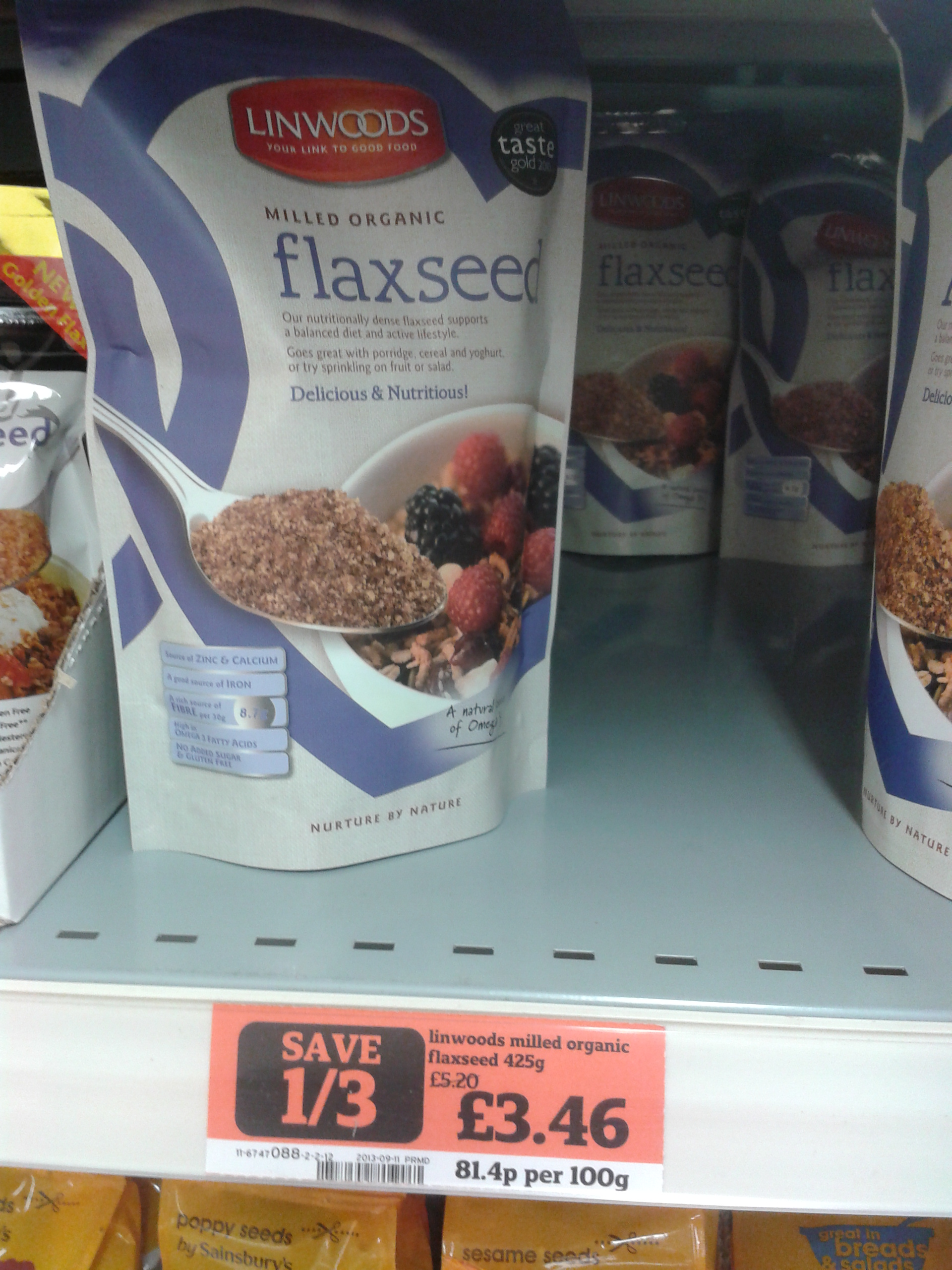
  2. Omega 3 Poly Unsaturated Fatty Acids: fish & fish oil supplements. Other sources: flaxseed/linseed, chia, hemp, walnut (the body cannot use these as well as the omega3 from the fish). Benefits for heart disease, diabetes, obesity, musculoskeletal pain, cholesterol (lowers bad cholesterol, raises good cholesterol), blood pressure, blood clotting, brain growth & development, inflammation conditions.

    Flaxseed

    Flaxseed

Salmon - omega 3 oils

Salmon – omega 3 oils

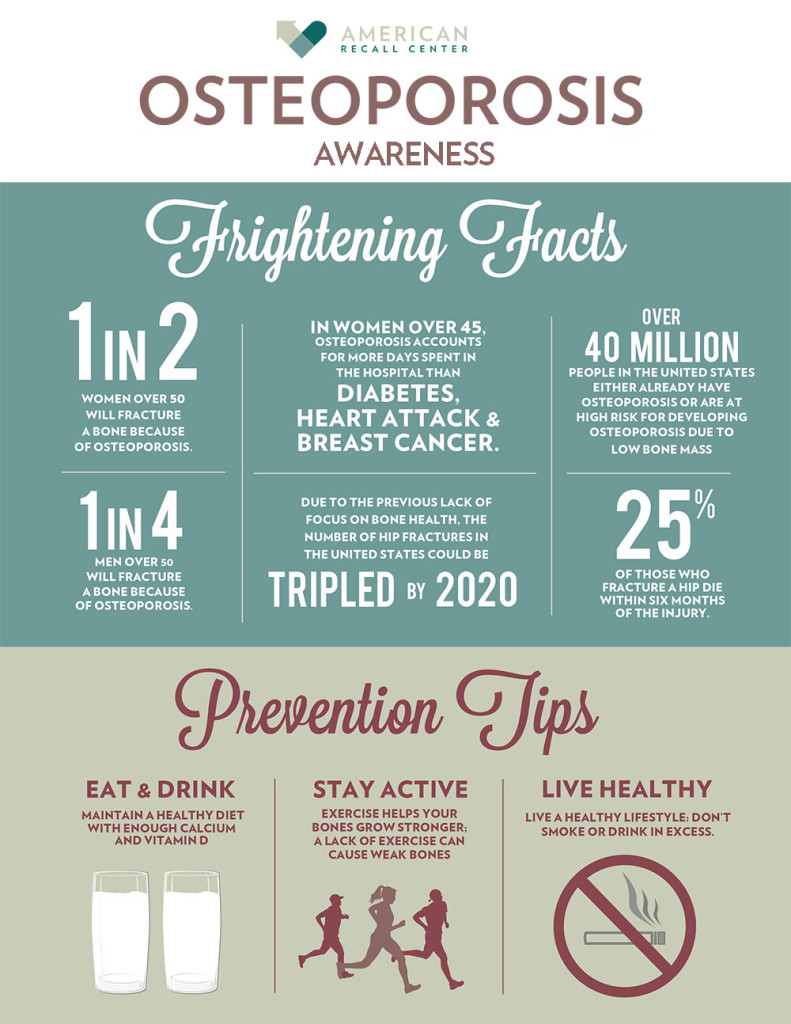
Frightening Calcium Facts

Osteoporosis_Awareness_Long-1-1-791x1024

Wow!……..50% of women, and 25% of men over 50 will experience a bone fracture due to osteoporosis!

Until recently, doctors and dietitians have recommended calcium supplements for those not getting enough from their diet. Recent research is emerging to show that calcium from supplements may not be effective at improving bone health, and may even increase risk of heart disease. The research is suggesting that dietary sources trump the supplements.

Rickets (child)

Rickets (child)

Hip fracture

Hip fracture (adult)

Why is calcium important?

  • bone health – 99% of calcium is in the bones , it is needed to prevent osteoporosis (softening of bones), resulting in fractures and to prevent rickets in children.
  • 1% of calcium found outside the bones is essential for: muscle contraction, blood clotting, stabilising blood pressure, normal brain function, communicating essential information among cells.

How much calcium do I need?

Age Calcium/day Stars (1 star = 60mg)
Babies <1 525mg 9
1-3 350mg 6
4-6 450mg 7.5
7-10 550mg 9
11-18 Girls 800mg/Boys 1000mg 13/16
19+ 700mg 11
Breastfeeding mums 1250mg 25
Post menopausal women 1200mg 20
Coeliac disease Adults 1500mgChildren 750mg 2512

Sources of calcium:

Food Amount Calcium stars
Milk 200ml ★★★★
Cheese Matchbox size (30g) ★★★★
Cheese triangle 15g ★★
Yoghurt 1 pot (150g) ★★★★
Rice pudding ½ tin (200g) ★★★
Custard 120ml ★★
Ovaltine original 25g (with milk) ★★★★★★★
Calcium enriched soya/rice/oat/almond milk 200ml ★★★★
Sardines ½ tin ★★★★
Prawns 3 tablespoons ★★
Salmon, tinned ½ tin ★★
Baked beans Small tin (220g) ★★
Hummus 150g
Sesame seeds 1 tablespoon
Brazil nuts 9
Almonds 12
Broccoli 1 cup ★★★
Spring greens 75g
Kale 1 cup
Soya beans (edamame) 1 cup ★★★
Orange 1
Figs, dried 4 ★★★
Apricots 8
Bread 2 slices
Pitta/chapatti 1
ReadyBrek 1 serving ★★★★

Vitamin D – It essential for bone health to have good levels of vitamin D, as it is needed for the gut to absorb calcium, and for bone formation. It is difficult to get enough vitamin D from diet alone, and during winter months from sunlight, which is why I recommend a vitamin D supplement. Here’s more info on vitamin D

Anything else?

Other dietary factors are important for bone health include:

  • protein – meat, fish, eggs, dairy

    Balanced meals with protein, vegetables and whole grains

    Balanced meals with protein, vegetables and whole grains

  • magnesium – dairy, fruit, veg, whole grains
  • phosphorous – excessive intake harmful (fizzy drinks)
  • potassium – fruit and veg
  • vitamin K, vitamin C, vitamin A – fruit and vegetables, fish, meat, eggs
So as you can see, a balanced diet including calcium rich foods, fruit, vegetables, with some meat, fish and eggs are all important for the health of your bones.
If you are not getting enough calcium from your diet, then it is worth consulting with a dietitian who can help you redesign your diet and give easy and practical suggestions for upping your intake.

ADHD – management using Omega 3s

Attention Deficit Hyperactivity Disorder (ADHD) is a relatively common behavioural disorder estimated to affect up to 12% of children worldwide. ADHD can have a profound effect on a child’s life. British Medical Journal on effects of ADHD

Problems associated with ADHD: aggression, clumsiness, short attention span, hyperactivity, mood swings, non-compliance, sleep disturbances and temper tantrums.

  • Omega 3 and omega 6 fats are essential for brain function
  • Studies show that supplementing with these fatty acids can improve attention span and school performance (reading and spelling age)
  • Up to 558mg of EPA taken daily from supplements is most effective

Typically, children with ADHD are offered psycho stimulants, which have a calming effect e.g. Ritalin. Understandably, parents worry about medicating their children and many are open to using a non-drug intervention. Supplementation with right dosage of omega 3 fats could provide this solution. Further research is needed on whether these are most effective alone, or with the conventional medication.

How much should be given?

These provide the dosages found to be of benefit for children with ADHD. To be taken for at least 3-4 months. These can be bought in Boots, Equazen products can also be found in supermarkets and pharmacies.

15ml per day (3 teaspoons)

15ml per day (3 teaspoons) – 200ml £11.99

eyeq_chews_2

6 capsules per day – 180 capsules £22.69

10149717

10ml per day (2 teaspoons) – 200ml £4.33