World Mental Health Day – Omega 3s can make a difference

Today is World Mental Health Day, as Conor and I discovered walking through Kingston town

Conor with his balloon from mental health charity MIND

Conor with his balloon from mental health charity MIND

centre this morning. He was delighted to be handed a balloon by MIND volunteers promoting the day, while I was delighted that the balloon entertained him for over an hour in his pushchair. Happy child, happy mummy.

It is well established that omega 3 fats help in heart disease and brain development. However, new research is emerging that these oils found in fish can also be effective in improving mood disorders, such as depression and schizophrenia.

At any one time, 1 in 10 people in the UK suffer from depression, while post natal depression is  estimated to affect 15% of new mums. Experts think that for those without a family history of depression, taking omega 3s can reduce depression rates.

Omega-3 researcher David Mischoulon, MD, PhD, director of research in the Depression Clinical and Research Program at Boston’s Massachusetts General Hospital and an associate professor of psychiatry at Harvard Medical School, says omega 3s oils (EPA and DHA) “are thought to be active as antidepressants” in the brain.

Salmon - omega 3 oils

Salmon – omega 3 oils

So when can omega 3s be helpful?

  • depression
  • pre and post natal depression
  • menopausal depression
  • people at risk of schizophrenia
  • self harm

Safety: Omega 3 fats may help some people with mood disorders, and are safe for most people to take. However, fish oils, as supplements or in the natural form of fish, shouldn’t be used as a home remedy for mood disorders. Always see your doctor first. Do not stop your current medication without seeking your doctors advice.

10016284

Omega 3 supplement

How much: for the general population without mood disorders, about two servings per week of oily fish is recommended, this equates to about 500mg/day (DHA & EPA).  For people with mood disorders benefits may be seen with up to 1000mg/day.

True or false? – 3 Food Myths

Working with clients and patients over the years, I have heard many misconceptions about ‘good’ and ‘bad’ foods. It’s my job to set you straight!

Here are the top 3 that I hear most regularly:

  1. Carbohydrates are bad and make you put on weight – False! Carbs are not bad, what makes you put on weight is too many calories. However, not all carbs are created equal. We have ‘refined carbs’ that provide few nutrients e.g. white bread, white rice, cake,When training, carbs are your friend! biscuits etc. and wholesome carbs that are more nourishing e.g. vegetables, fruit, oats, wholewheat bread, brown rice. The wholesome carbs are much higher in fibre making you feel full up for longer, thus curbing hunger and cravings for the refined carbs. They also have more vitamins and minerals. For the average adult, a portion of carbs is about 1/4 of your plate. Yes, 1/4, not 1/2! So the wholesome carbs can actually help you to control your weight.
  2. Sugar makes kids hyper – not true! I have parents who swear that after a birthday partyimages with all the sugary snacks, their children turn in to raving loonies. Scientific studies have shown that as an ingredient, sugar does not cause a change in behaviour. Think about the party environment…….the excitement, the noise, the fun food & drinks! Enough to hype up any child. Any food involvement is likely to come from reactions to food additives or caffeine in fizzy drinks.
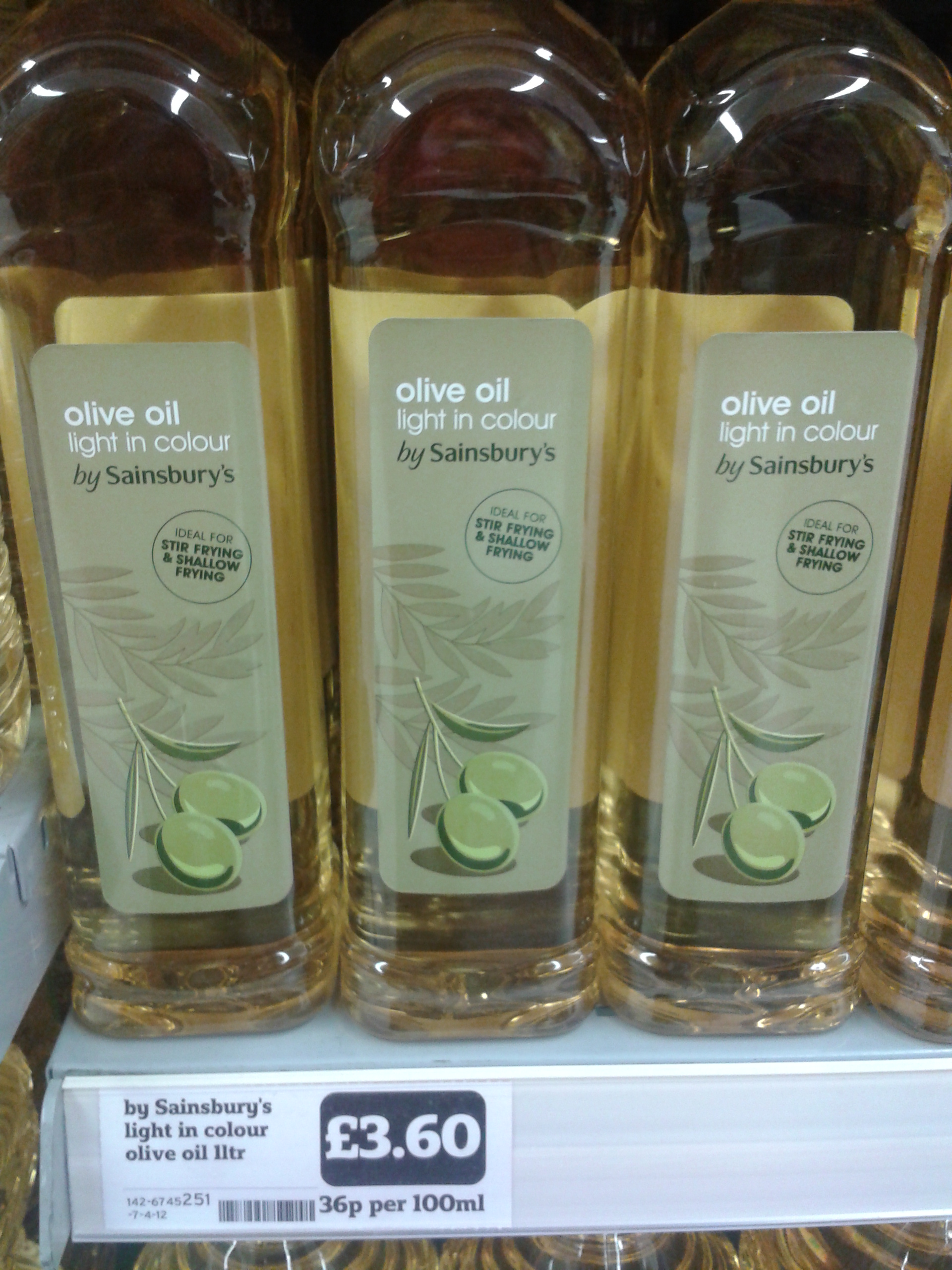
  3. Olive oil helps you to lose weight – not true! This applies to all oils, even the super 2013-09-11 11.50.38expensive extra virgin olive oil, avocado, flaxseed etc. Per tablespoon, all of these oils have 125kcal. They are a healthier type of oil to choose over butter or lard, as they contain essential fatty acids that are anti inflammatory and are good for cholesterol levels. However, if you are watching your weight, be aware that they are extremely high in calories, so don’t use liberally!

5 Feel Fabulous Breakfast Foods

Reasons to eat breakfast:

It doesn’t have to be a soon as you get up, but try to have something within an hour or two of waking. Here’s why……

  1. breakfast eaters tend to be a healthier weight
  2. breakfasts tend to be nutritionally dense with, fruit, dairy, whole grains, setting you up with a healthy start to the day
  3. breakfast will stabilise blood sugar levels resulting in enhanced memory, improved cognitive ability, and increased attention span
  4. children who eat breakfast perform better in school and in sport. They have better concentration, problem-solving skills, and eye-hand coordination

Here are 5 of top breakfast foods:

Oats – filling, high fibre, low glycaemic index, cholesterol lowering. Make trashutterstock_81803002ditional porridge, summer oats, or homemade muesli. Play around with the various oat textures. If you like very smooth porridge, go for Ready Brek; or if you like chunky, nutty and a bit chewy sprinkle some jumbo oats on to some yogurt.

Berries – these are low in calories but pack a mighty nutrition punch. High in antioxidants and anti inflammatory anthocyanins, they fight chronic conditions such as heart disease and diabetes. Add to oats,porridge, greek yogurt, or in a super shake

Eggs – eggs have received a bad press over the years due to the cholesterol content of the egg yolk. We now know that dietary cholesterol doesn’t have a significant effect on blood cholesterol, in fact recent studies show that 2 eggs a day may improve cholesterol levels. They are one of the most nutritious foods that you can eat: omega 3 fats, lutein, choline, all the B vitamins, as well as vitamins A, D, E, K, high protein, iron.  Health benefits: regulate blood sugar, anti inflammatory, heart, brain, hormone, eye and skin health. Have 2 scrambled, dry fried, poached eggs on a piece of wholemeal toast, or try a sweet breakfast omelette.

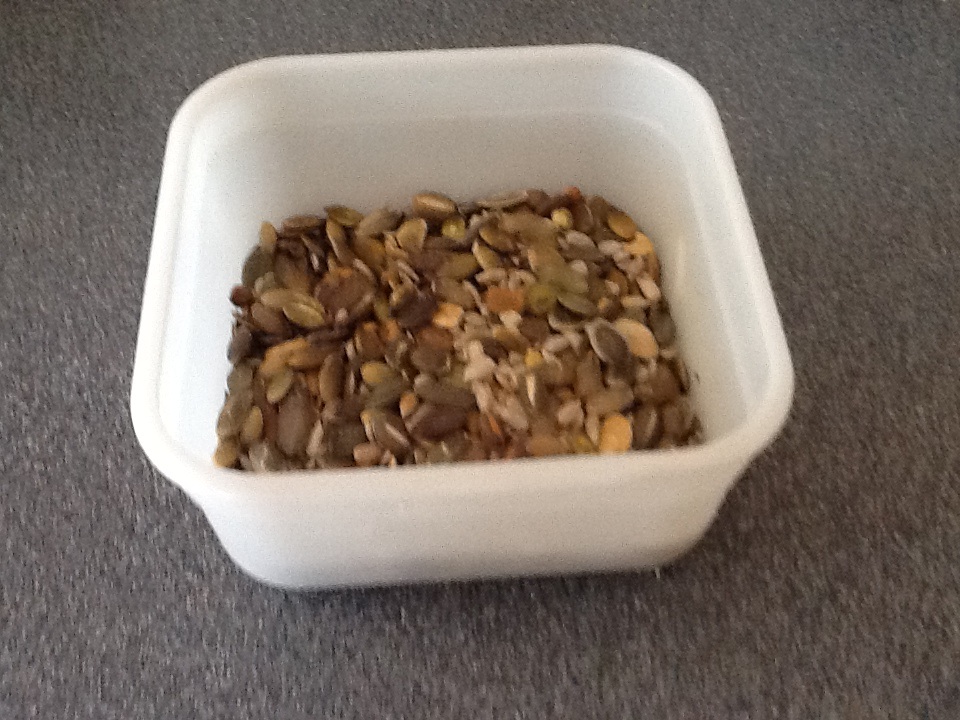
Seeds – pumpkin, sunflower, sesame, flax/linseed, all provide essential fats that benefit the heart, brain, skin and are anti inflammatory. Sprinkle on to yogurt or into porridge to bump up the protein and good fat content.

Toasted pumpkin & sunflower seeds

Toasted pumpkin & sunflower seeds

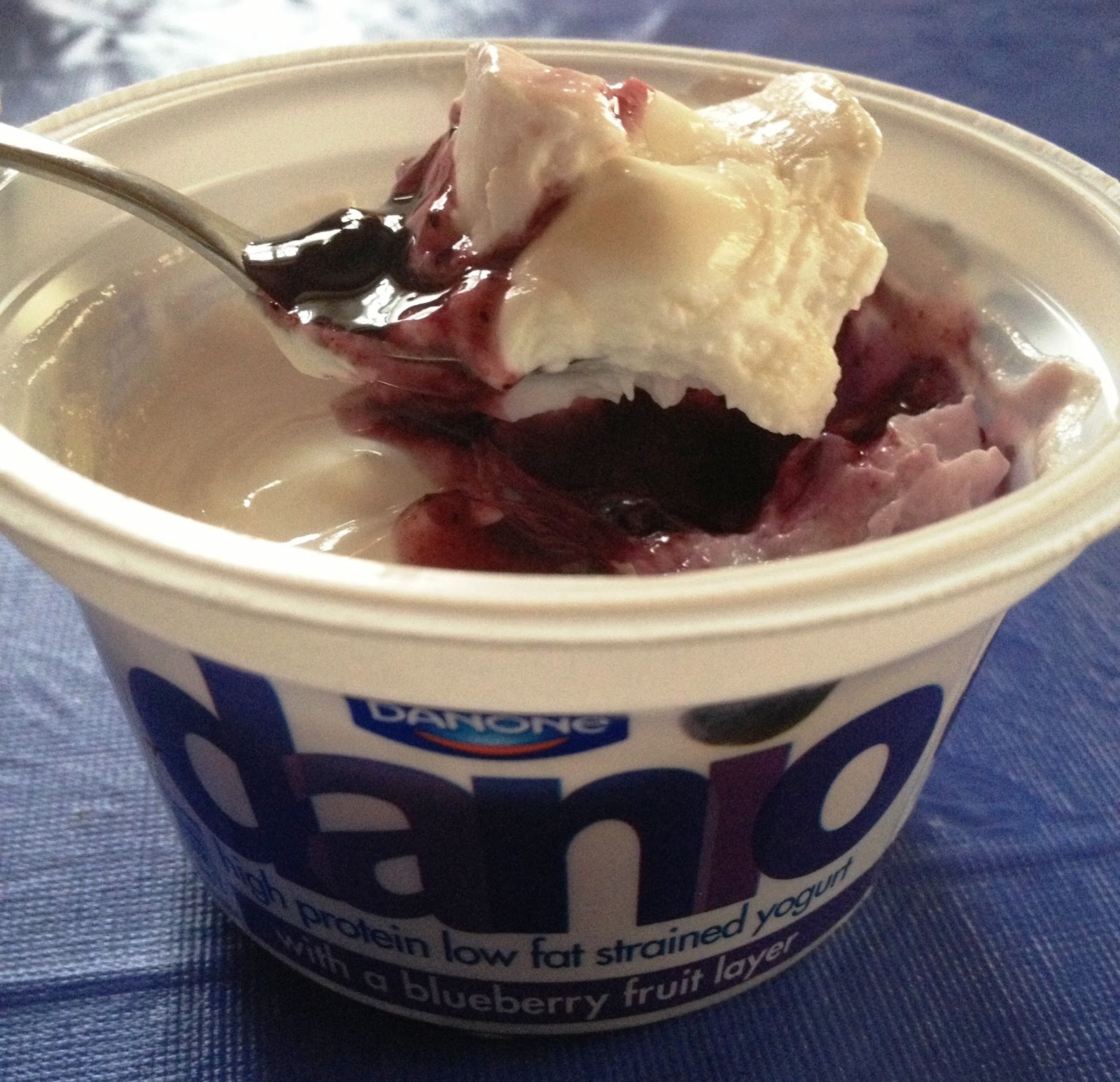
Greek yogurt – this type of yogurt has been strained resulting in a concentration of the protein. Normal natural yogurt has 4g protein/100g. Greek yogurt has double this, making it high in protein therefore more filling. Being dairy, it is also high in calcium. Try to buy greek or ‘high protein’ yogurt, as greek ‘style’ doesn’t have the same high level of protein (greek style & normal natural yogurt not a bad choice though, just not as high in protein).

Total Greek yogurt

Total Greek yogurt

High protein yogurt

Danio high protein yogurt

Chocolate Spread

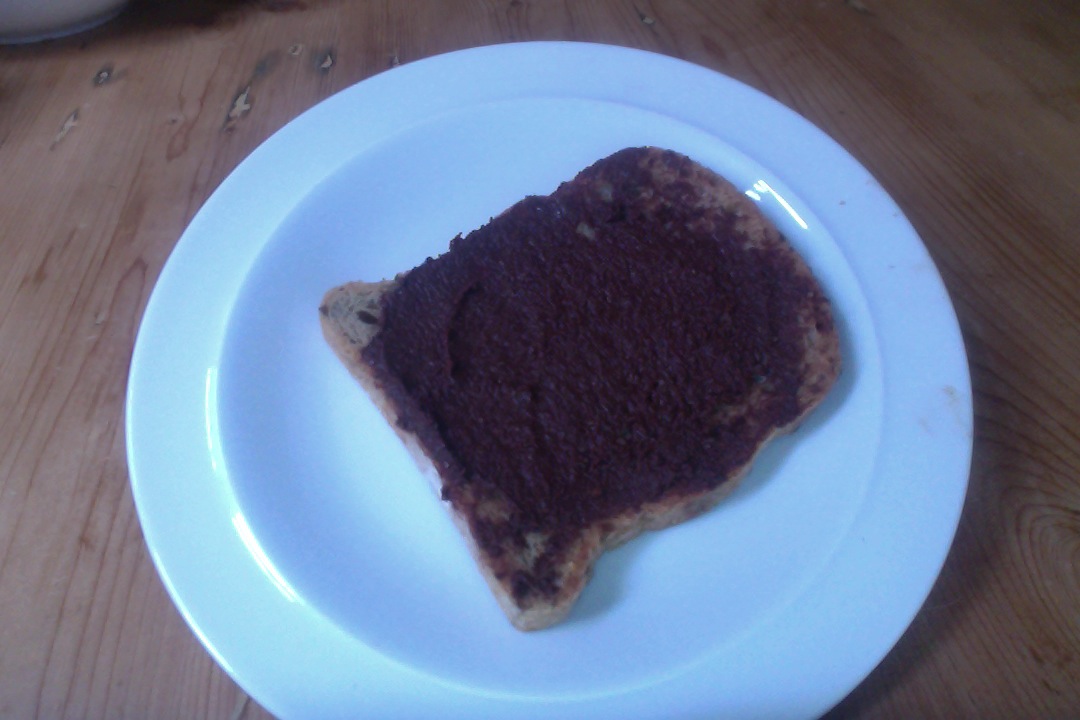
Here’s a recipe for a healthy chocolate spread which has evolved from my Cocoa Bar recipe. Nutella is the most well known chocolate spread, but did you know that as well as hazelnuts and milk, the main ingredients are sugar and palm oil? One tablespoon has 100kcal and 11g sugar (that’s more than 2 teaspoons of sugar per tablespoon i.e. it’s 75%  sugar).

In this recipe I use cocoa powder, ground almonds, almond milk (or any milk!) and honey for sweetness.

Nutella 1 tablespoon: 100kcal, 11g sugar

Homemade Chocolate Spread: 30kcal, 2g sugarPhoto on 02-10-2013 at 09.58

Ingredients:

1/2 cup ground almonds

1/4 cup cocoa powder sieved

1/4 cup milk

Cocoa Powder

Cocoa Powder

2 teaspoons honey

Ground Almonds

Ground Almonds

Just mix all of the ingredients together. Have a taste, if you want it a bit sweeter, add a little extra honey!

Delicious spread on toast, or try mixed in some plain yogurt with a sliced banana!

This should keep for up to 5 days in the fridge. It depends really on the milk you have used eg. cow’s milk should be used within 3 days of opening the bottle, while Alpro Almond Milk should be used within 5 days of opening.

Cocoa Bar recipe


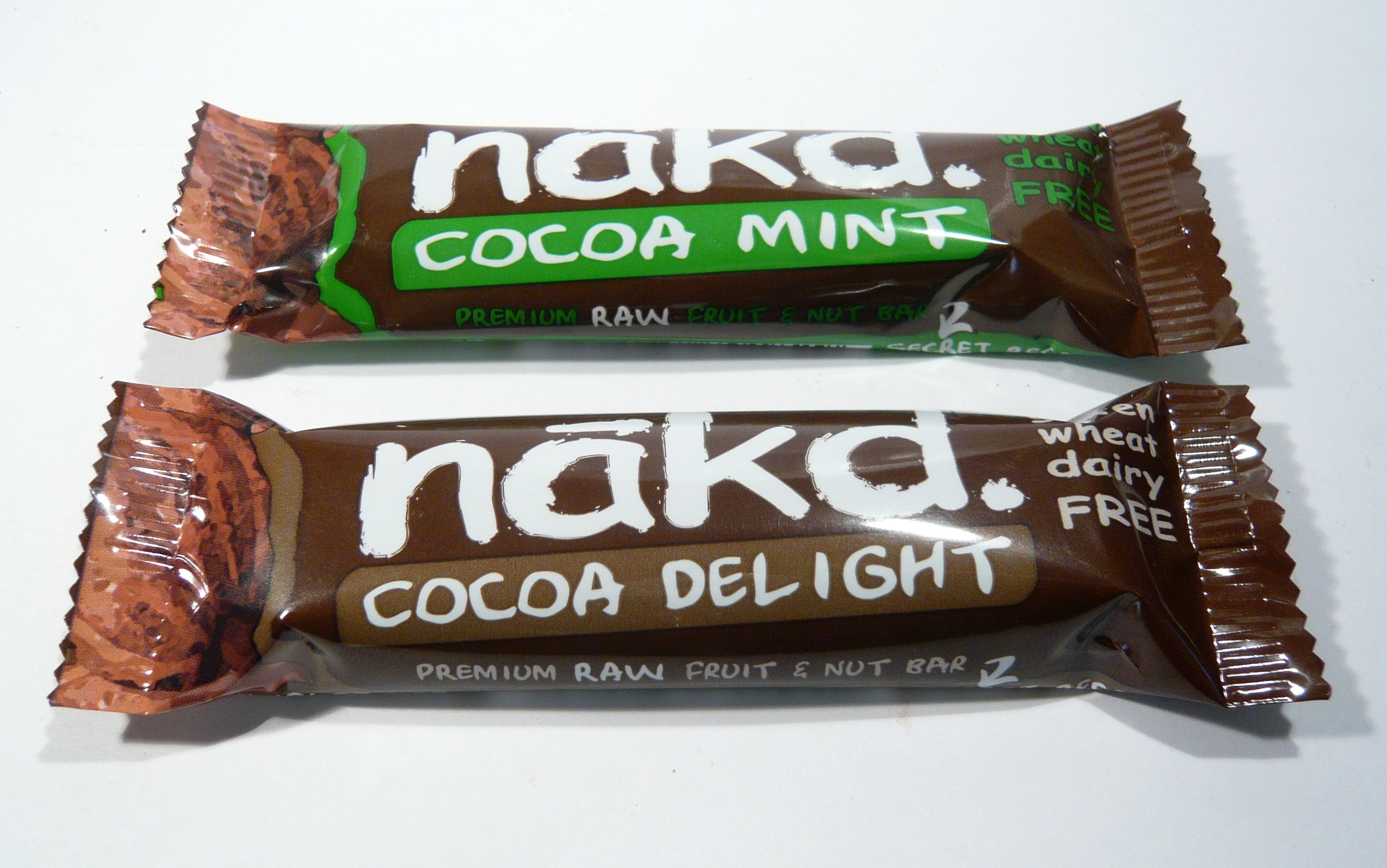
nakd-raw-chocolate-1Being a dietitian, I can’t help myself but to study food labels.

The popular Nakd bars are pleasantly short on the list of ingredients. Cocoa Delight is  made from 48% dates, 29% cashew nuts, 17% raisins and 6% cocoa powder.

On the face of it an ideal healthy snack, especially for hungry kids after school, with no added sugar, oils, butter, additives, preservatives etc. (more after school snack inspiration). So I’d limit to one a day, mainly because the dates and raisins make it very sweet, albeit with natural sugar. There is the equivalent to a tablespoon per bar (that’s almost 50% sugar). A ‘high sugar’ food has more than about 20g/100g sugar. These bars have 43g/100g. On a positive note, the almonds make it low GI (digested slowly), high in vitamin E and the cocoa powder, dates and raisins are high in antioxidants.

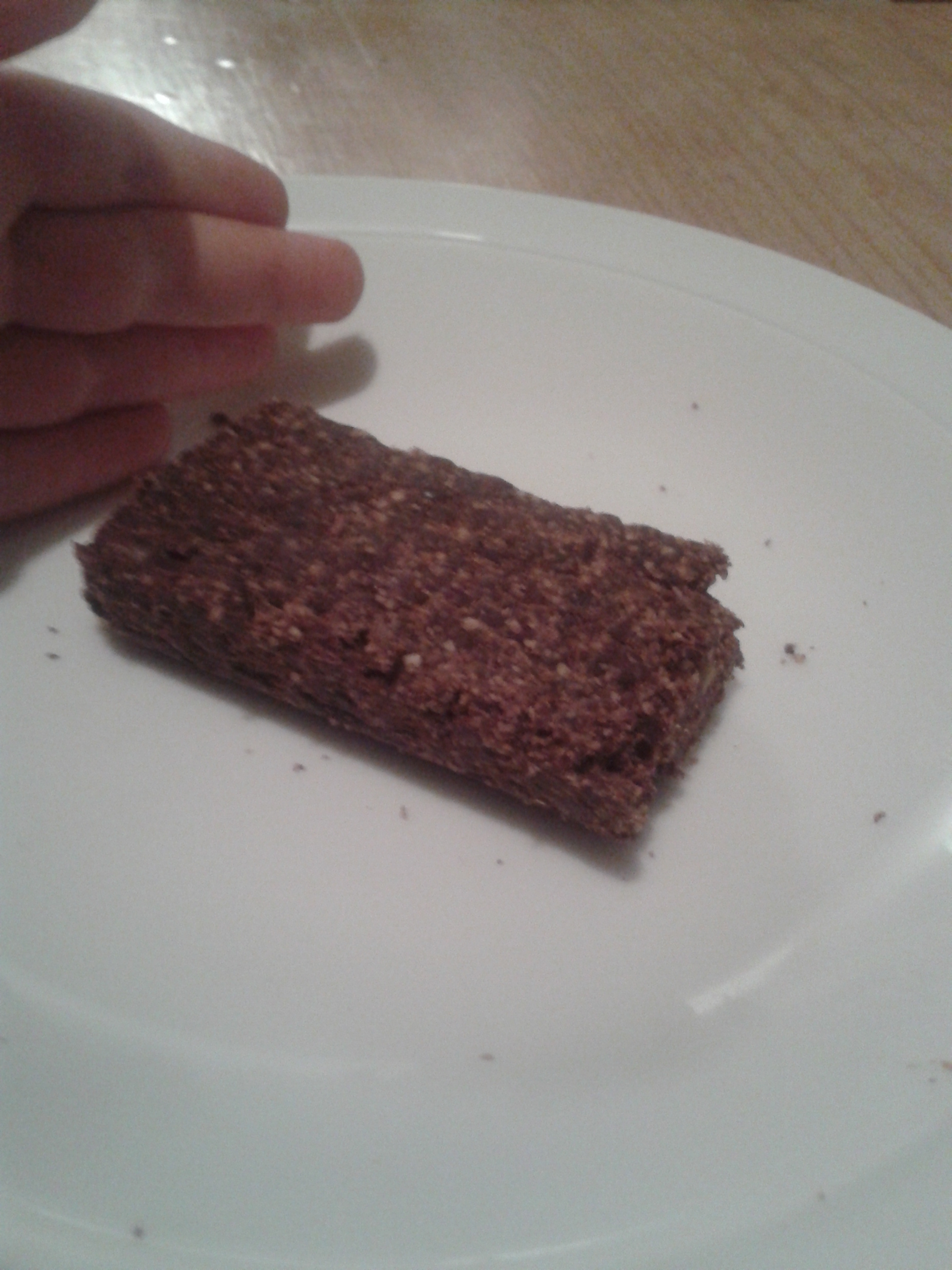
Homemade Cocoa Bars

Homemade Cocoa Bars

So, as a ‘treat’ food, I thought I’d experiment with my own version…..I just took the %s from the ingredients list and equated that to the weight (and doubled to make more). I also substituted the cashews for ground almonds. These can be bought already ground up, making it a bit easier.

Here are the ingredients and quantities (makes 6 bars):

ground almonds

ground almonds

100g dates, blended or very finely chopped

Unknown

Dates

60g ground almonds/cashews

30g raisins, blended (or finely chopped)

Cocoa Powder

Cocoa Powder

10g cocoa powder

Mix all the ingredients together either in a small blender/food processor or by rubbing in with your fingers, it takes a few minutes, and it will be quite dry and crumbly.

Press in to a tin, taking time to pack the mixture in so it is well compressed. Put in to the freezer to cool. The will be ready to chop in to bars after about an hour.

Nutrition info for each bar: 123kcal, 3g protein, 14g (natural) sugar

Lots more healthy snacks

5 reasons Mums can’t lose weight


Butternut, Bacon & Herby Scones

Here is a recipe from my lovely friend, Robyn. We know each other through the rugby, as our husbands played together at London Irish, and later Neal coached Dec. They are now arch rivals as Neal is coaching the Bath Rugby team (boooooo!). As well as being long suffering rugby wives, Robyn and I also share entrepreneurial tendencies. Robyn’s baby is Mum’s the Business offering fabulous help for mums making their way with their own business.

With 315kcal and 8g protein per muffin, these are perfect for the kid’s lunch boxes as something a bit different to sandwiches. Also fab as a high energy snack.

The butternut squash is rich in vitamin A & C, the spinach has vitamin A, C, K & folate, the olive oil is heart healthy, and the milk and cheese provide calcium.

Here’s the recipe………

Makes: about 12 scones

Takes: 20 minutes to bake & 50 minutes to prepare (mostly the butternut!)

1 butternut squash (about 500g butternut squash cubes)        

1tbsp olive oil

200g unsmoked back bacon                                                        

450g self raising flour

1 tsp baking powder

80g unsalted butter (cut into small pieces)

1 large handful of chopped fresh herbs or spinach (optional)  

300ml semi skimmed milk

40g cheddar cheese, finely grated

Preheat oven to 190C/fan or 170C/Gas5.  Grease 2 baking trays.  Peel butternut squash, cube it, then place on baking tray with oil & roast for 40 minutes, or until cooked.  Cook the bacon on the other tray until cooked and golden.

Put the flour and baking powder into a large bowl, and rub in the butter.

Add the butternut, bacon (snipped into small pieces) and the herbs / spinach.  Mix.  Add almost all the milk & mix together well.

Dollop about 12 spoonfuls onto baking tray.  Brush the tops with milk and sprinkle cheese over.  Bake for about 15 – 20 minutes until cooked through & golden.

Iron: are you getting enough?


Recent statistics show that 40% of women under the age of 34 have seriously low intakes of iron and are at risk of anaemia as a result. Up to 15% of children don’t get enough iron, and 1 in 8 children between 1 1/2 and 2 years are anaemic.


Anaemia can cause:

  • tiredness and weakness
  • decreased work and school performance
  • slow cognitive and social development during childhood
  • difficulty maintaining body temperature
  • decreased immune function, which increases susceptibility to infection
  • glossitis (an inflamed tongue)
  • palpatations
  • restless leg syndrome

Symptoms of iron deficiency anaemia could be caused by many different things. A blood test is needed to confirm the presence of iron deficiency anaemia.

People at risk of anaemia:

  • Infants over 6 months
  • Toddlers
  • Adolescents
  • Pregnant women
  • Pre menopausal women


How much iron do I need?

Gender Age Group Recommended intake (mg/day), number of
Children 1-3 years 7
Children 4-6 years 6
Children 7-10 years 9
Teenage boys 11-18 years 11
Teenage girls 11-18 years 15
Men 19-50 years 9
Women 19-50 years 15
Men 50+ years 9
Women 50+ years 9


Food sources of iron

  • Iron from animal sources is much better absorbed by the body than plant sources
  • Vitamin C helps with absorption. High vitamin C foods include: red peppers, broccoli, strawberries, kiwi fruit & oranges.
  • Tea and coffee reduce the absorption of iron, so don’t drink a cup too close to a meal

 Meat sources:

Food Average portion Stars
Liver 40g, thick slice ★★★
Liver pate 1 tbsp
Beef steak 150g, medium size ★★★
Sausage 2
Beef mince 125g, 4 tbsp cooked ★★★
Chicken 100g cooked
Pork chop 120g, 1 average
Sardines/salmon/mackerel 50g
Tuna 100g (1/2 tin)

 Other sources (less well absorbed):

Food Average portion Stars
Ready Brek 20g dry (1 small ptn) ★★★★★★
Branflakes 25g (4 tbsp) ★★★★
Weetabix 2 biscuits ★★★
Rice Krispies 30g (4 tbsp) ★★
Chickpeas 100g (4 tbsp) ★★
Lentils green/brown 75g (1/2 cup cooked) ★★
Lentils red 75g (1/2 cup cooked) ★★
Baked beans 120g (3 tbsp) ★★
Humus 50g (1 tbsp)
Eggs 1
Sunflower seeds 30g (1/4 cup) ★★
Sesame seeds 12g (1 tbsp)
Dried Apricots 8 ★★
Dried figs 4 ★★★
Raisins 35g (1 tbsp)
Spinach 120g (3 tbsp) boiled ★★
Avocado ½
Peas 75g (2.5 tbsp)
Broccoli 4 spears (200g)
Ovaltine 25g serving (4 tsp) ★★★
Milo (chocolate malt) 20g serving (4 tsp) ★★★★★★
Sainsburys: £3.99

Sainsburys: £3.99Tesco: £2.99  Tesco: £2.99

Iron Supplements

If you have iron deficiency anaemia, your doctor may prescribe you iron supplements, as even a diet rich in iron will not be enough to correct the deficiency.

If you experience a stomach upset with iron tablets, try taking a liquid form instead.

For further information on iron or for a dietary assessment to assess the amount of nutrients in your diet, use the contact form to get in touch.

← Back

Thank you for your response. ✨