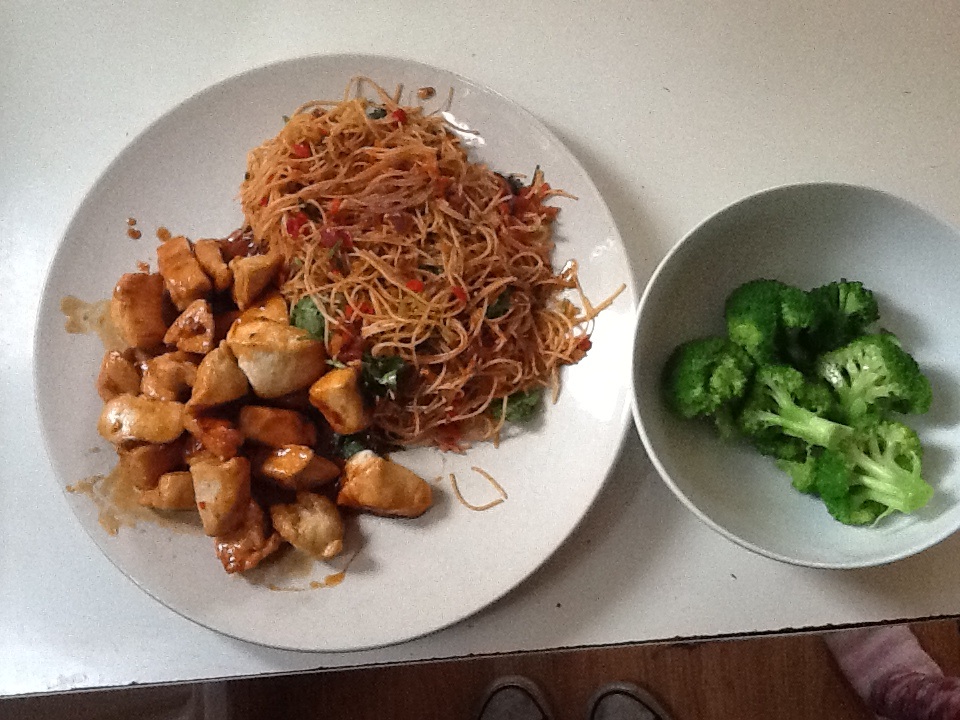
Coconut Oil – is it really that AMAZING!?

You may have noticed that over the last few years coconut oil has made an appearance on supermarket shelves, in health food shops and is sold by sports nutrition companies. It first arrived in our house 2 years ago, when my husband returned from rugby training with a tub of this magical stuff, with the instructions that we should use it to cook with.

UnknownAt the time, I recall having a toddler and a new baby to look after, so it didn’t get much more than a raised eyebrow from me. Over the years London Irish rugby nutritionists have promoted a range of dubious products. I have learnt that, if it is not going to do any actual harm, then the route to a happy marriage is to just say “yes dear, that’s nice”, and wait for the next fad to come along.

But Coconut Oil doesn’t seem to be a passing fad. Is there any truth behind the health claims of weight loss, reduced heart disease, and improved athletic performance?

In a (coco) nut shell, maybe.

How is coconut oil different to other fats?

Coconut oil is very high in saturated fat, which is traditionally vilified for it’s artery clogging effects. However, 60% of the saturated fats in coconut oil are MCTs (medium chain triglycerides)

Why are MCTs different?:

  • May have a neutral (or positive) effect on blood cholesterol
  • Can be used by the body as a quick fuel source – MCTs are transported directly to the liver, where they are more likely to be burned as fuel, as opposed to other types of oils, which typically get stored as fat in the body.
  • May raise metabolism slightly and make you feel more full up
  • High concentration of lauric acid, which may have antiviral and antifungal properties.

What the studies show:


Weight loss

An overall consensus has not yet been reached regarding MCTs and weight loss.

There are studies showing that pharmaceutical grade 100% MCT oil may reduce body fat by increasing metabolic rate. Coconut oil is only about 60% MCT, so it’s not good science to say that coconut oil will have the same results. To get any small weight loss benefit, large amounts of the oil were used. Unfortunately, large amounts of coconut oil can cause stomach upsets and nausea, so in real life, it is unlikely that people could comply with this.


Heart Disease

The research on MCT saturated fats is constantly evolving, years ago all saturated fats were thought to be bad for our hearts. However, we now know that there are different types of saturated fats that affect our bodies in different ways. Some studies suggest that MCT saturated fat might lower risk factors for heart disease by increasing levels of good cholesterol.

There is a study looking at Polynesians, which found that this population of islanders have a very high consumption of coconuts and a low incidence of cardiovascular disease. Hence, the claims that coconut oil is very beneficial for the heart. However, Polynesians have many other lifestyle factors which improve heart health (low intake of sugar and salt, good intake of fiber, plant sterols, and omega-3 fatty acids from fish). They also had an active lifestyle and used little tobacco.


Athletes

The evidence for using MCTs as an ‘ergogenic’ supplement, to prolong endurance or improve performance, is pretty much non-existent. Because MCTs in coconut oil are metabolised by the liver to produce energy, it seems reasonable to assume that this is good for providing energy for exercise. However, in real-life research on athletes, there does not seem to be this positive effect. In fact, in a study of cyclists, after taking coconut oil their performance was actually reduced, probably due to the stomach cramps they experienced.


Alzheimer’s Disease

According to the Alzheimer’s Association, “a few people have reported that coconut oil helped with Alzheimer’s, but there’s never been any clinical testing of coconut oil for Alzheimer’s, and there’s no scientific evidence that it helps.”  The same is true of 100% MCT oil.


My advice:

On balance, coconut oil can be included as part of your healthy diet. If you like the flavour that coconut oil provides in cooking, go ahead and use it—but in moderation. Use Virgin Coconut Oil, as it has not been chemically bleached and retains nutrients that are lost during the refining process.

There may be some truth in the weight loss claims, however, it’s worth stressing that coconut oil is very high in calories, so substitute it in your diet for other things. Unless you are aiming to gain weight, don’t simply add large amounts to your current intake.

As ever, ensure that you have a balanced, healthy diet with vegetables, whole grains, protein foods, essential fats etc. before depending on coconut oil to provide you with an answer for your health issues.

Here are a selection available in the UK and online:

Sainsbury’s – £6.00/300ml

Tesco – £6.00/260ml

Holland & Barrett – £16.55/500ml

MyProtein – £9.99/460g


Healthy Fat guide

Fourteen years ago as a basic grade dietitian working with cardiac and overweight patients at St George’s Hospital in south London, the message was loud and clear. Low fat was the healthy way to eat and fat in the diet should be reduced.  Since then, studies have shown that certain fats actually have a multitude of health benefits. It’s perhaps frustrating that nutrition advice seems to be constantly changing, but, to think more positively, what we know about food and nutrition is constantly evolving.

Are you confused about which oils/fats to choose when you are shopping? Butter, Flora, sunflower oil, olive oil, extra virgin olive oil, flaxseed oil, walnut oil, sesame oil etc. etc. I will keep this brief:

Trans fats (hydrogenated oil)

Trans fats (hydrogenated oil)

STOP HAVING: Trans fats – these increase bad cholesterol, decrease good cholesterol. You can’t buy these in a bottle, they are found in some processed foods (often labelled as hydrogenated fat or oil).  This is a good reason to reduce processed foods, and to make your meals/snacks from scratch eg. bake these instead of buying biscuits.

Have LESS of:

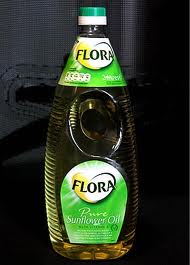
Swap sunflower oil for olive or vegetable (rapeseed oil)

Sunflower oil – use less

  1. Saturated fats: increase bad cholesterol – found in meat, butter and animal products (ok to eat these in moderation as these foods provide some health benefits)
  2. Omega 6 PUFAs: corn, soybean, sunflower, safflower oil – generally we have too much of these, stopping the fabulous omega 3s from doing their job (see below)

GOOD TO USE:

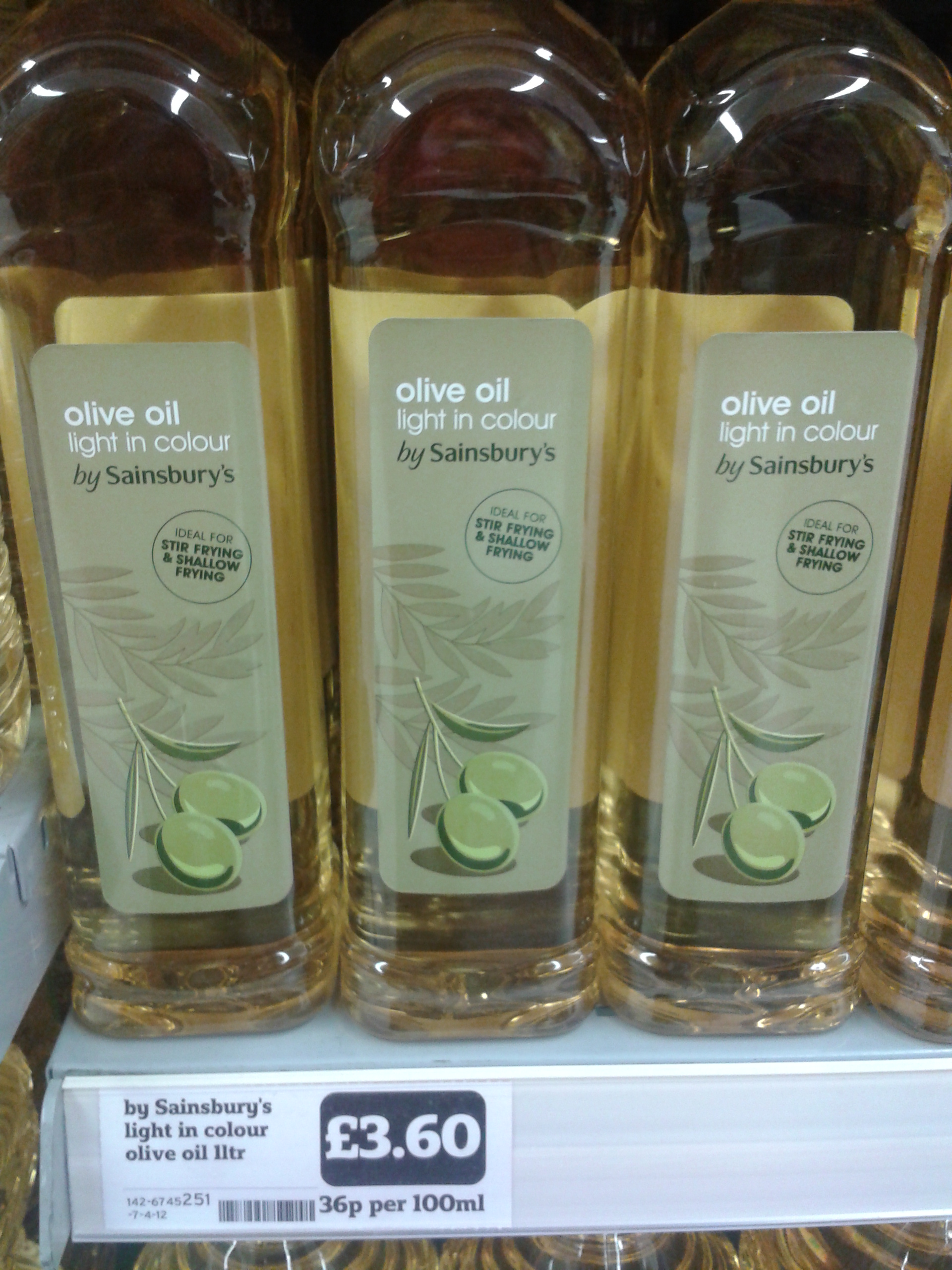
  1. Mono Unsaturated Fatty Acids: olive oil, rapeseed oil (usually labelled Vegetable Oil), avocados, nuts & seeds. These decrease bad cholesterol. If you’re watching your weight, don’t go overboard with the oils as these have 125 kcal per tablespoon.
    Vegetable oil good (rapeseed oil)

    Vegetable oil good (rapeseed oil)

    2013-09-11 11.50.38

    Olive oil good

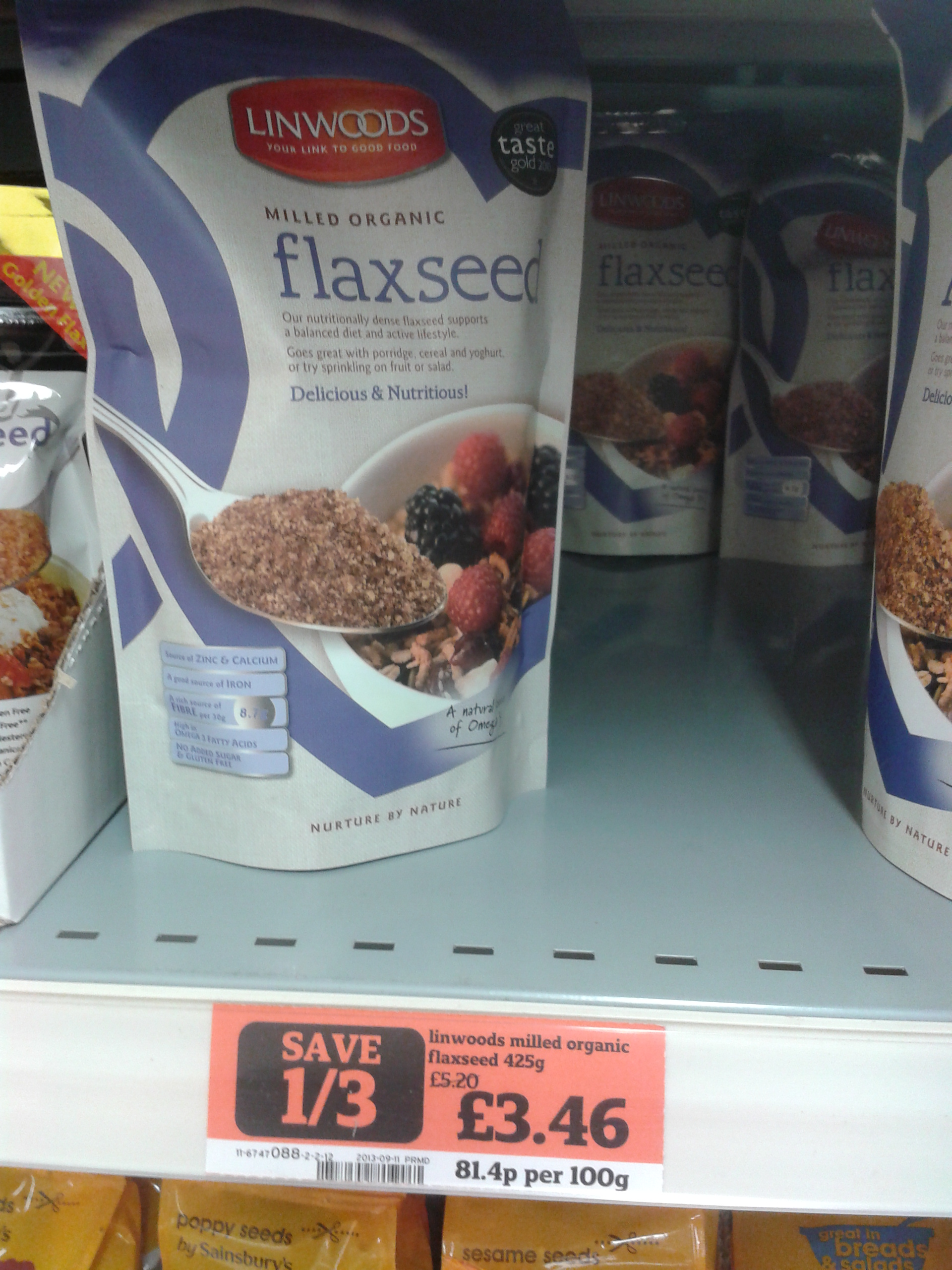
  2. Omega 3 Poly Unsaturated Fatty Acids: fish & fish oil supplements. Other sources: flaxseed/linseed, chia, hemp, walnut (the body cannot use these as well as the omega3 from the fish). Benefits for heart disease, diabetes, obesity, musculoskeletal pain, cholesterol (lowers bad cholesterol, raises good cholesterol), blood pressure, blood clotting, brain growth & development, inflammation conditions.

    Flaxseed

    Flaxseed

Salmon - omega 3 oils

Salmon – omega 3 oils

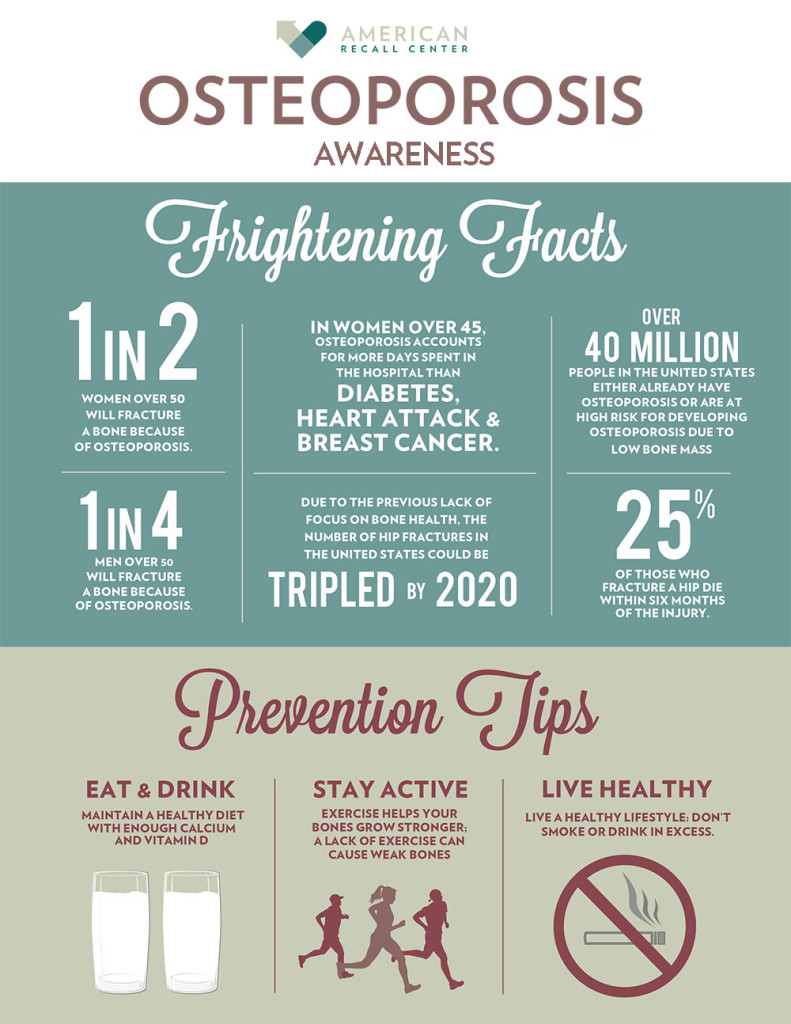
Frightening Calcium Facts

Osteoporosis_Awareness_Long-1-1-791x1024

Wow!……..50% of women, and 25% of men over 50 will experience a bone fracture due to osteoporosis!

Until recently, doctors and dietitians have recommended calcium supplements for those not getting enough from their diet. Recent research is emerging to show that calcium from supplements may not be effective at improving bone health, and may even increase risk of heart disease. The research is suggesting that dietary sources trump the supplements.

Rickets (child)

Rickets (child)

Hip fracture

Hip fracture (adult)

Why is calcium important?

  • bone health – 99% of calcium is in the bones , it is needed to prevent osteoporosis (softening of bones), resulting in fractures and to prevent rickets in children.
  • 1% of calcium found outside the bones is essential for: muscle contraction, blood clotting, stabilising blood pressure, normal brain function, communicating essential information among cells.

How much calcium do I need?

Age Calcium/day Stars (1 star = 60mg)
Babies <1 525mg 9
1-3 350mg 6
4-6 450mg 7.5
7-10 550mg 9
11-18 Girls 800mg/Boys 1000mg 13/16
19+ 700mg 11
Breastfeeding mums 1250mg 25
Post menopausal women 1200mg 20
Coeliac disease Adults 1500mgChildren 750mg 2512

Sources of calcium:

Food Amount Calcium stars
Milk 200ml ★★★★
Cheese Matchbox size (30g) ★★★★
Cheese triangle 15g ★★
Yoghurt 1 pot (150g) ★★★★
Rice pudding ½ tin (200g) ★★★
Custard 120ml ★★
Ovaltine original 25g (with milk) ★★★★★★★
Calcium enriched soya/rice/oat/almond milk 200ml ★★★★
Sardines ½ tin ★★★★
Prawns 3 tablespoons ★★
Salmon, tinned ½ tin ★★
Baked beans Small tin (220g) ★★
Hummus 150g
Sesame seeds 1 tablespoon
Brazil nuts 9
Almonds 12
Broccoli 1 cup ★★★
Spring greens 75g
Kale 1 cup
Soya beans (edamame) 1 cup ★★★
Orange 1
Figs, dried 4 ★★★
Apricots 8
Bread 2 slices
Pitta/chapatti 1
ReadyBrek 1 serving ★★★★

Vitamin D – It essential for bone health to have good levels of vitamin D, as it is needed for the gut to absorb calcium, and for bone formation. It is difficult to get enough vitamin D from diet alone, and during winter months from sunlight, which is why I recommend a vitamin D supplement. Here’s more info on vitamin D

Anything else?

Other dietary factors are important for bone health include:

  • protein – meat, fish, eggs, dairy

    Balanced meals with protein, vegetables and whole grains

    Balanced meals with protein, vegetables and whole grains

  • magnesium – dairy, fruit, veg, whole grains
  • phosphorous – excessive intake harmful (fizzy drinks)
  • potassium – fruit and veg
  • vitamin K, vitamin C, vitamin A – fruit and vegetables, fish, meat, eggs
So as you can see, a balanced diet including calcium rich foods, fruit, vegetables, with some meat, fish and eggs are all important for the health of your bones.
If you are not getting enough calcium from your diet, then it is worth consulting with a dietitian who can help you redesign your diet and give easy and practical suggestions for upping your intake.

ADHD – management using Omega 3s

Attention Deficit Hyperactivity Disorder (ADHD) is a relatively common behavioural disorder estimated to affect up to 12% of children worldwide. ADHD can have a profound effect on a child’s life. British Medical Journal on effects of ADHD

Problems associated with ADHD: aggression, clumsiness, short attention span, hyperactivity, mood swings, non-compliance, sleep disturbances and temper tantrums.

  • Omega 3 and omega 6 fats are essential for brain function
  • Studies show that supplementing with these fatty acids can improve attention span and school performance (reading and spelling age)
  • Up to 558mg of EPA taken daily from supplements is most effective

Typically, children with ADHD are offered psycho stimulants, which have a calming effect e.g. Ritalin. Understandably, parents worry about medicating their children and many are open to using a non-drug intervention. Supplementation with right dosage of omega 3 fats could provide this solution. Further research is needed on whether these are most effective alone, or with the conventional medication.

How much should be given?

These provide the dosages found to be of benefit for children with ADHD. To be taken for at least 3-4 months. These can be bought in Boots, Equazen products can also be found in supermarkets and pharmacies.

15ml per day (3 teaspoons)

15ml per day (3 teaspoons) – 200ml £11.99

eyeq_chews_2

6 capsules per day – 180 capsules £22.69

10149717

10ml per day (2 teaspoons) – 200ml £4.33

Cate’s Burgers – a London Irish supporter’s recipe

Following the 2013 London Double Header, Cate said, “My son, a LI season ticket holder and at Twickenham on Saturday, is still getting over the result. He started to perk up after home made burgers tonight though! I make a v good burger apparently – for a vegetarian!”

Each burger (no bun) provides: 350kcal, 25g protein, 20g fat.

Change beef mince for lean beef mince and reduce the fat to 12g and calories to 230kcal! Grill, don’t fry.

Serve with Happy Carrot Salad or Superfood Salad (not a lettuce leaf in sight!), to make an ultra nutritious meal.

Here’s the recipe:

Ingredients

  • 1 small onion, finely chopped
  • 2 garlic cloves, finely chopped
  • 6 small cornichons or 1 large pickled gherkin, finely chopped
  • 500g/1lb 2oz minced beef
  • large bunch flat leaf parsley, chopped
  • 1 large lemon, grated zest only
  • salt and freshly ground black pepper

Method

  1. Combine all the ingredients in a large bowl and mix until well blended.
  2. Shape the mixture into 4 burgers and chill until ready to cook.

Thank you Cate!

Oaty Biscuits – my Mum’s recipe

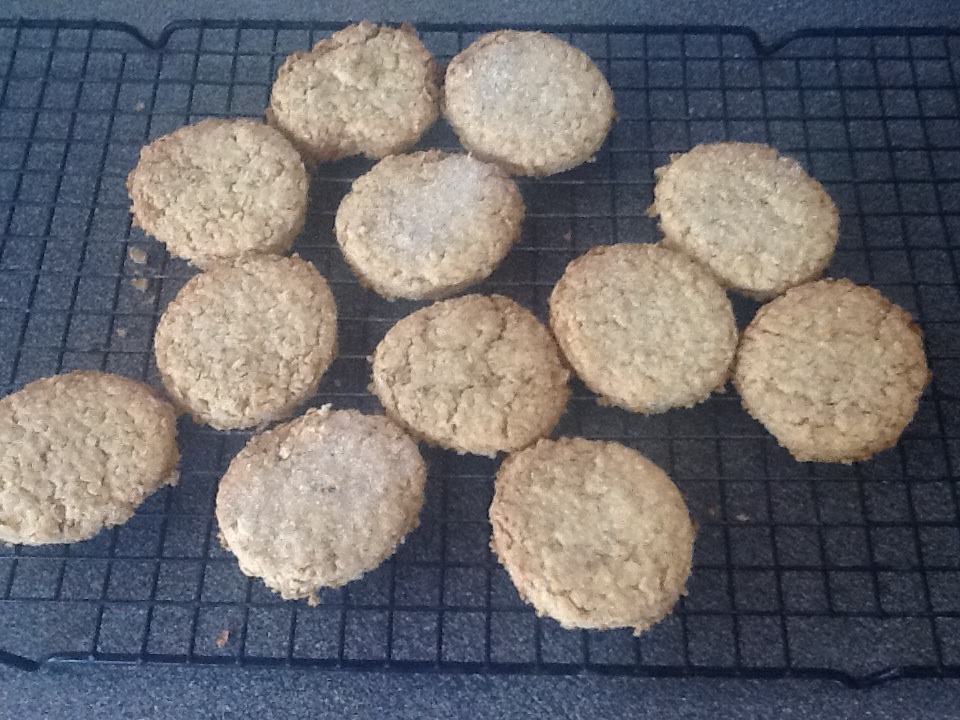
This recipe comes from my Mum’s very battered and very used ‘Belfast Cookery Book’. She’s been making these biscuits for as long as I can image image imageremember. I make them for my kids now. I’ve got the recipe written in the back of a Delia cookery book. If I’m feeling a bit woo, I might add some cinnamon or desiccated coconut.

4oz butter/margarine

2oz caster sugar

2oz plain flour

5oz porridge oats

Cream the butter and sugar, add the dry ingredients. Roll in to a ball, flour surface and hands. Roll out to biscuit thickness with rolling pin. Cut out biscuit shapes. Put on baking tray, put in oven (180 c) for approx 20 minutes or until starting to turn brown.