


Crunchy on the outside, chewy in the middle, with a lovely sweetness from the bananas and dates. These healthy no added sugar cookies are chocca block full of fibre, B vitamins, magnesium and potassium.
Many of my dietetic clients and friends ask me about fruit being full of sugar and therefore being ‘bad for you’. Yes, fruit is sweet, but the sweetness comes from ‘intrinsic sugars’ which the body processes and responds to differently to the sugar found in biscuits, cakes, sweets and fruit juice (extrinsic sugar). Whole fruit is a wonderful source of essential vitamins, minerals and phyto chemicals that are very nourishing for the body. The fibre is also important for the digestive system – not only does fruit keep things ‘moving’ along, it also maintains a healthy micro biome (the beneficial gut bacteria).
Ingredients:
2 large ripe bananas
½ cup dates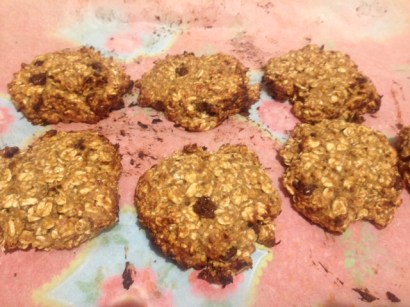
¼ cup vegetable oil or coconut oil
2 teaspoons cinnamon
1 teaspoon baking powder
2 cups of oats
small handful raisins or dark
chocolate chips
Method:
- In a food processor, put the bananas, dates, coconut oil, cinnamon and baking powder and whizz up until smooth.
- Mix in the oats and raisins/dark choc chips with a spoon.
- Spoon generous dollops (about 2 tablespoons) on to a baking tray with greaseproof paper. Gentle press down so thy splodge out a bit.
- Bake for about 20 minutes at 170c.
- Remove from the hot baking tray and let cool on a cooling rack (no one likes a soggy bottom!)
 retains the chilli flavour with cumin and paprika but without the heat form the chilli powder. When they’ve been served up, I’ll add the chilli for the adults. It’s perfect with a variety of optional extras: rice, jacket potato, tacos,
  serve with coleslaw, salad or any other veg you fancy. Filling a few big iceberg lettuce leaves with the chilli and coleslaw is quite delicious. Aim to fill at least half your plate with veg/salad, and about 1/4-1/3 of the plate with the chilli.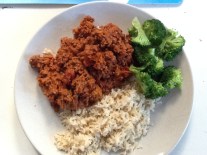


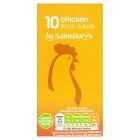
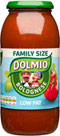
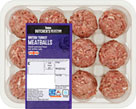
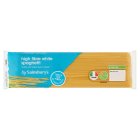 Ingredients: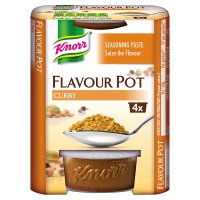
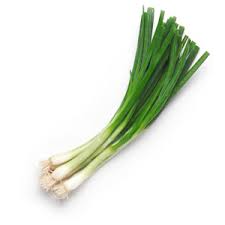
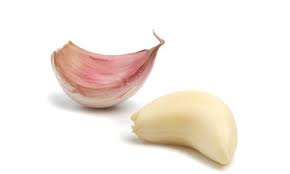
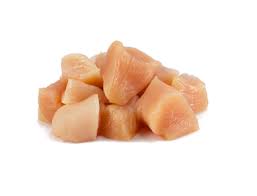
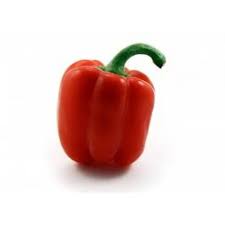
 Tin of
 crazy. Back then we just didn’t have good answers for people suffering with Irritable Bowel Syndrome.
 The Low FODMAP Diet has been published in international medical journals and is now accepted and recommended as one of the most effective dietary therapies for IBS and other digestive conditions. In February 2015 it was added to the National Institute of Clinical Excellence’s IBS treatment guidelines.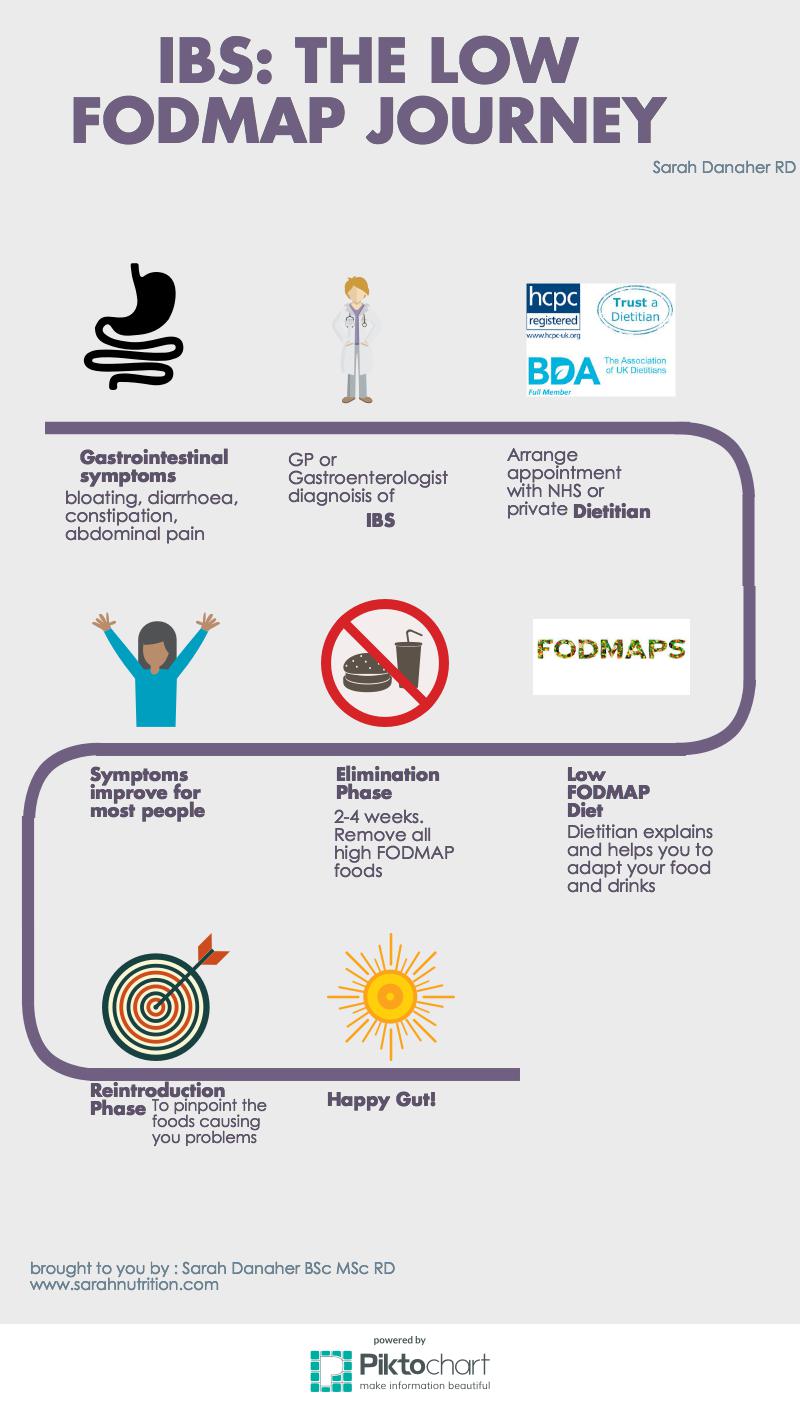
 sarahdietitian.com