Eat, Drink and be Merry

It’s the New Year, and the radio in my kitchen is full of presenters chatting about resolutions……..people embarking on health kicks, or the opposite end of the spectrum: rejection of the whole ‘new you’ philosophy.

Whether you thrive with having the starting line of January the First, hate the hype, or fall somewhere in the middle, most of us have something we want to improve about our health. Some of my clients need a complete overhaul for serious health conditions, for others it’s making small changes that can make a big difference to how they look and feel.

No matter what you do, it’s about treating yourself well. Forget the need to achieve a perfect figure on the scales; nourish yourself with what your body NEEDS, move about more, and it will fall in to place. images-2

Looking after yourself is not a chore or punishment. It is being kind to yourself. Making peace with food is a process, just as enjoying eating is key for your health, happiness and well-being.

Here is one thing that doesn’t have to change in the New Year:

images-1.jpeg

Just Juicy

It’s the frantic run up to Christmas and stress levels can be running high. I’m a great believer in keeping things as simple as possible. Back to basics.

When we are bombarded by the 1000s of supermarket products to feed ourselves and our children, it easy to get caught up in the idea that food

033773                     053912                    045329

has to come from a packet. From an early age, many parents think that to nourish their kids, they have to buy the pouches and packets of fruit and veg off a supermarket shelf. Food is a multi billion pound business and there are profits to be made.

Buying and preparing food in it’s natural form is a basic life skill and fundamental to healthy living.

Just peel a juicy satsuma for goodness sake 🙂

Real delicious simple

219376


Berries improve memory?

Strawberries, blueberries, raspberries and blackberries all contain something rather magical called polyphenols. Polyphenols are antioxidants that are found in fruit and vegetables.

Studies show that regular consumption of foods containing polyphenols may reduce the risk of several chronic conditions, including neurodegenerative diseases e.g. Alzheimer’s and dementia, heart disease, and certain forms of cancer.

Brand nimages-10.jpegew research published in the British Journal of Nutrition has found that feeding rats berries for 8 weeks improved their brain function, memory and the growth and development of nerves. Although the study was in animals rather than humans, these interesting findings help to support eating berries regularly.

The polyphenol/phytochemical research adds to our growing knowledge of why fruit and vegetables are so beneficial to our health. I advise that people should lots of different fruits and vegetables with different colours and hues because these are indicators of different phytochemical profiles. They all contain different things, and they all contribute to your health.

0000001644012_L.jpeg

Unknown-12.jpegHere are some easy ways to incorporate berries. Fresh ones can be expensive when not in season, so you can use frozen which are just as nutritious. I buy Sainsbury’s Basics which are £1.50 for a 400g bag. Use them frozen in smoothies or ice-cream, or defrost (can be quickly defrosted in the microwave).

pancakes-with-berries-and-cream

2 Ingredient Pancakes with yogurt and berries

images-8.jpeg

Natural yogurt, berries, oats and honey

images-3

Healthy ice-cream (blend natural yogurt with frozen berries)

images-9.jpeg

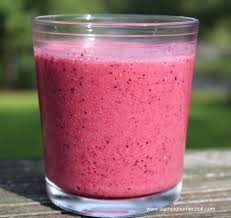
Super simple breakfast smoothie (milk, ripe banana, handful oats, handful frozen berries)

Avocado Fans – new from Tesco

A perfectly ripe avocado can be difficult to find, and in my experience they can be either rock hard (the one’s from the supermarket) or too mushy (the ones from my local vegetable market). Many people aren’t keen on the messiness that can be involved to prepare them.

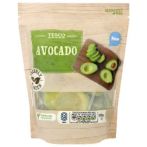
Here is a fab new idea from Tesco: frozen avo’s that have been destoned and peeled. They are at a good price too: £2.50 for about 9 halves.

2_1205248_s.jpg

£2.50 – about 9 halves

Although high in calories, avocados are little bombs of nutrition with a multitude of health benefits:

  • monounsaturated fats which lower the bad blood cholesterol and raise the good
  • The fats enhance absorption of fat soluble vitamins A, D, E & K
  • Fats and fibre are slowly digested, so making you feel full up for longer
  • High in vitamin E, A and B vitamins
  • Twice the potassium of a banana – potassium lowers blood pressure
  • Very low in carbohydrate/sugar
  • people who regularly eat avocado are more likely to have a lower body weight, BMI and waist circumference

So what can you do with a frozen bag of avocados?

Green Smoothie Breakfast – blend 200ml water, 1/2 avocado, a kiwi, a handful of greens e.g. spinach or kale, juice of half a lime, some ginger, and a tablespoon of Total greek yogurt.

images-11

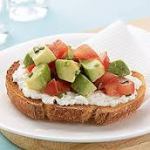
Defrost and simply use sliced or mashed and piled on wholemeal toast with some salt and pepper, egg, strawberries or tomatoes.


Rehab Nutrition – 5 ways to speed recovery

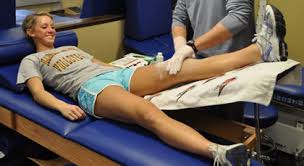
We’ve had our fair share of injury in this house, from the 5 year old’s fractured arm while twirling herself around the living room, to my husband’s two anterior cruciate ligament tears while playing rugby images-1(as well as the relentless string of other more minor injuries). A ligament tear may not sound as serious as a fracture, but in reality for him it meant knee operations, 9 months of rehabilitation and not being able to play. As anyone who loves their sport knows, recovery from an injury can be very hard both physically and psychologically.


Luckily, in the professional era of sport, the medical team supporting the imagesrehabilitation is second to none. Surgeons, physiotherapists, rehab specialists, strength and conditioners etc are all trained and experienced in getting players back to fitness ASAP.

But is there a role for nutrition in the rehab process? In my experience of working individually with professional and elite sports, specific nutrition advice for aiding the rehab process is nearly always over looked. For athletes immobilised or severely restricted in level of training by their injury, I have found that many can go in one of two directions. Both are detrimental to the recovery, healing and return to full fitness process:

  • Weight and fat gain: Overeating due to carrying on with the usual nutritional intake without adjusting quantities to compensate for a reduction in activity. Comfort eating is also very common due to feeling very down/depressed about the injury and the physical pain, lack of certainty about the recovery, exclusion from training etc.
  • Weight and muscle loss: under eating to compensate for the immobilisation and reduction in training, or as a method of controlling the situation (can result in disordered eating patterns)

Is there a better way? Can nutrition actually speed up the rehabilitation process? A review of research published last month in Sports Medicine (Tipton, 2015), as well as some other sport nutrition research has come to some important conclusions. As well as stimulating the muscles as early as possible post injury with pool work or electrical stimulation, these 5 nutrition points should be considered:

  1. Stay in ‘energy balance’. i.e. eating the right amount of calories to keep weight stable. Under eating has detrimental effects on wound healing and increases muscle loss.
  2. Protein intake needs to be high to prevent muscle loss and to stimulate muscle synthesis (0.3g/kg/meal or 2-2.5g/kg/day). Protein foods should be at EVERY meal
  3. Omega 3 fatty acids may be helpful to reduce long term inflammation and prevent muscle loss
  4. Creatine may encourage muscle growth – 10g/day for 3 weeks, then 2g/day after this
  5. Calcium and Vitamin D is needed for optimal healing of bone fractures

Food during the days, weeks and months of rehab should be the cornerstone of recovery nutrition and should be as wholesome as possible. There should be some consideration for specific supplementation if necessary and appropriate. For example, in the UK during the winter months it is not possible to get enough vitamin D from the sun, so supplementation is needed; if oily fish isn’t eaten an omega 3 supplement should be taken. Ensure Unknown-1supplements are certified by Informed Sport.


A Sports Dieititan specialises in assessing the athlete and in making specific adaptations and recommendations for the diet to ensure return to fitness ASAP. Psychological support by a dietitian can prevent or reduce binge eating/under eating/disordered eating behaviours.  We provide tailored advice on calorie requirements; and the amount, timing and best sources of protein, omega 3 fats, creatine, calcium and vitamin D.


Chicken Curry in a Hurry

IMG_0320

Unknown

A quick, easy, healthy and tasty recipe for chicken curry.


When time and energy are in short supply, but you want a super healthy dinner, this is perfect. I usually knock this up in about 20 minutes (in-between refereeing bickering children and negotiating their homework)

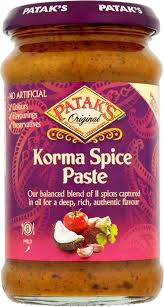
  • 4 ingredients: onion, tinned tomatoes, chicken breasts or roast a chicken and shred, Patak’s Korma Spice Paste
  • very quick and very easy
  • chocablock full of anti inflammatory nutrients (quecertin from onions, vitamin C and lycopene from tomatoes, and turmeric,  cumin, garlic in the spice paste)
  • High protein: from the chicken, excellent for your muscles and keeps you feeling full up
  • Not too spicy: my children will even eat it

What to do:

  1. chop up a large onion, fry on a medium heat in a tablespoon on vegetable or coconut oil for a few minutes until soft.Unknown
  2. add the 1 tablespoon of the spice paste (more if you like a stronger flavour)
  3. add the diced chicken breasts/chopped up roast chicken – coat in the spice paste, cook for a few minutes
  4. add the chopped tomatoes – allow about half a tin or carton per person
  5. simmer for about 20 minutes, longer if you prefer a drier sauce

Serve with rice or in a jacket or sweet potato……lovely to soak up the juices 🙂

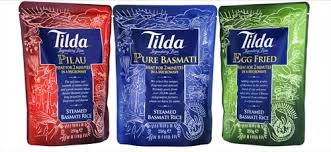
Short cuts for when you’re too knackered or just don’t have the time: use frozen chopped onions, ready cooked chicken and microwaveable pouches of riceUnknown-5

Unknown-4


To add some extra nutritional oomph:

  • coriander/spinach, stir in at the end. If you cook it for too long it wilts away to nothing. Lots of antioxidants and phytochemicals
  • tomato puree – for some concentrated lycopene
  • wholegrain rice – extra fibre, more filling and more slowly  than white rice so keeps the blood sugar levels steadier

The Surprising Protein Source we’ve forgotten about!

I know, I know, cottage cheese……… it’s not very cool and seems to have been relegated to the 80’s as a diet food, aerobics workouts, lycra leotards and Ryvita. For most of us it just doesn’t feature on theimages shopping list.

We could be missing out…..cottage cheese is, in fact, the perfect healthy protein source. Not only highly nutritious, it’s also relatively cheap (65p for a 300g pot in Lidl), and incredibly convenient. Stick a pot in your fridge and you can prepare a healthy snack or meal in minutes.

Nutrition Facts: low in carbs and loaded with proteins, cottage cheese is very filling and will keep your muscles in top condition. It is also high in micronutrients like calcium, vitamin B12, vitamin B2. 1 cup of cottage cheese has more protein than a scoop of protein powder, 4 eggs or chicken breast.images-2images-1

Whether you are a sitting at your desk all day and need to watch your weight, a 110kg rugby player needing to bulk up on muscle, or a 70 year old granny,  load it up on a piece of wholegrain toast, in jacket potato, or with some chopped tomato and avocado.

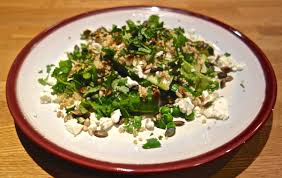
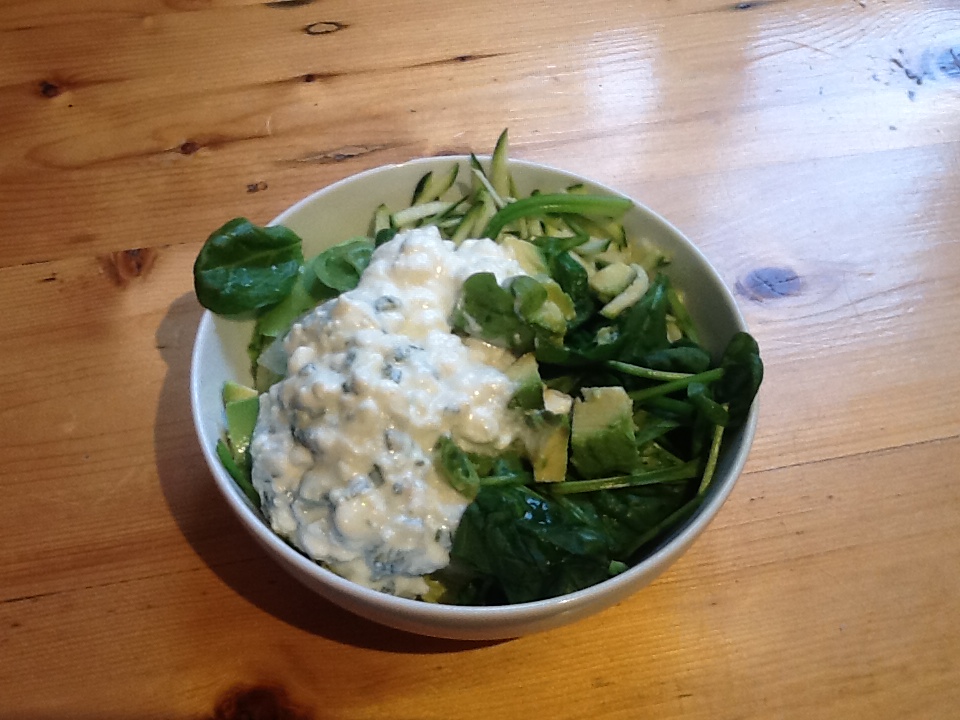
Easy lunch today: cottage cheese, avocado, spinach, lettuce and olive oil.

Easy lunch today: cottage cheese, avocado, spinach, lettuce and olive oil.


Here are some new ways to use it, especially good if you’re not keen on the texture.

High Protein Smoothie: (350kcal, 52g protein, 23g protein) a perfect quick breakfast, or as a snack if you are highly active or wanting to gain weight. Blend 200ml semi skimmed milk, 1/2 cup cottage cheese, 1 banana, 1 tablespoon honey

High Protein Pancakes (500kcal, 35g carbs, 40g protein):
1/2 cup cottage cheese
1/2 cup oats
3 eggs
Optional ingredients for extra oomph: cinnamon, cocoa powder, desiccated coconut, raisins
In a bowl or blender, whisk/mix all the ingredients together.
Fry in a non-stick pan with a little oil or butter on medium heat.

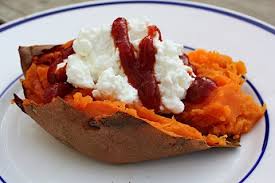
Sweet Potato with Curry Cottage Cheese (375kcal, 57g carbs, 22g protein, vitamin K, A and C)

Simply microwave a sweet potato for about 8 minutes. Open a small pot of cottage cheeseUnknown and mix in 1 teaspoon of Patak’s Korma Spice Paste (more if you like a stronger flavour). Load in to the potato and serve with something green, like spinach, broccoli or peas. The spice paste contains turmeric and cumin, both which have potent anti-inflammatory properties.
If you are lactose intolerant, too much cottage cheese can provoke all your tummy symptoms, so don’t have anymore than 2 tablespoons.