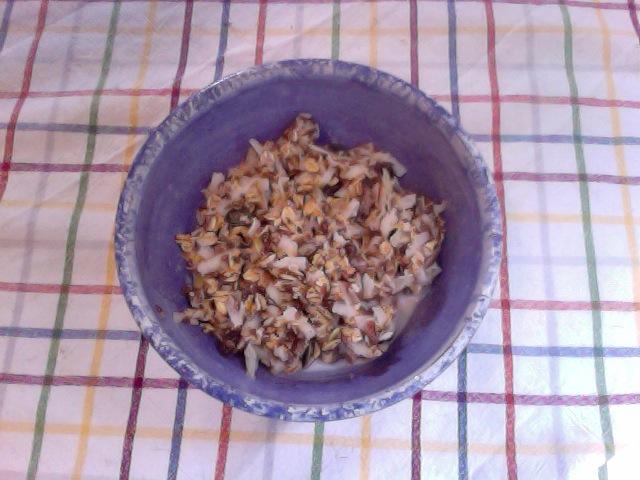
This recipe came from a horse racing journalist, Dominic Prince, who embarked on a mission to loose 5 stone to see if he could pull on a pair of jodpers to become a jockey himself. It is high in fibre, so filling you up, good for protein also helping you to feel full up and to aid muscle repair and growth, and it’s choc a block full of nutrients – vitamins, minerals and antioxidants.
4 servings
100g oats
50g flaxseeds
4 tbsp sunflower seeds and/or pumpkin seeds
4 tbsp raisins
4 dried figs/dates/apricots, chopped
200ml milk (or apple juice)
100ml yoghurt
1 tbsp runny honey
2 apples, grated
Milk or yogurt to serve
Preheat the oven to 190C/375F/Gas Mark 5. Spread the oats out on a baking tray, place in the oven and toast for 20 minutes. Leave to cool. (The oatmeal can be toasted well in advance and stored in an airtight jar).
Combine all the dry ingredients with the milk or apple juice, yoghurt and honey, eat immediately, or leave to soak for an hour/overnight if you prefer the oats a bit softer. Stir in the grated apple; it will be quite thick at this stage. Serve with extra milk or yogurt.
With the overwhelming threat of Corona Virus and self-isolation, most of us have a lot of time on our hands to think about ‘stuff’. In the last few weeks I’ve had a lot of clients anxiously contacting me to ask about what food they should be eating and what supplements they need to take to boost their immune system.
It is generally agreed in scientific and medical spheres that you have a better chance against Corona if your immune system is functioning well.
Rather than feeling like a sitting duck waiting for Corona to get you, here is a cheerily impressive collection of things that you can do for yourself and your family……
Social distancing and hand hygiene. Not my area of expertise, but these are the most important ones Government guidance
Food
There are many, many nutrients that are involved with the normal functioning of the immune system. There is no one super food or super vitamin that you need to max out on. I know it may be boring, but I maintain my consistent message that a healthy balanced diet is fundamental for your immune system to function well. Here’s a link to the Eat Well Guide. You will be doing very well if you can get these foundations of good, solid nutrition consistently in place.
There are some nutrients that you can make sure you are including that are specifically important for the immune system. I sympathise that supermarket and shop shelves can be sparse at the minute, so it doesn’t matter if these come from fresh, frozen, tinned or dried.
• Vitamin C – citrus fruit (lemons, oranges, grapefruit), kiwi, red pepper, broccoli, potatoes. • Zinc – meat, fish, nuts and seeds, lentils, eggs, dairy • Vitamin D – the main source is sunlight, with smaller amounts coming from food. Salmon, mackerel, sardines, egg yolks, mushrooms, fortified foods (breakfast cereals, milk & dairy). If you can’t get outside, then I recommend a vitamin D supplement 1000IU per day. • Beta-carotene/vitamin A – carrots, butternut squash, sweet potatoes, red and orange peppers • Folate – broccoli, spinach, breakfast cereal, frozen peas • Iron – breakfast cereal, red meat, dried fruit
Other important points: • Taking mega doses in the form of supplements doesn’t provide extra benefits, and in some case can be detrimental. If you are worried that you aren’t able to get these nutrients from food then you could take a Complete Multivitamin – I will elaborate on this in a future post. • Try not to become hyper focused, obsessive or overly worried about nutrition. Anxiety increases stress hormones in the body which negatively impact the immune system. • Under-eating or over-eating can negatively impact the immunity (aka being underweight or overweight). Try to keep within a healthy BMI weight range check your BMI
Microbiome – our gut bacteria are essential for a healthy immune system. The healthy gut bacteria are found in the last part of the digestive system (the colon). To feed your gut flora eat a varied diet with lots of high-fibre foods. The more plant foods you consume, the better, it really likes fruit, vegetables, oats, wholemeal bread, beans, lentils and yogurt.
Alcohol – I know, I know, I’ll try not to get all preachy about this – I enjoy a drink as much as the next person. The fact is that boozing through the coronavirus crisis isn’t a great idea, because drinking depletes our immune cells. Daily drinking can lead to a reduction of the lymphocytes, so if Corona virus gets into you, you’re not going to be as good at fighting it off. Alcohol also has a negative impact on your sleep (see point 6)
Move – exercise mobilises the white cells of the immune system by increasing your blood flow. The NHS says adults should be physically active in some way every day. If you are lucky enough to be in a country that is not in complete lock down (yet!) aim for about an hour outside – this has the added benefit of getting vitamin D from daylight. Exercise also releases happy hormones. Be careful not to over exercise, I regularly see elite athletes who over train and become very susceptible to coughs and colds. This is because too much intense exercise can produce stress hormones which are bad for your immune system. If your exercise leaves you feeling energised, then you’ve probably got it right, but if your exhausted and worn out, then you may be over doing it.
Sleep – Exercising and eating well will have the likely knock-on effect of helping you sleep better, which is a bonus because a tired body is more susceptible to bugs. Lack of sleep impaired the disease-fighting ability of lymphocytes.
Over the coming weeks and months I’ll elaborate on a lot of the points above. If there are any specific topics that you would like me to write about, leave me a comment below!
The veggie chilli is immense. The original recipe comes from Jamie Oliver which I have adapted………you may notice that there are no actual chillis in the recipe. The cayenne pepper adds a mild spiciness, which is just this side of conservative and perfect for not blowing small children’s heads off. Cinnamon adds a wonderful depth of flavour and just makes it taste a bit different (without it actually tasting of cinnamon).
In these Corona days – it’s absolutely fine to use fresh, frozen or tinned ingredients. Adapt where you can!
Sweet potatoes provide vitamin A, onions and garlic are rich in fermentable carbohydrates (which help the healthy bacteria in our digestive system to flourish,) peppers are rich in vitamin C, and tomatoes are chocca block with lycopene. The beans are high in fibre and great for protein – keeping the blood sugar levels steady and hunger at bay.
For anyone requiring the chilli kick, I put a bottle of chilli sauce on the table for those in need of the extra rocket fuel.
The spices – chilli sauce optional extra
Serves 4-6
Ingredients 2 sweet potatoes 1 teaspoon cayenne pepper 1 teaspoon ground cumin 1 teaspoon ground cinnamon olive oil 1 onion 1 red pepper 1 yellow pepper 2 cloves of garlic big handful of fresh coriander 2 x 400 g tins of mixed beans 2 x 400 g tins chopped tomatoes
Preheat the oven to 200˚C/400˚F/gas 6.
Peel and chop the sweet potatoes into bite-sized chunks, then place onto a baking tray.
Sprinkle with a pinch each of cayenne, cumin, cinnamon, salt and pepper, drizzle with oil then toss to coat. Roast for 40 minutes, or until golden.
Peel and chop the onion. Chop the peppers, then peel and finely chop the garlic.
Pick the coriander leaves, finely chopping the stalks.
Heat 2 tablespoons of oil in a large pan over a medium-high heat, add the onion, peppers and garlic, and cook for 5 minutes.
Add the coriander stalks and spices, and cook for a further 5 to 10 minutes, or until softened, stirring occasionally.
Drain and add the beans. Tip in the tomatoes, breaking them up with the back of a spoon, then stir well.
Stir the roasted sweet potato through the chilli with most of the coriander leaves.
Serve with boiled rice, sour cream, guacamole, salsa, grated cheese. And remember to put the bottle of chilli sauce on the table!
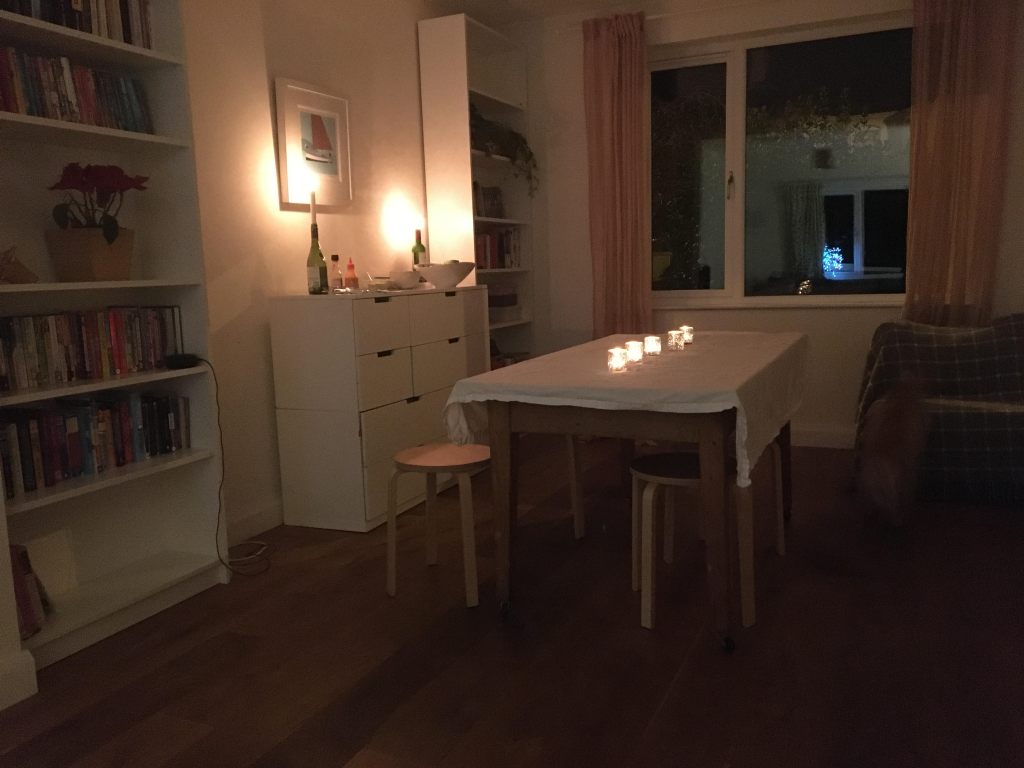
Ready for the festivities to commence! I totally forgot to take any pics of the dinner, mainly because I was too busy doing eating and talking – and a little bit of drinking 🙂
When I’m asking my patients about what they eat and drink through the day, they often shamefully ‘confess’ that they are coffee drinkers. The good news is that coffee in reasonable amounts might be one of the healthiest things you can do.
Scientific research shows that in the short term, caffeine increases alertness, concentration, vigilance, improves mood, reduces perception of pain and increases time to fatigue when exercising.
For long term health benefits, coffee has anti-cancer, anti-obesity, anti-diabetic and anti-inflammatory properties.
New research shines some light on the mechanisms behind these health benefits – it seems that there are links between coffee and the health of the gut microbiota. Higher coffee consumption is associated with increased richness and evenness of the gut microbiota in the lining of the digestive system, and higher relative abundance of anti-inflammatory bacteria.
8 fascinating coffee and caffeine facts:
Caffeine is absorbed rapidly and totally in the small intestine in less than 1 hour
Caffeine is broken down in the liver by an enzyme called cytochrome P450 oxidase. Depending on your genetics, some people have more of this enzyme than others, therefore this affects sensitivity.
It can help the bowel to contract – helpful for constipation, not so helpful if you are prone to diarrhoea!
In women, the metabolism of caffeine is slower during pregnancy, as well as when taking oral contraceptives. This means that the effects of caffeine isn’t broken down by the liver as quickly, so the effects are felt for longer.
Cigarette smoking doubles the rate of caffeine clearance by increasing the liver enzyme activity. This means that the effects of caffeine wear off more quickly. This may be one of the explanations for the higher rate of caffeine consumption among smokers.
Coffee reduces the absorption of Levothyroxine – this is a common medication for hypothyroidism which should ideally be taken on an empty stomach
Excessive caffeine intake may increase ‘unstable’ bladder in women i.e. suddenly being desperate for a wee
The belief that coffee is dehydrating is not true for habitual coffee drinkers. If your body is used to drinking coffee the effect on urine output should be minimal (unless your bladder is sensitive to caffeine – see previous point). Obviously if you drink a lot of any fluid you are going to wee more).
Any negatives of caffeine to be aware of?
Increased anxiety – many people with depression/anxiety/stress find that coffee can make it much worse
Insomnia – if you are sensitive to caffeine, you may need to to keep coffee for the morning
Abdominal cramping and diarrhoea – common in people with Irritable Bowel Syndrome
So, it’s best to know your own body and how much caffeine you can tolerate. If you have a good tolerance, limit yourself to 4-6 cups per day (maximum of 2 cups if pregnant). If you suffer with diarrhoea, anxiety or insomnia, then try cutting coffee out for a few days to see if this helps!
Well it looks like summer may finally be here! After 6 months of grim winter weather, the sun is making an appearance. OK, ‘summer’ may be pushing it………..but when living on the Irish coast, if the thermometer reads anything above 15 degrees C then the summer dresses and flip flops will be out. So quick! Before the sun disappears! I’ll be cookin a new suitably sunny Greek inspired wee recipe! (NB the word ‘wee’ in Northern Ireland is an affectionate term used for pretty much anything, for example a shop assistant may say: “Uck that is a lovely wee top, would you like a wee bag for it? Just pop your wee card in the wee machine there. OK you can put your wee PIN number in now. Would you like me to put your wee receipt in your wee bag?”)
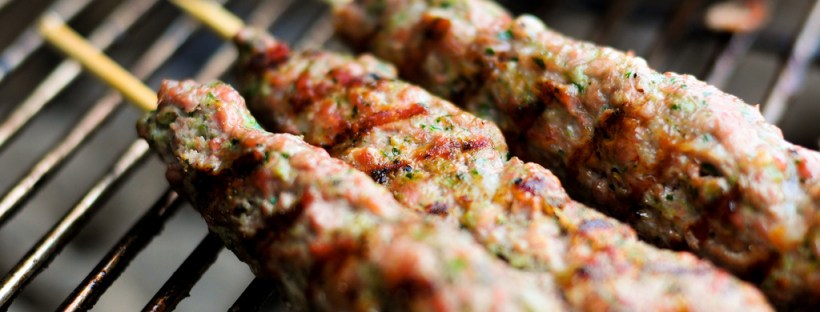
Here’s the wee recipe for flatttened lamb koftas……seriously, you’ll be totally scundered at how good these are 🙂
How to make them healthier:
Lamb is a high fat red meat, so try to buy the lean mince which has a reduced fat
Grill rather than fry
Add loads of crunchy salad in a pitta, tomatoes, humous etc
Ingredients:
400g lean lamb mince
2 tsp paprika
2 tsp cumin
2 cloves garlic crushed/finely chopped
pitta bread
lettuce, tomatoes, cucumber, greek yogurt or hummus
In a bowl, mix the mince, cinnamon, cumin and garlic. Get stuck in and use your hands!
Grab a handful, and mould in to a patty shape, about the same shape as a pitta bread but a bit smaller
Place on some kitchen foil and grill for a few minutes on each side
Put in a pitta (toast the pitta if you prefer), with some lettuce, tomatoes, cucumber and greek yogurt/hummus
Eli is 19 and came to me in September desperately seeking help with her anorexia. Despite years of hospital stays and outpatient treatment Eli has struggled to recover. I am working with Eli, her psychologist and her family to slowly her move towards a more normal and contented life. Thank you Eli for your hard work, courage and determination.
By Eli………….
Eating disorders are sadly on the rise and are a very complicated mental illness to help cure or manage. I’m writing this blog post to raise awareness about eating disorders but particularly Anorexia Nervosa; something that anyone at all can suffer from. I find it a bit strange because eating disorders aren’t actually about food – instead food is used as a means of coping with something much deeper that is causing emotional trauma that needs controlled and for some reason and in my case that’s avoiding or restricting my dietry intake.
Eating disorders don’t just appear one day and don’t just dissapear either – they also aren’t caused by one event or situation but many that have collated together and caused your body to need to develop this vile illness. Eating disorders have many disadvantages and also some advantages for people which makes it so hard to let go, they are controlling, manipulating, a bully but they also provide a sense of security and power.
Eating disorders are so hard to fight against and we all need a little support along the way both from a therapist and a dietician. Sometimes these people are suddenly some of the most valuable and most trusting in your life – certainly for me.
This blog post is a bit random! But i did it as a means of giving a brief summary of eating disorders from my view and hopfully I will write more and share more about different aspects within living, coping and recovering from Anorexia.






 cookin a new suitably sunny Greek inspired wee recipe! (NB the word ‘wee’ in Northern Ireland is an affectionate term used for pretty much anything, for example a shop assistant may say: “Uck that is a lovely wee top, would you like a wee bag for it? Just pop your wee card in the wee machine there. OK you can put your wee PIN number in now. Would you like me to put your wee receipt in your wee bag?”)
 sarahdietitian.com