4 no effort meals

Most of my sports clients struggle to put the theory of macronutrients, calories, protein and carb grams in to practical day to day meals and snacks. Unless they have a special interest in nutrition, the last thing any player or athlete in training wants to do is to analyse food labels for carbs/protein/fat, or search for the hottest ‘superfood’ ingredient. Passing out on the sofa is mostly what is needed!

So here are four easy, no effort meals using food you can get from any supermarket. All are balanced for protein, carbohydrate and healthy fats, not forgetting important vitamins and minerals from veg. (Quantities depend on the individual, your S & C coach/nutritionist or I can help with that).

Meal 1

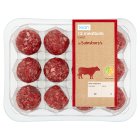
4002359642685_LMeatballs, tomato sauce, pasta, broccoli. Cook the meatballs in a frying pan with some olive oil until brown on the outside, add the Dolmio, simmer for 10 minutes. Cook pasta, broccoli: boil/steam in microwave. 600kcal meal: 6 meatballs in the sauce provides 30g protein, a mug of cooked pasta 50g carbohydrate.
0000001668452_L 0000001723526_L 0000001695977_L

Meal 2

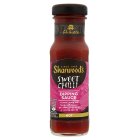
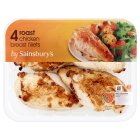
Ready cooked rice, roasted chicken/grilled or stir fried chicken breasts, mixed veg, humous/chilli sauce to dip. Frozen veg can be defrosted/heated in the microwave or boiled in water for a few minutes.

5011157888224_L 0000001093438_L 0000001368420_L 5000197577571_L

Meal 3

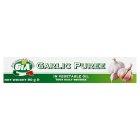
Rice noodles, baby veg stir fried (add olive oil, soy sauce, ginger puree, garlic puree), chop up 1-2 salmon fillets add to stir fried veg. Salmon can be tinned/fresh/ready cooked.

already cooked, just add to stir fried veg

rice noodles – already cooked, just add to stir fried veg

ready cooked salmon

ready cooked salmon

0000001741032_L


8001830533012_L

Meal 4

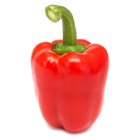
1 or 2 jacket potatoes or tortilla wraps, tin of tuna, tablespoon mayonnaise/natural yogurt, 1 whole chopped up red pepper and 2 chopped spring onions mixed in.

5010228000145_L

Microwave in 5 minutes

Tuna wrap

Tuna mayo wraps with pepper & spring onion

5000171052926_L5000184321606_L

0000000001601_L

Just mix the tuna, chopped pepper, spring onion, mayo and natural yogurt together, and fill the potatoes/wraps.

Healthy meal – what does it LOOK like?

Making wholesome and nutritious food choices for most of your meals and snacks, as well as being conscious of portion sizes can have a profound effect on health, feeling well, high energy levels and long term health.

All too often we are bombarded with confusing and complex messages about diets and nutrition products. The diet industry is a lucrative one, and the media need to sell magazines, papers and advertising space. Diet fads come and go.

A healthy diet (and by ‘diet’ I simply mean a what you eat) you don’t need lots of fancy or exotic ingredients, restrictions of certain foods or food groups, or the feeling of being deprived. Think long term, make small changes, that over a long period of time will make a big difference.

Fill your fridge with vegetables, lean meat, eggs and lower fat dairy, and your cupboards with wholesome starchy food and tinned fish, tomatoes, nuts, seeds etc. Frozen vegetables are just as good, and often better nutritionally than fresh. By all means have things such as biscuits, chocolate, wine and beer, but don’t make it an everyday thing. If you fill up on the good stuff, there’s less room for the food that isn’t doing you any favours.

What does a healthy meal look like?

veggies

  • 1/2 plate: salad/vegetables/fruit
  • 1/4 plate protein: chicken, pork, beef, fish, beans, lentils
  • 1/4 plate starchy food: potatoes, rice, pasta, quinoa, cous cous, wholemeal bread
  • use oils and oily dressings sparingly

Most people have far too much starchy food eg. BIG plate of pasta, and too little veg. Many athletes have too little starchy food fearing that carbohydrates will make them fat, too much protein and too little veg. How does this translate to real life? Here are some examples…..

Breakfast:

  • Seriously Healthy Pancakespancakes-with-berries-and-cream
  • 1 wholemeal toast, little bit of butter, 2 boiled/poached/dry fried eggs
  • Natural yoghurt & fruit, 1 toast
  • Homemade muesli
  • Summer oats
  • Shake: milk, spoon of yoghurt, banana/berries, honey
  • 2 Weetabix, milk, banana

Meals:

  • For work packed lunch: Build a Box
  • Spaghetti bolognaise: 1/4 plate spaghetti, add extra veg to bolognaise (grated carrot, extra tin tomatoes). Serve with side salad or Deidre’s coleslawfe0b2420125add7efdf9a7002a5b7261
  • Meatballs in tomato sauce with extra veg & pasta
  • Salmon with Happy Carrots
  • Wholemeal pitta, tuna mixed with natural yoghurt/light mayo, chopped pepper, spring onion & lettuce
  • 1 wholemeal toast, little bit of butter, 2 boiled/poached/dry fried eggs
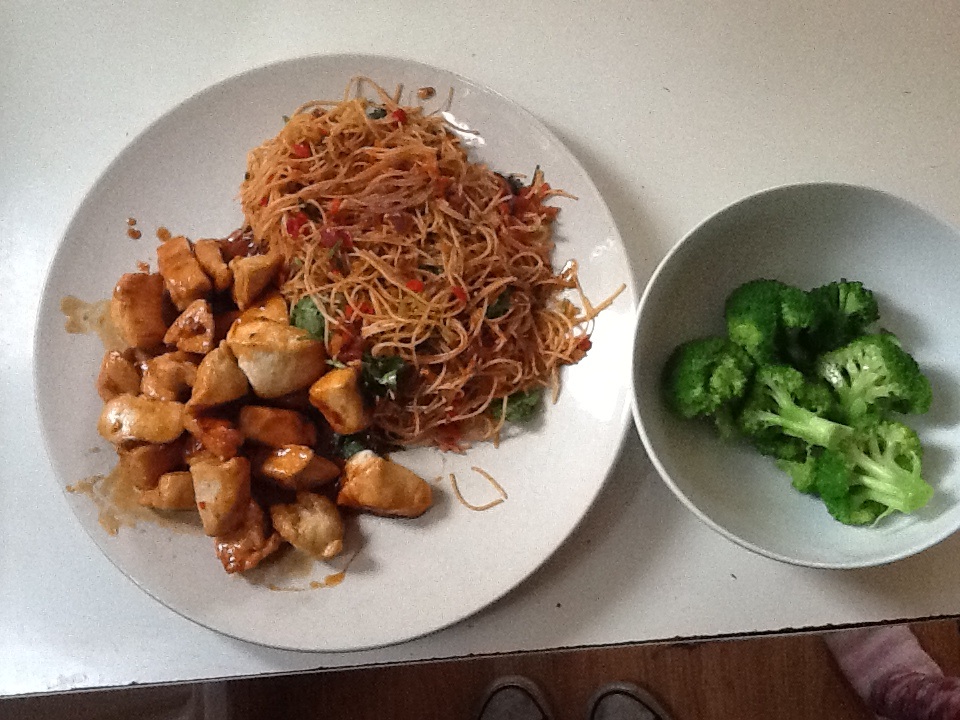
  • Fiery Noodlesimages-2
  • Super food salad with some chicken/fish
  • Lentil & tomato soup

Snacks (hunger often confused with thirst, so first have a glass water/cup of tea or coffee):

  • Apple & handful almonds
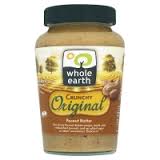
  • Rice cake with peanut butter/quark & small dollop of pesto
  • Homemade flapjack
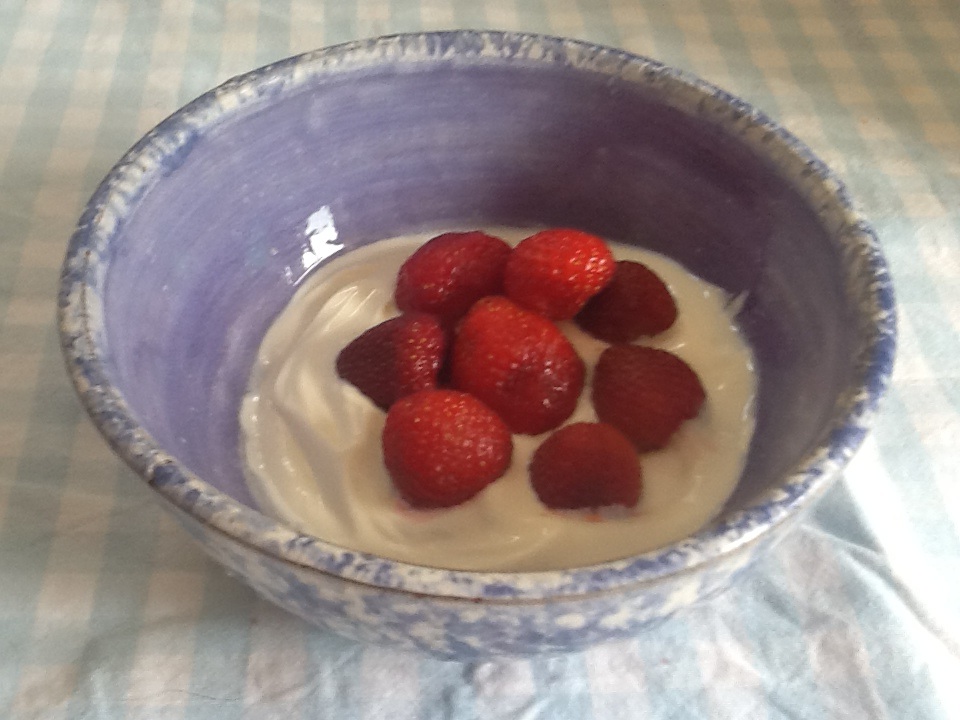
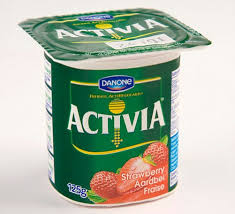
  • Yoghurt & strawberries image
  • Humous and carrot sticks
  • Glass of milk and banana/raisins
  • Skinny latte & apple

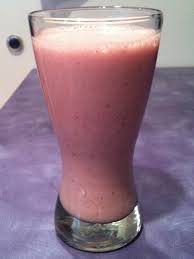
Super Simple Smoothie

Here’s a super healthy smoothie using REAL food……a complete breakfast containing protein, antioxidants, calcium, vitamin C and soluble fibre. Nutritionally, this is an incredible combination of ingredients. It’s also an easy way to get fruit in to kids!

Unknown-2IDShot_90x90-2Shop bought smoothies tend to be very high in fruit juice, and therefore high sugar.

150ml milk (normal cow’s/Lactofree/almond/rice milk etc.)

1 tablespoons natural yogurt e.g. Total is high in protein

1 banana/handful of oats

Low fat, high protein yogurt

Low fat, high protein yogurt

handful frozen berries

dollop of honey

Whizz the lot up and serve!

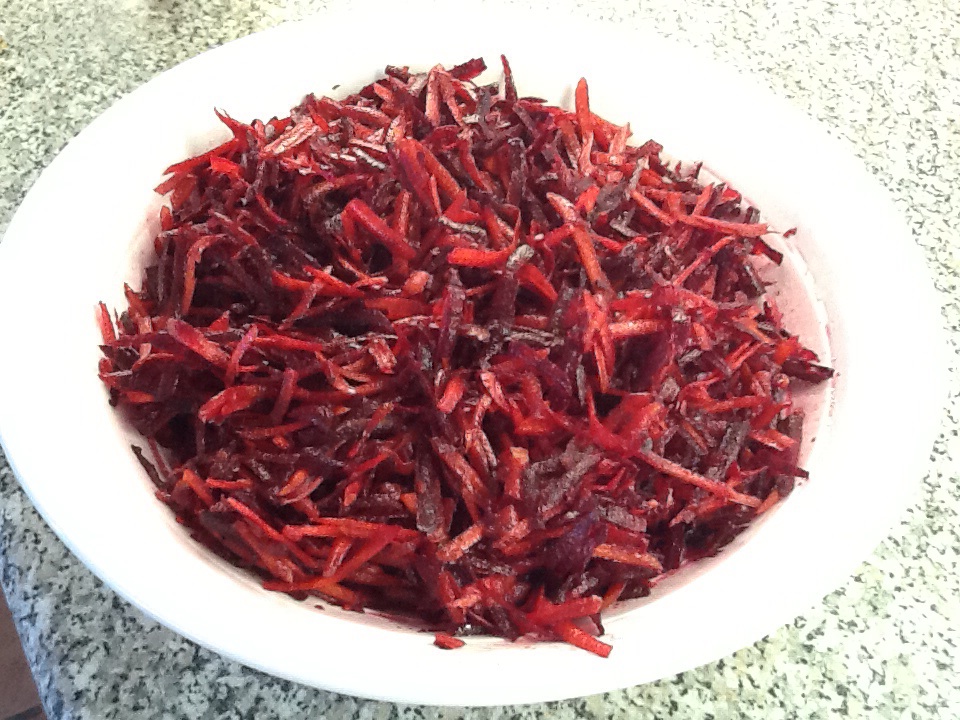
Beetroot & Carrot Super Bowl

Here’s a humdinger of a veggie dish which will pack in the nutrients and can give measurable health benefits. Beetroot is one of the latest trendy foods to hit the headlines….research imageshows that it contains nitrate (a good thing!) which reduces blood pressure and may increase athletic endurance. Carrots provide beta carotene, pumpkin and sunflower seeds are optional, but add a fabulous texture to the recipe, not to mention healthy fats and protein. Drizzle with some olive oil and a squeeze of lemon juice for a bit of zing!

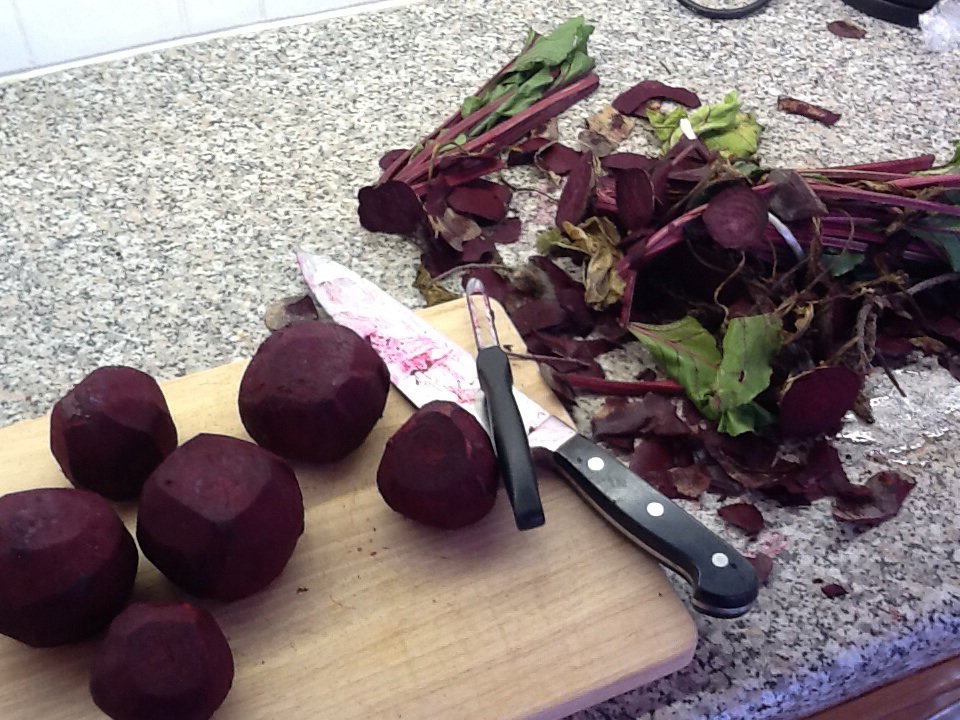
Ingredients list: 3 raw beetroots, 3 raw carrots, handful of pumpkin/sunflower seeds, 2 tablespoons olive oil, 1 lemon.

  1. Peel and grate the carrots and beetroot.image
  2. Mix together
  3. Add pumpkins sunflower seeds, a few tablespoons of olive oil and the juice of a lemon.

Don’t be alarmed if your wee has a red tinge, this happens to about 10% of people! The colour pigment called betalaine is absorbed by your intestine and excreted in your urine.

Refuelling for Tournaments

Keeping the body fuel at it’s peak for training and matches can be challenging enough, so how do you ensure that you are reaching full throttle during events that have multiple games or rounds?

It is typical for the athletes, players, and believe it or not, coaches to turn up to events like football, rugby or swimming tournaments with no fuelling strategy in place. If peak performance is the objective, this is utterly absurd and an inexcusable oversight.

Here’s why:

  • muscle fuel stores will decrease during each game or event. Water or rehydration drinks are not enough to replace this energy so muscle fuel stores will become depleted, affecting muscle power output, speed, balance, injury risk etc.
  • carbohydrate is required for the brain cells to function optimally, essential for making quick and accurate decisions on the field

Be prepared, stock up on food supplies before the journey to the event. Don’t ‘wing it’ by hoping that there might be food available when you get there.

3-4 hours before:

Normal meal: consisting of plenty of carbohydrates (bread, potatoes, rice pasta etc.) protein (meat, fish, eggs, chicken etc.) and ideally fruit/veg. Fluid.

1-2 hours before: easily digestible food, high carbohydrate, low fat, continue to drink plenty.

  • energy bars Unknown-2Unknown-3
  • muesli bars
  • banana or any fruit
  • fruit smoothie
  • low fibre breakfast cereal with milk e.g Rice Krispies or Cornflakesimages-1
  • Scones
  • Sandwiches made with white bread
  • low fat fruit yogurt
  • Scones

    Scones

    imagesbetween heats:

  • 200ml diluted fruit juice/smoothieUnknown-4
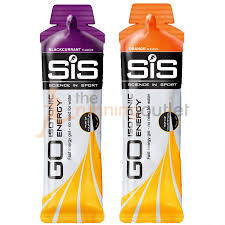
  • Energy gels
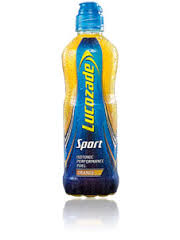
  • Carbohydrate Drinks e.g. Lucozade Sport
  • Handful of jelly sweets e.g. jelly beans/babies (Haribo are quite chewy so hard to eat enough!)
  • Scone/fruit bread
  • Ripe banana

Know what works for you, and don’t try something new on the day. For example, some people find that energy gels give them stomach cramps and feel better with a ripe banana.

If you suffer from diarrhoea before or during an event, there are a number of foods that you should avoid for 24 hours before. ‘Trigger foods’ typically include lactose (found in milk/yogurt), gluten (found in food containing wheat flour), and ‘prebiotics’ (look for inulin or oligosaccharides on food labels – often in sports energy bars and drinks). Confused? Then just ask a sports dietitian who can help you.

Supplements in Sport – which ones work?

Unknown-1The use of supplements by athletes is almost universal, and used correctly and appropriately, can help to achieve optimum performance.

However, clever marketing by supplement companies often exaggerates or invents nutrition claims. The use of pseudo science is common, using seemingly impressive words and phrases.

Unfortunately, many professional and recreational athletes rely on information from unreliable websites, or are advised by unqualified and inexperienced nutritionists (there are some fabulous nutritionists out there, however, anyone can call themselves a nutritionist as it is an unregulated title). Without the correct training, it is easy to misinterpret and misquote published scientific evidence and come to the wrong conclusions.

It is common for athletes to be motivated by celebrity endorsements, a big selling point for a product, “If x uses it it then it must work!”. Additionally, there is the fear that colleagues or competitors are taking a supplement, and if they do not, then they will be losing out on having ‘the edge’.

All this results in money being wasted on products that simply do not work, and at worst can cause physical harm. Importantly, supplements are a distraction from the factors that can really enhance health, recovery and performance.

It may not seem exciting or cutting edge, but the sound foundations of good nutrition need to be

Balanced meals with protein, vegetables and whole grains

Real food with protein, vegetables, healthy fats and whole grains

firmly in place (focusing on real food and getting quality nutrients from carbs, protein and healthy fats). These, coupled with optimum timings of nutrient intake is the basis for ultimately achieving the best performance in training and competition.

There are a select few supplements, however, that have a good amount of evidence behind their effectiveness:

  • Recovery shakes – Carbohydrate & Protein powders for use after exercise. Carbs allow glycogen replenishment of the muscles and help to shuttle protein in to the muscle for repair and growth. Although carbs and protein can be sourced from food or milk, sometimes it is more convenient to take as a supplement (20-30g protein, approx 60-90g carbs). For higher protein needs of resistance training, whey protein is quickly absorbed and can be a more convenient and often cheaper way to achieve requirements than from solely high protein food (up to a total of 1.7g/kg/day of protein from food and supplements)
  • Caffeine – Sound evidence exists that caffeine enhances endurance and provides a small but worthwhile enhancement of performance over a range of exercise protocols. Caffeine also improves mental sharpness. Avoid if it gives you the jitters, and for many people it acts as a gut stimulant causing diarrhoea (70-200mg taken before and during exercise. A cup of instant coffee has approx 70mg, one ProPlus tablet 50mg)
  • Creatine – for about 80% of people, creatine can increase muscle mass, strength and high intensity exercise performance. Effective for sports involving short periods of maximal intensity and repeated bouts with intermittent rest periods. The quickest way to “creatine load” is to take large doses (20-30 g per day) for around 5-7 days. Typically, these doses are split over the day e.g. 5g, four to five times each day. Eating a large amount of carbohydrate (about 70-100 g) with each dose increases creatine uptake via the stimulatory effects of insulin.
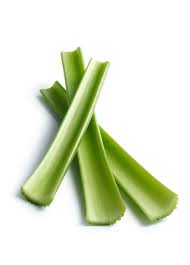
  • Nitrates –  Dietary nitrate has become increasingly popular as an ergogeimages-3nic aid, with a $T2eC16dHJGoFFvPOJJ3UBR0ZfTsjj!~~60_35number of recent studies finding benefits to sports performance. Nitrates increase blood flow by causing blood vessels to dilate. High nitrate foods include beetroot, beetroot juice, celery, spinach, lettuce, rocket, leeks and parsley (preferably non-organic).
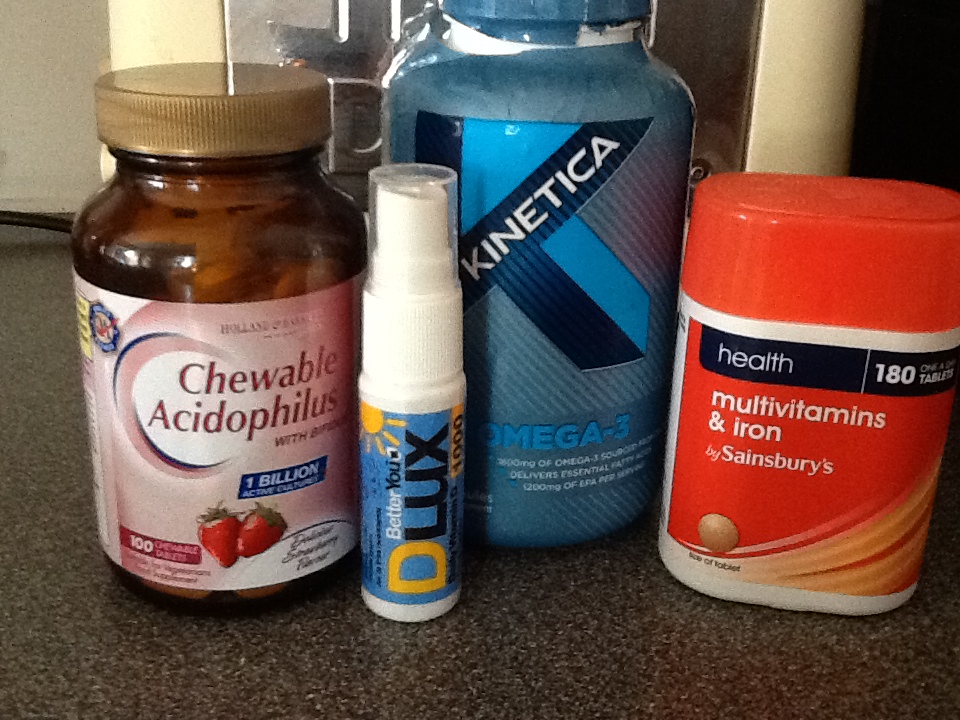
  • Vitamin D – there is a direct relationship between vitamin D levels in the body and muscle power, force and velocity. Vitamin D deficiency increases risk of muscle injury. In a recent study (2014) one third of American college athletes were deficient in vitamin D. There aren’t many good food sources of vitamin D, therefore for those who are deficient, supplementing with 1000IU is advisable. Severely deficiencies may require higher doses.

    A selection of supplements.......

    A selection of supplements…….

  • Omega 3s – anti-inflammatory, also protects against heart attacks and strokes, may also benefit memory and general mental performance. If no oily fish is eaten, then 500-1000mg daily of EPA & DHA is a good amount to take.
  • Probiotics – maintains gut function and health, preventing the immunosuppressive effects of intense exercise, and reducing susceptibility to illness. Also appropriate to take if travelling abroad for competition to avoid traveller’s diarrhoea. The specific strain of probiotic supplement needs to be carefully selected.
  • Multivitamins – when you can’t guarantee that your diet is always a healthy and balanced one.

A dietitian can carry out an assessment and advise on the most appropriate supplements to take (if any), dose and timings*. Advice is tailored to take in to account factors such as specific sport, training goals and food intake.

*Dietitians do not sell nutritional supplements and do not have a commercial interest in promoting them.


10 top foods for recovery

You may feel that you have worked out to the max during your sessions burning 100s of calories, so does it really matter if you have some crisps, chocolate, a danish pastry or chips? Time and time again, research shows that the answer is “yes”. Replacing calories isn’t the only objective of recovery.

Between each workout, game or race the body needs to adapt to the physiological stress that has just been applied, so that it can recover and become fitter, stronger and faster. Whether you are a triathlete, a gym addict, or your child is playing in a weekend rugby tournament, optimum recovery nutrition can help you to perform better in the short and long term.

There are many ‘recovery drinks’ and powders marketed for refuelling after exercise. While

Real Food

Real Food

these have their place, they are not necessarily the best option. It can be argued that real food is the best fuel for recovery, providing everything that a recovery drink can, as well as all the vitamins, minerals, antioxidants, phytochemicals etc that simply cannot be bottled or made in to a powder.

What’s happening during recovery?

  • refuelling of muscle and carbohydrate stores
  • replacing fluids and electrolytes lost in sweat
  • manufacturing new muscle protein and blood cells
  • allowing immune system to manage damage caused by exercise


What are the recovery ‘rules’?

  • multiple daily exercise sessions – if less than 24 hours until next session e.g. professional athletes, weekend rugby tournament, compulsive gym exercisers: recovery nutrition after your session ASAP, ideally within an hour. If next session starts within an hour, recovery drinks or anything low fibre and low fat to help with faster digestion (lasagne not a good option!)
  • more than 24 hours between exercise sessions – generally no need to eat soon after exercise, try to have your next usual meal. consisting of some protein and carbohydrate. If trying to gain muscle, then you can add a recovery snack to fuel this catabolic process. If trying to lose weight and hungry after training, be careful not to increase overall daily calorie intake. Have something light to eat e.g. yogurt.


Why carbs & protein are important

Immediately post exercise, good recovery nutrition will consist of protein & carbohydrate. Aim for 1g carbohydrate per kg of body weight, and approximately 25g protein (a chicken breast is about 25-30g, a mug full of rice is about 70g carbohydrate). Unfortunately, eating lots of extra protein does not make bigger muscles.

Carbs and protein work together: carbs help to shuttle protein in to the muscles, and protein helps to stimulate faster muscle glycogen replacement. Low fat helps the food to be absorbed more quickly, as does low fibre (so don’t be too concerned about choosing ‘healthy’ whole grain carbs like whole wheat bread). Fruit & veg can be included in the next meal to provide antioxidants.

If you don’t feel like eating food or don’t have the time or facilities, then recovery drinks or shop bought milkshakes can be useful. Here is a more in-depth look at some of the most popular commercial recovery drinks. If you are trying to lose weight, then watch the calories……..don’t increase overall calories through the day.


10 snack foods for fast recovery:

330ml Milkshake – e.g. Yazoo, Frijj, For Goodness Shakes

Homemade recovery smoothie

Post exercise shakes have their place, but watch the extra calories!Large skinny latte & handful of nuts

Unknown-12

Bagel with peanut butter

Milk: perfect recovery protein & carbs

Breakfast cereal with milk e.g Cornflakes, Rice Krispies, Cheerios

2 Eggs on 2 white toast

Sandwich/roll/wrap/pitta: filled with chicken, fish or eggs

Jacket potato with cottage cheese/tin of tuna/Baked Beans

Banana or yogurt

Yogurt & Banana

Homemade Seriously Healthy Flapjacks