Oats: 10 ways to add oomph!

Oats are a staple in this house with 4 out of five of us having them for breakfast, and daily batches of Seriously Healthy Flapjacks and Oaty Biscuits.

What’s so good about oats?

Oats are very filling, high in soluble fibre, provide slow release energy, keep the blood sugar levels steady for concentration at school/work, calcium and protein from the milk, and fibre and antioxidants from the raisins/berries/banana. And for those of us getting on a bit, oats contain ‘beta glucan’ which is clinically proven to be one of the great cholesterol lowering foods. If you want a low Glycaemic Index oat, go for the chunky ones, as the finely ground ‘instant’ oats e.g. Oats So Simple are actually digested quite quickly, giving you less of the longer term sustained energy release.

Jazzing it up!

Unknown-7

Please sir can I’ve some more? Yak, no thanks!!

Porridge can be a bit, well, dull and have a bit of a ‘gruel’ image. My clients sometimes pull a yuck face if I suggest oats for breakfast. But keep an open mind and try something new! There are a million and one ways to jazz up your breakfast oats to make them tasty and delicious…..

It’s an alchemy of three parts:

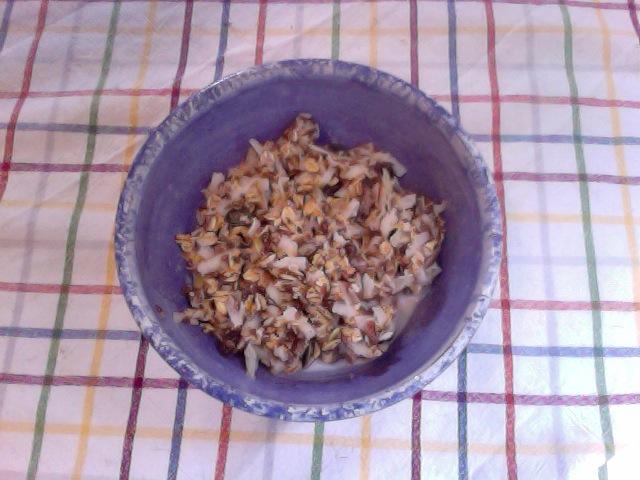
  1. the oats: There is a wide variety of oat chunkiness. Finely ground e.g. Ready Brek for ultra IDShot_90x90-1smooth, to jumbo and chewy like Flahavins. Slow cook them in a saucepan on the stove, zapp in the microwave in 90 seconds, or just add a smidge of hot water to the chunkies (how I like it).
  2. Water or milk? The debate is on among porridge devotees on the perfect ratio of milk to water. Each to their own………I’m a water only fan, my husband is 50:50 milk to water, youngest daughter Evie likes the oats cooked in water only, with cold milk added (?!) You don’t have to stick to cow’s milk, try almond, rice, oat, soy, or Koko for a change. All of these have added calcium and vitamin D, so you’re not missing out on these essential vitamins!
  3. The Fun Part: jazz your bowl up with a menagerie of ingredients which can be combined to provide endless possibilities! Peanut or cashew nut butter, raisins, coconut, cinnamon, banana puree, honey, maple syrup, grated apple, toasted pumpkin or sunflower seeds, cashew nuts, berries, yogurt. The list is endless……….

10 ways to add OOOMPH to oats:

  1. Power Smoothie – blend a handful of oats, 200ml milk, dollop of yogurt*, frozen berries and honey

    Smoothie

    Smoothie

  2. Puree banana – roughly mash a ripe banana, put in a cup with enough water to almost cover the banana, microwave for 90 seconds, and voila, a lovely smooth puree to add to you porridge. The more ripe the banana the smoother and sweeter!
  3. Berries – fresh berries can be expensive, so I use supermarket frozen basics range (£1.20for a bag that lasts about a week). Quickly defrost a cup full in the microwave and add to chunky oats with a big dollop of Total yogurt.
  4. Summer Oats – this is soooo good and a refreshing alternative to hot oats. Prepare the night before so that all the lovely flavours develop and are soaked up by the oats. Good for taking to work if you’ve no time first thing in the morning to eat breakfast.
  5. add a dollop of high protein yogurt* to bump up the protein, keeping you full up for longer, and to make it really creamy!
  6. Homemade Flapjacks – eat them as the are, or one of my clients takes two to work, Photo on 01-02-2014 at 07.15 #4crumbles them in a cup with hot milk for a warming breakfast at her desk.
  7. smooth (Ready Brek) – for the non-chunky lovers out there, Ready Brek can be good as it is made from oats, and has the added benefit of vitamins and mineral e.g. lots of iron
  8. Vary the milk – there is such a wide variety these days…..almond, rice, Koko. All have added calcium and vitamin D, so you’re not losing out!
  9. Honey/maple syrup/agave nectar – there’s nothing wrong with adding a bit of sweetness, especially if it means kids gobbling up a bowl of oats.
  10. Dollop of peanut butter – adding good fats and protein, add a tablespoon before cooking so that it melts and you can stir it through.
Homemade muesli

Summer Oats

Benefits of greek yogurt! – double the protein of other yogurts (10g/100g) e.g. Total, Danone, Liberte (not greek ‘style’)

Game Day – food & family logistics

For an 80 minute game of rugby, there is an awful lot of palaver that goes on before and after (also during, with all that throwing a ball around and wot not)

Yesterday’s kick off was 2pm, but from 10am until we return home at 6.30pm we are rugby, rugby, rugby. We live in Kingston (London suburban heaven/hell), so Sunday traffic to the stadium in Reading along the M3 and M4 can be horrendous. Particularly if there are roadworks, especially enraging when there is nobody actually working on them. Thousands of cones on a perfectly good road, thousands of cars, and no PEOPLE WORKING!!images

Our aim is to get Dec to the game on time and in a calm state, so we always leave a lot of extra time to get there. Yesterday we left at 11am, and got to the Mad Stad at 12.15. The London Irish squad had a team meeting at 12.30, followed by their warm up on the pitch. Myself, Beth (6), Evie (4) and Conor (1), have to find entertainment for the 2 hours until kick off, so thank goodness for the Digger Club……..there is face painting (amazing!), bouncy castling, and hugs Unknownfrom Digger, the club mascot. Digger is an 8 foot hairy dog dressed in London Irish kit, who kids either love or are completely freaked out by. Conor is of the latter. There’s also live diddly dee music, and when I can avoid the moans children’s requests for food no longer, we head upstairs to the room reserved for players’ families. This is brilliant as the children are ‘confined’ and can tear about the place and eat their packed lunch with out bothering other supporters.

I’ve learnt that I should always go prepared with plenty of food and snacks for the afternoon. It’s a long day from leaving the house, to getting home at  6.30pm, so I seem to spend most of the morning on food preparation. Rather than depending on McDonalds on the way home, I made lentil & tomato sauce (the soup recipe with less stock) and added it to some pasta tubes with some cheese sprinkled on top. I’ll fire that in the microwave for two minutes for dinner when we get through the door after the game.

For Dec, match day food before a game should focus on easily digestible carbohydrate which will fuel the muscles. He starts the morning with a bowl of porridge with banana puree, milk and sugar, a few hours later it’s a bagel with peanut butter and jam, and just before we leave he has a bowl of pasta with a smidge of carbonara sauce. As the game gets closer, high fibre and high fat foods should be kept to a minimum as theses take longer to digest. White foods (pasta, bread, bagels etc.) are perfect for loading up the muscles with carbohydrate to fuel the warm up and game ahead. Here’s some more info on pre-match food

For me and the kids, food for during the game is typical packed lunch fodder.

  • sandwiches: wholemeal bread, tuna & sweetcorn or peanut butter & jam
  • bananas, apples, pears
  • homemade Seriously Healthy Flapjacks
  • yogurts (and spoons, remember the spoons!!)
  • mini packs of Smarties from the Trick or Treat sweetie stash

For the children, the actual rugby game is pretty dull, so they are more than happy to play with their friends and hide under the tables stuffing biscuits from the tea and coffee table in to their gobs (they think I don’t notice, but I do….Mummy sees EVERYTHING). I’m delighted if I can have a cup of coffee with Conor quietly sitting on my lap, but he’s usually intent on trying to fling himself over the seating boundary on to the concrete below. This is probably why I am not the person to ask for any sort of match analysis as I rarely get the chance to focus on the game (that’s my excuse for still being clueless).

securedownload

Conor: England, Ireland or Arsenal????

We have a fair bit of waiting around after the game. A major part of the recovery process is refuelling and repairing the muscles within an hour of finishing, so the boys sit down to a good balanced meal. Here’s more info on why and how nutrition is used for recovery of the body, ready for the next week of training.

Unfortunately, we lost the game against Northampton 14-19, but it is always fab to catch up with friends and family (2 engagements, 2 pregnancies, and 1 new baby). Bob and Shauna Casey’s little man Ollie came to his first game…….will he be declaring for England or Ireland in twenty years time I wonder? Dec is having this very dilemma with our wee Conor: England, Ireland or the Mighty Arsenal????

Mud, Muscles and vitamin D

The days are closing in as autumn and winter approach. For many athletes, this means moving workouts and training sessions indoors. Even when training outside during the colder months, the low sun, cloud cover, and wearing clothes prevent our bodies from converting sunlight to vitamin D.

Unknown-1

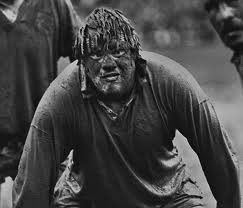
Fran was unlikely to get his vitamin D dose from the sunshine today

At the London Irish training ground in Sunbury, rain or shine, rugby and fitness training takes place out on the pitches. Muddy, wet, and cold may not be pleasant, but it prepares everyone for real game day conditions. I’m all for a bit of mess, until I get a muddy mountain of washing dumped in the laundry basket at the end of the day. In winter it’s not just shorts, T-shirts and socks, but tracksuit bottoms, tops, Skins and jackets. Would it be unreasonable for me to politely suggest a laundry room at the new training ground at Hazelwood?! So to my point…..when covered with clothes (and mud!) any small amount of vitamin D provided by the sun in winter, won’t reach the skin.

For those training near the equator, sunlight and vitaminD aren't such a problem

For those training near the equator, sunlight and vitamin D aren’t such a problem

The importance of sunlight and sports performance has been known for centuries, but it is only recently that the science behind the physical benefits have been investigated. We are still in the early days of discovering the tiny details of how vitamin D affects muscles. Other benefits of vitamin D have already been established e.g. for the prevention of diabetes, heart disease and some cancers.

Scientific studies are slowly piecing together how vitamin D affects muscle. This is what we know so far about vitamin D and involvement with muscle:

  • muscle contraction – calcium and phosphate are essential for the muscle fibres to move, and vitamin D may help this mechanism to work. Vitamin D may also be important for the actual parts of the muscle that make the contraction work (actin and myosin)
  • muscle repair – after exercise, there will be damage to the tiny muscle fibres. Vitamin D may help to repair this damage
  • muscle building – vitamin D stimulates new muscle, and the blood vessels feeding the muscles

In real life?

Although studied at a cellular level, there aren’t many studies yet on vitamin D and how levels in young, healthy athletes affects performance. However, in elderly people, low vitamin D has been shown to result in poorer muscle function and muscle loss.

Should I supplement?

Unknown-5

Vitamin D spray

There are very few good food sources of vitamin D, it comes mostly from the sun. Some foods, like breakfast cereals have vitamin D added, and if you take a multivitamin it may contain some vitamin D.

I advise to take a daily supplement of vitamin D during the winter months (October – May). Unless otherwise advised by your doctor, up to 1000IU per day is safe for adults. It comes in tablet, drops or spray form.

If you aren’t sure how much vitamin D you are getting, I can perform a nutritional analysis of your current diet and the supplements you are taking, and advise you on improving your diet. You can get in touch using the contact form.

Information from Nutri-facts

Coconut Oil – is it really that AMAZING!?

You may have noticed that over the last few years coconut oil has made an appearance on supermarket shelves, in health food shops and is sold by sports nutrition companies. It first arrived in our house 2 years ago, when my husband returned from rugby training with a tub of this magical stuff, with the instructions that we should use it to cook with.

UnknownAt the time, I recall having a toddler and a new baby to look after, so it didn’t get much more than a raised eyebrow from me. Over the years London Irish rugby nutritionists have promoted a range of dubious products. I have learnt that, if it is not going to do any actual harm, then the route to a happy marriage is to just say “yes dear, that’s nice”, and wait for the next fad to come along.

But Coconut Oil doesn’t seem to be a passing fad. Is there any truth behind the health claims of weight loss, reduced heart disease, and improved athletic performance?

In a (coco) nut shell, maybe.

How is coconut oil different to other fats?

Coconut oil is very high in saturated fat, which is traditionally vilified for it’s artery clogging effects. However, 60% of the saturated fats in coconut oil are MCTs (medium chain triglycerides)

Why are MCTs different?:

  • May have a neutral (or positive) effect on blood cholesterol
  • Can be used by the body as a quick fuel source – MCTs are transported directly to the liver, where they are more likely to be burned as fuel, as opposed to other types of oils, which typically get stored as fat in the body.
  • May raise metabolism slightly and make you feel more full up
  • High concentration of lauric acid, which may have antiviral and antifungal properties.

What the studies show:


Weight loss

An overall consensus has not yet been reached regarding MCTs and weight loss.

There are studies showing that pharmaceutical grade 100% MCT oil may reduce body fat by increasing metabolic rate. Coconut oil is only about 60% MCT, so it’s not good science to say that coconut oil will have the same results. To get any small weight loss benefit, large amounts of the oil were used. Unfortunately, large amounts of coconut oil can cause stomach upsets and nausea, so in real life, it is unlikely that people could comply with this.


Heart Disease

The research on MCT saturated fats is constantly evolving, years ago all saturated fats were thought to be bad for our hearts. However, we now know that there are different types of saturated fats that affect our bodies in different ways. Some studies suggest that MCT saturated fat might lower risk factors for heart disease by increasing levels of good cholesterol.

There is a study looking at Polynesians, which found that this population of islanders have a very high consumption of coconuts and a low incidence of cardiovascular disease. Hence, the claims that coconut oil is very beneficial for the heart. However, Polynesians have many other lifestyle factors which improve heart health (low intake of sugar and salt, good intake of fiber, plant sterols, and omega-3 fatty acids from fish). They also had an active lifestyle and used little tobacco.


Athletes

The evidence for using MCTs as an ‘ergogenic’ supplement, to prolong endurance or improve performance, is pretty much non-existent. Because MCTs in coconut oil are metabolised by the liver to produce energy, it seems reasonable to assume that this is good for providing energy for exercise. However, in real-life research on athletes, there does not seem to be this positive effect. In fact, in a study of cyclists, after taking coconut oil their performance was actually reduced, probably due to the stomach cramps they experienced.


Alzheimer’s Disease

According to the Alzheimer’s Association, “a few people have reported that coconut oil helped with Alzheimer’s, but there’s never been any clinical testing of coconut oil for Alzheimer’s, and there’s no scientific evidence that it helps.”  The same is true of 100% MCT oil.


My advice:

On balance, coconut oil can be included as part of your healthy diet. If you like the flavour that coconut oil provides in cooking, go ahead and use it—but in moderation. Use Virgin Coconut Oil, as it has not been chemically bleached and retains nutrients that are lost during the refining process.

There may be some truth in the weight loss claims, however, it’s worth stressing that coconut oil is very high in calories, so substitute it in your diet for other things. Unless you are aiming to gain weight, don’t simply add large amounts to your current intake.

As ever, ensure that you have a balanced, healthy diet with vegetables, whole grains, protein foods, essential fats etc. before depending on coconut oil to provide you with an answer for your health issues.

Here are a selection available in the UK and online:

Sainsbury’s – £6.00/300ml

Tesco – £6.00/260ml

Holland & Barrett – £16.55/500ml

MyProtein – £9.99/460g


London Double Header – WAG (!) perspective

The annual London Double Header has come and gone. For those not familiar, this is the first game of the rugby season where the four London premiership teams come together to play at Twickenham Stadium. This year, my husband’s team, London Irish, played Saracens. Saracens won.
That’s my match analysis.
For as much as I am a fan of rugby and enjoy watching a game, if you want rules and tactics, I’m not your woman. It just doesn’t ‘click’. Rugby is in the

Family at a 1939 IRFU dinner

Grandfather at a 1939 IRFU dinner

genes, my grandfather and great uncles played for Ireland and were presidents of the IRFU. From this generation my cousin played for London Irish and Ireland. From an early age, in our family the 5 Nations was an annual event holding all the excitement and anticipation of Christmas (well, maybe just for the adults!) It was a fabulous year if Ireland beat England.

These days I’ve one eye on the pitch, and one eye and hands on the 3 children. They are a welcome distraction, as the nerves of watching London Irish and Dec can be hard to bare!
On Saturday, I could feel the tension really start to heighten after disembarking the train at Twickenham. The mass of bodies is quite spectacular, filling the streets and funnelled by police on horseback towards the stadium. The feeling of immense pride and excitement is one that I will never forget. The girls are bursting to shout to everyone that their Daddy is playing. When we see the match programme with his grinning face on the front they are giddy with excitement. As am I to see him smiling, and not the usual Grumpy Dec grimace!
The, ahem, WAGS (that was actually printed on our ticket!), were lucky enough to have a box with seating outside. This allows the children to entertain themselves inside playing together, colouring in etc. while the mums try to watch the game. I say ‘try’ as with Conor in an ‘adventurous’ phase, he needs to be watched like a hawk. There was a hairy moment when he was gleefully drawing a purple Crayola moustache on Martin Johnson (who leaves a pile of signed England framed pictures stacked in the corner?!) Embarrassing crisis avoided with baby wipes applied to the glass.
After the game, Dec came pitch side for our annual Danaher photo (mammy is imagea little camera shy so happily plays photographer). The stewards can get a bit twitchy about us handing children over the barrier, which is fair enough as they are just doing their job. But we have to be bold and just fire the children over before they can put a stop to our disobedience.
After his shower and change, we met Dec at the Powerday barbecue gathering in the car park (thanks Mr Crossan for the hospitality), then it was a charge down to Twickenham station for the Danaher Clan to catch the train before the hoards from the Wasps/ Harlequins game descended. An hour later, with 3 tired children we were home in Kingston. With the wee ones in bed, Dec and I had a bite to eat.
I was gobsmacked to witness the first ever vegetarian meal Dec has ever eaten. Don’t worry folks, it was the perfect balance of carbs and high value protein for recovery. A massive plate of egg fried rice with peppers and spring onions.
Game day nutrition:
Breakfast 7am : porridge, half bagel with peanut butter and jam
11am: small portion of pasta, smaller portion of bolognaise –
Pre kick off 2pm: sipping on carbohydrate drinks
Post game: slice of pizza, recovery drink (carbs and protein)
Meal at home 7.30pm: egg fried rice
Ingredients: 3 eggs, big cup of cooked basmati rice, 3 spring onions, one pepper.
Ideally, the pre game meal should be something fairly light and easily digested. I would have veered away from the fatty red meat in the bolognaise, as fat and protein take longer to digest. Low fibre carbs, some lean meat and plenty of fluid are the priority. However, each player has his routine and should know how they react to eating pre event. Some eat large amounts, while some eat very lightly. When nerves are high, the last thing anyone wants is the re appearance of Spag Bol on the pitch!

Beetroot Juice – worth the hype?

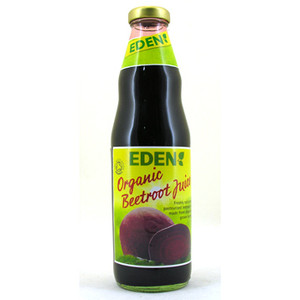
Beetroot juice has been one of the biggest stories in sports science in recent years, after researchers at the University of Exeter found it enables people to exercise for up to 16% longer.

The startling results have led to a host of athletes – from Premiership footballers to professional cyclists – looking into its potential uses.

images-2

Concentrated beetroot juice (shot)

When consumed, nitrate found in beetroot juice has two marked physiological effects.

  1. widens blood vessels, reducing blood pressure and allowing more blood flow.
  2. affects muscle tissue, reducing the amount of oxygen needed by muscles during activity.

The combined effects have a significant impact on performing physical tasks, whether it involves low-intensity or high-intensity effort.$T2eC16dHJGoFFvPOJJ3UBR0ZfTsjj!~~60_35

Professor Andrew Jones, from the University of Exeter, lead author on the research, said: “The findings show an improvement in performance that, at competition level, could make a real difference – particularly in an event like the Tour de France where winning margins can be tight.”

Beetroot juice is an easy way to quickly ingest a substantial amount of dietary nitrate. However, some may find the taste of beetroot juice unpleasant. Fortunately, beetroots are just one of many vegetables that are high in nitrate. Leafy green vegetables tend to be the top sources.

The dose of dietary nitrate used in the research to reduce the oxygen cost

of exercise, improve athletic performance, and lower blood pressure ranges from 300 to 500 mg. This is about 300-500ml of Beet It 100% Pressed drink.

This amount can also be obtained by eating the following foods:

Very high nitrate levels: celery, cress, chervil, lettuce, red beetroot, spinach, and rocket (more than 250 mg/100 g)images-3

High nitrate levels: celeriac, Chinese cabbage, endive, fennel, leeks, and parsley (approximately 100 to 250 mg/100 g)

Ultimately, eating beetroot, drinking beetroot juice, or eating foods high in nitrate is unlikely to increase your exercise endurance unless you are already an athlete and at the peak of fitness. Even for athletes, it is fundamental to get the basics of diet right before putting your faith in nitrates to improve performance.

For most of us, the best way to increase endurance is to exercise regularly so aim to work towards achieving the recommended 30 minutes of moderate intensity exercise, five times a week.

Beetroot recipes


Beetroot Salad – high nitrates for athletic performance

High in dietary nitrates (a very good thing!), recent research has found beetroot improves performance in athletes by 16%. Here’s why.

This is a recipe my Mum has been making for as long as I can remember. I don’t know why it’s called Winter Salad, as we’d usually have it in the summer with quiche (how 80s!)

Ingredients:

  • one apple chopped
  • about 5 slices of beetroot from a jar
  • 2 sticks of celery

Chop each ingredient in to small cubes and mix together in a bowl. No dressing needed!