What to eat for Insulin Resistance

What is insulin resistance?

Many of my patients, particularly those with hormonal issues such as PCOS, diabetes and menopause have to deal with insulin resistance. Managing it can be challenging.

Insulin resistance occurs when the body’s cells don’t respond properly to insulin, leading to higher glucose levels in the blood. Normally, insulin helps glucose enter cells for energy, but with insulin resistance, this process doesn’t work effectively.

Signs you may be insulin resistant:

  1. Increased Hunger: Despite eating regular meals, you might still feel hungry because your body’s cells aren’t getting the glucose they need for energy.
  2. Fatigue: Since glucose isn’t efficiently getting into your cells, you may feel tired or lethargic.
  3. Difficulty Concentrating: Lack of glucose for your brain can cause difficulties with memory or concentration.
  4. Weight Gain and Difficulty Losing Weight: High levels of insulin in the blood promotes fat storage and can make it hard to lose weight.
  5. High Blood Pressure
  6. Abnormal Cholesterol Levels: Insulin resistance often increases in “bad” LDL cholesterol and triglycerides, and decreases in “good” HDL cholesterol.
  7. Dark Skin Patches: Known as acanthosis nigricans, this is a condition characterised by dark patches of skin, typically in the armpits, back of the neck, or groin.

Insulin resistance increases the risk of being overweight, type 2 diabetes, heart disease, and fatty liver disease, so it is important to address it with lifestyle changes.

What you can do to improve insulin resistance:

  1. Regular Movement: Using your muscles during exercise helps the muscle cells to take in the glucose. A combination of aerobic exercises (like walking, cycling, swimming) and resistance training (like weightlifting or body weight exercises) is most effective. Aim for daily aerobic activity, along with strength training exercises at least two days a week.
  2. Foods and drinks: While there’s no one-size-fits-all “best” diet for insulin resistance, some eating patterns have been shown to be beneficial. An anti-inflammatory, Mediterranean type diet rich in whole grains, lean proteins, fruits, vegetables, and healthy fats can improve insulin sensitivity. Limit processed foods, sugary drinks, and high-fat foods.
  3. Weight Management: Maintaining a healthy weight is crucial for managing insulin resistance. If you are overweight, a small reduction in weight, can help improve insulin sensitivity. However, this can be hard when you are insulin resistant.
  4. Better Sleep: poor sleep increases stress hormones like cortisol, alters appetite-regulating hormones, leading to unhealthy lifestyle choices, and impairing glucose metabolism, making the body less efficient in using insulin effectively.
  5. Reducing Stress: High stress levels can affect insulin resistance. Stress management such as understanding the sources of stress, and using techniques such as exercise, meditation, yoga, and mindfulness can be beneficial. Sleep is also essential for reducing stress levels.
  6. In some cases, your doctor may recommend medications to improve insulin sensitivity, such as Metformin
  7. Supplements: see below

What to eat for insulin resistance:

The ideal way of eating is the Anti-Inflammatory, Mediterranean Type Diet, also known as a wholefood diet: It is rich in fruits, vegetables, whole grains, lean proteins like fish and chicken, lentils, beans, nuts, and healthy fats like olive oil. It is low in highly processed foods and artificial ingredients.


Eating this way will:
• Stop your blood sugar and insulin levels from getting too high
• Reduce body inflammation
• Encourage the healthy bacteria in the gut (the gut microbiome)
• Help you to feel full up for longer
• Give your body all of the vitamins and minerals that it needs

Limiting carbohydrates from cake, biscuits, scones, breakfast cereals, bread, potatoes, rice, past etc is fundamental for reducing the amount of sugar (glucose) entering the blood, therefore helping to lower blood sugar and insulin levels.

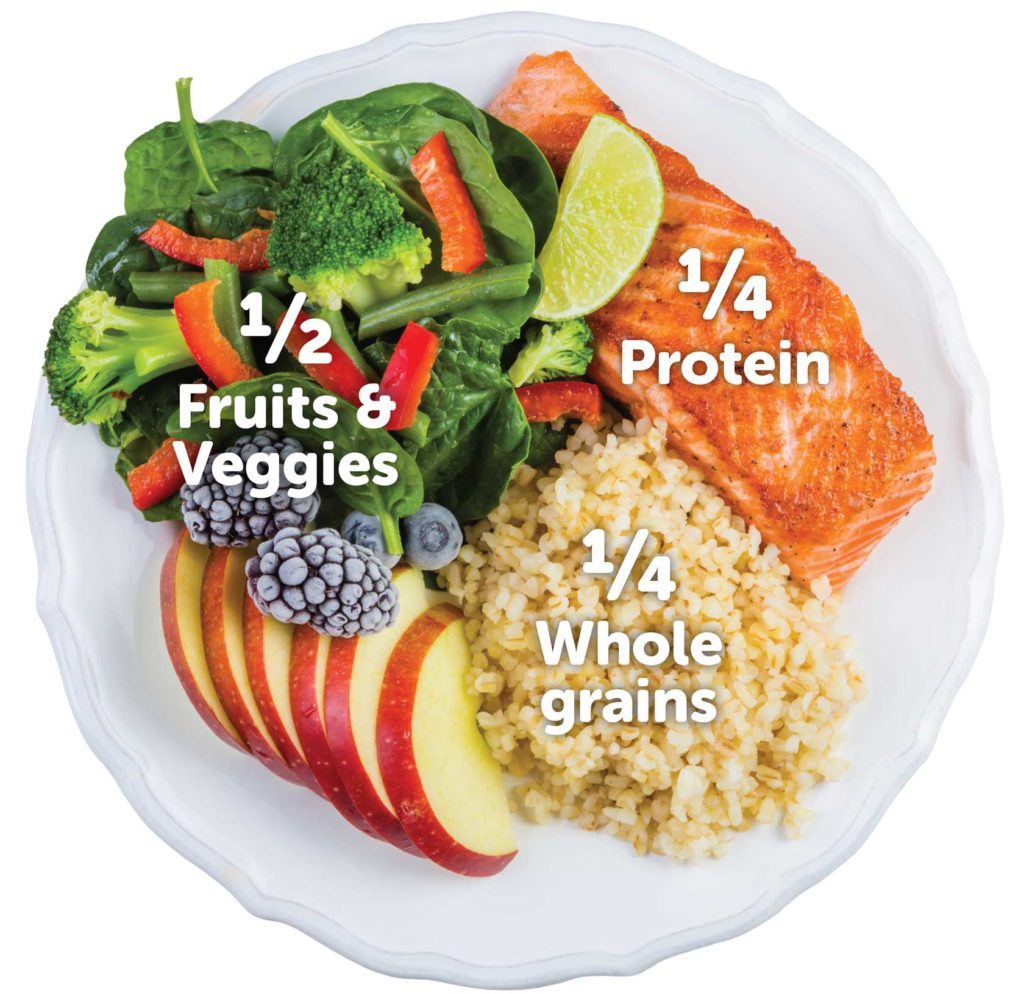
The ‘plate model’ is a helpful way to get the balance right.
Protein
• Fish like salmon, mackerel, sardines.
• Chicken and turkey are included but less frequently than fish.
• Eggs
• Lentils, chickpeas, and beans

Vegetables
• Leafy Greens: Spinach, kale, and any lettuce
• Other Vegetables: artichoke, asparagus, beetroot, broccoli, Brussel sprouts, carrots, celery, cabbage, courgette, cucumber, garlic, leeks, lettuce, mange tout, mushrooms, onion, peas, peppers, tomatoes

Fruits: ideally in their ‘whole’ form, rather than blended in a smoothie or drink
• Berries: Strawberries, raspberries, and blackberries are lower in carbohydrate than many other fruits.
• Other Fruits: any fruit is great, but just have one piece at a time

Carbohydrates: ideally wholegrain/wholemeal versions:
• Sourdough bread, potatoes, rice, pasta, noodles, jumbo oats
• Cooking and cooling potatoes, rice and pasta changes the structure of the carbohydrate to resistant starch, slowing how quickly the carbohydrate is absorbed

Healthy Fats
• Oily fish: sardines, mackerel, salmon. These are also high in protein
• Extra Virgin Olive Oil and Cold Pressed Rapeseed Oil: used for cooking and in dressings
• Avocado
• Nuts and Seeds: Almonds, walnuts, flaxseeds, and chia seeds

Dairy
• Cheese: Feta, halloumi, and other cheeses
• Yogurt: Greek yogurt, or any natural/plain yogurt
• Milk

Flavour
• Herbs
• Spices
• Vinegar – slows down how quickly carbohydrates are absorbed
• Mustard
• Soy sauce
• Pesto

Drinks
• Tea – black, green, herbal
• Coffee – freshly filtered rather than instant
• Water – still or carbonated
• Water with lemon juice or a dash of cordial

Extra tips:

  • Avoid ‘white’ carbohydrates: These are ‘simple’ carbohydrates found in sweet foods and drinks, and refined grains such as white flour or white rice. They are quickly digested and absorbed into the bloodstream. This leads to a rapid increase in blood glucose levels.
  • Have complex carbohydrates in moderation. Examples include wholegrain rice/pasta, beans, lentils, and starchy vegetables such as carrots and parsnips. These have longer chains of glucose molecules and take longer to digest. As a result, they cause a slower and more gradual increase in blood glucose levels compared to simple carbohydrates. This results in a more gradual release of glucose into the bloodstream, which helps to stabilise blood sugar levels.
  • Reduce the amount of carbohydrates: reducing the amount of carbohydrate food you eat will reduce the amount of glucose in the blood stream e.g. have 1 slice of bread instead of 2, or ¼ plate of wholegrain rice instead of ½ a plate, a small handful of grapes. For a significant lowering of blood glucose levels, leave out high carbohydrate foods and replace with more vegetables, protein and healthy fats.
  • Have a portion of protein and healthy fat with each meal: Consuming carbohydrates together with fats or proteins can slow down their digestion and absorption. Including a source of healthy fats, such as avocados, nuts, or olive oil, or a source of lean protein, such as chicken, fish, or tofu, in a meal can help to slow down the rate at which carbohydrates are broken down and released into the bloodstream.
  • Food Form and Texture: Foods that are in their whole or minimally processed forms, such as whole fruits, vegetables, wholegrain rice generally have a slower absorption rate compared to foods that are in more processed forms, like juices or purees and white rice.
  • Have just have one piece of fruit at a time – eat whole rather than blended.
  • Smoothies or ready to drink ‘meals’: When you drink blended ingredients (no matter how wholesome or healthy), they are absorbed in to your blood stream relatively quickly. This causes high blood sugar and, if you are insulin resistant, fat storage. Have the same food but unblended e.g. a large handful of jumbo oats, a scoop of protein powder or peanut butter, and milk.
  • Cook and Cool: Certain cooking and cooling methods can impact certain foods. For example, allowing cooked pasta, potatoes or rice to cool and eating cold or reheating later can reduce its effect on blood glucose levels. This process changes the structure of the carbohydrate turning it in to ‘resistant starch’, making them slower to digest.
  • Vinegar: Studies have shown that having vinegar with carbohydrate foods can lower post-meal blood sugar levels. Add a splash of vinegar to salads or use in dressings.
  • Aim to have high omega 3 foods three times a week e.g. mackerel, sardines, salmon. These are potently anti-inflammatory. Tinned fish is convenient and cheap. If you don’t like these fish, then take an omega 3 supplement. See below for more detail on dose.

Example meals for insulin resistance:

Breakfasts
Overnight oats made with jumbo oats, berries and milk
2 eggs with cheese and tomatoes
100g 5% or full fat Greek yogurt with an under ripe banana, nuts and honey
Slice of flaxseed bread with ½ avocado, tuna/sardines/an egg

Lunches
Baked beans, grated cheese on a slice of wholemeal toast
Wholemeal pitta with humous, grated carrot and lettuce
Tomato, Lentil and wholegrain rice soup
Superfood salad: a base of lettuce leaves, topped with grated carrot, peas, pumpkin seeds, extra virgin olive oil, and a tin of sardines or mackerel

Dinners
Grilled salmon with stir fried vegetables in olive oil
Vegetable and bean chilli and rice
Wholemeal pasta with half a jar of tomato sauce e.g. Dolmio and grated cheese
Wholegrain rice with chicken and roasted vegetables

Snacks/desserts
A piece of fruit
A large piece of 70% Cocoa Dark chocolate
2 oat biscuits
tea or coffee
handful of nuts
yogurt with berries

Supplements for insulin resistance:

Here are a few supplements that in research, have shown some promise. These can be used in combination with lifestyle changes (not instead of!):

  1. Magnesium: Magnesium is involved in the process of insulin secretion and function. Some research suggests that magnesium supplementation can improve insulin sensitivity, especially in people who have a magnesium deficiency. Specifically, magnesium citrate and magnesium glycinate are well absorbed by the body. Magnesium glycinate is better for people with loose stools, while magnesium citrate can have the opposite effect and help with constipation. Magnesium can also help with muscle cramps or restless leg syndrome.
  2. Omega-3 Fatty Acids: Omega-3 fatty acids, found in fish oil and algae, have anti-inflammatory properties and have been linked to improved insulin sensitivity in some studies. If you don’t like oily fish which is wonderfully high in omega 3s, take 1000mg of EPA/DHA per day.
  3. Vitamin D: Some studies have suggested that Vitamin D deficiency might worsen insulin resistance, and correcting the deficiency could improve insulin sensitivity. Vitamin D deficiency is very common. The main source is sunlight. Take 1000iu per day, especially during the months from September to May.
  4. Probiotics: to encourage your healthy microbiome, it is primarily important to eat foods which act as fertiliser for the healthy bacteria that already exist in your gut. Many of the foods listed above act in this way, they are called ‘prebiotics’. Probiotics are supplements that provide additional healthy bacteria, however, there is no clear research on which specific strains of probiotics are beneficial. Viomixx (previously called VSL #3) or Bio-kult, are good ‘broad spectrum’ probiotic supplements which contain a range of bacteria that may be helpful for insulin resistance.
  5. Inositol: There is evidence that inositol helps with insulin resistance, particularly for those with PCOS and type 2 diabetes. The exact mechanisms by which inositol may help with insulin resistance aren’t entirely understood.

Please note that this is just a general guide and may need to be adjusted based on your personal medical, dietary needs and preferences. It’s always a good idea to consult with a healthcare provider or a registered dietitian before starting any new diet plan. They can provide personalised advice based on your individual health needs.

Athlete’s Top 10 Shopping List

For professional, elite and serious amateur athletes, heavy training schedules can mean massive amounts of calories need to be eaten each day. 4500kcal for a rugby player is normal, for a tour cyclist this could be 7000kcal, while for a 45kg gymnast they may only need 1700kcal. Whatever the calorie needs, athletes need to pack in as much nutrition punch as possible. That means forgoing nutrient empty junk food, and swapping for food and drinks that will fuel the training and recovery. So what are the things that regularly appear on the pro’s daily shopping list?

For optimum nutrition, performance and health, there is nothing better than REAL food. The incredibly complex makeup of food simply cannot be artificially produced in a supplement powder or pill. Real food provides phytochemicals, antioxidants, vitamins, minerals, fibre, protein and possibly, many other beneficial constituents that science hasn’t identified yet.

Sports drinks, supplement shakes and bars can be useful as a stop gap, when good food is not readily available, or when calorie requirements are so high that it is difficult to achieve with food alone. I often use an analogy of the bricks of a house being food, and supplements being the chimney. If you don’t have the nutrition basics of food (walls and roof) in place, it is daft to think that there is any point to having a chimney (supplements).

Here are some top foods that should feature on your shopping list. These are all mostly ‘nutritionally dense’ meaning that they are choca-block full of good nutrition allowing your body to train, perform and recover to it’s maximum potential:

  1. Vegetables – often overlooked in favour of carbohydrates and protein, and served as an after thought with just a spoonful on the plate. Vegetables are absolutely essential to maintain health, providing vitamins, minerals, antioxidants, phyto chemicals, fibre etc. all of which simply cannot be bottled or put in a pill. Vegetables also ‘feed’ the healthy bacteria in the digestive system. Easy staples include broccoli, onions, spring onions, peppers, and carrots – not very adventurous, but that is fine! Fresh, frozen, boiled, steamed, microwaved, stir fried, raw…….just get. them. in!LN_012697_BP_9.jpg
  2. Oats – for breakfast, you can’t go far wrong with oats. They are high carbohydrate, so idea to have before or after training. Oats come in various textures, from the very fine in Ready Brek, to the chunky Flahavins. You can add all sorts of things to basic oats to add some oomph: milk, raisins, sliced banana, cocoa powder, cinnamon, desiccated coconut etc. You can also put them in a smoothie for breakfast or for post training recovery. 10 ways with oats
  3. Milk – protein, carbohydrate, low fat, calcium for bones and muscle function. Added to tea, coffee, porridge and breakfast cereals. Research shows that milk post-exercise is just as effective and recovery and rehydration, if not more so, than commercially-available sports drinks005045.jpg
  4. Coffee – because it’s one of life’s pleasures, but also when taken before/during exercise, caffeine has been proven to enhance athletic performance. A recent study showed that two cups of coffee improved endurance performance by 4%.
  5. Peanut butter – good for protein, energy and good fats. If you are trying to drop body fat/weight then go easy as it’s very high in calories – too much is often one of the biggest mistakes for my weight loss clients! Mix a tablespoon in to porridge or spread on oatcakes/rice cakes.
  6. Eggs – one of the most nutritious foods that you can eat: high in protein, omega 3 fats, lutein, choline, all the B vitamins, as well as vitamins A, D, E, K, and iron.  Omelettes, poached, scrambled, fried or to make egg fried rice. You can even mix one in to hot porridge (just don’t put in the microwave with the oats or you’ll get scrambled oat-eggs……yak!)
  7. Rice – carbohydrates are very important for fuelling exercise,
    for recovery, and for the immunity. White rice can be particularly useful when there is only an hour or two between training sessions and fast release carbs are needed. Whole grain rice is higher in fibre, digested more slowly, and is more filling.
  8. Chicken – high protein, low fat, and very versatile. There are endless ways to use chicken: plain grilled, a whole chicken roasted, stir fried, mixed with light mayo and veg in wraps, stuffed with pesto and cheddar cheese. One of the easiest ‘recipes’ is a whole chicken in a slow cooker for 6 hours.
  9. Yogurt – the high protein ones can be particularly beneficial for athletes eg. Total greek yogurt, Danio, Liberte etc These have double the protein of normal yogurts (greek ‘style’ is not usually higher in protein), so good for muscle repair and maintenance. Yogurt also contains ‘probiotics’ which are beneficial for the digestion and immunity.
  10. Salmon – or any oily fish (mackerel, sardines, fresh tuna). Oily fish is the best food source of anti inflammatory omega 3 fats which is essential in every athlete’s diet to reduce muscle inflammation and delayed onset muscle soreness. Aim to take at least 2-3 times a week. If you don’t like any of these fish, then I advise taking daily fish oil supplements.288543.jpg


For loads of recipes using all of the above ingredients click…….here!

Seriously Healthy Pancakes (2 ingredients)

It’s Shrove Tuesday, yay for pancakes! But do they seem like a chore to make? Would you like a super speedy, easy AND healthy pancake recipe??

This pancake mix takes about 1 minute to prepare using a banana and 2 eggs. It’s ready to cook immediately! They are awesome with a big dollop of greek yogurt and some warm berries……I use frozen berries that have been blasted in the microwave to defrost 🙂

The pancakes mix is easier to make with a blender – just blast all the ingredients together,  but it can also be done with a fork.

Ripe bananas

1 Ripe banana

2 Eggs

2 Eggs – high protein

  1. Mash the banana very well – the more ripe the banana the easier this is
  2. Crack in two eggs and mix with a fork. (You can also do this in a blender).
  3. Optional: add in a handful of oats to increase the carbohydrate and fibre for sustained energy.
  4. Pour some mixture in to a lightly greased frying pan (ideally a non-stick one), allow to cook on a medium heat for a minute or two. You’ll see little bubbles appearing, take a peak underneath to see if it turning brown. Flip over and cook the other side.

Extras: a simple drizzle of honey/maple syrup, or greek yogurt topped with berries.

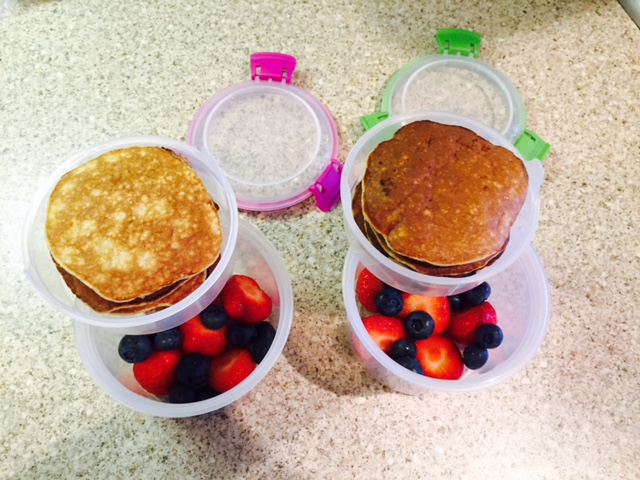
FullSizeRender

Take to work or school (pic courtesy of my sis!)


Tip: if you are watching your weight, studies show eating eggs for breakfast can help. Eggs seem to help you to feel full up for longer and keep your blood sugar levels steady.


Wee Bytes – Ready Brek

Ready Brek – it’s such a kiddie food, surely no self respecting grown up would be eating
this for breakfast?! And isn’t it loaded with sugar?

Well you could be missing out…….this is pretty great stuff, and doesn’t deserve to be tarred with the same brush as other sugary breakfast cereals.

Ready Brek is simply ground up oats with vitamins added (there is no added sugar). The ingredients are: Wholegrain Rolled Oats (60%), Wholegrain Oat Flour (38%), Calcium, Niacin, Iron, Riboflavin (B2), Vitamin B6, Thiamin (B1), Folic Acid, Vitamin D, Vitamin B12. Add some milk, and you’ve a wonderful combination of carbohydrate, protein, soluble fibre and all those lovely vits and minerals.

Two ways with Ready Brek:

In a bowl: Put a mug full of milk in a bowl, microwave for about 90 seconds, or until boiling. Sprinkle in the Ready Brek and mix until you get your desired consistency. Tasty extras to add:

  • cinnamon
  • raisins
  • chopped banana
  • a scoop of protein powder
  • a teaspoon of cocoa powder
  • an egg – yes really, crack one in and mix well while the RB is piping hot

Add more milk if it’s too hot or you like it extra milky.

Smoothie: Blend together 200-300ml milk, 1 banana or some berries, 1/2-1 mugful of Ready Brek, drizzle of honey. Quantities of ingredients depends on how hungry you are, or how hard you training. I came up with this smoothie idea for one of my little GB gymnasts who was struggling with fatigue due to training coming up to the World Championships…… they got a Gold by the way 🙂

Perfect for sport

Because the oats are ground up, Ready Brek is easily and quickly digested, therefore brilliant to have 1 hour before an intentse training session e.g. a swim, run or bike; or after for recovery refuelling.

Before a 6am run or swim, I usually have a ripe banana and milky coffee, and then have a Ready Brek Smoothie as soon as I get home. I need very quick recovery food otherwise I feel very tired later in the afternoon.


4 minute Crispy Tortilla Pizza

Being a bit of a foodie, but short on time, I love to find something new to feed the family.

I would love to be more organised with food shopping, but am usually juggling dietetic clients, lecturing (that’s teaching actual real-life university students, not giving my own 3 children the third degree, although I also do that most of the time), looking after said children and generally running the house.

It was 2.55pm, I had been at my laptop most of the day writing patient reports, and I had to pick my the children up from school at 3.15. No snacks of any use in the house to satisfy ravenous little people’s large appetites. All I could muster was some frozen tortilla wraps, a near empty jar of pesto and some cheddar cheese.

Sometimes the best results come from these moments of desperation. Like when you have to panic buy a top to wear from the supermarket (for whatever reason), and it becomes a favourite that lasts for years.

Child and adult friendly, these tortilla pizzas are fabulous as a snack, in a lunch box or on a picnic. These are very adaptable so you can add or subtract ingredients (although keeping the wraps is kind of fundamental to the whole operation).
IMG_0889

I find that with fewer ingredients the filling of the ‘pizza sandwich’ is less likely to fall out while walking. If we’re at home or if it’s in the lunch boxes, I might add grated carrot, ham or tuna. Experiment to your heart’s content!016417

Ingredients:

  • 2 tortilla wraps
  • tablespoon of pesto or ready made tomato sauce e.g. Dolmio
  • Fillings of your choice (optional)
  • grated cheese

IMG_0884

Method:

  1. Lightly oil a non-stick frying pan, allow to heat up on a fairly high heat.
  2. Add one tortilla wrap to the pan, spread on the pesto/tomato sauce.IMG_0886
  3. Sprinkle on the cheese and other fillings.
  4. Add the top tortilla.
  5. When the bottom tortilla is browning and a bit crispy, carefully flip the tortilla sandwich over with a spatula
  6. Cook for two minutes on the other side.

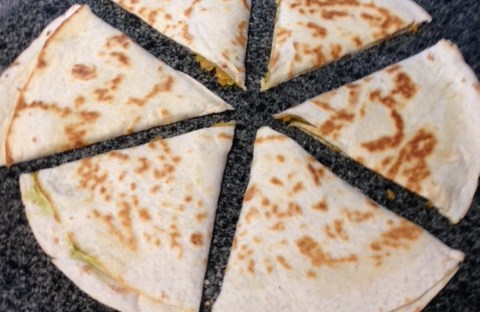
The cheese will have melted and the wraps should be nice and crispy. Chop in to quarters or sixths. Can be eaten hot or cold.

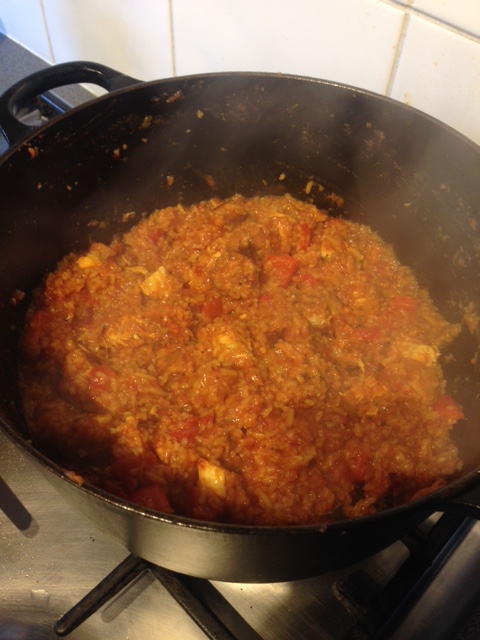
One Pot Chicken Chorizo Jambalaya

Who likes mess and lots of washing up? Not me!

Who likes tasty food? Me!IMG_0881

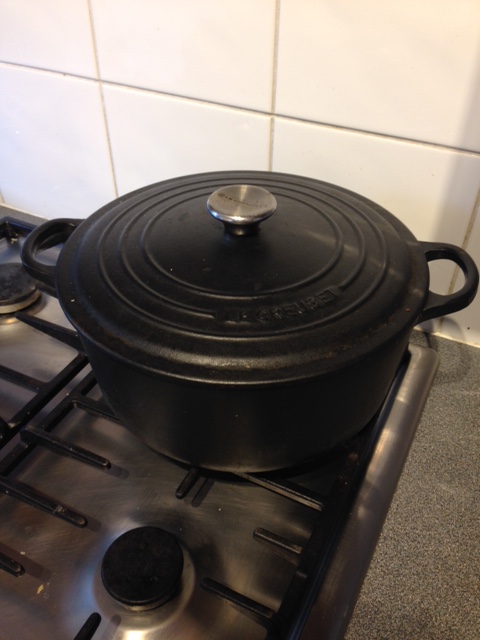
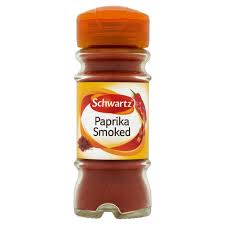
I love this meal because it has minimal faff and hassle: everything is chucked in to my lovely big Le Cruset pot that sits permanently on the stove. It has the perfect combination of carbohydrates from the rice, protein from the chicken and chorizo, with the tomatoes, onion, pepper and garlic providing super healthy phytonutrients. The original recipe used Cajun spice mix which in the words of my 3 year old is “a little bit spicy”, so I’ve adapted it to use smoked paprika, which provides a warming barbeque flavour. Unknown-1

For my wee people, I’ve renamed it ‘Barbeque Rice Treasure Hunt’. I know, I know. I don’t like pandering too much to this type of nonsense, but anything for an easier life. They’ve to find the chunks of chicken/chorizo in the rice. Also for a less stressful mealtime, I grate the onion as my eldest won’t eat chunks of the stuff. Sigh, raised eyebrow*

Did you know? One of the fabulous things about onion and garlic is that they are wonderful ‘foods’ for the healthy bacteria in your gut, helping to ensure they flourish. Healthy gut bacteria are very important for good digestion and your immune system.

Watching your weight or for extra nutrition oomph? Leave out the chorizo as it’s high in fat and usually has nitrates (not very healthy at all); add extra chicken, some prawns, extra vegetables, e.g grated carrot, red pepper, spinach, or another tin of tomatoes.


Ingredients:IMG_0895

  • 1 tbsp olive oil
  • 3 chicken breasts, diced
  • 1 onion, diced or grated
  • 1 red pepper, chopped in to cubes
  • 2 garlic cloves, crushed
  • 75g chorizo sausage, sliced
  • 1-2 tbsp smoked paprika or Cajun spice mix
  • 250g long grain rice
  • 400g can chopped tomatoes
  • 350ml chicken stock

Method:

  1. Heat the oil in a large frying pan or casserole dish with a lid. Brown the chicken for a few mins.
  2. Tip in the onion and cook for a few minutes until soft.
  3. Add the pepper, garlic, chorizo and smoked paprika. Cook for 5 mins more.
  4. Add the uncooked rice.
  5. Add the tomatoes and stock.
  6. Cover and simmer for 20-25 mins until the rice is tender. Add more chicken stock if it gets a bit too dry.

My favourite thing is when I let it ‘catch’ on the bottom of the saucepan, allowing it to crisp up a bit/caramelise.

Easy Cheesy Pasta Bake

On Friday, we had two of my children’s friends over to play after school. So with five little, but very hungry mouths to feed, I needed to produce something quick, easy and a lot
of it! When I suggested told my crew that they were having pasta bake, they were a bit “meh”, as I serve this up once a week. But our 7 year old and 4 year old guests were delighted (my children: take note of their beautiful manners) and everyone devoured second/third helpings. These simple things in life, like a stress free dinner and happy, full up children make me very happy!

Pasta Bake

This is a easy combo of pasta, sauce and tuna. Pasta is a fabulous source of energy for growing and hungry children; tuna for protein and cheese sauce for extra energy and calcium. I make the white sauce from scratch – but it is a very easy method that doesn’t involve making a roux (and the potential for lumps).

Here are 5 ways you can add extra health oomph:

  1. tinned salmon/poached fresh salmon/smoked salmon for healthy omega 3 fats – anti inflammatory, beneficial for brain, heart and eye health
  2. add in some vegetables e.g. sweetcorn, peas, steamed broccoli
  3. use a tomato sauce instead of the white sauce – lowers the fat and calorie
  4. gluten free pasta and flour – for those following a low FODMAP diet, or with gluten intolerance/coeliac disease
  5. high fibre pasta – most people don’t get enough fibre which is important for digestive health and is more filling than white pasta


Ingredients (serves 4-5)IMG_0864

  • 2 tablespoons butter
  • 3 tablespoons flour
  • about 500ml milk
  • about 250ml chicken or vegetable stock
  • handful of grated cheese
  • Pasta shapes, about 500g dried (a whole bag) – cooked
  • 2 tins of tuna, drained

Method:

  1. In a sauce pan, put the butter, flour and milk.
  2. Whisk so that the flour dissolves in to the milk
  3. Over a medium heat, allow this to heat so the butter melts. As the mixture heats up, make sure you keep mixing. It will thicken as it gets towards boiling point. Keep stirring. Stir, stir, stir. Turn the heat down as it thickens. Keep stirring.
  4. When it has thickened, add the stock and cheese.
  5. Add the tuna, and extra veg e.g. sweetcorn/peas etc.
  6. Put the cooked pasta in a dish and pour over the sauce
  7. Grate some bread to make bread crumbs, sprinkle over pasta
  8. Sprinkle on some grated cheese
  9. Grill for a few minutes to melt the cheese and make the breadcrumbs crispy. Watch carefully as it can burn quite quickly!