Top 5 foods for lowering cholesterol

The risks from high cholesterol aren’t immediate. The damage accumulates over years — even decades. High cholesterol in your 20s and 30s can take its toll in your 50s and 60s. Because the effects take time, you may not feel the urgency to treat it. You may think you can deal with it later – but you may wait too long before heart disease has taken it’s hold.

The World Health Organisation (WHO) estimates that 80% of heart disease may be preventable. The good news is that simple changes can really improve your heart health, like lowering cholesterol, eating a healthy diet, getting regular exercise, giving up smoking and avoiding stress.

Here are 5 cholesterol lowering foods:

  1. oily fish – salmon, mackerel, fresh tuna and sardines all contain very healthy omega 3 fats
    Salmon - omega 3 oils

    Salmon – omega 3 oils

    called DHA & EPA that lower cholesterol. Aim to eat oily fish twice a week, if you find that difficult, take a daily fish oil supplement that contains 500mg EPA & DHA.

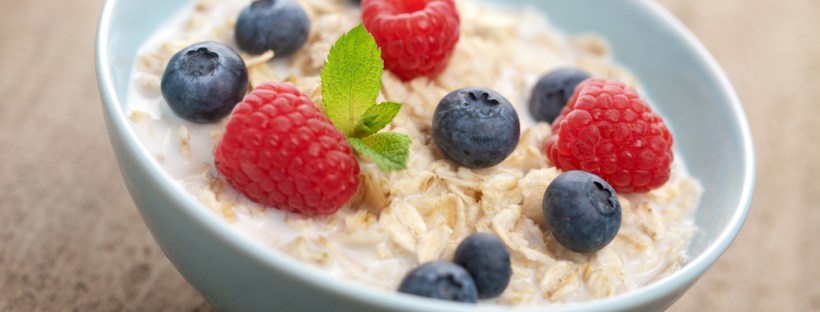
  2. oats – contain beta glucan, which is a soluble fibre that lowers cholesterol. It also has the added benefit of steadying blood sugar levels, helping in the treatment of diabetes and weight loss. Oat breakfast and Oaty Flapjacks2013-09-11 11.50.38
  3. Olive oil – high in monounsaturated fats, which lower cholesterol. Also in rapeseed oil (vegetable oil). Be careful with how much you use if you are watching your weight, one tablespoon has 125kcal.
  4. Nuts – high in vitamins, minerals, and good monounsaturated fat, which can lower cholesterol. Almonds, walnuts, peanuts, hazelnuts, pecans, some pine nuts, and pistachios. Basically, all nuts are good. Avoid salted or dry roasted, the plainer the better. As with olive oil, if you’re watching you weight, just have a handful, not the whole bag!
    Unknown
  5. Plant Stanols – these are probably not a term you have come across. Plant stanols are ingredients in products such as Flora Proactive and Benecol. Three servings of these can reduce cholesterol by up to 10%. Plant seterols are also found in fruit and veg, but in much smaller amounts.

World Mental Health Day – Omega 3s can make a difference

Today is World Mental Health Day, as Conor and I discovered walking through Kingston town

Conor with his balloon from mental health charity MIND

Conor with his balloon from mental health charity MIND

centre this morning. He was delighted to be handed a balloon by MIND volunteers promoting the day, while I was delighted that the balloon entertained him for over an hour in his pushchair. Happy child, happy mummy.

It is well established that omega 3 fats help in heart disease and brain development. However, new research is emerging that these oils found in fish can also be effective in improving mood disorders, such as depression and schizophrenia.

At any one time, 1 in 10 people in the UK suffer from depression, while post natal depression is  estimated to affect 15% of new mums. Experts think that for those without a family history of depression, taking omega 3s can reduce depression rates.

Omega-3 researcher David Mischoulon, MD, PhD, director of research in the Depression Clinical and Research Program at Boston’s Massachusetts General Hospital and an associate professor of psychiatry at Harvard Medical School, says omega 3s oils (EPA and DHA) “are thought to be active as antidepressants” in the brain.

Salmon - omega 3 oils

Salmon – omega 3 oils

So when can omega 3s be helpful?

  • depression
  • pre and post natal depression
  • menopausal depression
  • people at risk of schizophrenia
  • self harm

Safety: Omega 3 fats may help some people with mood disorders, and are safe for most people to take. However, fish oils, as supplements or in the natural form of fish, shouldn’t be used as a home remedy for mood disorders. Always see your doctor first. Do not stop your current medication without seeking your doctors advice.

10016284

Omega 3 supplement

How much: for the general population without mood disorders, about two servings per week of oily fish is recommended, this equates to about 500mg/day (DHA & EPA).  For people with mood disorders benefits may be seen with up to 1000mg/day.

True or false? – 3 Food Myths

Working with clients and patients over the years, I have heard many misconceptions about ‘good’ and ‘bad’ foods. It’s my job to set you straight!

Here are the top 3 that I hear most regularly:

  1. Carbohydrates are bad and make you put on weight – False! Carbs are not bad, what makes you put on weight is too many calories. However, not all carbs are created equal. We have ‘refined carbs’ that provide few nutrients e.g. white bread, white rice, cake,When training, carbs are your friend! biscuits etc. and wholesome carbs that are more nourishing e.g. vegetables, fruit, oats, wholewheat bread, brown rice. The wholesome carbs are much higher in fibre making you feel full up for longer, thus curbing hunger and cravings for the refined carbs. They also have more vitamins and minerals. For the average adult, a portion of carbs is about 1/4 of your plate. Yes, 1/4, not 1/2! So the wholesome carbs can actually help you to control your weight.
  2. Sugar makes kids hyper – not true! I have parents who swear that after a birthday partyimages with all the sugary snacks, their children turn in to raving loonies. Scientific studies have shown that as an ingredient, sugar does not cause a change in behaviour. Think about the party environment…….the excitement, the noise, the fun food & drinks! Enough to hype up any child. Any food involvement is likely to come from reactions to food additives or caffeine in fizzy drinks.
  3. Olive oil helps you to lose weight – not true! This applies to all oils, even the super 2013-09-11 11.50.38expensive extra virgin olive oil, avocado, flaxseed etc. Per tablespoon, all of these oils have 125kcal. They are a healthier type of oil to choose over butter or lard, as they contain essential fatty acids that are anti inflammatory and are good for cholesterol levels. However, if you are watching your weight, be aware that they are extremely high in calories, so don’t use liberally!

Healthy Fat guide

Fourteen years ago as a basic grade dietitian working with cardiac and overweight patients at St George’s Hospital in south London, the message was loud and clear. Low fat was the healthy way to eat and fat in the diet should be reduced.  Since then, studies have shown that certain fats actually have a multitude of health benefits. It’s perhaps frustrating that nutrition advice seems to be constantly changing, but, to think more positively, what we know about food and nutrition is constantly evolving.

Are you confused about which oils/fats to choose when you are shopping? Butter, Flora, sunflower oil, olive oil, extra virgin olive oil, flaxseed oil, walnut oil, sesame oil etc. etc. I will keep this brief:

Trans fats (hydrogenated oil)

Trans fats (hydrogenated oil)

STOP HAVING: Trans fats – these increase bad cholesterol, decrease good cholesterol. You can’t buy these in a bottle, they are found in some processed foods (often labelled as hydrogenated fat or oil).  This is a good reason to reduce processed foods, and to make your meals/snacks from scratch eg. bake these instead of buying biscuits.

Have LESS of:

Swap sunflower oil for olive or vegetable (rapeseed oil)

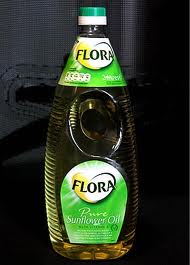
Sunflower oil – use less

  1. Saturated fats: increase bad cholesterol – found in meat, butter and animal products (ok to eat these in moderation as these foods provide some health benefits)
  2. Omega 6 PUFAs: corn, soybean, sunflower, safflower oil – generally we have too much of these, stopping the fabulous omega 3s from doing their job (see below)

GOOD TO USE:

  1. Mono Unsaturated Fatty Acids: olive oil, rapeseed oil (usually labelled Vegetable Oil), avocados, nuts & seeds. These decrease bad cholesterol. If you’re watching your weight, don’t go overboard with the oils as these have 125 kcal per tablespoon.
    Vegetable oil good (rapeseed oil)

    Vegetable oil good (rapeseed oil)

    2013-09-11 11.50.38

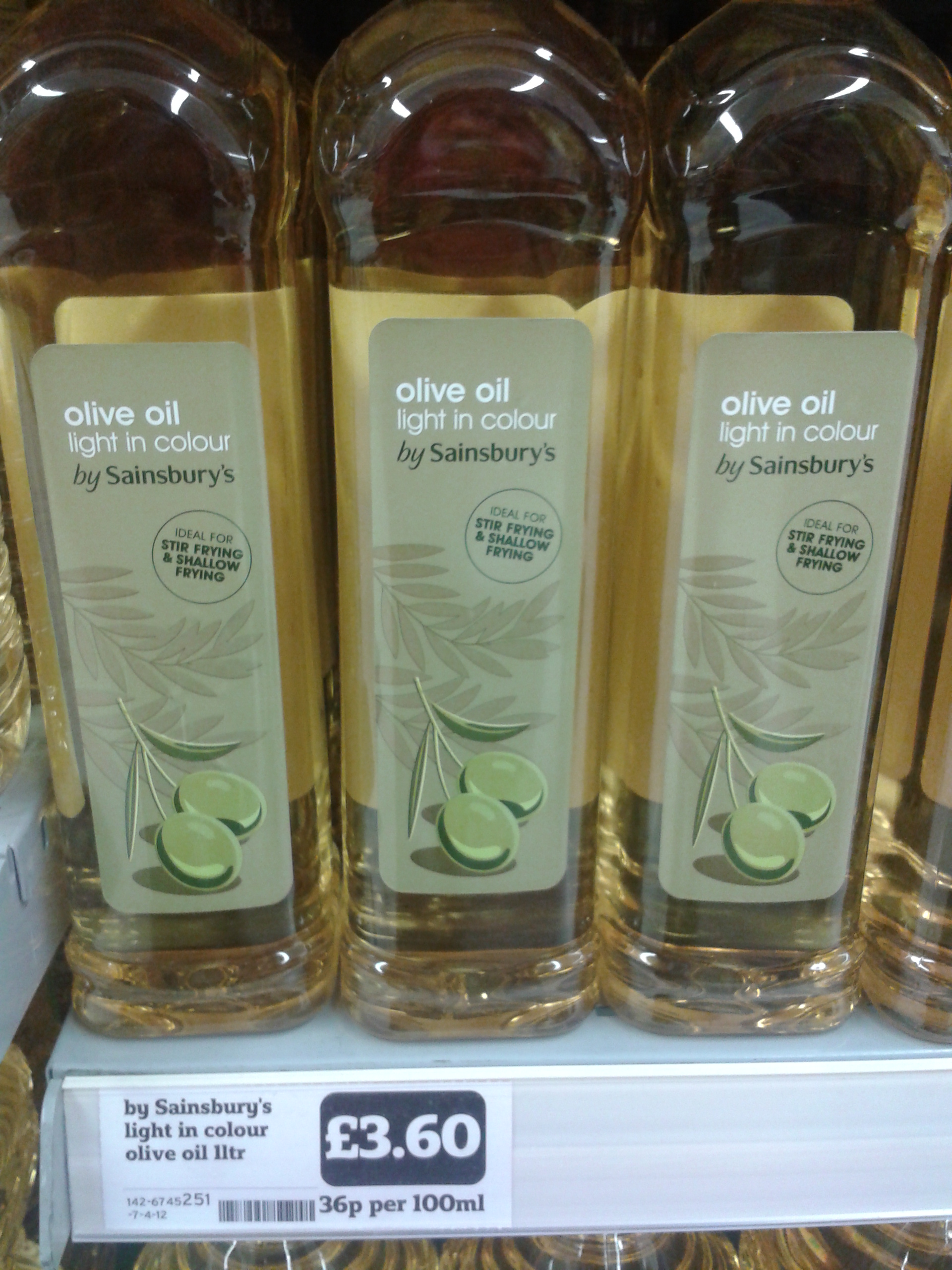
    Olive oil good

  2. Omega 3 Poly Unsaturated Fatty Acids: fish & fish oil supplements. Other sources: flaxseed/linseed, chia, hemp, walnut (the body cannot use these as well as the omega3 from the fish). Benefits for heart disease, diabetes, obesity, musculoskeletal pain, cholesterol (lowers bad cholesterol, raises good cholesterol), blood pressure, blood clotting, brain growth & development, inflammation conditions.

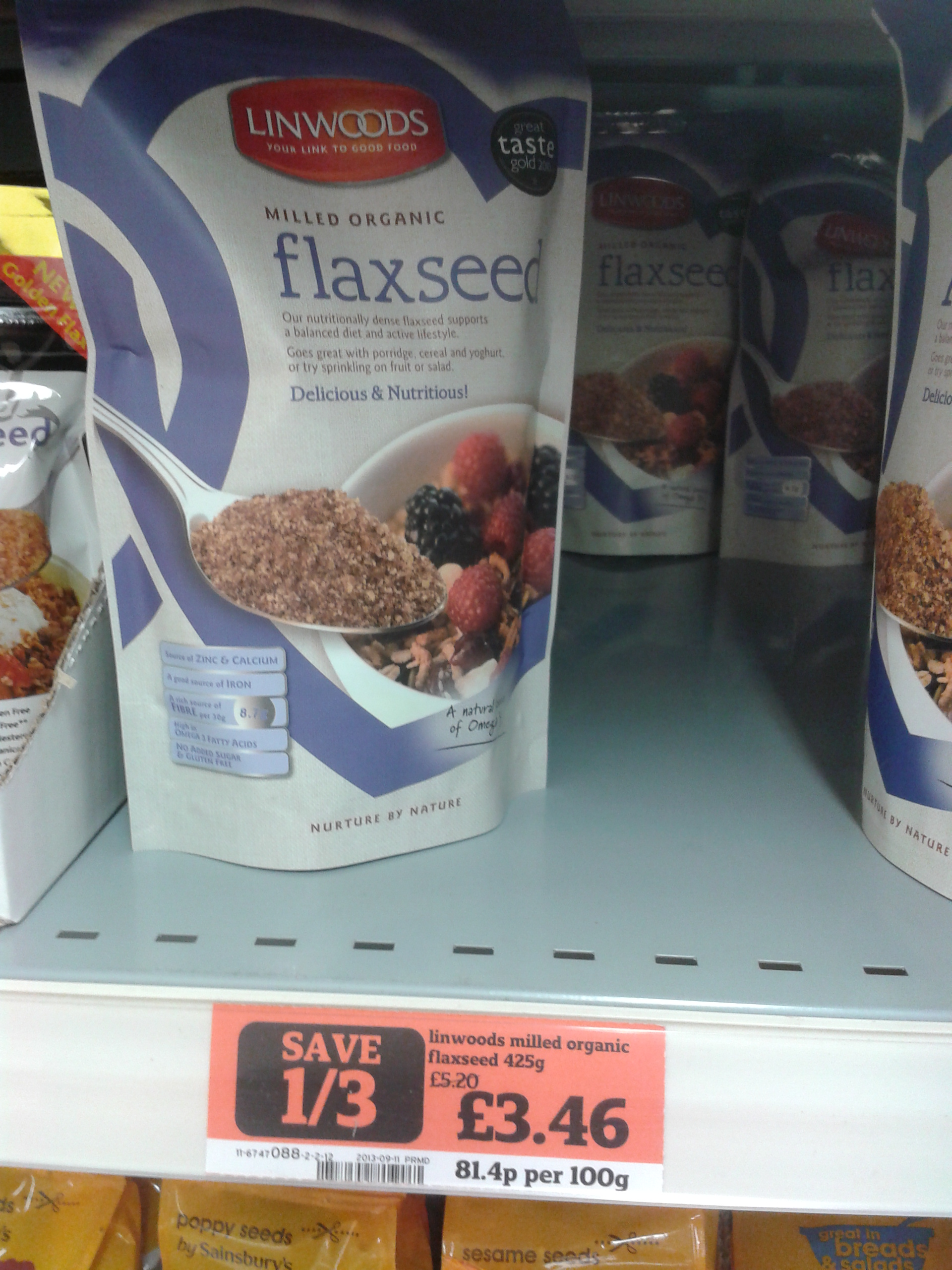
    Flaxseed

    Flaxseed

Salmon - omega 3 oils

Salmon – omega 3 oils

ADHD – management using Omega 3s

Attention Deficit Hyperactivity Disorder (ADHD) is a relatively common behavioural disorder estimated to affect up to 12% of children worldwide. ADHD can have a profound effect on a child’s life. British Medical Journal on effects of ADHD

Problems associated with ADHD: aggression, clumsiness, short attention span, hyperactivity, mood swings, non-compliance, sleep disturbances and temper tantrums.

  • Omega 3 and omega 6 fats are essential for brain function
  • Studies show that supplementing with these fatty acids can improve attention span and school performance (reading and spelling age)
  • Up to 558mg of EPA taken daily from supplements is most effective

Typically, children with ADHD are offered psycho stimulants, which have a calming effect e.g. Ritalin. Understandably, parents worry about medicating their children and many are open to using a non-drug intervention. Supplementation with right dosage of omega 3 fats could provide this solution. Further research is needed on whether these are most effective alone, or with the conventional medication.

How much should be given?

These provide the dosages found to be of benefit for children with ADHD. To be taken for at least 3-4 months. These can be bought in Boots, Equazen products can also be found in supermarkets and pharmacies.

15ml per day (3 teaspoons)

15ml per day (3 teaspoons) – 200ml £11.99

eyeq_chews_2

6 capsules per day – 180 capsules £22.69

10149717

10ml per day (2 teaspoons) – 200ml £4.33