Easy Peasy Healthy Ice-cream


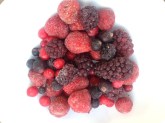
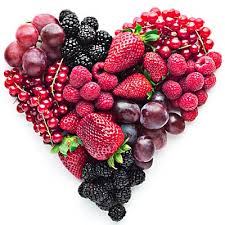
Like most of the recipes on this website, I use this one a lot, and it definitely lives up to the Fast Fit Food ethos. It uses 3 of the basic ingredients that I always have a stock of: natural yogurt, frozen berries and bananas. It is perfect as a pudding or as a snack, and it’s one of the recipes I give to my athletes for pre or post workout as it contains great amounts of protein and carbohydrates.

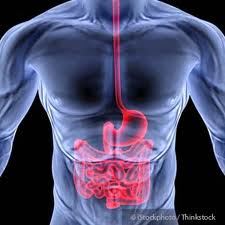
Benefits: yogurt provides good bacteria for the digestion as well as calcium and protein,   the berries and banana provides fibre; potassium and healthy carbohydrates from the bananas, antioxidants from the berries…..I could go on! 

I try to use nice ripe bananas – they are sweeter and easier to digest that greener ones. If you can buy yellow ones with brown specks, or allow them to ripen in the fruit bowl, then there is no need to add any extra sweetness e.g. from honey.

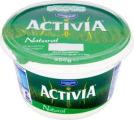
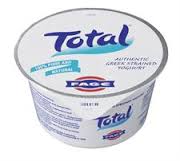
The type of natural yogurt you use is up to you: I usually use full fat for my kids as it gives a thicker creamier texture. If you are watching your weight, then use a low fat natural yogurt which usually Unknown-10276994has about half the calories. Contrary to popular belief, low fat natural (plain) yogurt does not have any added sugar or sweetness. If you are trying to increase protein in your diet, then go for Total which have twice the amount of protein as standard natural yogurts. Liberte has the advantage of having some fruit added, without too much sugar. All of them have the healthy bacteria!
If you are lactose intolerant, simply swap the natural yogurt for lactose free yogurt. Vegan? then go for soya or coconut yogurt.

Healthy, easy ‘ice-cream’images-3

Ingredients:

  • 500g pot of natural yogurt
  • 2 frozen ripe bananas (peel before freezing)
  • handful of frozen IMG_0905berries/any frozen fruit


Method:

  1. images-3Chuck the ingredients in to a blender and whizz up until smooth.
  2. To make more ice-creamy, you can put the mixture back in to the freezer for a few hours, then give it a good stir before serving.


 

One Pot Chicken Chorizo Jambalaya

Who likes mess and lots of washing up? Not me!

Who likes tasty food? Me!IMG_0881

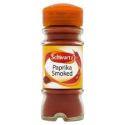
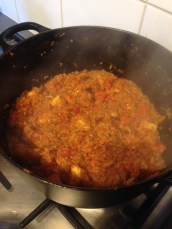
I love this meal because it has minimal faff and hassle: everything is chucked in to my lovely big Le Cruset pot that sits permanently on the stove. It has the perfect combination of carbohydrates from the rice, protein from the chicken and chorizo, with the tomatoes, onion, pepper and garlic providing super healthy phytonutrients. The original recipe used Cajun spice mix which in the words of my 3 year old is “a little bit spicy”, so I’ve adapted it to use smoked paprika, which provides a warming barbeque flavour. Unknown-1

For my wee people, I’ve renamed it ‘Barbeque Rice Treasure Hunt’. I know, I know. I don’t like pandering too much to this type of nonsense, but anything for an easier life. They’ve to find the chunks of chicken/chorizo in the rice. Also for a less stressful mealtime, I grate the onion as my eldest won’t eat chunks of the stuff. Sigh, raised eyebrow*

Did you know? One of the fabulous things about onion and garlic is that they are wonderful ‘foods’ for the healthy bacteria in your gut, helping to ensure they flourish. Healthy gut bacteria are very important for good digestion and your immune system.

Watching your weight or for extra nutrition oomph? Leave out the chorizo as it’s high in fat and usually has nitrates (not very healthy at all); add extra chicken, some prawns, extra vegetables, e.g grated carrot, red pepper, spinach, or another tin of tomatoes.


Ingredients:IMG_0895

  • 1 tbsp olive oil
  • 3 chicken breasts, diced
  • 1 onion, diced or grated
  • 1 red pepper, chopped in to cubes
  • 2 garlic cloves, crushed
  • 75g chorizo sausage, sliced
  • 1-2 tbsp smoked paprika or Cajun spice mix
  • 250g long grain rice
  • 400g can chopped tomatoes
  • 350ml chicken stock

Method:

  1. Heat the oil in a large frying pan or casserole dish with a lid. Brown the chicken for a few mins.
  2. Tip in the onion and cook for a few minutes until soft.
  3. Add the pepper, garlic, chorizo and smoked paprika. Cook for 5 mins more.
  4. Add the uncooked rice.
  5. Add the tomatoes and stock.
  6. Cover and simmer for 20-25 mins until the rice is tender. Add more chicken stock if it gets a bit too dry.

My favourite thing is when I let it ‘catch’ on the bottom of the saucepan, allowing it to crisp up a bit/caramelise.

Easy Cheesy Pasta Bake

On Friday, we had two of my children’s friends over to play after school. So with five little, but very hungry mouths to feed, I needed to produce something quick, easy and a lot
of it! When I suggested told my crew that they were having pasta bake, they were a bit “meh”, as I serve this up once a week. But our 7 year old and 4 year old guests were delighted (my children: take note of their beautiful manners) and everyone devoured second/third helpings. These simple things in life, like a stress free dinner and happy, full up children make me very happy!

Pasta Bake

This is a easy combo of pasta, sauce and tuna. Pasta is a fabulous source of energy for growing and hungry children; tuna for protein and cheese sauce for extra energy and calcium. I make the white sauce from scratch – but it is a very easy method that doesn’t involve making a roux (and the potential for lumps).

Here are 5 ways you can add extra health oomph:

  1. tinned salmon/poached fresh salmon/smoked salmon for healthy omega 3 fats – anti inflammatory, beneficial for brain, heart and eye health
  2. add in some vegetables e.g. sweetcorn, peas, steamed broccoli
  3. use a tomato sauce instead of the white sauce – lowers the fat and calorie
  4. gluten free pasta and flour – for those following a low FODMAP diet, or with gluten intolerance/coeliac disease
  5. high fibre pasta – most people don’t get enough fibre which is important for digestive health and is more filling than white pasta


Ingredients (serves 4-5)IMG_0864

  • 2 tablespoons butter
  • 3 tablespoons flour
  • about 500ml milk
  • about 250ml chicken or vegetable stock
  • handful of grated cheese
  • Pasta shapes, about 500g dried (a whole bag) – cooked
  • 2 tins of tuna, drained

Method:

  1. In a sauce pan, put the butter, flour and milk.
  2. Whisk so that the flour dissolves in to the milk
  3. Over a medium heat, allow this to heat so the butter melts. As the mixture heats up, make sure you keep mixing. It will thicken as it gets towards boiling point. Keep stirring. Stir, stir, stir. Turn the heat down as it thickens. Keep stirring.
  4. When it has thickened, add the stock and cheese.
  5. Add the tuna, and extra veg e.g. sweetcorn/peas etc.
  6. Put the cooked pasta in a dish and pour over the sauce
  7. Grate some bread to make bread crumbs, sprinkle over pasta
  8. Sprinkle on some grated cheese
  9. Grill for a few minutes to melt the cheese and make the breadcrumbs crispy. Watch carefully as it can burn quite quickly!

Chilli Con Carne

This chilli recipe works really well for the whole family. Fabulous for protein and iron from the beef mince, lycopene from tomatoes, vitamin C from red peppers, fibre in all the veg…..the list of health benefits could go on.

I’ll make it without the chilli powder for the kids and call it “Children’s Chilli”. It still images-3.jpegretains the chilli flavour with cumin and paprika but without the heat form the chilli powder. When they’ve been served up, I’ll add the chilli for the adults. It’s perfect with a variety of optional extras: rice, jacket potato, tacos, coleslaw, sour cream or grated cheese.

Watching your weight?

You can swap beef mince for turkey mince, cut right back on the rice (or skip the rice altogether) and images-2serve with coleslaw, salad or any other veg you fancy. Filling a few big iceberg lettuce leaves with the chilli and coleslaw is quite delicious. Aim to fill at least half your plate with veg/salad, and about 1/4-1/3 of the plate with the chilli.
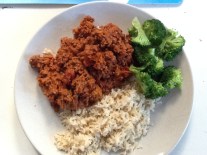
Ingredients:

  • 1 tablespoon oil
  • 1 large onion, diced
  • 1 red pepper, diced
  • 2 garlic cloves, peeled and crushed
  • 1 tsp chilli powder
  • 1 tsp paprika
  • 1 tsp ground cumin
  • 500g lean minced beefphoto-5
  • 1 beef stock cube in 300ml boiling water
  • 1 tin chopped tomatoes
  • 1 tsp sugar
  • 2 tbsp tomato purée
  • 1 tin red kidney beans, drained and rinsed
  • boiled rice or Tacos


  1. In a pan, heat the oil, add the onions and cook over a medium heat until soft
  2. Add the garlic, red pepper, chilli powder, paprika and cumin. Cook on low for a few minutes.
  3. Turn up the heat and add the minced beef, stirring and prodding for about 5 minutes to break up the mince.
  4. Pour in the beef stock
  5. Add the tinned tomatoes, kidney beans and sugar
  6. Squirt in the tomato purée and stir well.
  7. Simmer for 20 minutes, stirring to stop the chilli ‘catching on the bottom.
  8. Turn off the heat for 10 minutes to allow the flavours to develop and to cool down.


How to choose a healthy yogurt

Sainsbury’s sell about 400 different yogurts, with two aisles at my local one devoted to a  technicolor of the tubs, pots and bottles.Unknown-11

So what’s the difference between them all. How do you choose a good one? What is the Confuseddifference between plain and natural, Bio and live cultured, Greek and Greek Style, are low fat yogurts always loaded with sweeteners and thickeners, why does natural yogurt have sugar on the nutrition label? I’m an avid nutrition label reader (it’s part of my job), and I have to admit to being left confused and overwhelmed.

Yogurt is big business. In 2014, 80% of us bought it – that’s almost 42 million British stocking up on the (mostly) good stuff. 57% of British adults have yogurt as a dessert. Natural yogurts are the only variety that men are more likely to buy than women.

What makes yogurt ‘yogurt’??

Yogurt is made by fermenting milk with two very specific types of harmless bacteria Lactobacillus bulgaricus and Streptococcus thermopiles (these are the only 2 cultures required by law to be present in yogurt).

The bacteria that are added to milk convert the naturally occurring sugar in milk Unknown-2(lactose) into lactic acid, which causes the milk to thicken, giving yogurt its characterised consistency and tangy taste. People who have difficulty digesting lactose in milk are generally able to tolerate yogurt better: this is because some of the lactose in yogurt has been broken down by the harmless bacteria used to make the yogurt.

Extra bacterial cultures, such as Lactobacillus acidophilus, Lactobacillus casei, and Bifido-bacteria may be added to yogurt as probiotic cultures. These probiotic cultures benefit human health by improving lactose digestion, gastrointestinal function, and stimulating the immune system.

In the UK, yogurt is most commonly made from cows’ milk and can be made using full-fat or lower-fat milk. New variations are also available: soy, coconut, sheep’s, goat.

  • Plain/natural: yogurt at its simplest, with no additional ingredients. Just milk and the bacteria
  • Flavoured: with added sugar, honey, fruit juice, natural flavours, sweeteners, syrups, whole or puréed fruit and/or cereals.
  • Low-fat: contains no more than 3 grams of fat per 100 grams.
  • Fat-free: contains no more than 0.5 grams of fat per 100 grams.
  • Light: contains 30% less of a specific nutrient (for example, sugar or fat) compared to a range of similar products.
  • Greek yogurt (not Greek Style yogurt): genuine Greek yogurt is made by straining regular yogurt, removing the liquid whey and resulting in 2 to 3 times higher protein content.Unknown copy 7  Greek yogurt is available in full fat, reduced fat and 0% fat. Even the 0% fat Greek yogurt is much thicker than regular yogurt. Total by Fage is a popular one.
  • Live yogurts:  The majority of yogurts sold in the UK are ‘live’ yogurts – this means that they contain live bacteria, even if not stated on the label. Some yogurts have extra beneficial bacteria added e.g. Lactobacillus acidophilus, Lactobacillus casei, and Bifido-bacteria. To identify if there are these extra biocultures added, you need to look on the ingredients label (due to EU legislation a manufacturer can not claim on the front of the pot that it contains ‘probiotics’)
  • Calcium: Yogurt made from milk is one of the best absorbed dietary sources of calcium. Calcium is needed for the development and maintenance of healthy bones and teeth and is also important for blood clotting, wound healing and maintaining normal blood pressure. Most yogurts also contain varying amount of vitamins B6 and B12, riboflavin, potassium and magnesium.
This unsweetened natural yogurt has 6.5g of natural milk sugar (lactose)

This unsweetened natural yogurt has 6.5g of natural milk sugar (lactose)

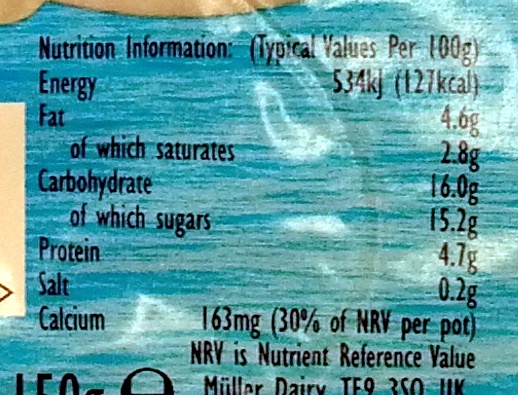
Sugar: This is where it can get confusing. Many people ask me about yogurts and sugar, or make the comment that all yogurts are high in sugar. Because yogurt is made from milk, it will contain some naturally occurring sugars (lactose), from 3g/100g to 7g/100g; the amount of lactose depends on how much of it the bacteria has turned in to lactic acid.  So although a plain/natural yogurt does not have added sugar, on the nutrition label you will read that there is sugar……confusing!

However, many manufacturers load their yogurts with sugar and very sweet fruit purees or juice. Unfortunately, the label does not differentiate between the naturally occurring lactose and this added sugar.

This yogurt has a 15.2g sugars. About 7g of this is naturally occurring milk sugar (lactose = good), the remainder is added sugar (not good)

This yogurt has a 15.2g sugars. About 7g of this is naturally occurring milk sugar (lactose = good), the remainder is about 2 teaspoons of added sugar (not good)

How to choose a healthy yogurt

Ideally, choose a plain/natural yogurt and if you  want flavour or sweetness, add your own e.g. fruit, puree, vanilla extract, jam, sugar or honey. That way, you have more control over the amount of added sugars. One teaspoon of honey, jam or sugar is approximately 5g of sugar.

If choosing a flavoured yogurt, look for one that has below 12g/100g of sugar. This generally indicates that there has been less than a teaspoon of sugar added.


Below is a comparison of just a few of the most popular yogurts in UK supermarkets. I’m a fan of the Total Greek Unknown-10yogurts, due to the high protein, low sugar and extra bacteria probiotic bacteria Unknown-6added (high protein yogurts have been shown to make you feel full up for longer and reduce appetite). I must give St Helen’s Goat yogurt a try, nutritionally I would award it second Unknown-9place, but I’ve never tasted it! Onken Naturally Set also has a great nutritional profile, although lower in protein than Total.

 

All amounts are per 100g (about half a cup)

Calories Sugars Protein Fat Extra Probiotic bacteria added
Sainsbury’s Greek Style 120 5 4 9
Yeo Valley Full Fat Plain 82 7 5 4 Lactobacillus acidophilus and Bifidobacterium
Onken Naturally Set 68 3 4 4 Lactobacillus acidophilus, Bifidobacterium
Yeo Valley Greek Style 150 14 3 8 Lactobacillus acidophilus Bifidobacterium
Total Full Fat 96 4 9 5 Lactobacillus Acidophilus, Bifidus and L. Casei
Total 0% 57 4 10 0 Lactobacillus Acidophilus, Bifidus and L. Casei
Danio flavoured 100 12 7 2
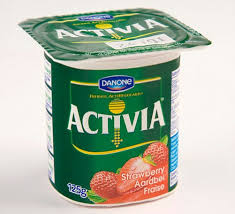
Activia Strawberry 99 13 4 3 Bifidobacterium Lactis (Bifidus ActiRegularis®)
Yeo Valley Fruity Favourites 107 13 5 4 Bifidobacterium, Lactobacillus Acidophilus
Alpro Soy Cherry 73 9 4 2
Muller Crunch Corner Choc & Vanilla balls 148 18 4 5
Co Yo (coconut yogurt) 183 1 3 19
Woodland Sheep Natural 92 5 5 6 Lactobacillus acidophilus


St Helens Goats Natural 105 3 6 7 Lactobacillus acidophilus Bifidobacterium

Children’s yogurts are a WHOLE new ball game which deserve a post all of their own……watch this space!

9 of the Healthiest Supermarket Ready Meals

Microwavable Ready Made Meals: the antithesis of healthy eating. In an ideal world we’d spend the morning tending our vegetable patch/chickens in the back yard, then the afternoon pootling about  in the kitchen performing alchemy with our produce.

Historically, ready meals have been relegated by chefs th-2.jpegand dietitians to the bottom of the culinary and nutrition pile. Little boxes of mush, hidden from view in cardboard boxes, often providing your full daily requirement for unhealthy fats, salt, and sugar.
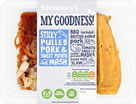
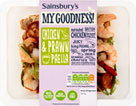
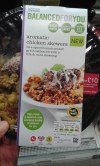
I took a detour down the ready made food aisle at my local Sainsbury’s the other day (that loon taking photos of the food was me). Things have changed. We appear to have had a quiet food revolution.

Aware of the growing market for health foods, supermarkets have used dieticians, nutritionists and chefs to develop a new generation of microwavable ready meals. Can you now ping yourself to health (on full power) in 3 minutes? Is a healthy microwavable meal a contradiction in terms? I’m prepared to eat my words and cautiously say, yes, maybe……

What to look for in a healthy ready meal:

  • you want to see what you are going to eat, so a clear container
  • an ingredients list that only has the names of actual food, like carrots, beans, chicken and rice. Not modified maize starch, stabilisers, di-, tri- and polyphosphates, citric acid, firming agents and maltodextrin
  • aim for 300-400kcal
  • how much veg can you see? Look for meals with about 1/3-1/2 colourful veggies
  • a good protein portion: 20-30g: the label on the back will tell you this, make sure you look per portion
  • Not too much carbohydrate – about 1/4 of the meal. Extra points for wholegrain rice, baby potatoes, quinoa, beans, lentils
  • Below about 1g salt per portion: Colour-coded nutritional information on the front  tells you at a glance if the food has high, medium or low (red means high, amber means medium, green means low)


Here are some of the best of the supermarkets’ own ranges:

306923270862Sainsbury’s My Goodness range: (£3.25, currently on offer £2.50) typically 300-400kcal per pack, plenty of lean protein, a lovely mix of colourful veg, with a controlled portion of carbs. Look for the ones with a green circle stating ‘high protein’.


M&S Balanced For You range: high protein, moderate carbohydrate meals. All meals provide slow release carbohydrate from various sources such as beans, puls20150617_084623es and vegetables. 20150617_084525

Miso Chicken Noodles; Aromatic CHicken Skewers; Spiced Cauliflower Rice and Chargrilled Tikka Chicken


Tesco Healthy Living: £2.00 Some of the Healthy Living range meals can be high in salt, lacking veg or a bit low on protein. Here are two of the better ones: Chicken Noodle Laksa, South Individual Indian Curry With Pilaf.

IDShot_225x225.jpg        IDShot_225x225-1.jpg


Waitrose Love Life range: (£3.30, currently 3 for 2) fresh ingredients, 300-400kcal, high in protein (typically 27g per pack), lots of veg.295655

Chicken Madeira; Green Thai Chicken Curry231596-1

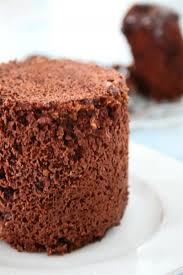
Seriously Healthy 1 minute muffin

UnknownHigh in healthy fats and protein, low carbs.
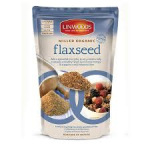
The main ingredient in these healthy muffins is ground flaxseed. Flaxseed is a source of healthy fat, antioxidants, and fiber; rich source of micronutrients, dietary fiber, as well as manganese, vitamin B1, and the essential fatty acid omega-3.

imageModern research has found evidence to suggest that flaxseed can also help lower the risk of diabetes, cancer, and heart disease. I regularly recommend it to patients especially for constipation.

Flaxseed can be bought in most of the big supermarkets or health food images-3shops (it is the same as ground linseeds – my Mum tells me they used to put linseed oil on horses tails to make them healthy and shiny)

Add a little bit of honey/maple syrup/agave nectar/sweetener/raisins if you like (they can be a little bland without any sweetness!)

Nutrition info: 320 kcal, 1g carbohydrate, 16g protein

  • 1/4 cup flaxseed
  • 1/2 teaspoon baking powder
  • 1 teaspoon cinnamon
  • 1 egg
  • 1 teaspoon light vegetable oil, such as olive oil
  • optional sweetener of choice (1/2 teaspoon sugar/honey etc)
  1. 
In a coffee mug, stir together 1/4 cup of flax meal, 1/2 teaspoon of baking powder, sugar/honey/sweetener if using and 1 teaspoon of cinnamon. Be sure to use a coffee mug, not a cup.
  2. Add 1 egg and 1 tsp. of oil to the dry ingredients and mix well.
  3. Microwave the mug for 45 to 60 seconds.
  4. Pop the muffin out of the mug and enjoy.

Eat on the run, or serve with a high protein yogurt and berries.

Unknown-10Unknown

Medical News Today article on Benefits of flaxseed