Chicken Curry in a Hurry

IMG_0320

Unknown

A quick, easy, healthy and tasty recipe for chicken curry.


When time and energy are in short supply, but you want a super healthy dinner, this is perfect. I usually knock this up in about 20 minutes (in-between refereeing bickering children and negotiating their homework)

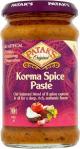
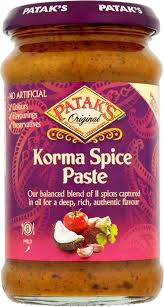
  • 4 ingredients: onion, tinned tomatoes, chicken breasts or roast a chicken and shred, Patak’s Korma Spice Paste
  • very quick and very easy
  • chocablock full of anti inflammatory nutrients (quecertin from onions, vitamin C and lycopene from tomatoes, and turmeric,  cumin, garlic in the spice paste)
  • High protein: from the chicken, excellent for your muscles and keeps you feeling full up
  • Not too spicy: my children will even eat it

What to do:

  1. chop up a large onion, fry on a medium heat in a tablespoon on vegetable or coconut oil for a few minutes until soft.Unknown
  2. add the 1 tablespoon of the spice paste (more if you like a stronger flavour)
  3. add the diced chicken breasts/chopped up roast chicken – coat in the spice paste, cook for a few minutes
  4. add the chopped tomatoes – allow about half a tin or carton per person
  5. simmer for about 20 minutes, longer if you prefer a drier sauce
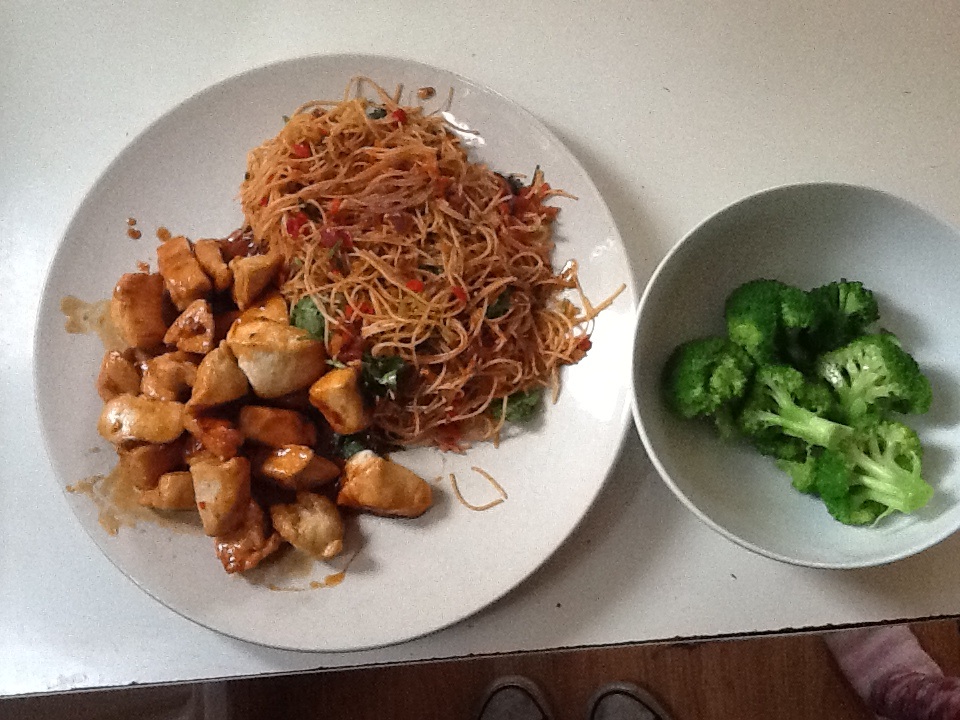
Serve with rice or in a jacket or sweet potato……lovely to soak up the juices 🙂

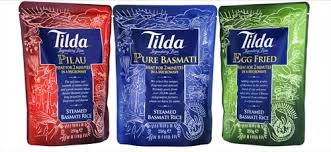
Short cuts for when you’re too knackered or just don’t have the time: use frozen chopped onions, ready cooked chicken and microwaveable pouches of riceUnknown-5

Unknown-4


To add some extra nutritional oomph:

  • coriander/spinach, stir in at the end. If you cook it for too long it wilts away to nothing. Lots of antioxidants and phytochemicals
  • tomato puree – for some concentrated lycopene
  • wholegrain rice – extra fibre, more filling and more slowly  than white rice so keeps the blood sugar levels steadier

The Surprising Protein Source we’ve forgotten about!

I know, I know, cottage cheese……… it’s not very cool and seems to have been relegated to the 80’s as a diet food, aerobics workouts, lycra leotards and Ryvita. For most of us it just doesn’t feature on theimages shopping list.

We could be missing out…..cottage cheese is, in fact, the perfect healthy protein source. Not only highly nutritious, it’s also relatively cheap (65p for a 300g pot in Lidl), and incredibly convenient. Stick a pot in your fridge and you can prepare a healthy snack or meal in minutes.

Nutrition Facts: low in carbs and loaded with proteins, cottage cheese is very filling and will keep your muscles in top condition. It is also high in micronutrients like calcium, vitamin B12, vitamin B2. 1 cup of cottage cheese has more protein than a scoop of protein powder, 4 eggs or chicken breast.images-2images-1

Whether you are a sitting at your desk all day and need to watch your weight, a 110kg rugby player needing to bulk up on muscle, or a 70 year old granny,  load it up on a piece of wholegrain toast, in jacket potato, or with some chopped tomato and avocado.

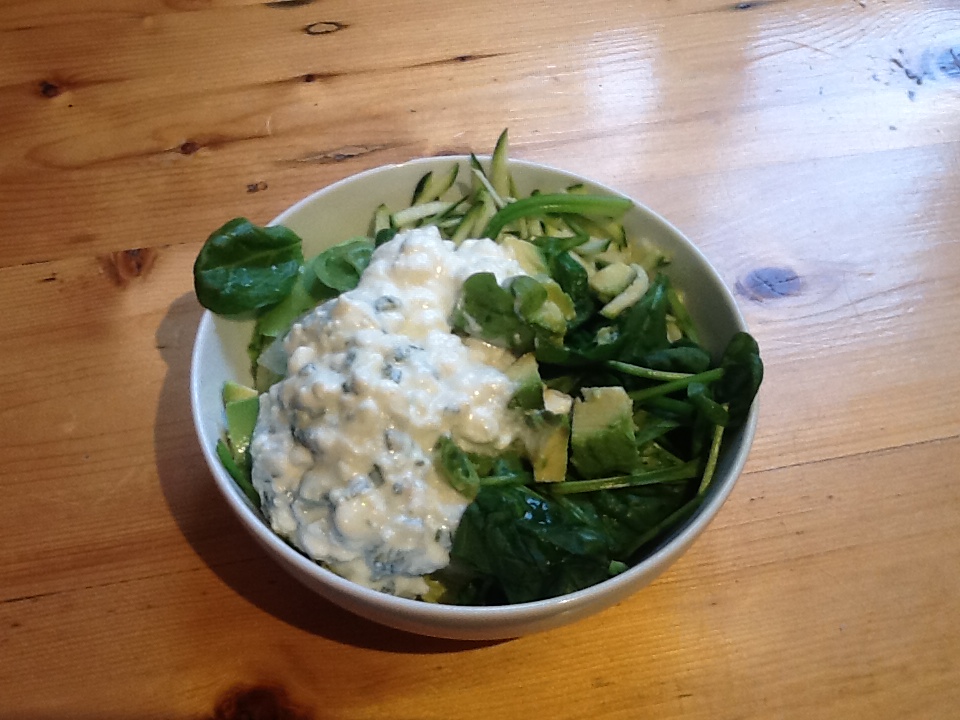
Easy lunch today: cottage cheese, avocado, spinach, lettuce and olive oil.

Easy lunch today: cottage cheese, avocado, spinach, lettuce and olive oil.


Here are some new ways to use it, especially good if you’re not keen on the texture.

High Protein Smoothie: (350kcal, 52g protein, 23g protein) a perfect quick breakfast, or as a snack if you are highly active or wanting to gain weight. Blend 200ml semi skimmed milk, 1/2 cup cottage cheese, 1 banana, 1 tablespoon honey

High Protein Pancakes (500kcal, 35g carbs, 40g protein):
1/2 cup cottage cheese
1/2 cup oats
3 eggs
Optional ingredients for extra oomph: cinnamon, cocoa powder, desiccated coconut, raisins
In a bowl or blender, whisk/mix all the ingredients together.
Fry in a non-stick pan with a little oil or butter on medium heat.

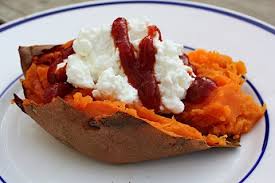
Sweet Potato with Curry Cottage Cheese (375kcal, 57g carbs, 22g protein, vitamin K, A and C)

Simply microwave a sweet potato for about 8 minutes. Open a small pot of cottage cheeseUnknown and mix in 1 teaspoon of Patak’s Korma Spice Paste (more if you like a stronger flavour). Load in to the potato and serve with something green, like spinach, broccoli or peas. The spice paste contains turmeric and cumin, both which have potent anti-inflammatory properties.

If you are lactose intolerant, too much cottage cheese can provoke all your tummy symptoms, so don’t have anymore than 2 tablespoons.


4 no effort meals

Most of my sports clients struggle to put the theory of macronutrients, calories, protein and carb grams in to practical day to day meals and snacks. Unless they have a special interest in nutrition, the last thing any player or athlete in training wants to do is to analyse food labels for carbs/protein/fat, or search for the hottest ‘superfood’ ingredient. Passing out on the sofa is mostly what is needed!

So here are four easy, no effort meals using food you can get from any supermarket. All are balanced for protein, carbohydrate and healthy fats, not forgetting important vitamins and minerals from veg. (Quantities depend on the individual, your S & C coach/nutritionist or I can help with that).

Meal 1

4002359642685_LMeatballs, tomato sauce, pasta, broccoli. Cook the meatballs in a frying pan with some olive oil until brown on the outside, add the Dolmio, simmer for 10 minutes. Cook pasta, broccoli: boil/steam in microwave. 600kcal meal: 6 meatballs in the sauce provides 30g protein, a mug of cooked pasta 50g carbohydrate.

0000001668452_L 0000001723526_L 0000001695977_L

Meal 2

Ready cooked rice, roasted chicken/grilled or stir fried chicken breasts, mixed veg, humous/chilli sauce to dip. Frozen veg can be defrosted/heated in the microwave or boiled in water for a few minutes.

5011157888224_L 0000001093438_L 0000001368420_L 5000197577571_L

Meal 3

Rice noodles, baby veg stir fried (add olive oil, soy sauce, ginger puree, garlic puree), chop up 1-2 salmon fillets add to stir fried veg. Salmon can be tinned/fresh/ready cooked.

already cooked, just add to stir fried veg

rice noodles – already cooked, just add to stir fried veg

ready cooked salmon

ready cooked salmon

0000001741032_L


8001830533012_L

Meal 4

1 or 2 jacket potatoes or tortilla wraps, tin of tuna, tablespoon mayonnaise/natural yogurt, 1 whole chopped up red pepper and 2 chopped spring onions mixed in.

5010228000145_L

Microwave in 5 minutes

Tuna wrap

Tuna mayo wraps with pepper & spring onion

5000171052926_L5000184321606_L

0000000001601_L

Just mix the tuna, chopped pepper, spring onion, mayo and natural yogurt together, and fill the potatoes/wraps.

5 ‘unhealthy’ foods you should eat

Whether you are trying to lose weight, increase energy, reduce cholesterol, control blood sugar levels, improve fertility or just ‘feel better’, here are five foods that you may have been avoiding unnecessarily:

Peanut Butter – Frowned upon as a guilty indulgence, peanut butter can bring you many health benefits. Keep portions sensible at about two tablespoons a day i.e. don’t attack the jar with a spoon!

  • low glycaemic index, helping to keep blood sugar levels from fluctuating
  • good fat – peanuts are high in heart healthy monounsaturated fat
  • protein from nuts are fabulous for helping to make you feel full up for longer and maintaining or building muscle mass
  • High in fibre for healthy digestion and appetite control
  • Have on a piece of wholemeal toast, on an oatcake, mixed in to some chunky oat porridge, or in homemade flapjacks

Eggs – these little powerhouses of nutrition have had bad press over the years due to the cholesterol levels. Research shows that the cholesterol in food is not absorbed well in to the body and does not affect levels of cholesterol in the blood.

  • Full of choline for brain development (essential for pregnant women!)
  • Curbs your appetite – people eating eggs for breakfast consume fewer calories throughout the day
  • High in protein – important for keeping your muscle, and helping to build more to stay lean
  • Easy and cheap – boiled, scrambled, dry fried, poached, microwaved in a minute………..they are so easy to incorporate

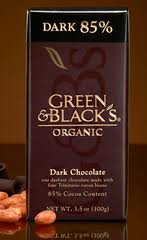
Dark chocolate – 80% cocoa chocolate may be an acquired taste, but it is worth it! A small amount will satisfy, as well as having numerous health benefits.images-4

  • low glycaemic index so keeps blood sugar levels steady (good for diabetics, overweight, PCOS, curbing cravings)
  • high in antioxidants which may be protective against cancer, heart disease and ageing
  • lower in caffeine than milk chocolate

Dairy – milk, cheese, yogurt all have health benefits. Unless you have a dairy allergy or intolerance, there really is no reason to remove from your diet.Unknown-13

  • controls appetite: dairy products are digested slowly therefore help you to feel full up for longerUnknown-7
  • a great source of amino acids – essential for maintaing and building muscle
  • calcium – essential for bone formation and muscle function
  • yogurt has probiotic bacteria which are essential for healthy gut function. Keep it natural to lower the sugar content……add your own fruit for some sweetness

Avocados – traditionally,  avocados were relegated to the ‘foods to avoid’ list due to the high fat and calorie content. In fact, eaten in moderation, they actually provide immense health benefits.

  • Healthy fats – lower cholesterol and reduce appetite
  • Avocado eaters more likely to have lower body weight, BMI and waist circumference
  • high in vitamins and fibre
  • rich in phytochemicals which may protect against cancer
  • the fat content helps the absorption of fat soluble vitamins (A, D, E & K) from vegetables
  • try half an avocado sliced on toast, mashed as a replacement for mayonnaise or butter, or whizzed up in a smoothie

As with most things in life, “everything in moderation”! Including these nutrient dense foods everyday as part of an all round healthy diet can help your body to function at it’s best.

Super Simple Smoothie

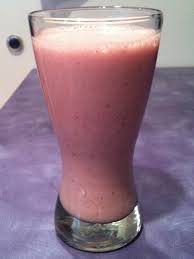
Here’s a super healthy smoothie using REAL food……a complete breakfast containing protein, antioxidants, calcium, vitamin C and soluble fibre. Nutritionally, this is an incredible combination of ingredients. It’s also an easy way to get fruit in to kids!

Unknown-2IDShot_90x90-2Shop bought smoothies tend to be very high in fruit juice, and therefore high sugar.

150ml milk (normal cow’s/Lactofree/almond/rice milk etc.)

1 tablespoons natural yogurt e.g. Total is high in protein

1 banana/handful of oats

Low fat, high protein yogurt

Low fat, high protein yogurt

handful frozen berries

dollop of honey

Whizz the lot up and serve!

Berry Banana Breakfast Bake

My breakfast recipes are constantly evolving. This is an amalgamation of the breakfast omelette and the Seriously Healthy Flapjacks. The eggs make it high protein and filling; oats for sustained energy, cholesterol lowering and fibre; the berries and banana give your fruit fix.

It’s fabulous cold (I’ve had 2 already this morning), straight from the fridge, especially good if you are on the go to work or with kids. Experiment with the fruit and sweetness…..you can add a tablespoon of honey or use cinnamon instead of coconut. My youngest daughter

A hit with the Little Man

A hit with the Little Man

can’t be in the same room as a banana, so I mash them and she doesn’t notice they are in there.

Beth likes, Evie declined

Beth likes, Evie declined

The recipe makes about 9, each has about 160kcal, 10g protein, 25g carbohydrate. Two would make a good breakfast, or one for a between meal snack.


I
ngredients:

1 cup oats

2 ripe bananas mashed or chopped

measuring cups

measuring cups – very handy!

1 cup berries (I use frozen, defrosted)

2 eggs

2 cups of milk/protein milkshake

1/4 cup desiccated coconut (optional)

Method:

In a casserole dish (mines about 9 inches square), spread the berries, coconut and chopped banana

Sprinkle over the oats.

Beat the eggs and milk/protein shake (if using mashed banana add it to this liquid)

Pour liquid into the casserole dish

Bake for approximately 45 minutes at 180C

Supplements in Sport – which ones work?

Unknown-1The use of supplements by athletes is almost universal, and used correctly and appropriately, can help to achieve optimum performance.

However, clever marketing by supplement companies often exaggerates or invents nutrition claims. The use of pseudo science is common, using seemingly impressive words and phrases.

Unfortunately, many professional and recreational athletes rely on information from unreliable websites, or are advised by unqualified and inexperienced nutritionists (there are some fabulous nutritionists out there, however, anyone can call themselves a nutritionist as it is an unregulated title). Without the correct training, it is easy to misinterpret and misquote published scientific evidence and come to the wrong conclusions.

It is common for athletes to be motivated by celebrity endorsements, a big selling point for a product, “If x uses it it then it must work!”. Additionally, there is the fear that colleagues or competitors are taking a supplement, and if they do not, then they will be losing out on having ‘the edge’.

All this results in money being wasted on products that simply do not work, and at worst can cause physical harm. Importantly, supplements are a distraction from the factors that can really enhance health, recovery and performance.

It may not seem exciting or cutting edge, but the sound foundations of good nutrition need to be

Balanced meals with protein, vegetables and whole grains

Real food with protein, vegetables, healthy fats and whole grains

firmly in place (focusing on real food and getting quality nutrients from carbs, protein and healthy fats). These, coupled with optimum timings of nutrient intake is the basis for ultimately achieving the best performance in training and competition.

There are a select few supplements, however, that have a good amount of evidence behind their effectiveness:

  • Recovery shakes – Carbohydrate & Protein powders for use after exercise. Carbs allow glycogen replenishment of the muscles and help to shuttle protein in to the muscle for repair and growth. Although carbs and protein can be sourced from food or milk, sometimes it is more convenient to take as a supplement (20-30g protein, approx 60-90g carbs). For higher protein needs of resistance training, whey protein is quickly absorbed and can be a more convenient and often cheaper way to achieve requirements than from solely high protein food (up to a total of 1.7g/kg/day of protein from food and supplements)
  • Caffeine – Sound evidence exists that caffeine enhances endurance and provides a small but worthwhile enhancement of performance over a range of exercise protocols. Caffeine also improves mental sharpness. Avoid if it gives you the jitters, and for many people it acts as a gut stimulant causing diarrhoea (70-200mg taken before and during exercise. A cup of instant coffee has approx 70mg, one ProPlus tablet 50mg)
  • Creatine – for about 80% of people, creatine can increase muscle mass, strength and high intensity exercise performance. Effective for sports involving short periods of maximal intensity and repeated bouts with intermittent rest periods. The quickest way to “creatine load” is to take large doses (20-30 g per day) for around 5-7 days. Typically, these doses are split over the day e.g. 5g, four to five times each day. Eating a large amount of carbohydrate (about 70-100 g) with each dose increases creatine uptake via the stimulatory effects of insulin.
  • Nitrates –  Dietary nitrate has become increasingly popular as an ergogeimages-3nic aid, with a $T2eC16dHJGoFFvPOJJ3UBR0ZfTsjj!~~60_35number of recent studies finding benefits to sports performance. Nitrates increase blood flow by causing blood vessels to dilate. High nitrate foods include beetroot, beetroot juice, celery, spinach, lettuce, rocket, leeks and parsley (preferably non-organic).
  • Vitamin D – there is a direct relationship between vitamin D levels in the body and muscle power, force and velocity. Vitamin D deficiency increases risk of muscle injury. In a recent study (2014) one third of American college athletes were deficient in vitamin D. There aren’t many good food sources of vitamin D, therefore for those who are deficient, supplementing with 1000IU is advisable. Severely deficiencies may require higher doses.

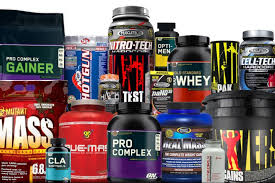
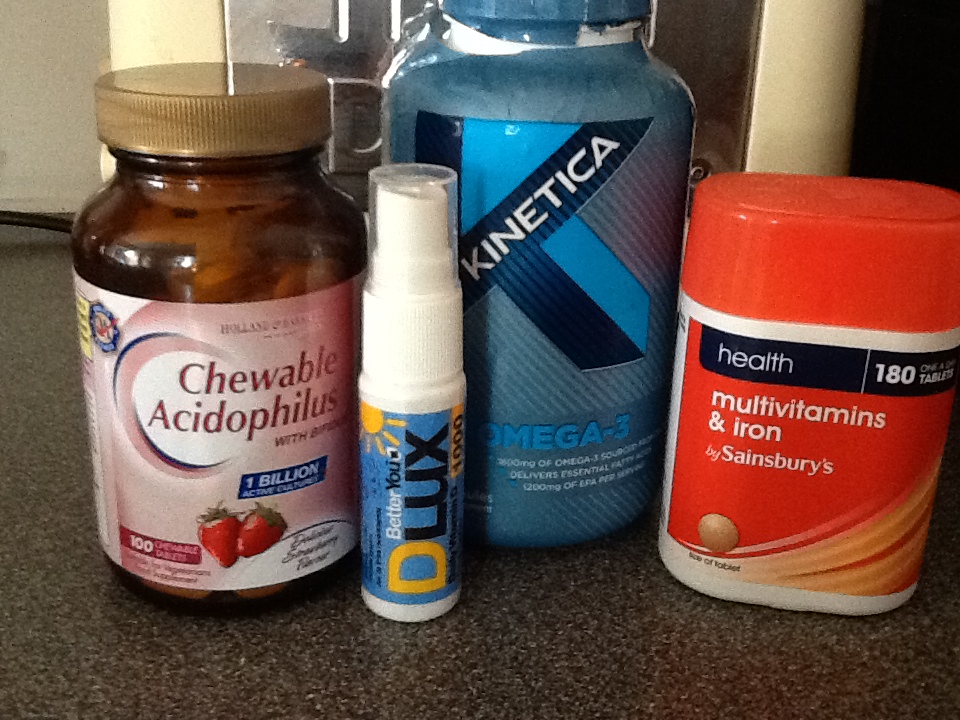
    A selection of supplements.......

    A selection of supplements…….

  • Omega 3s – anti-inflammatory, also protects against heart attacks and strokes, may also benefit memory and general mental performance. If no oily fish is eaten, then 500-1000mg daily of EPA & DHA is a good amount to take.
  • Probiotics – maintains gut function and health, preventing the immunosuppressive effects of intense exercise, and reducing susceptibility to illness. Also appropriate to take if travelling abroad for competition to avoid traveller’s diarrhoea. The specific strain of probiotic supplement needs to be carefully selected.
  • Multivitamins – when you can’t guarantee that your diet is always a healthy and balanced one.

A dietitian can carry out an assessment and advise on the most appropriate supplements to take (if any), dose and timings*. Advice is tailored to take in to account factors such as specific sport, training goals and food intake.

*Dietitians do not sell nutritional supplements and do not have a commercial interest in promoting them.