10 top foods for recovery

You may feel that you have worked out to the max during your sessions burning 100s of calories, so does it really matter if you have some crisps, chocolate, a danish pastry or chips? Time and time again, research shows that the answer is “yes”. Replacing calories isn’t the only objective of recovery.

Between each workout, game or race the body needs to adapt to the physiological stress that has just been applied, so that it can recover and become fitter, stronger and faster. Whether you are a triathlete, a gym addict, or your child is playing in a weekend rugby tournament, optimum recovery nutrition can help you to perform better in the short and long term.

There are many ‘recovery drinks’ and powders marketed for refuelling after exercise. While

Real Food

Real Food

these have their place, they are not necessarily the best option. It can be argued that real food is the best fuel for recovery, providing everything that a recovery drink can, as well as all the vitamins, minerals, antioxidants, phytochemicals etc that simply cannot be bottled or made in to a powder.

What’s happening during recovery?

  • refuelling of muscle and carbohydrate stores
  • replacing fluids and electrolytes lost in sweat
  • manufacturing new muscle protein and blood cells
  • allowing immune system to manage damage caused by exercise


What are the recovery ‘rules’?

  • multiple daily exercise sessions – if less than 24 hours until next session e.g. professional athletes, weekend rugby tournament, compulsive gym exercisers: recovery nutrition after your session ASAP, ideally within an hour. If next session starts within an hour, recovery drinks or anything low fibre and low fat to help with faster digestion (lasagne not a good option!)
  • more than 24 hours between exercise sessions – generally no need to eat soon after exercise, try to have your next usual meal. consisting of some protein and carbohydrate. If trying to gain muscle, then you can add a recovery snack to fuel this catabolic process. If trying to lose weight and hungry after training, be careful not to increase overall daily calorie intake. Have something light to eat e.g. yogurt.


Why carbs & protein are important

Immediately post exercise, good recovery nutrition will consist of protein & carbohydrate. Aim for 1g carbohydrate per kg of body weight, and approximately 25g protein (a chicken breast is about 25-30g, a mug full of rice is about 70g carbohydrate). Unfortunately, eating lots of extra protein does not make bigger muscles.

Carbs and protein work together: carbs help to shuttle protein in to the muscles, and protein helps to stimulate faster muscle glycogen replacement. Low fat helps the food to be absorbed more quickly, as does low fibre (so don’t be too concerned about choosing ‘healthy’ whole grain carbs like whole wheat bread). Fruit & veg can be included in the next meal to provide antioxidants.

If you don’t feel like eating food or don’t have the time or facilities, then recovery drinks or shop bought milkshakes can be useful. Here is a more in-depth look at some of the most popular commercial recovery drinks. If you are trying to lose weight, then watch the calories……..don’t increase overall calories through the day.


10 snack foods for fast recovery:

330ml Milkshake – e.g. Yazoo, Frijj, For Goodness Shakes

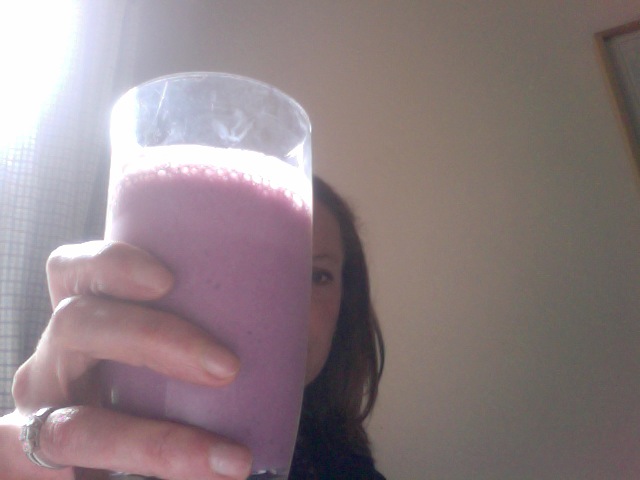
Homemade recovery smoothie

Post exercise shakes have their place, but watch the extra calories!Large skinny latte & handful of nuts

Unknown-12

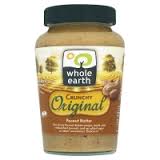
Bagel with peanut butter

Milk: perfect recovery protein & carbs

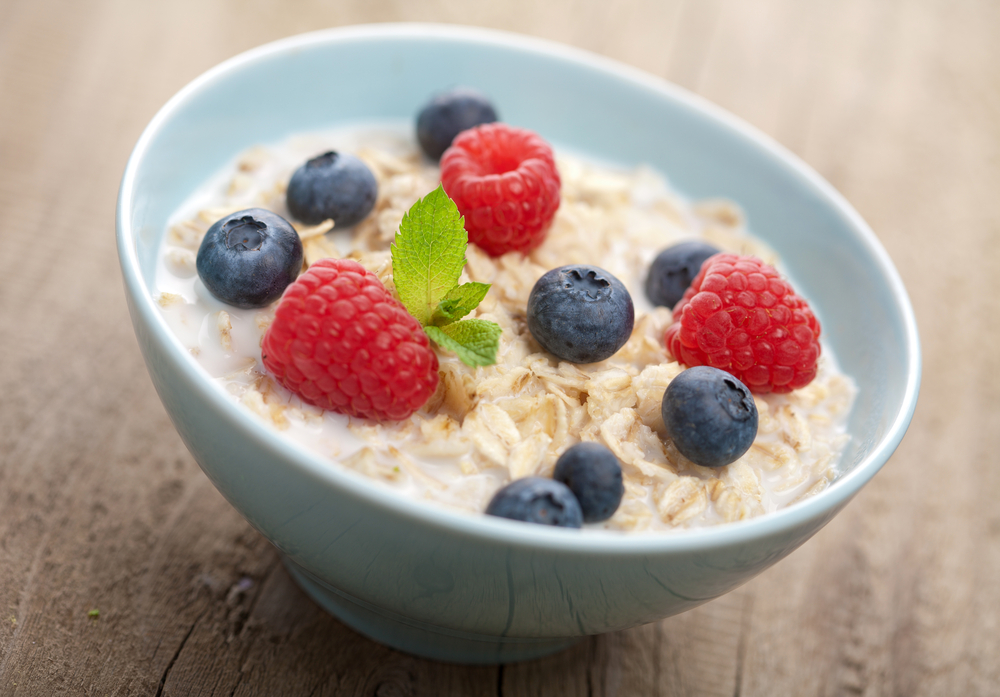
Breakfast cereal with milk e.g Cornflakes, Rice Krispies, Cheerios

2 Eggs on 2 white toast

Sandwich/roll/wrap/pitta: filled with chicken, fish or eggs

Jacket potato with cottage cheese/tin of tuna/Baked Beans

Banana or yogurt

Yogurt & Banana

Homemade Seriously Healthy Flapjacks

6 tips for portion control

I have written a lot about the types of foods to include for improving health and well being, but if you are watching your weight, how much you eat can be just as important as what you eat. Even if you have eat the healthiest foods ever, over do portion sizes, and you may see this in an inability to lose weight, and even weight gain. Below is a diagram of ideal proportions, but this could be a tiny or a massive plate!

Ideal proportions, but how much is a 'portion'?

Ideal proportions, but how much is a ‘portion’?

So what does a portion actually look like?

Fish or meat: size of the palm of your hand, or about 5-6 meatballs

pasta, rice, potato: a clenched fist

bread: one slice

cheese: a small matchbox

vegetables: about a cup

nuts: a small handful, or about 8 almonds

Some foods come ready prepared in their portion size eg. 2 eggs, a banana, an apple, or 2 satsumas

6 tips for portion control:

  1. Don’t cook more than you need of carbohydrate and protein foods. Even if you have been controlled with your first portion, if there are leftovers, you will be tempted by seconds. By all means, cook extra vegetables. If you are still hungry, have more veg!

    image

    Cook lots of veg!

  2. Use whole grain carbohydrates eg. brown rice, oats, whole meal pasta – these are higher in fibre which should help you to feel full up for longer, so you will feel more satisfied with a smaller portion. They also keep your blood sugar levels steady, so a) preventing cravings for sugary snacks later on, and b) blunting insulin release (insulin promotes fat storage).
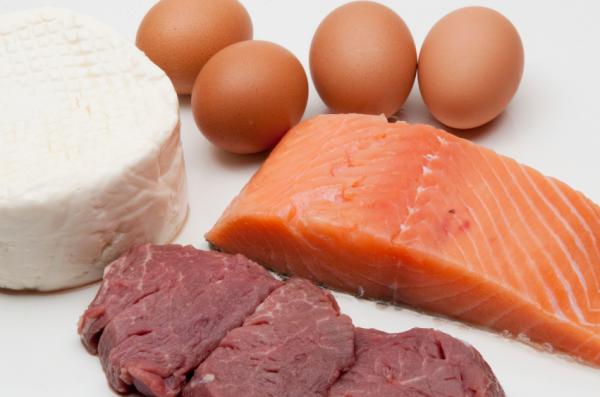
  3. Make sure that you have a portion of protein with each meal eg. tuna, chicken, salmon, beef, eggs, lentils – protein induces a feeling of fullness, so making you less likely to feel the need to snack later on. Your body also uses up more energy processing protein foods.

    Protein with each meal

    Protein with each meal

  4. Use a smaller plate – this will make the amount of food you are having appear to be more
  5. Don’t eat straight out of a carton or packet – this makes it almost impossible to keep to one portion. Take a handful of nuts from a bag and then put the bag out of sight.
  6. Focus on what you are eating – try not to eat in front of your computer or television. This can result in you unconsciously eating more than you intend to.

For those without weight worries, or with high calorie needs, you can stick to the same principles of proportions (1/4 carbs, 1/4 protein, 1/2 veg) but in larger portions sizes…..

For high calorie needs, bigger portions.

For high calorie needs, bigger portions.

10 Meals for Kids

You know how it goes, in the morning you think to yourself, “What will I give them for their tea tonight”, but ignore the situation because you’ve all day to come up with some inspiration. Before you know it, it’s 2 o’clock, the school run is in an hour, and you’ve got to get to the shops before you pick them up.

So I’m darting through Sainsbury’s mentally checking off the daily things we need……milk, fruit, veg, oats, bread etc. But what for dinner?? If I was a proper mother I would have a meal plan for the week, and order everything on line for a scheduled home delivery. It think that’s what a successful mum does? I KNOW that I should, but I just can. not. do. it.

What you feed your family doesn’t have to be exotic or exciting. I think that we convince ourselves that to be a good parent, we’ve got to produce amazing meals ‘designed’ by celebrity chefs.

You know what? I don’t have the time or the energy to play ‘hunt the ingredient’ from the imagelocal Thai supermarket, and certainly don’t have the funds to make Wholefoods my local. Chia seeds are all very well, but excruciatingly expensive (£20/kg), and wholegrain rice is almost as nutritious (£1/kg). The scientific evidence shows, that what you feed your children has a fundamental effect on their development and health. However, I can achieve this from my local supermarket, with a shopping list that I won’t have to remortgage the house for.

As long as you use the basic equation of carbohydrate, protein and veg for a meal, you can’t go far wrong. If you can tick the boxes for wholegrain carbs, calcium, iron and omega 3s you’re doing a stirling job.

Here’s my list of the meals that I give my children (9, 6 and 3). All three of them have their own quirks and ‘challenges’ when it comes to mealtimes and food preferences. I pretty much ignore them, the less drama the better (that’s a whole other post!)

Carbohydrates: Pasta, rice, potatoes, fajita wraps, breadimage

Protein: chicken, beef mince, cheese, eggs, fish fingers, sausages, lentils, baked beans, turkey

Veg: carrots, peppers, onions, peas, broccoli, baked beans. I also use my basic tomato sauce/soup recipe about 3 times a week for bolognaise, in shepherds pie and with meatballs.

  • meatballs & pasta
  • spaghetti bolognaise

    Meatballs

    Meatballs

  • shepherd’s pie
  • fish fingers, mash potato, carrots
  • sausages, jacket potato, baked beans
  • jacket potato, beans, cheese
  • jacket potato, tuna & sweetcorn mayo, red pepper slices
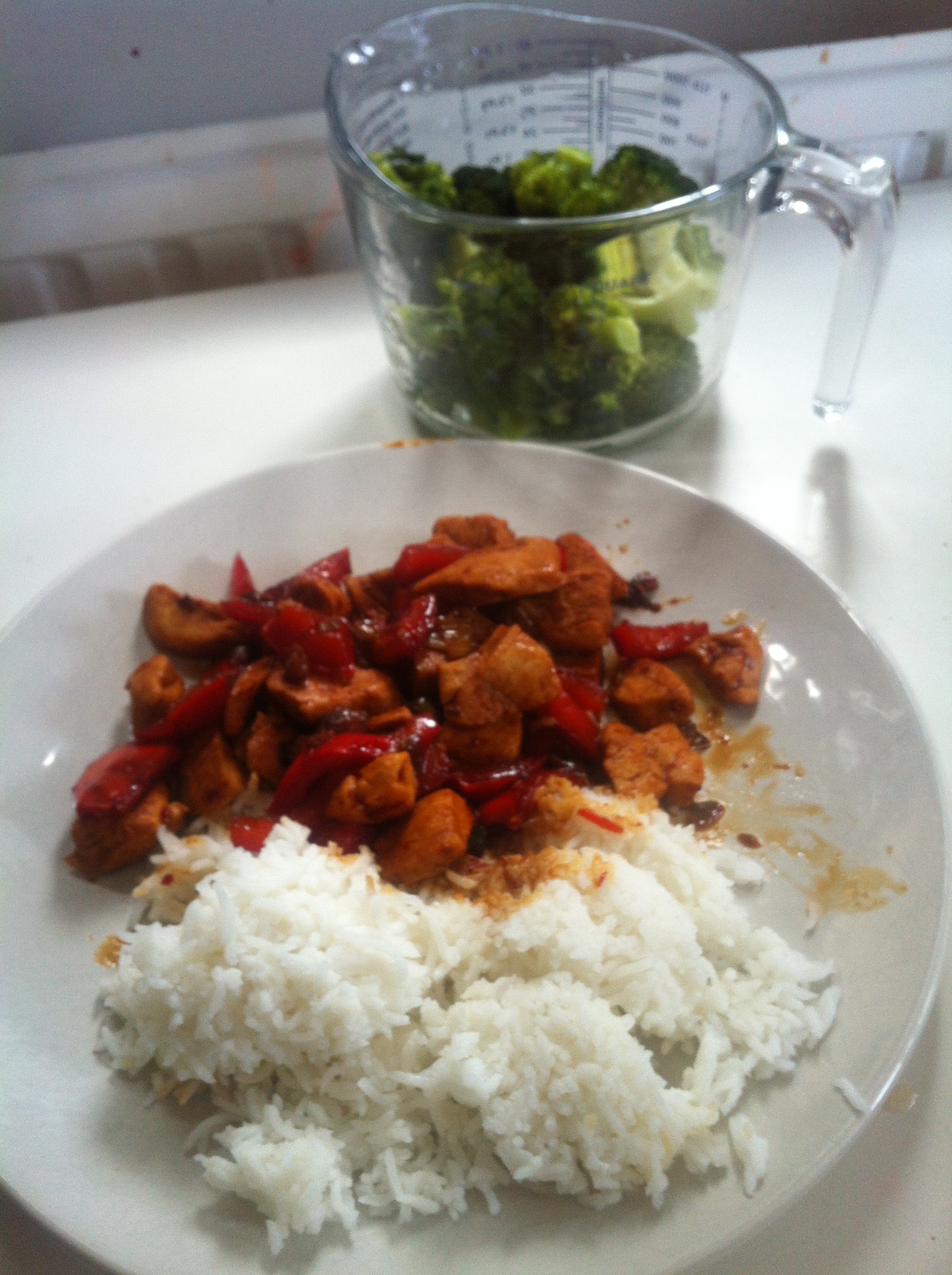
  • rice, broccoli, chicken (slow cooked), gravy
  • Pasta & sausage bake: pasta, tomato sauce, chopped up sausages
  • Chicken Fajitas – chicken breasts, onion, red peppers, fajita mix and wraps

Sometimes I will literally throw together anything from the basic equation of carbs, protein and veg, eg. left over rice from the fridge, a tin of baked beans and grated cheese (I was a little surprised that they ate this quite happily, they must have been VERY hungry!) If ‘incentives’ are required for making a good effort to eat the meal, stickers may be offered. If one of them claims to be full up when I know that they probably aren’t, I just say, “oh well, you’ll have no room for custard then.” That usually does the trick (that or a little dollop of tomato ketchup).

If I’m feeling like Top Mom, we’ll chat about how runner beans make you run fast, carrots help you to see in the dark, and cheese gives you strong bones and healthy teeth for tBVeKHQ8IIAA8KIg.jpg-thumbhe tooth fairy. And the Incredible Hulk just LOVES broccoli, don’t you know? I never make them clear their plate, I’m happy if they have made a decent effort, and aren’t messing about at the table.
Pudding is usually natural yogurt or custard with stewed apple/frozen berries, or frozen
banana whizzed up in the blender with yogurt.

I’m not saying this will work for every family and child. It is what works for me, and hopefully for them.

Healthy Snacks – eat more!

Research shows that people who eat healthy snacks between meals consume fewer calories overall. This may be because they prevent themselves becoming ravenously hungry, therefore are less likely to overeat. When you feel like you are starving, you are also more likely to go for the unhealthy stuff.

Choosing snacks wisely helps you to nourish your body, maintain concentration, mood & energy levels, keep your metabolic rate up, and eliminate sugar cravings. The key is to be prepared. Have the ingredients in your cupboard or fridge, and if you are out and about, whether at work, shopping or at the park, prepare before hand and bring with you! Don’t be caught out with nothing but chocolate bars, sweets and crisps to choose from at the corner shop.

Here are some top snacks. The ideal combination is some carbs, protein and healthy fats. These are also good for post workout recovery:

  • Apple & handful almond, not a whole bag2013-04-01-15-58-55
  • 2 Rice cakes with hummus
  • High protein fruit yoghurt eg. Danio (Danone), Total (Fage)

    Homemade Cocoa Bars

    Homemade Cocoa Bars

  • Hummus with carrot sticks
  • Skinny latte
  • ½ wholemeal pitta with ham and tomato
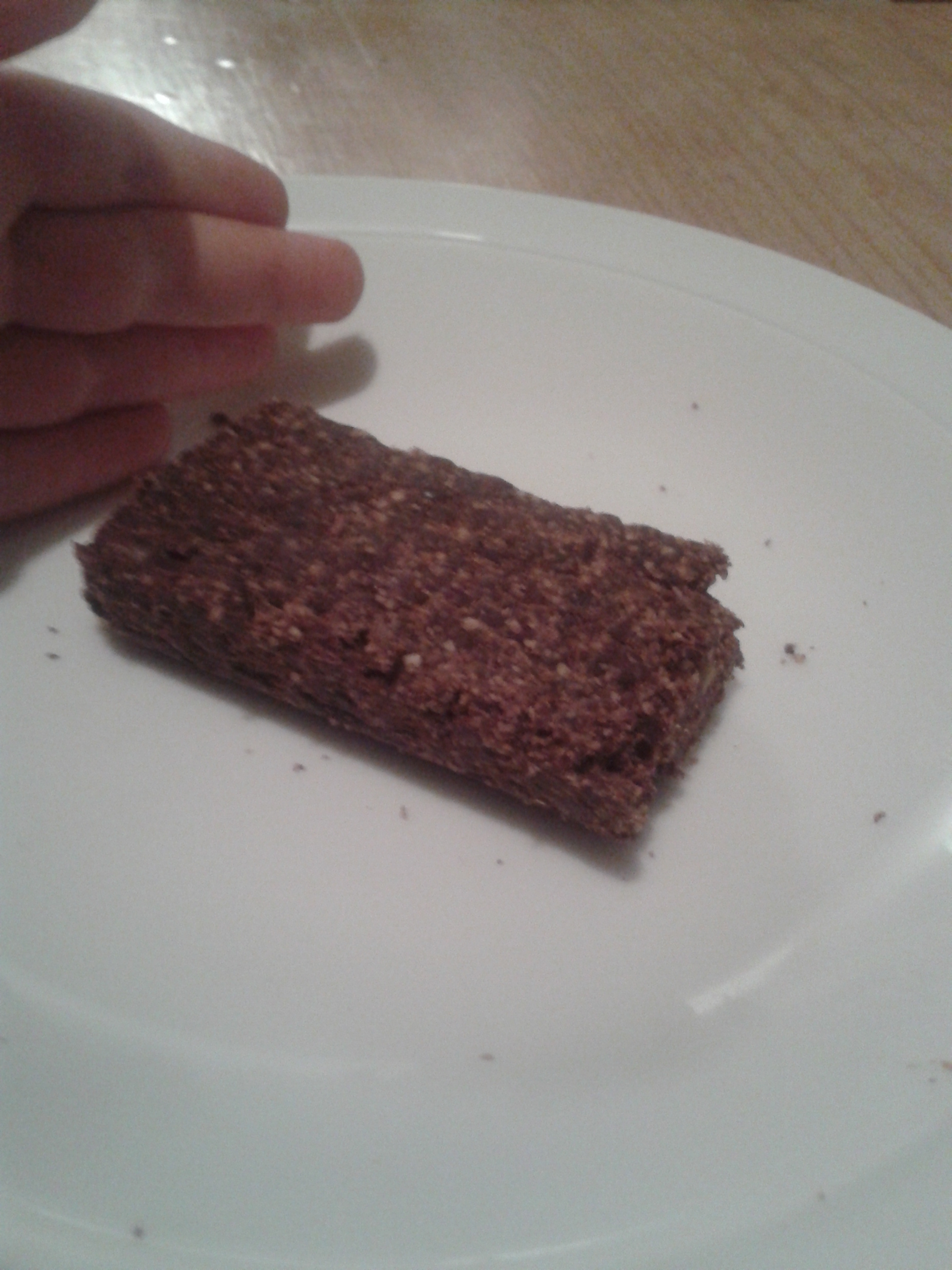
  • Homemade cocoa bar
  • small bar of chocolate e.g. Green & Black and cup of milky coffee
  • 4 apricots, spread with peanut butter, dunked in to toasted pumpkin seeds
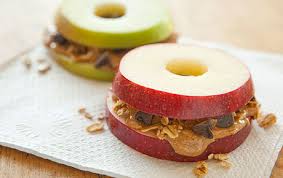
  • slices of apple spread with low fat cream cheese/peanut butter & raisinsimages-3
  • piece of fruit with cheese strings
  • Homemade Seriously Healthy Flapjack

Cate’s Burgers – a London Irish supporter’s recipe

Following the 2013 London Double Header, Cate said, “My son, a LI season ticket holder and at Twickenham on Saturday, is still getting over the result. He started to perk up after home made burgers tonight though! I make a v good burger apparently – for a vegetarian!”

Each burger (no bun) provides: 350kcal, 25g protein, 20g fat.

Change beef mince for lean beef mince and reduce the fat to 12g and calories to 230kcal! Grill, don’t fry.

Serve with Happy Carrot Salad or Superfood Salad (not a lettuce leaf in sight!), to make an ultra nutritious meal.

Here’s the recipe:

Ingredients

  • 1 small onion, finely chopped
  • 2 garlic cloves, finely chopped
  • 6 small cornichons or 1 large pickled gherkin, finely chopped
  • 500g/1lb 2oz minced beef
  • large bunch flat leaf parsley, chopped
  • 1 large lemon, grated zest only
  • salt and freshly ground black pepper

Method

  1. Combine all the ingredients in a large bowl and mix until well blended.
  2. Shape the mixture into 4 burgers and chill until ready to cook.

Thank you Cate!

Recovery Nutrition – supplement drinks

Post-exercise nutrition can improve the quality and the rate of recovery after a bout of serious exercise, such as a one hour swimming, a weight training session, or a longer run. Post workout nutrition for recovery is also important if you will be exercising within 8 hours of your last session.

Recovery – the essentials

Research has shown that nutrition ingested right after training, and up to two hours later can drastically improve one’s recovery time. Ideally, this should be a meal consisting of protein, carbohydrate and fruit/veg, or for convenience a recovery drink followed by a meal as soon as possible.

Recovery drinks are convenient, easy, portable and good if you have a poor appetite after training. Not only can they replace carbohydrate and protein, but also fluid.

Ideally, a drink should contain at least 50g carbohydrate and 15-25g protein. More protein does not equate to more muscles or better recovery.

Most commercial supplements have additional amino acids such as glutamine, Branch Chained Amino Acids eg. leucine. The evidence for BCAAs and/or glutamine supplements for muscle formation and enhanced athletic performance is controversial with conflicting evidence from studies.

WARNING: if you are trying to lose weight or body fat, be careful with increasing your overall daily calorie intake with shakes. Adding extra calories to your daily intake, even if from protein, will not help.

Here is a comparison of some of the most popular recovery shakes and a homemade version:

  Calories (kcal) Carbohydrate (g) Protein (g) Cost
Aim   >50 15-25  
Homemade 350 57 22 50p
Maxifuel Recovermax 290 55 14.5 £3
MyProtein Recovery Evo 295 49 23 £1.50
Kinetica 100% Recovery 267 41 25 £3
For Goodness Shakes 275 52 17.5 £2

You can easily make your own recovery shake in seconds. Here’s

make your own

Make your own

the recipe. It won’t break the bank, has optimal amounts of protein and carbs, as well as fresh fruit for the antioxidants. And it tastes really, really good.

Recovery – nutrition essentials for better performance

Between each workout, game or race the body needs to adapt to the physiological stress that has just been applied, so that it can recover and become fitter, stronger and faster. This can be challenging when an athlete has two or more session each day, for prolonged training periods and for multiple event sports.

What’s happening during recovery?

  • refuelling of muscle and carbohydrate stores
  • replacing fluids and electrolytes lost in sweat
  • manufacturing new muscle protein and blood cells
  • allowing immune system to manage damage caused by exercise

Nutritional management of recovery:

  1. Replace muscle carbohydrate (glycogen) – with in 1 hour of exercise: 1-2g/kg – this is when carbs are most efficiently utilised by the muscles. This is especially important if the next training session is within 8 hours.
  2. Rehydrate – dehydration negatively impacts on performance during subsequent sessions. Aim to replace fluids lost with 120% fluids with electrolytes. Sodium reduces urine losses and induces thirst, therefore encouraging increased fluid intake.
  3. Build and repair muscle – High intensity exercise leads to breakdown of the muscle. The recovery phase is an opportunity for building muscle. 15-25g high quality protein within 1 hour increases muscle building. Adding carbohydrate enhances recovery of muscle by reducing muscle breakdown.
  4. Protect immunity – immunity is suppressed by intense training, making athletes more susceptible to infectious illnesses. Carbohydrate is an immune protector as it reduces the stress hormone response to exercise. Carbohydrate also fuels the activity of the immune system’s white cells.

Supplements for recovery

Many athletes rely on sports supplements during and immediately post exercise, then double up with a meal soon after. This is fine if there are very large calorie needs, however, for moderate to low energy needs this is excessive. Food provides the same plus additional benefits to supplements eg. iron, calcium, fibre, antioxidants etc.

Good foods for recovery – providing carbohydrate & protein:

Rice pudding, milkshake, breakfast cereal with milk, beans on toast, cheese roll, jacket potato with cottage cheese, tuna wrap. Any balanced meal with protein, carbs and veg.

shutterstock_81803002

Post exercise shakes have their place, but watch the extra calories!

image

Next blog post: Recovery shakes – when to take, a comparison of the most popular, and making your own in one minute.