A Short Cut Saviour Meal

Nutrition Nuts, Food Evangilisim, Nutritionally Holiness. These are all good descriptions for people who are absolutely convinced (and will try to convince you too) that their way of eating is the only way to health and happiness. Unprocessed whole foods may be the ideal, but in reality, life can get in the way.

A few weeks ago I was working on the cancer wards at Belfast City Hospital, filling a gap inIMG_0095-1 the staff shortage for a couple of months. At the same time I was single parenting three ‘lively’ children, shopping, cooking, cleaning, refereeing sibling rivalries, homeworks etc. etc. blah blah

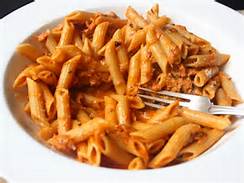
Sometimes we need food that we can just throw together in minutes, pulling stuff from the cupboard and not requiring a recipe book. This pasta meal is one of my saviours.


th-1

Cooked Pasta

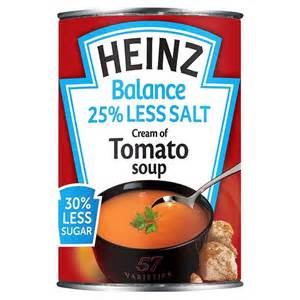
Tin of tomato soup

Tin of tuna

Grated carrot, onion and cheese


In a frying pan with oil, soften the grated carrot and onion (and what ever extra veg you would like to chuck in). Add the tin of tuna, and the tin of soup. Stir in to the cooked pasta. Sprinkle with the grated cheese.

If I was a nutrition nut, I’d say that tinned tomato soup is loaded with salt and sugar. In reality, I use the reduced salt version, and the tin is divided between 4 of us. A wee bit of the ‘bad’ stuff can help the really good stuff go down more easily 🙂


Yogurt Hack: one simple way to half the sugar

We all know that flavoured yogurts can be laden with sugar. In an ideal world we’d choose natural or plain yogurt which will have none of the added sweetness. But flavoured yogurts taste goooood! So if you find being nutritionally holy with the unadulterated natural stuff tough, here’s a simple tip for taking things in the right direction……

You will need:

  1. pot of flavoured yogurt 
  2. pot of natural yogurt

Simply pour or scoop out half of the flavoured yogurt and replace with the natural yogurt. Give it a good stir.

You will still have plenty of flavour, but much less sweetness.


For more info, here’s another post on Choosing a Healthy Yogurt

Wee Bytes – Sausages & Ham

I’ve been astonished by the amount of bacon, sausages and ham that my Northern Irish Unknown-1.jpegclients eat everyday. One 19 year old, who has recently been diagnosed with a bowel condition called Ulcerative Colitis, seemed to be eating bacon or sausages at breakfast, lunch and dinner!

So what’s wrong with sausages and ham?

Research has shown that processed meats like these increase your risk of bowel, stomach and pancreatic cancer.

One of the reasons may be that chemicals called nitrites are often used to preserve processed meat. In the bowel nitrites can be converted into cancer-causing chemicals called N-nitroso compounds (NOCs). The presence of these chemicals may explain why many studies have found that processed meat increases the risk of cancer to a greater extent than red meat.


Can I buy sausages and ham that don’t contain nitrites? YES!

My children LOVE sausages and ham. For years, I have borne the ‘Mummy Guilt’ of giving them food that could potentially be carcinogenic, so I tried to limit the amount they were having. It has taken me this long to find my personal Holy Grail of reasonably priced nitrite free versions (I am still on the hunt for nitrite free bacon!)

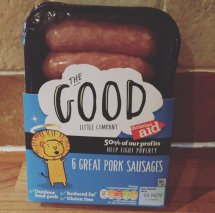
The Good Little Company – Good Little Sausages, Great Big Sausages and Teeny Weeny Sausages

GoodLittleCompany-860x400.jpg

Established in 2011, The Good Little Company is a Northern Ireland based sausage brand which gives 50% of its profits away to three charity partners in Africa- ChristianCv3wBhcWIAEMiw0.jpg Aid, Mulanje Mission and Samburu Trust.

Where To Buy: Waitrose, Ocado, Tesco (NI) and Dunnes Stores (NI)
So what’s the verdict of the family taste test? They were definitely a big hit with my 3 kids (and their friend Charlie who joined us for dinner after school on Tuesday night!)

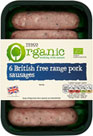
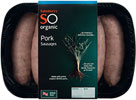
Other nitrite free sausage options: look out for organic sausages as these should be nitrite free

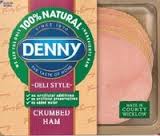
Denny 100% Natural Ham

Unknown.jpeg

Denny is the only ham available in supermarkets that has 100% natural ingredients. The Traditional Style Ham has just Pork with Sea Salt, Demerara Sugar and Natural Flavouring (celery and rosemary). Perfect for quick ham sandwiches in the packed lunches!

Where to Buy: As far as I am aware, unfortunately this ham isn’t available outside of Northern Ireland and the Republic of Ireland. Available in NI at Sainsbury’s, Tesco and Asda.


Although nitrite free, it is still important not to go crazy on these sausages and ham, as there is also an association between red meat and some cancers. I try to mix meal times up with fish, chicken, turkey and eggs for other good protein sources. And of course plenty of veggies, fruit and wholegrain foods.

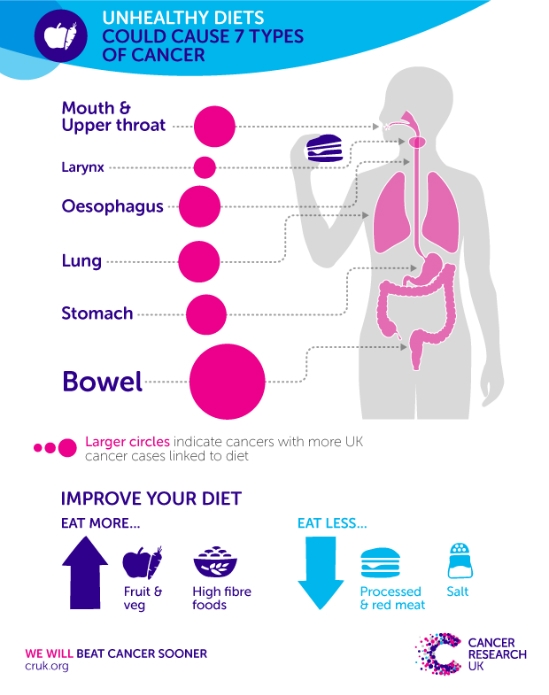
Sarah Williams, health information officer at Cancer Research UK, said: “We already know that not smoking, cutting down on alcohol, getting plenty of fruit and veg and staying active can reduce the risk of developing cancer. Keeping a healthy weight will help to reduce your risk of cancer, so try and be physically active and eat a healthy balanced diet with plenty of fruit and veg and fibre, and cut back on red or processed meat, saturated fat, and salt.”

 
Here’s a helpful and simple infographic from Cancer Research UK on how to reduce your risk of food related cancers:

diet-infographic.jpg


3 minute microwave sponge pudding

For a easy, quick comforting pudding………images-1

Ingredients:

50g butter (room temperature)

50g sugar

1 egg

50g self raising flour

2 tablespoons milk

mixed berries (I defrost some frozen ones in the microwave and add a sprinkle of sugar)

  1. Beat together the butter and sugar
  2. Add the egg and mix in
  3. Fold in the flour
  4. Mix in the milk
  5. In the bottom of a microwavable bowl, put the berries.
  6. Pour on the sponge mixture
  7. Microwave for 3 minutes

Chickpea and Avocado Salad — The Flexi Foodie

This salad is so incredibly simple to make that even with the busiest of schedules you could still whip it up for lunch for yourself every day! Gathering and preparing the ingredients will take less than five minutes and then you will be enjoying it in no time! This salad contains a delicious range of […]

via Chickpea and Avocado Salad — The Flexi Foodie

Are you at risk of Sarcopenia?

images-3This post is for the more mature/senior generation, so a big shout out to my parents and all the aunties (especially the very youthful Auntie Ann who has just become a granny for the 6th and 7th time with twin girls) 🙂

In recent years, scientists are becoming much more aware of the importance of protein intake for stalling the ageing process and muscle wasting.

Foods high in protein such as fish, chicken, beef, eggs, cheese, milk, nuts and seeds, should be included in an anti ageing diet to help to prevent muscle loss and a condition called sarcopenia.

What is sarcopenia?

Sarcopenia is a disease associated with loss of muscles as we get older. Loss of muscle often leads to less strength and decreased activity levels. This can contribute to mobility issues, osteoporosis, falls and fractures, images-4.jpegfrailty, and loss of physical function and independence.

Scientists have long believed muscle loss and others signs associated with aging are an inevitable process. However, researchers are looking for ways in which we can slow the aging process, specifically in relation to loss of muscle mass and strength.

Do I need to worry about Sarcopenia? It’s estimated that sarcopenia affects 30% of people over the age of 60 and more than 50% of those over the age of 80. After the age of 70, muscle loss accelerates to 15% per decade.

How do I keep my muscles? Several studies illustrate the importance of eating protein for keeping muscle mass and preventing sarcopenia. One images-5.jpegprotein in particular, called leucine, seems to be the most beneficial. Leucine is found in most high protein foods including chicken, beef, pork, fish, eggs, milk, yogurt, cheese, beans, lentils, nuts and seeds.

Studies also indicate that older people need to eat more protein than the younger generations to get the same positive effect on muscles. This new research prompted an expert panel to recommend a total protein intake of 1 to 1.5 g/kg/day with equal amounts of protein eaten at breakfast, lunch, and dinner. This is almost double previous recommendations.

How much protein should I eat? For someone weighing 75kg (12 stone)  this equates to needing about 75-110g protein per day. For a lighter 8 stone (50kg) the amount of protein recommended is 50-75g.  As well as helping to maintain muscles, protein is also excellent for keeping you feeling full up for longer which is great if you are watching your weight.

Here are some examples of high protein meals and snacks:

Breakfast: 1 wholegrain toast with 2 eggs (15g protein); Lunch: salad made with half tin tuna or small tub of cottage cheese with 1/2 a tub of lentil soup (25g protein); Dinner: 1 salmon fillet in a stir fry with rice (35g protein); Snacks: handful of nuts (5g protein); a yogurt (5g protein); latte coffee (8g protein)


And finally: Exercise that puts ‘stress’ on your muscles is also important. Nearly all older adults can benefit from resistance and strength training to increase muscle strength, improve functional ability, or prevent further decline. Strength Exercises

Packed Lunch: how to build your box

It’s 7am and you have minutes to put together your lunch for work. You look in the cupboard and fridge……….no time to cut up some veg, open a tin of tuna or cook some rice. Ham sandwich it is then.
ad276d4936a977f71240e28b808992ee b423515bb46da8de0f1db5d919a3595e fe0b2420125add7efdf9a7002a5b7261Set a side a few minutes the night before (or on a Sunday if you a super efficient) to prepare a few basic ingredients, and you will reduce time and stress for the week ahead. You can definitely increase feelings of afternoon oomph as you delve in to a  technicolour dream box of the healthy stuff, leaving the tedious sandwiches in their plastic wrappers. There are infinite combinations and variations to play with.

Step by step guide:

  1. Box: Get yourself a large one with a lid. That’s right a BIG one. About the size of a brick (not a Lego brick).
  2. Real Food: on Sunday, take 1 hour to prepare the following, then put in the fridge.
    • LOTS of colourful veg – chopped peppers, grated carrots, wash spinach, shred lettuce….make a batch of Superfood Salad and Happy Carrots. Fill at least half of the box with these, the more colourful, the better.
    • protein: boiled eggs, chicken, tuna, mackerel, cottage cheese, salmon, chopped up pork/beef
    • healthy fats: olive/flaxseed/avocado oil, avocado, nuts, seeds
    • optional wholegrain carbs: boil rice, quinoa, pasta etc. You just need a couple of tablespoons of these if you are sitting down all day. If you are very active or working out, then add some more!

Build your box of deliciousness each night before work. If you’re not going to work you will have a sumptuous supply in the fridge to fill a bowl throughout the day.

Here’s what I’ve just thrown together in less than 5 minutes for work tomorrow: stir fried kale, red cabbage, grated carrots, chopped peppers, a tin of tuna and some toasted pumpkin seeds. Olive oil and balsamic vinegar drizzled on. I’ll add in some frozen peas in the morning which will keep the box cool as they will have defrost towards lunch time. Lovely!

Photo on 08-06-2015 at 22.17 #2