Mud, Muscles and vitamin D

The days are closing in as autumn and winter approach. For many athletes, this means moving workouts and training sessions indoors. Even when training outside during the colder months, the low sun, cloud cover, and wearing clothes prevent our bodies from converting sunlight to vitamin D.
Unknown-1

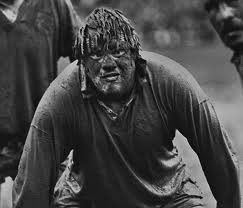
Fran was unlikely to get his vitamin D dose from the sunshine today

At the London Irish training ground in Sunbury, rain or shine, rugby and fitness training takes place out on the pitches. Muddy, wet, and cold may not be pleasant, but it prepares everyone for real game day conditions. I’m all for a bit of mess, until I get a muddy mountain of washing dumped in the laundry basket at the end of the day. In winter it’s not just shorts, T-shirts and socks, but tracksuit bottoms, tops, Skins and jackets. Would it be unreasonable for me to politely suggest a laundry room at the new training ground at Hazelwood?! So to my point…..when covered with clothes (and mud!) any small amount of vitamin D provided by the sun in winter, won’t reach the skin.

For those training near the equator, sunlight and vitaminD aren't such a problem

For those training near the equator, sunlight and vitamin D aren’t such a problem

The importance of sunlight and sports performance has been known for centuries, but it is only recently that the science behind the physical benefits have been investigated. We are still in the early days of discovering the tiny details of how vitamin D affects muscles. Other benefits of vitamin D have already been established e.g. for the prevention of diabetes, heart disease and some cancers.

Scientific studies are slowly piecing together how vitamin D affects muscle. This is what we know so far about vitamin D and involvement with muscle:

  • muscle contraction – calcium and phosphate are essential for the muscle fibres to move, and vitamin D may help this mechanism to work. Vitamin D may also be important for the actual parts of the muscle that make the contraction work (actin and myosin)
  • muscle repair – after exercise, there will be damage to the tiny muscle fibres. Vitamin D may help to repair this damage
  • muscle building – vitamin D stimulates new muscle, and the blood vessels feeding the muscles

In real life?

Although studied at a cellular level, there aren’t many studies yet on vitamin D and how levels in young, healthy athletes affects performance. However, in elderly people, low vitamin D has been shown to result in poorer muscle function and muscle loss.

Should I supplement?

Unknown-5

Vitamin D spray

There are very few good food sources of vitamin D, it comes mostly from the sun. Some foods, like breakfast cereals have vitamin D added, and if you take a multivitamin it may contain some vitamin D.

I advise to take a daily supplement of vitamin D during the winter months (October – May). Unless otherwise advised by your doctor, up to 1000IU per day is safe for adults. It comes in tablet, drops or spray form.

If you aren’t sure how much vitamin D you are getting, I can perform a nutritional analysis of your current diet and the supplements you are taking, and advise you on improving your diet. You can get in touch using the contact form.

Information from Nutri-facts
Top 5 foods for lowering cholesterol

The risks from high cholesterol aren’t immediate. The damage accumulates over years — even decades. High cholesterol in your 20s and 30s can take its toll in your 50s and 60s. Because the effects take time, you may not feel the urgency to treat it. You may think you can deal with it later – but you may wait too long before heart disease has taken it’s hold.

The World Health Organisation (WHO) estimates that 80% of heart disease may be preventable. The good news is that simple changes can really improve your heart health, like lowering cholesterol, eating a healthy diet, getting regular exercise, giving up smoking and avoiding stress.

Here are 5 cholesterol lowering foods:

  1. oily fish – salmon, mackerel, fresh tuna and sardines all contain very healthy omega 3 fats
    Salmon - omega 3 oils

    Salmon – omega 3 oils

    called DHA & EPA that lower cholesterol. Aim to eat oily fish twice a week, if you find that difficult, take a daily fish oil supplement that contains 500mg EPA & DHA.

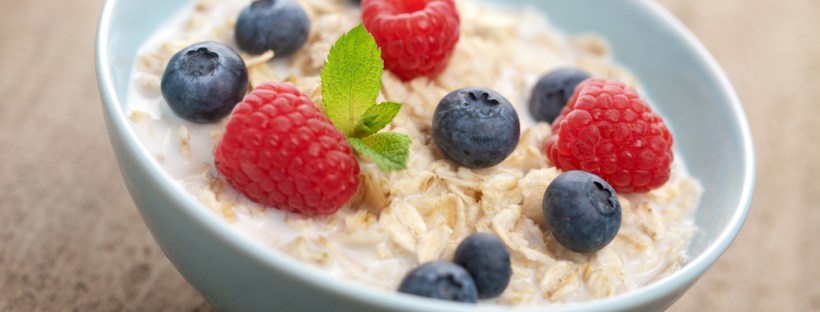
  2. oats – contain beta glucan, which is a soluble fibre that lowers cholesterol. It also has the added benefit of steadying blood sugar levels, helping in the treatment of diabetes and weight loss. Oat breakfast and Oaty Flapjacks2013-09-11 11.50.38
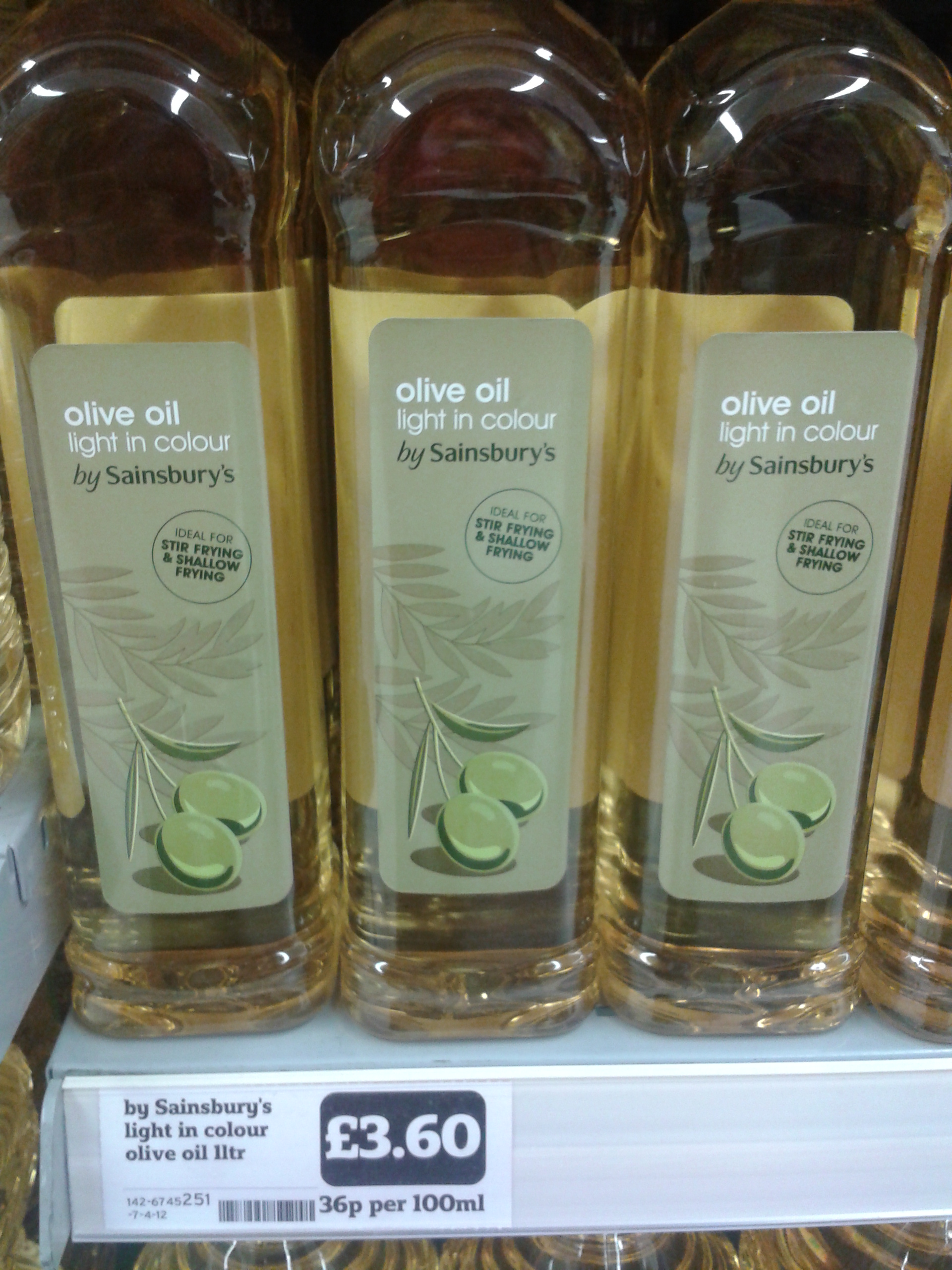
  3. Olive oil – high in monounsaturated fats, which lower cholesterol. Also in rapeseed oil (vegetable oil). Be careful with how much you use if you are watching your weight, one tablespoon has 125kcal.
  4. Nuts – high in vitamins, minerals, and good monounsaturated fat, which can lower cholesterol. Almonds, walnuts, peanuts, hazelnuts, pecans, some pine nuts, and pistachios. Basically, all nuts are good. Avoid salted or dry roasted, the plainer the better. As with olive oil, if you’re watching you weight, just have a handful, not the whole bag!
    Unknown
  5. Plant Stanols – these are probably not a term you have come across. Plant stanols are ingredients in products such as Flora Proactive and Benecol. Three servings of these can reduce cholesterol by up to 10%. Plant seterols are also found in fruit and veg, but in much smaller amounts.

Shepherd’s Pie – healthy make over

It has become popular for recipes, especially those online, to display the nutrition information. Hopefully this will empower the reader to make better health choices, as without this information, people generally underestimate the calories and fat in a dish.

BBC Good Food's Shepherd's Pie

BBC Good Food’s Shepherd’s Pie

Despite it being one of my jobs to estimate the nutritional value of food, I was a little shocked by the nutrition information that had been added to the Shepherd’s Pie recipe I’ve been using for years. One portion weighed in at over 660kcal and 39g of fat (and let’s face it, we usually have a little bit more than our allocated amount!) 660 calories is great for my 102kg rugby player husband who requires over 4000kcal per day, but for most of us, this is too high in saturated fat, calories, and too low on the veg and fibre. Most of us should aim for about 2000kcal, 45g of fat and 75g fibre per day.

So hoping to adopt the culinary equivalent of Laurence Lewellyn-Bowen’s Changing Rooms makeover genius (raised eyebrow), I set about reinventing my favourite shepherd’s pie recipe.

So how did I make the recipe healthier?

  • Reduced saturated fat: swapped lamb mince to lean beef mince, drained the excess fat, left out the butter from the mash.
  • Increase veg and fibre: added an extra carrot, replaced half the stock with a carton of tomatoes, added cooked red lentils (you really don’t even notice they’re in there), used half normal potatoes, half sweet potato for the mash

Result? 33% fewer calories, 70% less fat, 50% more fibre.

Here’s a comparison of the nutritional analyses of the original and made over recipe per portion:

  original healthier
Kcal 660 440
Fat 39 12
Protein 33 32
Fibre 6 9

And do you know what? It was actually rather good! The children and their friend from school finished a plate full each. Sounding a little perplexed, the friend said that she doesn’t usually finish her dinner. Ha! Healthier doesn’t mean less tasty!

World Mental Health Day – Omega 3s can make a difference

Today is World Mental Health Day, as Conor and I discovered walking through Kingston town

Conor with his balloon from mental health charity MIND

Conor with his balloon from mental health charity MIND

centre this morning. He was delighted to be handed a balloon by MIND volunteers promoting the day, while I was delighted that the balloon entertained him for over an hour in his pushchair. Happy child, happy mummy.

It is well established that omega 3 fats help in heart disease and brain development. However, new research is emerging that these oils found in fish can also be effective in improving mood disorders, such as depression and schizophrenia.

At any one time, 1 in 10 people in the UK suffer from depression, while post natal depression is  estimated to affect 15% of new mums. Experts think that for those without a family history of depression, taking omega 3s can reduce depression rates.

Omega-3 researcher David Mischoulon, MD, PhD, director of research in the Depression Clinical and Research Program at Boston’s Massachusetts General Hospital and an associate professor of psychiatry at Harvard Medical School, says omega 3s oils (EPA and DHA) “are thought to be active as antidepressants” in the brain.

Salmon - omega 3 oils

Salmon – omega 3 oils

So when can omega 3s be helpful?

  • depression
  • pre and post natal depression
  • menopausal depression
  • people at risk of schizophrenia
  • self harm

Safety: Omega 3 fats may help some people with mood disorders, and are safe for most people to take. However, fish oils, as supplements or in the natural form of fish, shouldn’t be used as a home remedy for mood disorders. Always see your doctor first. Do not stop your current medication without seeking your doctors advice.

10016284

Omega 3 supplement

How much: for the general population without mood disorders, about two servings per week of oily fish is recommended, this equates to about 500mg/day (DHA & EPA).  For people with mood disorders benefits may be seen with up to 1000mg/day.

True or false? – 3 Food Myths

Working with clients and patients over the years, I have heard many misconceptions about ‘good’ and ‘bad’ foods. It’s my job to set you straight!

Here are the top 3 that I hear most regularly:

  1. Carbohydrates are bad and make you put on weight – False! Carbs are not bad, what makes you put on weight is too many calories. However, not all carbs are created equal. We have ‘refined carbs’ that provide few nutrients e.g. white bread, white rice, cake,When training, carbs are your friend! biscuits etc. and wholesome carbs that are more nourishing e.g. vegetables, fruit, oats, wholewheat bread, brown rice. The wholesome carbs are much higher in fibre making you feel full up for longer, thus curbing hunger and cravings for the refined carbs. They also have more vitamins and minerals. For the average adult, a portion of carbs is about 1/4 of your plate. Yes, 1/4, not 1/2! So the wholesome carbs can actually help you to control your weight.
  2. Sugar makes kids hyper – not true! I have parents who swear that after a birthday partyimages with all the sugary snacks, their children turn in to raving loonies. Scientific studies have shown that as an ingredient, sugar does not cause a change in behaviour. Think about the party environment…….the excitement, the noise, the fun food & drinks! Enough to hype up any child. Any food involvement is likely to come from reactions to food additives or caffeine in fizzy drinks.
  3. Olive oil helps you to lose weight – not true! This applies to all oils, even the super 2013-09-11 11.50.38expensive extra virgin olive oil, avocado, flaxseed etc. Per tablespoon, all of these oils have 125kcal. They are a healthier type of oil to choose over butter or lard, as they contain essential fatty acids that are anti inflammatory and are good for cholesterol levels. However, if you are watching your weight, be aware that they are extremely high in calories, so don’t use liberally!

5 Feel Fabulous Breakfast Foods

Reasons to eat breakfast:

It doesn’t have to be a soon as you get up, but try to have something within an hour or two of waking. Here’s why……

  1. breakfast eaters tend to be a healthier weight
  2. breakfasts tend to be nutritionally dense with, fruit, dairy, whole grains, setting you up with a healthy start to the day
  3. breakfast will stabilise blood sugar levels resulting in enhanced memory, improved cognitive ability, and increased attention span
  4. children who eat breakfast perform better in school and in sport. They have better concentration, problem-solving skills, and eye-hand coordination

Here are 5 of top breakfast foods:

Oats – filling, high fibre, low glycaemic index, cholesterol lowering. Make trashutterstock_81803002ditional porridge, summer oats, or homemade muesli. Play around with the various oat textures. If you like very smooth porridge, go for Ready Brek; or if you like chunky, nutty and a bit chewy sprinkle some jumbo oats on to some yogurt.

Berries – these are low in calories but pack a mighty nutrition punch. High in antioxidants and anti inflammatory anthocyanins, they fight chronic conditions such as heart disease and diabetes. Add to oats,porridge, greek yogurt, or in a super shake

Eggs – eggs have received a bad press over the years due to the cholesterol content of the egg yolk. We now know that dietary cholesterol doesn’t have a significant effect on blood cholesterol, in fact recent studies show that 2 eggs a day may improve cholesterol levels. They are one of the most nutritious foods that you can eat: omega 3 fats, lutein, choline, all the B vitamins, as well as vitamins A, D, E, K, high protein, iron.  Health benefits: regulate blood sugar, anti inflammatory, heart, brain, hormone, eye and skin health. Have 2 scrambled, dry fried, poached eggs on a piece of wholemeal toast, or try a sweet breakfast omelette.

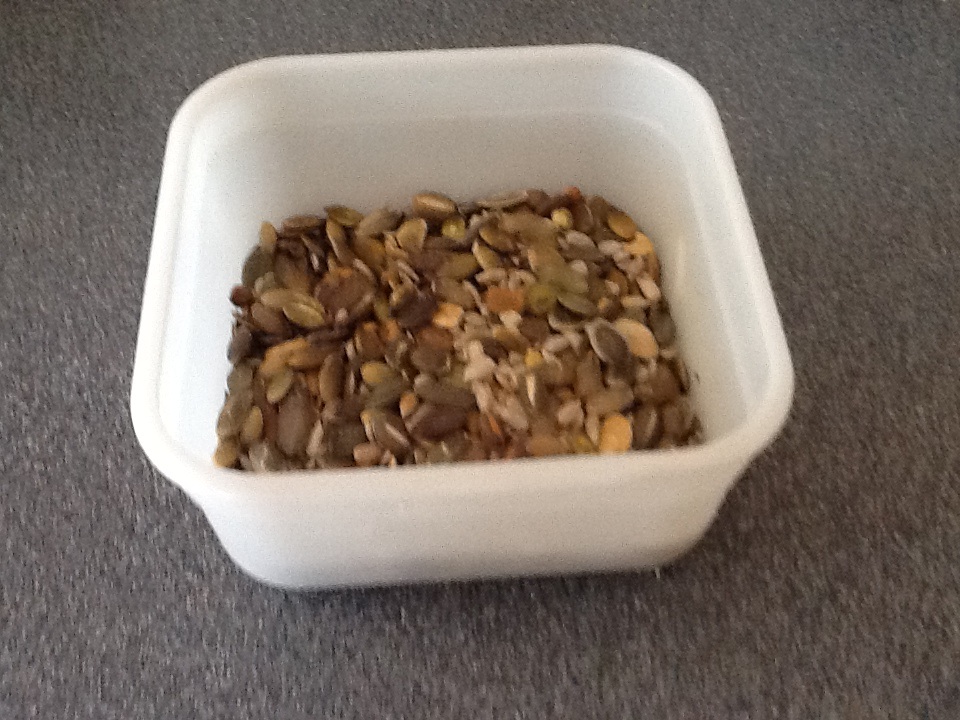
Seeds – pumpkin, sunflower, sesame, flax/linseed, all provide essential fats that benefit the heart, brain, skin and are anti inflammatory. Sprinkle on to yogurt or into porridge to bump up the protein and good fat content.

Toasted pumpkin & sunflower seeds

Toasted pumpkin & sunflower seeds

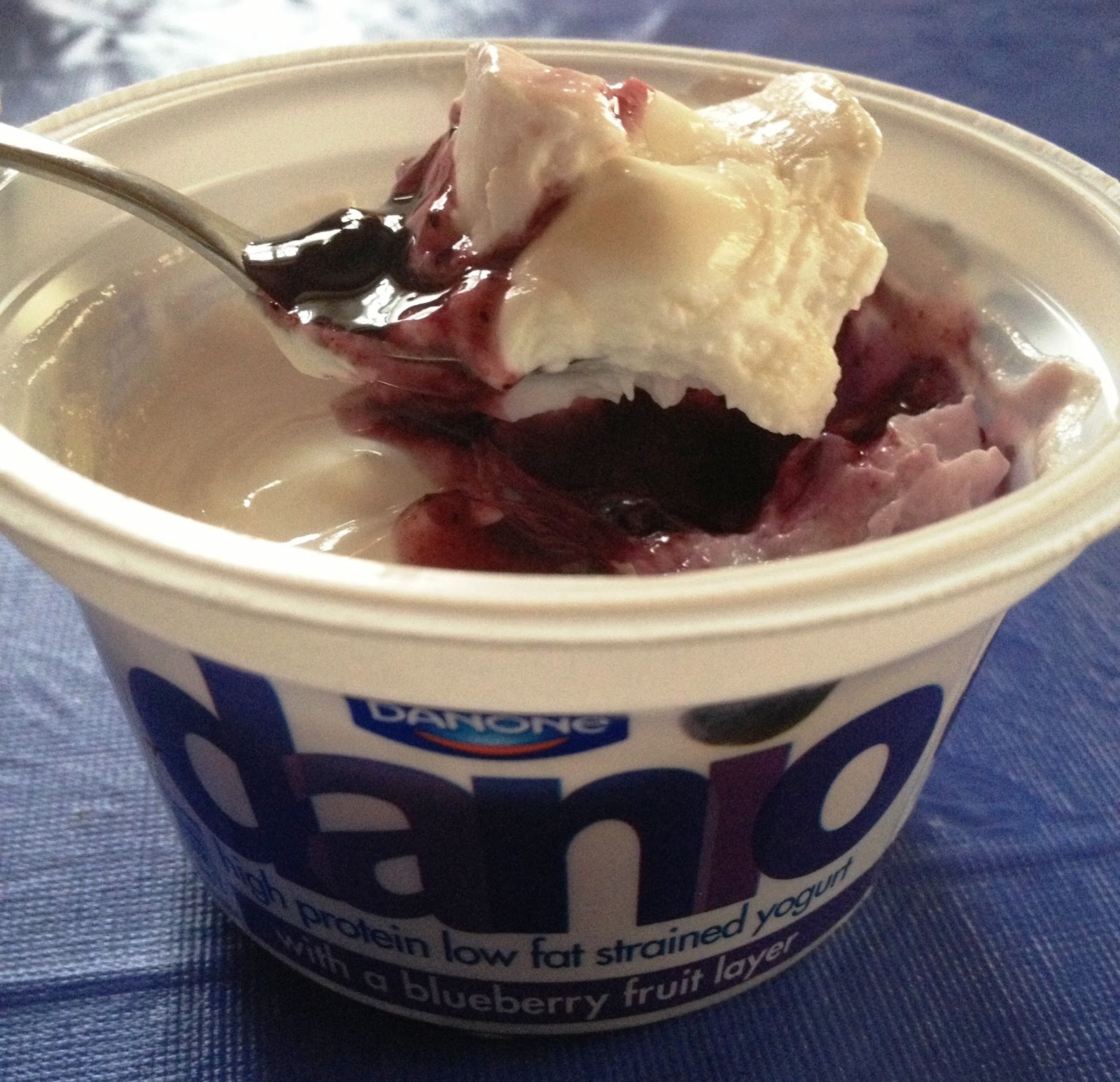
Greek yogurt – this type of yogurt has been strained resulting in a concentration of the protein. Normal natural yogurt has 4g protein/100g. Greek yogurt has double this, making it high in protein therefore more filling. Being dairy, it is also high in calcium. Try to buy greek or ‘high protein’ yogurt, as greek ‘style’ doesn’t have the same high level of protein (greek style & normal natural yogurt not a bad choice though, just not as high in protein).

Total Greek yogurt

Total Greek yogurt

High protein yogurt

Danio high protein yogurt

Chocolate Spread

Here’s a recipe for a healthy chocolate spread which has evolved from my Cocoa Bar recipe. Nutella is the most well known chocolate spread, but did you know that as well as hazelnuts and milk, the main ingredients are sugar and palm oil? One tablespoon has 100kcal and 11g sugar (that’s more than 2 teaspoons of sugar per tablespoon i.e. it’s 75%  sugar).

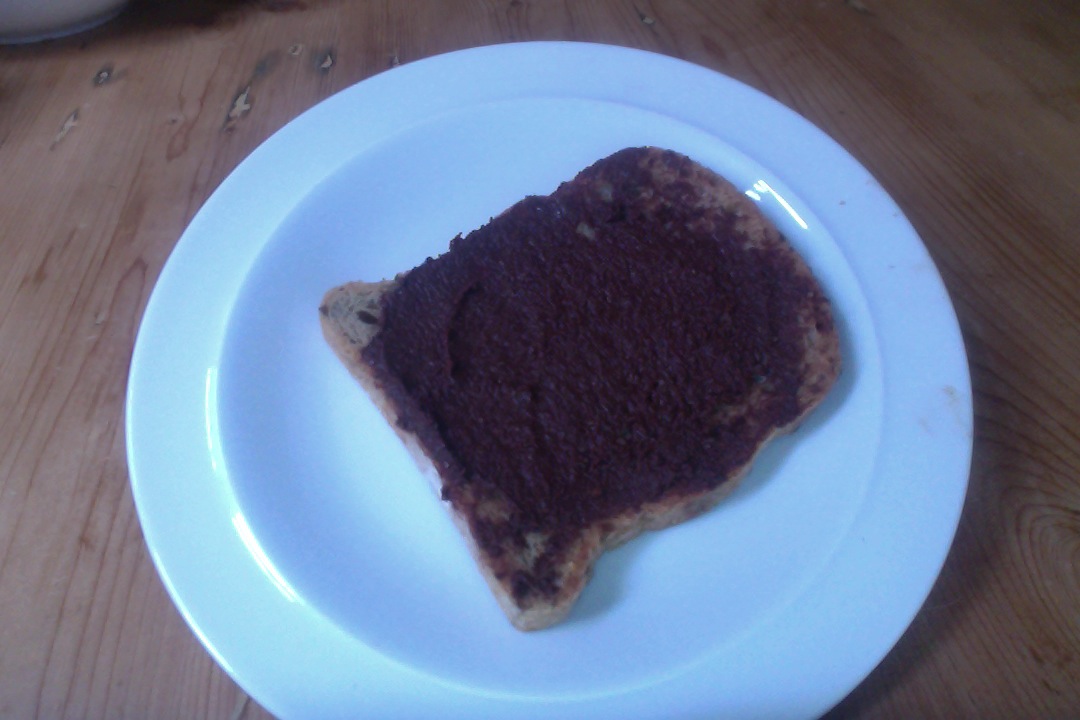
In this recipe I use cocoa powder, ground almonds, almond milk (or any milk!) and honey for sweetness.

Nutella 1 tablespoon: 100kcal, 11g sugar

Homemade Chocolate Spread: 30kcal, 2g sugarPhoto on 02-10-2013 at 09.58

Ingredients:

1/2 cup ground almonds

1/4 cup cocoa powder sieved

1/4 cup milk

Cocoa Powder

Cocoa Powder

2 teaspoons honey

Ground Almonds

Ground Almonds

Just mix all of the ingredients together. Have a taste, if you want it a bit sweeter, add a little extra honey!

Delicious spread on toast, or try mixed in some plain yogurt with a sliced banana!

This should keep for up to 5 days in the fridge. It depends really on the milk you have used eg. cow’s milk should be used within 3 days of opening the bottle, while Alpro Almond Milk should be used within 5 days of opening.