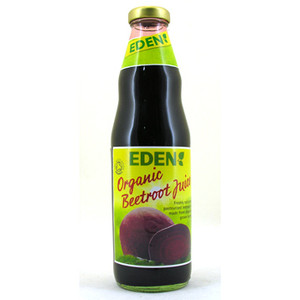
Beetroot Juice – worth the hype?

Beetroot juice has been one of the biggest stories in sports science in recent years, after researchers at the University of Exeter found it enables people to exercise for up to 16% longer.

The startling results have led to a host of athletes – from Premiership footballers to professional cyclists – looking into its potential uses.

images-2

Concentrated beetroot juice (shot)

When consumed, nitrate found in beetroot juice has two marked physiological effects.

  1. widens blood vessels, reducing blood pressure and allowing more blood flow.
  2. affects muscle tissue, reducing the amount of oxygen needed by muscles during activity.

The combined effects have a significant impact on performing physical tasks, whether it involves low-intensity or high-intensity effort.$T2eC16dHJGoFFvPOJJ3UBR0ZfTsjj!~~60_35

Professor Andrew Jones, from the University of Exeter, lead author on the research, said: “The findings show an improvement in performance that, at competition level, could make a real difference – particularly in an event like the Tour de France where winning margins can be tight.”

Beetroot juice is an easy way to quickly ingest a substantial amount of dietary nitrate. However, some may find the taste of beetroot juice unpleasant. Fortunately, beetroots are just one of many vegetables that are high in nitrate. Leafy green vegetables tend to be the top sources.

The dose of dietary nitrate used in the research to reduce the oxygen cost

of exercise, improve athletic performance, and lower blood pressure ranges from 300 to 500 mg. This is about 300-500ml of Beet It 100% Pressed drink.

This amount can also be obtained by eating the following foods:

Very high nitrate levels: celery, cress, chervil, lettuce, red beetroot, spinach, and rocket (more than 250 mg/100 g)images-3
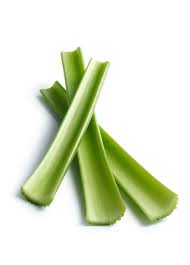
High nitrate levels: celeriac, Chinese cabbage, endive, fennel, leeks, and parsley (approximately 100 to 250 mg/100 g)

Ultimately, eating beetroot, drinking beetroot juice, or eating foods high in nitrate is unlikely to increase your exercise endurance unless you are already an athlete and at the peak of fitness. Even for athletes, it is fundamental to get the basics of diet right before putting your faith in nitrates to improve performance.

For most of us, the best way to increase endurance is to exercise regularly so aim to work towards achieving the recommended 30 minutes of moderate intensity exercise, five times a week.

Beetroot recipes


Beetroot Salad – high nitrates for athletic performance

High in dietary nitrates (a very good thing!), recent research has found beetroot improves performance in athletes by 16%. Here’s why.

This is a recipe my Mum has been making for as long as I can remember. I don’t know why it’s called Winter Salad, as we’d usually have it in the summer with quiche (how 80s!)

Ingredients:

  • one apple chopped
  • about 5 slices of beetroot from a jar
  • 2 sticks of celery

Chop each ingredient in to small cubes and mix together in a bowl. No dressing needed!

Nutrition for Young Athletes

Why a nutritious diet is needed:

images

  • Normal growth and development
  • Healthy, strong body
  • Energy for everyday activities – school, gymnastics training
  • Repair of muscles following demands and stresses of training and competition

Main components of the diet:

Hydration:

bottled-water

  • as important as food
  • Overheating and dehydration can be dangerous (heat stroke)
  • Low levels of dehydration: reduced strength, stamina, concentration

Carbohydrate:

  • Supply energy for musclesSTARCHY
  • Immunity
  • Growth
  • Focus on wholegrain bread, pasta, rice, fruit, veg
  • Especially important before and after exercise for muscle energy

Protein:

100608182647-large

  • For muscular strength & power, muscle repair & maintenance
  • Focus on lean protein: chicken, fish, eggs,
  • dairy, beans, seeds, nuts

Healthy Fats:

  • Important for healthy heart, nervous system, hormones etc.
  • Focus on healthier fats from olive oil, oily fish eg. Salmon, avocado, peanut butter etc.

Vitamins & Minerals:

  • Calcium – strong bones
  • Iron – needed for blood cells to transport oxygen to muscles
  • Vitamin D – bone development, also implicated in long term health issues
  • B vitamins – energy production & protein metabolism
  • Omega 3 fats – oily fish, for brain development, heart health, vision etc.
  • Generally, supplements not needed if child has varied diet
  • Consider fish oil supplement (omega 3 fats) if intake of oily fish is less than once per week
  • Consider Vitamin D supplement if always wears sunscreen in summer

Pre – exercise fuelling:

  • Aim to have a meal or a substantial snack a few hours before:
    • Pitta/crumpets/toast with jam/honey/peanut butter + milk
    • Jacket potato + tuna/baked beansshutterstock_81803002
    • Baked beans on toast
    • Boiled egg and toast
    • Porridge, milk and raisins/berries
    • Breakfast cereal with milk
    • Bread roll with cheese/meat filling + banana
    • Pasta, rice or noodles with tomato sauce, lean meat eg. chicken, vegetables
  • Up to 1 hour before
    • Fluid for hydration: 200mls fruit juice/water/skimmed milk

 Early morning sessions: If training or competition is first thing in the morning, it is probably not possible to have a meal 3-4 hours before. In these circumstances, have a good meal the night before, then a snack and fluid 1-2 hours pre exercise eg. breakfast cereal and milk, fruit and yoghurt, smoothie or milkshake.

After exercise:

Ensure your child has a snack, or a meal following training. Carbohydrates replenish the muscles with glycogen for energy, while protein repairs and rebuilds muscle tissue. Sports protein shakes or supplements are unnecessary and not advised.

Post-exercise snack ideas (follow within a few hours with a meal):

  • Homemade shake – blend 200ml milk, tablespoon yoghurt, banana, tablespoon honey
  • Low fibre breakfast cereal  eg. Cornflakes/Rice Krispies and milk
  • banana and yoghurt/milk
  • Bread roll or sandwich with cheese/meat/fish filling

Rehydration

It is highly likely that your child will finish training with some degree of dehydration, therefore it is important to replace these fluids as soon as possible after the session. Aim for 200ml fluid with an hour of finishing.

Body image and Disordered Eating

In some sports there is pressure to ‘not get fat’/stay lean or to bulk up to enhance performance Eg. Gymnastics or rugby.

Any such pressure can have the opposite effect – unhealthy eating patterns, restrictive eating (anorexia), or bingeing (bulimia).

Poor nutrition, resulting in weight loss, can cause anaemia, reduction in muscle power and performance, weak bones, poor concentration and increased injury risk

Tips for parents:

  • Do not weigh your child (unless specifically asked to do so for medical reasons)
  • Do not discuss calories or fat, unless raised by your child.  Approach in a positive manner e.g. food gives us energy for exercising and being strong. Healthy fats are important for us to be healthy.
  • Talk about food being nutritious, for making us strong, repairing cuts in our skin, building our muscles, giving energy for running fast etc.

Written by Sarah Danaher, Registered Dietitian, Accredited Sports Dietitian

Registered Dietitians are the only qualified health professionals that assess, diagnose and treat diet and nutrition problems.

If you have any concerns regarding your child’s or family’s diet, then please don’t hesitate to contact me:

danahersarah@yahoo.co.uk

www.sarahnutrition.com

07758 100727

Pre-season Overload Week – we’re on a high. Why?!

Mid-way through the intense Overload week of pre season rugby training, and Dec’s exhaustion levels don’t seem too extreme.

He was even able to hold a conversation last night, and levels of irritability appear low (at dinner he soldiered on admirably when there was no pesto for the pasta – he rescued it with a dollop of hot pepper sauce).

Possible reasons for being cheerful: 

  1. the old body is feeling good: during previous pre seasons he was heavier, weighing in at up to 110kg, making training a bigger effort and therefore more tiring. The attention to diet may be making a difference to fatigue levels…..a balanced intake of real nutritious foods, rather than over emphasis on high protein, low carbohydrate and supplements.
  2. pre season training is going well, with the squad bonding
  3. today was a day off training, just a pilates session and physio
  4. he’s enjoying coaching the boys at Ealing Rugby two nights a week…..a new routine is as good as a holiday!
  5. our two eldest children are in N. Ireland with their Granny and Grandpa for a week. This means a bit of peace (we do like to spend time with our children, it’s just that these two nutters are the antithesis of the ‘children should be seen and not heard’ parenting philosophy)
  6. he’s beside himself with joy at the birth of the nation’s new Prince

So last night’s dinner was rescued with some hot pepper sauce. It had me thinking, what are the food items we always have in the fridge or cupboard? The “Desert Island” products (idea poached from Radio 4 Desert Island Discs, this is my Kirsty Young moment). Obviously we do eat other things, like the staples of meat, fish, vegetables and pasta/rice etc.

Our Desert Island List:

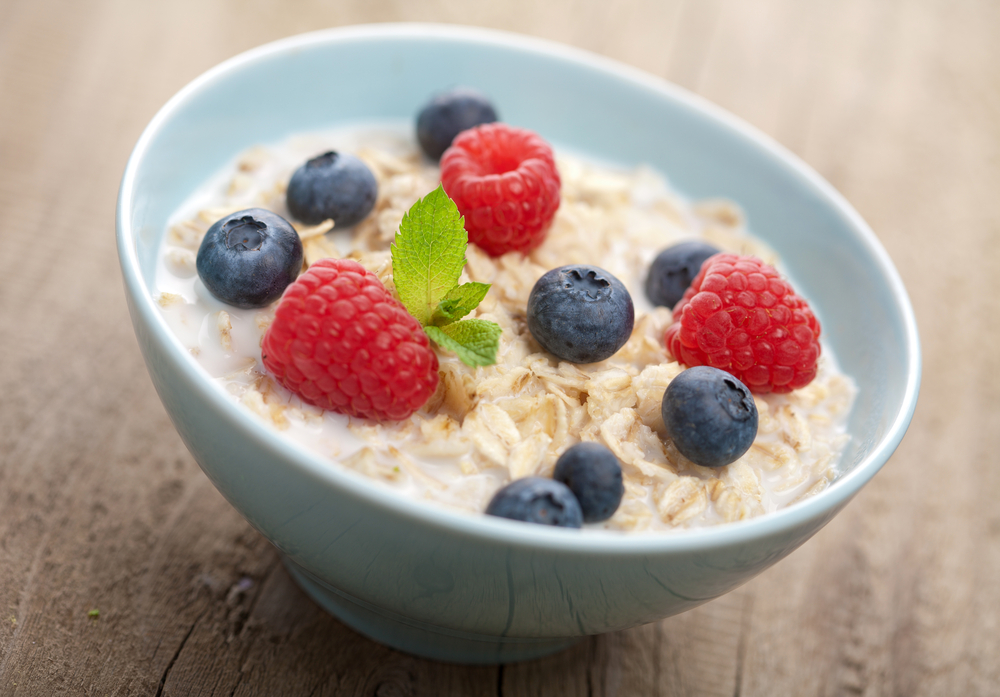
    1. Oats – for the porridge in the morning, essential slow release carbohydrate for the training day ahead. Made with milk for calcium and protein, raisins and some sugar for faster releasing carbs and to make it taste better. Also use oats to make biscuits, flapjacks and in smoothies.image
    2. Eggs – powerhouses of nutrition. One of the best sources of protein, containing all the essential amino acids, including leucine (big selling point of many protein supplements). Don’t worry about the cholesterol as it is poorly absorbed by the body. Scrambled, boiled, omelettes, egg fried rice.
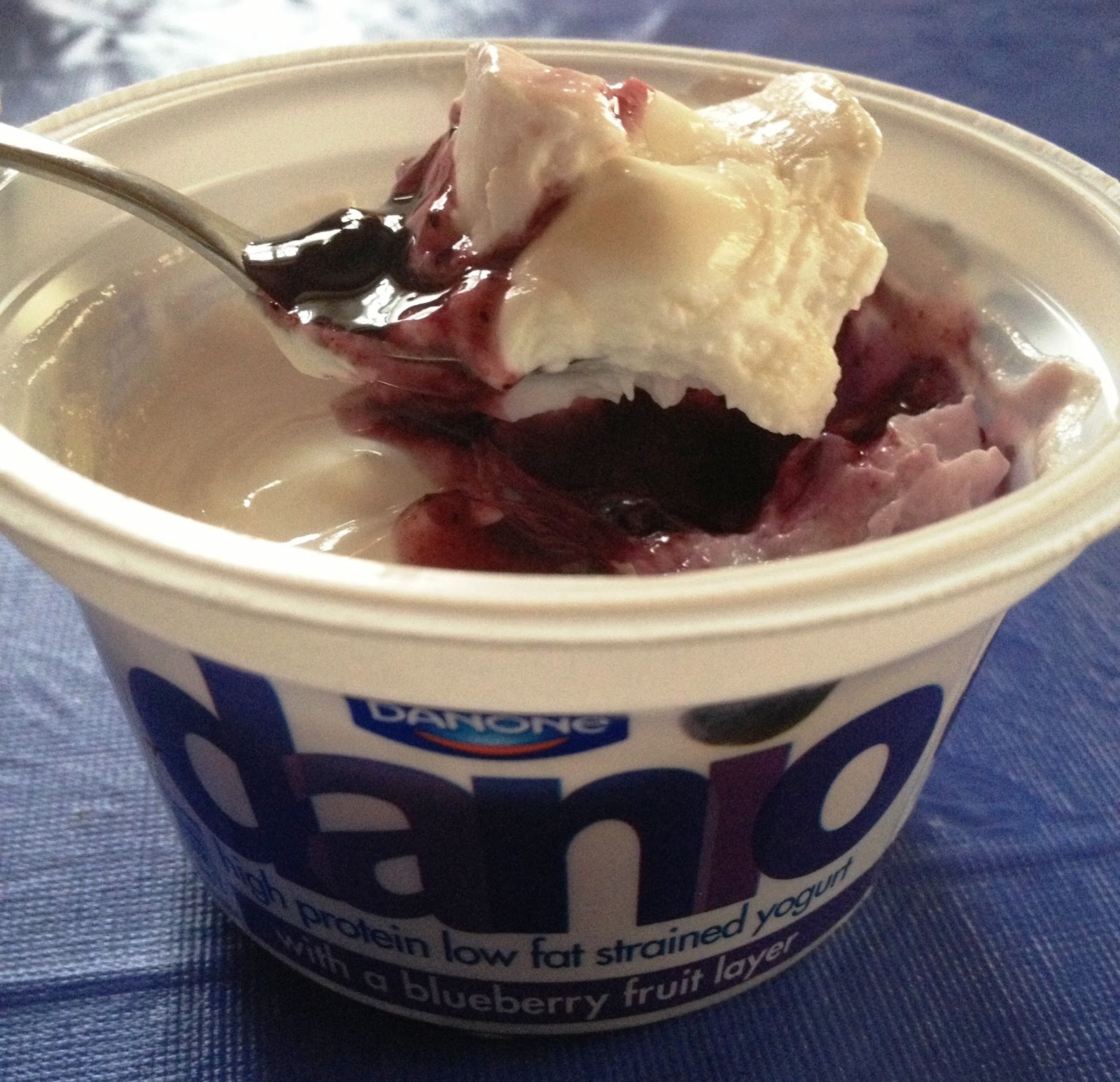
    3.  Yoghurt – I prefer to buy natural unflavoured yoghurt as it has no added sugar and usually has probiotics (good for gut health and immunity). Any brand will do, but I’m a fan of the massive tubs from Lidl (about £1.50 for 1kg). I can add berries/chopped fruit/put in smoothies etc. Dec likes the new Danone ‘Danio” higher protein yoghurts (13g protein/pot) which are sweetened with fruit and sugar.2013-04-01 15.58.55
    4. Fruit – for snacks, no explanation needed for the benefits of the vitamins, antioxidants, fibre, carbohydrate etc.
    5. Nuts – a handful of almonds as a snack, or peanut butter on toast. Healthy fats (cholesterol lowering), high protein so filling and good for muscle repair/building
    6. Coffee – for a wake up kick, afternoon kick, evening kick. Means we don’t have to physically kick each other to wake up! Contrary to imagepopular belief, it’s not dehydrating and has many health benefits. Also useful to have pre training as caffeine enhances performance (ergonomic)! At London Irish, some of the boys are in their Coffee Club, where they enjoy a swift Nespresso before hitting the training field/weights room.
    7. Hot Pepper Sauce – as previously discussed, this can rescue a meal
      Hot Pepper Sauce

      Hot Pepper Sauce

      that may be lacking in flavour. Used like tomato ketchup. Personally, I think it destroys any hope of actually tasting the food you put it on (mmmm, not saying a lot for my cooking skills, is it?!)

    8. Cherry Diet Coke – this is the Desert Island luxury item, Dec’s ‘treat’. I get a bit twitchy and Food Police when he reaches for the 3rd or 4th can of the day. There’s not much good to say about Diet Coke, it’s nutritionally sparse, and there are question marks over it’s long term health affects.

So here’s hoping the happy state remains with us until Saturday when a week off training starts, watch this space!

Pre season training – a day in the life……

7 weeks in to pre season training, and we’re starting to feel the physical strain. Pre season (June-August) is the time when fitness and strength training are pushed to the extreme in preparation for the playing season ahead. I say ‘we’re’ starting to feel the strain as having a husband in pre season training is like adding another child to the equation. His exhaustion at the end of the day renders him pretty much helpless!

This morning, Monday 22nd July, sees that start of ‘Over-load Week’, when the boys are pushed even more physically, with the reward of a week off from Sunday. As I sit here typing at 6am, Dec’s alarm is jolting him out of his comatose state. With the first training session at 7.15am, he needs to be up with enough time to fit in the first meal to allow it to digest. Here’s the schedule for today:

7.15am: 45 minutes weights (‘hypertrophy’ short, sharp and intense lifting, to increase muscle mass)

8am: breakfast

8.30am: stretching session

10am: 1 hour rugby training

11.30am: 1/2 hour conditioning (fitness/running)

12pm: lunch

2.30pm: Weights (legs)

4pm: afternoon meal

4.30pm: physio/massage

6ish +: return home

So it’s a long day of weights, rugby and fitness training. The forecast for today is 32 degrees C…………..so on top of food and snacks, fluid, fluid, fluid is as important to maintain hydration.

After the long day at the Sunbury training ground, Dec will return to (ahem) our tranquil home. Perhaps I will rephrase that. Dec will return home to the tears and tantrums lively and spirited debates between our two girls (6 and 3), and our 1 year old toddler, who is going through a clingy/moaning phase. All the poor man wants to do is just sit down and zone out (reminds me of that quote from Winnie the Pooh: “Sometimes I sits and thinks, sometimes I just sits).

With 3 kids entertain, shopping, cooking, cleaning etc. etc. an extra body sitting near comatose on the sofa can be, to be polite, frustrating. However, I have to remind myself that recovery and rest are a fundamental phase of training, as important as the physical sessions throughout the day.

The huge calorie intake needed to meet the requirements of the extra physical activity AND to promote weight gain, can be tricky to achieve. Even with a personal dietitian who also happens to be his wife at his disposal.

I always say that an athlete can meet their nutritional needs using real food, with supplements eg. protein/recovery drinks/bars, used to support the diet if necessary. Real food gives a multitude of vitamins, minerals, antioxidants, phytochemicals, fibre, fatty acids, as well as probably many other substances that science not discovered yet. A manufactured product simply cannot replace a meal for nutrition.

Dec, being Dec, has taken this on board, wanting most of his nutrition to come from food, with recovery/energy drinks used a few times during training. In theory, this is music to the ears of a dietitian. However, in practise this means 5 meals per day, which is tedious (shopping, cooking, cleaning up), not to mention expensive.

Rob, the Strength & Conditioning coach at London Irish, has the boys on strict diets to meet their various nutrition and training needs. Dec’s aim is to increase weight from 100kg to approximately 105kg, while maintaining body fat at 10%. He’s on target, having upped the weight to 102.5kg (that half kilo is VERY important!)

Meals yesterday: porridge; bagel & scrambled eggs; salt beef ciabatta; pasta with pesto, chicken, pepper & spring onion; salmon, rice, happy carrot salad; wrap with chicken & coleslaw.

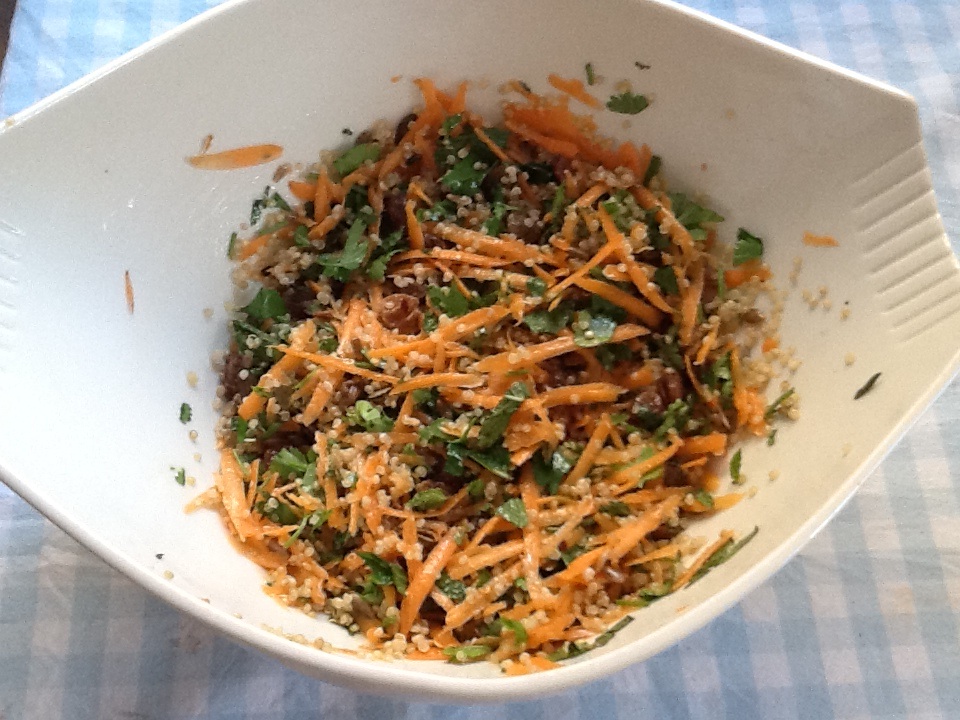
happy carrots

happy carrots

Snacks/training: apples, yoghurts, almonds, recovery drinks, energy drinks.

image

almonds, yoghurt, apple

Happy Carrots

The name alone makes me love this. It’s also very easy to make which makes me happy.

Happy Carrots

Happy Carrots

Why it’s happy: protein from the quinoa and seeds; antioxidants from the carrots, mint and coriander; essential fatty acids from the pumpkin and sunflower seeds, and a little bit of sweetness from the sultanas.

Ingredients:

1 tablespoon sultanas (soak in hot water for 5 mins to plump up)

3 chopped spring onions

3 grated carrots

handful coriander leaves, chopped

small handful mint leaves, chopped

handful toasted pumpkin and sunflower seeds

a few tablespoons cooked quinoa/rice (optional)

dressing: 1 tablespoon lemon juice, 1 tablespoon olive oil, 1 chopped garlic cloves (or teaspoon of the garlic in a tube). Make more dressing, if you like it more dressingy.

Mix all the ingredients together in a bowl. Mix the dressing ingredients together and add when about to serve.

Paleo Diet – a bad fad?

A nice chap on Twitter challenged my thoughts and opinions on the Paleo Diet. Am I a lover or a hater?

It could be considered standard practice for a health professional to dismiss the Paleo Diet as nothing but a fad, a diet that is BAD, and just a bit mad. However, I am of the opinion that most ‘diets’ have their pros and cons, work for some people and not for others. As I always say, what works for you and what you are happy with is your business. If you feel the need to change and want to change, that’s terrific too.

Here is a bullet point overview of the paleo diet. I could witter on forever about it, but I’ll try to keep it brief!

What is the Paleo Diet?

  • short for paleolithic, also known as hunter-gatherer or caveman diet.
  • consists mainly of fish, grass-fed pasture raised meats, eggs, vegetables, fruit and nuts
  • excludes grains (including wheat & rice), legumes, dairy products, potatoes, refined salt, refined sugar, and processed oils
  • based on the premise that humans have not evolved to digest and metabolise the excluded foods
  • seen as a lifestyle, rather than a ‘diet’ one ‘goes on’

Pros

  • based on wholesome, unprocessed foods, high in vitamins and minerals (except calcium), antioxidants, and essential fatty acids
  • elimination of processed foods
  • no specialist ‘diet foods’
  • eat when you’re hungry, don’t eat if you’re not
  • when strictly followed, will probably result in weight loss due to a reduction in calories
  • no calorie counting required – a massive plate of veg with a portion of meat should fill you up
  • many people do have a gluten/lactose intolerance, the diet can help identify these

Cons

  • restrictive, can result in feeling deprived leading to rebellion and over eating
  • requires careful planning and a lot of will power
  • eating out and as a guest at other people’s houses can be very difficult
  • expensive to buy pasture raised meat, wild fish (£10 per salmon fillet anyone?) etc.
  • there is the opinion that the whole philosophy is based on speculation about what our ancestors ate
  • humans have not stopped evolving, an example being the evolution of lactose tolerance in Europeans

What about for athletes?

Having witnessed first hand the implementation of the Paleo Diet with professional athletes, I’m more skeptical about it’s application for sports people. The leading expert on all things Paleo, Loren Cordain, followed his original book with one on the diet for athletes. Just one of the aspects which I find tricky is the use of carbohydrate. He fully acknowledges the need for adapting the diet for very active individuals, advocating that 50% calories should come from carbohydrate, including the introduction of potato, sweet potato, dried fruits and fruit juice. In the book ‘The Paleo Diet for Athletes’ he writes:

“of course, this carbohydrate should primarily come from fruit and vegetables, so calories aren’t wasted by eating food lacking micro nutrients”.

He follows with an example diet for a 10 stone athlete training 15 hours/week requiring 3000kcal/day. I analysed the nutrients…… Dr Cordain only managed to get 30% calories carbohydrate (fruit/veg), and this seemed to be mainly from fruit juice. I therefore question how athletes requiring large calorie intakes can realistically follow his regimen.

Due to the impossible task of getting 50% of calories from fruit and veg, I have witnessed first hand the reduction in training performance (feeling weak and dizzy), constant hunger, poorer body compostition, and difficulty in socialising (as a dinner guest or in restaurants).

My opinion:

For people who have a high intake of processed food, are over weight or who want to try to improve their health, a relaxed version of the Paleo Diet may be worth a try! There is no doubt that wholesome, unprocessed

include wholesome grains and dairy

include wholesome grains and dairy

foods: fish, meats, eggs, vegetables, fruit and nuts are of benefit. Adopt a common sense approach to including grains and dairy eg. swap Frosties for oats, chips for basmati/brown rice.

Athletes, be careful not to sacrifice your performance in training and in competition for an ideological diet that is not meeting your nutritional needs. The basic principles can be adapted to meet your training goals and to achieve optimal performance.

Final thoughts:

  • “You can’t out run your fork” for optimal health, diet is paramount
  • Eat wholesome real foods, eat food that goes off before it goes off!
  • Load your plate up with vegetables, a handful of grains and a portion of protein
  • Make small changes over a period of time so that it becomes a lifestyle, not a fad diet that you follow for a few weeks

Your thoughts?

I’d love to hear your thoughts, opinions and experiences! Comments gratefully received…….