700kcal meal – Meatballs and Pasta

image

 700kcal, 35g protein, 100g carbohydrate.


Most men need about 2500kcal/day, and ladies 2000kcal/day. Less to lose weight, more to gain. My husband Dec’s target intake per day is 3600kcal as he needs to put on a few kilos for the start of the rugby season in September. He tries to divide this evenly throughout the day.

Here is what tonight’s 700kcal meal looks like (it doesn’t look like that much does it?!):

Pasta – 3 (lady) handfuls dried penne, approximately 100kcal each = 300kcal

Meatballs – lean mince, 6 x 50kcal each = 300kcalimage

Tomato sauce – 1/2 tin chopped tomatoes, tomato puree, 1/2 onion, carrot grated, garlic = 50 kcal

1/2 tablespoon olive oil

Nutrition Basics for Weight Loss


Making wholesome and nutritious food choices for most of your meals and snacks can have a profound effect on your weight and health. All too often we are bombarded with confusing and complex messages about diets and nutrition products, from the internet, friends and even fitness coaches.

So the secret is to keep it simple, you don’t need a lot of exotic ingredients or off the wall diets. Fill your fridge with vegetables, lean meat, eggs and lower fat dairy, and your cupboards with wholesome carbs and tinned fish, tomatoes, nuts, seeds etc. Frozen vegetables are just as good, and often better nutritionally than fresh.

What does a healthy meal for weight loss look like? Try this:

veggies

  • 1/2 plate: salad/vegetables/fruit
  • 1/4 plate protein: chicken, pork, beef, fish, beans, lentils
  • 1/4 plate starchy food: potatoes, rice, pasta, quinoa, cous cous, wholemeal bread
  • use oils and oily dressings sparingly

Most people have far too much starchy food eg. big plate pasta, and not enough veg.

How does this translate to real life? Here are some examples…..

Breakfast:

  • Berry Banana Breakfast Bake
  • Granola with milk
  • handful porridge oats, water, milk, berries/raisins

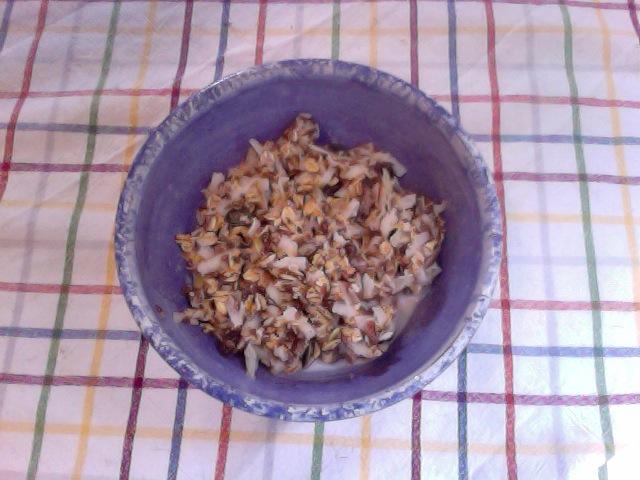
    Nag's muesli

    Homemade muesli

  • 1 wholemeal toast, little bit of butter, 2 boiled/poached/dry fried eggs
  • Natural yoghurt & fruit, 1 toast
  • Homemade muesli
  • Summer oats
  • Shake: milk, spoon of yoghurt, banana/berries, honey
  • 2 Weetabix, milk, banana

Meals:

  • 4 no effort meals
  • Spaghetti bolognaise: 1/4 plate spaghetti, add extra veg to bolognaise (grated carrot, extra tin tomatoes). Serve with side salad or Deidre’s coleslawimage
  • Meatballs in tomato sauce with extra veg & pasta
  • Rice, salmon, carrots & broccoli
  • Wholemeal pitta, tuna mixed with natural yoghurt/light mayo, chopped pepper, spring onion & lettuce
  • 1 wholemeal toast, little bit of butter, 2 boiled/poached/dry fried eggs
  • bowl of salad leaves, grated carrot, peas, sunflower & pumpkin seeds, chopped up chicken or flaked salmon

    image

    wholemeal bread, tuna with light mayo & yoghurt, carrot, spring onion, pepper

  • Super food salad with some chicken/fish
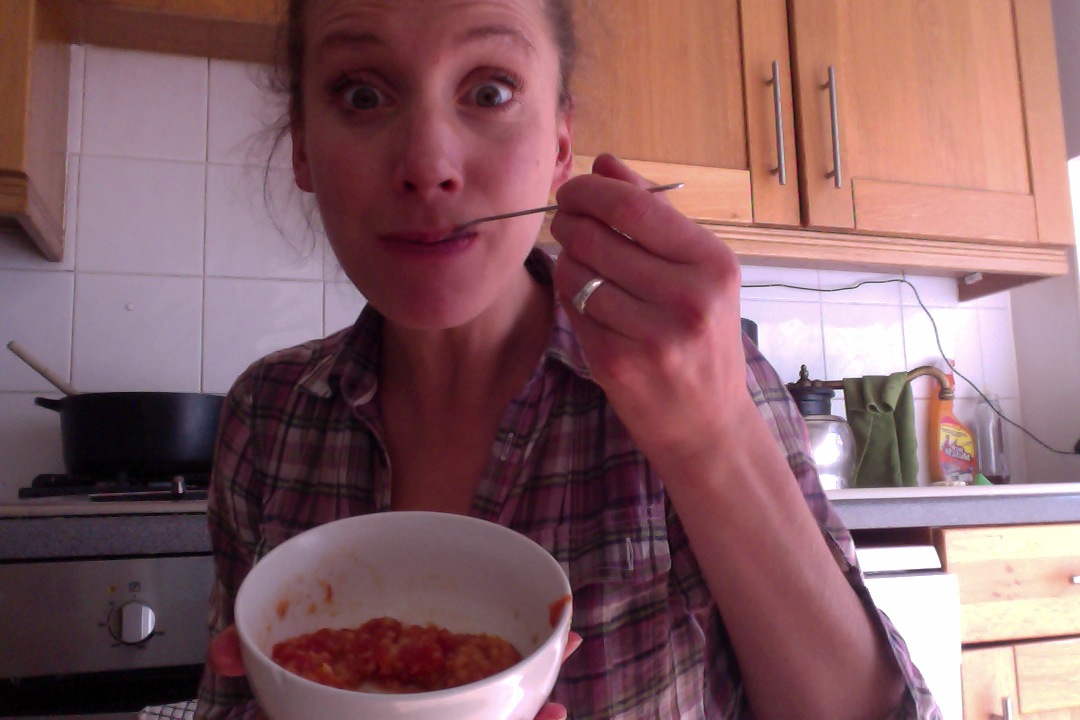
  • Lentil & tomato soup

Snacks (hunger often confused with thirst, so first have a glass water/cup of tea or coffee):

  • Apple & handful almonds
  • Rice cake with peanut butter/quark & small dollop of pesto
  • Homemade flapjack
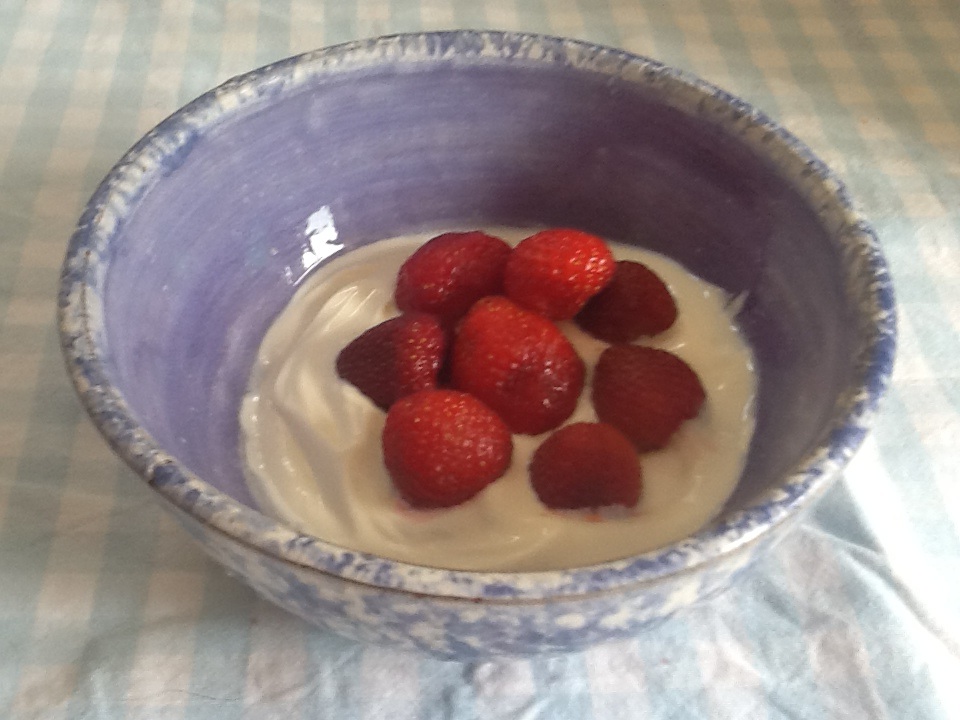
  • Yoghurt & strawberries image
  • Humous and carrot sticks
  • Glass of milk and banana/raisins
  • Skinny latte & apple

Tips:

  • stick to 1 portion of meals, if still hungry fill up up more veg/fruit
  • avoid creamy sauces, choose tomato sauces/vegetable based ones
  • be aware that oils (yes, even olive oil) has 100kcal per tablespoon. Use but don’t over do it. If eating out, ask for dressing on the side.
  • Be aware that sugary drinks (including pure fruit juice) can add significant calories to your diet. Go for water, tea, coffee, herbal teas, diluted cordial, or diet drinks instead.
  • Drink a large glass of water before a meal
  • Don’t put pot of food on table, serve up in kitchen to avoid picking at extras
  • By all means have ice cream, but not everyday and just a few scoops, not half the tub. Same goes for biscuits, crisps, chocolate, wine, beer etc. Not everyday and control the amounts.
  • Be aware that ‘light’, ‘lite’ or reduced fat doesn’t mean low in fat, just that it is 25% lower than full fat version.
  • Use natural yoghurt instead of mayonnaise,  or mix half yoghurt with half reduced fat mayo
  • If you are at work with limited access to appropriate food choices, bring your own food from home.
  • more tips28d3c13686b38426ee21fff84fe238a7.jpg

I hope some of these ideas may be of use to you. If it all seems a bit too much, just pick one or two ideas each week. Gradual changes that become habit are more likely to be of long term benefit than making massive changes that can be overwhelming.

Mark Twain: Habit is habit and not to be flung out of the window by any man, but coaxed downstairs a step at a time.

Recovery shake

Post workout: providing the perfect balance of protein, carbs, vitamins, minerals, antioxidants and electrolytes.Photo on 2013-07-02 at 14.02

Put the following ingredients in a blender and whizz up!

200ml milk

2 tablespoon natural yoghurt

handful frozen berries

1 banana

tablespoon honey

pinch of salt

In the fridge today……

Yesterday morning, a mum at the school gates dared me to post my fridge contents (she didn’t think I’d do it, so haha Ye Of Little Faith!) I promise that I’ve not removed or added anything. From the top…..

Photo on 2013-07-02 at 07.15

  • Boots Omega 3 Children’s supplement
  • Natural Yoghurt (full fat)
  • Kinetica Omega 3s – these ones for the grown ups
  • BBQ left overs (chicken, lamb)
  • Gatorade Ultimate Hydration (6% carbs, for exercise > 1hr)
  • Heinz Tomato Ketchup – lycopene & flavour!
  • Cherry Diet Coke – errrr, 2 bottles, a glass few times a week 😉
  • Butter – a little saturated fat ok
  • Bacon – processed meat 😦
  • Cheese – calcium
  • Left over Super Food Salad
  • Eggs – amazing nutrition powerhouses (don’t raise blood cholesterol)
  • Lavazza Coffee
  • Variety of veg: spring onions, broccoli, pepper, red cabbage, lettuce
  • Alpro Almond Milk – just for variety and to use in this and this
  • Kinetica High Protein Shake – used as quick snack or to bump up protein in these
  • Semi Skimmed Milk – good for protein, carbs, calcium – great post exercise refuelling.

Not a bad selection, plenty of nutritious things, some not so good. But like I always say, everything in moderation. Any comments gratefully received!

Food for Fuel

If you want to improve your athletic performance, increase strength, or perform well in competition/on game day, then it is vital to fuel your exercise sessions well. Timing is as important as type of fuel. (For some people, whose only aim is to lose weight, exercising on an empty stomach may be of benefit).

Here are just a few of the reasons why it is important to eat pre exercise:

  • carbohydrate to provide the muscles with energy
  • protein to repair muscle damage caused during exercise
  • protein & carbohydrate to build new muscle
  • carbohydrate and caffeine to improve concentration

It may sound obvious, but to be used as fuel, food and fluids need to be digested and absorbed in to the body. Ideally, a meal should be eaten 3-4 hours before exercise, with a top up of a smaller snack 1-2 hours before. This snack should be low fibre and low in fat as this allows faster digestion and less likely to cause gastrointestinal discomfort. Anything consumed within an hour of exercise starting should be very quickly absorbed.

For people wanting to improve fitness while losing weight, be careful of increasing overall daily calorie intake. Adding extra food and drinks for fueling purposes won’t help with weight loss, as you want to create an energy deficit (calories used up more than calories eaten/drunk). Instead, redistribute calorie intake through the day, and use lower calorie options eg, fruit, veg, low fat yoghurt, a cup of milky coffee during the 1-2 hours before exercise.

Ideas for pre exercise meals:

3-4 hours before exercise:

  • Pitta/crumpets/toast with jam or honey + flavoured milk
  • Jacket potato & cottage cheese/beans/tuna/chicken
  • Baked beans on toast
  • Breakfast cereal/porridge with milk
  • Bread roll/sandwich/bagel/wrap with cheese/meat/chicken & salad
    image

    3-4 hours before: Noodles, chicken stir fry and broccoli

  • Fruit + yoghurt
  • Pasta, rice or noodles with tomato sauce, lean meat eg. chicken, vegetables

1-2 hours before exercise (low fat, low fibre, high carbs and some protein) :

  • Milk shake or Fruit smoothie

    Chocolate milkshake

    1-2 hours before: Chocolate milkshake

  • Sports bars
  • Breakfast cereal with milk
  • Toast with honey/jam
  • Fruit-flavoured yoghurt
  • Fresh fruit
  • Dried fruit
  • Cup of milky coffee (caffeine enhances performance by reducing perception on fatigue, and increasing alertness and concentration)

Early morning sessions: If you train first thing in the morning, it is probably not possible to have a meal 3-4 hours before. In these circumstances, have a good meal the night before, then a snack and fluid 1-2 hours pre exercise eg. breakfast cereal and milk, fruit and cereal bar, smoothie or milkshake. Make sure that you then top up carbohydrate levels during the training session or event with a high carbohydrate drink.

Specific requirements: it is possible to calculate specific amounts of carbohydrate for optimal fuelling eg. 1-4 g/kg consumed 1-4 hr pre-exercise. A dietitian can help you calculate your individual requirements, and translate these in to actual amounts of food.

Everybody responds differently to eating and drinking before exercise. Experiment during training to find out what works best for you. Don’t leave it until the day of a big event to try something new!

8 essential tips for weight loss (and feeling fab!)

 The key to a healthy weight and feeling fabulous: 8 essential tips………

  1. Aim for small changes that you can sustain longterm, rather than a quick fix diet for a few days or weeks. Think “where do I want to be in a year”, rather than, “I want to lose a stone in 2 weeks”
  2. Listen to you body. Don’t starve…..low blood sugar levels will affect your concentration and make you grumpy. For most people, this would mean eating at 3 meals a day, with a snack in between. Eat until satisfied, not stuffed.
  3. Nutrition Basics – get the foundations of your meals right, and the rest shall follow! Always try to have protein at each meal, a fist full size of wholegrain carbs, and 1/2 a plate of veg or some fruit.
  4. Eat Breakfast– if you don’t feel like eating first thing in the morning, have something with in an hour or two of waking.
  5. Have Healthy Snacks to avoid becoming ravenous. Don’t skip meals to try to cut calories. It may make you feel virtuous at the time, but you are more likely to snack on high calorie foods or overeat unhealthy choices at your next meal.
  6. Be aware of what fluids you are drinking – frappacinos, non-diet fizzy drinks, fruit juice etc. can add 100s of calories to you daily intake. Replace with low calorie drinks eg. a cup of tea, americano, small skinny latte herbal, tea, water.
  7. Choose wholegrain carbohydrates ie. wholemeal bread, brown rice, oats. These make you feel fuller for longer. They also blunt rises in insulin (insulin promotes fat storage).
  8. Plan ahead, so that you know that you will have access to something healthy to eat. If you are not at home, always have a healthy snack with you in your bag or in your desk drawer at work.

Tomato & Lentil soup/sauce

Here is a great recipe for a soup/sauce using tomatoes and lentils that is high in protein, slow release carbs, and full of antioxidants. Especially good for post workout recovery snack/meal! It has just four ingredients and takes about 20 minutes to make.

Photo on 25-09-2013 at 12.17 #7

Why’s it so great?

  • the whole pot is 400 kcal, 25g protein and 30g fibre
  • lentils are low GI, meaning the carbohydrate is released slowly, avoiding peaks and troughs in blood sugar levels. Lentils have some iron.
  • high protein makes it filling, so you’ll be less inclined to snack later on
  • tomatoes are high in lycopene, an antioxidant, which may reduce prostate, breast and stomach cancer risk and lower cholesterol. Tomatoes are also packed full of other vitamins e.g. vitamin C, which enhances the absorption of iron in the lentils!
  • it’s cheap……..approximately 80p for the batch
  • add more water for a more liquid soup, or less water for a sauce. Use the sauce as a base for bolognaise (you can use less mince than normal) or on its own as a pasta sauce
  • for those of you in strength training, super charge with protein by adding some chopped up chicken breast or tuna.

It is incredibly filling. I usually have about half for lunch and the other half as a snack in the afternoon. If I’m pushed for time, I leave out the onion.

Here’s the recipe:

tin chopped tomatoes

100g red lentils (dry)    

1 onion

Chicken/beef stock cube made up to approx 300ml with boiling water

Chop the onion, put in saucepan with lentils and stock. Bring to boil, turn heat down and simmer for about 20 minutes. Add more water if necessary. Add the tin of tomatoes. For extra flavour add a squirt of tomato ketchup, a dash of worcester sauce, and a sprinkle of cumin. For a smoother soup or sauce, use a blender.