Sunday – no rugby today!

Today was a rest day for Dec (and Father’s Day), so intake is reduced by about 20%, aiming for 2700 kcal.

Nutritional requirements for training and rest days have been calculated by Rob Palmer, the Strength & Conditioning Coach at London Irish – doing that for 35 guys, as well as assessing all the food diaries and giving dietary advice is a massive, but fundamental job!

So as it was Father’s Day, Dec got a lie in (!) until 7.15, when the girls appeared with their presents. A big choc chip cookie made in nursery by Evie, and 4 very large peppermint sweets from Beth. Oscar winning performance from Daddy for pretending to polish off the lot.

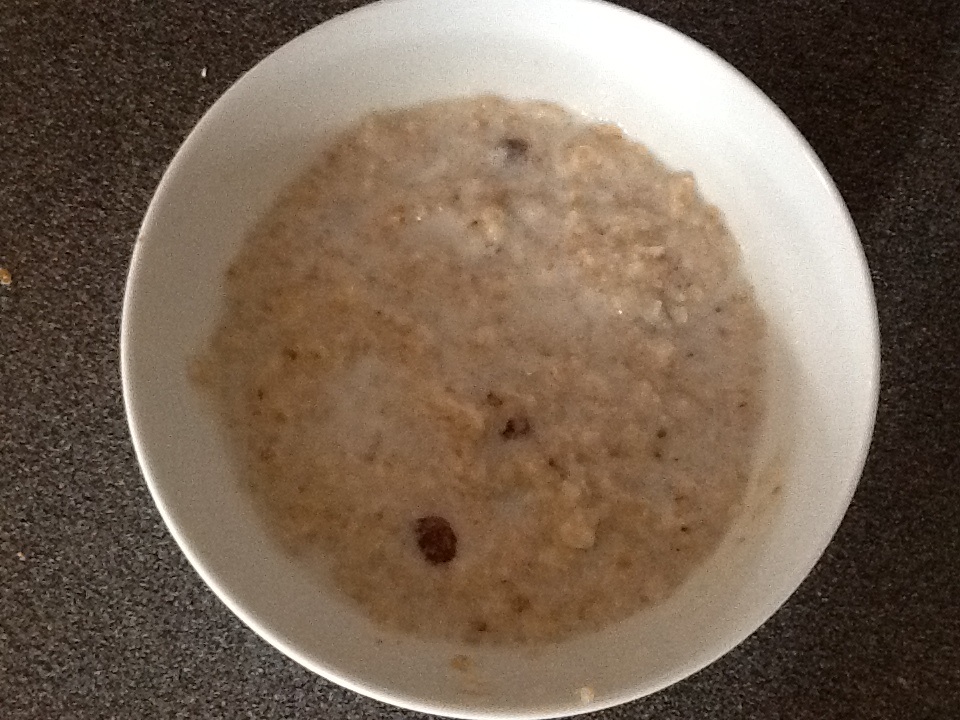
Breakfast: porridge

Mid morning snack 1: apple, museli bar, snack 2: 1/2 bagel with scrambled eggs and chorizo sausage

My sis Pam made a surprise visit, and volunteered to look after the kids so Dec and I could go for a coffee and read the papers (yay, thanks sis!!) Afterwards, I headed home to rescue Pam, while Dec was relieved from childcare duties to have a quiet lunch at a local Japanese fast food place in Kingston: sushi and spicy chicken (quite dry, not creamy)

Mid afternoon snack: protein shake, museli bar.

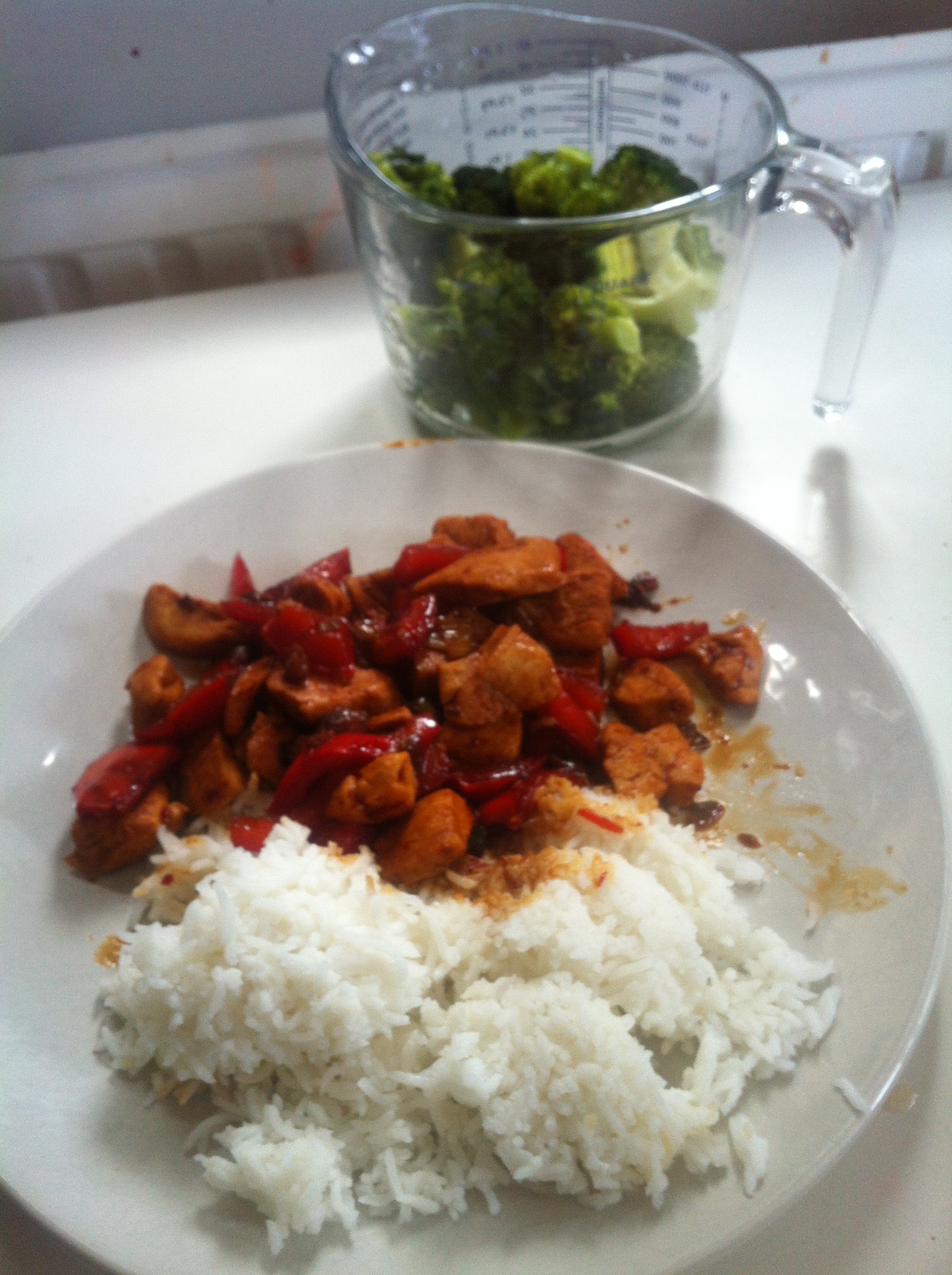
Dinner: Chicken stir fry with basmati rice and broccoli AGAIN. There it is, lurking in the background. This dinner is really simple. The sauce is easy, and so much nicer than those goopy yak sauces you buy in the sachets.

chicken stir fry:

securedownload-1

2 diced chicken breasts, red pepper, spring onions fried in a tablespoon of coconut oil. Add dark soy sauce, garlic, chilli and ginger (we used the squeezy tubes for very lazy busy people). Served with one cup of cooked basmati rice. Estimated 600kcal, 45g protein, 60g carbs.

Evening snack: some about 100ml rhubarb yoghurt.

BINGO: pretty much bang on target of 2700kcal.

Finally, congratulations to Beth, aged 6, for learning to ride her bike today. Watch out Cav.

15/6/13 – menu

Dec’s menu today…….1 weights and a cardio session:


Breakfast
: porridge made with half water, half milk, a dash of sugar and some raisins. It’s important for meals to be healthy but not taste like gruel, hence the sugar and raisins. To be fair, it does look like gruel, but it tastes quite nice. The raisins are buried in there somewhere!

image

To liven things up a bit (way hey!!!!) vary the milk – rice/oat/KoKo/soya, add some protein powder (add to warm porridge, if too hot can curdle), add honey, berries, cinnamon powder, roasted sunflower/pumpkin seeds, banana……..the list is endless! See people, porridge can be FUN!

Estimated 400 kcal, 12g protein, 40g carbs.

Mid morning: recovery shake (carbs + protein) during/after weights

12.00 ‘breakfast’ at the training ground, which was 5 poached eggs, 3 pieces bacon and a slice of toast. There is always protein/carb recovery shakes at hand too. When training at a high frequency with short recovery times between sessions, it is vital to refuel ASAP with carbs and protein. A minimum of 50g carbohydrate with 20g protein no more than 30 minutes after the session, as either a meal or snack (doesn’t have to be a sports recovery shake, actual food is just as good). If it’s a snack after the session, be sure to chase this within a few hours with a balanced meal.

Various training sessions, possibly weights and cardio (numerous child related dramas occurring when I asked)

3pm ‘snack’ at home was left over chilli and rice from last night, with a tortilla wrap and homemade coleslaw (carrots, cabbage, tablespoon light mayo, tablespoon natural yogurt). Handful of almonds. Estimated 860kcal, 60g protein, 80g carbs

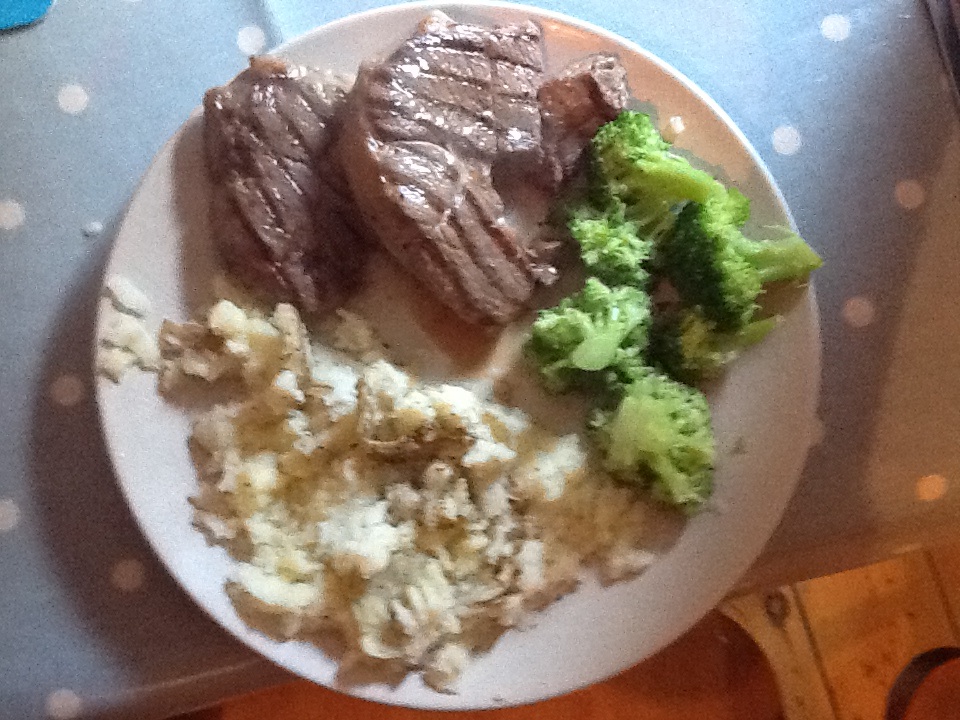
5.30pm dinner: lamb, mashed up new potatoes with some butter and broccoli. Yes broccoli again, a particular favourite/obsession. I would advise a bit more variety in the veg department, the more colour the better! Estimated 850 kcal, 75g protein, 65g carbs. image

6.30pm apple, 1/2 banana and greek yoghurt (higher in protein than standard yoghurt) – 200kcal, 10g protein, 35g carbs

8.30pm – protein shake, apple. 250kcal, 20g protein, 20g carbs

TOTAL for the day: 3500kcal, 265g protein, 420g carbs.

(My assessment…….a bit light on the carbs, over doing it on the protein)

Well done dear.

For dinner tonight we had……..

It’s the start of rugby pre season, so Dec is back in hard training in preparation for the first game at the London Double Header in September. You would think that the three weeks the boys have just had off would be a time for relaxing and letting the dietary regime go a little. But the pressure is always there to come back strong and lean, especially for the oldest man in the team.

During the holidays, as well as maintaining fitness with workouts 5 days out of 7, he also kept to a militant 3 hourly feeding regime. As a dietitian, I would prefer a more relaxed attitude to food, but in the world of professional sports, you’re only ever as good as your last training session. Any advantage no matter how small becomes fundamental.

As it happens, the right food and diet can provide more than just ‘an edge’ on your competitor. It can make a significant difference to strength and power, speed, performance and recovery. The psychological advantage should not be dismissed either…….knowing that your body is receiving the right fuel with the optimum ratios of macronutrients (carbs/protein/fat) as well as micronutrients (vitamins & minerals), will give that extra confidence.
So what does a professional flanker with a wife for a dietitian eat? If anyone is interested, I’ll post the meals and snacks as often as possible (within the realms of real life ie. caring for 3 children/mountain goats, shopping, cooking, cleaning etc.)
So, here’s what we had this evening at 5.30pm – early I know, but he gets hungry, as do I when my day starts at 5am.

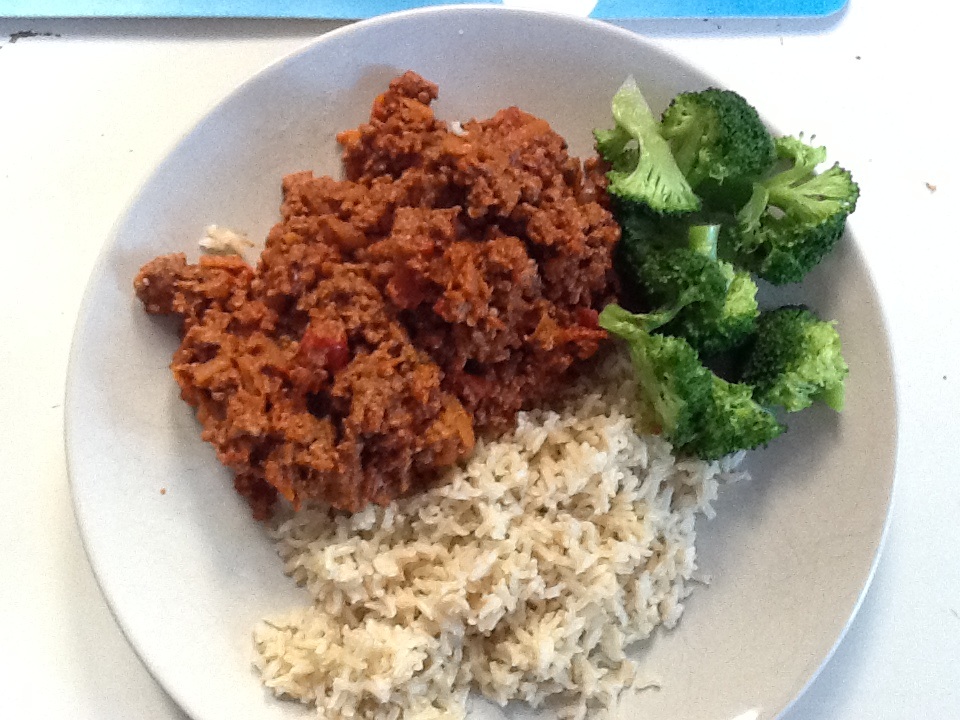
Chilli: lean beef mince, 2 grated carrots, 2 onions, 2 cartons chopped tomatoes, tomato puree, worcester sauce, tomato ketchup, garlic, dried chillies and cumin. I forgot to get the kidney beans at Sainsburys.
Brown rice, broccoli.
image

One plateful, no seconds. Estimated 750 kcal, 35g protein, 60g carbs

This is Your Child – the luxury of a dietitian

Powered by Linky Tools

Click here to enter your link and view this Linky Tools list…

In April 2011, funding for the post I held – Dietitian for Children with Special Needs in Richmond and Twickenham, was withdrawn. Despite extensively pleading the case with NHS management, 100s of vulnerable children were left without dietetic support.

At face value, a dietitian may appear to be a ‘luxury’ which, during these times of austerity would not be missed. However, for these children with very complex needs, dietary manipulation can have a profound effect on their quality of life.

Just one example is the little girl with severe epilepsy who was being fed through a tube, and able to eat small amounts of food. I first saw her a few weeks after starting in the post, she was referred to me for constipation. Not too serious?? The constipation was painful, and reduced her appetite so much that she refused to eat. Constipation for people with epilepsy can also be a seizure trigger, unfortunately during a seizure she suffered a fracture (anti-epileptic medications can cause reduction in vitamin D resulting in bone thinning).  I visited her at home, and within days, we were able to change the tube feed to one containing fibre, resolving the constipation, reducing the seizures, and giving her appetite back. She was able to eat her favourite yoghurts again, something that brought her immense enjoyment! We also started her on calcium and vitamin D supplements to reverse the bone thinning.

Having a dedicated dietitian to children like this little girl is fundamental to improving their quality of life. Currently, as this post no longer exists, children are seen at two local hospitals by very overstretched dietitians. It can take months to secure an appointment, and it can be very difficult for many of the children to get to appointments due to their lack of mobility.

In the last few weeks, in an effort to help these kids in some way, I have been volunteering at a playgroup for children with special needs in Richmond called Me Too & Co. The children are an absolute delight, and I am able to bring my 11 month old son along too (so don’t need to arrange child care!!) Unfortunately, I am only able to give general dietetic advice as for more in depth and complicated cases, a full medical and dietetic history would be necessary. Impossible in the fun and chaos of a playgroup!

Me Too & Co depends on donations, grants and fundraising to operate, so watch this space for any up and coming events! If you fancy donating thank you x

Diet and Fertility

Infertility affects about 10% to 15% of couples. The factors that can affect fertility include age, body weight, diet, exposure to tobacco smoke, stress and exercise.

Weight Matters
It is estimated that being either underweight or overweight causes a significant percentage of infertility issues.

Having too many or too few fat cells affects the amount of estrogen in the body, which which in turn affects fertility.

Here’s the good news. Simply achieving an ideal weight can help greatly with fertility, and once pregnant can help to achieve a healthy pregnancy. For overweight ladies, losing just 5% to 10% of total body weight can dramatically improve ovulation and pregnancy rates.

Male fertility is also affected by being overweight, as they tend to have lower testosterone and increased estrogen levels, which affects sperm production.

PCOS
Polycystic Ovary Syndrome affects as many as 10% of women. 75% of women diagnosed with PCOS are thought to have problems with infertility.

Symptoms of PCOS include: irregular, heavy, or no periods; acne; and excessive hair growth on the face and body (hirsutism), unexplained fatigue; low blood sugar (hypoglycemia) after meals; lightheadedness; sweating; intense carbohydrate cravings; mood swings; hot flushes; recurrent spontaneous miscarriages.

While being overweight often is common in women with PCOS, you can be of normal weight and still have it.

A healthy eating plan for PCOS includes lowering carbohydrate intake, choosing low glycaemic index foods, having a good intake of healthier protein foods, and adjusting the types of fat in the diet.

Exercise
Women involved in competitive sports (and those who just exercise a lot) sometimes reduce their body fat so much that they stop menstruating. Strenuous exercise, low body weight, and body fat are related to reproductive problems, including infertility. Regular exercise is important for good health and can improve or control many conditions that lead to infertility, including overweight, emotional stress, and PCOS. However, if you take exercise to the extreme and are having trouble conceiving, you may need to slow down.

Coeliac Disease
Celiac disease is an autoimmune disease that prevents people from properly digesting gluten, a protein found in wheat, rye, and barley. Research suggests there’s a higher rate of undiagnosed coeliac disease in women having trouble conceiving. Untreated coeliac disease also may be associated with recurrent miscarriage and other pregnancy problems such as low birthweight.

could you have coeliac disease?

Oxidative Stress and Antioxidants
Antioxidants  play an important role in your fertility.

Free radicals can damage the reproductive system and have been correlated with problems of sperm motility, sperm number, and DNA damage in sperm. Free radicals can affect virtually every step in the reproductive process, from egg maturation to pregnancy.

Foods rich in antioxidants should be included in your pre conception and pregnancy diet.

Fruits: blackberries, red currants, raspberries, strawberries, blueberries, oranges, pineapple, plums, and pomegranates

Vegetables: spinach, red peppers, red cabbage, peas, black and green olives, , asparagus, broccoli, artichokes, onions, carrots

Spices: clove, allspice, mint, sage, thyme, nutmeg, rosemary, saffron, tarragon, oregano, ginger, cinnamon, natural cocoa

Drinks: coffee, and green and black teas also contain antioxidants but should be consumed in moderation

Nuts, seeds, and grains: walnuts, pecans, sunflower seeds, pumpkin seeds, peanuts, pistachios, buckwheat, quinoa, basmati rice

Fertility treatment can be expensive and emotionally exhausting. Before embarking on the process, it could be wise for women and men trying to conceive to assess their diets and make approprite changes. Registered Dietitians are perfectly placed to help with this.

Gluten Free Cafe – Kingston

For a great cup of coffee and little slice of something homemade and gluten free, here is a little gem of a place in Kingston. It’s located on Old London Road…..the one with the tumble down telephone boxes. I highly recommend, as do my children (“when can we go back to the gluten free cafe mummy!”). Healthy Cook Co.

Food Labels – confused??

You’re in the supermarket and have the choice between normal chocolate digestives and 30% reduced fat chocolate digestives. You should choose the reduced fat ones, right? And you can eat a few more than usual because they’re healthier!!

Unfortunately, WRONG! Take a look at the label………McVities reduced fat digestive are only 9 calories and 1g of fat less than the standard ones.

Research has shown that when choosing the reduced fat versions of any food, people tend to eat 50% more than if they ate the standard product. That’s what we call ‘the Halo Effect’. The Halo Effect is a positive thing for fruit and veg, but not so much for biscuits!

What do the words on food labels really mean?

  • reduced/lower fat/light – 25% lower than standard version. Can still be high in fat, sugar and calories. eg. Cathedral City mature cheddar has 34.9g of fat per 100g, and the ‘lighter’ version has 21.8g. Although that’s 30% less fat, it’s still classed as high.
  • low fat – less than 3g fat per 100g, can be high in sugar (sugar is 0% fat!)
  • no added sugar – this doesn’t mean no sugar. e.g. fruit juice can be unsweetened, but is naturally very sweet. A 200ml glass of orange juice has 90 calories, 20g carbs (equivalent to 4 teaspoons sugar)
  • flavoured – e.g. raspberry flavoured – doesn’t contain any raspberries

Per 100g serving:

              A lot               A little

Sugar     10g                  2g

Fat          20g                  3g

 Salt        1.5g                 0.3g

My advice?

Everything is fine in moderation, there are no good and bad foods. However, don’t be fooled that you can eat extra of something because it’s labelled low this or reduced that. Keep your portion control  (more on portion sizes in the near future).

If you want a biscuit, have one, not 5. If you want cheese, great, but a portion is just 30g, or the size of a small matchbox. One glass of fruit juice counts as a portion of fruit, just don’t go overboard by drinking a whole litre carton.

Educate yourself on food labels. Take some packets out of your cupboard and compare with the table above to see if they have high or low fat/sugar/salt per 100g. Look at the ingredients list……..sometimes the fewer ingredients, the better!

Think about nourishing your body with real food. Rather than relying on processed packaged foods with long lists of ingredients, fill up on the wholesome, natural foods: fruit, veg, lean protein, wholegrains etc.

NOURISH TO FLOURISH!