
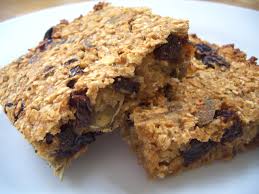

5 ‘unhealthy’ foods you should eat
Whether you are trying to lose weight, increase energy, reduce cholesterol, control blood sugar levels, improve fertility or just ‘feel better’, here are five foods that you may have been avoiding unnecessarily:
Peanut Butter – Frowned upon as a guilty indulgence, peanut butter can bring you many health benefits. Keep portions sensible at about two tablespoons a day i.e. don’t attack the jar with a spoon!
- low glycaemic index, helping to keep blood sugar levels from fluctuating
- good fat – peanuts are high in heart healthy monounsaturated fat
- protein from nuts are fabulous for helping to make you feel full up for longer and maintaining or building muscle mass
- High in fibre for healthy digestion and appetite control
- Have on a piece of wholemeal toast, on an oatcake, mixed in to some chunky oat porridge, or in homemade flapjacks
Eggs – these little powerhouses of nutrition have had bad press over the years due to the cholesterol levels. Research shows that the cholesterol in food is not absorbed well in to the body and does not affect levels of cholesterol in the blood.
- Full of choline for brain development (essential for pregnant women!)
- Curbs your appetite – people eating eggs for breakfast consume fewer calories throughout the day
- High in protein – important for keeping your muscle, and helping to build more to stay lean
- Easy and cheap – boiled, scrambled, dry fried, poached, microwaved in a minute………..they are so easy to incorporate
Dark chocolate – 80% cocoa chocolate may be an acquired taste, but it is worth it! A small amount will satisfy, as well as having numerous health benefits.
- low glycaemic index so keeps blood sugar levels steady (good for diabetics, overweight, PCOS, curbing cravings)
- high in antioxidants which may be protective against cancer, heart disease and ageing
- lower in caffeine than milk chocolate
Dairy – milk, cheese, yogurt all have health benefits. Unless you have a dairy allergy or intolerance, there really is no reason to remove from your diet.
- controls appetite: dairy products are digested slowly therefore help you to feel full up for longer

- a great source of amino acids – essential for maintaing and building muscle
- calcium – essential for bone formation and muscle function
- yogurt has probiotic bacteria which are essential for healthy gut function. Keep it natural to lower the sugar content……add your own fruit for some sweetness

Avocados – traditionally, avocados were relegated to the ‘foods to avoid’ list due to the high fat and calorie content. In fact, eaten in moderation, they actually provide immense health benefits.
- Healthy fats – lower cholesterol and reduce appetite
- Avocado eaters more likely to have lower body weight, BMI and waist circumference
- high in vitamins and fibre
- rich in phytochemicals which may protect against cancer
- the fat content helps the absorption of fat soluble vitamins (A, D, E & K) from vegetables
- try half an avocado sliced on toast, mashed as a replacement for mayonnaise or butter, or whizzed up in a smoothie
As with most things in life, “everything in moderation”! Including these nutrient dense foods everyday as part of an all round healthy diet can help your body to function at it’s best.

Healthy Fat guide

2 minute Healthy Ice cream
Here is a recipe for a very quick and healthy dessert. Plain yogurt has Lactobacillus bacteria which is important for a healthy digestive system, calcium for bones, and no added sugar. Frozen berries add the vitamins, fibre and phytochemicals; a powerful combination that simply can’t be bottled in a multi vitamin pill. For sweetness I add a ripe frozen banana and honey if it needs it. It doesn’t have the normal ice cream consistency (more thick smoothie), but call it ice cream and kids love it. If they moan that it’s not ice cream, just eat it yourself. Win, win!
300ml natural yogurt
mugful of frozen berries
one ripe banana (frozen if possible)
1-2 teaspoons honey 
Whizz the lot up in a blender, spoon in to bowls.

Athletes – how to stop getting sick
For the professional sports person or amateur athlete, feeling unwell can reduce the ability to perform during training and competition, and can lead to poor recovery and poor performance. Ultimately, feeling chronically below par can affect the long term career.
There are numerous reasons for lowered immunity during training:
- repeated cycles of heavy exertion
- exposure to germs and bugs
- mental stress
- lack of sleep
- poor nutrition
- weight loss
Nutritional immunology is a rapidly growing area, and four key principles have emerged:
1. Almost all nutrients in the diet play a crucial role in immunity. Eating a wide variety of foods in your diet provides all these nutrients in most healthy adults, and mega doses of vitamin/mineral supplements do not “boost” immunity above normal levels. There may be one exception…..current research suggests that vitamin C when unwell can shorten the duration of the common cold.
2. Poor energy and nutrient intake can reduce the immunity and susceptibility to germs and bugs. Poor protein intake reduces immune function and strongly increases risk of various types of infections.
3. Some nutrients (glutamine, arginine, fatty acids, vitamin E) provide additional benefits to immunocompromised persons (e.g. the frail elderly) or patients who suffer from various infections. Currently there is a lack of evidence to support the use of these in preventing exercise-induced immune suppression and protection from infection.
4. Some supplements may prove useful in countering immune suppression for healthy adults during unusual mental and physical stress e.g. omega-3 fatty acids from fish oils reduce inflammatory responses.
CARBOHYDRATES
Of the various nutritional countermeasures that have been evaluated so far, ingestion of carbohydrate before, during, and after prolonged or intense exertion has emerged as the most effective way to ensure less of a negative effect on the immune system. Athletes intent on reducing body fat by avoiding carbohydrates should be aware that this may impact on their immunity.
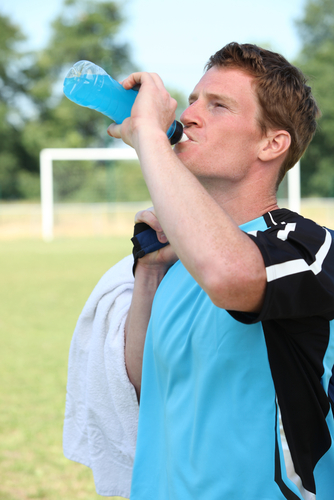 Strategies to ensure good carbohydrate stores to optimise immunity:
- Have a carbohydrate-based snack before you start high intensity training, particularly hard morning training. If you are unable to tolerate something before you start exercise, have a source of carbohydrate during the session such as a sports drink (6-8% carbohydrate)
- Have a carbohydrate & protein based snack shortly after training to start the recovery process. This is of particular importance for athletes training more than once a day with limited time to recover for the next session.
- Base meals around nutrient-rich carbohydrate-containing foods and fluids. Rice, pasta, bread, cereals, fruit, starchy vegetables and low-fat milk and yoghurt are nutrient-packed carbohydrate-containing choices. The aim is to match daily carbohydrate needs with an appropriate amount of carbohydrate-containing foods and fluids throughout the day.
PROBIOTICS
Probiotics may benefit athletic performance indirectly by maintaining gut function and health, preventing the immunosuppressive effects of intense exercise, and reducing susceptibility to illness. Substantial evidence exists indicating that probiotics can reduce susceptibility to acute infectious diarrhoea (athletes may be particularly susceptible during foreign travel). Lactobacillus probiotics may also reduce coughs and cold incidence.
DON’T FORGET….
- Wash hands regularly, before meals, and after direct contact with potentially contagious people, public places and bathrooms.
- Use disposable paper towels and limit hand to mouth/nose contact when suffering from respiratory or gastrointestinal infection symptoms. Use alcohol-based hand-washing gel.
- Do not share drinking bottles, cups, towels, etc with other people.
A balanced and nutrient rich diet is fundamental to avoiding illness for those undergoing intense physical exercise. Current opinion is that athletes should invest in nutrient-rich foods and fluids that provide sufficient energy and a wide range of vitamins, minerals and other important chemicals, such as phytochemicals, found naturally in foods. When this is not possible the use of supplements such as multi vitamins, omega-3 fish oils, and probiotics may be advised.
A dietitian with experience in sports nutrition is ideally placed to advise on the specifics of food, fluid and supplements, taking in to account variables such as type, intensity, duration of exercise, time available for recovery between sessions and body composition goals during training and competition.
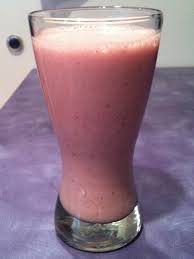
Super Simple Smoothie
Here’s a super healthy smoothie using REAL food……a complete breakfast containing protein, antioxidants, calcium, vitamin C and soluble fibre. Nutritionally, this is an incredible combination of ingredients. It’s also an easy way to get fruit in to kids!

 Shop bought smoothies tend to be very high in fruit juice, and therefore high sugar.
150ml milk (normal cow’s/Lactofree/almond/rice milk etc.)
1 tablespoons natural yogurt e.g. Total is high in protein
1 banana/handful of oats

Low fat, high protein yogurt
handful frozen berries
dollop of honey
Whizz the lot up and serve!

Looking back, looking forward……crikey!

Since embarking on my career as an independent dietitian 16 months ago, it has been a slow and frustrating journey. Seeing my clients, 5am starts, 11pm finishes, with looking after the three children and a household in between. A logistical ‘challenge/nightmare’!
“How hard can it be to fill a one morning clinic each week”? Coming from the NHS, I thought this would be a cinch, where waiting lists to see the team of hospital dietitians are months long. Out in the real world of freelancing, it is a very different story.
It takes a long time to build a dietetic business. It isn’t like physiotherapy, for example, where clients return for numerous appointments. I gauge how well I am doing by clients not having to return to see me. I know I won’t make my millions this way, but when you love what you do and see the results of your work, life is pretty good.
It is a wonderful thing to see the difference in people’s lives. In the last week, a lovely lady who I saw a month ago, for digestive issues that her GP was unable to help her with (sadly, most doctors have zero training in nutrition but plenty of training in issuing prescriptions) stopped me while shopping in Kingston to give me a kiss and a hug. I’m not comfortable with blowing my own trumpet, but I want to let people know that it’s not all doom and gloom when the medics say “sorry, we can only treat you with drugs, and if the drugs don’t work, there is nothing more we can do”. Also this week, an email from a mum of an 8 year old boy with worrying behavioural issues and not a solid poo in his life. Again, unfortunately for years his GP was unable to help:
“I can’t believe what a difference I have seen in a such a short space of time! His appetite has improved greatly and he does seem to be much calmer! I have also noticed a change in his poo………….. I know we have a long way to go but I just wanted to say thank you as I have seen an improvement already! He is having school meals so that is a bit out of my control but whereas he never used to touch it he is definately trying foods now.”
So slowly, slowly, I have gone from one client a month, to 4-5 a week. There have been times when I was on the verge of  giving up and getting a ‘proper’ job, but it is my patients/clients that inspire me to persist, work hard and change things for them for the better.
It’s a wonderful thing to love what you do, and now I’m able to pass on this passion to the next generation. Two weeks ago I started a new part time lecturing post at St Mary’s University, teaching Clinical and Sports Nutrition to undergraduates and Masters students. Crikey! A massive thank you to my parents who have eased the childcare logistics while I settle in. My first lecture is next Friday. Yikes! But I’m not ditching my clinic clients. No way. That work is too important to let it go.
 sarahdietitian.com