5 ‘unhealthy’ foods you should eat

Whether you are trying to lose weight, increase energy, reduce cholesterol, control blood sugar levels, improve fertility or just ‘feel better’, here are five foods that you may have been avoiding unnecessarily:

Peanut Butter – Frowned upon as a guilty indulgence, peanut butter can bring you many health benefits. Keep portions sensible at about two tablespoons a day i.e. don’t attack the jar with a spoon!

  • low glycaemic index, helping to keep blood sugar levels from fluctuating
  • good fat – peanuts are high in heart healthy monounsaturated fat
  • protein from nuts are fabulous for helping to make you feel full up for longer and maintaining or building muscle mass
  • High in fibre for healthy digestion and appetite control
  • Have on a piece of wholemeal toast, on an oatcake, mixed in to some chunky oat porridge, or in homemade flapjacks

Eggs – these little powerhouses of nutrition have had bad press over the years due to the cholesterol levels. Research shows that the cholesterol in food is not absorbed well in to the body and does not affect levels of cholesterol in the blood.

  • Full of choline for brain development (essential for pregnant women!)
  • Curbs your appetite – people eating eggs for breakfast consume fewer calories throughout the day
  • High in protein – important for keeping your muscle, and helping to build more to stay lean
  • Easy and cheap – boiled, scrambled, dry fried, poached, microwaved in a minute………..they are so easy to incorporate

Dark chocolate – 80% cocoa chocolate may be an acquired taste, but it is worth it! A small amount will satisfy, as well as having numerous health benefits.images-4
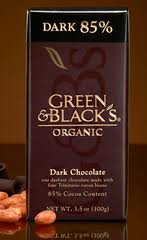
  • low glycaemic index so keeps blood sugar levels steady (good for diabetics, overweight, PCOS, curbing cravings)
  • high in antioxidants which may be protective against cancer, heart disease and ageing
  • lower in caffeine than milk chocolate

Dairy – milk, cheese, yogurt all have health benefits. Unless you have a dairy allergy or intolerance, there really is no reason to remove from your diet.Unknown-13

  • controls appetite: dairy products are digested slowly therefore help you to feel full up for longerUnknown-7
  • a great source of amino acids – essential for maintaing and building muscle
  • calcium – essential for bone formation and muscle function
  • yogurt has probiotic bacteria which are essential for healthy gut function. Keep it natural to lower the sugar content……add your own fruit for some sweetness

Avocados – traditionally,  avocados were relegated to the ‘foods to avoid’ list due to the high fat and calorie content. In fact, eaten in moderation, they actually provide immense health benefits.

  • Healthy fats – lower cholesterol and reduce appetite
  • Avocado eaters more likely to have lower body weight, BMI and waist circumference
  • high in vitamins and fibre
  • rich in phytochemicals which may protect against cancer
  • the fat content helps the absorption of fat soluble vitamins (A, D, E & K) from vegetables
  • try half an avocado sliced on toast, mashed as a replacement for mayonnaise or butter, or whizzed up in a smoothie

As with most things in life, “everything in moderation”! Including these nutrient dense foods everyday as part of an all round healthy diet can help your body to function at it’s best.
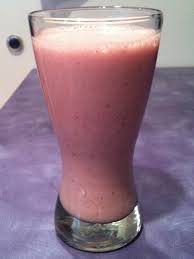
Super Simple Smoothie

Here’s a super healthy smoothie using REAL food……a complete breakfast containing protein, antioxidants, calcium, vitamin C and soluble fibre. Nutritionally, this is an incredible combination of ingredients. It’s also an easy way to get fruit in to kids!

Unknown-2IDShot_90x90-2Shop bought smoothies tend to be very high in fruit juice, and therefore high sugar.

150ml milk (normal cow’s/Lactofree/almond/rice milk etc.)

1 tablespoons natural yogurt e.g. Total is high in protein

1 banana/handful of oats

Low fat, high protein yogurt

Low fat, high protein yogurt

handful frozen berries

dollop of honey

Whizz the lot up and serve!

Dressing Up – 5 ways to add oomph to veg

A good dressing can transform a plate of salad or vegetables in to something quite spectacular. We all know that we should eat more veg as they have been shown beyond doubt that they are very, very good for us. Why vegetables are fab:

  1. Add amazing colours and textures to your plate
  2. Prevention of chronic health conditions  (heart, diabetes, strokes, obesity, cancer)
  3. Low in calories, you can eat LOADS
  4. Fibre prevents constipation
  5. Encourage the good bacteria in your gut
  6. Vitamins & minerals are needed by your body’s millions of metabolic processes
  7. There is a huge variety so you never need to get bored
  8. Vegetables can taste really good…………….

If you feel that veg can get a little dull, or need some extra oomph, here are 5 very simple dressings to turn a plate of the good stuff in to something pleasurable and delicious.

A big benefit of adding a dressing is that the oil helps with the absorption of vitamins. Vitamins A, D, E and K are fat soluble, therefore need fat for our bodies to absorb them. As for most things in life, don’t over do it with the dressing, use it to complement the salad or veg rather than drowning your plate in it. Unknown-1  

You don’t need any special equipment. Inspired by Jamie Oliver, I use an old jam jar……just put all the ingredients in the jar and shake well.

Extra virgin olive oils are a bit like wine as they can vary dramatically in taste, depending upon the type and quality of the fruit that is pressed, the time of harvest, the weather during the growing season, and the region from which the olives were produced. If you are feeling adventurous and budget allows, experiment! If you find the taste of extra virgin oil too strong, you can use olive oil instead. I prefer a ‘tangy’ dressing, so usually add more vinegar/lemon juice.  

Classic 1 teaspoon of Dijon mustard 2 tablespoons of white or red wine vinegarimages-4 6 tablespoons of extra virgin olive oil pinch of salt, pepper  

Lemon 6 tablespoons extra virgin olive oil juice of 1 lemontumblr_nb0yhi3gkn1tpkb57o1_500 pinch of salt, pepper  

Balsamic 6 tablespoons extra virgin olive oil 2 tablespoons balsamic vinegar Pinch of salt, pepper  

Creamy 6 tablespoons natural yogurtimages 2 tablespoons white wine vinegar 1 tablespoon extra virgin olive oil pinch of salt, pepper  

Thai 4 tablespoons lime juice 3 tablespoons olive oil 2 tablespoons toasted sesame oil 1 tablespoon soy sauceimages-1 1 teaspoon sugar 1 tablespoon fresh ginger, finely grated/finely chopped 1/2 clove garlic, crushed/finely chopped

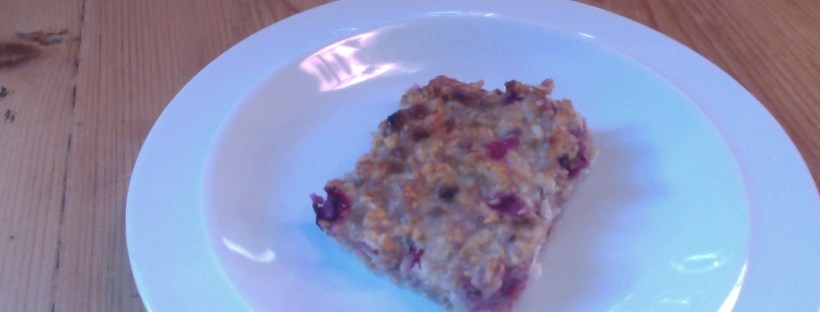
Berry Banana Breakfast Bake

My breakfast recipes are constantly evolving. This is an amalgamation of the breakfast omelette and the Seriously Healthy Flapjacks. The eggs make it high protein and filling; oats for sustained energy, cholesterol lowering and fibre; the berries and banana give your fruit fix.

It’s fabulous cold (I’ve had 2 already this morning), straight from the fridge, especially good if you are on the go to work or with kids. Experiment with the fruit and sweetness…..you can add a tablespoon of honey or use cinnamon instead of coconut. My youngest daughter

A hit with the Little Man

A hit with the Little Man

can’t be in the same room as a banana, so I mash them and she doesn’t notice they are in there.

Beth likes, Evie declined

Beth likes, Evie declined

The recipe makes about 9, each has about 160kcal, 10g protein, 25g carbohydrate. Two would make a good breakfast, or one for a between meal snack.


I
ngredients:

1 cup oats

2 ripe bananas mashed or chopped

measuring cups

measuring cups – very handy!

1 cup berries (I use frozen, defrosted)

2 eggs

2 cups of milk/protein milkshake

1/4 cup desiccated coconut (optional)

Method:

In a casserole dish (mines about 9 inches square), spread the berries, coconut and chopped banana

Sprinkle over the oats.

Beat the eggs and milk/protein shake (if using mashed banana add it to this liquid)

Pour liquid into the casserole dish

Bake for approximately 45 minutes at 180C

5 reasons Mums can’t lose the weight

In the past week, I’ve had at least 5 conversations with other mums about their weight, and how to lose it.  It’s one of those things that just seems to happen…….after each child you don’t quite manage to get to your pre pregnancy weight, then over the years the weight creeps up even more. You feel that you’re not over eating, in fact sometimes you can go most of the day without a meal. And you’re on your feet all day so you must be burning up loads of calories.

So why are the scales not going down? What is going on? In a nutshell, you are eating more calories than you are burning. This can be for a number of reasons:

Here a the top 5 reasons why you can’t lose the weight:

  1. Skipping meals: you wake up and are met with the insane and constant demands of your children. Not only do you have to get yourself ready for the day, but all of the children too. If I include myself, I’ve 4 sets of teeth to clean, 4 hairs to brush, 4 bodies to dress, and 4 mouths to feed. It’s easy to miss breakfast! Before you know it’s 10am and you are starving, so you grab a muffin in Starbucks (a skinny one, must be Unknownhealthy right?), or a croissant, and a latte.  At lunchtime, you’re not that hungry, so a biscuit or two or a a packet of crisps is fine, and so the inconsistent grazing continues through the day. By not eating regular meals, you snack on less than nutritious, high calorie food. This is ‘mindless’ eating. Not only are you depriving yourself of nutritious food, you are stacking up the calories. Take 2 minutes in the morning to tell yourself that today, you are going to eat breakfast, lunch and dinner.
  2. ‘Tasting’ while cooking: I am certainly guilty of this. I love cooking and baking, and Unknown-1can easily spend a few hours each day in the kitchen. I like to taste the food, so I’ll have a munch here and there, a taste of this and that to gauge the flavour, and the final product of course.
  3. Finishing the kid’s food: Kids eat until they’ve had enough, so more often than not there will be left over food on their plate. Half a sausage down your hatch with out even thinking about it – that can be nearly 100kcal. Some yoghurt left in the pot (hey, it’s healthy and we can’t let that go to waste can we, and it there’s less mess to clean up!). Half a banana on the walk home from school because daughter didn’t want it, in it goes! All these add up to 100s of calories per day. You are not a human dust bin!
  4. Over eating/drinking in the evening: I understand the immense relief that comes with the children finally being in bed. The peace is something to behold. It’s ‘me’ time, time for a lovely meal and a glass of wine to wind down. You need it, and you deserve it. It is what has been keeping you sane all day. Just be aware that this is a form of
    Better get cracking on this lot!

    Better get cracking on this lot (7200kcal)!

    emotional eating and drinking, and often is a major contributor to weight gain. Look at your portion size of pasta or rice – does it fill the plate? 1/4 plate of pasta, or a fist size amount provides about 250kcal. Fill your plate with salad and veggies. I’m not going to lecture about the health dangers of regular alcohol intake, but one bottle of wine has about 600kcal, the equivalent to a meal.

  5. Reduced metabolism – as we age, our metabolism slows, probably due to loss of muscle. As well as reduced metabolic rate, although you may be active all day, the calories you are using up through exercise is not enough. You need to boost your metabolism by getting some strenuous exercise that gets you sweating! Just pootling up and down the swimming pool or sitting on the exercise bike for twenty minutes isn’t enough. HIIT training is fabulous for those who don’t have much time. Building some muscle by doing weight bearing exercise will also help.

10 ‘all you can eat’ foods

Are you trying to eat healthily, but sometimes feel deprived and hungry? Bored with your food? Struggling to think of healthy meals and snacks?

If you want to lose weight, aid recovery from exercise, sleep better, have more energy, look fabulous, and most importantly FEEL FABULOUS eat these 10 foods in abundance, and then have some more! They are amazing power houses of nutrition with vitamins, minerals, antioxidants, phytochemicals, fibre, and low in calories. If there is one thing you do today (and for the rest of your life), eat these at breakfast, lunch, dinner and in between!

  1. Mushrooms – 1 large: 3kcal. Yes, you read correctly. Only 3 calories in one big mushroom! Choc a block with B vitamins and selenium, which are important for the digestion, hormones, skin, nervous system and red blood cells.
  2. Red Onions – 1 whole big onion: 60kcal. The humble onion, is without question one of the healthiest things you can put in your body. High in compounds such as quercertin, onions are good for muscle repair, skin health, and prevention of heart disease, cancer & diabetes.
  3. Broccoli – 1 cup: 30 kcal. Full of manganese, potassium, phosphorus, magnesium, iron, and vitamins A, C and K. One serving has 150% of your daily vitamin C requirement (helping to absorb the iron), 270% of your vitamin K and surprisingly, nearly 5g of protein!
  4. Red Pepper – 1 medium: 30 kcal. The deep, vivid colour gives a clue to the impressive nutrition credentials of the red pepper. With more vitamin C than an orange and one third of the calories, eaten raw or cooked, this is an easy addition to jazz up any dish.
  5. Spinach – a whole bag (100g): 23 kcal. Spinach is a true superfood of the vegetable world with more than a dozen different flavonoid compounds that function as anti-inflammatory and anti-cancer agents. Vitamin K, calcium and magnesium work synergistically for bone health.
  6. Kale – half a bag (100g): 50 kcal – Kale provides a powerhouse of goodness that can be enhanced by steaming for 5 minutes. Kale is outstanding for antioxidants, anti inflammatory compounds and cancer preventing nutrients. Wonderful with garlic and a sprinkle of soy sauce.
  7. Red cabbage – 1 cup: 30 kcal The rich color of red cabbage reflects it concentration of anthocyanin, which is an antioxidant and is anti-inflammatory. Emerging evidence suggests that anthocyanins may provide cancer protection, improve brain function and promote heart health.
  8. Carrots – 1 large: 40 kcal. Carrots are a staple British veg. Carotenoids, essential for good vision, can be made more bioavailable by lightly steaming the carrots. Many people prefer the sweeter taste and texture of lightly steamed or boiled.
  9. Beetroot – 1 medium sized: 35 kcal – Both the bitter leaves (exceptional for calcium, vitamins A & C, and folate) and the sweet beetroot can be eaten. Betacyanin provides the intense deep purple colour, glutamine is essential to the health and maintenance of the intestinal tract, while nitrate has been found to lower blood pressure and enables athletes to exercise for up to 16% longer.
  10. Tomatoes – a punnet of cherry tomatoes: 70 kcal (4 kcal each). It does not matter how you eat tomatoes, as all forms are low in carbohydrates and packed with vital nutrients such as lycopene (more easily absorbed if tomato is cooked), vitamin C and E, iron, potassium and fiber. Eat tomatoes as often as you wish!

So you treat yourself to a MASSIVE plate of food, safe in the knowledge that your indulgence is providing very few calories AND an awesome amount of nutrients. Have with some lean protein e.g. chicken, salmon, lentils, eggs, and healthy fats to make a superfood meal. If you’ve been exercising or will be working out in the next few hours, add in some wholesome carbohydrate. Preparing these doesn’t have to be complicated. Here are some snack/recipe ideas that can be ready in minutes:

  • green smoothie: did you know that you can adding leafy green veg to smoothies is possible? For a breakfast veg hit, in a blender whizz up 200ml water/milk, a ripe banana, tablespoon peanut butter and a large handful of spinach.
  • snack on red peppers – keep it simple, chop and eat raw and crunchy with a tablespoon of humus
  • lightly steam carrots in the microwave to keep essential nutrients (put in a bowl or mug with a little hot water and cover). Benefits of cooking veg in the microwave
  • For breakfast: an omelette made with stir fried sliced red onion and spinach with 3 beaten eggs
  • stir fry kale, red peppers, red onions and mushrooms with a little olive oil, garlic, ginger and soy sauce.
  • For a healthier coleslaw, finely chop or grate cabbage, a carrot, slice some radishes, spring onion and a half handful of coriander, add bit of lime juice and half a squeezed orange. The orange and carrots give it sweetness.
  • Super Boost Carrot & Red Cabbage Salad
  • Tomato & Lentil Soup
  • Happy Carrots
  • Superfood Salad

4 Foods to Boost Gut Bacteria

Just when we thought we knew everything about our digestive system, the complex universe of gut bacteria is slowly being unveiled by scientific research. Experts agree that what we currently know is just the tip of the iceberg. Here is the story so far!

Gut bacteria fast facts:

  • there are 100 trillion bacteria in your gut made up of at least 500 different types
  • during the natural delivery of a baby (not cesarean section), and breastfeeding, a baby’s digestive system is populated with the beneficial bacteria
  • there is a mix of good and bad bacteria in your gut, the balance of these can significantly affect your health
  • antibiotics kill the bad AND good bacteria in your body, disturbing the balance.
  • a diet high in processed foods encourages the bad bacteria
    Processed food - not good for the good bacteria!

    Processed food – encourage the ‘bad’ bacteria

    Whole foods good!

    Whole foods encourage the ‘good’ bacteria


  • whole grains, fruit and vegetables ‘feed’ the good bacteria
  • some foods (see below) actively contain good bacteria. You can encourage good bacteria in your gut by including these foods in your diet.


How improving good gut bacteria can affect health:

There is a huge amount of scientific interest in the role that gut bacteria has on health. Watch the headlines over the next few years for how they can make big positive impacts on your waistline, brain and immune system. Here is what the science is starting to show:

  • helps gastrointestinal problems like constipation, diarrhea, bloating, and gas
  • reduces inflammatory conditions such as some cancers, diabetes and cardiovascular disease
  • obesity – overweight people have a different balance of gut bacteria
  • immune system – there is good evidence that our guts provide much of the body’s immunity
  • better absorption of nutrients


Natural sources of probiotics (good bacteria) you can include everyday:

As well as eating lots of prebiotic foods such as vegetables, fruit and whole grains which feed the good bacteria, here is a list of foods which actually contain the good bacteria to boost the levels in your system.

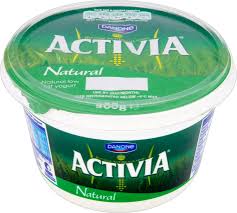
Yogurt – The easiest and most popular source. Choose any yogurt that has ‘bio’, ‘bio live’ or the specific strain of bacteria on the label. Sometimes you need to look very carefully, as it
images-3
can be in small print on the back. e.g. Yeo Valley, Activia, Rachel’s, Onken. If you have lactose intolerance, yogurt should be easier to digest than milk as the fermentation process reduces the amount of lactose. People sometimes worry that dairy products are fattening or will raise cholesterol. Eaten in moderation this is not the case, and can in fact help with weight loss.


Kefir This can be harder to find in the shops and is not as popular as yogurt. Kefir is a Turkish word meaning ‘long life’ or ‘good life’. With billions of friendly bacteria, Kefir is a drink made from Unknown-8milk and kefir cultures. It has the consistency of a drinkable yogurt but is much more tart and has a slight fizz (I found this very odd!). Drink it plain (an acquired taste) or add it to a smoothie. It can be bought in Tesco’s in the Polish section, Wholefoods or in some independent health food shops. The culturing process reduces the amount of lactose, therefore may be suitable for people with lactose intolerance.


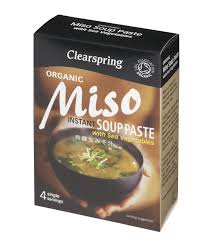
UnknownMiso A staple seasoning in Japanese kitchens, also may contain probiotics. While it’s most often used in miso soup there are other ways to incorporate this protein-rich seasoning into meals. For an easy between meal snack, mix the Miso paste with warm water as a drink. If you have high blood pressure you probably should avoid as it is high in salt.


Unknown-1

Unpasteurised Sauerkraut

Sauerkraut – pickled cabbage in a jar. The pickling process produces the live probiotics. To get the benefit from Saurkraut, it is important to buy it unpasteurised as the heating process kills the probiotics. Unpasteurised jars can be found in the fridge in health food shops. If it is in a jar on the supermarket shelf it is likely to be pasteurised. Some people eat it straight from the jar, or add to salads, stew or soup. I’ve been told by a client that it is easy to make, so here’s a recipe (it’s one of the next things on my list to try!)


Probiotic supplements – there are a vast array of probiotic supplements available and it can be confusing to know which one to choose. Here is a good article as guidance on the specific strains of bacteria to look for for different health issues. Most people have heard of Yakult or Actimel which can be bought in most supermarkets. I usually recommend more potent forms such as Unknown-2Symprove, Biokult and VSL 3 (click on pictures for more info).41cytGYzHHL._AA160_images-3