Anti-inflammatory Shopping List

You would think that a wisdom tooth extraction on Thursday, followed by a painful knee injury during a 9 mile run on Sunday, would have left me reaching for the ibuprofen and  paracetamol. But there was no pain from the tooth after the anaesthetic wore off (I promise you, none!), and the knee was completely better with in days.

Can what you eat reduce inflammation and pain, allowing you to recover more quickly than expected? Food can have a surprising impact on injury recovery, as well as on the development of long term health conditions………..

Inflammation can be acute or chronic.

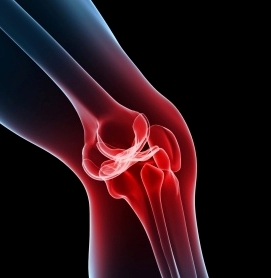
Acute inflammation is a normal and short-lived response (lasting minutes to days) to injury, irritation, or infection, and leads to redness, swelling, heat, and pain at the affected site.

Chronic inflammation is a long-term response (lasting weeks, months, or years) to factors such as poor nutrition, stress, and processes related to ageing. It is a contributing factor in heart disease, diabetes, high blood pressure, diabetes, skin conditions and nonalcoholic fatty liver disease, rheumatoid arthritis, as well as numerous cancers eg. colorectal, gastric, esophageal, pancreatic, breast, endometrial, ovarian.

Athletes & Inflammation Increased muscle stress and inflammatory responses among athletes have been reportedDeclan+Danaher consistently in research. Athletes are also more susceptible to longer term injuries often requiring surgery. In order to train and compete without pain, it is not unusual to take anti inflammatory medication daily. The problem with taking this medication long term is that it can cause harm to the digestive system e.g. stomach bleeding, kidney problems and potentially the development of allergies.

Is it possible that a high intake of anti inflammatory foods, coupled with a low intake of inflammation provoking foods, can reduce tissue inflammation? Before my wisdom tooth extraction and after the knee injury, I made sure that I increased my intake of anti inflammatory food (sardines, salmon, flaxseed, ginger, veg and omega 3 supplements). Is it possible that this food reduced the inflammation and pain?

Nutrition and Inflammation – the evidence

Nutrients play a key role in both promoting and reducing inflammatory processes. There is a wealth of scientific studies linking nutrients with inflammatory processes coming from laboratory, clinical, and epidemiologic studies.

In a 2006 study published in the Journal of the American College of Cardiology, scientists found that diets high in refined starches, sugars, saturated fats, and trans fats appear to turn on the inflammatory response. But a diet rich in fruits, vegetables, whole grains, and omega-3 fatty acids along with regular exercise and not smoking, seems to cool down inflammation.

Evidence links traditional dietary patterns such as the Japanese and Mediterranean diets with lower disease rates. Both diets have characteristics linked with lower inflammation levels. The traditional Japanese diet is low in fat, sugar, flour, and dairy and high in fish, vegetables, sea vegetables, rice, green tea, fruit, and soy foods, while the Mediterranean diet is low in meat and sugar and high in fish, whole grains, olive oil, fruits, and vegetables.

Causes of inflammation:

  1. Too many calories – eating too much and being over weight

    Trans fats (hydrogenated oil)

    High Glycaemic Index carbohydrates

  2. Excess high glycaemic index carbohydrates – sugar, white bread, white rice, white pasta, cakes, biscuits
  3. Trans and omega 6 fats – processed foods, soybean, corn, safflower, sunflower oil
  4. High ratio of omega-6 to omega-3 fats – too much omega-6 and too little omega-3 fats


So what can you eat to help to reduce inflammation? Here’s an excellent list!

Anti inflammatory shopping list 

Oily fish (omega 3): absolutely top of my list: salmon, mackerel, sardines, fresh tuna. If you don’t like oily fish, then take omega 3 supplements (1000mg EPA/DHA per day)

images-2Fruits – any!

Grains
 – Brown rice, 
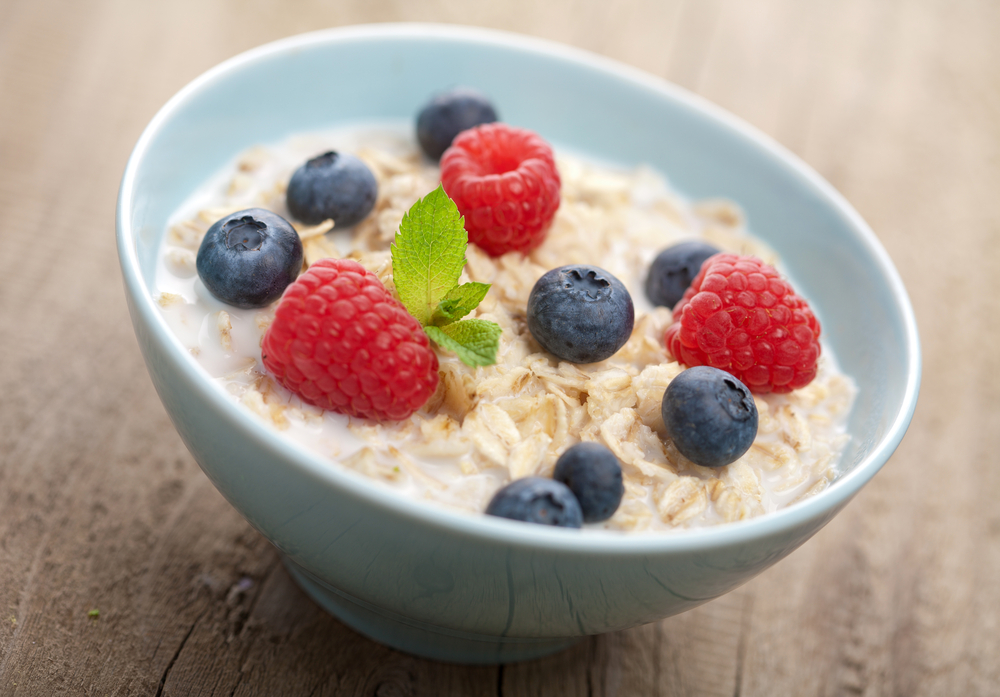
Bulgur, Oats, 

Quinoa, Whole grain stone-ground breadsimages-6 copy
Spices – tumeric, ginger, garlic,

Legumes and Seeds 
- Chickpeas,
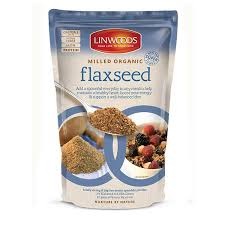
 Beans, Flaxseed,
 
Lentils, Pumpkin seeds, 
Sesame seeds,
 Soybeans/edamame,
 Sunflower seeds, 
Tofu, 
Walnuts

Oils – olive oil, 
Vegetable (rapeseed) oil, 
Flaxseed oil, Walnut oil
images-4

Vegetables – any!image

Miscellaneous Items
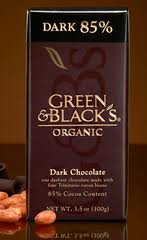
 Dark chocolate (at least 70% cocoa)
 Red wine (in moderation)
 Tea (green, white, or black)

Anti inflammatory Menu:

Breakfast: Seriously Healthy Pancakes or Summer Oatspancakes-with-berries-and-cream

Lunch: Tomato & Lentil Soup or Burgen Bread with smoked salmon & avocado

Dinner: SuperFood Salad or Jacket Potato with Beans & Coleslaw


Buyken A, Goletzke J, Joslowski G, Felbick A, Cheng G, Herder C, Brand-Miller J. (2014) Am J Clin Nutr 99(4):813-33 Association between carbohydrate quality and inflammatory markers: systematic review of observational and interventional studies.

Calder P.C. (2012) Proc Nutr Soc. 71 (2):284-9 Long-chain fatty acids and inflammation.

Giugliano D, Ceriello A, Esposito K. (2006) The Effects of Diet on Inflammation: Emphasis on the Metabolic Syndrome. J Am Coll Cardiology 48(4):677-685.

Kim W, Lee H. (2013) Nutrients (11):4305-15 Advances in nutritional research on regulatory T-cells.

Kim J, Lee J. (2014) J Exerc Rehabil 31;10 (6):349-56. A review of nutritional intervention on delayed onset muscle soreness.

Palaska I, Papathanasiou E, Theoharides TC. (2013) Eur J Pharmacol. 15;720 (1-3):77-83

Use of polyphenols in periodontal inflammation.

Salas-Salvadó J, Garcia-Arellano A, Estruch R, Marquez-Sandoval F, Corella D, Fiol M, Gómez-Gracia E, Viñoles E, Arós F, Herrera C, Lahoz C, Lapetra J, Perona JS, Muñoz-Aguado D, Martínez-González MA, Ros E (2008) Components of the Mediterranean-type food pattern and serum inflammatory markers among patients at high risk for cardiovascular disease.Eur J Clin Nutr ;62  (5):651-9.

Salas-Salvadó J, Casas-Agustench P, Murphy MM, López-Uriarte P, Bulló M. (2008) The effect of nuts on inflammation. Asia Pac J Clin Nutr;17 Suppl 1:333-6.

Simopoulos, A. P. (2008) Exp Biol Med 233(6):674-88. The importance of the omega-6/omega-3 fatty acid ratio in cardiovascular disease and other chronic diseases.

4 no effort meals

Most of my sports clients struggle to put the theory of macronutrients, calories, protein and carb grams in to practical day to day meals and snacks. Unless they have a special interest in nutrition, the last thing any player or athlete in training wants to do is to analyse food labels for carbs/protein/fat, or search for the hottest ‘superfood’ ingredient. Passing out on the sofa is mostly what is needed!

So here are four easy, no effort meals using food you can get from any supermarket. All are balanced for protein, carbohydrate and healthy fats, not forgetting important vitamins and minerals from veg. (Quantities depend on the individual, your S & C coach/nutritionist or I can help with that).

Meal 1

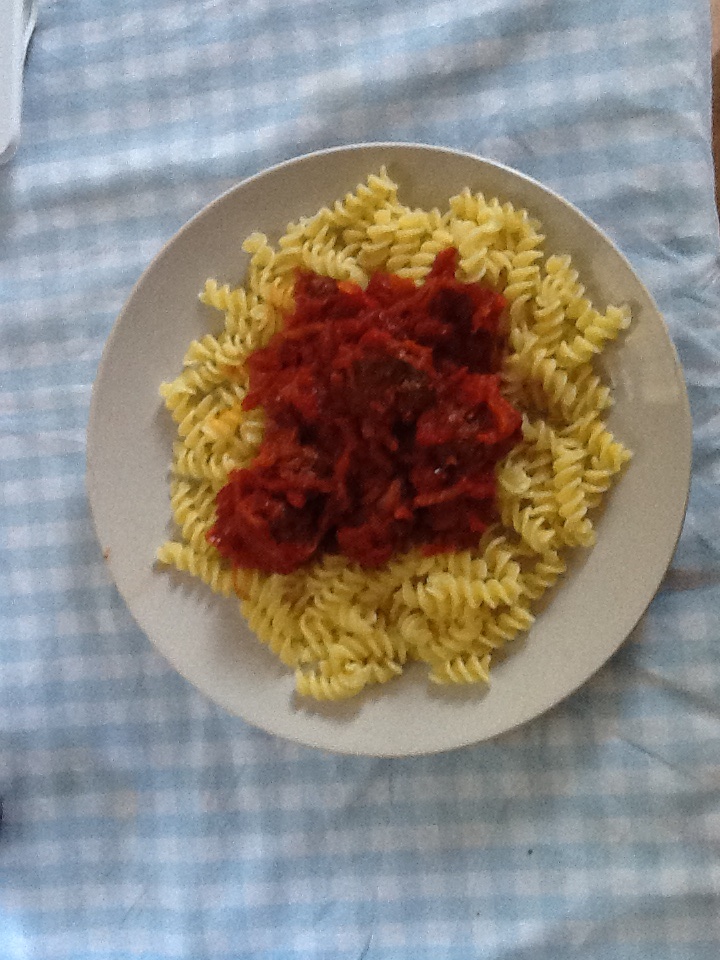
4002359642685_LMeatballs, tomato sauce, pasta, broccoli. Cook the meatballs in a frying pan with some olive oil until brown on the outside, add the Dolmio, simmer for 10 minutes. Cook pasta, broccoli: boil/steam in microwave. 600kcal meal: 6 meatballs in the sauce provides 30g protein, a mug of cooked pasta 50g carbohydrate.

0000001668452_L 0000001723526_L 0000001695977_L

Meal 2

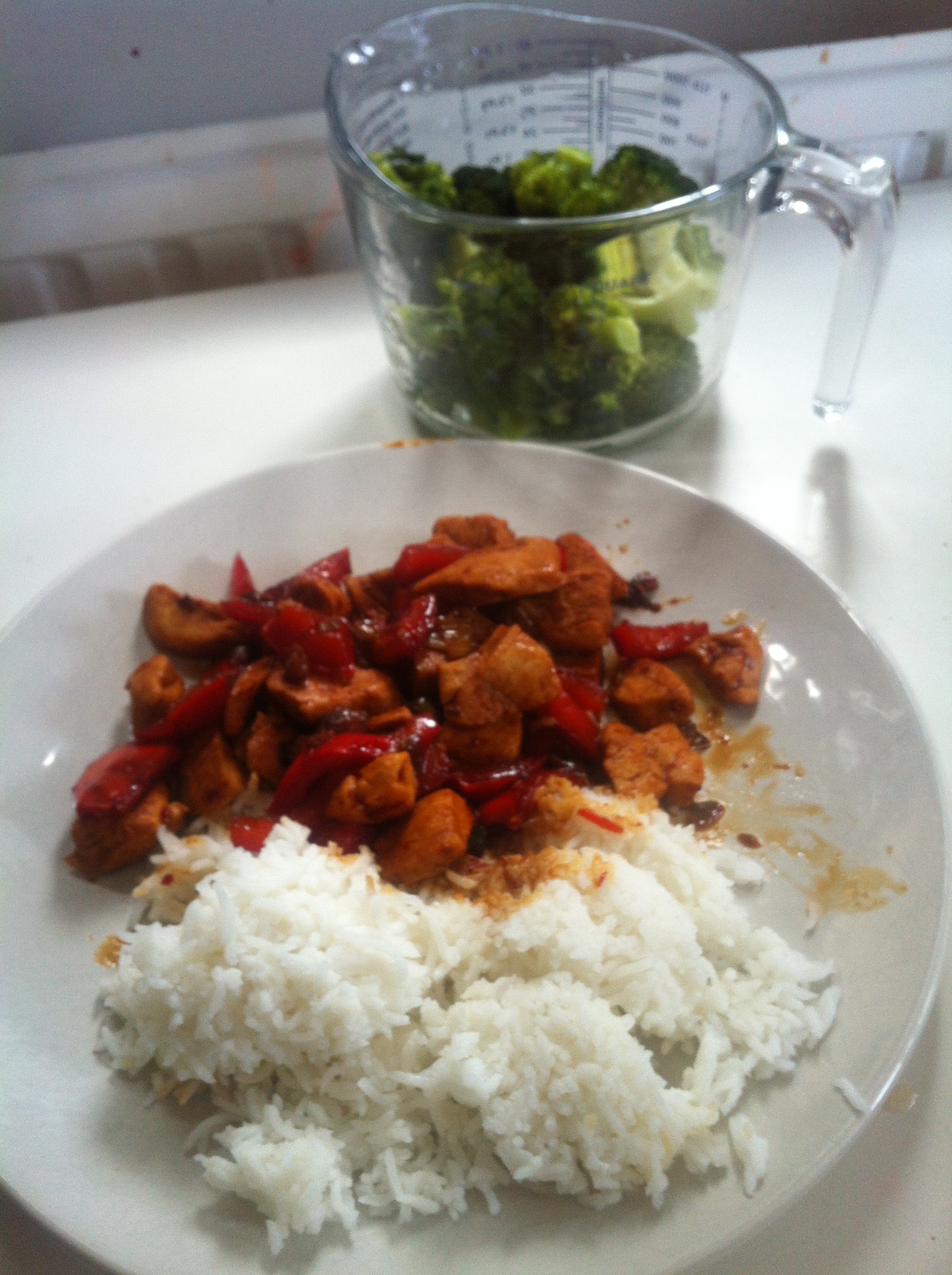
Ready cooked rice, roasted chicken/grilled or stir fried chicken breasts, mixed veg, humous/chilli sauce to dip. Frozen veg can be defrosted/heated in the microwave or boiled in water for a few minutes.

5011157888224_L 0000001093438_L 0000001368420_L 5000197577571_L

Meal 3

Rice noodles, baby veg stir fried (add olive oil, soy sauce, ginger puree, garlic puree), chop up 1-2 salmon fillets add to stir fried veg. Salmon can be tinned/fresh/ready cooked.

already cooked, just add to stir fried veg

rice noodles – already cooked, just add to stir fried veg

ready cooked salmon

ready cooked salmon

0000001741032_L


8001830533012_L

Meal 4

1 or 2 jacket potatoes or tortilla wraps, tin of tuna, tablespoon mayonnaise/natural yogurt, 1 whole chopped up red pepper and 2 chopped spring onions mixed in.

5010228000145_L

Microwave in 5 minutes

Tuna wrap

Tuna mayo wraps with pepper & spring onion

5000171052926_L5000184321606_L

0000000001601_L

Just mix the tuna, chopped pepper, spring onion, mayo and natural yogurt together, and fill the potatoes/wraps.

More Than Macros

Have you ever noticed that some people get sick less often, have much far more energy, and just have more zip? For a professional athlete, being tired affects performance, recovery and injury which ultimately can result in career success or failure.

On the face of it, one of my most recent clients had the perfect diet. As a young front row professional in rugby, weight needs to be at least 100 kg. His weight is stable at 100kg indicating that calories from food is balanced with the calories the body is using up. He has a respectable balance of carbohydrate (45%), protein (25%) and fat (30%), which he diligently records on the nutrition app myfitnesspal.  Permission to polish the halo?

The problem: his body fat is too high (16%), and he needs to build muscle mass, while maintaining the 100kg weight.

Essentially, we need to reduce calories to drop body fat, yet increase calories to build muscle (with a strength training programme in place to stimulate muscle growth). A physiological conundrum. This is a tricky scenario, and one that needs to be managed over the long term rather than in the few weeks before pre season training starts.

Unknown-2

During our hour long consultation, I gathered detailed info on food & fluid intake, training schedule and body fat (using skin fold callipers). Even before the a detailed computer analysis of nutrition quality, I could see that his diet was high in refined carbohydrates (sugary breakfast cereals, chocolate, sweets, bread, rolls), and low in vegetables and healthy fats.

The solution: quality and timing of food is as important as quantities of calories, carbs, protein and fat. Regular meals and snacks through out the day, with specific nutrient timing around training sessions, can make the difference between food used for fat storage  or muscle building. Using foods which not only meet the macronutrient targets, but also add extra punch nutritionally can manage the body’s mind bogglingly complex metabolism to meet these targets.

My client’s detailed nutrient analysis showed: Very low: vitamin C, vitamin A, vitamin E, vitamin K, folic acid and omega 3 fats. High in saturated fats and refined carbohydrates. This backs up my observation that he eats a lot of processed food (mainly bread and sugary breakfast cereals, chocolate and sweets), not enough veg/fruit or wholegrain carbs, and no fish.

So what? Why does this matter??

Here’s a table showing what these nutrients do in the body:

Nutrient Function Source
A Antioxidant: scavenges free radicals produced by exercise. Skin healing Fish, liver, green vegetables, carrots, yellow and orange fruit
E Antioxidant: scavenges free radicals produced by exercise Vegetable oils, nuts
K Formation of bone proteins, blood clotting Leafy green vegetables
C Wound healing, bone & blood vessel health Citrus fruit, tomatoes, potatoes, broccoli, strawberries, peppers
Folic Acid Making red blood cells Green vegetables, fruit
Omega 3 fats Anti inflammatory, muscle and wound healing, reduces muscle soreness after exercise Salmon, mackerel, sardines, walnuts, flaxseed

What happens when you lack these nutrients?

  1. more tired and lethargic – less zip
  2. more likely to get sick
  3. sorer muscles after weights and rugby sessions
  4. take longer to recover, having an impact on following training sessions and games
  5. injuries and niggles can take longer to heal

The bottom line:

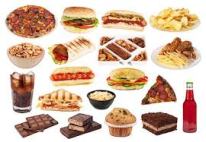
If you think it’s ok to exist on white bread, pizza, biscuits etc, you need to realise that this will impact your every aspect of your performance. Fuelling is a fundamental contributing factor to how well you train. Man up – eat your veg. No excuses. Shopping List

image

imageimagesecuredownload-3

images-1

securedownload-1imageshutterstock_81803002


5 ‘unhealthy’ foods you should eat

Whether you are trying to lose weight, increase energy, reduce cholesterol, control blood sugar levels, improve fertility or just ‘feel better’, here are five foods that you may have been avoiding unnecessarily:

Peanut Butter – Frowned upon as a guilty indulgence, peanut butter can bring you many health benefits. Keep portions sensible at about two tablespoons a day i.e. don’t attack the jar with a spoon!

  • low glycaemic index, helping to keep blood sugar levels from fluctuating
  • good fat – peanuts are high in heart healthy monounsaturated fat
  • protein from nuts are fabulous for helping to make you feel full up for longer and maintaining or building muscle mass
  • High in fibre for healthy digestion and appetite control
  • Have on a piece of wholemeal toast, on an oatcake, mixed in to some chunky oat porridge, or in homemade flapjacks

Eggs – these little powerhouses of nutrition have had bad press over the years due to the cholesterol levels. Research shows that the cholesterol in food is not absorbed well in to the body and does not affect levels of cholesterol in the blood.

  • Full of choline for brain development (essential for pregnant women!)
  • Curbs your appetite – people eating eggs for breakfast consume fewer calories throughout the day
  • High in protein – important for keeping your muscle, and helping to build more to stay lean
  • Easy and cheap – boiled, scrambled, dry fried, poached, microwaved in a minute………..they are so easy to incorporate

Dark chocolate – 80% cocoa chocolate may be an acquired taste, but it is worth it! A small amount will satisfy, as well as having numerous health benefits.images-4

  • low glycaemic index so keeps blood sugar levels steady (good for diabetics, overweight, PCOS, curbing cravings)
  • high in antioxidants which may be protective against cancer, heart disease and ageing
  • lower in caffeine than milk chocolate

Dairy – milk, cheese, yogurt all have health benefits. Unless you have a dairy allergy or intolerance, there really is no reason to remove from your diet.Unknown-13

  • controls appetite: dairy products are digested slowly therefore help you to feel full up for longerUnknown-7
  • a great source of amino acids – essential for maintaing and building muscle
  • calcium – essential for bone formation and muscle function
  • yogurt has probiotic bacteria which are essential for healthy gut function. Keep it natural to lower the sugar content……add your own fruit for some sweetness

Avocados – traditionally,  avocados were relegated to the ‘foods to avoid’ list due to the high fat and calorie content. In fact, eaten in moderation, they actually provide immense health benefits.

  • Healthy fats – lower cholesterol and reduce appetite
  • Avocado eaters more likely to have lower body weight, BMI and waist circumference
  • high in vitamins and fibre
  • rich in phytochemicals which may protect against cancer
  • the fat content helps the absorption of fat soluble vitamins (A, D, E & K) from vegetables
  • try half an avocado sliced on toast, mashed as a replacement for mayonnaise or butter, or whizzed up in a smoothie

As with most things in life, “everything in moderation”! Including these nutrient dense foods everyday as part of an all round healthy diet can help your body to function at it’s best.

2 minute Healthy Ice cream


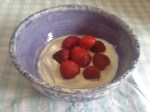
Here is a recipe for a very quick and healthy dessert. Plain yogurt has Lactobacillus bacteria which is important for a healthy digestive system, calcium for bones, and no added sugar. Frozen berries add the vitamins, fibre and phytochemicals; a powerful combination that simply can’t be bottled in a multi vitamin pill. For sweetness I add a ripe frozen banana and honey if it needs it. It doesn’t have the normal ice cream consistency (more thick smoothie), but call it ice cream and kids love it. If they moan that it’s not ice cream, just eat it yourself. Win, win!image


300ml natural yogurt

mugful of frozen berries

one ripe banana (frozen if possible)

1-2 teaspoons honey image


Whizz the lot up in a blender, spoon in to bowls.

Athletes – how to stop getting sick

For the professional sports person or amateur athlete, feeling unwell can reduce the ability to perform during training and competition, and can lead to poor recovery and poor performance. Ultimately, feeling chronically below par can affect the long term career.

There are numerous reasons for lowered immunity during training:

  • repeated cycles of heavy exertion
  • exposure to germs and bugs
  • mental stress
  • lack of sleep
  • poor nutrition
  • weight loss

Nutritional immunology is a rapidly growing area, and four key principles have emerged:

1. Almost all nutrients in the diet play a crucial role in immunity. Eating a wide variety of foods in your diet provides all these nutrients in most healthy adults, and mega doses of vitamin/mineral supplements do not “boost” immunity above normal levels. There may be one exception…..current research suggests that vitamin C when unwell can shorten the duration of the common cold.

2. Poor energy and nutrient intake can reduce the immunity and susceptibility to germs and bugs. Poor protein intake reduces immune function and strongly increases risk of various types of infections.

3. Some nutrients (glutamine, arginine, fatty acids, vitamin E) provide additional benefits to immunocompromised persons (e.g. the frail elderly) or patients who suffer from various infections. Currently there is a lack of evidence to support the use of these in preventing exercise-induced immune suppression and protection from infection.

4. Some supplements may prove useful in countering immune suppression for healthy adults during unusual mental and physical stress e.g. omega-3 fatty acids from fish oils reduce inflammatory responses.
CARBOHYDRATES

Of the various nutritional countermeasures that have been evaluated so far, ingestion of carbohydrate before, during, and after prolonged or intense exertion has emerged as the most effective way to ensure less of a negative effect on the immune system. Athletes intent on reducing body fat by avoiding carbohydrates should be aware that this may impact on their immunity.

shutterstock_85815004Strategies to ensure good carbohydrate stores to optimise immunity:

  • Have a carbohydrate-based snack before you start high intensity training, particularly hard morning training.  If you are unable to tolerate something before you start exercise, have a source of carbohydrate during the session such as a sports drink (6-8% carbohydrate)
  • Have a carbohydrate & protein based snack shortly after training to start the recovery process.  This is of particular importance for athletes training more than once a day with limited time to recover for the next session.
  • Base meals around nutrient-rich carbohydrate-containing foods and fluids.  Rice, pasta, bread, cereals, fruit, starchy vegetables and low-fat milk and yoghurt are nutrient-packed carbohydrate-containing choices. The aim is to match daily carbohydrate needs with an appropriate amount of carbohydrate-containing foods and fluids throughout the day.

PROBIOTICS

Probiotics may benefit athletic performance indirectly by maintaining gut function and health, preventing the immunosuppressive effects of intense exercise, and reducing susceptibility to illness. Substantial evidence exists indicating that probiotics can reduce susceptibility to acute infectious diarrhoea (athletes may be particularly susceptible during foreign travel). Lactobacillus probiotics may also reduce coughs and cold incidence.


DON’T FORGET….

  • Wash hands regularly, before meals, and after direct contact with potentially contagious people, public places and bathrooms.
  • Use disposable paper towels and limit hand to mouth/nose contact when suffering from respiratory or gastrointestinal infection symptoms. Use alcohol-based hand-washing gel.
  • Do not share drinking bottles, cups, towels, etc with other people.


A balanced and nutrient rich diet is fundamental to avoiding illness for those undergoing intense physical exercise. Current opinion is that athletes should invest in nutrient-rich foods and fluids that provide sufficient energy and a wide range of vitamins, minerals and other important chemicals, such as phytochemicals, found naturally in foods. When this is not possible the use of supplements such as multi vitamins, omega-3 fish oils, and probiotics may be advised.

A dietitian with experience in sports nutrition is ideally placed to advise on the specifics of food, fluid and supplements, taking in to account variables such as type, intensity, duration of exercise, time available for recovery between sessions and body composition goals during training and competition.

Super Simple Smoothie

Here’s a super healthy smoothie using REAL food……a complete breakfast containing protein, antioxidants, calcium, vitamin C and soluble fibre. Nutritionally, this is an incredible combination of ingredients. It’s also an easy way to get fruit in to kids!

Unknown-2IDShot_90x90-2Shop bought smoothies tend to be very high in fruit juice, and therefore high sugar.

150ml milk (normal cow’s/Lactofree/almond/rice milk etc.)

1 tablespoons natural yogurt e.g. Total is high in protein

1 banana/handful of oats

Low fat, high protein yogurt

Low fat, high protein yogurt

handful frozen berries

dollop of honey

Whizz the lot up and serve!