The Surprising Protein Source we’ve forgotten about!

I know, I know, cottage cheese……… it’s not very cool and seems to have been relegated to the 80’s as a diet food, aerobics workouts, lycra leotards and Ryvita. For most of us it just doesn’t feature on theimages shopping list.

We could be missing out…..cottage cheese is, in fact, the perfect healthy protein source. Not only highly nutritious, it’s also relatively cheap (65p for a 300g pot in Lidl), and incredibly convenient. Stick a pot in your fridge and you can prepare a healthy snack or meal in minutes.

Nutrition Facts: low in carbs and loaded with proteins, cottage cheese is very filling and will keep your muscles in top condition. It is also high in micronutrients like calcium, vitamin B12, vitamin B2. 1 cup of cottage cheese has more protein than a scoop of protein powder, 4 eggs or chicken breast.images-2images-1

Whether you are a sitting at your desk all day and need to watch your weight, a 110kg rugby player needing to bulk up on muscle, or a 70 year old granny,  load it up on a piece of wholegrain toast, in jacket potato, or with some chopped tomato and avocado.

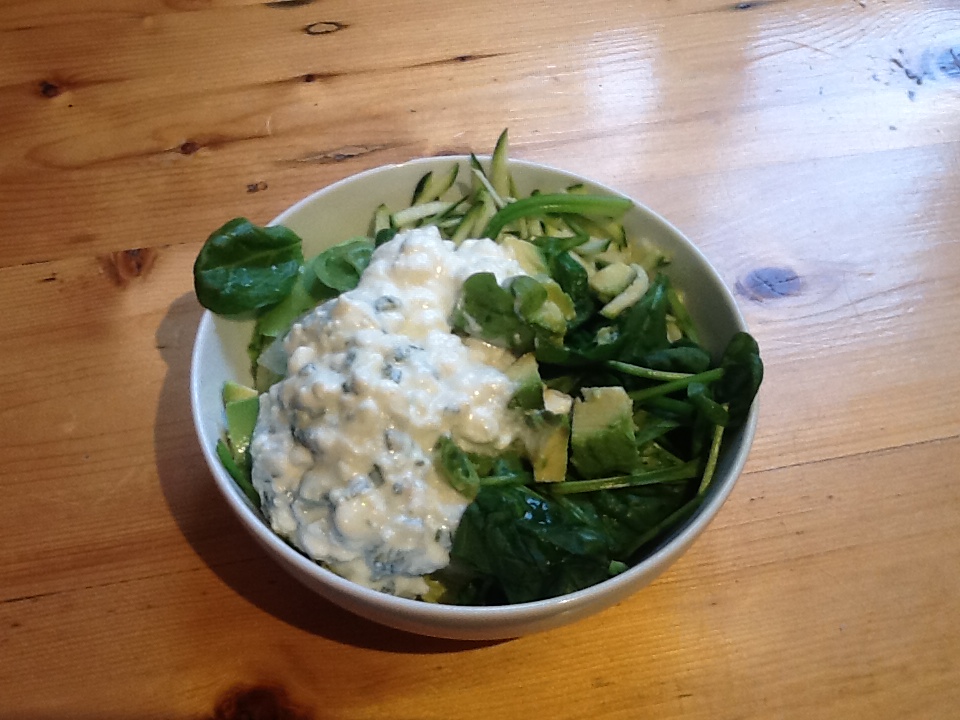
Easy lunch today: cottage cheese, avocado, spinach, lettuce and olive oil.

Easy lunch today: cottage cheese, avocado, spinach, lettuce and olive oil.


Here are some new ways to use it, especially good if you’re not keen on the texture.

High Protein Smoothie: (350kcal, 52g protein, 23g protein) a perfect quick breakfast, or as a snack if you are highly active or wanting to gain weight. Blend 200ml semi skimmed milk, 1/2 cup cottage cheese, 1 banana, 1 tablespoon honey

High Protein Pancakes (500kcal, 35g carbs, 40g protein):
1/2 cup cottage cheese
1/2 cup oats
3 eggs
Optional ingredients for extra oomph: cinnamon, cocoa powder, desiccated coconut, raisins
In a bowl or blender, whisk/mix all the ingredients together.
Fry in a non-stick pan with a little oil or butter on medium heat.

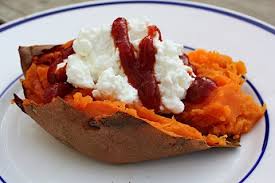
Sweet Potato with Curry Cottage Cheese (375kcal, 57g carbs, 22g protein, vitamin K, A and C)

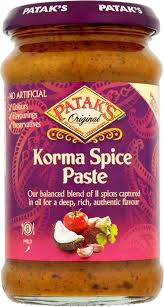
Simply microwave a sweet potato for about 8 minutes. Open a small pot of cottage cheeseUnknown and mix in 1 teaspoon of Patak’s Korma Spice Paste (more if you like a stronger flavour). Load in to the potato and serve with something green, like spinach, broccoli or peas. The spice paste contains turmeric and cumin, both which have potent anti-inflammatory properties.

If you are lactose intolerant, too much cottage cheese can provoke all your tummy symptoms, so don’t have anymore than 2 tablespoons.


Bigger, Faster and Stronger – with 5 no nonsense tips

Athletes who are serious about achieving their full potential, need to provide their bodies with the best fuel. When I first meet with clients, for many, their aim is “just to get bigger, faster and stronger”.

Telling an athlete to “eat more” or “have an extra protein shake” is not good enough. The nutritional quality of the food (the ‘micronutrients’: vitamins, minerals, phytochemicals, antioxidants etc.), as well as the ‘macronutrients’ (protein, carbohydrate and fats) are Unknown-1pivotal to reaching these ‘bigger, faster, stronger’ goals.


Here are 5 essentials for getting bigger and stronger:

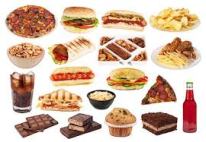
  1. Eat more: to increase weight and muscle, you need to eat more calories than are being used up in training. For elite athletes it is not unusual to need 4000kcal+. These need to be ‘good quality’ calories, not junk food. Whatever you are eating now, you need to add at least 500kcal per day, and be lifting weights in the gym. A more accurate assessment of calorie needs can be made by a nutritionist/dietitian.
  2. A good protein intake is needed for muscle growth: daily lean protein from chicken, turkey, pork, fish, eggs, yogurt, milk, nuts, seeds, peanut butter etc., rather than sausages, bacon and ham. How much is needed depends on the individual. Aim for approximately 2g/kg.
  3. Good quality carbohydrates are essential for adding calories for muscle growth and recovery: Wholegrain bread, pasta, rice, granola, muesli, oats at each meal and snack. Don’t be tempted to go low carb if you are training daily. This can result in poor muscle gain, recovery and performance.
  4. Eat vegetables at each meal. Frozen, fresh, raw, boiled, microwaved, stir fried, in a smoothie, vegetable soup, tomato pasta sauce; it doesn’t matter in what form. Just eat more.
  5. Eat salmon, sardines, mackerel or fresh tuna twice a week – these are potent anti inflammatories, so essential for muscle recovery and reducing soreness. Take an omega 3 supplements if you don’t like fish

Protein and Creatine monohydrate supplementation can also be considered once the above 5 points are in place.

More ways that eating well will benefit you:

  • Strengthening the immune system – 70% immunity is in the gut, treat it well with good nutrition and sickness from flu and stomach bugs are less likely. Individual players, and teams, cannot afford to be unnecessarily sick. The right food protects you from illness. It is the players with poor diets who are frequently sick.
  • Faster recovery – any training session, whether on the pitch or in the gym provokes muscle damage. What you eat before and after has a significant impact on how fast and how well recovery happens.
  • Feeling ‘better’ and more energetic – heavy training volumes will inevitably cause tiredness, but this will be made worse if the best fuel is not being made available. Carbohydrates are often overlooked in favour of protein, but are essential to prevent fatigue.
  • Promoting better sleep – a happy ‘side effect’ of improvements in diet
  • Improved brain function – for faster mental processing and split second decisions on the pitch – the brain is made up of healthy fats which come from the diet


More than Macros

4 no effort meals

Anti-inflammatory Shopping List

You would think that a wisdom tooth extraction on Thursday, followed by a painful knee injury during a 9 mile run on Sunday, would have left me reaching for the ibuprofen and  paracetamol. But there was no pain from the tooth after the anaesthetic wore off (I promise you, none!), and the knee was completely better with in days.

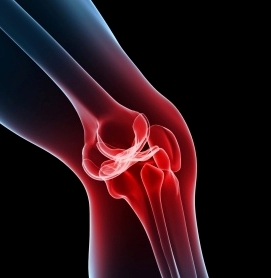
Can what you eat reduce inflammation and pain, allowing you to recover more quickly than expected? Food can have a surprising impact on injury recovery, as well as on the development of long term health conditions………..

Inflammation can be acute or chronic.

Acute inflammation is a normal and short-lived response (lasting minutes to days) to injury, irritation, or infection, and leads to redness, swelling, heat, and pain at the affected site.

Chronic inflammation is a long-term response (lasting weeks, months, or years) to factors such as poor nutrition, stress, and processes related to ageing. It is a contributing factor in heart disease, diabetes, high blood pressure, diabetes, skin conditions and nonalcoholic fatty liver disease, rheumatoid arthritis, as well as numerous cancers eg. colorectal, gastric, esophageal, pancreatic, breast, endometrial, ovarian.

Athletes & Inflammation Increased muscle stress and inflammatory responses among athletes have been reportedDeclan+Danaher consistently in research. Athletes are also more susceptible to longer term injuries often requiring surgery. In order to train and compete without pain, it is not unusual to take anti inflammatory medication daily. The problem with taking this medication long term is that it can cause harm to the digestive system e.g. stomach bleeding, kidney problems and potentially the development of allergies.

Is it possible that a high intake of anti inflammatory foods, coupled with a low intake of inflammation provoking foods, can reduce tissue inflammation? Before my wisdom tooth extraction and after the knee injury, I made sure that I increased my intake of anti inflammatory food (sardines, salmon, flaxseed, ginger, veg and omega 3 supplements). Is it possible that this food reduced the inflammation and pain?

Nutrition and Inflammation – the evidence

Nutrients play a key role in both promoting and reducing inflammatory processes. There is a wealth of scientific studies linking nutrients with inflammatory processes coming from laboratory, clinical, and epidemiologic studies.

In a 2006 study published in the Journal of the American College of Cardiology, scientists found that diets high in refined starches, sugars, saturated fats, and trans fats appear to turn on the inflammatory response. But a diet rich in fruits, vegetables, whole grains, and omega-3 fatty acids along with regular exercise and not smoking, seems to cool down inflammation.

Evidence links traditional dietary patterns such as the Japanese and Mediterranean diets with lower disease rates. Both diets have characteristics linked with lower inflammation levels. The traditional Japanese diet is low in fat, sugar, flour, and dairy and high in fish, vegetables, sea vegetables, rice, green tea, fruit, and soy foods, while the Mediterranean diet is low in meat and sugar and high in fish, whole grains, olive oil, fruits, and vegetables.

Causes of inflammation:

  1. Too many calories – eating too much and being over weight

    Trans fats (hydrogenated oil)

    High Glycaemic Index carbohydrates

  2. Excess high glycaemic index carbohydrates – sugar, white bread, white rice, white pasta, cakes, biscuits
  3. Trans and omega 6 fats – processed foods, soybean, corn, safflower, sunflower oil
  4. High ratio of omega-6 to omega-3 fats – too much omega-6 and too little omega-3 fats


So what can you eat to help to reduce inflammation? Here’s an excellent list!

Anti inflammatory shopping list 

Oily fish (omega 3): absolutely top of my list: salmon, mackerel, sardines, fresh tuna. If you don’t like oily fish, then take omega 3 supplements (1000mg EPA/DHA per day)

images-2Fruits – any!

Grains
 – Brown rice, 
Bulgur, Oats, 

Quinoa, Whole grain stone-ground breadsimages-6 copy

Spices – tumeric, ginger, garlic,

Legumes and Seeds 
- Chickpeas,
 Beans, Flaxseed,
 
Lentils, Pumpkin seeds, 
Sesame seeds,
 Soybeans/edamame,
 Sunflower seeds, 
Tofu, 
Walnuts

Oils – olive oil, 
Vegetable (rapeseed) oil, 
Flaxseed oil, Walnut oil
images-4

Vegetables – any!image

Miscellaneous Items
 Dark chocolate (at least 70% cocoa)
 Red wine (in moderation)
 Tea (green, white, or black)

Anti inflammatory Menu:

Breakfast: Seriously Healthy Pancakes or Summer Oatspancakes-with-berries-and-cream

Lunch: Tomato & Lentil Soup or Burgen Bread with smoked salmon & avocado

Dinner: SuperFood Salad or Jacket Potato with Beans & Coleslaw


Buyken A, Goletzke J, Joslowski G, Felbick A, Cheng G, Herder C, Brand-Miller J. (2014) Am J Clin Nutr 99(4):813-33 Association between carbohydrate quality and inflammatory markers: systematic review of observational and interventional studies.

Calder P.C. (2012) Proc Nutr Soc. 71 (2):284-9 Long-chain fatty acids and inflammation.

Giugliano D, Ceriello A, Esposito K. (2006) The Effects of Diet on Inflammation: Emphasis on the Metabolic Syndrome. J Am Coll Cardiology 48(4):677-685.

Kim W, Lee H. (2013) Nutrients (11):4305-15 Advances in nutritional research on regulatory T-cells.

Kim J, Lee J. (2014) J Exerc Rehabil 31;10 (6):349-56. A review of nutritional intervention on delayed onset muscle soreness.

Palaska I, Papathanasiou E, Theoharides TC. (2013) Eur J Pharmacol. 15;720 (1-3):77-83

Use of polyphenols in periodontal inflammation.

Salas-Salvadó J, Garcia-Arellano A, Estruch R, Marquez-Sandoval F, Corella D, Fiol M, Gómez-Gracia E, Viñoles E, Arós F, Herrera C, Lahoz C, Lapetra J, Perona JS, Muñoz-Aguado D, Martínez-González MA, Ros E (2008) Components of the Mediterranean-type food pattern and serum inflammatory markers among patients at high risk for cardiovascular disease.Eur J Clin Nutr ;62  (5):651-9.

Salas-Salvadó J, Casas-Agustench P, Murphy MM, López-Uriarte P, Bulló M. (2008) The effect of nuts on inflammation. Asia Pac J Clin Nutr;17 Suppl 1:333-6.

Simopoulos, A. P. (2008) Exp Biol Med 233(6):674-88. The importance of the omega-6/omega-3 fatty acid ratio in cardiovascular disease and other chronic diseases.

4 no effort meals

Most of my sports clients struggle to put the theory of macronutrients, calories, protein and carb grams in to practical day to day meals and snacks. Unless they have a special interest in nutrition, the last thing any player or athlete in training wants to do is to analyse food labels for carbs/protein/fat, or search for the hottest ‘superfood’ ingredient. Passing out on the sofa is mostly what is needed!

So here are four easy, no effort meals using food you can get from any supermarket. All are balanced for protein, carbohydrate and healthy fats, not forgetting important vitamins and minerals from veg. (Quantities depend on the individual, your S & C coach/nutritionist or I can help with that).

Meal 1

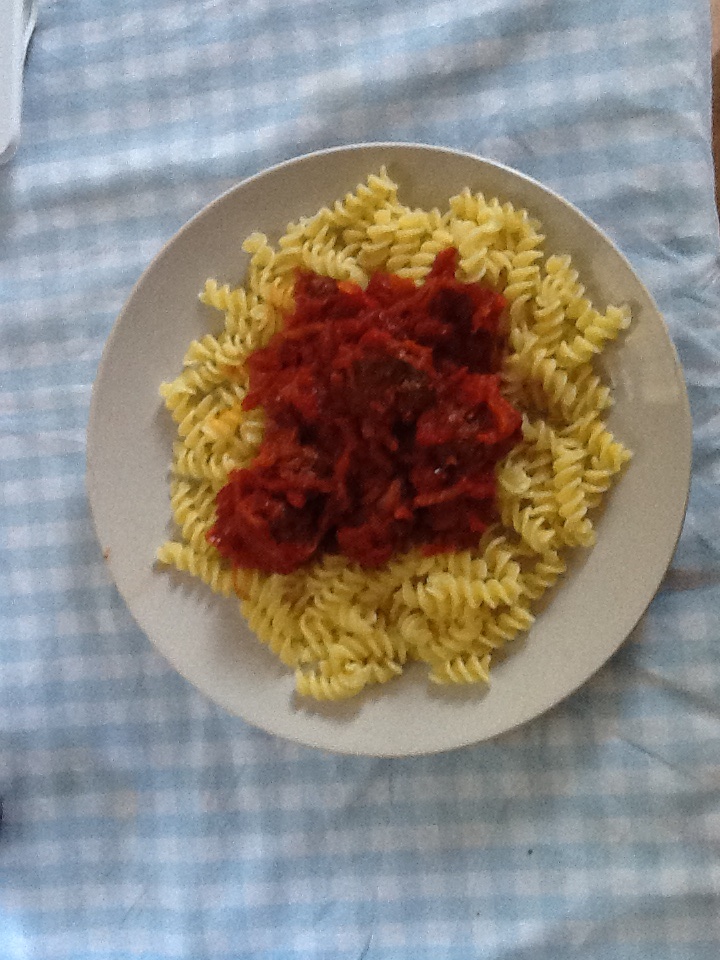
4002359642685_LMeatballs, tomato sauce, pasta, broccoli. Cook the meatballs in a frying pan with some olive oil until brown on the outside, add the Dolmio, simmer for 10 minutes. Cook pasta, broccoli: boil/steam in microwave. 600kcal meal: 6 meatballs in the sauce provides 30g protein, a mug of cooked pasta 50g carbohydrate.
0000001668452_L 0000001723526_L 0000001695977_L

Meal 2

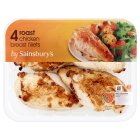
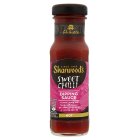
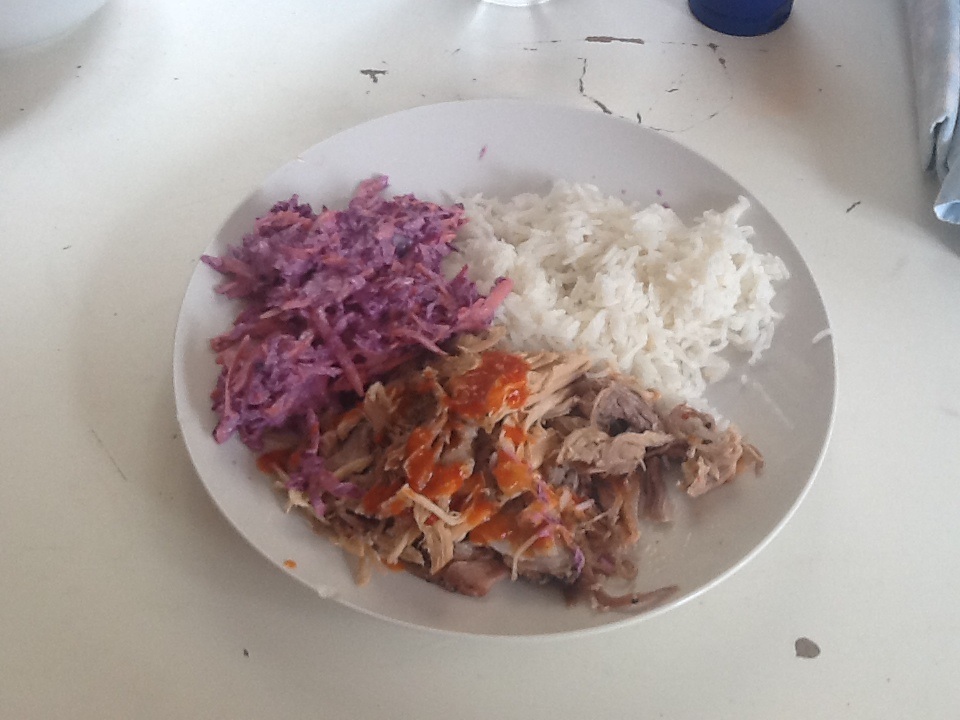
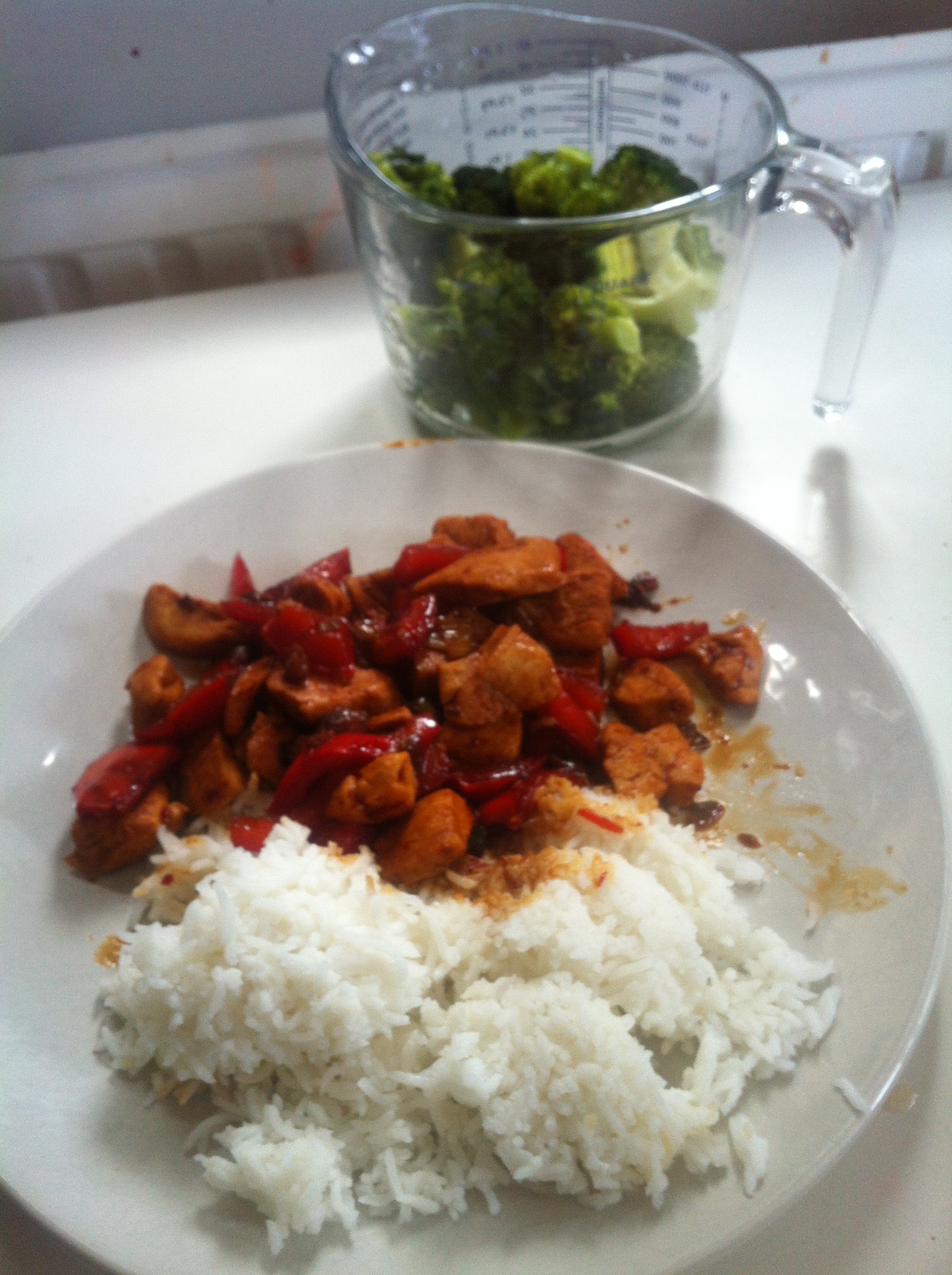
Ready cooked rice, roasted chicken/grilled or stir fried chicken breasts, mixed veg, humous/chilli sauce to dip. Frozen veg can be defrosted/heated in the microwave or boiled in water for a few minutes.
5011157888224_L 0000001093438_L 0000001368420_L 5000197577571_L

Meal 3

Rice noodles, baby veg stir fried (add olive oil, soy sauce, ginger puree, garlic puree), chop up 1-2 salmon fillets add to stir fried veg. Salmon can be tinned/fresh/ready cooked.
already cooked, just add to stir fried veg

rice noodles – already cooked, just add to stir fried veg

ready cooked salmon

ready cooked salmon

0000001741032_L


8001830533012_L

Meal 4

1 or 2 jacket potatoes or tortilla wraps, tin of tuna, tablespoon mayonnaise/natural yogurt, 1 whole chopped up red pepper and 2 chopped spring onions mixed in.

5010228000145_L

Microwave in 5 minutes

Tuna wrap

Tuna mayo wraps with pepper & spring onion

5000171052926_L5000184321606_L

0000000001601_L

Just mix the tuna, chopped pepper, spring onion, mayo and natural yogurt together, and fill the potatoes/wraps.

Healthy meal – what does it LOOK like?

Making wholesome and nutritious food choices for most of your meals and snacks, as well as being conscious of portion sizes can have a profound effect on health, feeling well, high energy levels and long term health.

All too often we are bombarded with confusing and complex messages about diets and nutrition products. The diet industry is a lucrative one, and the media need to sell magazines, papers and advertising space. Diet fads come and go.

A healthy diet (and by ‘diet’ I simply mean a what you eat) you don’t need lots of fancy or exotic ingredients, restrictions of certain foods or food groups, or the feeling of being deprived. Think long term, make small changes, that over a long period of time will make a big difference.

Fill your fridge with vegetables, lean meat, eggs and lower fat dairy, and your cupboards with wholesome starchy food and tinned fish, tomatoes, nuts, seeds etc. Frozen vegetables are just as good, and often better nutritionally than fresh. By all means have things such as biscuits, chocolate, wine and beer, but don’t make it an everyday thing. If you fill up on the good stuff, there’s less room for the food that isn’t doing you any favours.

What does a healthy meal look like?

veggies

  • 1/2 plate: salad/vegetables/fruit
  • 1/4 plate protein: chicken, pork, beef, fish, beans, lentils
  • 1/4 plate starchy food: potatoes, rice, pasta, quinoa, cous cous, wholemeal bread
  • use oils and oily dressings sparingly

Most people have far too much starchy food eg. BIG plate of pasta, and too little veg. Many athletes have too little starchy food fearing that carbohydrates will make them fat, too much protein and too little veg. How does this translate to real life? Here are some examples…..

Breakfast:

  • Seriously Healthy Pancakespancakes-with-berries-and-cream
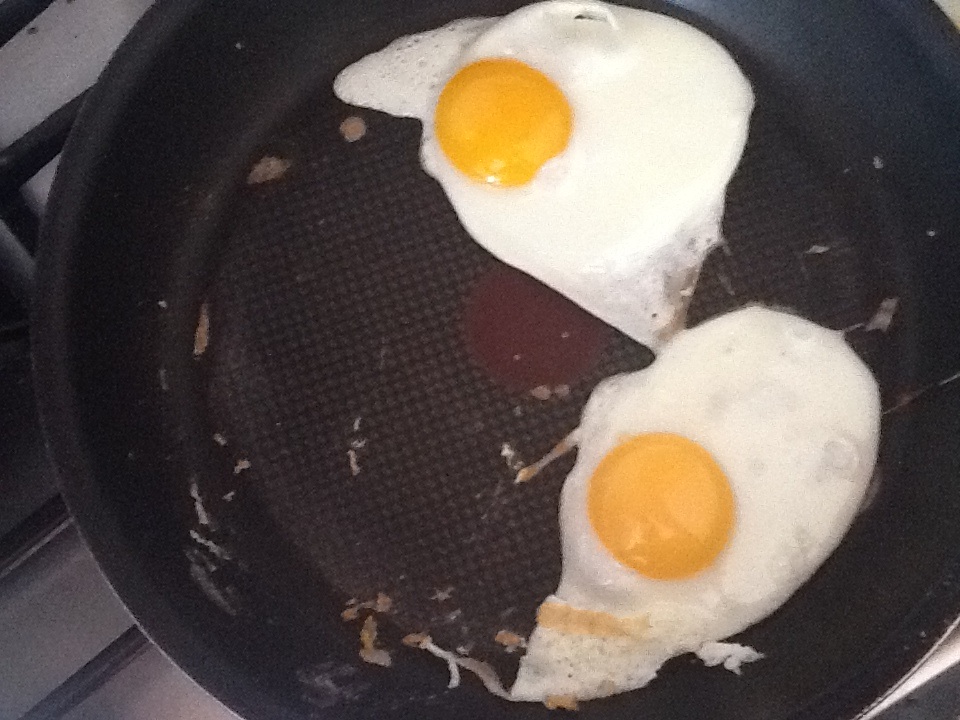
  • 1 wholemeal toast, little bit of butter, 2 boiled/poached/dry fried eggs
  • Natural yoghurt & fruit, 1 toast
  • Homemade muesli
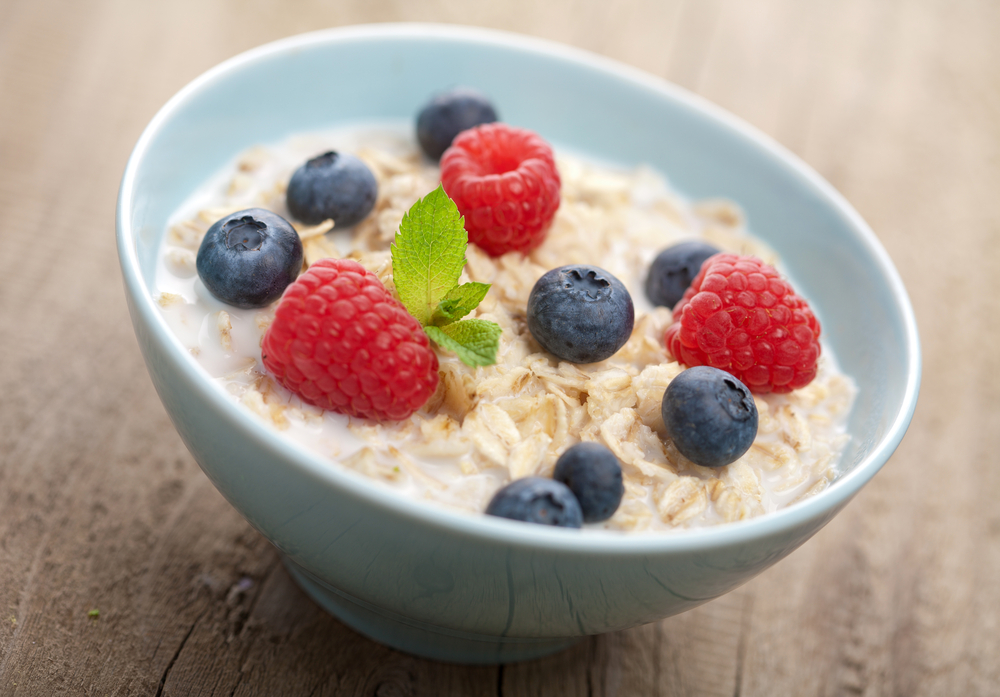
  • Summer oats
  • Shake: milk, spoon of yoghurt, banana/berries, honey
  • 2 Weetabix, milk, banana

Meals:

  • For work packed lunch: Build a Box
  • Spaghetti bolognaise: 1/4 plate spaghetti, add extra veg to bolognaise (grated carrot, extra tin tomatoes). Serve with side salad or Deidre’s coleslawfe0b2420125add7efdf9a7002a5b7261
  • Meatballs in tomato sauce with extra veg & pasta
  • Salmon with Happy Carrots
  • Wholemeal pitta, tuna mixed with natural yoghurt/light mayo, chopped pepper, spring onion & lettuce
  • 1 wholemeal toast, little bit of butter, 2 boiled/poached/dry fried eggs
  • Fiery Noodlesimages-2
  • Super food salad with some chicken/fish
  • Lentil & tomato soup

Snacks (hunger often confused with thirst, so first have a glass water/cup of tea or coffee):

  • Apple & handful almonds
  • Rice cake with peanut butter/quark & small dollop of pesto
  • Homemade flapjack
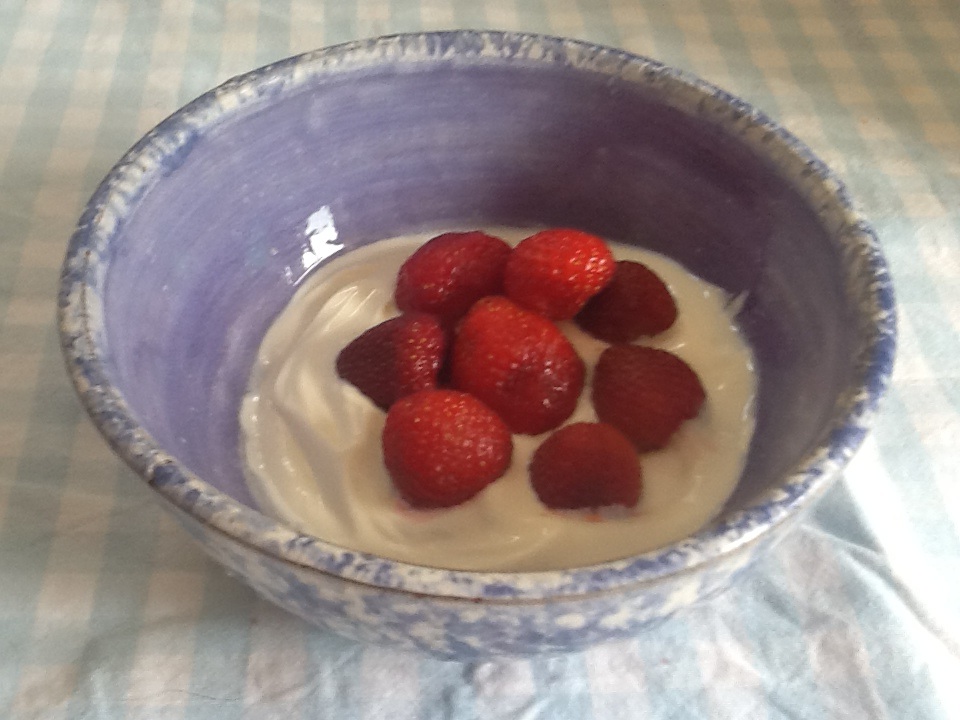
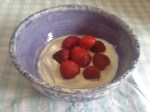
  • Yoghurt & strawberries image
  • Humous and carrot sticks
  • Glass of milk and banana/raisins
  • Skinny latte & apple

More Than Macros

Have you ever noticed that some people get sick less often, have much far more energy, and just have more zip? For a professional athlete, being tired affects performance, recovery and injury which ultimately can result in career success or failure.

On the face of it, one of my most recent clients had the perfect diet. As a young front row professional in rugby, weight needs to be at least 100 kg. His weight is stable at 100kg indicating that calories from food is balanced with the calories the body is using up. He has a respectable balance of carbohydrate (45%), protein (25%) and fat (30%), which he diligently records on the nutrition app myfitnesspal.  Permission to polish the halo?

The problem: his body fat is too high (16%), and he needs to build muscle mass, while maintaining the 100kg weight.

Essentially, we need to reduce calories to drop body fat, yet increase calories to build muscle (with a strength training programme in place to stimulate muscle growth). A physiological conundrum. This is a tricky scenario, and one that needs to be managed over the long term rather than in the few weeks before pre season training starts.

Unknown-2

During our hour long consultation, I gathered detailed info on food & fluid intake, training schedule and body fat (using skin fold callipers). Even before the a detailed computer analysis of nutrition quality, I could see that his diet was high in refined carbohydrates (sugary breakfast cereals, chocolate, sweets, bread, rolls), and low in vegetables and healthy fats.

The solution: quality and timing of food is as important as quantities of calories, carbs, protein and fat. Regular meals and snacks through out the day, with specific nutrient timing around training sessions, can make the difference between food used for fat storage  or muscle building. Using foods which not only meet the macronutrient targets, but also add extra punch nutritionally can manage the body’s mind bogglingly complex metabolism to meet these targets.

My client’s detailed nutrient analysis showed: Very low: vitamin C, vitamin A, vitamin E, vitamin K, folic acid and omega 3 fats. High in saturated fats and refined carbohydrates. This backs up my observation that he eats a lot of processed food (mainly bread and sugary breakfast cereals, chocolate and sweets), not enough veg/fruit or wholegrain carbs, and no fish.

So what? Why does this matter??

Here’s a table showing what these nutrients do in the body:

Nutrient Function Source
A Antioxidant: scavenges free radicals produced by exercise. Skin healing Fish, liver, green vegetables, carrots, yellow and orange fruit
E Antioxidant: scavenges free radicals produced by exercise Vegetable oils, nuts
K Formation of bone proteins, blood clotting Leafy green vegetables
C Wound healing, bone & blood vessel health Citrus fruit, tomatoes, potatoes, broccoli, strawberries, peppers
Folic Acid Making red blood cells Green vegetables, fruit
Omega 3 fats Anti inflammatory, muscle and wound healing, reduces muscle soreness after exercise Salmon, mackerel, sardines, walnuts, flaxseed

What happens when you lack these nutrients?

  1. more tired and lethargic – less zip
  2. more likely to get sick
  3. sorer muscles after weights and rugby sessions
  4. take longer to recover, having an impact on following training sessions and games
  5. injuries and niggles can take longer to heal

The bottom line:

If you think it’s ok to exist on white bread, pizza, biscuits etc, you need to realise that this will impact your every aspect of your performance. Fuelling is a fundamental contributing factor to how well you train. Man up – eat your veg. No excuses. Shopping List

image

imageimagesecuredownload-3

images-1

securedownload-1imageshutterstock_81803002


Packed Lunch: how to build your box

It’s 7am and you have minutes to put together your lunch for work. You look in the cupboard and fridge……….no time to cut up some veg, open a tin of tuna or cook some rice. Ham sandwich it is then.
ad276d4936a977f71240e28b808992ee b423515bb46da8de0f1db5d919a3595e fe0b2420125add7efdf9a7002a5b7261Set a side a few minutes the night before (or on a Sunday if you a super efficient) to prepare a few basic ingredients, and you will reduce time and stress for the week ahead. You can definitely increase feelings of afternoon oomph as you delve in to a  technicolour dream box of the healthy stuff, leaving the tedious sandwiches in their plastic wrappers. There are infinite combinations and variations to play with.

Step by step guide:

  1. Box: Get yourself a large one with a lid. That’s right a BIG one. About the size of a brick (not a Lego brick).
  2. Real Food: on Sunday, take 1 hour to prepare the following, then put in the fridge.
    • LOTS of colourful veg – chopped peppers, grated carrots, wash spinach, shred lettuce….make a batch of Superfood Salad and Happy Carrots. Fill at least half of the box with these, the more colourful, the better.
    • protein: boiled eggs, chicken, tuna, mackerel, cottage cheese, salmon, chopped up pork/beef
    • healthy fats: olive/flaxseed/avocado oil, avocado, nuts, seeds
    • optional wholegrain carbs: boil rice, quinoa, pasta etc. You just need a couple of tablespoons of these if you are sitting down all day. If you are very active or working out, then add some more!

Build your box of deliciousness each night before work. If you’re not going to work you will have a sumptuous supply in the fridge to fill a bowl throughout the day.

Here’s what I’ve just thrown together in less than 5 minutes for work tomorrow: stir fried kale, red cabbage, grated carrots, chopped peppers, a tin of tuna and some toasted pumpkin seeds. Olive oil and balsamic vinegar drizzled on. I’ll add in some frozen peas in the morning which will keep the box cool as they will have defrost towards lunch time. Lovely!

Photo on 08-06-2015 at 22.17 #2