Shepherd’s Pie – healthy make over

It has become popular for recipes, especially those online, to display the nutrition information. Hopefully this will empower the reader to make better health choices, as without this information, people generally underestimate the calories and fat in a dish.

BBC Good Food's Shepherd's Pie

BBC Good Food’s Shepherd’s Pie

Despite it being one of my jobs to estimate the nutritional value of food, I was a little shocked by the nutrition information that had been added to the Shepherd’s Pie recipe I’ve been using for years. One portion weighed in at over 660kcal and 39g of fat (and let’s face it, we usually have a little bit more than our allocated amount!) 660 calories is great for my 102kg rugby player husband who requires over 4000kcal per day, but for most of us, this is too high in saturated fat, calories, and too low on the veg and fibre. Most of us should aim for about 2000kcal, 45g of fat and 75g fibre per day.

So hoping to adopt the culinary equivalent of Laurence Lewellyn-Bowen’s Changing Rooms makeover genius (raised eyebrow), I set about reinventing my favourite shepherd’s pie recipe.

So how did I make the recipe healthier?

  • Reduced saturated fat: swapped lamb mince to lean beef mince, drained the excess fat, left out the butter from the mash.
  • Increase veg and fibre: added an extra carrot, replaced half the stock with a carton of tomatoes, added cooked red lentils (you really don’t even notice they’re in there), used half normal potatoes, half sweet potato for the mash

Result? 33% fewer calories, 70% less fat, 50% more fibre.

Here’s a comparison of the nutritional analyses of the original and made over recipe per portion:

  original healthier
Kcal 660 440
Fat 39 12
Protein 33 32
Fibre 6 9

And do you know what? It was actually rather good! The children and their friend from school finished a plate full each. Sounding a little perplexed, the friend said that she doesn’t usually finish her dinner. Ha! Healthier doesn’t mean less tasty!

Happy Carrots

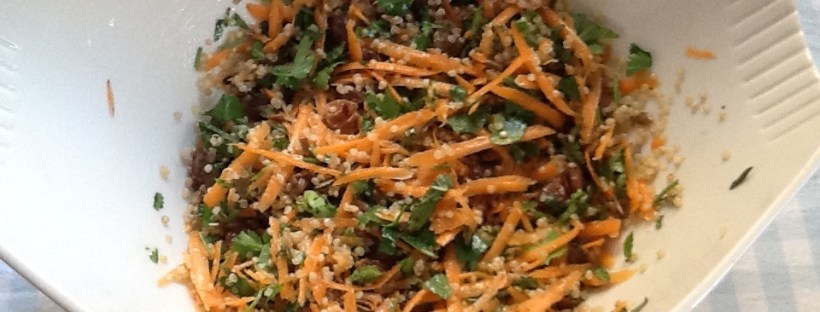
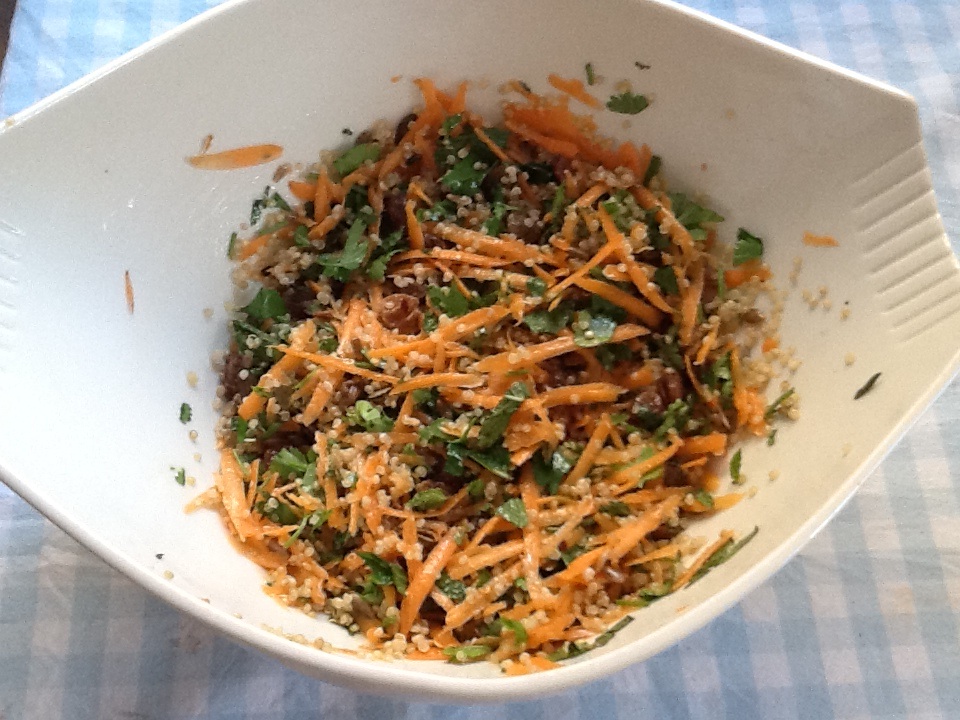
The name alone makes me love this. It’s also very easy to make which makes me happy.

Happy Carrots

Happy Carrots

Why it’s happy: protein from the quinoa and seeds; antioxidants from the carrots, mint and coriander; essential fatty acids from the pumpkin and sunflower seeds, and a little bit of sweetness from the sultanas.

Ingredients:

1 tablespoon sultanas (soak in hot water for 5 mins to plump up)

3 chopped spring onions

3 grated carrots

handful coriander leaves, chopped

small handful mint leaves, chopped

handful toasted pumpkin and sunflower seeds

a few tablespoons cooked quinoa/rice (optional)

dressing: 1 tablespoon lemon juice, 1 tablespoon olive oil, 1 chopped garlic cloves (or teaspoon of the garlic in a tube). Make more dressing, if you like it more dressingy.

Mix all the ingredients together in a bowl. Mix the dressing ingredients together and add when about to serve.

Paleo Diet – a bad fad?

A nice chap on Twitter challenged my thoughts and opinions on the Paleo Diet. Am I a lover or a hater?

It could be considered standard practice for a health professional to dismiss the Paleo Diet as nothing but a fad, a diet that is BAD, and just a bit mad. However, I am of the opinion that most ‘diets’ have their pros and cons, work for some people and not for others. As I always say, what works for you and what you are happy with is your business. If you feel the need to change and want to change, that’s terrific too.

Here is a bullet point overview of the paleo diet. I could witter on forever about it, but I’ll try to keep it brief!

What is the Paleo Diet?

  • short for paleolithic, also known as hunter-gatherer or caveman diet.
  • consists mainly of fish, grass-fed pasture raised meats, eggs, vegetables, fruit and nuts
  • excludes grains (including wheat & rice), legumes, dairy products, potatoes, refined salt, refined sugar, and processed oils
  • based on the premise that humans have not evolved to digest and metabolise the excluded foods
  • seen as a lifestyle, rather than a ‘diet’ one ‘goes on’

Pros

  • based on wholesome, unprocessed foods, high in vitamins and minerals (except calcium), antioxidants, and essential fatty acids
  • elimination of processed foods
  • no specialist ‘diet foods’
  • eat when you’re hungry, don’t eat if you’re not
  • when strictly followed, will probably result in weight loss due to a reduction in calories
  • no calorie counting required – a massive plate of veg with a portion of meat should fill you up
  • many people do have a gluten/lactose intolerance, the diet can help identify these

Cons

  • restrictive, can result in feeling deprived leading to rebellion and over eating
  • requires careful planning and a lot of will power
  • eating out and as a guest at other people’s houses can be very difficult
  • expensive to buy pasture raised meat, wild fish (£10 per salmon fillet anyone?) etc.
  • there is the opinion that the whole philosophy is based on speculation about what our ancestors ate
  • humans have not stopped evolving, an example being the evolution of lactose tolerance in Europeans

What about for athletes?

Having witnessed first hand the implementation of the Paleo Diet with professional athletes, I’m more skeptical about it’s application for sports people. The leading expert on all things Paleo, Loren Cordain, followed his original book with one on the diet for athletes. Just one of the aspects which I find tricky is the use of carbohydrate. He fully acknowledges the need for adapting the diet for very active individuals, advocating that 50% calories should come from carbohydrate, including the introduction of potato, sweet potato, dried fruits and fruit juice. In the book ‘The Paleo Diet for Athletes’ he writes:

“of course, this carbohydrate should primarily come from fruit and vegetables, so calories aren’t wasted by eating food lacking micro nutrients”.

He follows with an example diet for a 10 stone athlete training 15 hours/week requiring 3000kcal/day. I analysed the nutrients…… Dr Cordain only managed to get 30% calories carbohydrate (fruit/veg), and this seemed to be mainly from fruit juice. I therefore question how athletes requiring large calorie intakes can realistically follow his regimen.

Due to the impossible task of getting 50% of calories from fruit and veg, I have witnessed first hand the reduction in training performance (feeling weak and dizzy), constant hunger, poorer body compostition, and difficulty in socialising (as a dinner guest or in restaurants).

My opinion:

For people who have a high intake of processed food, are over weight or who want to try to improve their health, a relaxed version of the Paleo Diet may be worth a try! There is no doubt that wholesome, unprocessed

include wholesome grains and dairy

include wholesome grains and dairy

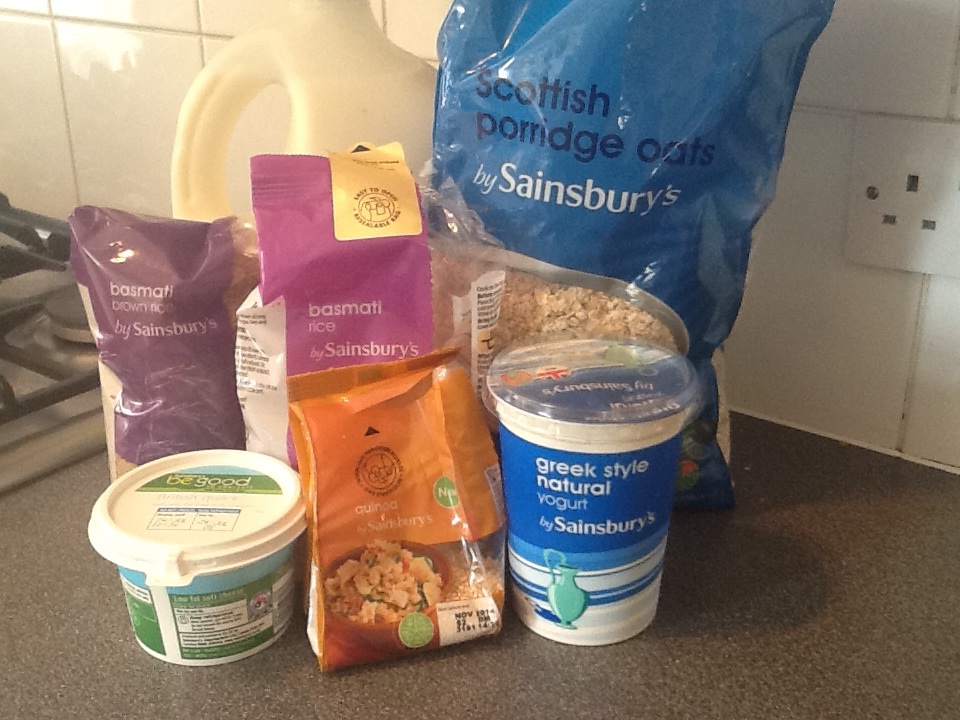
foods: fish, meats, eggs, vegetables, fruit and nuts are of benefit. Adopt a common sense approach to including grains and dairy eg. swap Frosties for oats, chips for basmati/brown rice.

Athletes, be careful not to sacrifice your performance in training and in competition for an ideological diet that is not meeting your nutritional needs. The basic principles can be adapted to meet your training goals and to achieve optimal performance.

Final thoughts:

  • “You can’t out run your fork” for optimal health, diet is paramount
  • Eat wholesome real foods, eat food that goes off before it goes off!
  • Load your plate up with vegetables, a handful of grains and a portion of protein
  • Make small changes over a period of time so that it becomes a lifestyle, not a fad diet that you follow for a few weeks

Your thoughts?

I’d love to hear your thoughts, opinions and experiences! Comments gratefully received…….

700kcal meal – Meatballs and Pasta

image

 700kcal, 35g protein, 100g carbohydrate.


Most men need about 2500kcal/day, and ladies 2000kcal/day. Less to lose weight, more to gain. My husband Dec’s target intake per day is 3600kcal as he needs to put on a few kilos for the start of the rugby season in September. He tries to divide this evenly throughout the day.

Here is what tonight’s 700kcal meal looks like (it doesn’t look like that much does it?!):

Pasta – 3 (lady) handfuls dried penne, approximately 100kcal each = 300kcal

Meatballs – lean mince, 6 x 50kcal each = 300kcalimage

Tomato sauce – 1/2 tin chopped tomatoes, tomato puree, 1/2 onion, carrot grated, garlic = 50 kcal

1/2 tablespoon olive oil

Nutrition Basics for Weight Loss


Making wholesome and nutritious food choices for most of your meals and snacks can have a profound effect on your weight and health. All too often we are bombarded with confusing and complex messages about diets and nutrition products, from the internet, friends and even fitness coaches.

So the secret is to keep it simple, you don’t need a lot of exotic ingredients or off the wall diets. Fill your fridge with vegetables, lean meat, eggs and lower fat dairy, and your cupboards with wholesome carbs and tinned fish, tomatoes, nuts, seeds etc. Frozen vegetables are just as good, and often better nutritionally than fresh.

What does a healthy meal for weight loss look like? Try this:

veggies

  • 1/2 plate: salad/vegetables/fruit
  • 1/4 plate protein: chicken, pork, beef, fish, beans, lentils
  • 1/4 plate starchy food: potatoes, rice, pasta, quinoa, cous cous, wholemeal bread
  • use oils and oily dressings sparingly

Most people have far too much starchy food eg. big plate pasta, and not enough veg.

How does this translate to real life? Here are some examples…..

Breakfast:

  • Berry Banana Breakfast Bake
  • Granola with milk
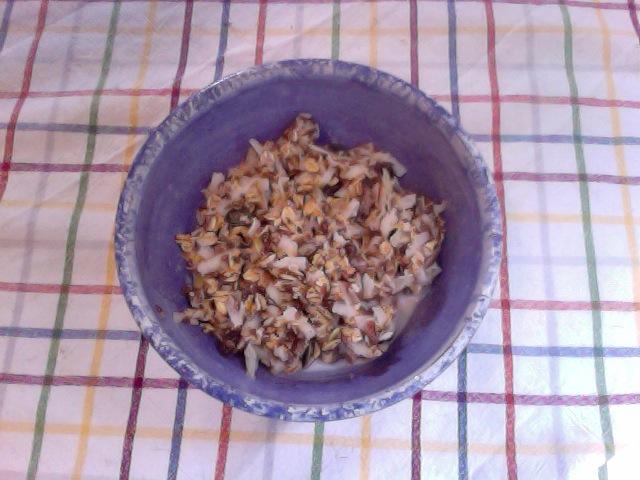
  • handful porridge oats, water, milk, berries/raisins

    Nag's muesli

    Homemade muesli

  • 1 wholemeal toast, little bit of butter, 2 boiled/poached/dry fried eggs
  • Natural yoghurt & fruit, 1 toast
  • Homemade muesli
  • Summer oats
  • Shake: milk, spoon of yoghurt, banana/berries, honey
  • 2 Weetabix, milk, banana

Meals:

  • 4 no effort meals
  • Spaghetti bolognaise: 1/4 plate spaghetti, add extra veg to bolognaise (grated carrot, extra tin tomatoes). Serve with side salad or Deidre’s coleslawimage
  • Meatballs in tomato sauce with extra veg & pasta
  • Rice, salmon, carrots & broccoli
  • Wholemeal pitta, tuna mixed with natural yoghurt/light mayo, chopped pepper, spring onion & lettuce
  • 1 wholemeal toast, little bit of butter, 2 boiled/poached/dry fried eggs
  • bowl of salad leaves, grated carrot, peas, sunflower & pumpkin seeds, chopped up chicken or flaked salmon

    image

    wholemeal bread, tuna with light mayo & yoghurt, carrot, spring onion, pepper

  • Super food salad with some chicken/fish
  • Lentil & tomato soup

Snacks (hunger often confused with thirst, so first have a glass water/cup of tea or coffee):

  • Apple & handful almonds
  • Rice cake with peanut butter/quark & small dollop of pesto
  • Homemade flapjack
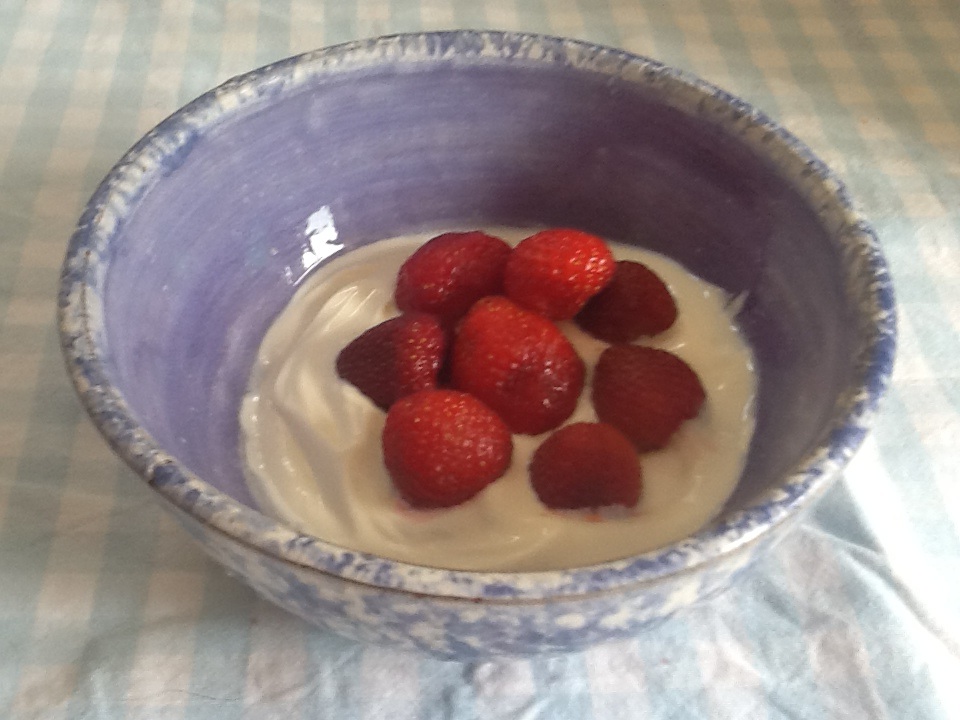
  • Yoghurt & strawberries image
  • Humous and carrot sticks
  • Glass of milk and banana/raisins
  • Skinny latte & apple

Tips:

  • stick to 1 portion of meals, if still hungry fill up up more veg/fruit
  • avoid creamy sauces, choose tomato sauces/vegetable based ones
  • be aware that oils (yes, even olive oil) has 100kcal per tablespoon. Use but don’t over do it. If eating out, ask for dressing on the side.
  • Be aware that sugary drinks (including pure fruit juice) can add significant calories to your diet. Go for water, tea, coffee, herbal teas, diluted cordial, or diet drinks instead.
  • Drink a large glass of water before a meal
  • Don’t put pot of food on table, serve up in kitchen to avoid picking at extras
  • By all means have ice cream, but not everyday and just a few scoops, not half the tub. Same goes for biscuits, crisps, chocolate, wine, beer etc. Not everyday and control the amounts.
  • Be aware that ‘light’, ‘lite’ or reduced fat doesn’t mean low in fat, just that it is 25% lower than full fat version.
  • Use natural yoghurt instead of mayonnaise,  or mix half yoghurt with half reduced fat mayo
  • If you are at work with limited access to appropriate food choices, bring your own food from home.
  • more tips28d3c13686b38426ee21fff84fe238a7.jpg

I hope some of these ideas may be of use to you. If it all seems a bit too much, just pick one or two ideas each week. Gradual changes that become habit are more likely to be of long term benefit than making massive changes that can be overwhelming.

Mark Twain: Habit is habit and not to be flung out of the window by any man, but coaxed downstairs a step at a time.

In the fridge today……

Yesterday morning, a mum at the school gates dared me to post my fridge contents (she didn’t think I’d do it, so haha Ye Of Little Faith!) I promise that I’ve not removed or added anything. From the top…..

Photo on 2013-07-02 at 07.15

  • Boots Omega 3 Children’s supplement
  • Natural Yoghurt (full fat)
  • Kinetica Omega 3s – these ones for the grown ups
  • BBQ left overs (chicken, lamb)
  • Gatorade Ultimate Hydration (6% carbs, for exercise > 1hr)
  • Heinz Tomato Ketchup – lycopene & flavour!
  • Cherry Diet Coke – errrr, 2 bottles, a glass few times a week 😉
  • Butter – a little saturated fat ok
  • Bacon – processed meat 😦
  • Cheese – calcium
  • Left over Super Food Salad
  • Eggs – amazing nutrition powerhouses (don’t raise blood cholesterol)
  • Lavazza Coffee
  • Variety of veg: spring onions, broccoli, pepper, red cabbage, lettuce
  • Alpro Almond Milk – just for variety and to use in this and this
  • Kinetica High Protein Shake – used as quick snack or to bump up protein in these
  • Semi Skimmed Milk – good for protein, carbs, calcium – great post exercise refuelling.

Not a bad selection, plenty of nutritious things, some not so good. But like I always say, everything in moderation. Any comments gratefully received!

8 essential tips for weight loss (and feeling fab!)

 The key to a healthy weight and feeling fabulous: 8 essential tips………

  1. Aim for small changes that you can sustain longterm, rather than a quick fix diet for a few days or weeks. Think “where do I want to be in a year”, rather than, “I want to lose a stone in 2 weeks”
  2. Listen to you body. Don’t starve…..low blood sugar levels will affect your concentration and make you grumpy. For most people, this would mean eating at 3 meals a day, with a snack in between. Eat until satisfied, not stuffed.
  3. Nutrition Basics – get the foundations of your meals right, and the rest shall follow! Always try to have protein at each meal, a fist full size of wholegrain carbs, and 1/2 a plate of veg or some fruit.
  4. Eat Breakfast– if you don’t feel like eating first thing in the morning, have something with in an hour or two of waking.
  5. Have Healthy Snacks to avoid becoming ravenous. Don’t skip meals to try to cut calories. It may make you feel virtuous at the time, but you are more likely to snack on high calorie foods or overeat unhealthy choices at your next meal.
  6. Be aware of what fluids you are drinking – frappacinos, non-diet fizzy drinks, fruit juice etc. can add 100s of calories to you daily intake. Replace with low calorie drinks eg. a cup of tea, americano, small skinny latte herbal, tea, water.
  7. Choose wholegrain carbohydrates ie. wholemeal bread, brown rice, oats. These make you feel fuller for longer. They also blunt rises in insulin (insulin promotes fat storage).
  8. Plan ahead, so that you know that you will have access to something healthy to eat. If you are not at home, always have a healthy snack with you in your bag or in your desk drawer at work.