Coconut Oil – is it really that AMAZING!?

You may have noticed that over the last few years coconut oil has made an appearance on supermarket shelves, in health food shops and is sold by sports nutrition companies. It first arrived in our house 2 years ago, when my husband returned from rugby training with a tub of this magical stuff, with the instructions that we should use it to cook with.

UnknownAt the time, I recall having a toddler and a new baby to look after, so it didn’t get much more than a raised eyebrow from me. Over the years London Irish rugby nutritionists have promoted a range of dubious products. I have learnt that, if it is not going to do any actual harm, then the route to a happy marriage is to just say “yes dear, that’s nice”, and wait for the next fad to come along.

But Coconut Oil doesn’t seem to be a passing fad. Is there any truth behind the health claims of weight loss, reduced heart disease, and improved athletic performance?

In a (coco) nut shell, maybe.

How is coconut oil different to other fats?

Coconut oil is very high in saturated fat, which is traditionally vilified for it’s artery clogging effects. However, 60% of the saturated fats in coconut oil are MCTs (medium chain triglycerides)

Why are MCTs different?:

  • May have a neutral (or positive) effect on blood cholesterol
  • Can be used by the body as a quick fuel source – MCTs are transported directly to the liver, where they are more likely to be burned as fuel, as opposed to other types of oils, which typically get stored as fat in the body.
  • May raise metabolism slightly and make you feel more full up
  • High concentration of lauric acid, which may have antiviral and antifungal properties.

What the studies show:


Weight loss

An overall consensus has not yet been reached regarding MCTs and weight loss.

There are studies showing that pharmaceutical grade 100% MCT oil may reduce body fat by increasing metabolic rate. Coconut oil is only about 60% MCT, so it’s not good science to say that coconut oil will have the same results. To get any small weight loss benefit, large amounts of the oil were used. Unfortunately, large amounts of coconut oil can cause stomach upsets and nausea, so in real life, it is unlikely that people could comply with this.


Heart Disease

The research on MCT saturated fats is constantly evolving, years ago all saturated fats were thought to be bad for our hearts. However, we now know that there are different types of saturated fats that affect our bodies in different ways. Some studies suggest that MCT saturated fat might lower risk factors for heart disease by increasing levels of good cholesterol.

There is a study looking at Polynesians, which found that this population of islanders have a very high consumption of coconuts and a low incidence of cardiovascular disease. Hence, the claims that coconut oil is very beneficial for the heart. However, Polynesians have many other lifestyle factors which improve heart health (low intake of sugar and salt, good intake of fiber, plant sterols, and omega-3 fatty acids from fish). They also had an active lifestyle and used little tobacco.


Athletes

The evidence for using MCTs as an ‘ergogenic’ supplement, to prolong endurance or improve performance, is pretty much non-existent. Because MCTs in coconut oil are metabolised by the liver to produce energy, it seems reasonable to assume that this is good for providing energy for exercise. However, in real-life research on athletes, there does not seem to be this positive effect. In fact, in a study of cyclists, after taking coconut oil their performance was actually reduced, probably due to the stomach cramps they experienced.


Alzheimer’s Disease

According to the Alzheimer’s Association, “a few people have reported that coconut oil helped with Alzheimer’s, but there’s never been any clinical testing of coconut oil for Alzheimer’s, and there’s no scientific evidence that it helps.”  The same is true of 100% MCT oil.


My advice:

On balance, coconut oil can be included as part of your healthy diet. If you like the flavour that coconut oil provides in cooking, go ahead and use it—but in moderation. Use Virgin Coconut Oil, as it has not been chemically bleached and retains nutrients that are lost during the refining process.

There may be some truth in the weight loss claims, however, it’s worth stressing that coconut oil is very high in calories, so substitute it in your diet for other things. Unless you are aiming to gain weight, don’t simply add large amounts to your current intake.

As ever, ensure that you have a balanced, healthy diet with vegetables, whole grains, protein foods, essential fats etc. before depending on coconut oil to provide you with an answer for your health issues.

Here are a selection available in the UK and online:

Sainsbury’s – £6.00/300ml

Tesco – £6.00/260ml

Holland & Barrett – £16.55/500ml

MyProtein – £9.99/460g
 

Raise your metabolism – the rate your body burns calories. 6 facts

  1. Your metabolism slows as you get older, probably due to a reduction in muscle mass
  2. Restricting your calories too much slows your metabolism. If you don’t eat enough, your body goes in to starvation mode, and slows down the metabolism
  3. Aerobic exercise raises the metabolic rate during and for a few hours after exercise. Anything that get’s you out of breath is good: running, cycling, fast walking, swimming etc. the more vigorous the better!
  4. Add muscle. By doing resistance exercise and building muscle your metabolism is raised. Muscle is a metabolically active body tissue, so will burn calories even at rest.
  5. Eat regularly, ideally spread your daily food intake between 3 meals and 2 snacks. Digestion of food raises the metabolism
  6. Eat protein at each meal. Protein foods eg. Meat, chicken, fish, eggs, stoke up the metabolism as the body uses more calories to digest than carbohydrate or fat

Healthy ice cream – high protein, low fat

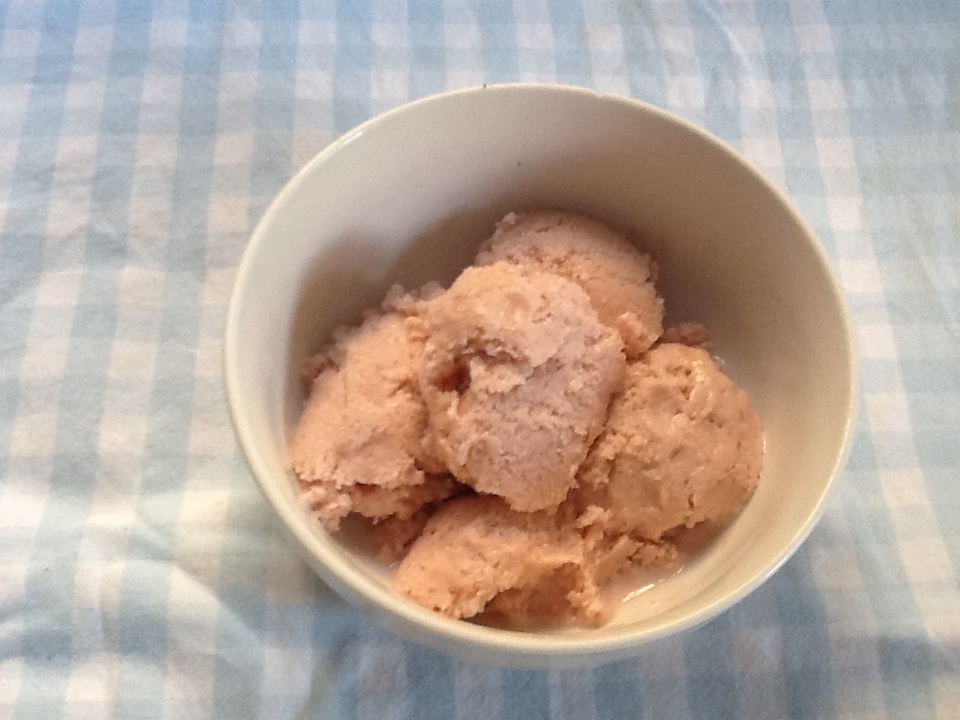
Here’s a recipe for ice cream made with protein powder. I used Kinetica Whey Protein Strawberry flavour. It is a much healthier version of standard ice cream, as it is low in fat, and high in protein, and has healthier carbs. Perfect as a post workout recovery snack, or just for something delicious on a hot day.

image

Per serving:

  • 208kcal, 18g protein, 25g carbohydrate, 4g fat
  • Normal ice cream per 100g (3/4 cup): 200kcal, 3.3g protein, 23g carbohydrate, 11g fat

Why it’s better than standard ice cream:

  • cream replaced with whey protein powder, yoghurt and milk.
  • higher in protein – for muscle repair and muscle building, makes you feel full up for longer.
  • lower in fat – 17% calories from fat, compared to 50% in standard ice cream
  • healthier carbs – banana and milk replace sugar. Carbs used for muscle repair and building (helps to shuttle protein in to muscle), replaces glycogen used up during exercise.
  • banana provides vitamins, minerals, antioxidants and soluble fibre.
  • you can have a larger portion size than standard ice cream as it is lower in kcal.

You can use any flavour of protein powder that you like, I used strawberry. I don’t have an ice cream maker, but I’m sure the results would be even better using one!

And the recipe…..(makes 2 servings):

30g any whey protein powder 

250ml semi skimmed milk

1 banana

2 tablespoons natural yoghurt

Whizz the ingredients in a blender, and pour in to a bowl. Place bowl in the freezer.

After about an hour, take out of freezer and stir using a whisk or fork. This is to break up the ice crystals. Try to get a smooth consistency.

Repeat this every 30 minutes/1 hour until the ice cream has been in the freezer for approximately 4 hours. If it is left longer than this, it can become quite solid, and will need to be left out of the freezer for a while to defrost a little before serving.

Enjoy!


Paleo Diet – a bad fad?

A nice chap on Twitter challenged my thoughts and opinions on the Paleo Diet. Am I a lover or a hater?

It could be considered standard practice for a health professional to dismiss the Paleo Diet as nothing but a fad, a diet that is BAD, and just a bit mad. However, I am of the opinion that most ‘diets’ have their pros and cons, work for some people and not for others. As I always say, what works for you and what you are happy with is your business. If you feel the need to change and want to change, that’s terrific too.

Here is a bullet point overview of the paleo diet. I could witter on forever about it, but I’ll try to keep it brief!

What is the Paleo Diet?

  • short for paleolithic, also known as hunter-gatherer or caveman diet.
  • consists mainly of fish, grass-fed pasture raised meats, eggs, vegetables, fruit and nuts
  • excludes grains (including wheat & rice), legumes, dairy products, potatoes, refined salt, refined sugar, and processed oils
  • based on the premise that humans have not evolved to digest and metabolise the excluded foods
  • seen as a lifestyle, rather than a ‘diet’ one ‘goes on’

Pros

  • based on wholesome, unprocessed foods, high in vitamins and minerals (except calcium), antioxidants, and essential fatty acids
  • elimination of processed foods
  • no specialist ‘diet foods’
  • eat when you’re hungry, don’t eat if you’re not
  • when strictly followed, will probably result in weight loss due to a reduction in calories
  • no calorie counting required – a massive plate of veg with a portion of meat should fill you up
  • many people do have a gluten/lactose intolerance, the diet can help identify these

Cons

  • restrictive, can result in feeling deprived leading to rebellion and over eating
  • requires careful planning and a lot of will power
  • eating out and as a guest at other people’s houses can be very difficult
  • expensive to buy pasture raised meat, wild fish (£10 per salmon fillet anyone?) etc.
  • there is the opinion that the whole philosophy is based on speculation about what our ancestors ate
  • humans have not stopped evolving, an example being the evolution of lactose tolerance in Europeans

What about for athletes?

Having witnessed first hand the implementation of the Paleo Diet with professional athletes, I’m more skeptical about it’s application for sports people. The leading expert on all things Paleo, Loren Cordain, followed his original book with one on the diet for athletes. Just one of the aspects which I find tricky is the use of carbohydrate. He fully acknowledges the need for adapting the diet for very active individuals, advocating that 50% calories should come from carbohydrate, including the introduction of potato, sweet potato, dried fruits and fruit juice. In the book ‘The Paleo Diet for Athletes’ he writes:

“of course, this carbohydrate should primarily come from fruit and vegetables, so calories aren’t wasted by eating food lacking micro nutrients”.

He follows with an example diet for a 10 stone athlete training 15 hours/week requiring 3000kcal/day. I analysed the nutrients…… Dr Cordain only managed to get 30% calories carbohydrate (fruit/veg), and this seemed to be mainly from fruit juice. I therefore question how athletes requiring large calorie intakes can realistically follow his regimen.

Due to the impossible task of getting 50% of calories from fruit and veg, I have witnessed first hand the reduction in training performance (feeling weak and dizzy), constant hunger, poorer body compostition, and difficulty in socialising (as a dinner guest or in restaurants).

My opinion:

For people who have a high intake of processed food, are over weight or who want to try to improve their health, a relaxed version of the Paleo Diet may be worth a try! There is no doubt that wholesome, unprocessed

include wholesome grains and dairy

include wholesome grains and dairy

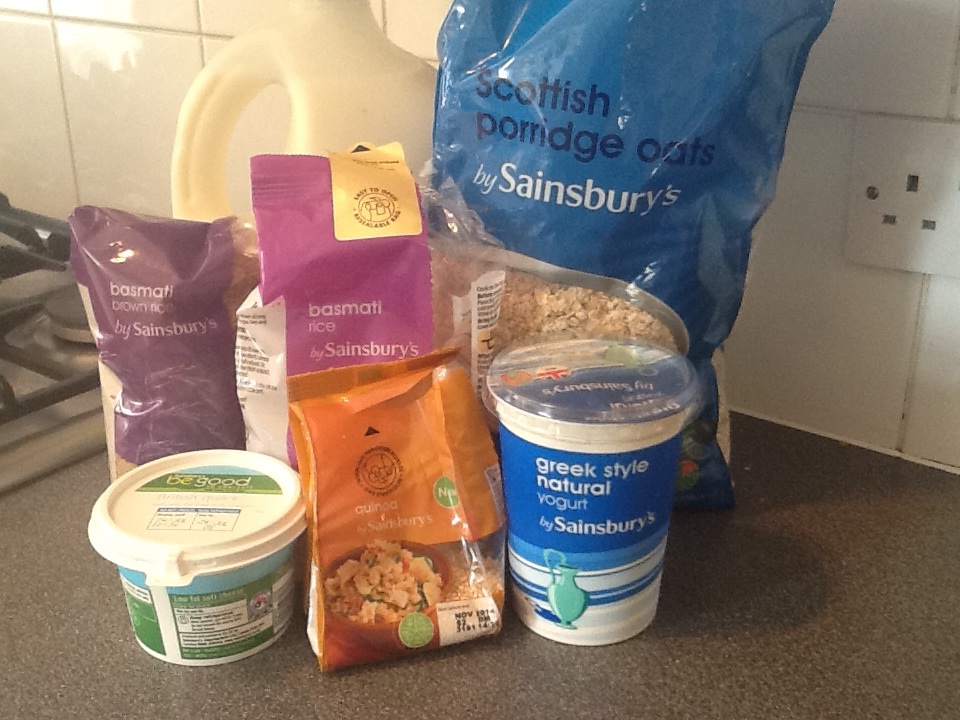
foods: fish, meats, eggs, vegetables, fruit and nuts are of benefit. Adopt a common sense approach to including grains and dairy eg. swap Frosties for oats, chips for basmati/brown rice.

Athletes, be careful not to sacrifice your performance in training and in competition for an ideological diet that is not meeting your nutritional needs. The basic principles can be adapted to meet your training goals and to achieve optimal performance.

Final thoughts:

  • “You can’t out run your fork” for optimal health, diet is paramount
  • Eat wholesome real foods, eat food that goes off before it goes off!
  • Load your plate up with vegetables, a handful of grains and a portion of protein
  • Make small changes over a period of time so that it becomes a lifestyle, not a fad diet that you follow for a few weeks

Your thoughts?

I’d love to hear your thoughts, opinions and experiences! Comments gratefully received…….

Breakfast Omelette (sweet!)

Most of us have become used to having something sweet in the mornings, rather than savoury. Think breakfast cereal, porridge with raisins, muesli, toast and jam, fruit and yoghurt etc. All perfectly great breakfasts.

image

Omelettes usually fall in to the savoury category, so I thought I’d change ingredients to make it sweet. It sounds a bit odd, but bear with me, and give it a go. All you need are eggs, oats and some honey. Cinnamon if you are feeling adventurous!

Why this omelette is great!

Eggs:

  • contrary to popular belief, cholesterol in eggs does not raise blood cholesterol
  • nutrient dense superfood, choca-block with vitamin and minerals
  • high in choline (neurological benefits) and leucine (for muscle building – found in many sports protein drinks)
  • High protein – help you to feel full up for longer and for muscle building
  • cheap!

Oats:

  • low GI, for slow energy release
  • high soluble fibre and B vitamins
  • lowers cholesterol, prevents heart disease
  • also cheap!

Honey:

  • balance of fructose and glucose sugars (similar to sports carbohydrate gels, but without the additives)
  • easily absorbed by the body, increasing energy levels quickly

Here’s what you do:

1) whisk 2 eggs, add to hot non-stick omelette/frying pan

2) sprinkle in a small handful of oats, with cinnamon if you are using

3) give the pan a shake every so often and just a few times give a stir (stir too often and you’ll have scrambled eggs, equally delicious I’m sure)

4) drizzle some honey over the omelette

5) plate up! Add some extra honey if you wish.

Nutrition info: 320kcal, 16g protein, 30g carbohydrate

700kcal meal – Meatballs and Pasta

image

 700kcal, 35g protein, 100g carbohydrate.


Most men need about 2500kcal/day, and ladies 2000kcal/day. Less to lose weight, more to gain. My husband Dec’s target intake per day is 3600kcal as he needs to put on a few kilos for the start of the rugby season in September. He tries to divide this evenly throughout the day.

Here is what tonight’s 700kcal meal looks like (it doesn’t look like that much does it?!):

Pasta – 3 (lady) handfuls dried penne, approximately 100kcal each = 300kcal

Meatballs – lean mince, 6 x 50kcal each = 300kcalimage

Tomato sauce – 1/2 tin chopped tomatoes, tomato puree, 1/2 onion, carrot grated, garlic = 50 kcal

1/2 tablespoon olive oil

Nutrition Basics for Weight Loss


Making wholesome and nutritious food choices for most of your meals and snacks can have a profound effect on your weight and health. All too often we are bombarded with confusing and complex messages about diets and nutrition products, from the internet, friends and even fitness coaches.

So the secret is to keep it simple, you don’t need a lot of exotic ingredients or off the wall diets. Fill your fridge with vegetables, lean meat, eggs and lower fat dairy, and your cupboards with wholesome carbs and tinned fish, tomatoes, nuts, seeds etc. Frozen vegetables are just as good, and often better nutritionally than fresh.

What does a healthy meal for weight loss look like? Try this:

veggies

  • 1/2 plate: salad/vegetables/fruit
  • 1/4 plate protein: chicken, pork, beef, fish, beans, lentils
  • 1/4 plate starchy food: potatoes, rice, pasta, quinoa, cous cous, wholemeal bread
  • use oils and oily dressings sparingly

Most people have far too much starchy food eg. big plate pasta, and not enough veg.

How does this translate to real life? Here are some examples…..

Breakfast:

  • Berry Banana Breakfast Bake
  • Granola with milk
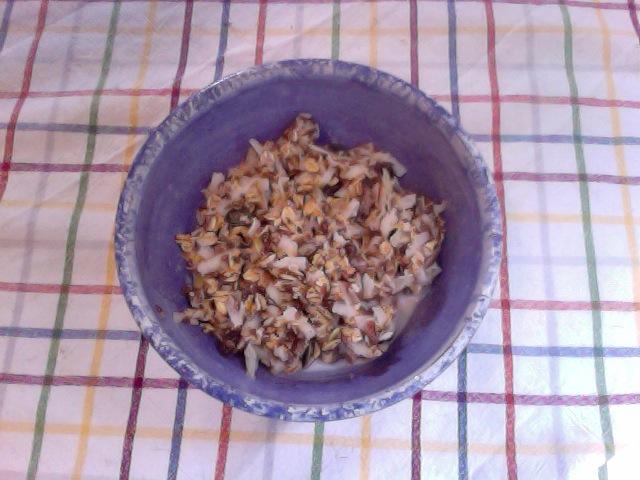
  • handful porridge oats, water, milk, berries/raisins

    Nag's muesli

    Homemade muesli

  • 1 wholemeal toast, little bit of butter, 2 boiled/poached/dry fried eggs
  • Natural yoghurt & fruit, 1 toast
  • Homemade muesli
  • Summer oats
  • Shake: milk, spoon of yoghurt, banana/berries, honey
  • 2 Weetabix, milk, banana

Meals:

  • 4 no effort meals
  • Spaghetti bolognaise: 1/4 plate spaghetti, add extra veg to bolognaise (grated carrot, extra tin tomatoes). Serve with side salad or Deidre’s coleslawimage
  • Meatballs in tomato sauce with extra veg & pasta
  • Rice, salmon, carrots & broccoli
  • Wholemeal pitta, tuna mixed with natural yoghurt/light mayo, chopped pepper, spring onion & lettuce
  • 1 wholemeal toast, little bit of butter, 2 boiled/poached/dry fried eggs
  • bowl of salad leaves, grated carrot, peas, sunflower & pumpkin seeds, chopped up chicken or flaked salmon

    image

    wholemeal bread, tuna with light mayo & yoghurt, carrot, spring onion, pepper

  • Super food salad with some chicken/fish
  • Lentil & tomato soup

Snacks (hunger often confused with thirst, so first have a glass water/cup of tea or coffee):

  • Apple & handful almonds
  • Rice cake with peanut butter/quark & small dollop of pesto
  • Homemade flapjack
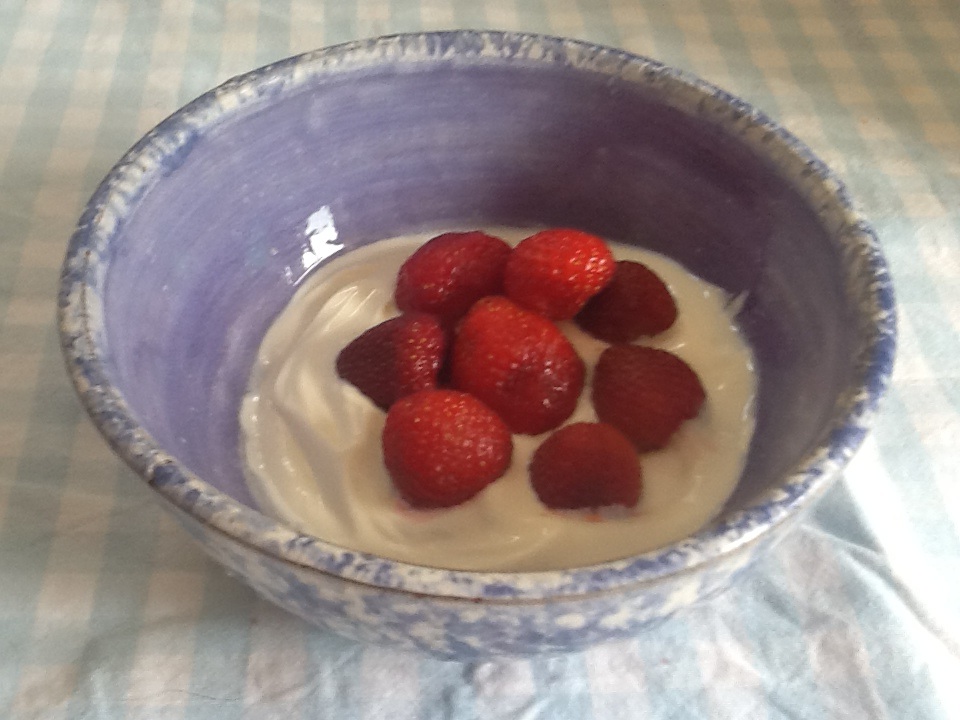
  • Yoghurt & strawberries image
  • Humous and carrot sticks
  • Glass of milk and banana/raisins
  • Skinny latte & apple

Tips:

  • stick to 1 portion of meals, if still hungry fill up up more veg/fruit
  • avoid creamy sauces, choose tomato sauces/vegetable based ones
  • be aware that oils (yes, even olive oil) has 100kcal per tablespoon. Use but don’t over do it. If eating out, ask for dressing on the side.
  • Be aware that sugary drinks (including pure fruit juice) can add significant calories to your diet. Go for water, tea, coffee, herbal teas, diluted cordial, or diet drinks instead.
  • Drink a large glass of water before a meal
  • Don’t put pot of food on table, serve up in kitchen to avoid picking at extras
  • By all means have ice cream, but not everyday and just a few scoops, not half the tub. Same goes for biscuits, crisps, chocolate, wine, beer etc. Not everyday and control the amounts.
  • Be aware that ‘light’, ‘lite’ or reduced fat doesn’t mean low in fat, just that it is 25% lower than full fat version.
  • Use natural yoghurt instead of mayonnaise,  or mix half yoghurt with half reduced fat mayo
  • If you are at work with limited access to appropriate food choices, bring your own food from home.
  • more tips28d3c13686b38426ee21fff84fe238a7.jpg

I hope some of these ideas may be of use to you. If it all seems a bit too much, just pick one or two ideas each week. Gradual changes that become habit are more likely to be of long term benefit than making massive changes that can be overwhelming.

Mark Twain: Habit is habit and not to be flung out of the window by any man, but coaxed downstairs a step at a time.